Have you ever watched your cat staring at a toy for minutes on end, completely motionless except for that telltale tail twitch? Or maybe you’ve noticed them tearing through the house at midnight, pouncing on invisible prey? Here’s the thing: these aren’t just random bursts of energy or cute quirks. Your cat’s playtime is so much more than entertainment.
When your feline friend bats at that feather wand or stalks a crinkle ball across the living room floor, something remarkable is happening inside their brain. They’re processing, strategizing, and engaging cognitive pathways that keep them mentally sharp. Let’s be real, we often think of play as optional, something to do when we have extra time. The truth is, for your cat, it’s as essential as food and water. So let’s dive into why your feline deserves daily mental workouts and what happens when they don’t get them.
The Brain-Building Power of Interactive Play
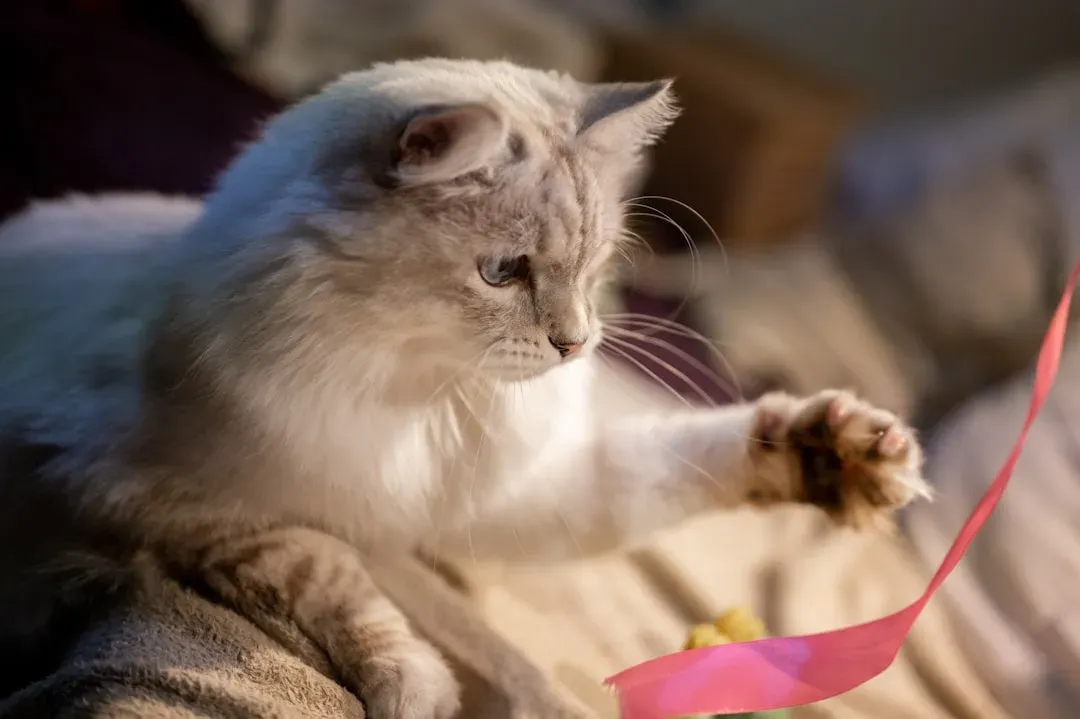
Interactive playtime strengthens your bond while providing valuable cognitive challenges, allowing your cat to focus, chase, and strategize. Think of it this way: when you engage your cat with a wand toy or laser pointer, you’re not just keeping them entertained. You’re literally helping them build and maintain neural connections.
Enrichment activities challenge your cat’s brain, preventing boredom and providing mental exercise crucial for cats of all ages to keep their minds sharp and alert. Regular mental stimulation can slow cognitive decline and keep older felines engaged. Honestly, I think we underestimate how intelligent our cats really are until we see them solve a puzzle feeder in record time.
What Happens When Your Cat Gets Bored
Boredom in cats isn’t just about a yawn or two. Cats that are bored or under-stimulated may become destructive, overly vocal, or develop stress-related behaviors. I’ve seen this firsthand with friends whose cats suddenly started scratching furniture or meowing incessantly at night.
Mentally stimulated cats are less likely to suffer from anxiety, obesity, and cognitive decline, while lack of enrichment can lead to depression, behavioral issues, and even a shortened lifespan. Indoor cats are especially prone to boredom which can lead to depression, so it’s important to take time to provide physical and mental enrichment and an opportunity for cats to utilize their basic instincts. That’s a pretty serious consequence for something as simple as not playing enough with your cat.
Hunting Instincts Never Disappear
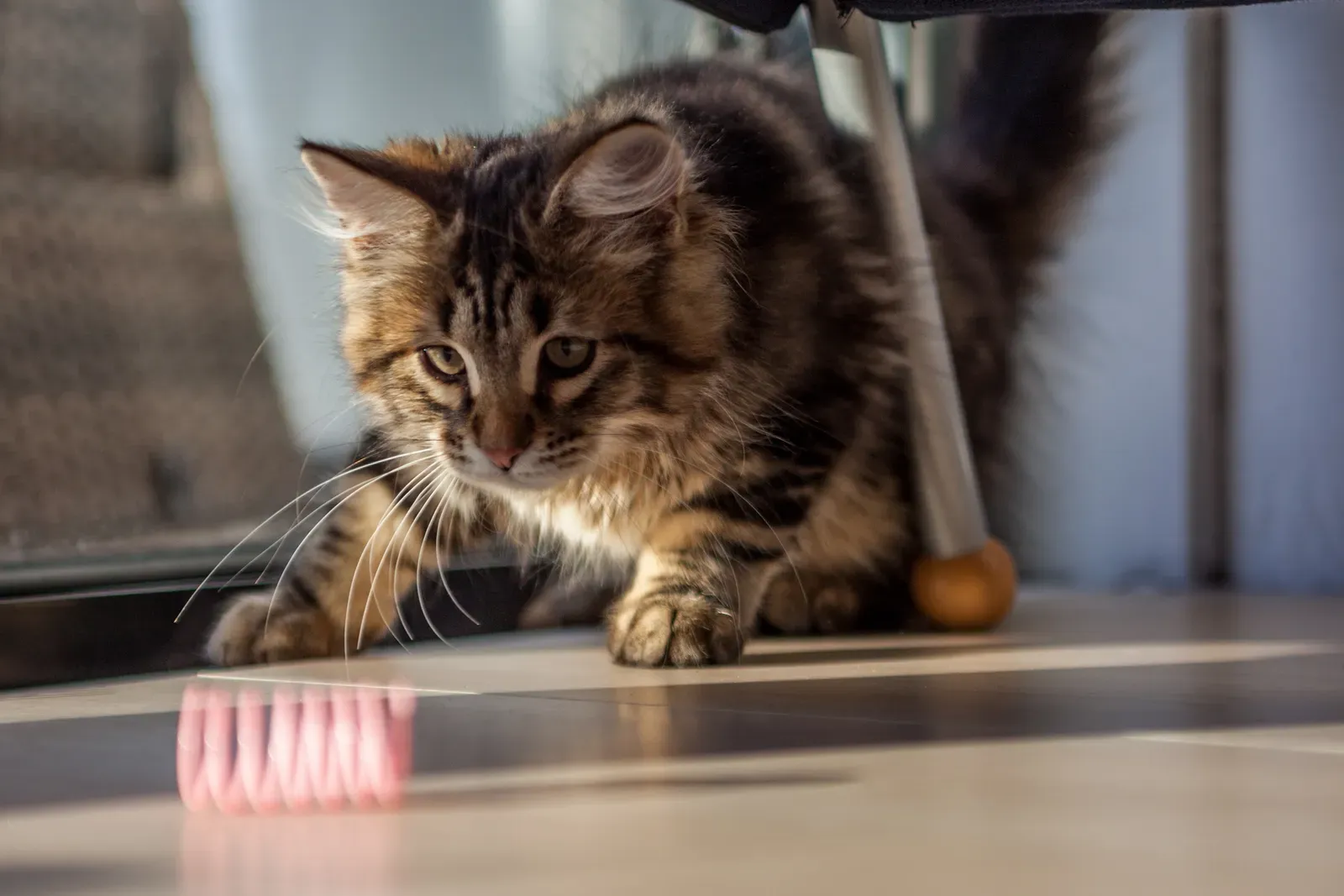
Even though your cat has never had to catch their dinner, a cat’s desire to hunt is not connected to hunger, and even well-fed cats will stalk when they see or hear potential prey. It’s hard-wired into their DNA. An outdoor cat might hunt and capture as many as 10 small animals a day, while indoor cats benefit from having an outlet that satisfies their need to seek, stalk, and catch prey.
Interactive play sessions using toys like feather wands or string toys allow cats to mimic prey and stimulate their natural hunting instincts. This is where you come in. By moving toys unpredictably, hiding treats, or creating chase scenarios, you’re giving your cat a chance to be the predator they were born to be – safely within your home.
Short Bursts Beat Marathon Sessions
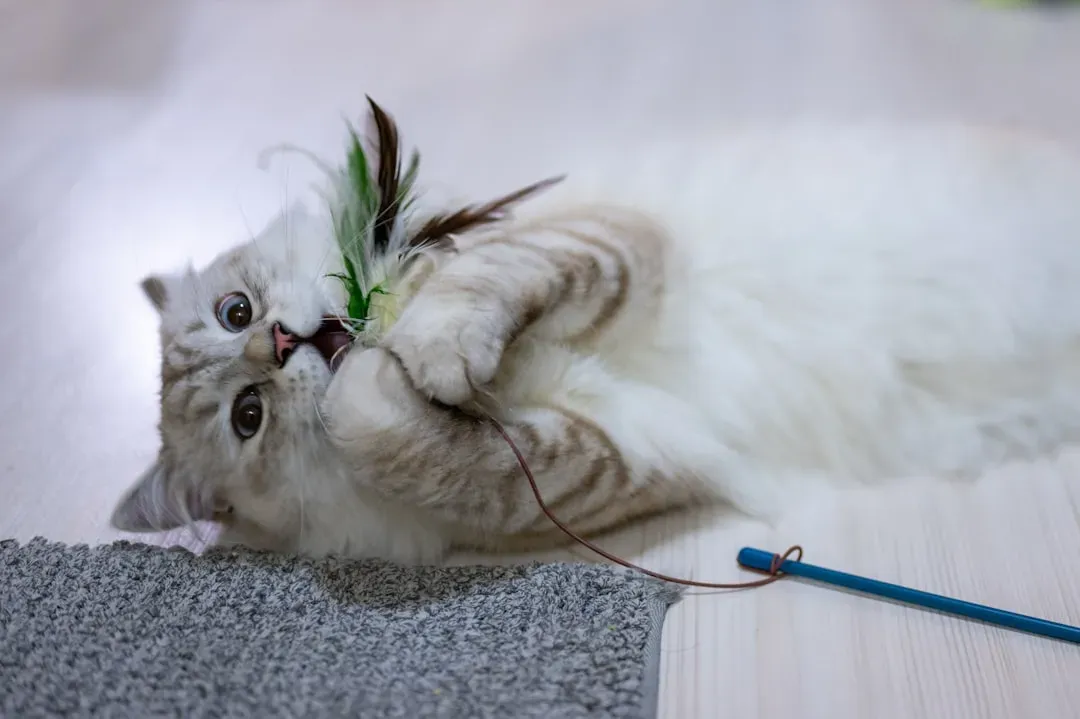
You don’t need to dedicate hours to playtime. You should play with your cat for two or three 10- to 15-minute play sessions a day, depending on their age and energy level. Short, frequent sessions are often more effective than long, exhausting playtimes.
Here’s what I’ve learned: quality matters more than quantity. A focused ten-minute session where you really engage with your cat beats an hour of half-hearted toy dangling while you scroll through your phone. Social activities with humans can be the single most effective way to enrich your indoor cat’s environment, so set a timer for five minutes twice daily and play with your cat.
Puzzle Feeders: Making Mealtime a Brain Game
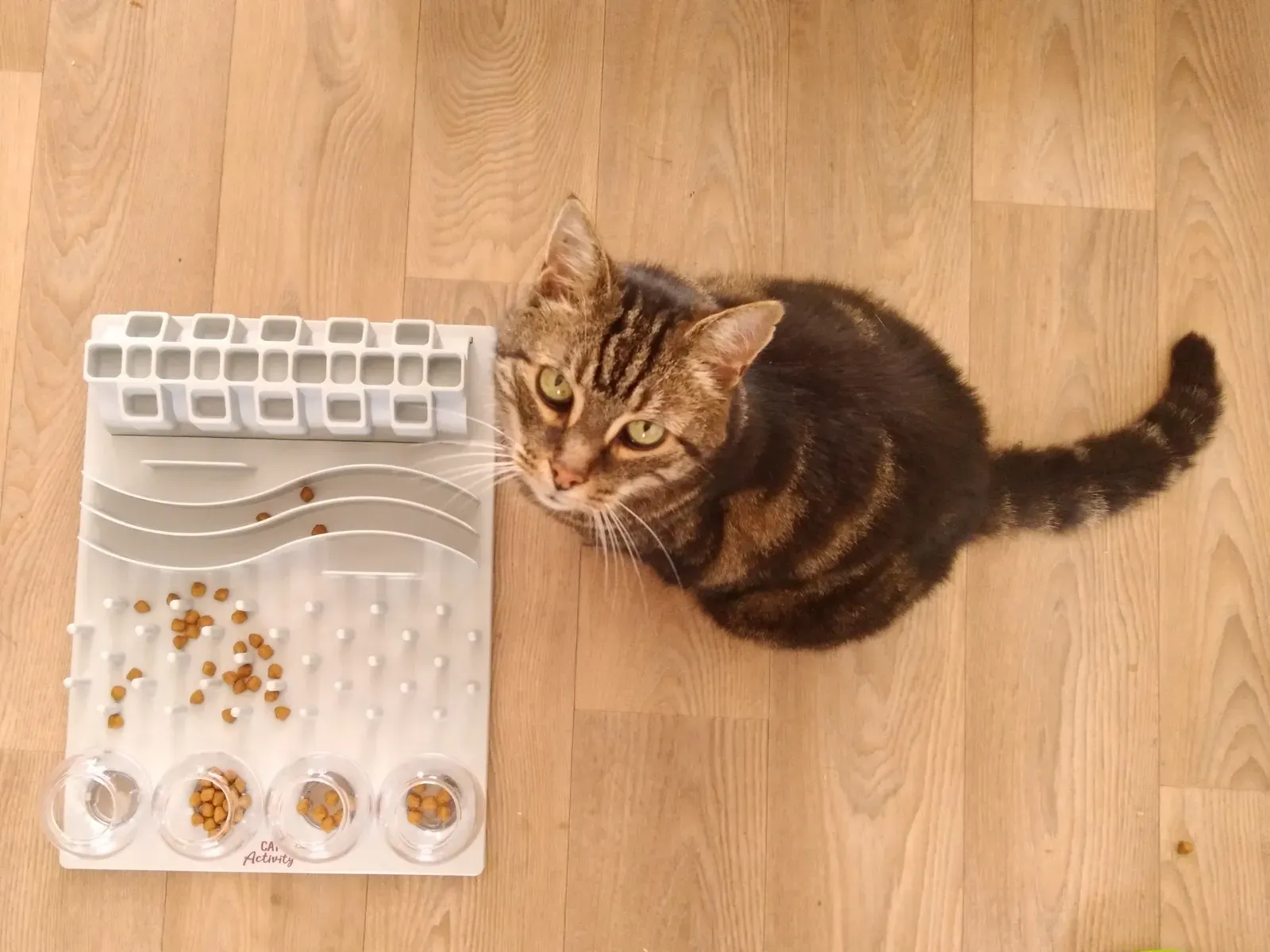
Food puzzles can help with a variety of behavior issues, make life more exciting for your cat when you’re gone, and help keep their brains active and engaged as they age. Basically, you’re turning dinner into a treasure hunt. Studies show puzzle feeding reduces boredom and improves cognitive health in cats.
Food puzzles not only provide physical exercise but also stimulate cats mentally, giving your indoor cat something to stalk and hunt, offering them a much-needed outlet for their prey drive and hunting instincts. The beauty of puzzle feeders is that they work even when you’re not home. Your cat stays mentally engaged without requiring your constant participation.
The Physical Benefits of Mental Stimulation
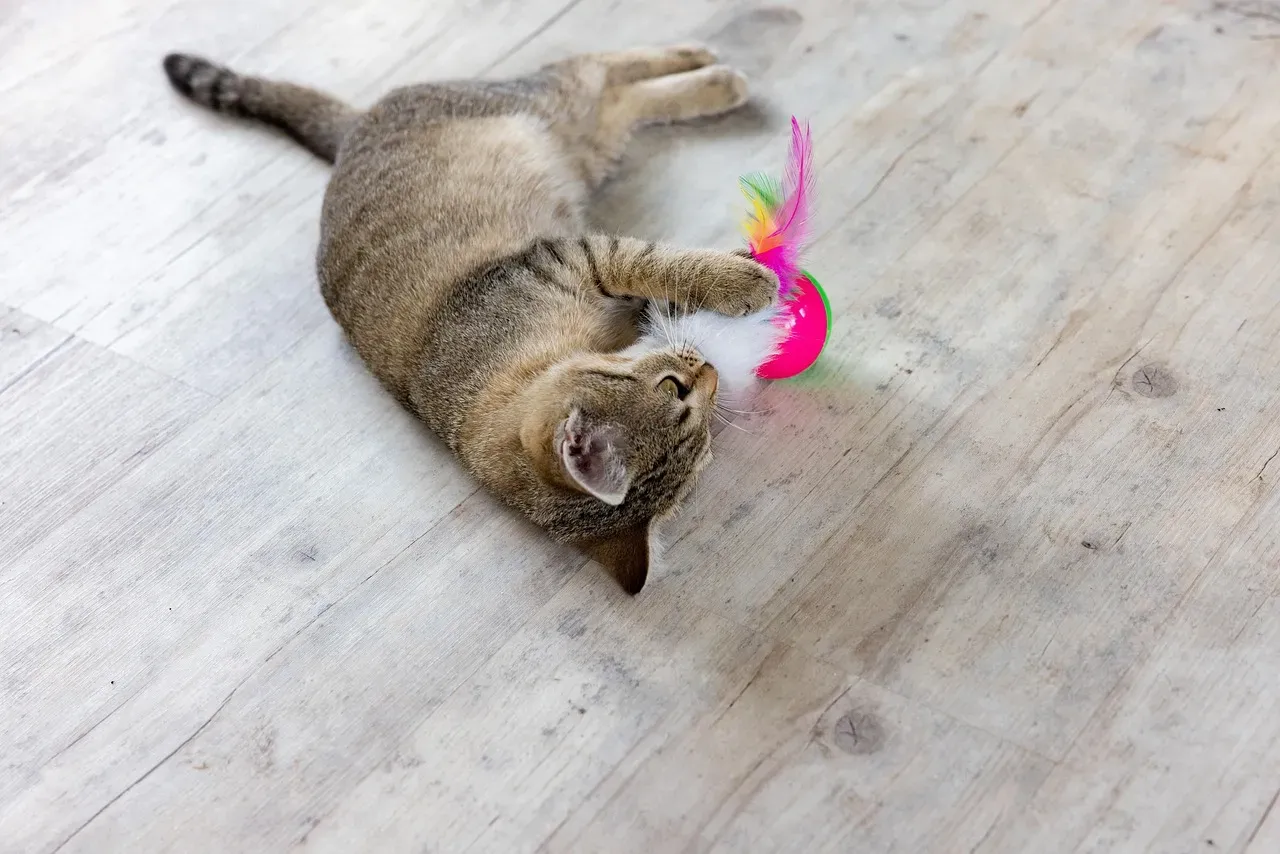
Let’s be honest, mental workouts often lead to physical ones. Mental enrichment gets cats’ bodies moving, whether chasing a laser pointer or running through a tunnel, keeping their weight in check, improving muscle tone, and supporting better joint health.
Mental exercises are most effective when paired with physical activity, encouraging movement during play to help maintain joint health, muscle tone, and overall well-being. It’s a win-win situation. Your cat gets a cognitive challenge while simultaneously burning calories and staying physically fit. Indoor cats are at a higher risk of obesity than outdoor cats, making regular playtime even more essential.
Stress Relief Through Play
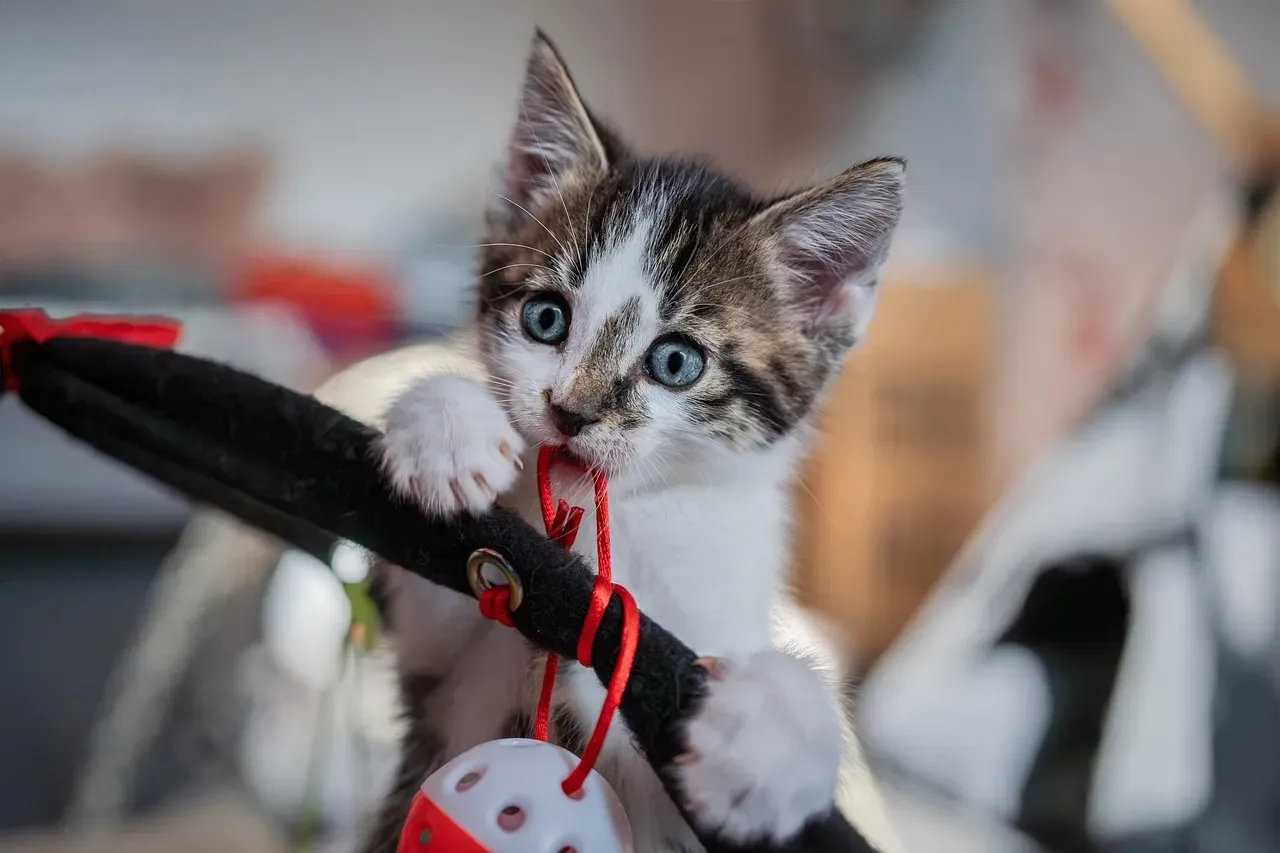
Playtime provides an outlet for pent-up energy, which can reduce stress and anxiety. Think about how you feel after a good workout or engaging hobby. Cats experience something similar. Stimulation helps take your pet’s mind off potential stressors and promotes a sense of calm, engaging their brain in enjoyable activities creates a positive distraction, lowering stress levels and replacing anxiety with comfort.
Regular interaction with interactive toys has been shown to reduce stress and anxiety, with research revealing that 70% of cats exhibit reduced anxiety levels when interacting with these toys. Those are pretty compelling numbers. I know it sounds crazy, but that simple feather toy might be doing more for your cat’s mental health than you realize.
Age Is Just a Number
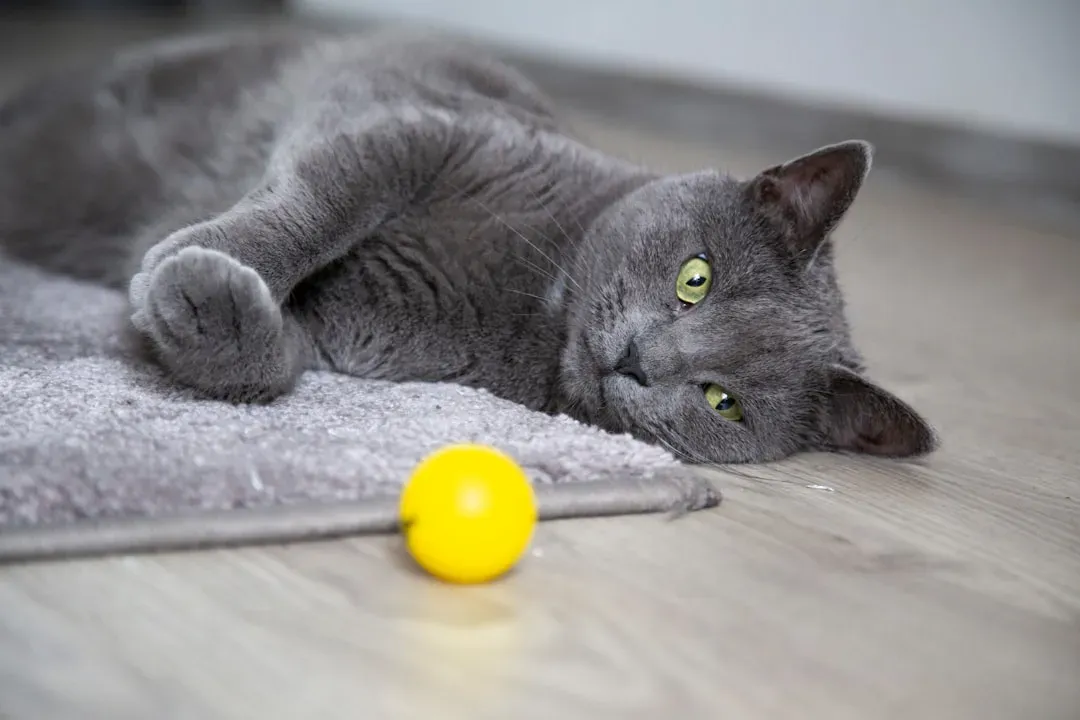
Some people think older cats don’t need to play. That’s completely wrong. Engaging activities can significantly improve cognitive function and memory, especially in senior pets, helping delay the onset of age-related cognitive decline and keeping your furry friend sharp for years to come.
Regular mental stimulation can slow cognitive decline and keep older felines engaged. Sure, your senior cat might not leap as high or run as fast, but their brain still craves stimulation. Senior cats still enjoy gentle activity but may prefer slower, shorter sessions, so for older cats, focus on low-impact toys like soft balls or feather teasers they can chase without jumping too high.
Rotating Toys Keeps Things Fresh
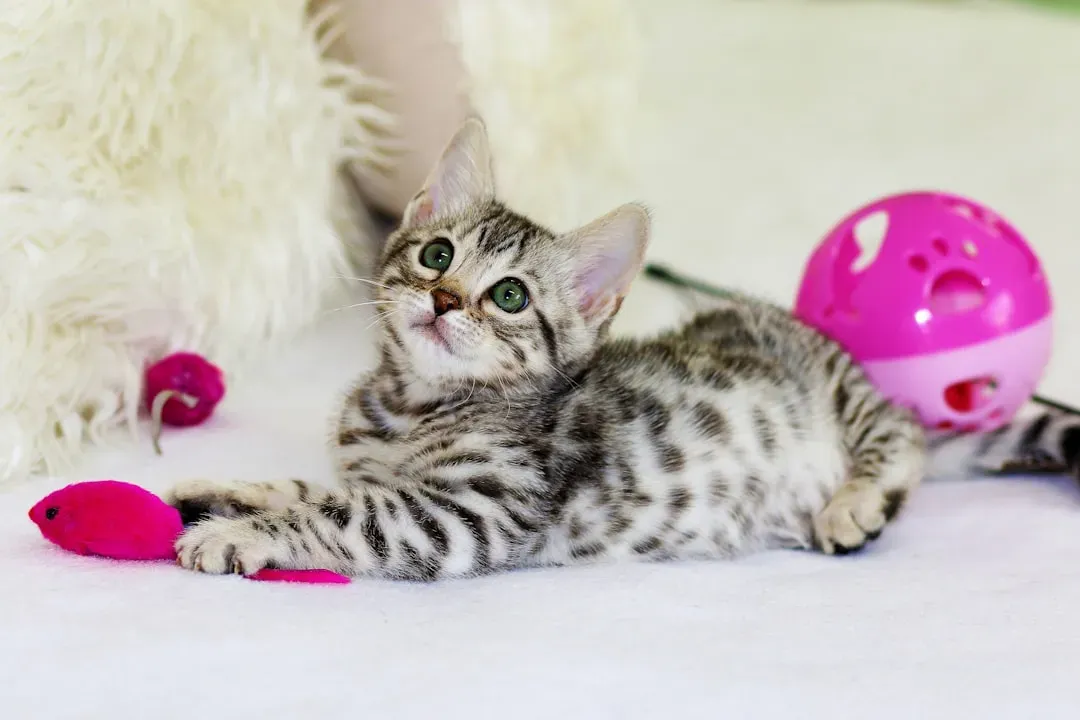
Cats can quickly become bored with the same toys, so it’s essential to rotate them regularly to keep things interesting for your cat and ensure they stay engaged and stimulated. Enrichment is often about presenting novel opportunities for exploration and interaction, and even a favorite toy or activity can get boring, so be sure to change things up occasionally.
Here’s a simple trick: keep several sets of toys and switch them out every week or two. Your cat will think they’re getting brand new toys when really you’re just being strategic. It saves money and keeps your cat’s interest piqued without constant shopping trips.
Creating a Stimulating Environment Beyond Toys
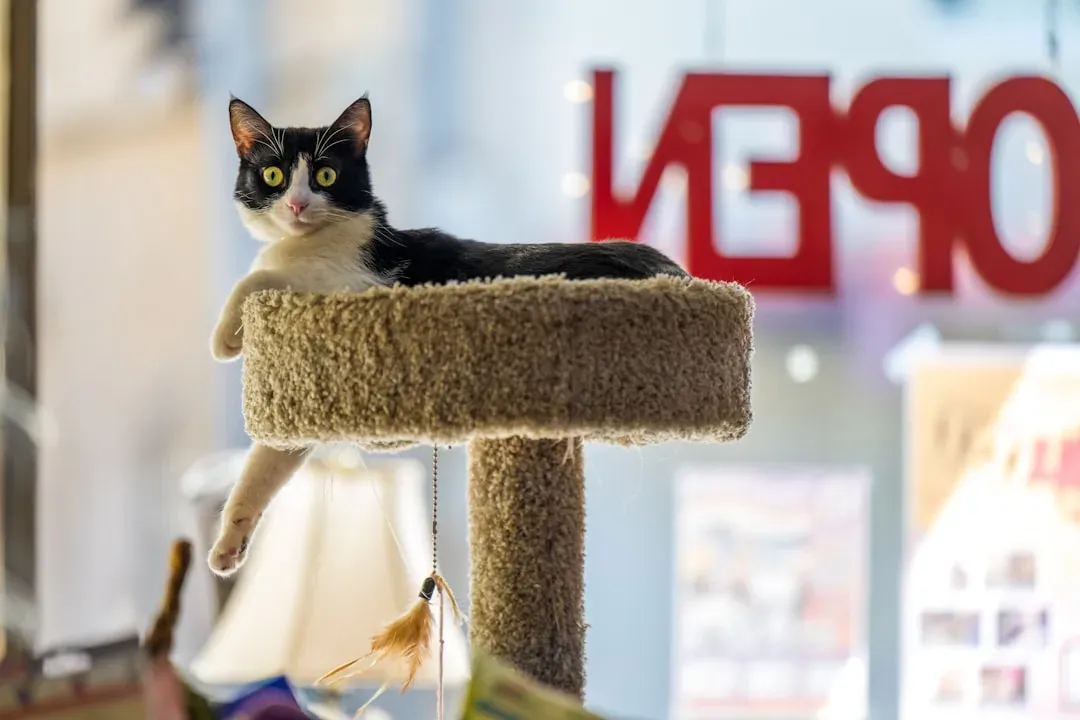
Enhancing your cat’s environment promotes natural curiosity through window perches, climbing structures, and scratching posts that allow vertical exploration and observation of the outdoors, with rotating enrichment stations and new challenges keeping your feline companion engaged. Your home environment itself can be a source of mental stimulation.
Many cats seek high resting places, favoring locations where they can relax while keeping an eye out for possible threats, with access to an elevated resting spot especially important for cats who occasionally need a break from other pets or young children. Provide cat trees, wall-mounted shelves, or window perches for exercise and observation. These aren’t luxury items; they’re mental health essentials.
The Bottom Line on Feline Brain Health
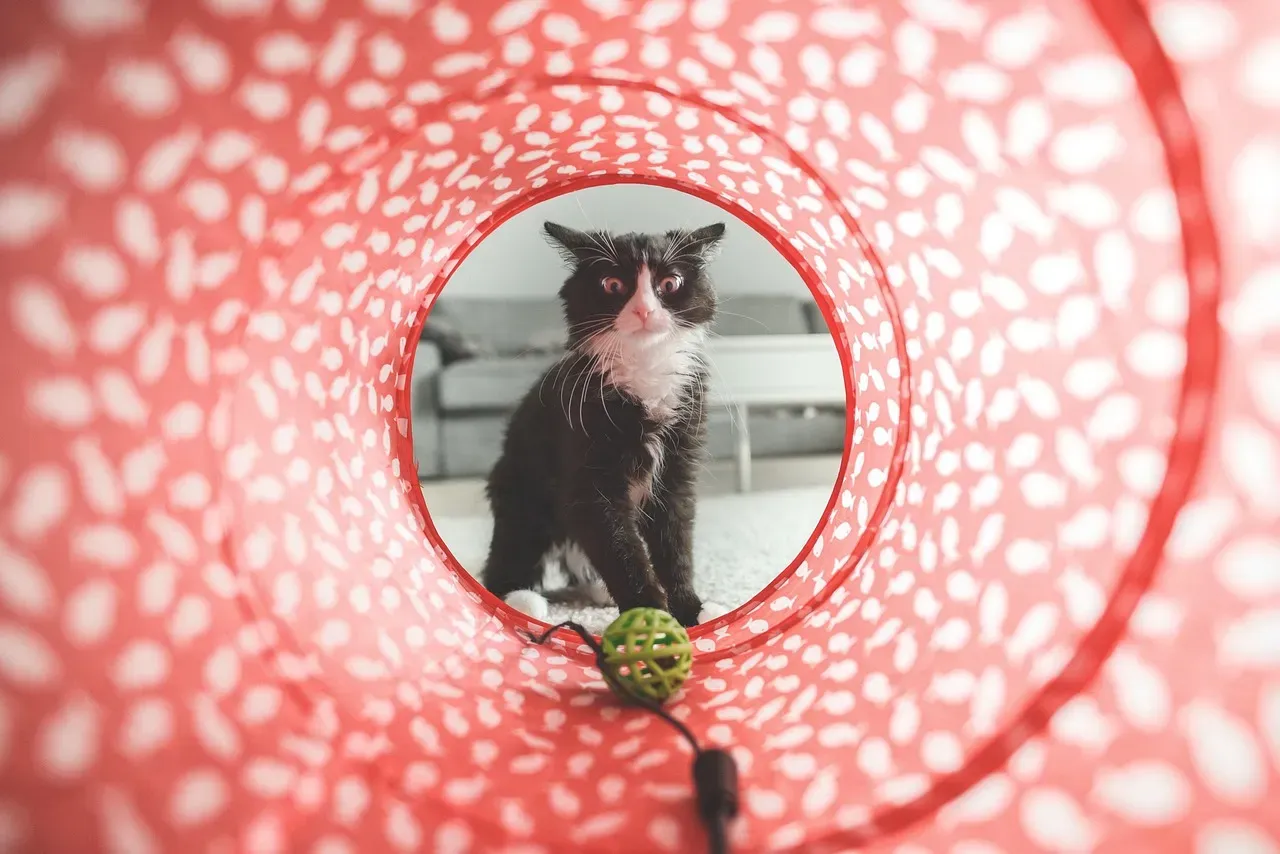
Mental enrichment isn’t just a luxury – it’s a key component of feline wellness, and just as you exercise your body, your feline pal’s mind needs challenges to stay active through regular mental activity that encourages problem-solving, builds confidence, and strengthens the bond between you. We’ve covered a lot of ground here, but it all comes down to one simple truth: your cat’s brain needs exercise just like their body does.
A lack of mental stimulation can result in up to 30% loss of brain function over time in both animals and humans. That’s a staggering statistic. The good news is that preventing this decline is entirely within your control. A few minutes of intentional play each day, some puzzle feeders, a stimulating environment, and regular interaction can make all the difference in your cat’s quality of life. Your feline friend is counting on you to help them stay sharp, engaged, and mentally healthy throughout their entire life. So what do you think? Is it time to upgrade your cat’s playtime routine?