You’ve watched your cat crouch low, pupils dilated, wiggling their hindquarters before launching at a crumpled piece of paper. Perhaps you’ve noticed they always seem to do this at the same time each evening, or right after their meal. These aren’t random bursts of energy or simple entertainment. What looks like play might actually be one of the most profound expressions of your cat’s inner world, revealing instincts millions of years in the making.
Despite decades of research on cat behavior in the 1970s and 1980s, crucial aspects of feline play remain poorly understood, particularly how much and what type of play cats actually need. So let’s dive into the mysterious world of your cat’s playtime rituals and uncover what’s really happening behind those adorable antics.
The Ancient Blueprint Written in Your Cat’s DNA
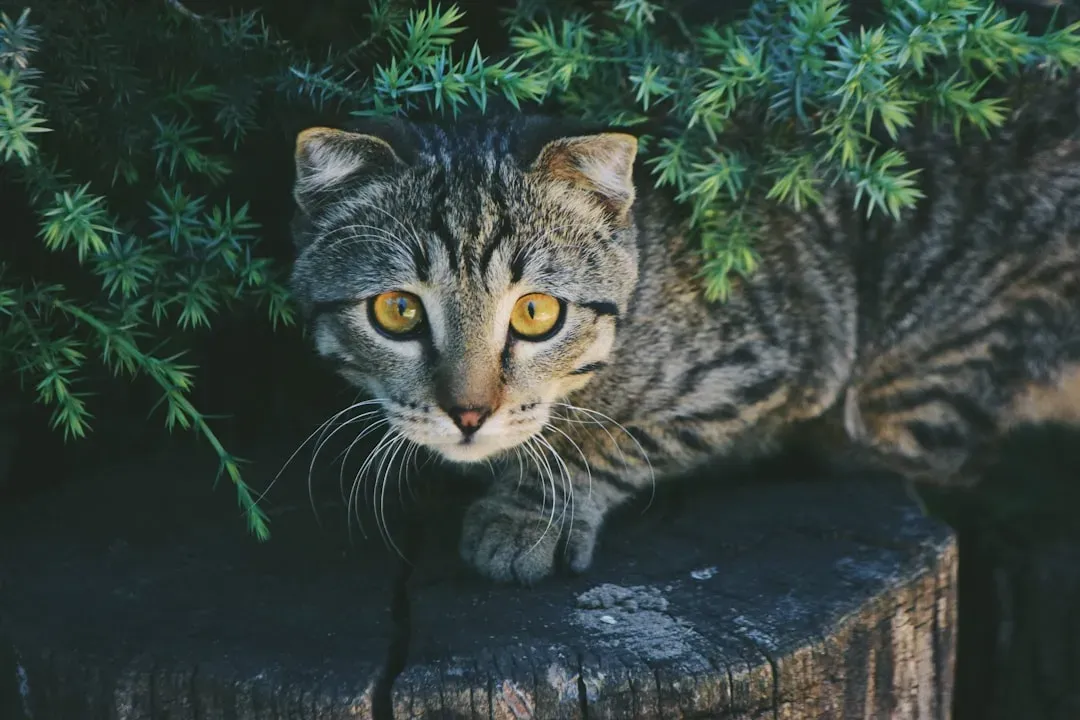
Your domesticated feline friend carries within them an ancient blueprint that predates human civilization. Hunting behavior is hardwired into your cat’s DNA, with wild ancestors developing these skills over millions of years of stalking and chasing prey. Think about it this way: while humans have selectively bred cats for companionship, we never actually bred out their predatory drive.
During domestication, cats were never selected to stop hunting – it’s still hardwired in them. That means when your cat pounces on a toy mouse at three in the morning, they’re not being annoying. They’re responding to an evolutionary call so deep it operates almost independently of their conscious thought. The mere sight and sound of prey triggers your cat’s hunting instinct which is hardwired into their brains, making them powerless to resist.
Play Is Actually Hunting Practice in Disguise
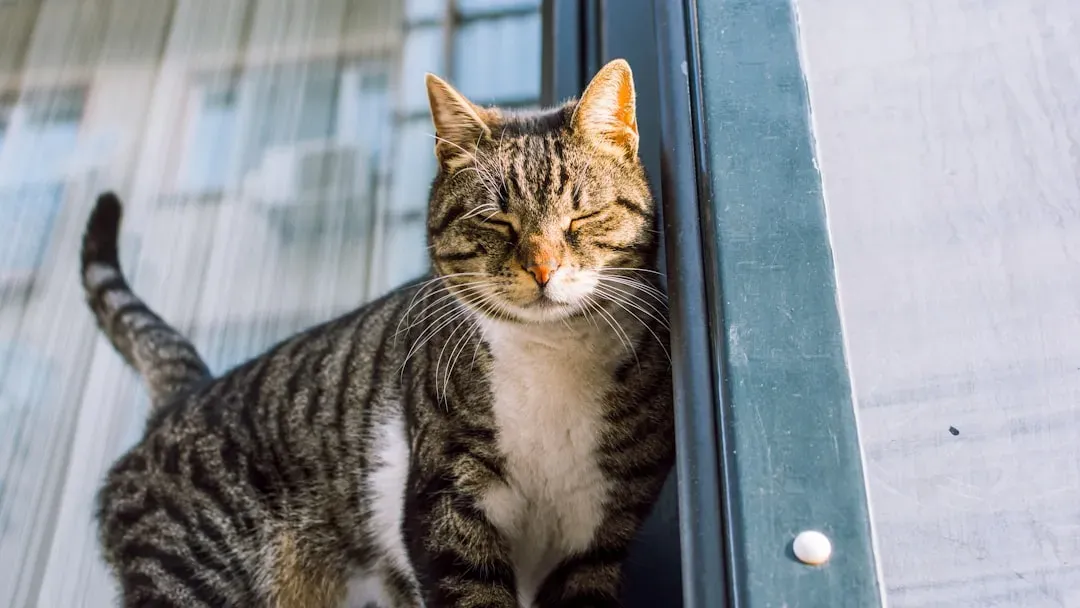
Here’s something that might surprise you: for cats, play is hunting, motivated by the same things like hunger and toy size, and featuring the same behavioral elements like stalking and pouncing. When your cat bats at a dangling string, they aren’t just having fun. They’re rehearsing the precise sequence of movements their ancestors used to survive.
The playful antics of batting, pouncing, and using claws are actually mini hunting lessons, helping kittens develop their hunting skills. Your adult cat continues these rituals not because they need to catch dinner, but because the drive to practice these skills runs incredibly deep. Today’s domestic cat hunts more for fun and entertainment rather than survival, yet the ritual remains essential to their wellbeing.
The Social Layers Hidden in Playtime
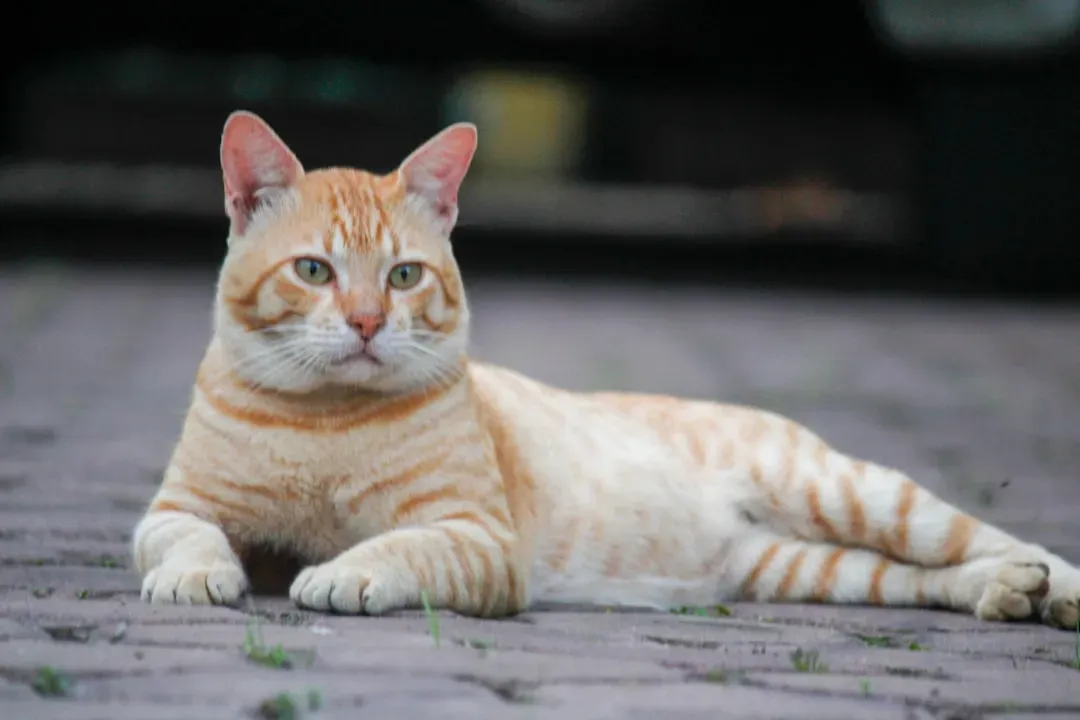
Social play in cats is flexible and serves different purposes: non-reciprocal fighting play may be useful in developing skills for manipulating the environment, whereas reciprocated fighting play may be useful for social learning and facilitating social relationships. This means when two cats wrestle, they’re not just burning energy. They’re potentially learning how to read social cues and navigate complex relationships.
Honestly, watching cats play together can sometimes look concerning to us. Professional assessment can have difficulty distinguishing rough-and-tumble play from true aggression, with the potential occurrence of elements of both play and aggression within inter-cat play. Yet this ambiguity itself serves a purpose, teaching cats where boundaries lie and how to negotiate them without actual conflict.
Your Cat’s Internal Clock and Play Rituals
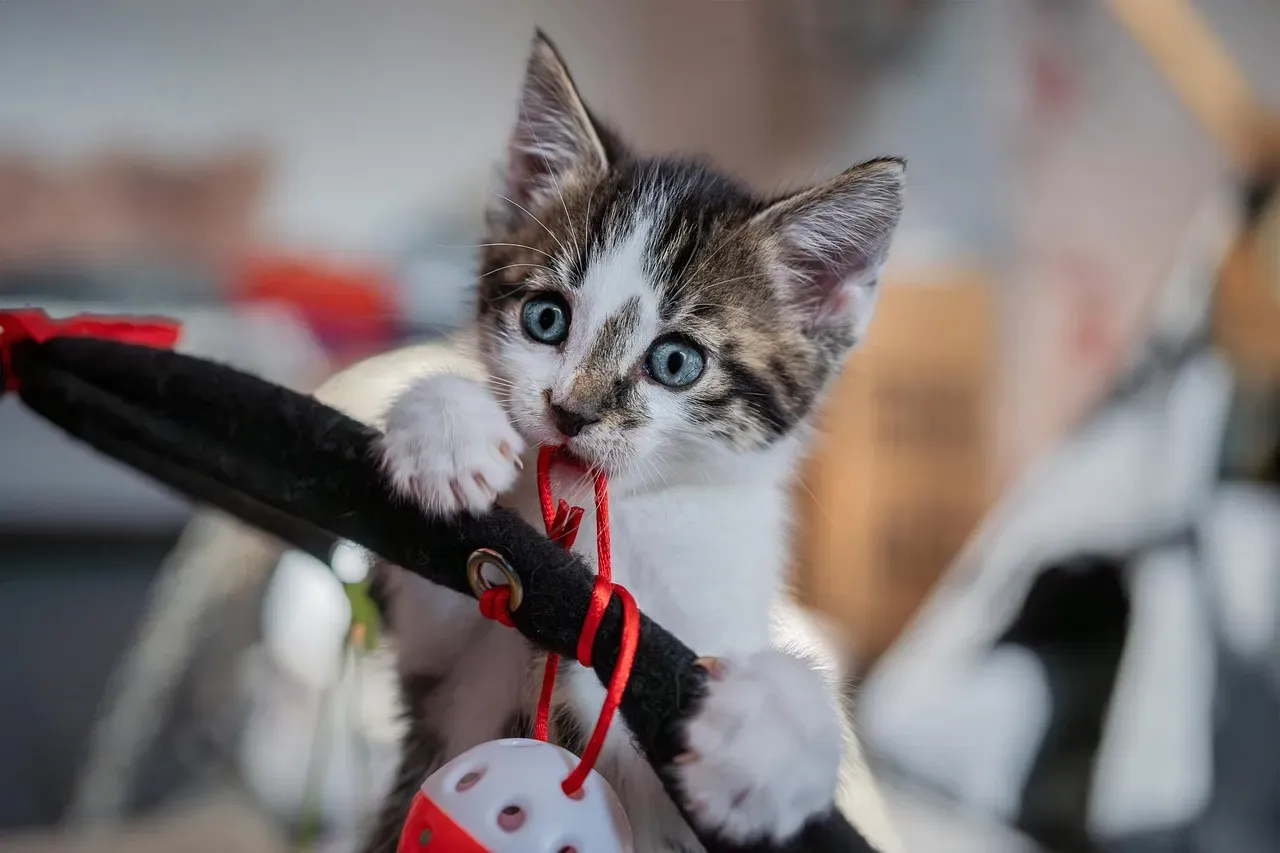
Have you noticed your cat becomes particularly playful at dawn or dusk? That’s not coincidence. Cats are crepuscular animals, meaning they are most active at dawn and dusk, making mornings and evenings top candidates for ideal playtimes. Their wild ancestors hunted during these twilight hours when prey was most active and vulnerable.
Felines are crepuscular, so it’s pretty likely your cat is up early in the mornings, ready to get the day started. These built-in activity peaks aren’t random quirks. They’re deeply embedded biological rhythms that connect your house cat to every wild feline that came before them. When you align playtime with these natural peaks, you’re honoring millions of years of evolutionary programming.
The Profound Mental Health Benefits of Play
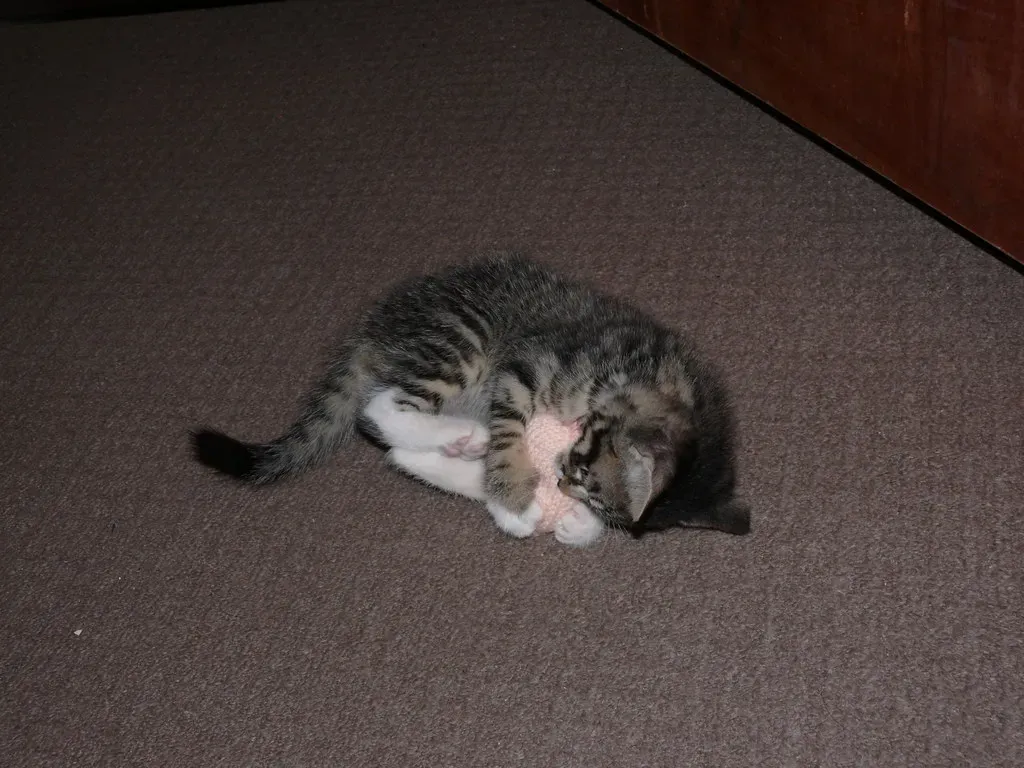
Play provides mental, emotional, and physical benefits for cats, with play being a great way to help them be more resilient to stress. Think of play as your cat’s therapy session. During those seemingly frivolous moments chasing a feather wand, your cat is actually regulating their emotional state and maintaining psychological balance.
Significant associations exist between cat playfulness and quality of life scores, with cat-guardian relationship scores also significantly associated with the amount of daily play and number of games engaged in. When you withhold play or when a cat doesn’t get enough, you might notice behavioral changes indicating stress or frustration. Playtime provides an outlet for pent-up energy, which can reduce stress and anxiety, and regular play reduces the risk of behavior problems such as aggression and destructive chewing.
What Happens When Play Needs Go Unmet
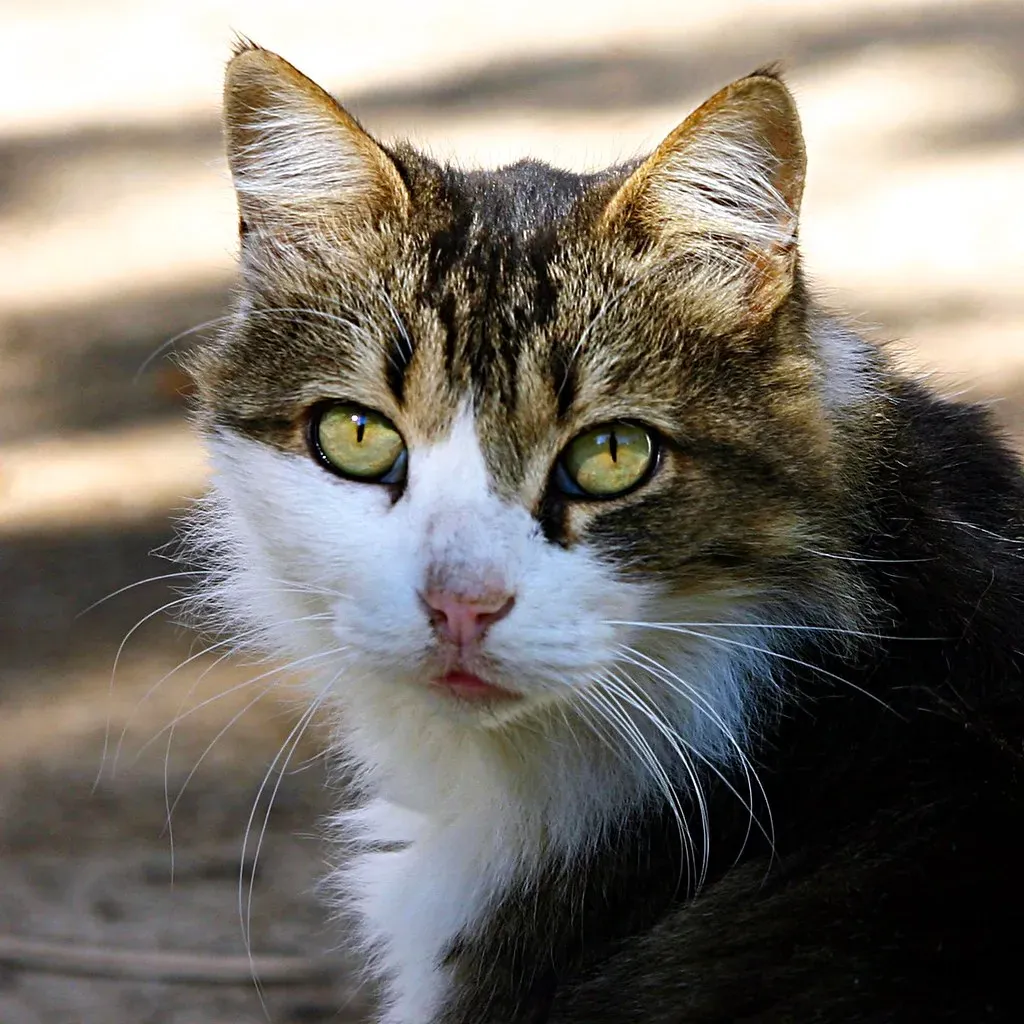
Let’s be real: a bored cat is not a happy cat. Cats are natural hunters and predators, and keeping them indoors and idle all day can lead to boredom and consequently destructive behaviors, with playtime combating this by giving your cat a healthy way to release their energy. You might see excessive vocalization, furniture destruction, or even aggression toward you or other pets.
Many cat owners don’t understand their cats, with owners reporting cats living in under-stimulating environments with no cat trees, no problem-solving opportunities, and very little exercise, often saying their cat doesn’t play. The truth is, all healthy cats should play. If yours isn’t playing, it might mean you haven’t discovered what excites them yet, or their play needs aren’t being properly met.
Creating Meaningful Play Rituals With Your Cat
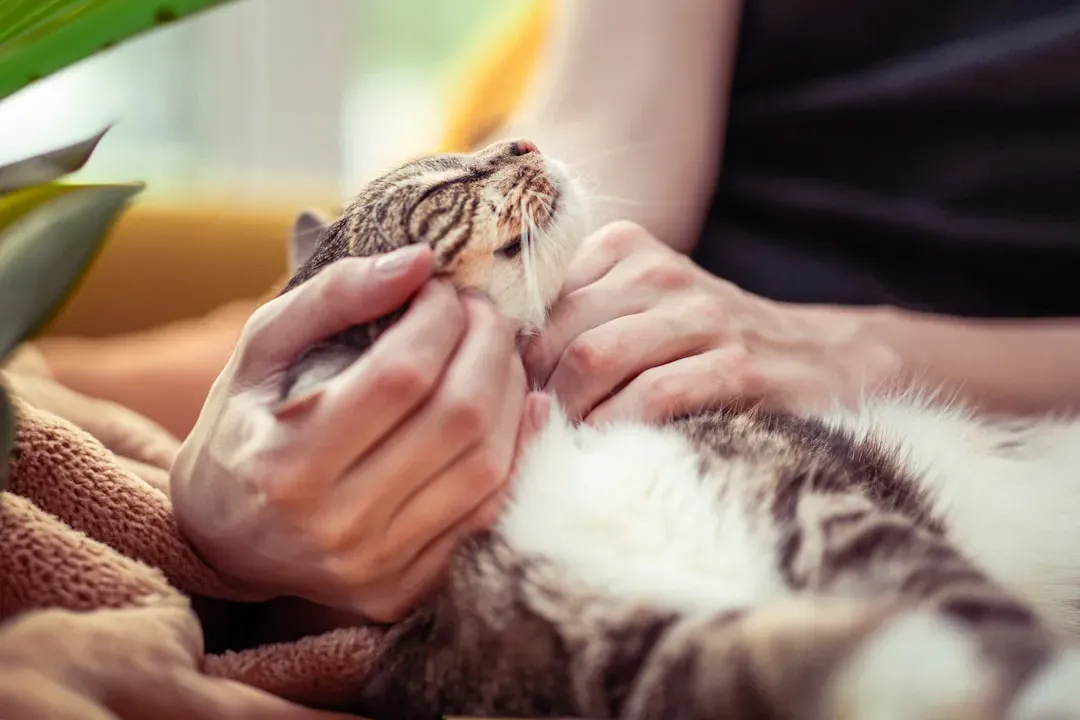
In general, you should play with your cat for two or three 10- to 15-minute play sessions a day, depending on their age and energy level. These sessions don’t need to be marathon affairs. Short, intense bursts mirror how cats naturally hunt and expend energy in the wild.
Creating cat rituals is a great way to bond with your cat, with every cat having their own favorite activities. The key is predictability and consistency. When your cat learns to anticipate play sessions, they develop a sense of security and trust. Cats need ritual and familiar routines to stay happy, which is a feline fact of life. These rituals become anchors in their day, providing structure in an otherwise unpredictable world.
The Physical Body Benefits You Can’t Ignore
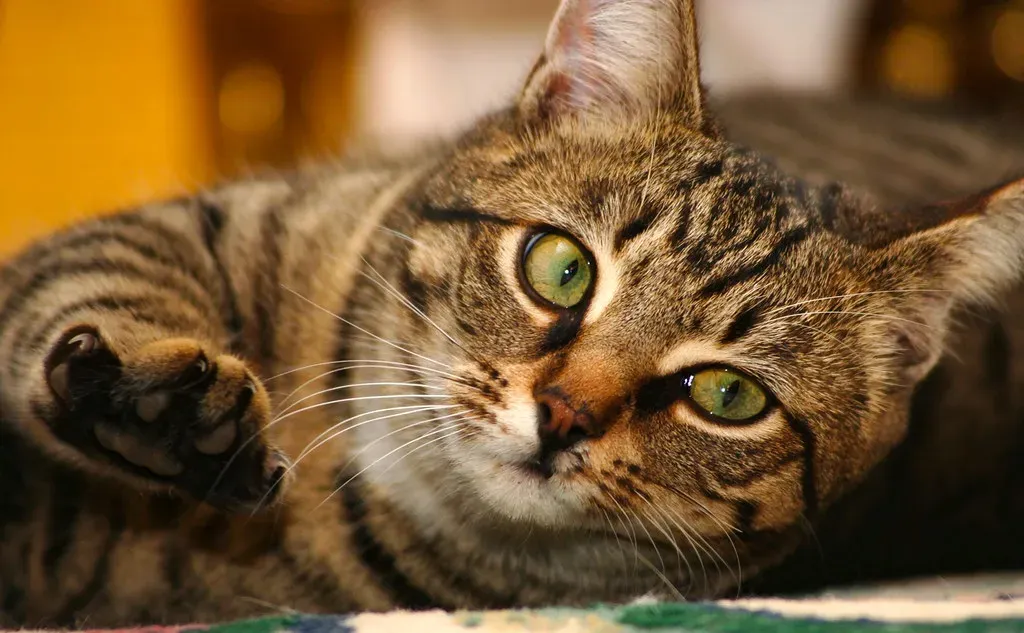
Interactive play gets your cat up and moving, burns calories, helps maintain their weight, promotes a healthy heart, and also promotes joint health and improves mobility. These physical benefits compound over time. A cat who plays regularly throughout their life maintains better muscle tone, flexibility, and cardiovascular health well into their senior years.
During active play, cats release dopamine and serotonin, natural mood elevators, while physical movement strengthens cardiovascular health and maintains muscle mass, with cats in enriched environments with regular play living an average of 1.8 years longer than sedentary cats. Nearly two extra years of life simply from incorporating regular play. That’s not just fun anymore. That’s profound medicine delivered through a feather wand or laser pointer.
Conclusion: The Sacred in the Seemingly Simple
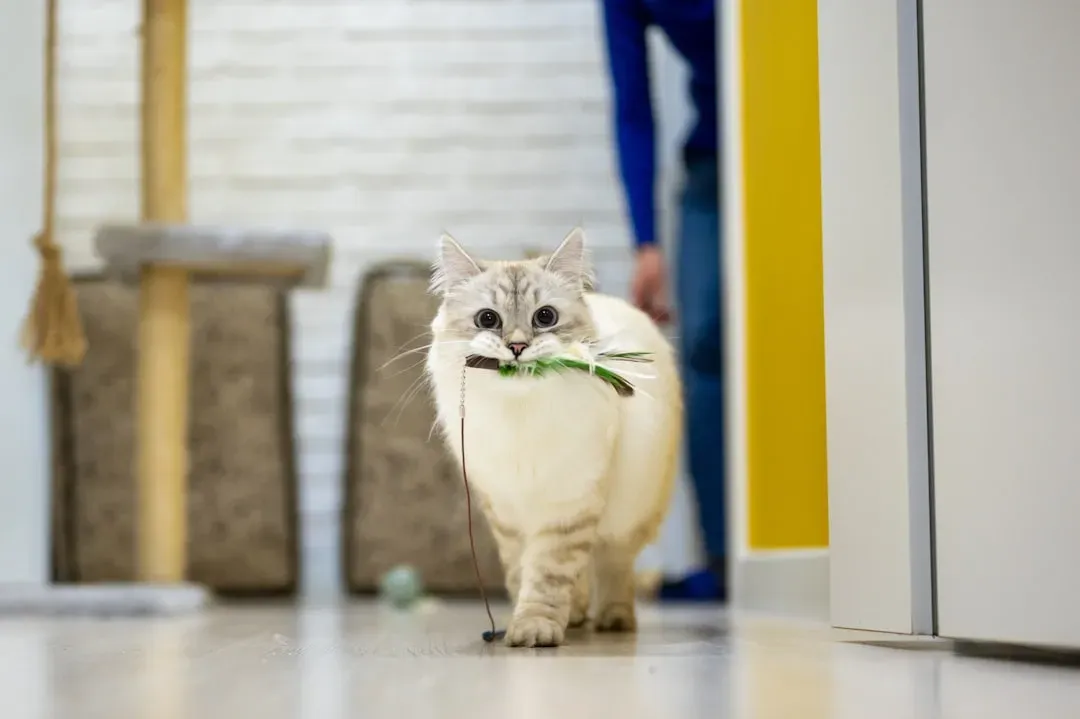
Your cat’s playtime rituals are far more than cute moments to capture on video. They’re expressions of evolutionary memory, essential mental health maintenance, physical fitness routines, and opportunities for deep bonding. When your cat crouches and wiggles before pouncing, they’re channeling millions of years of feline heritage. When they chase that toy down the hallway, they’re practicing survival skills their bodies still believe they need.
Play isn’t just fun, it’s essential for your cat’s physical and emotional health, with regular interactive play helping manage weight, reducing stress, preventing behavioral problems, and strengthening your bond. So the next time your cat brings you a toy or starts their evening zoomies, recognize it for what it truly is: a profound biological and psychological necessity wrapped in fur and whiskers.
Maybe the question isn’t whether your cat’s playtime is profound. Maybe the question is: are you honoring that profundity by making play a sacred priority in your cat’s life? What rituals will you create together today?

Hi, I’m Andrew, and I come from India. Experienced content specialist with a passion for writing. My forte includes health and wellness, Travel, Animals, and Nature. A nature nomad, I am obsessed with mountains and love high-altitude trekking. I have been on several Himalayan treks in India including the Everest Base Camp in Nepal, a profound experience.