You watch your cat crouch low, pupils dilating into black saucers, tail twitching with electric anticipation. Then, in a flash, they pounce on a toy mouse with the same ferocity their ancestors used to catch real prey. It’s easy to dismiss this as cute entertainment, right? Think again. What you’re witnessing isn’t simply playtime. It’s something far more profound, something hardwired deep within their DNA that demands to be expressed.
Every wiggle of that feather wand, every batting motion at a crumpled ball, every dramatic leap across your living room carries a hidden message from millennia of evolution. Your pampered house cat, the one who sleeps twenty hours a day and meows for gourmet meals, is still very much a predator at heart. Understanding this truth transforms how we see those daily play sessions. They’re not just filling time between naps. They’re fulfilling an ancient biological need that shapes your cat’s mental health, physical fitness, and even their relationship with you.
The Predatory Blueprint Etched Into Every Feline Brain
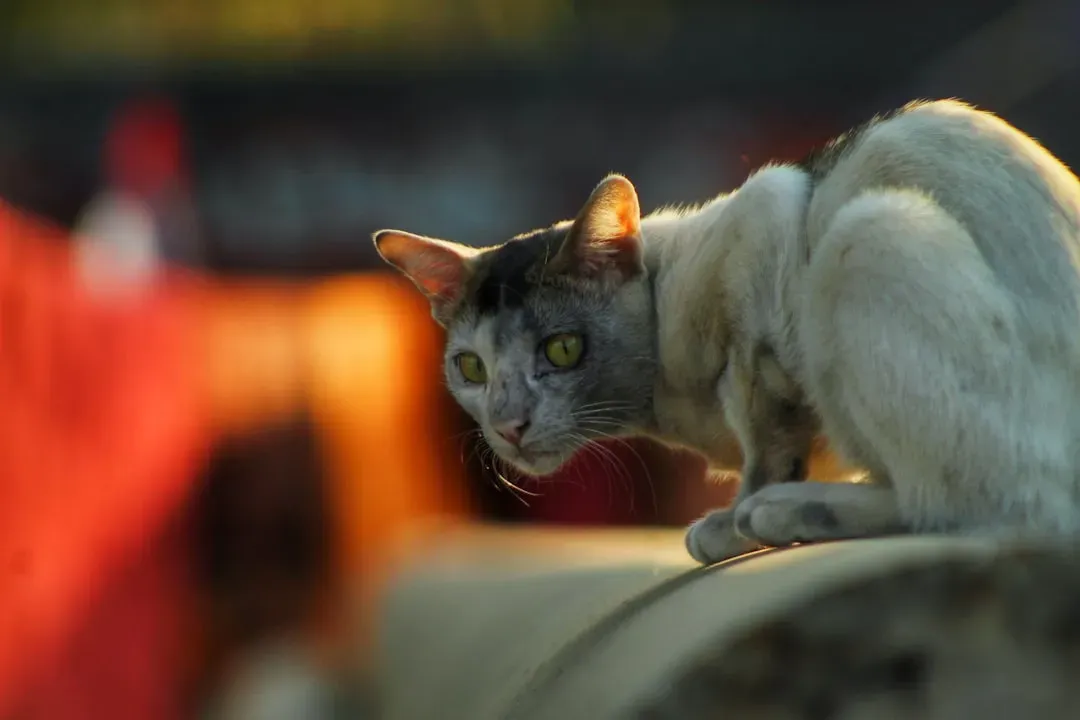
Predatory behavior in cats follows an immutable sequence hardwired into their nervous systems: stare, stalk, chase, pounce, kill, and finally, eat. This isn’t something cats learn from YouTube tutorials or training classes. Kittens are programmed from birth to chase. Through play, they develop the coordination and timing needed to successfully capture their target, and they learn to gauge distance by pouncing.
Watch closely next time your cat plays. You’ll notice they rarely deviate from this pattern. The stare comes first, intense and focused. Then the slow, deliberate stalk. Followed by the explosive chase and triumphant pounce. This completion ritual appears crucial for feline satisfaction; interrupted play leaves cats visibly frustrated, often leading to redirected aggression or obsessive behaviors. That’s why it’s so important to let your cat actually “catch” their toy sometimes instead of endlessly dangling it just out of reach.
Why Well-Fed Cats Still Hunt Like They’re Starving
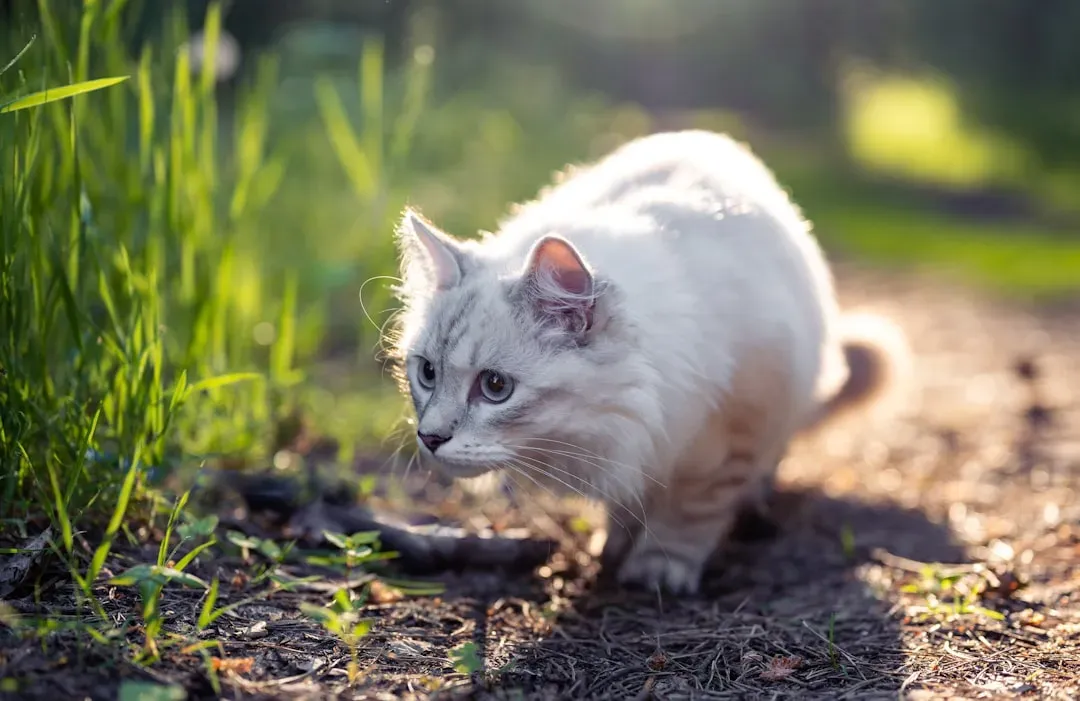
Here’s something that puzzles most cat owners: why does your cat, who has never missed a meal in their life, still stalk and hunt? There’s been very little selective breeding of cats, so their instinctive need to hunt remains strong. Unlike dogs, who’ve been selectively bred for specific tasks over thousands of years, cats domesticated themselves relatively recently and largely on their own terms.
Research has found that hunting behavior generally boils down to cats honing their natural instincts. Felines are also opportunistic hunters, and a cat that’s well-fed may still resort to hunting whenever the opportunity arises. The drive to hunt exists independently from hunger. It’s about mental stimulation, physical exercise, and the sheer satisfaction of engaging those deeply ingrained instincts. The hunting instinct in cats runs deep because non-hungry kitties still hunt and occasionally deliver rodent gifts to their human caregivers.
Indoor Cats Crave the Hunt Even More
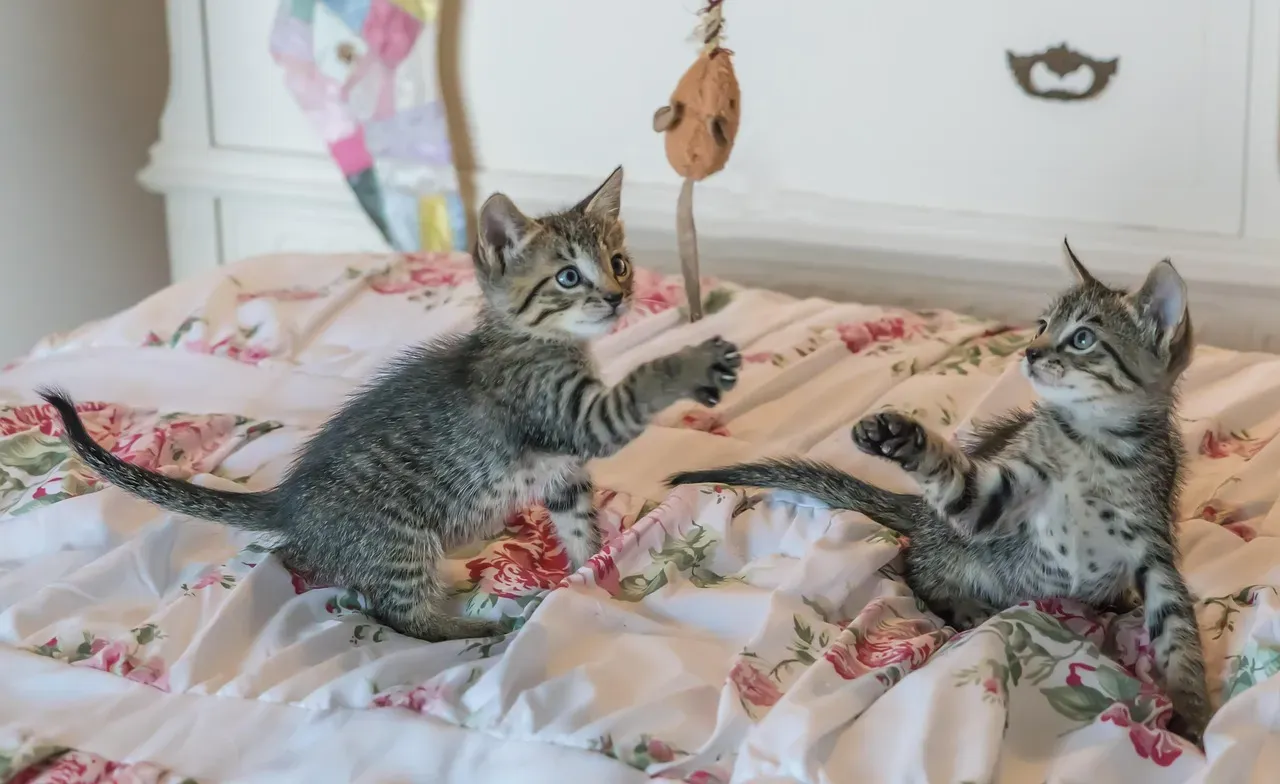
You might assume indoor cats, sheltered from outdoor prey, would lose interest in hunting behaviors over time. Actually, the opposite is true. Indoor-only cats were more interested in the artificial stimuli that show more or less resemblance with the prey, even though these cats have been completely deprived of experience with live prey.
Indoor only cats showed more intense reaction than indoor-outdoor cats. Why? Several theories exist. Perhaps it’s because they lack the stimulation outdoor cats receive, or maybe they have less refined prey recognition. Either way, the message is clear: your indoor cat isn’t less of a hunter. They’re just a hunter with unmet needs. Without this natural stimulation in their daily life they may become obese and frustrated. This pent up energy can result in destructive behaviors or stress expressions such as overgrooming, anxiety, inflammatory diseases and misdirected aggression.
The Secret Language of Toy Movement

Not all toy movements are created equal in the feline world. Studies using robotic prey demonstrate that cats respond most vigorously to movements mimicking injured animals – erratic but slowing, with occasional twitches that simulate dying throes. Honestly, it sounds a bit morbid when you put it that way, yet this is what triggers maximum engagement.
The most effective toys replicate this pattern: quick darting motions followed by pauses, changes in direction, and finally weakening movement. Laser pointers famously frustrate cats because they violate this natural progression, disappearing without allowing the critical kill phase. This explains why cats frequently return to stare at the last laser spot – their brain awaits closure to the hunting sequence. If you’ve ever wondered why your cat seems obsessed with that empty spot on the wall after laser play, now you know. Their hunting sequence was left incomplete, creating a cognitive itch they can’t scratch.
When Play Turns Predatory on You
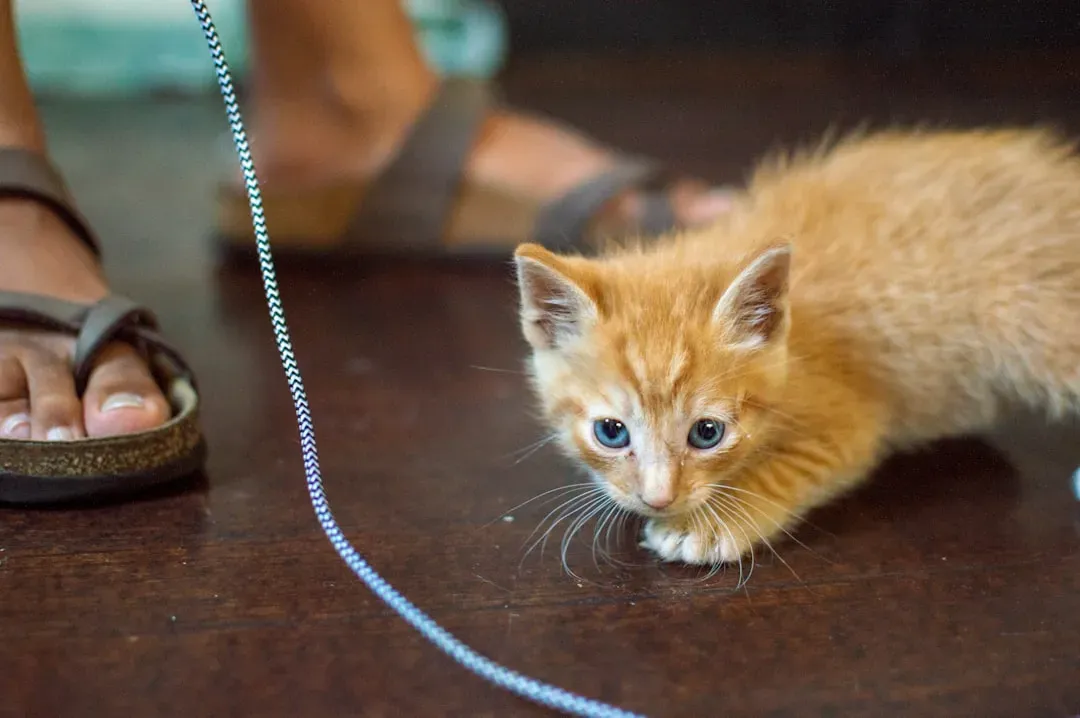
Ever had your cat suddenly ambush your ankles as you walk down the hallway? Misdirected predatory behaviour is very common in cats, and one of the most frequent aggression problems affecting human family members. The attack, usually silent, is triggered by movement and it involves stalking, chasing, catching and biting.
Under-stimulation, an excess of unused energy, and lack of appropriate opportunities for play can lead to play-related aggression. In some cases, the play can include a number of components of the cat’s predatory nature, including the stalk, pounce, and bite, which can be extremely intense. Your cat isn’t being malicious. They’re desperately trying to satisfy their hunting urges, and you’ve become the prey by default. The solution isn’t punishment. It’s providing better outlets for those instincts through regular, structured play sessions with appropriate toys.
The Surprising Truth About Cat Fetch

Did you know cats play fetch? In our newly published study, we found that more than 40 percent of cats described in our survey data played fetch, compared with almost 80 percent of dogs. Even more fascinating? The cats generally were not trained to fetch – they offered the behavior spontaneously. Cats also preferred to be the one to start the fetch game and were more likely to play when they brought a toy to their human, rather than the human tossing a toy.
This behavior connects directly to hunting instincts. The roots of fetching behavior lie in both species’ hunting practices. Cats are known as stalk-and-rush hunters, meaning that they sneak up on their prey and pounce at an opportune moment. When your cat brings you a toy, they’re not just being cute. They’re initiating a hunt sequence where you become the helpful accomplice who makes the prey move. It’s their way of controlling the game, which makes sense for an animal that evolved as a solitary, independent predator.
Play Sessions: Timing and Duration Matter More Than You Think
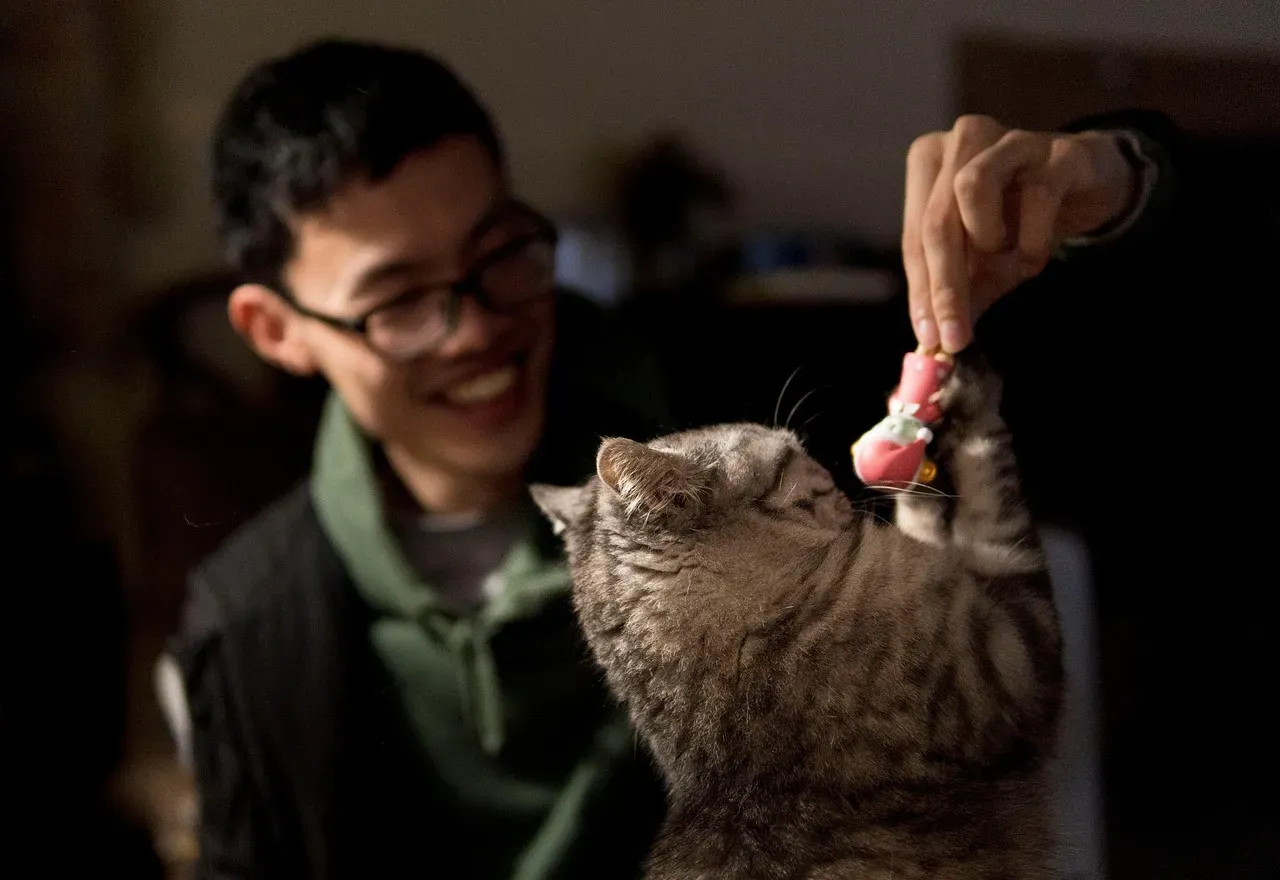
How long should you actually play with your cat? In general, you should play with your cat for two or three 10- to 15-minute play sessions a day, depending on their age and energy level. The key word here is sessions, plural. While dogs are endurance animals, cats are not. So, play sessions with your cat should only be about 10–15 minutes long. Make time for two to three daily play sessions for older cats to up to 10 sessions for kittens and younger cats.
Here’s the thing: cats are crepuscular creatures. You want to pick the times of day when your cat is most active. In general, cats are crepuscular animals – meaning they are most active at dawn and dusk – making mornings and evenings top candidates for ideal playtimes. Schedule play around these natural activity peaks, and you’ll see much better engagement. Those midnight zoomies might just disappear when you provide structured hunting opportunities at dusk.
Mental Stimulation Prevents More Than Boredom

Similar to the wild cats at the zoo, indoor cats need mental stimulation to fulfill their natural urge to hunt. Boredom seems like a minor issue, but studies have shown that this leads to behavioral issues. We’re not talking about minor annoyances. Enrichment is crucial to prevent destructive behaviors, aggression, and other behavioral issues that stem from boredom and lack of mental stimulation.
Enrichment activities challenge your cat’s brain, preventing boredom and providing mental exercise. This stimulation is crucial for cats of all ages, helping to keep their minds sharp and alert. It can also prevent cognitive decline in older cats, keeping them mentally healthy and engaged. Let’s be real here. A bored cat is a destructive cat. They’ll find ways to entertain themselves, and you probably won’t like their choices. Shredded furniture, knocked-over plants, or aggressive behavior toward other pets often stem from this single root cause.
The Complete Hunt Cycle Your Cat Craves
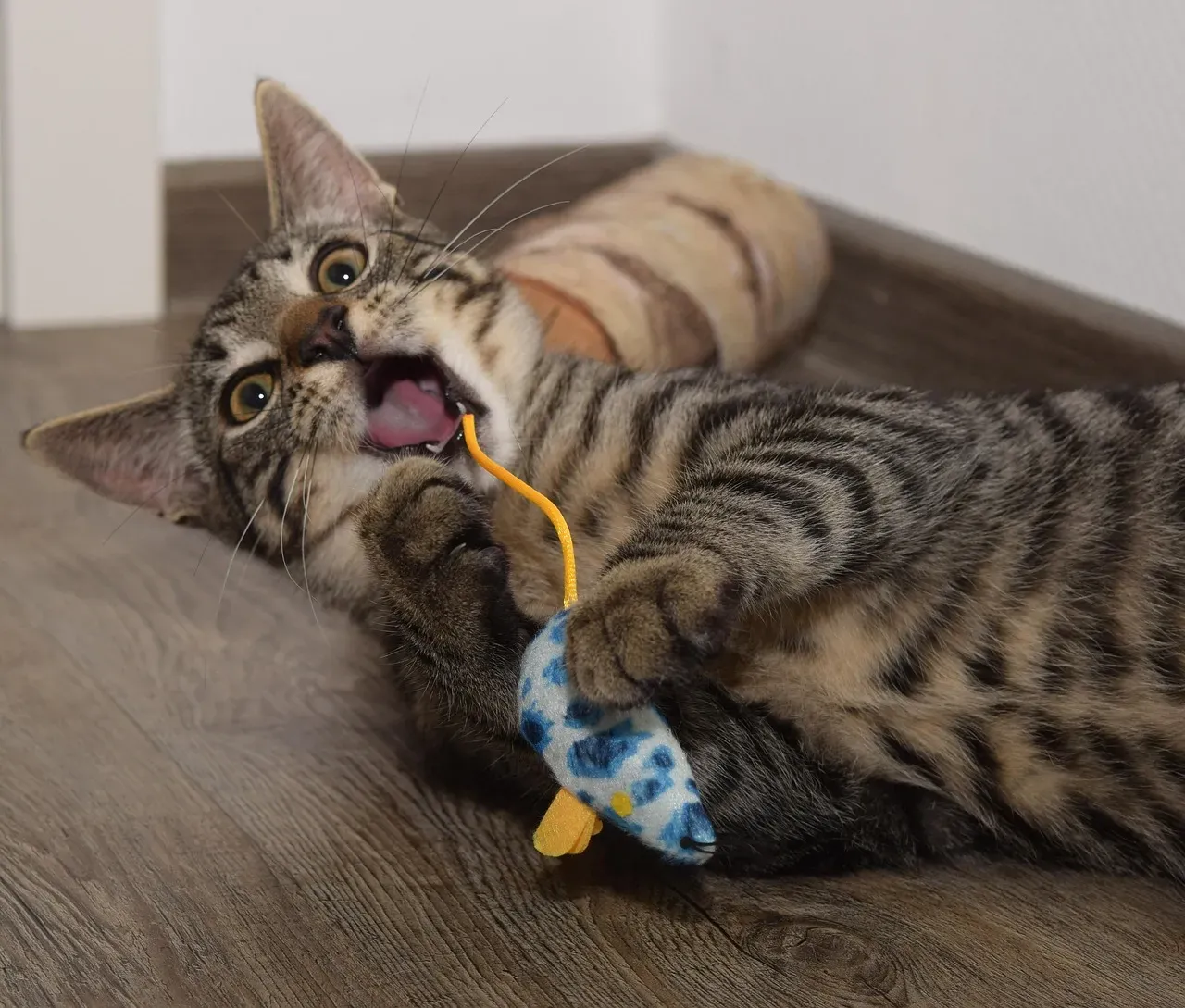
Interactive play before meals can effectively mimic the natural hunt-eat-groom-sleep cycle that cats would experience in the wild. This approach triggers appetite and provides satisfaction that goes beyond simply filling their food bowl. Think about how wild cats operate. They hunt, they eat their catch, they groom themselves, then they sleep. Rinse and repeat.
These behaviors take up a majority of their daily routines and consist of predatory sequences such as locating, capturing (stalking, chasing, pouncing), killing, preparing and eating their prey. Cats that are indoor and are well fed still need to engage in these natural behaviors. By structuring playtime before meals, you’re essentially creating a more natural rhythm that aligns with their biological programming. Your cat gets the satisfaction of “earning” their meal through the hunt, which makes feeding time more rewarding on a deep, instinctual level.
Different Cats, Different Hunting Personalities
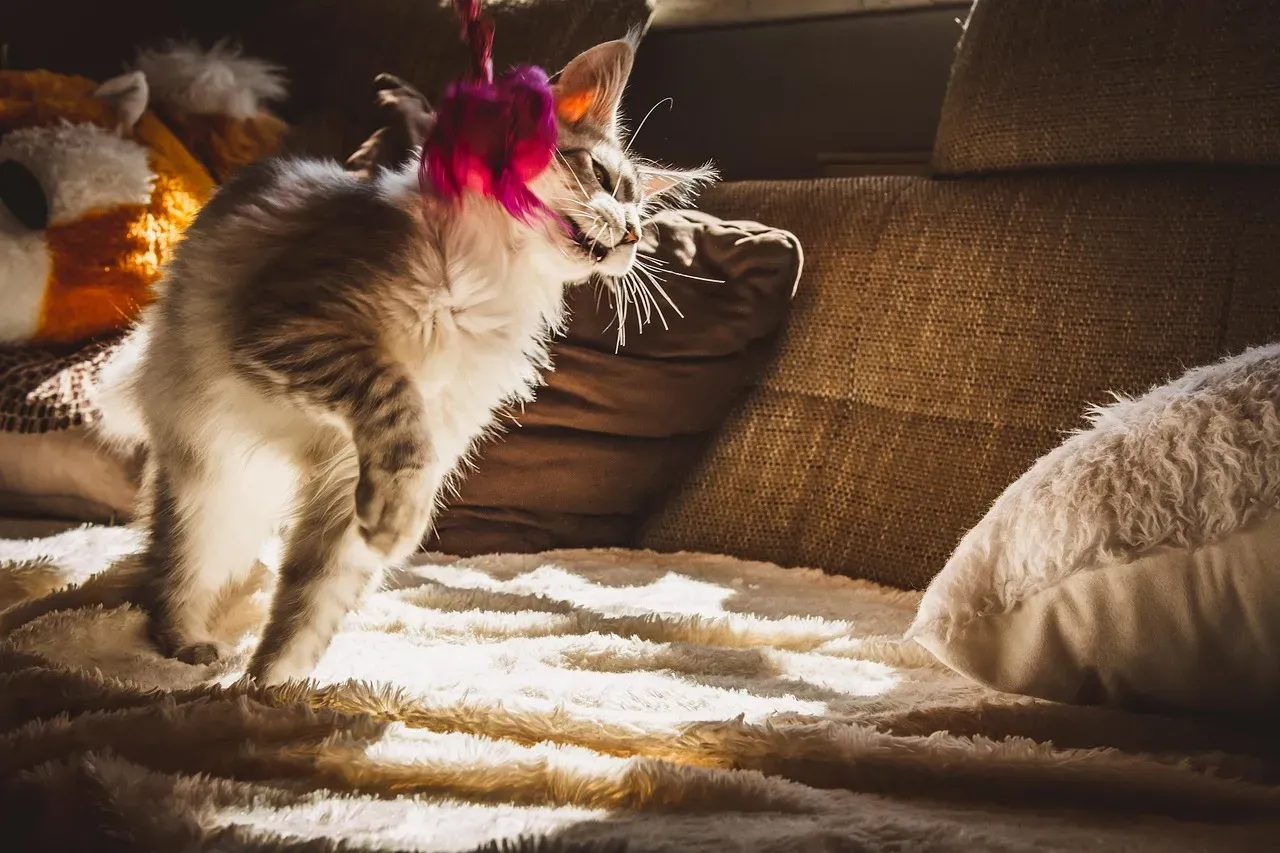
Not every cat hunts the same way. Multi-cat households present unique predatory play dynamics. Cats may engage in cooperative hunting behaviors rarely seen in solitary wild felines, taking turns chasing or flanking toys. Observing which cats prefer which roles (stalker vs ambusher) helps tailor play to their natural inclinations. Some cats even develop specialized techniques – one might excel at high leaps while another prefers stealthy ground approaches – suggesting individual “hunting personalities” persist despite domestication.
Factors such as age, breed, and personality can influence a cat’s playtime needs. Compared to adult cats, kittens have boundless energy and require more frequent and intense play sessions. Although their energy levels may decrease as they age, cats still require regular playtime to stay active. Pay attention to what your cat actually enjoys. Some go crazy for feather wands that mimic birds. Others prefer toys dragged along the ground like mice. Tailoring play to their natural preferences creates deeper engagement and greater satisfaction.
Conclusion: Honoring the Hunter Within
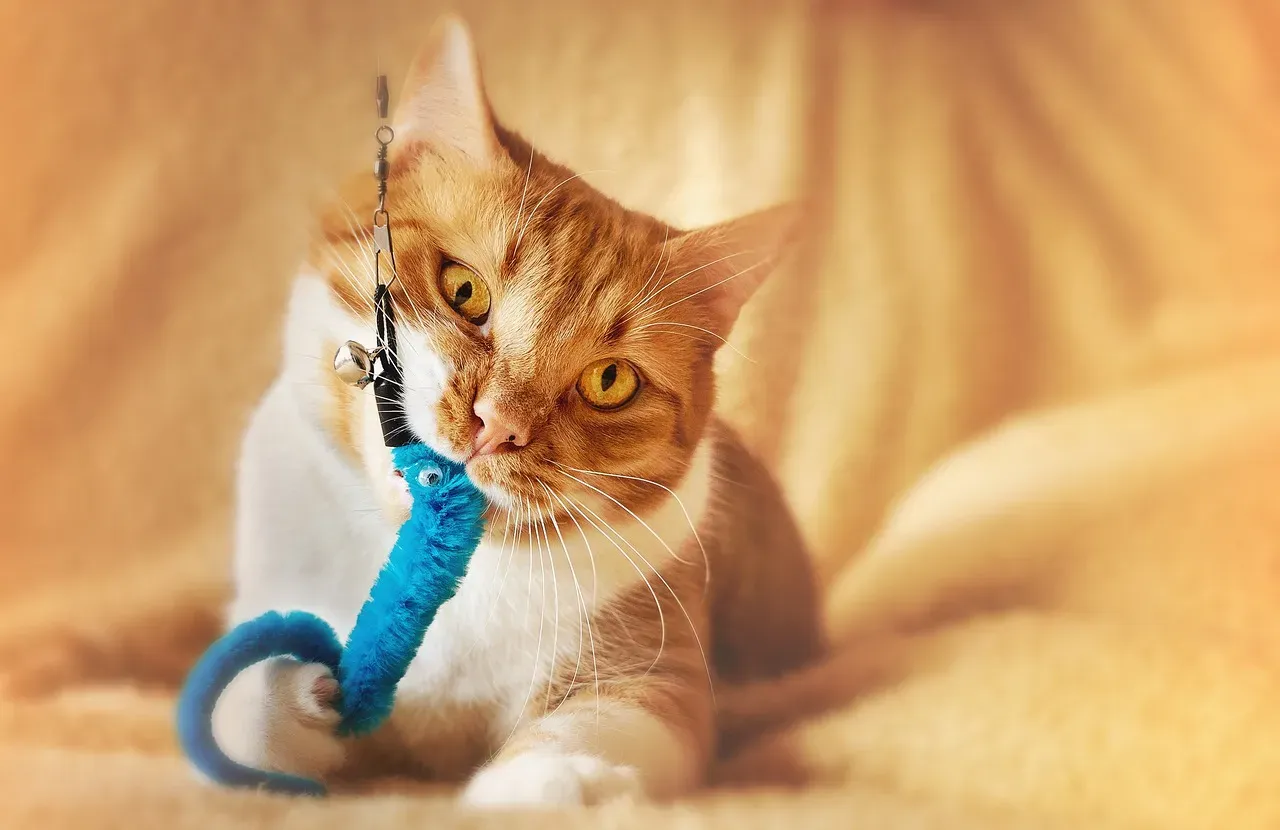
Despite common misconceptions, cats need regular interactive play to stay physically healthy, mentally sharp, and emotionally fulfilled. Play isn’t just about fun; it’s vital in allowing your cat to act on their natural instincts. Those few minutes you spend wiggling a feather wand aren’t just killing time. You’re providing an essential outlet for behaviors that define what it means to be a cat.
Your cat’s playtime rituals connect them to millions of years of evolution. Every stalk, pounce, and triumphant capture echoes through generations of wild ancestors who relied on these exact skills for survival. By understanding and honoring these instincts through proper play, you’re giving your cat something no food bowl or cozy bed can provide: the chance to be fully, authentically themselves. So the next time your cat brings you a toy at dawn, remember they’re not interrupting your sleep. They’re inviting you to be part of something far more profound than you might have realized. What does your cat’s favorite hunting style tell you about their personality?