You’ve heard it a thousand times. Your cat curls up beside you, and that familiar rumble begins, vibrating through your hand as you stroke their fur. Most of us assume it’s pure contentment, a feline smile translated into sound. We’ve been conditioned to think purring equals happiness, right?
Wrong. Let’s be real, your cat might be telling you something entirely different. Recent research is turning everything we thought we knew about purring on its head, and honestly, it’s a bit unsettling. That gentle vibration might not always signal joy. Sometimes it’s a distress call, a self-healing mechanism, or even a calculated manipulation tactic. What if you’ve been misreading your cat this whole time?
The Purr Is Not Always What You Think
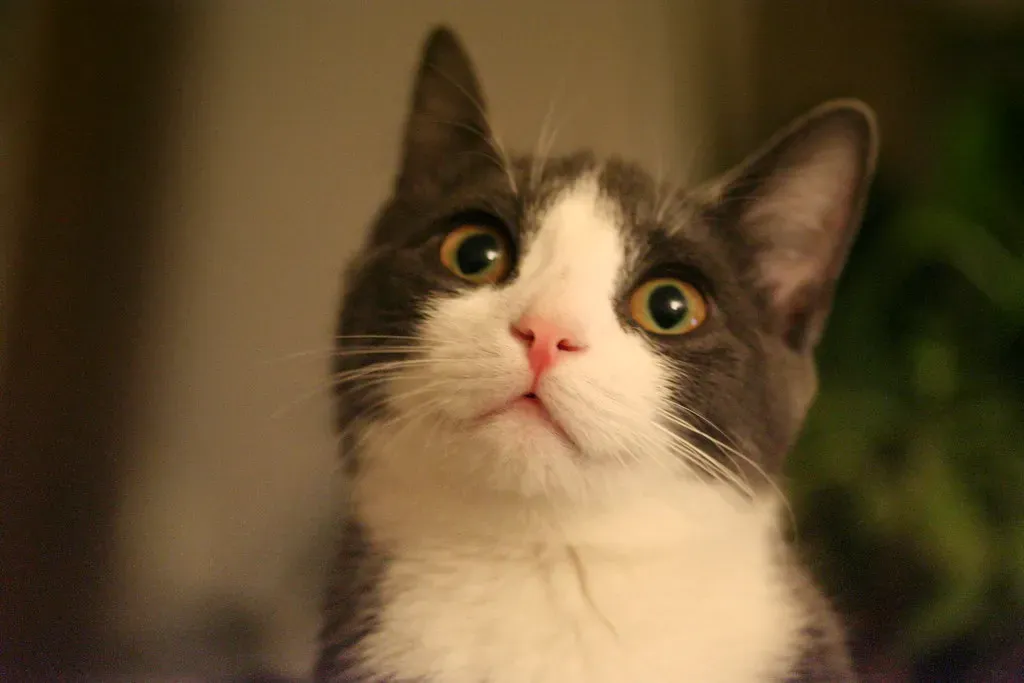
Here’s the thing that blows most people’s minds: cats can purr when they are happy, but they can also purr if they’re anxious or not feeling well. Think about it. You rush your cat to the vet, and while they’re trembling on the examination table, they start purring. You assume they’re calming down, but actually, cats may purr when they are being examined by a veterinarian, trying to recover and self-soothe from a stressful situation.
The biggest myth about cats is that a purr equals a smile. In reality, a purr is more like a human laugh – we laugh when we are happy, but we also laugh nervously when we are uncomfortable or trying to diffuse tension. This completely changes how you should interpret that sound. Context matters more than the purr itself. Is your cat relaxed, with half-closed eyes? Or are their ears flattened, pupils dilated, body tense?
When Pain Speaks Through Purrs
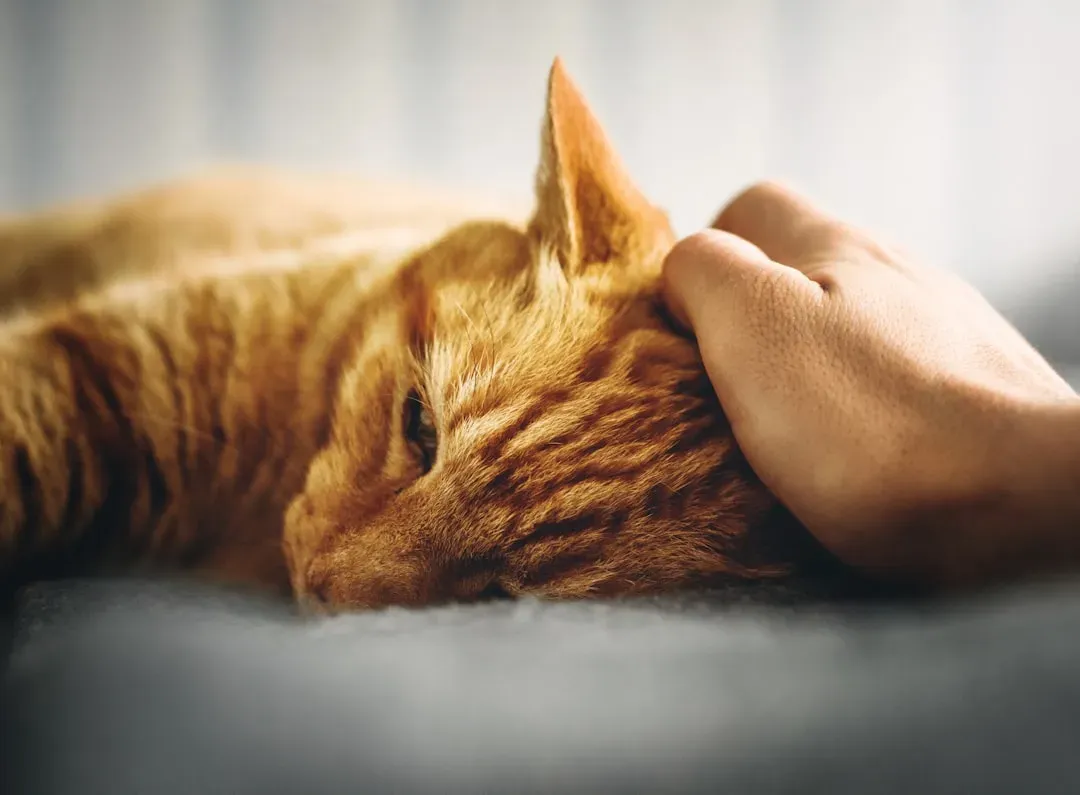
Perhaps the most shocking revelation is this: many cats purr when they get hurt or are in pain. It might simply be a way for a cat to soothe itself, like a child sucks their thumb to feel better. Veterinarians have witnessed this countless times. Cats frequently purr when they are in severe pain or near death. This is likely an instinctive attempt to heal themselves or to signal to predators that they are not a threat.
I know it sounds crazy, but the frequency of a cat’s purr might actually serve a biological healing function. The vibrations produced during purring occur at a frequency of 25 to 150 Hertz, which has been shown to promote healing and tissue regeneration and is known to positively affect bone density and tendon and muscle repair. So when your cat is injured, they may instinctively purr to accelerate their own recovery. It’s like they have a built-in medical device.
Yet this also means you could easily miss signs of suffering. If your cat is purring but hiding, refusing food, or showing unusual posture, don’t assume everything’s fine.
The Manipulation Purr: Your Cat’s Secret Weapon
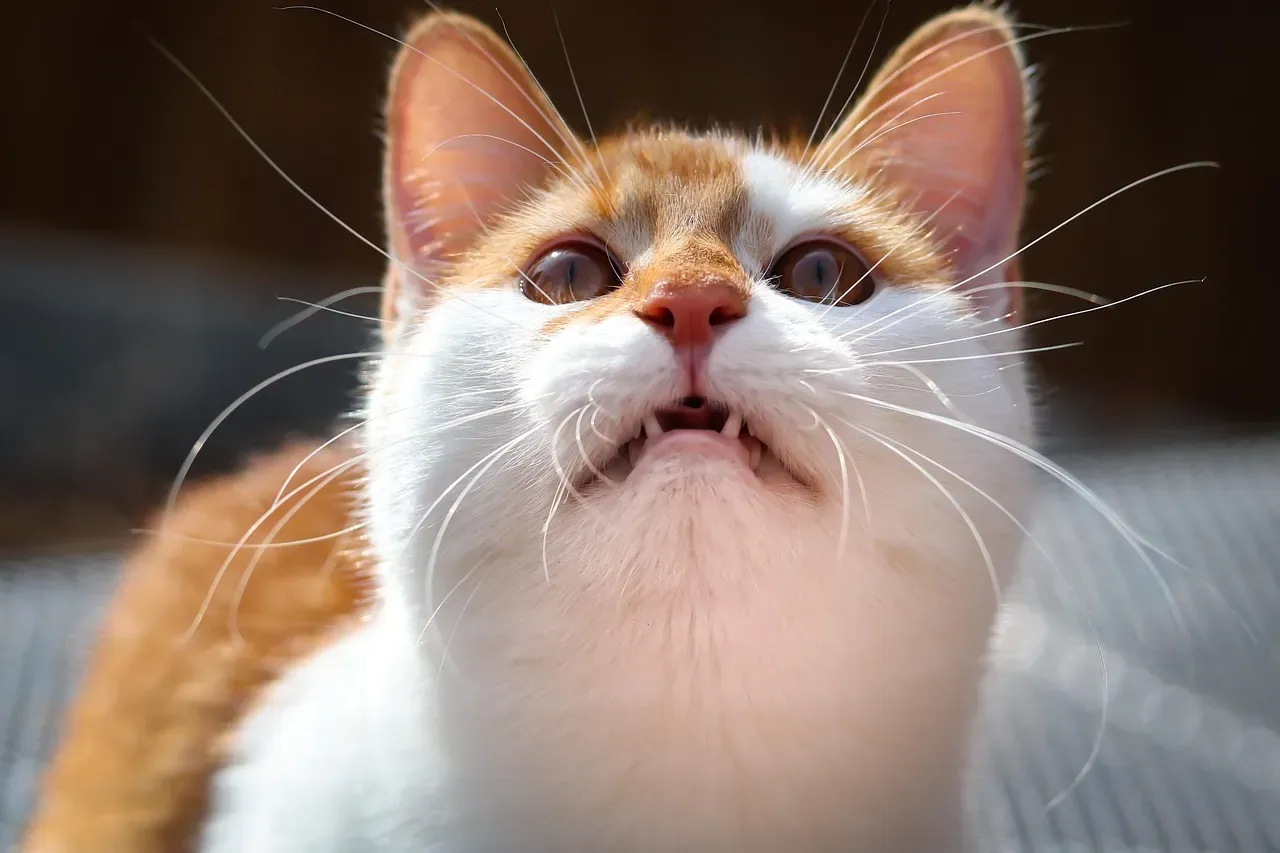
Let’s talk about something slightly devious. Your cat might be playing you like a fiddle. Researchers identified solicitation purrs and non-solicitation purrs, and humans regularly judged the solicitation purrs as less pleasant and more urgent than the non-solicitation purrs. Basically, when your cat wants something – usually food – they modify their purr to include a high-frequency component that sounds eerily similar to a human baby’s cry.
The high-frequency aspect of the purr may subtly exploit humans’ sensitivity to these cries. Using sensory biases in communication between species provides cats with a productive means of improving the care that they receive. Honestly, it’s brilliant. Your cat has evolved to hijack your parental instincts, making you respond faster to their demands. Next time you hear that insistent purr at dawn, realize you’re being strategically manipulated by roughly ten pounds of fur and cunning.
Stress, Anxiety, and the Self-Soothing Purr
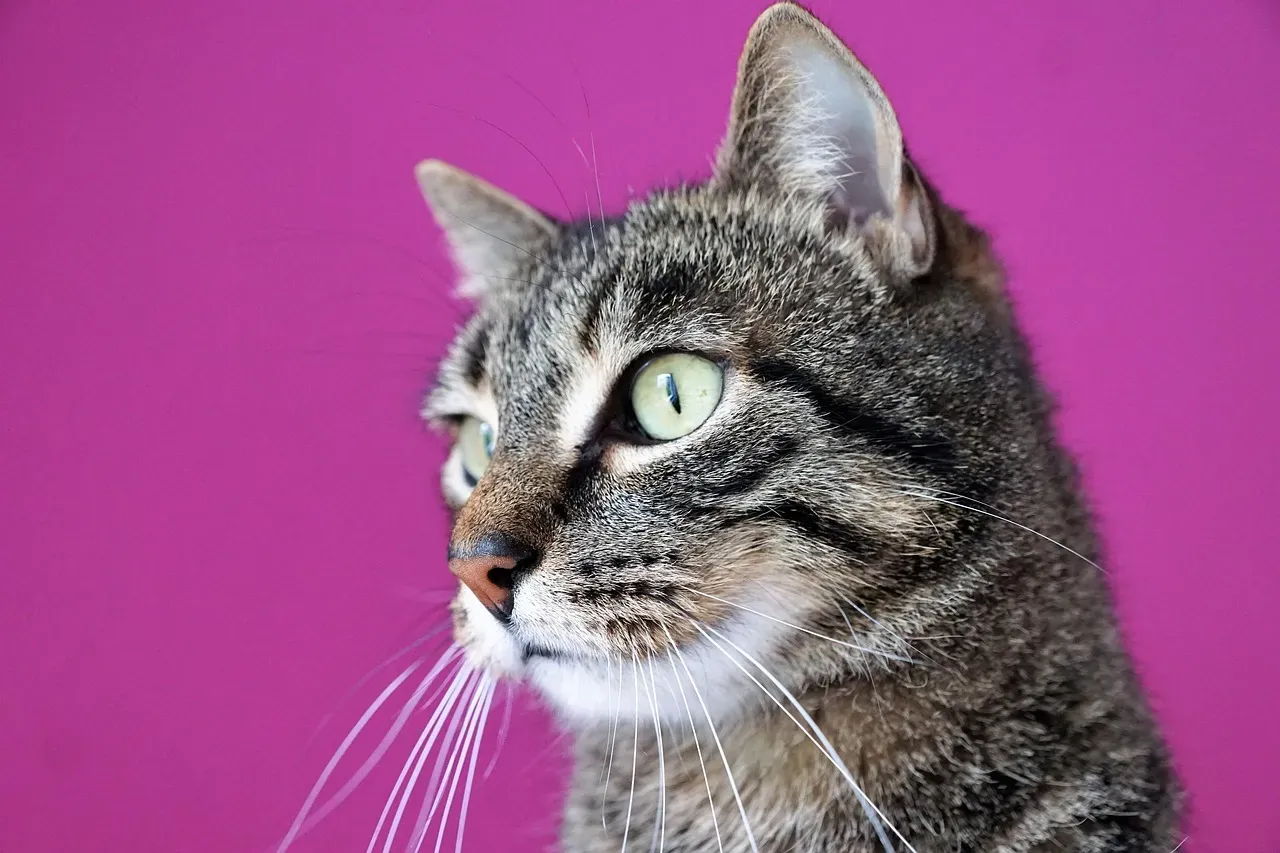
Imagine being terrified and using your voice to calm yourself down. That’s essentially what cats do. Some cats purr when they are anxious. This may be a coping mechanism to help reduce their anxiety. You might notice your cat walking around the house, alternating between purring and meowing, especially during stressful events like moving house, introducing a new pet, or during thunderstorms.
When cats purr under stress, they’re activating a natural self-soothing mechanism. The process involves rhythmic contractions of the laryngeal muscles, creating vibrations between 25 and 150 Hertz. This frequency range has therapeutic properties that can help cats manage stress and promote healing. It’s hard to say for sure, but this behavior resembles human humming or singing when nervous – a way to regulate emotions through sound and vibration.
The tricky part? Distinguishing between happy purring and stress purring. Look at the whole picture. Tense body posture, flattened ears, wide eyes – these signal distress, not contentment.
How Your Cat Actually Makes That Sound
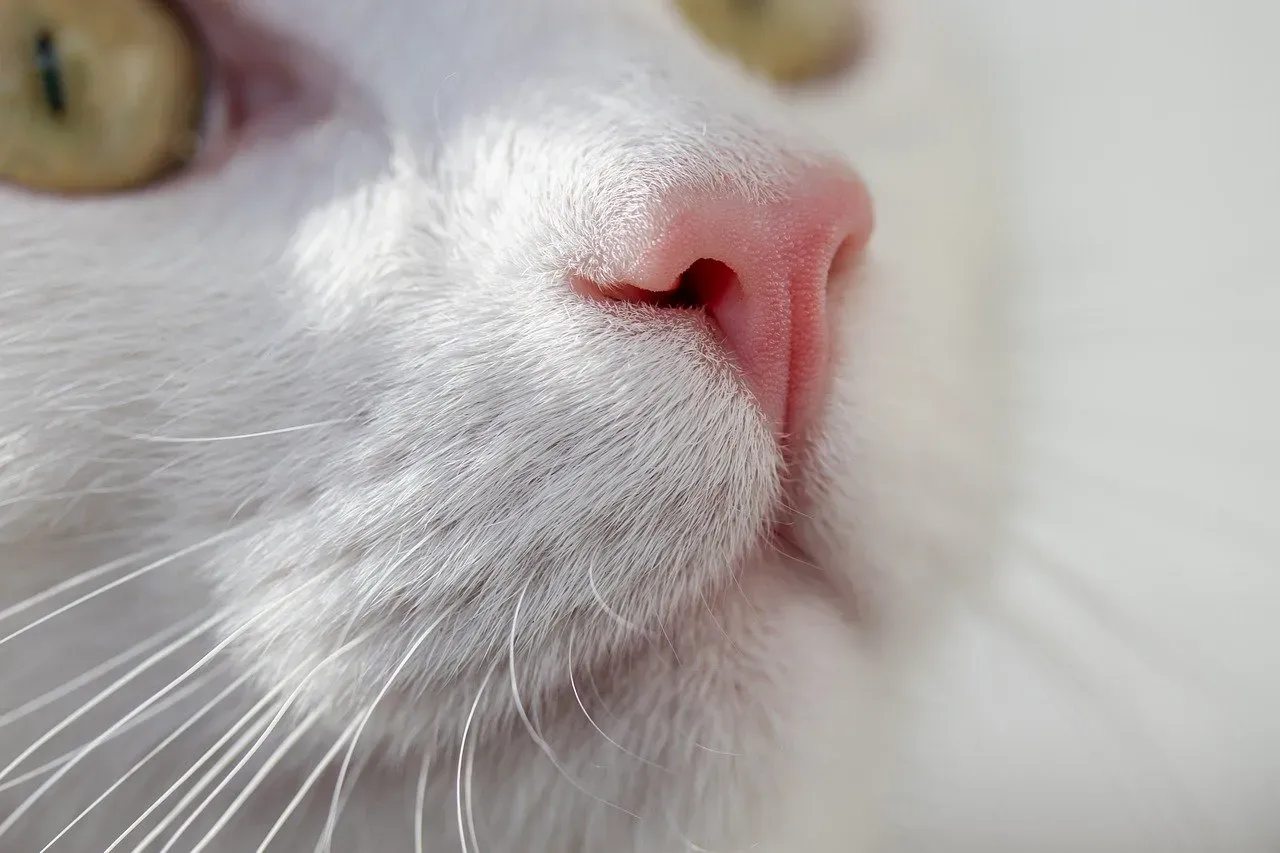
For decades, scientists debated the mechanics of purring. The active muscle contraction hypothesis holds that domestic cats actively contract and relax their laryngeal muscles about 30 times per second in order to purr. The idea, based on measurements of electrical activity in the laryngeal muscles in purring cats, caught on and has been a common explanation for cat purring ever since.
However, recent research challenges this long-held belief. A study led by voice scientist Christian T. Herbst from the University of Vienna discovered that a special ‘pad’ embedded in the vocal folds might explain how cats can produce these low-frequency sounds. The experiment suggests that purring, like meowing and hissing, is a passive phenomenon that plays out automatically after cats’ brains provide the initial signal to purr.
Think of it this way: once your cat’s brain sends the command, the purr essentially runs on autopilot. The vibrations occur both when the cat inhales and exhales, creating that continuous, mesmerizing hum we all recognize.
The Mother-Kitten Connection
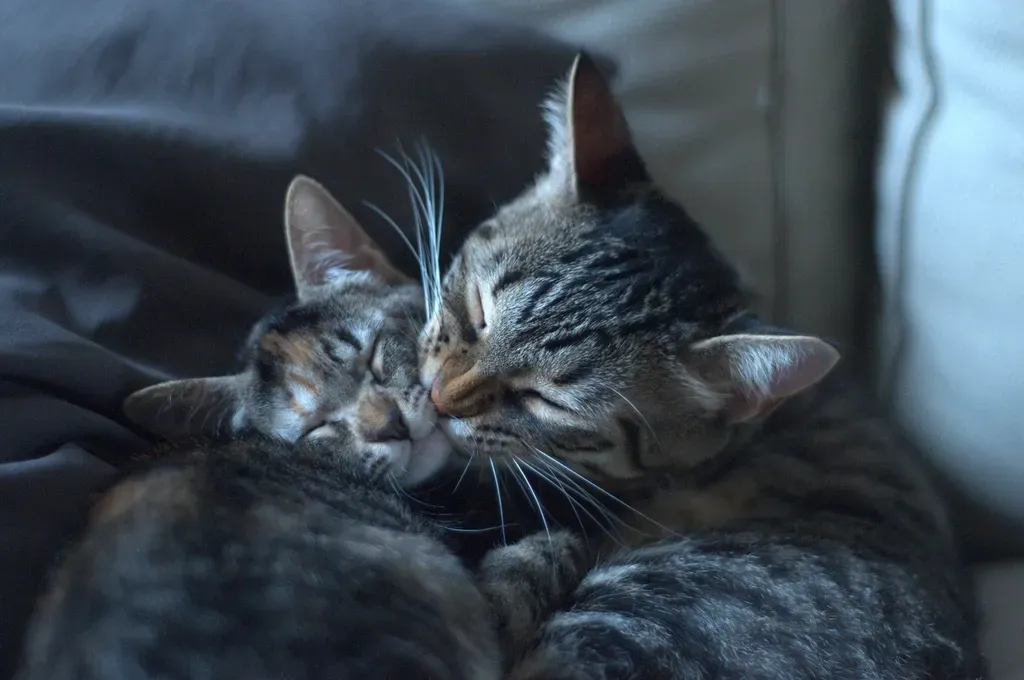
Purring begins astonishingly early. Kittens can purr when they’re only a few days old. It’s probably a way to let their mothers know where they are or that they’re OK. Purring also helps a kitten bond with its mother. Since newborn kittens are both blind and deaf, they rely heavily on vibration and touch.
The mother cat’s purr serves as a vibration-beacon that tells her blind and deaf newborn kittens her location. It’s a communication lifeline in those vulnerable first days. The mother purrs to guide her babies to feed, and the kittens purr back to signal they’re nursing successfully and feeling safe. This early programming may explain why adult cats continue to purr in moments when they seek comfort or closeness with their human companions.
Can a Cat’s Purr Actually Heal You?
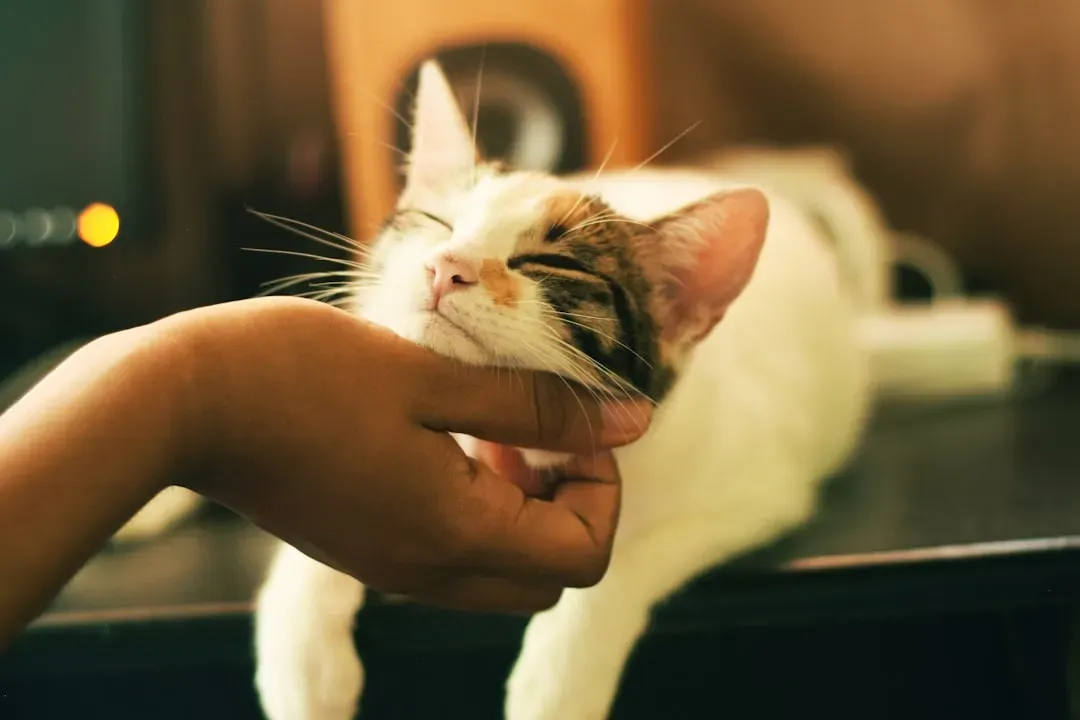
You’ve probably heard the claims: cat purrs can heal broken bones, reduce stress, lower blood pressure. But is there any truth to it? Well, the evidence is mixed. Research suggests that the frequency of a cat’s purring – typically between 25-150 hertz – could have therapeutic effects on the body and mind. Studies have shown that petting a cat while listening to its purr can boost oxytocin levels, a hormone associated with trust and emotional bonding.
Some research even indicates that vibrations can help reduce inflammation, improve circulation and stimulate the healing of damaged tissues. They’ve also been shown to promote the regeneration of bone cells and increase bone density. Still, it’s important to temper expectations. These aren’t miracle cures, and you shouldn’t hold a purring cat to a broken bone expecting it to mend overnight.
What we do know for certain is that the psychological benefits are real. The act of petting a purring cat reduces cortisol, lowers anxiety, and creates a sense of calm. Maybe that’s healing enough.
The Dark Side: Purring Near Death
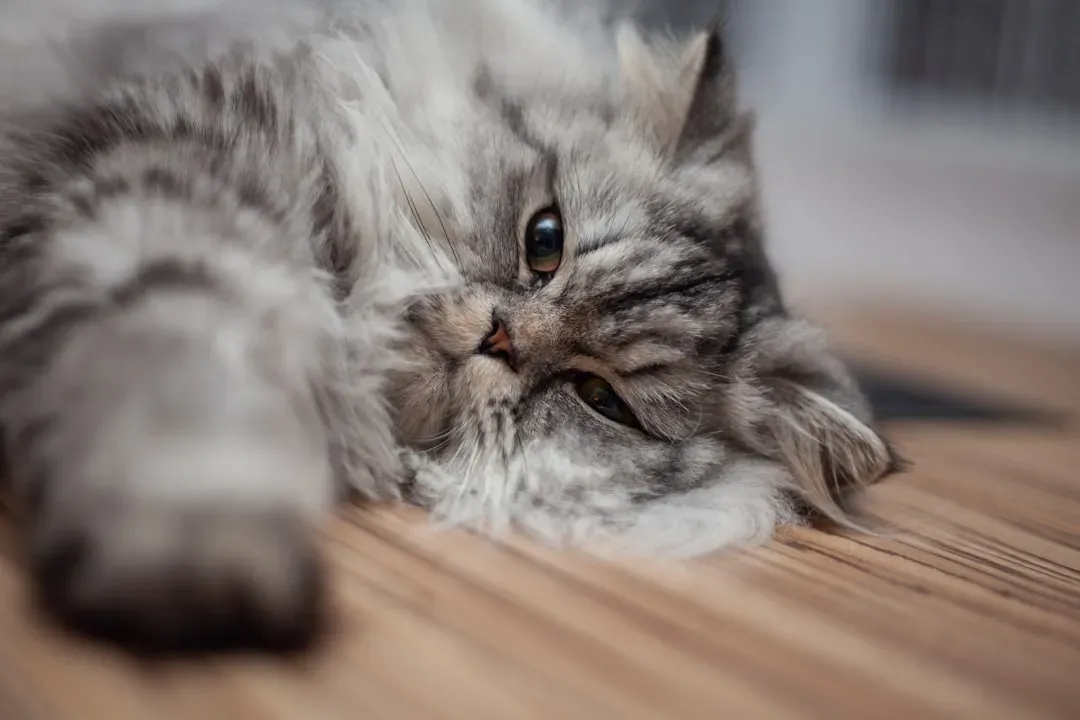
This is perhaps the most unsettling aspect of purring behavior. A cat that is near death may purr. A cat that is purring at a veterinary hospital may be very stressed and scared and could be purring to self-soothe or to communicate appeasement. In veterinary practice, cats sometimes purr in a context of stress, pain or when they are close to death. While large-scale scientific studies are lacking, case studies do report such a phenomenon.
Why would a dying cat purr? It might be an attempt at self-healing, or perhaps a way to signal non-aggression in a moment of extreme vulnerability. Humans smile when they are happy, but they can also smile to please other people when they are scared or nervous; we suspect that cats use purrs in the same way. This parallel is chilling and beautiful at the same time – a reminder that communication isn’t always straightforward.
If your cat is purring but showing signs of severe illness, don’t be lulled into thinking they’re comfortable. Get veterinary help immediately.
Decoding the Different Types of Purrs
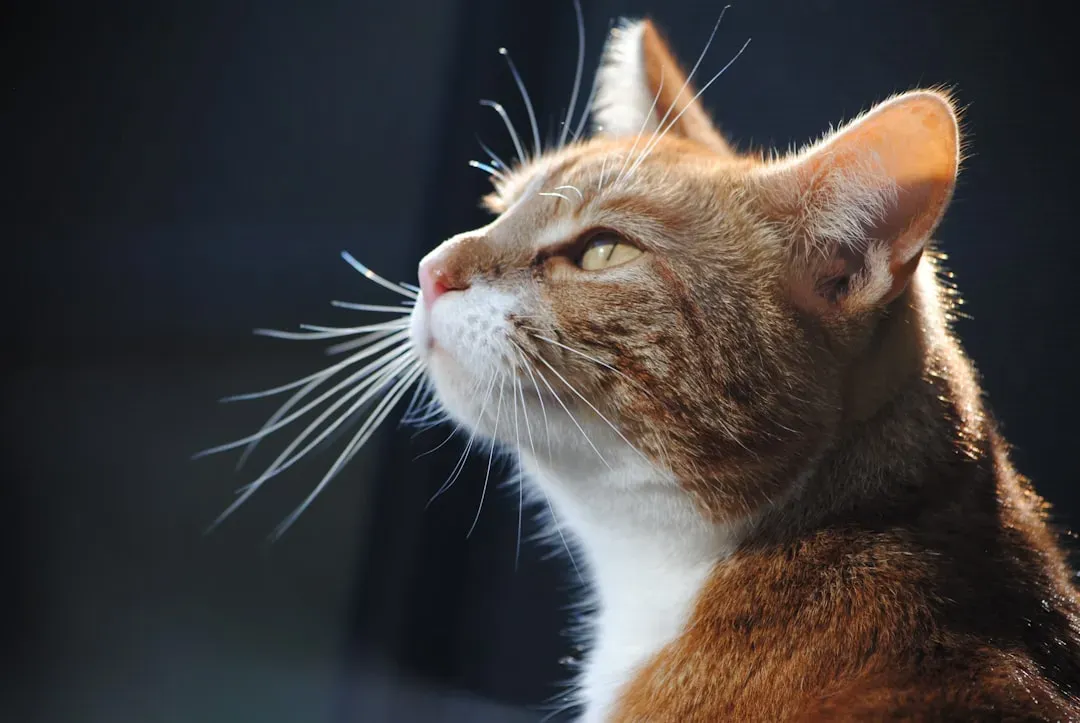
Not all purrs are created equal. Cats have developed a whole vocabulary within this single sound. The happy-purr is the classic purr. A cat that is purring from happiness will look relaxed, with half-closed dreamy eyes, and seem not to have a care in the world. This is called a non-solicitation purr.
Then there’s the meow-purr combination. A cat that purrs and meows at the same time may be actively trying to get your attention for some reason – usually for food. Cats that are engaging in this type of communication usually act expectant and demanding and may head butt you or actively rub their body on you. You’ve probably experienced this at dawn when your cat decides it’s breakfast time, whether you agree or not.
There’s also the stress-purr, which we’ve discussed, where the cat appears tense or frightened despite the purring. Learning to distinguish these variations requires observation, patience, and a willingness to look beyond the sound itself.
Why Small Cats Purr But Big Cats Roar
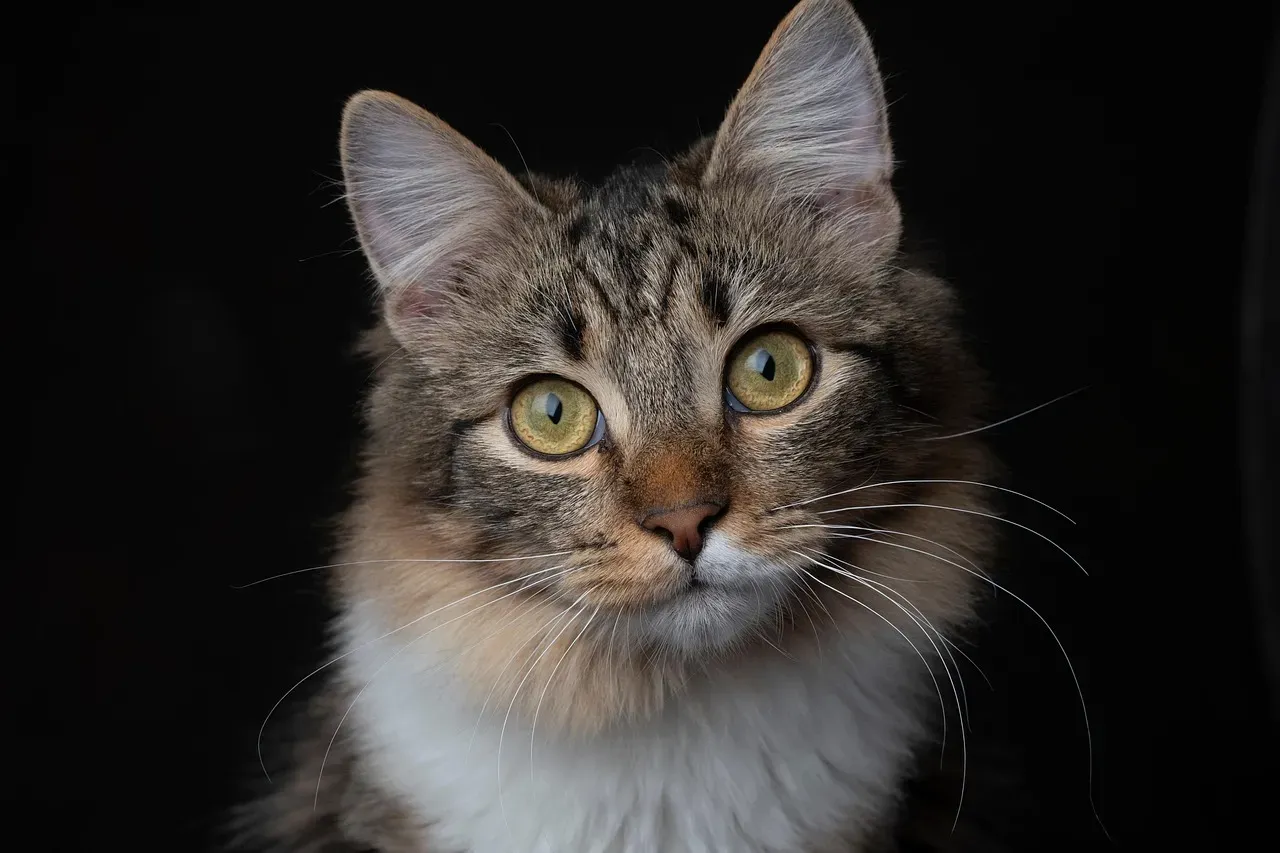
Ever wondered why your housecat purrs but a lion roars? The “roaring cats” (lion, tiger, jaguar, leopard) have an incompletely ossified hyoid, which enables them to roar but not to purr. All remaining species of the family Felidae (“purring cats”) have a completely ossified hyoid, which enables them to purr but not to roar.
Snow leopards purr rather than roar. It’s a quirk of evolution. The structure of the hyoid bone determines which vocalization a cat can make. Your domestic cat shares this purring ability with smaller wild cats like bobcats, ocelots, and cheetahs, but not with the larger roaring cats.
This anatomical distinction reveals that purring is an ancient adaptation, serving crucial communication and self-regulation functions that have been refined over millions of years.
What to Watch For: When Purring Is a Red Flag
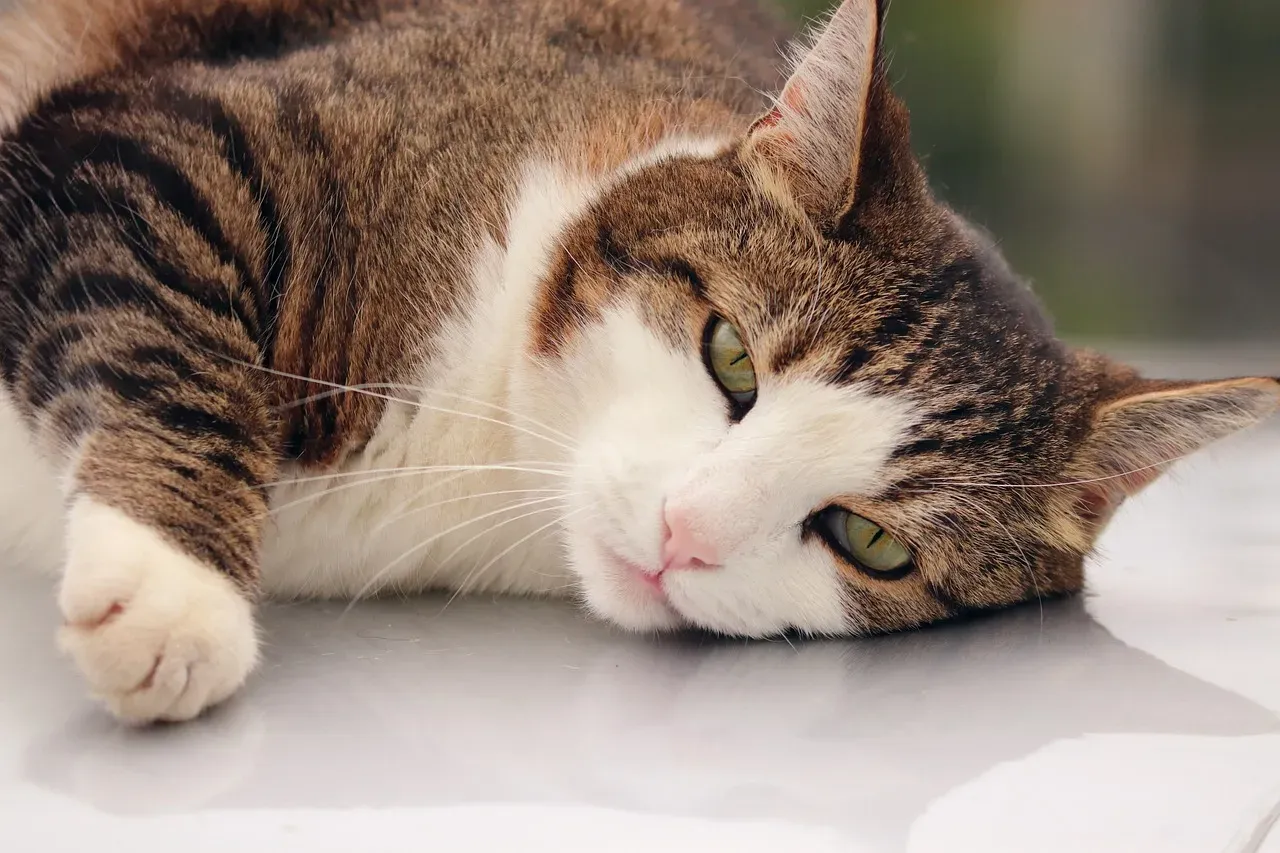
So how do you know when your cat’s purr is a cause for concern? Look for these warning signs: changes in appetite, lethargy, hiding, unusual aggression, difficulty breathing, or changes in litter box habits. If your cat is purring while showing any of the other signs of pain, the purring may be pain-related. In fact, purring may actually increase in a cat experiencing pain.
Stress purring is often accompanied by tense body language, dilated pupils, and flattened ears. The context is also important – if your cat is purring in a typically stressful situation, it’s likely a self-soothing behavior rather than contentment. Trust your instincts. If something feels off, it probably is. Don’t let the purr fool you into thinking everything’s fine when your gut says otherwise.
A sudden increase in purring, especially if it sounds different or is accompanied by behavioral changes, warrants a vet visit. Better safe than sorry.
The Bigger Picture: What Your Cat’s Purr Reveals
What have we learned? That purring is far more complex than a simple happiness indicator. It’s a multi-functional tool your cat uses to communicate, self-soothe, heal, manipulate, and bond. Cat purring is a complex vocalization that can mean many different things. The frequency, context, body language, and accompanying behaviors all contribute to the message.
Understanding this nuance makes you a better cat owner. It means you’re paying attention not just to the sound, but to what your cat is actually trying to tell you. You’ll notice when that purr shifts from contentment to stress, from joy to pain. You’ll respond more appropriately to their needs, whether that’s providing comfort, seeking medical attention, or simply giving them space.
Your cat’s purr is indeed a symphony, but it’s not always a soothing one. Sometimes it’s a cry for help disguised in vibrations. The question is: are you really listening? Did this change how you’ll interpret your cat’s purr from now on? What do you think – have you ever misread what your cat was trying to tell you?