Your Cat's Purr Is More Than Contentment; It's a Healing Symphony
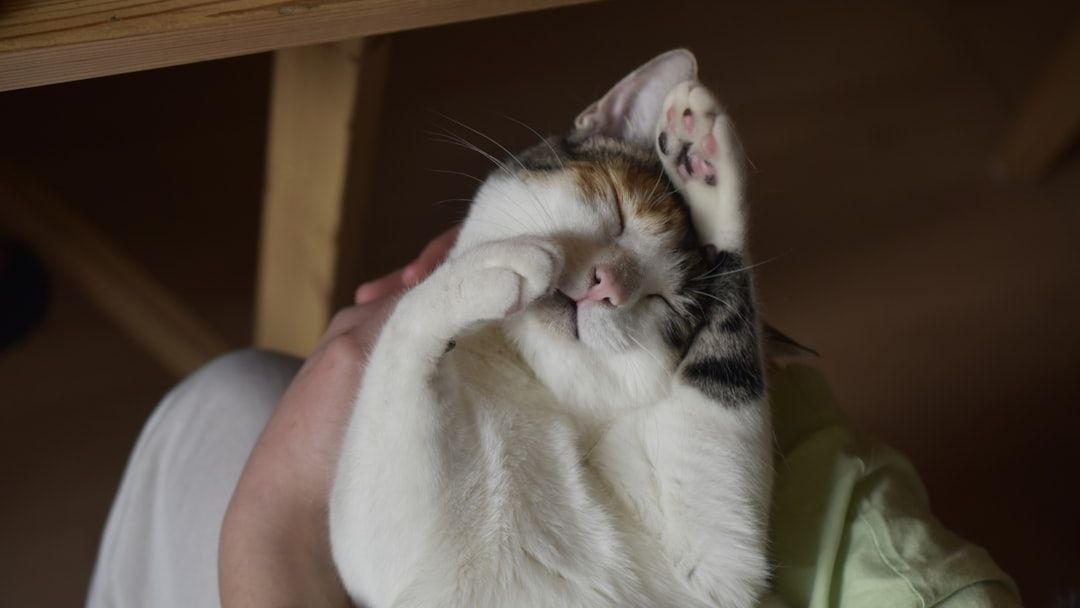
You've probably felt it countless times. Your cat curls up beside you, eyes half closed in pure bliss, and that gentle rumbling begins. It's comforting, almost meditative. Most of us assume purring simply means our feline friend is happy. While that's true in many cases, the truth goes far deeper than contentment alone. What if I told you that sound vibrating against your skin might actually be helping to heal your body? Scientists have been uncovering something remarkable about the frequencies hidden within that familiar rumble. Your cat isn't just expressing joy or relaxation when they purr.
They're creating a symphony of vibrations that could be repairing bones, soothing pain, and calming your anxious mind in ways you never imagined.
The Science Behind That Gentle Vibration
Cat purring occurs at frequencies between 25 and 150 Hertz, a specific range that scientists find fascinating. This sound is produced through intermittent signaling of the laryngeal and diaphragmatic muscles. When your cat breathes in and out, these muscles create vibrations that generate that distinctive rumbling sound you know so well.
Sound frequencies in this range can improve bone density and promote healing. The frequencies aren't random; they fall precisely within ranges used in medical therapies. Think about that for a moment. Your cat is essentially a living, purring therapy device that evolved over millions of years to produce healing vibrations naturally.
Bone Growth and Fracture Repair
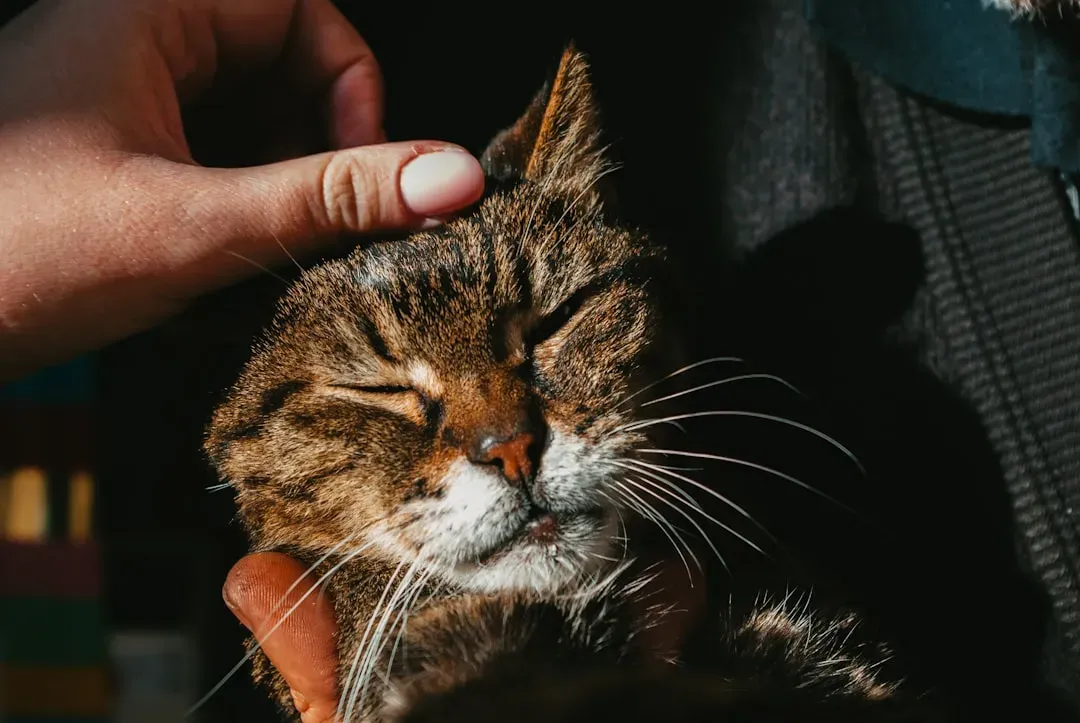
Domestic cats, servals, ocelots, and pumas produce fundamental frequencies at exactly 25 Hz and 50 Hz, the two low frequencies that best promote bone growth and fracture healing. This isn't coincidence. Cats are well-known for their ability to heal quickly from their own broken bones, and the incidences of joint problems and bone cancer in cats are low.
Here's where it gets really interesting. Studies using vibration platforms to build bone suggest 30 to 50 hertz seems to resonate with bone to stimulate bone growth. Your cat might be helping themselves heal while they rest. Because cats have adapted to conserve energy via long periods of rest and sleep, it is possible that purring is a low energy mechanism that stimulates muscles and bones without a lot of energy. Let's be real, cats spend most of their day napping. Evolution gave them a brilliant solution to maintain bone health during all that lounging.
Pain Relief Through Vibration Therapy
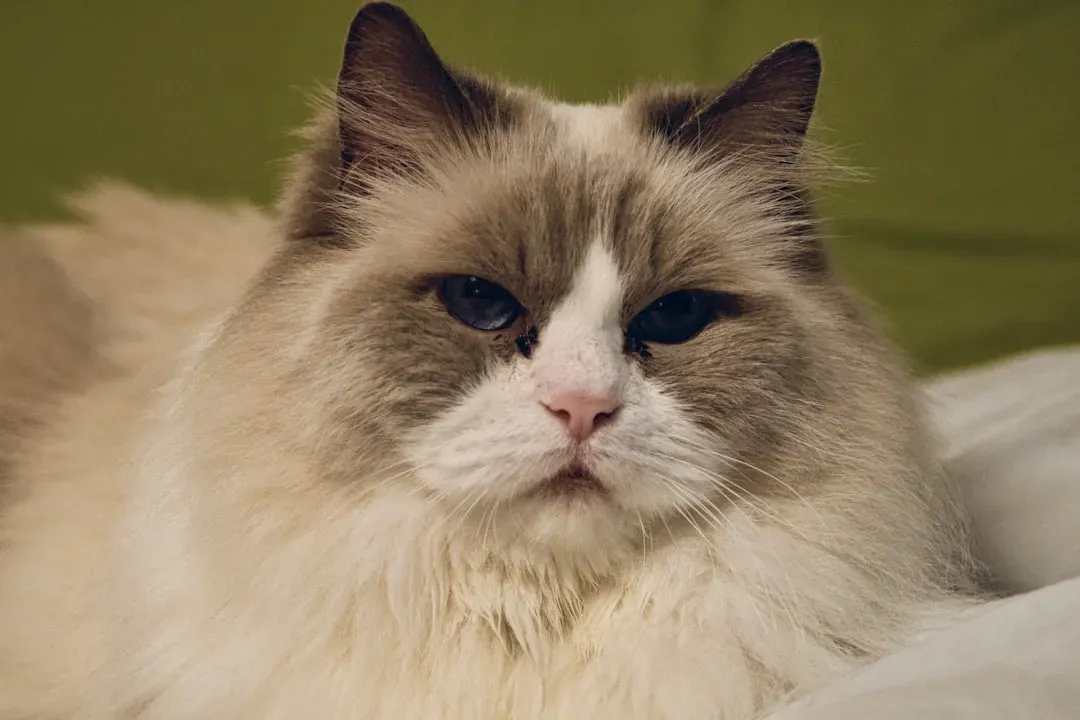
The vibrations produced by a cat's purr have been shown to have pain-relieving effects, with frequencies shown to have therapeutic effects on bone healing, pain relief, and wound healing. The vibrations can stimulate the production of endorphins, which are natural painkillers and mood elevators. Your body responds to these vibrations in measurable ways.
There are many stories of people with migraines whose headaches are eased or extinguished when they lie with their heads close to purring cats. I know it sounds crazy, but think about how many cat owners swear by this. These vibrations can help reduce inflammation, improve circulation and stimulate the healing of damaged tissues. The purr isn't magic, but it is medicine in its own right.
Stress Reduction and Emotional Healing
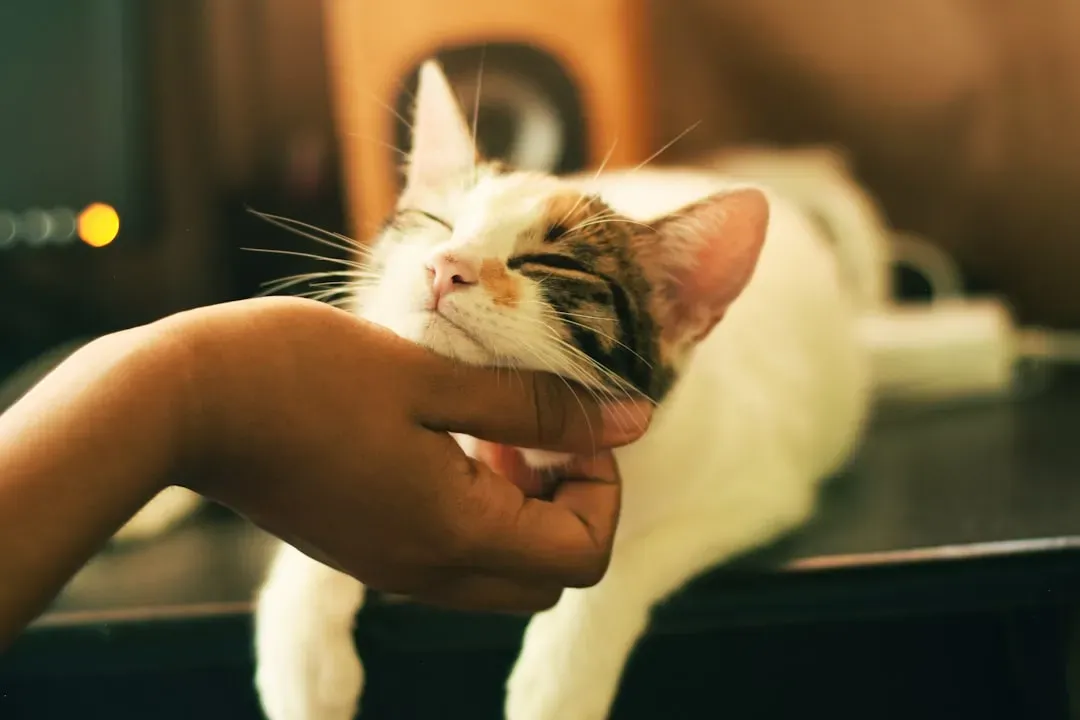
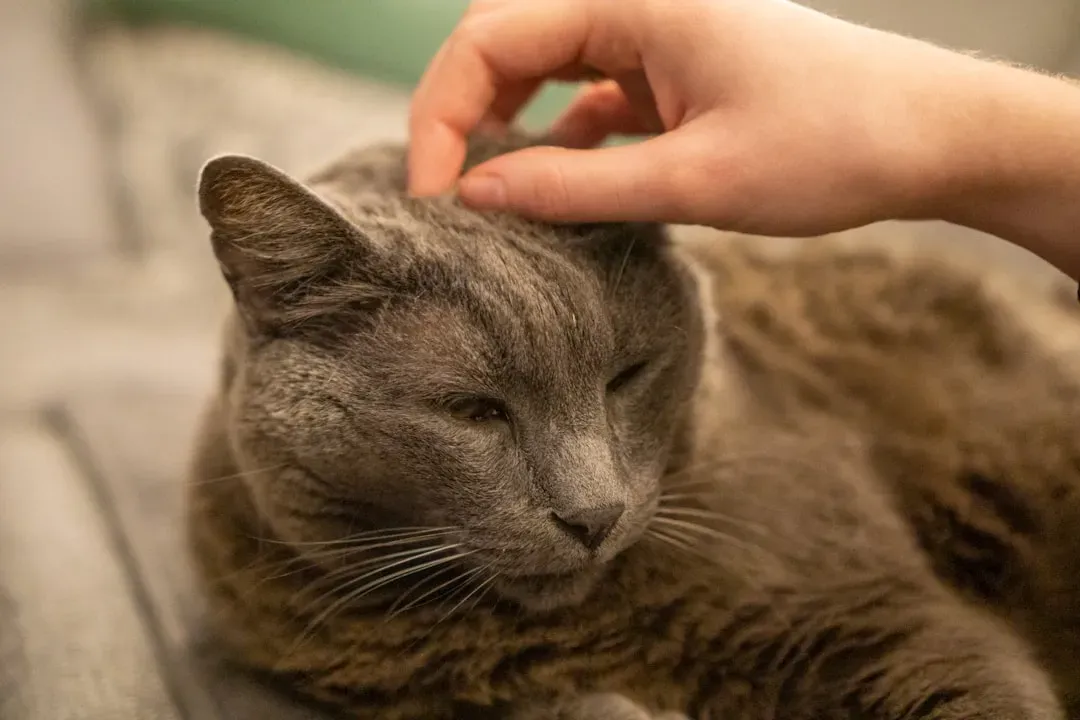
The soothing sound and vibration of a purr has been compared to the calming effects of meditation, with frequencies between 25 and 150 Hertz having a relaxing effect on the human nervous system. Petting a cat or listening to their purring triggers the release of oxytocin, a hormone that promotes happiness and reduces stress.
Your body chemistry literally changes when your cat purrs nearby. This physiological response can help lower cortisol levels, the primary hormone associated with stress. This calming effect lowers cortisol levels and can help alleviate pain, easing chronic discomfort. Many people experience decreased heart rate and blood pressure in the presence of a purring cat. It's not just in your head; the effects are physical and real.
Cardiovascular Benefits You Didn't Expect
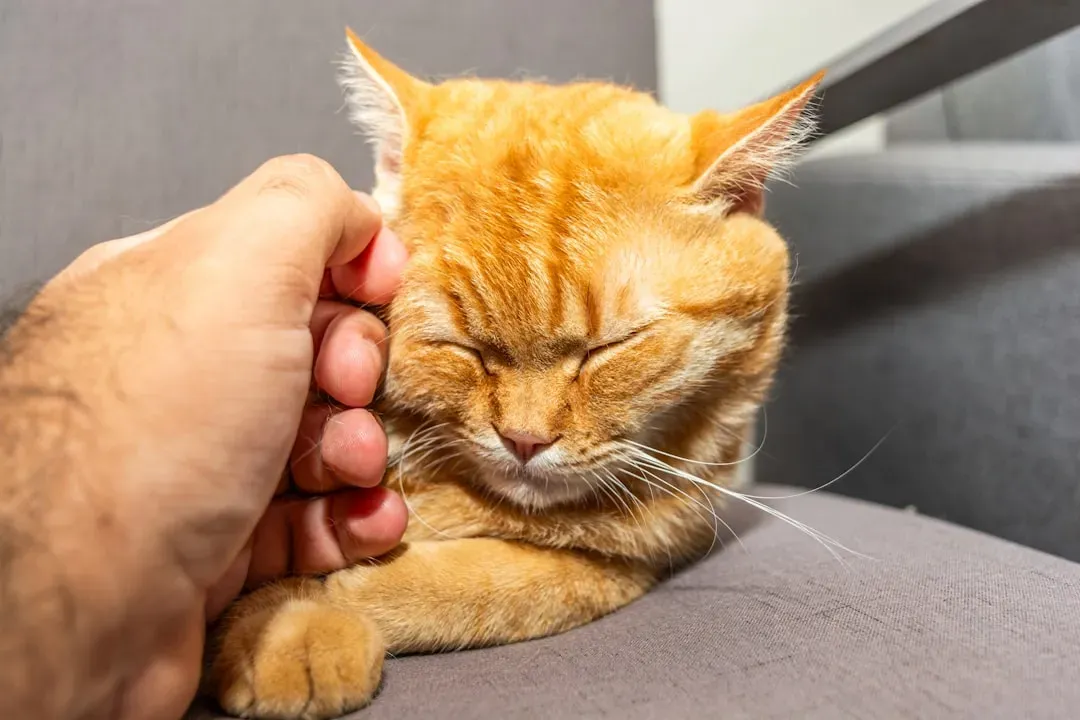
Studies have shown that people are less likely to die of a heart attack if they own a cat. That's a bold claim backed by research. The calming effect of having a purring cat nearby can relieve stress and lower blood pressure, thus reducing the risk of heart disease and even decreasing the chances of heart attack by up to 40%.
Many people who spend time with cats experience a decrease in heart rate and blood pressure, which reduces strain on the cardiovascular system and supports overall health. Your feline companion might be doing more for your heart than any gym membership. Let's think about this practically. The simple act of sitting quietly with a purring cat creates a meditative state that your cardiovascular system desperately needs in our high-stress world.
Why Cats Purr When They're Hurt
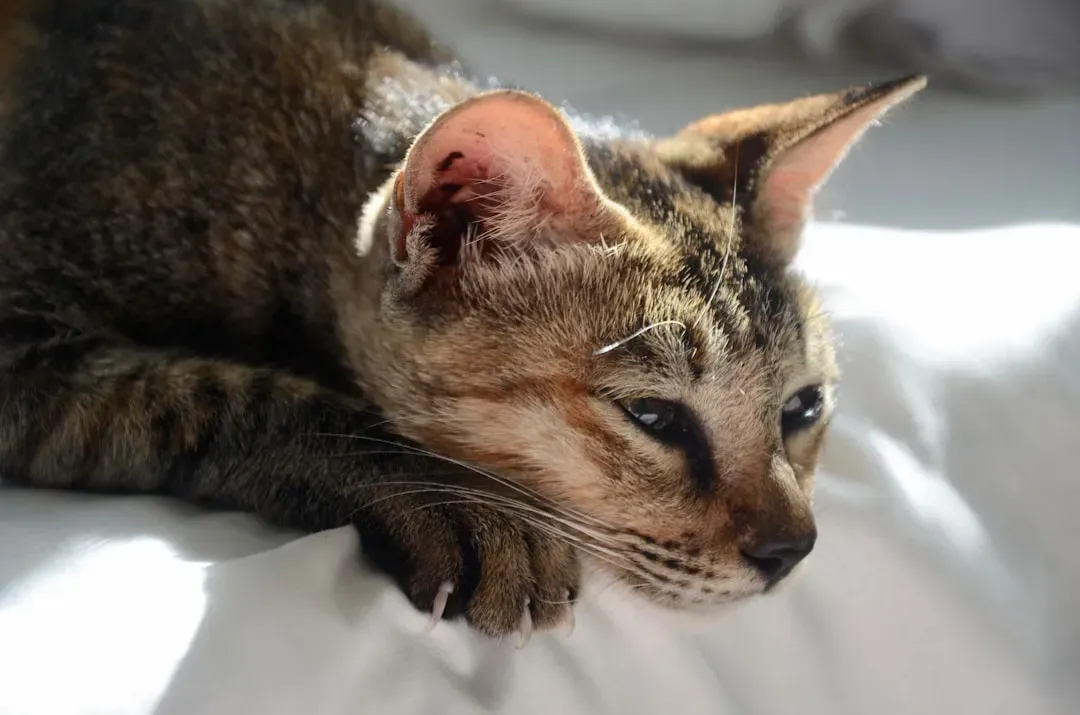
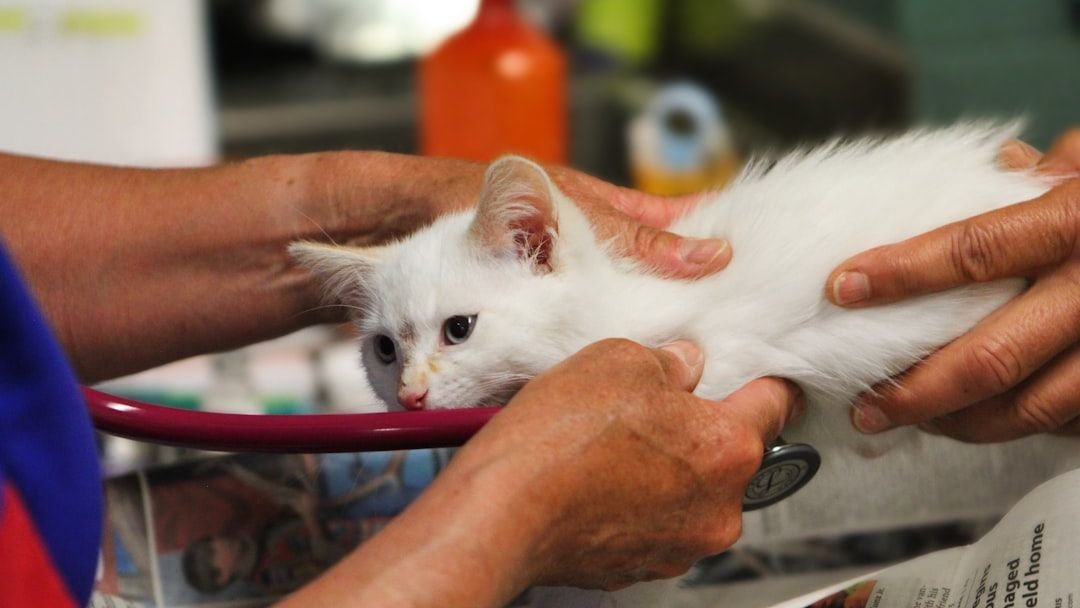
Cats purr to manage pain and soothe themselves. Cats often purr while under duress, such as during a visit to the veterinarian or when recovering from injury, suggesting not all purring cats appear to be content or pleased. This puzzled scientists for years until they understood the self-healing properties.
Studies indicate that the purr may be a survival mechanism that cats use when they're hurt or stressed, with vibrations having therapeutic effects helping cats heal from injuries, reduce pain, and soothe themselves naturally. Your cat isn't just being brave at the vet. The purr may be a low-energy way for cats to keep their bones and tissues healthy while sedentary or at rest. Evolution equipped them with their own internal healing mechanism, one that requires minimal energy expenditure.
Biscuit
Biscuit is looking at you hopefully.
Respiratory and Breathing Benefits
Clinical observations of cats suffering from upper respiratory conditions resulting in dyspnea, or trouble breathing, indicate that purring helps the cat breathe more easily. Respiratory distress related to heart disease isn't nearly as common in cats as it is in dogs and humans.
A person with respiratory problems might also be able to breathe easier if a purring cat is nearby. The rhythmic vibrations seem to regulate breathing patterns. The soothing vibrations of a cat's purr can help regulate the autonomic nervous system, which controls involuntary bodily functions like heart rate and breathing. It's hard to say for sure, but the connection between purring frequencies and improved respiratory function appears in study after study.
The Mental Health Connection
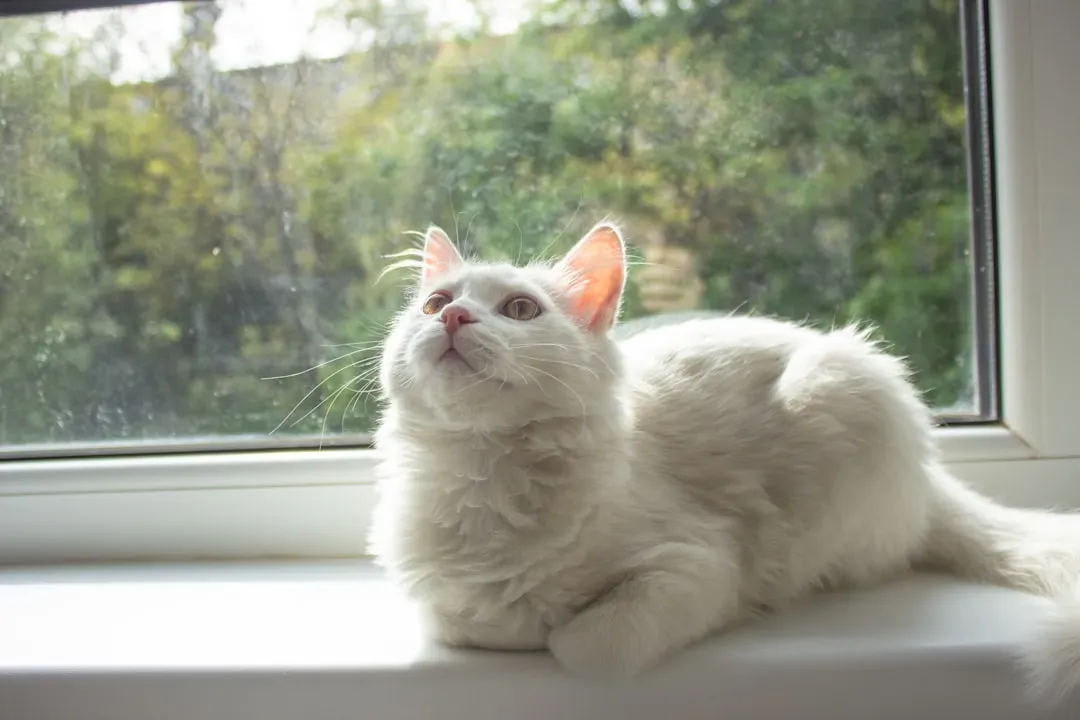
The repetitive sound of a cat's purring has a calming, meditative quality that can reduce anxiety and promote mindfulness. Some cat owners even report a reduction in symptoms of depression, highlighting the emotional benefits of these feline companions. The companionship alone provides tremendous value, but the purring adds another dimension.
A purring cat provides companionship that can help combat feelings of loneliness and depression, with studies showing that petting a cat while listening to its purr can boost oxytocin levels, a hormone associated with trust and emotional bonding. Emotional support animals like cats offer vital relief to those experiencing anxiety, depression or other mental health conditions, with their presence fostering trust, security and companionship. Honestly, many people underestimate how powerful this bond can be for mental wellness.
Practical Applications in Medicine
Pulsed electromagnetic field devices with frequencies within the range of the cat's purr have been shown to non-invasively treat conditions such as bone healing, osteoarthritis, inflammation, wound healing and post-operative pain. Medical researchers are literally mimicking cat purrs. A device that simulated a cat's purr was used on an aged dog that had lost the ability to walk for twenty minutes a day for three consecutive days, and on the fourth day the dog regained its ability to walk.
The low-frequency vibrations produced by cats' purring may help counteract the negative effects of weightlessness on the body by stimulating muscles and bones, helping to prevent muscle atrophy and bone loss. Scientists are even considering this for astronauts in space. Your cat's purr could inspire solutions for human health challenges we haven't even encountered yet.
The Multi-Frequency Symphony
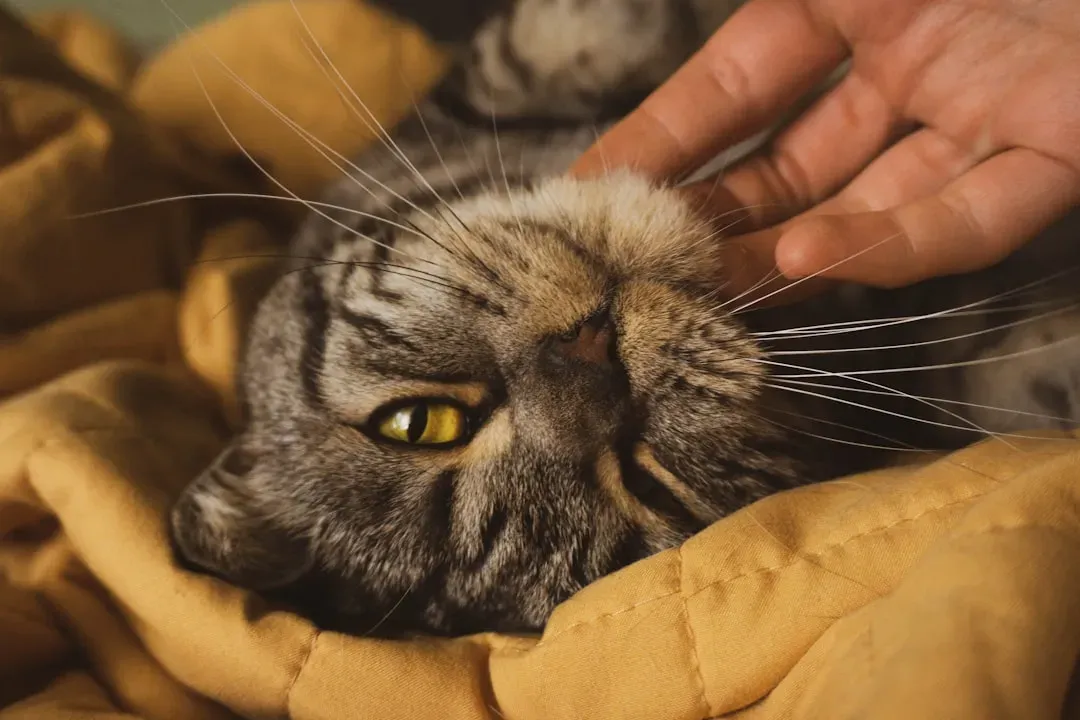
The cat's purr is multi-frequency, representing a veritable symphony of sound with a single overall purpose: to promote a healthier life. Being multi-frequency, the cat's purr accelerates the healing of bones, reduces pain, and relaxes muscles. This isn't a single tone but a complex acoustic phenomenon.
What appears as one simple sound actually contains multiple frequencies working together. Purr frequencies correspond to vibrational and electrical frequencies used in treatment for bone growth and fractures, pain, edema, muscle growth and strain, joint flexibility, dyspnea, and wounds. Think of it like an orchestra where each instrument plays a specific note, but together they create something far more powerful than any single sound could achieve. Your cat is conducting this healing symphony every time they settle into your lap.
The Bond That Heals Both Ways

Cats contribute to our own health and well-being far more than we ever imagined. By lowering stress and triggering the body's relaxation response, purring promotes a sense of calm, balance and emotional well-being. The relationship between humans and cats has evolved over thousands of years into something mutually beneficial.
The bond between humans and their pets is a powerful force in emotional wellness, with a purring cat providing companionship. Meanwhile, cats benefit from the care, safety, and affection you provide. The cat's purr releases endorphins not only within themselves but also in humans, which can decrease stress levels, assist with coping with illness, and even lower blood pressure. You're not just a pet owner. You're participating in an ancient partnership where healing flows in both directions through sound, touch, and presence. What could be more beautiful than that?
Human touch combined with those healing vibrations creates something neither could achieve alone. Next time your cat curls up purring against you, remember you're experiencing something extraordinary. It's more than comfort, more than affection. It's a healing symphony that's been playing for thousands of years, one that science is only now beginning to fully understand. What do you think about your cat's purr now?