There is something undeniably soothing about the sound of a cat purring. It’s warm, rhythmic, almost meditative – like a tiny living engine idling right there on your lap. Most people assume it signals pure feline bliss, and honestly, that assumption feels natural. Why would you question it?
Here’s the thing though: your cat’s purr is far more layered and complex than you’ve probably ever realized. It can mean happiness, yes. It can also mean pain, stress, hunger, and even fear. The same sound, wildly different messages. Once you understand the hidden language beneath that rumble, you’ll never listen to your cat the same way again. Let’s dive in.
The Mechanics Behind the Purr: How Your Cat Actually Does It
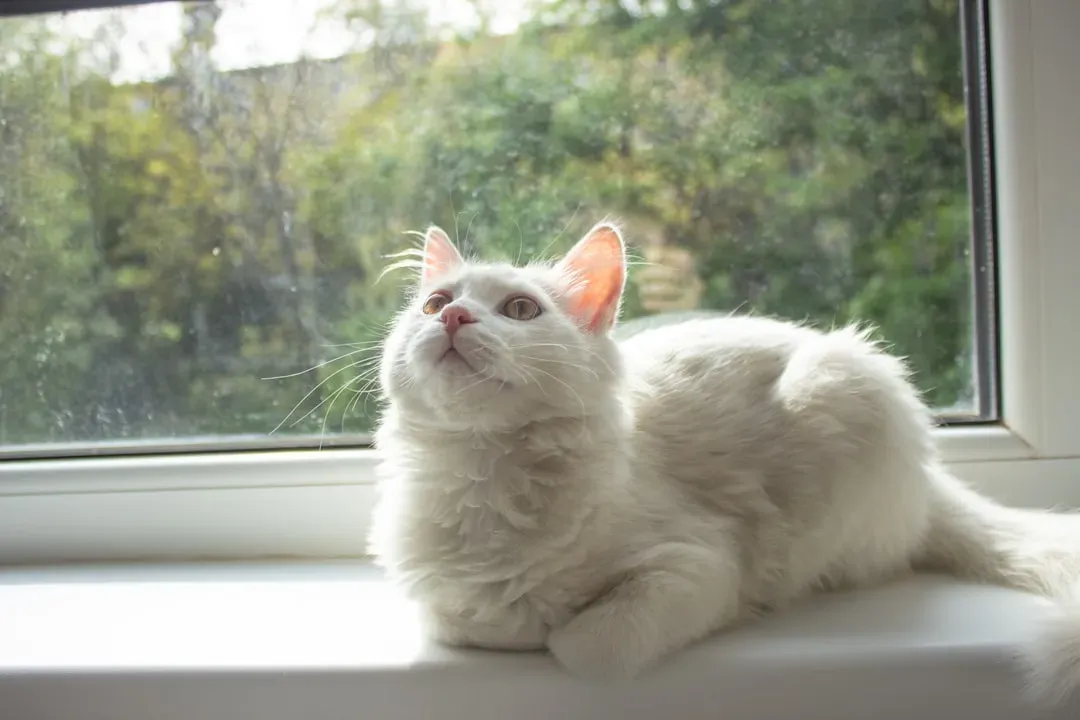
Before you can decode what your cat is saying, you need to understand how the purr even happens. Purring is a result of rhythmic neural signals that cause the muscles in your cat’s larynx, or voice box, to twitch rapidly. These rapid movements open and close the glottis, causing a separation of the vocal cords. Think of it like a tiny vibrating gate, opening and closing dozens of times per second.
The purr consists of a continuous vibration as your cat inhales and exhales, with a brief pause in between the two phases. The cat also uses the diaphragm in producing a continuous purr sound. What makes this even more fascinating is that the sound flows in both directions of breath simultaneously, which is something very few animals on earth can do.
The Happy Purr: When It Really Does Mean Contentment
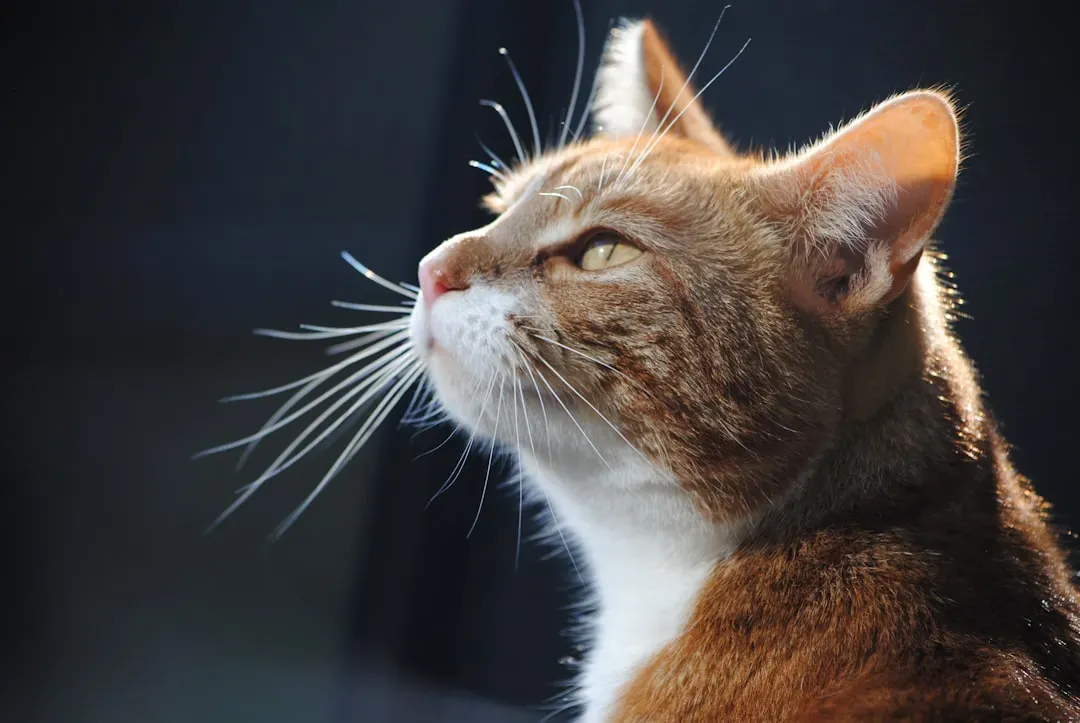
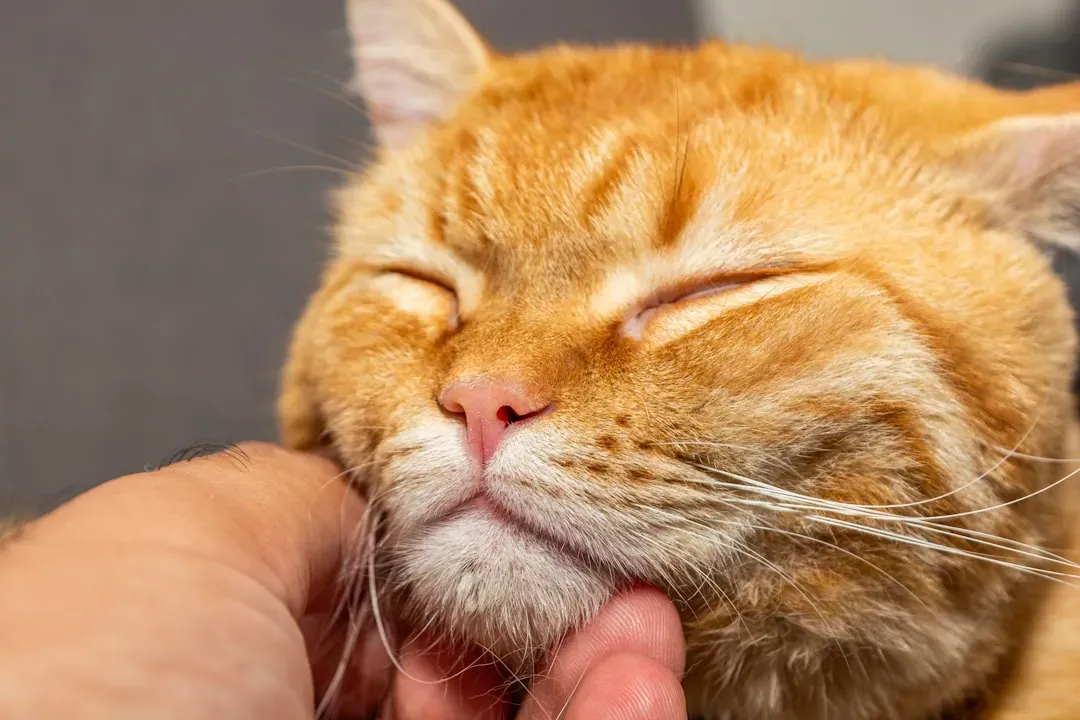
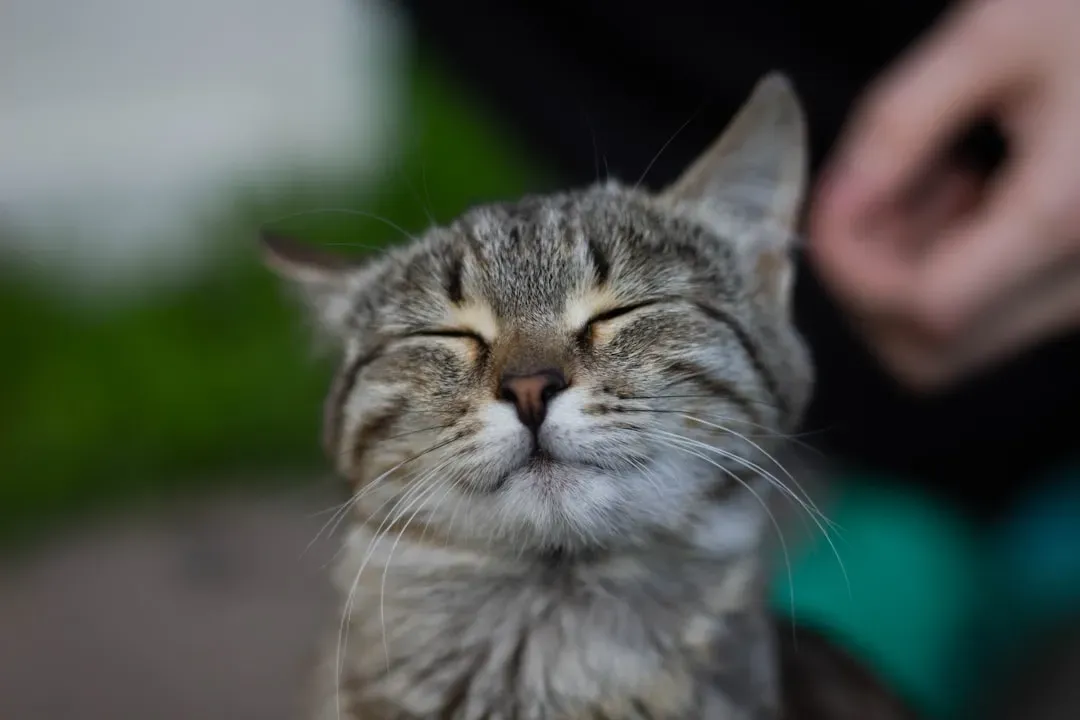
A cat purring has mostly been associated with contentment, excitement, or other positive emotional states. When a cat is purring with content, they have a relaxed facial expression and body language. You know the image: your cat curled up in a warm patch of sunlight, eyes half-closed, body soft and melted into the cushion.
A purring cat with a relaxed posture, half-closed eyes, and loose body signals contentment. This combination of sound and body language is one of the clearest signs of happiness. So when you see this combination, you can breathe easy. That purr is genuine. Your cat is living its absolute best life right in that moment.
The Stress Purr: Your Cat Is Actually Trying to Calm Itself Down
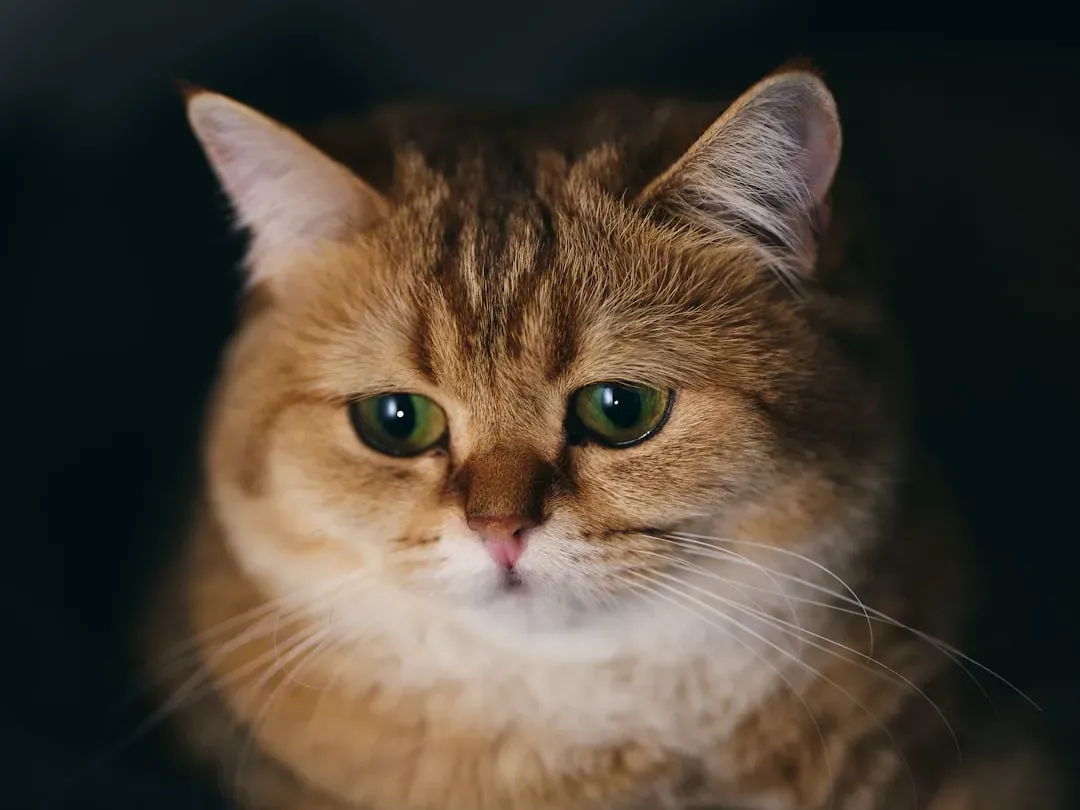
Here is where things get surprising. Confusingly, your cat may purr when they are anything but content. Times of stress, such as a trip to the veterinarian or a shock from a loud noise, can elicit a loud, rhythmic purr. This is considered a form of self-soothing, but it is easily misunderstood as the cat being more relaxed than they actually are.
It’s a form of self-soothing that can help a cat calm down and put them more at ease. It’s similar to any technique that you might use when stressed, like squeezing a stress ball or meditating. So the next time your cat purrs furiously at the vet clinic, don’t take it as a green light. That sound might be the feline equivalent of deep breathing through anxiety.
The Pain Purr: When Your Cat Is Hurting and You Don’t Know It
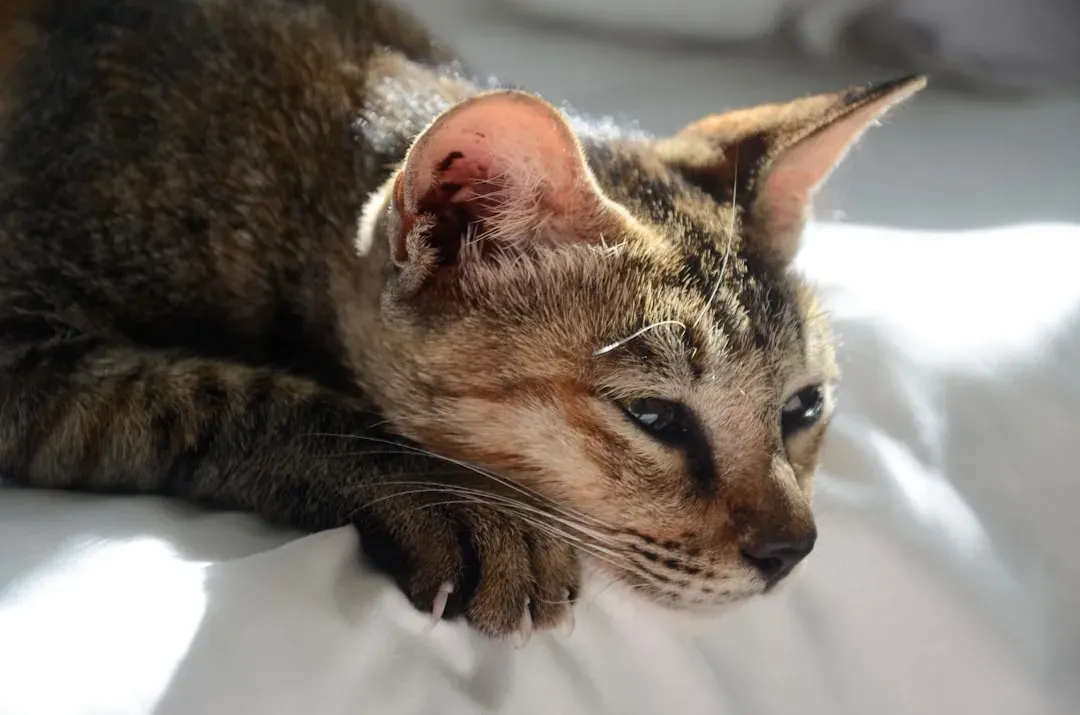
This one is genuinely unsettling, and I think it’s the most important thing you can take away from this article. Cats can purr when they are healthy and feeling good, but cats can also purr when they are sick or in pain. By purring, the cat may be asking for care. It’s heartbreaking when you think about it – your cat could be suffering, and the only signal it sends is the exact same sound you associate with happiness.
If your cat is purring while hiding, not eating, or acting lethargic, it’s time to consult your veterinarian. Purring doesn’t always mean things are fine – it may be their way of coping with discomfort. Observing your cat’s habits and body language can help identify whether their purring is coming from contentment or something more concerning. This is why context matters so much more than the sound alone.
The Solicitation Purr: Your Cat Is Manipulating You (Brilliantly)
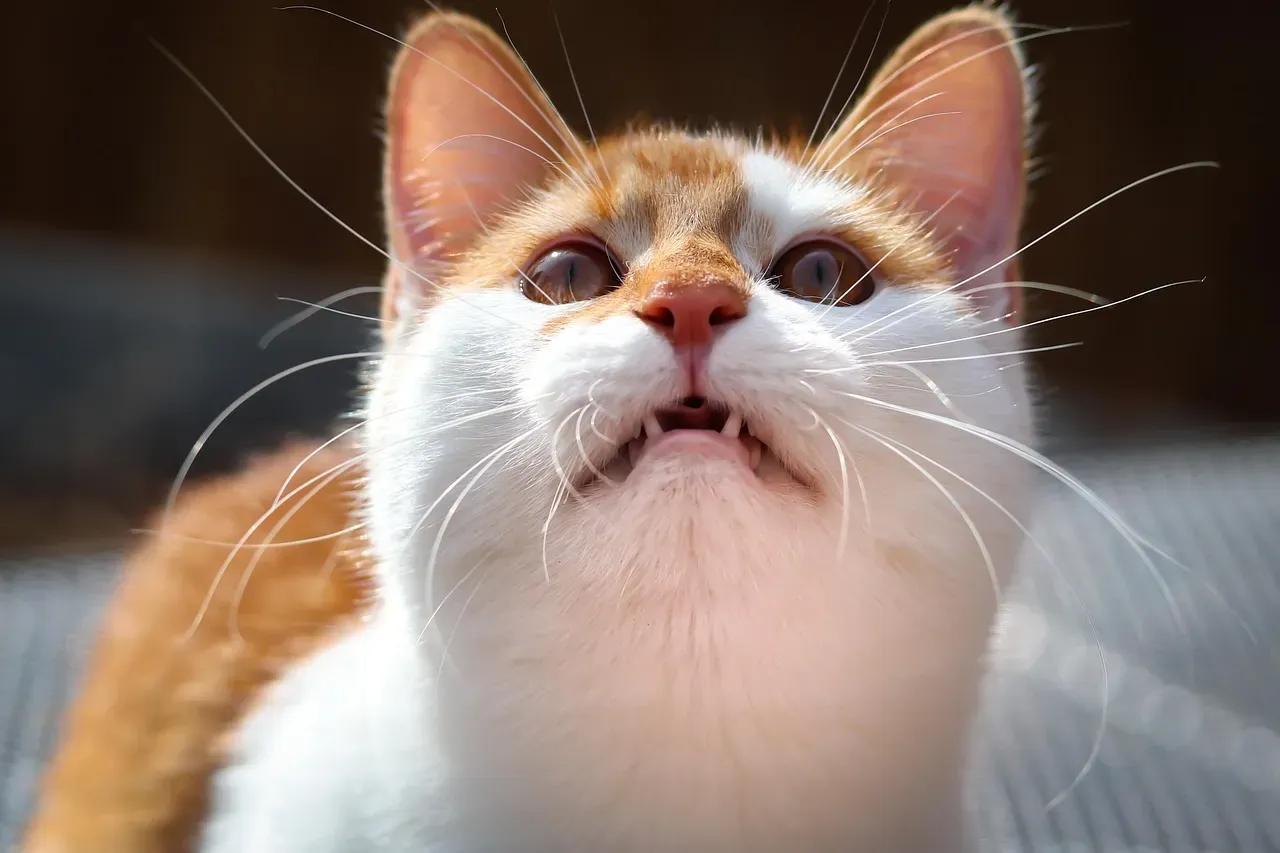
Let’s be real – cats are not above a little emotional manipulation, and the science actually backs this up. When they’re hungry, some cats blend their normal, pleasant purrs with whines comparable in frequency to the distress cries of human infants. It’s sneaky, it’s calculated, and it works almost every single time.
When researchers analyzed the acoustic structures of different purrs, they found that solicitation purrs have an unusual high-frequency peak that doesn’t fit with the rest of the call. At a frequency of around 380 Hz, this extra sound stands out from the typical low frequencies of a purr, and is more like a cry or a meow. Your cat has essentially evolved a hidden cry inside its purr, one that your brain is hardwired to respond to. Honestly, you have to respect the genius of it.
The Healing Purr: Nature’s Unexpected Medicine
Here’s something that sounds almost too extraordinary to be true. A 2001 study in the Journal of the Acoustical Society of America noted that cats purr at frequencies between 20 and 150 hertz, which are similar to frequencies used in human treatments for bone growth and muscle pain. The very sound your cat makes might actually be doing something therapeutic, both for the cat and potentially for you.
Cats purr during pain or illness because the vibrations have natural healing properties. The frequency of purring can promote tissue healing, reduce inflammation, and release endorphins that act as natural painkillers. Studies have shown that cats who are recovering from an injury or illness tend to purr more frequently than healthy cats, suggesting that purring may be a natural mechanism that cats use to promote healing and reduce stress. It’s like your cat carries a built-in therapeutic device.
The Mother-Kitten Purr: The Very First Conversation
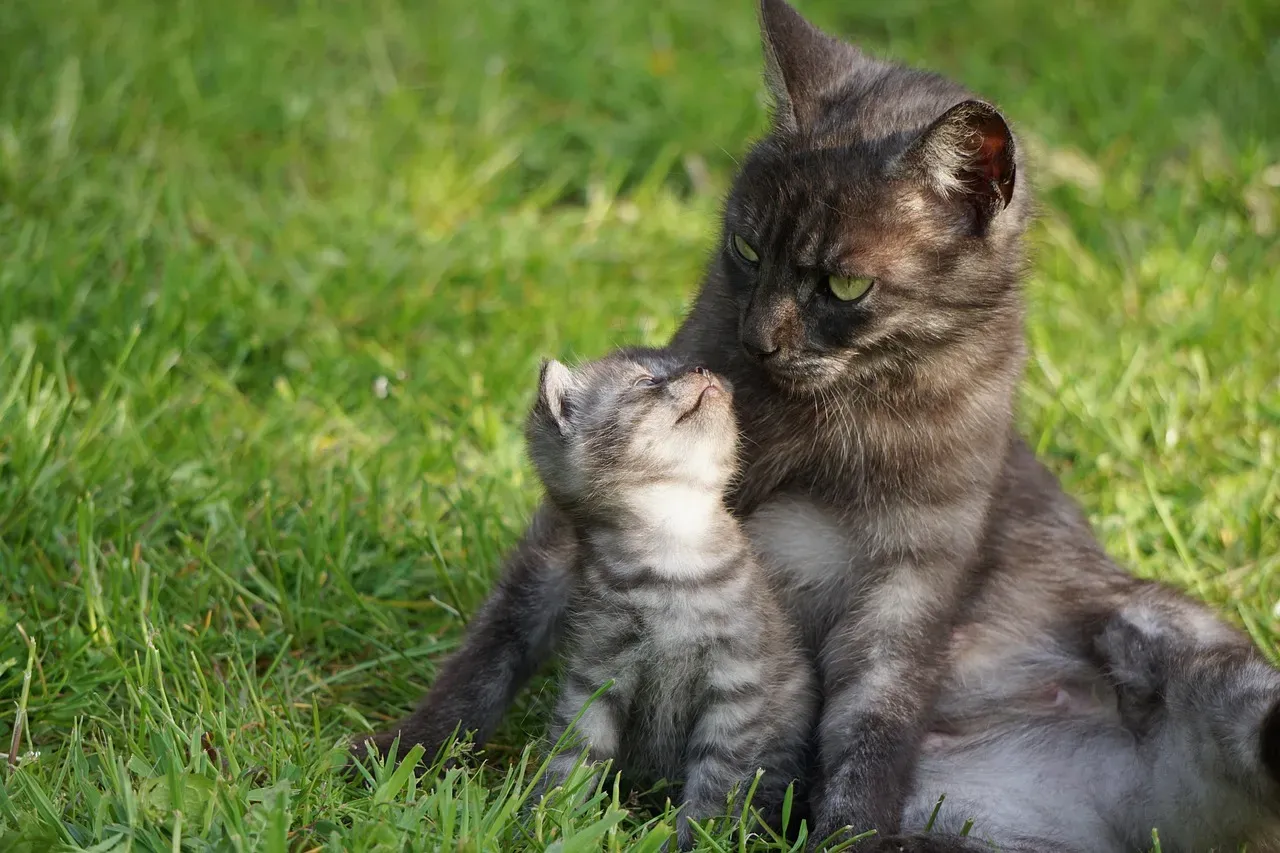
Did you know that purring begins almost from the moment a kitten enters the world? Kittens can purr as young as 2 days of age. They purr when they are nursing from their mother and only stop long enough to swallow. It’s a survival mechanism before it’s anything else – a tiny vibrating signal that says, “I’m here, I’m alive, I’m okay.”
Purring can help mama cat better locate her kittens, and vice versa. Kittens who cannot yet hear will follow the vibrations created by the purring of their mother, which means that purring can help strengthen the bond between kitten and mama cat. It’s a beautiful thought that this same vibration, which begins as a lifeline between mother and newborn, continues throughout your adult cat’s entire life in dozens of different forms.
The Dying Purr: A Comfort in the Final Moments
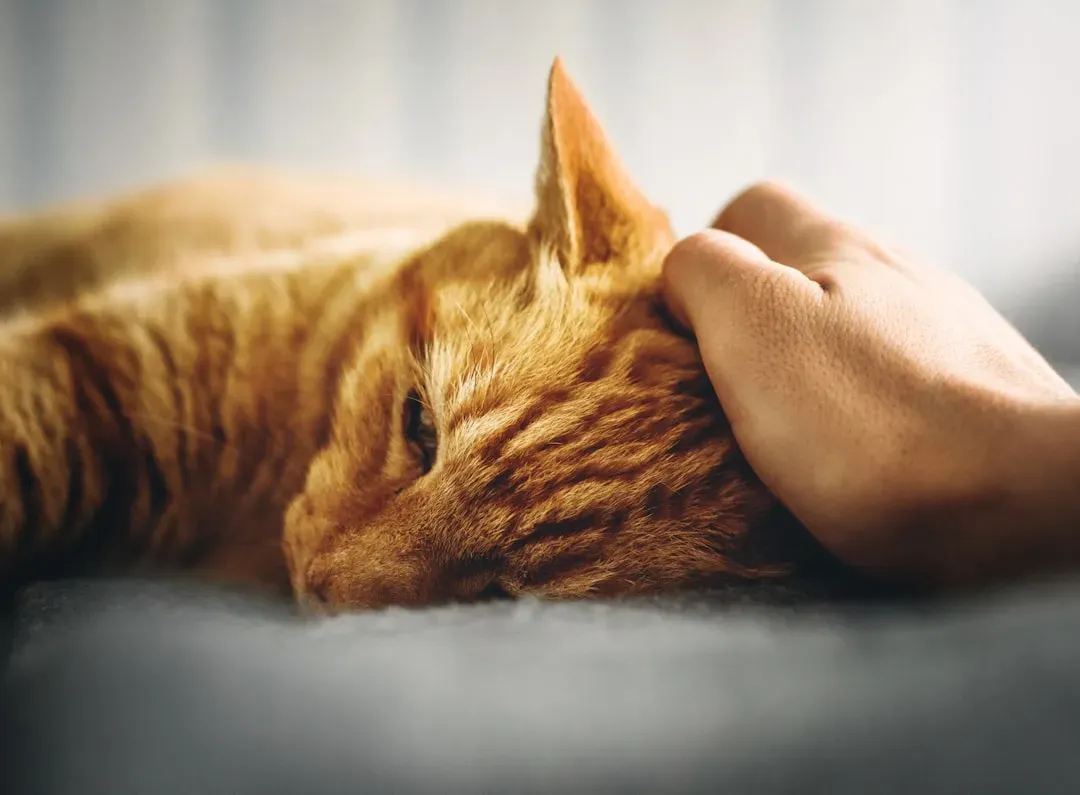
This is perhaps the most emotionally difficult aspect of the purr to sit with. Some cats may even purr before they die; the purring sound may potentially be a comforting sound for them. If you have ever been with a cat at the end of its life and heard it purring, now you understand why. It isn’t a sign of happiness – it’s the same self-soothing mechanism your cat has used since its very first days alive.
Cats may groom themselves, knead on soft surfaces, or purr when they are stressed or anxious. When they are dying, they may purr as a way to comfort themselves and find some peace in their final moments. Knowing this changes something profound about how you sit with a cat during that time. That purr is not confusion. It is one last act of self-care, and it deserves your gentlest presence in return.
How to Actually Read the Purr: Body Language Is Everything
So how do you know which purr you’re dealing with? The answer lies not in your ears, but in your eyes. While all purring may sound similar to human ears, there are several ways to distinguish between contentment purring and stress purring, including body language such as tense posture, flattened ears, or dilated pupils, situational context like unfamiliar environments or vet visits, purr intensity which is often louder or more persistent than usual, and additional vocalizations that may accompany subtle meows or growls.
Cats rarely bite or react “out of nowhere.” Even when they are purring, their body is usually shouting warnings that they are becoming agitated. The problem is that humans often focus on the sound of the purr and miss the visual cues. A noticeable change in how or when your cat purrs could be a red flag. For example, if a usually quiet cat begins purring constantly, or a typically vocal cat stops purring altogether, it’s worth scheduling a check-up. Your cat is always talking – you just need to learn its full language.
Conclusion
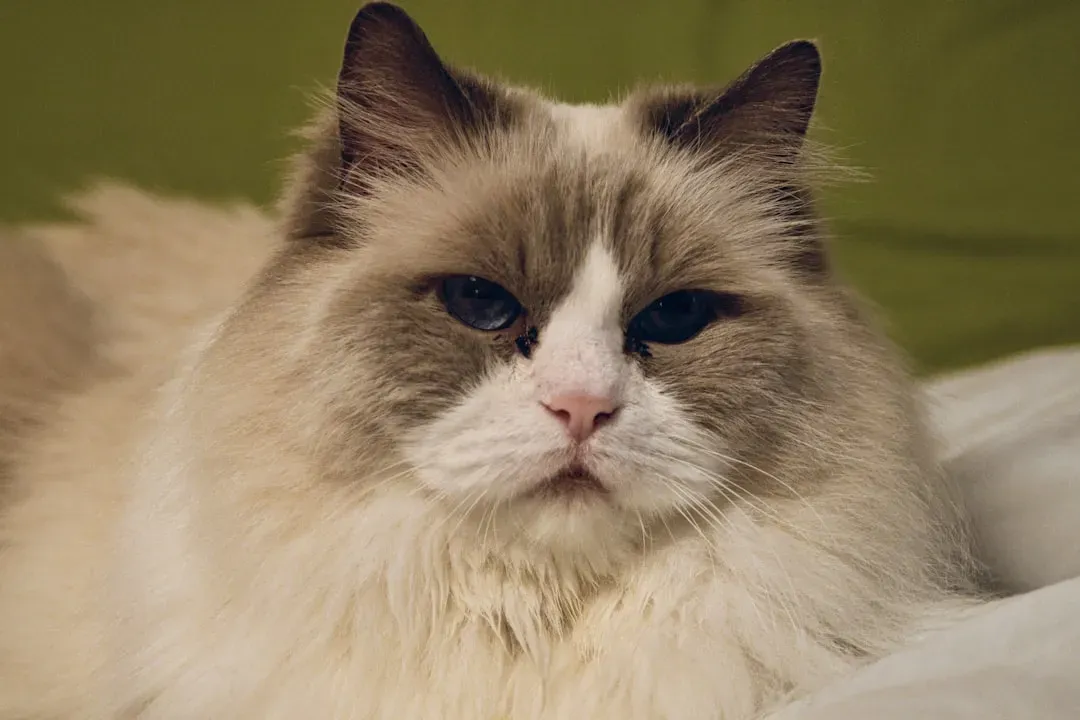
Your cat’s purr is one of the most layered, nuanced, and frankly astonishing forms of communication in the animal world. It carries happiness and pain, hunger and grief, healing and fear, all within the same low, steady rumble. Once you learn to read the full picture – the posture, the ears, the tail, the context – you’ll realize your cat has been holding entire conversations with you all along.
The real takeaway is this: never assume the purr alone tells the whole story. The key is to consider purring in context with other clues, like your cat’s body language and demeanor. Your cat deserves an observer, not just a listener. So the next time that familiar rumble fills the room, pause for a second and look a little closer. What is your cat actually trying to tell you?