You probably think your feline companion purrs only when they’re content, curled up in a warm spot or settled on your lap. It feels like a sign of pure bliss, right? Here’s the thing though: that gentle rumbling sound is way more complicated than most of us realize. Your cat’s purr is actually a multi-layered form of communication that can mean everything from joy to distress, and even serve as a personal healing mechanism.
Understanding what your cat is really trying to tell you when they purr can completely change how you respond to their needs. Let’s be real, we’ve all made assumptions about our cats being happy when maybe something else entirely was going on. So let’s dive in and uncover the fascinating complexity behind that familiar vibration.
The Biological Mechanics Behind That Rhythmic Sound
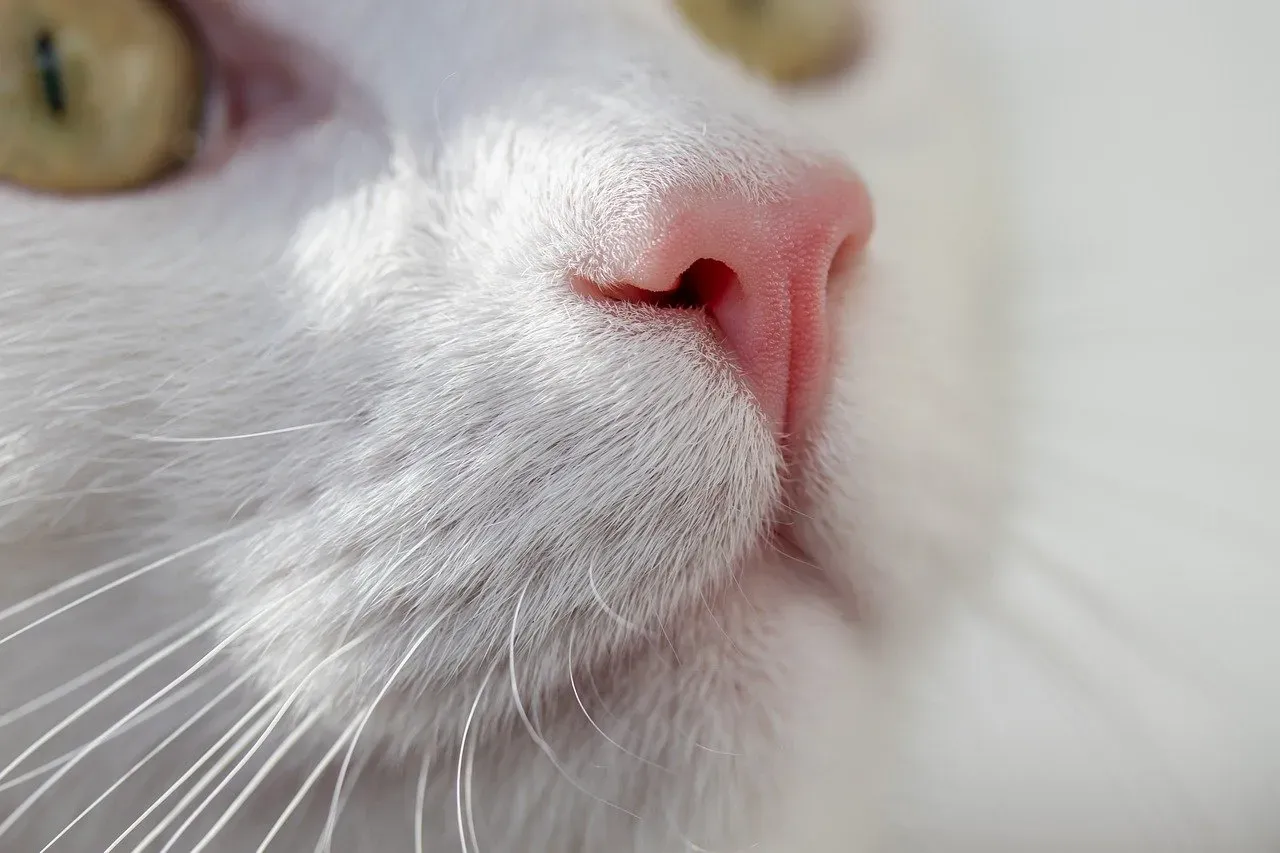
Your cat produces that distinctive purring sound through a voluntary behavior involving their larynx, where air is forced over the glottis in rapid cycles, opening and closing the vocal folds to create the purr. The whole process happens incredibly fast, somewhere around twenty to forty milliseconds per cycle.
A repetitive neural oscillator in the cat’s brain sends messages to the laryngeal muscles, causing them to twitch between 25 and 150 vibrations per second, which creates the purring sound during both inhalation and exhalation. It’s honestly pretty remarkable that this happens continuously as your cat breathes. The intensity can vary too, depending on your cat’s emotional state or arousal level at any given moment.
Contentment and Happiness: The Classic Interpretation
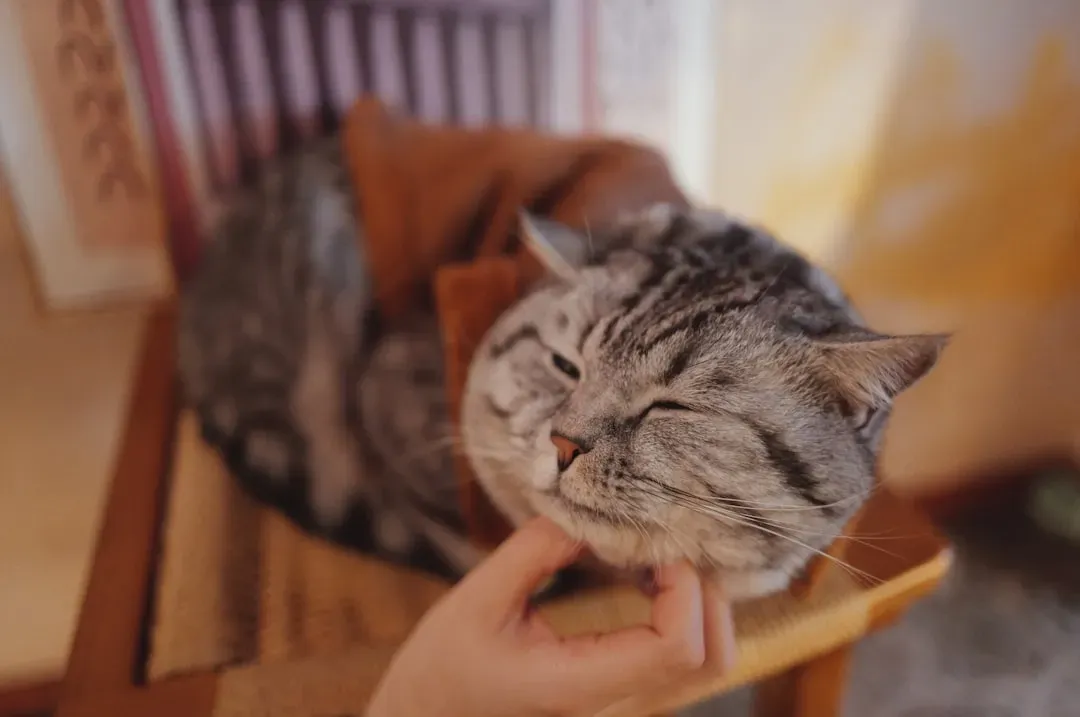
Sure, the most common reason cats purr is exactly what you’d expect. When a cat purrs with contentment, they typically have a relaxed facial expression and body language. You’ll notice half-closed eyes, a loose posture, maybe some gentle kneading with their paws.
Cats often purr when they feel safe, loved, and relaxed, such as when sprawled out in a sunbeam. This is the purr we all know and love, the one that makes us feel like we’re doing something right as cat parents. It’s their way of saying they’re comfortable in your presence and enjoying the moment. Honestly, there’s nothing quite like it.
Pain and Illness: The Counterintuitive Purr
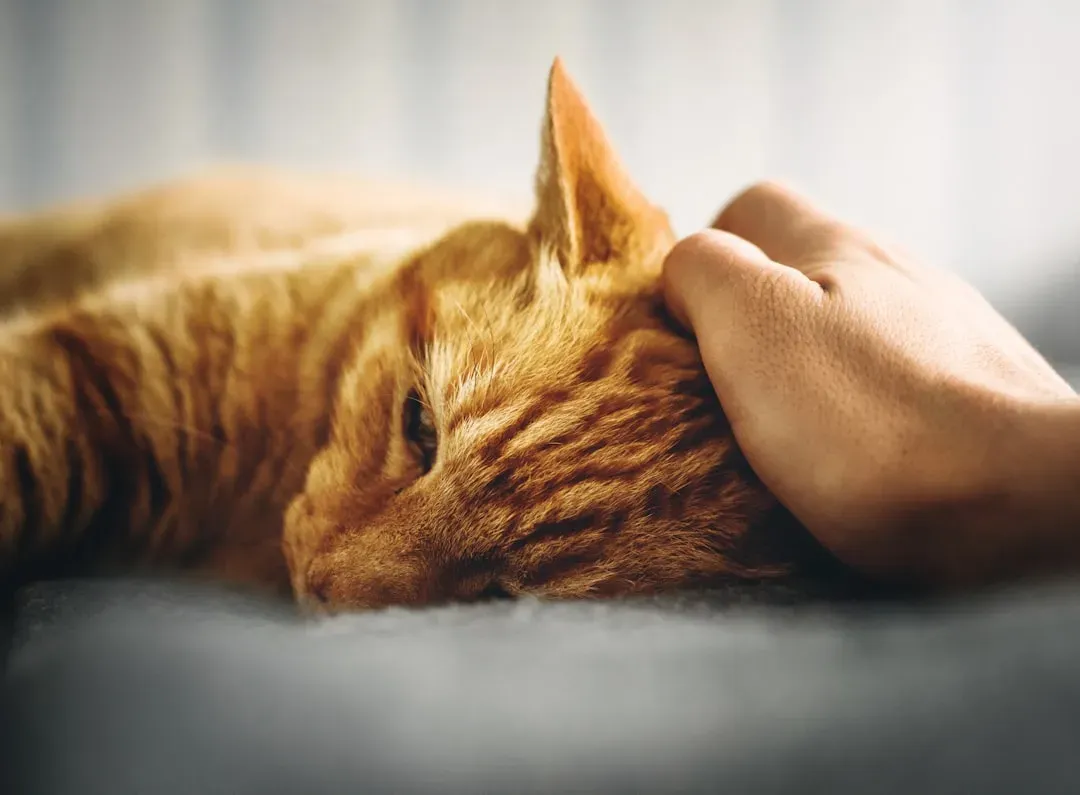
This one surprises most people. Cats can purr when they are sick or in pain, using purring as a way to ask for care, and some cats may even purr before they die as a potentially comforting sound for them. I know it sounds strange, but it’s actually a coping mechanism.
Sick cats purr to self-soothe severe pain, and a lethargic cat that is purring may be experiencing internal illness rather than contentment. This is why you can’t just assume everything is fine because your cat is purring. Pay attention to other signs like changes in appetite, hiding behavior, or unusual posture. If something feels off, it probably is.
Stress and Anxiety: The Self-Soothing Response
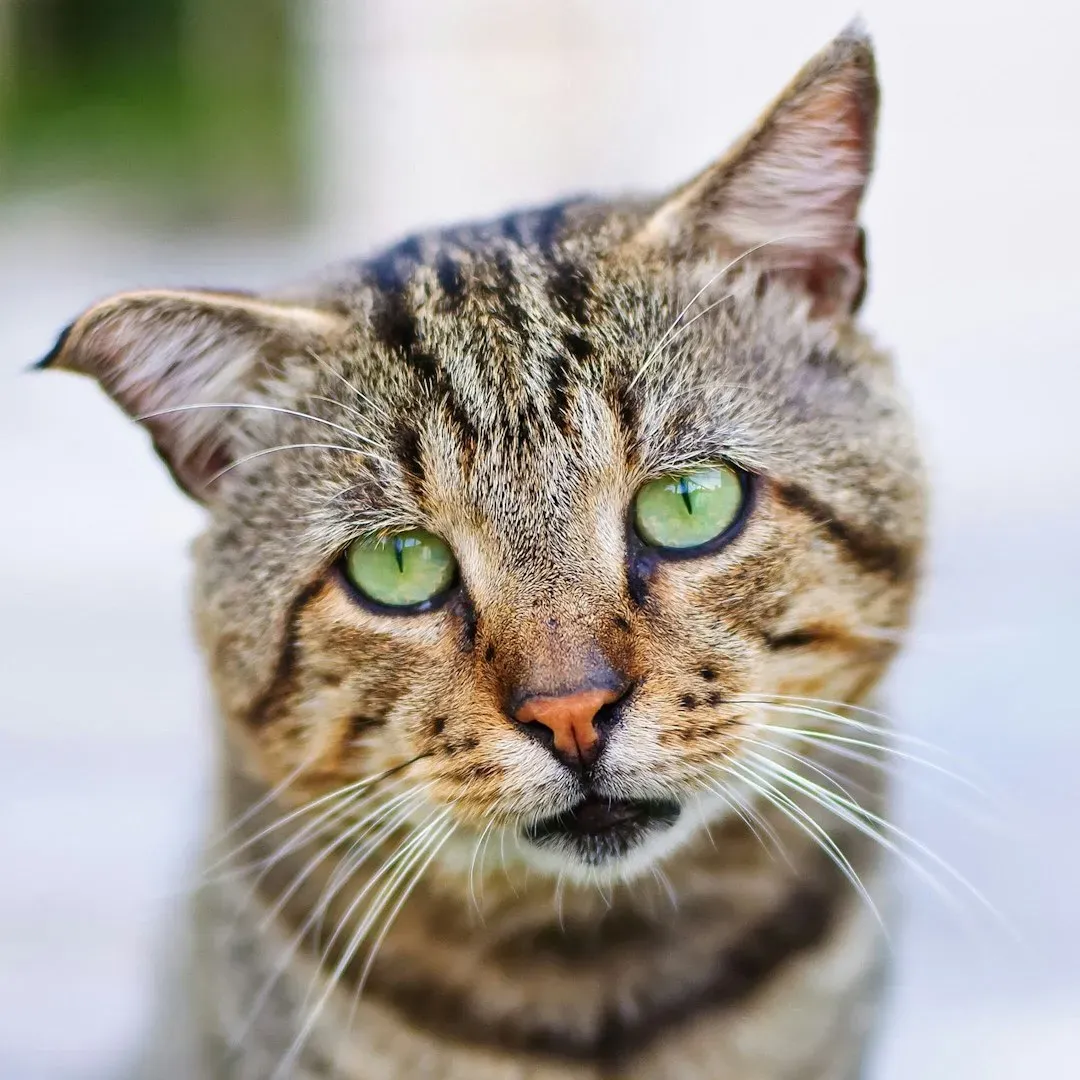
Some cats purr when they are anxious as a coping mechanism to help reduce their anxiety, and may purr when being examined by a veterinarian or after returning home from the clinic as a way to self-soothe from a stressful situation. Think of it like a child sucking their thumb or clutching a comfort blanket when upset.
Stress-related purring often comes with other signs of discomfort such as a tense body posture, flattened ears, rapid breathing, or avoiding eye contact. The purr might sound a bit different too, maybe higher in pitch or more intense than usual. It’s hard to say for sure, but learning your individual cat’s patterns can really help you decode what they’re experiencing.
The Solicitation Purr: Manipulating You for Food
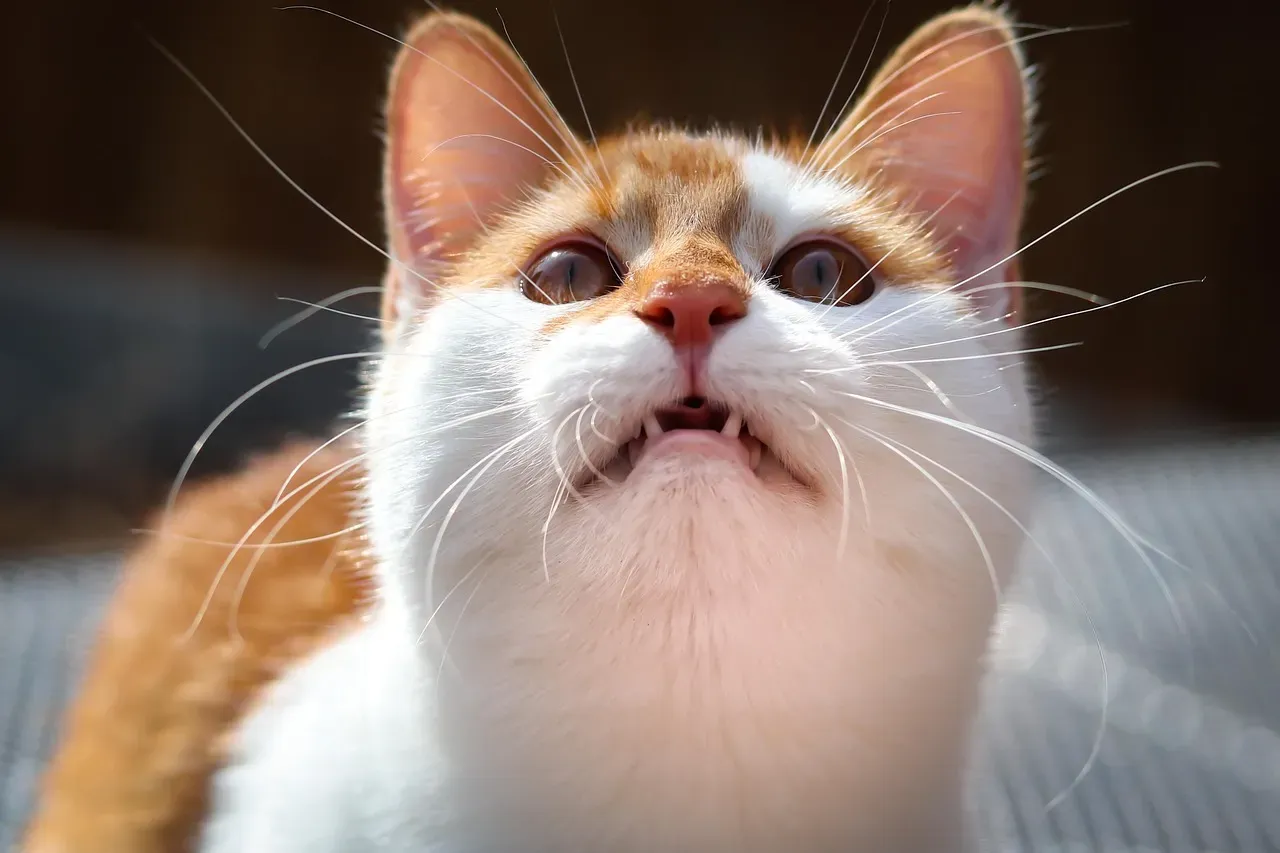
Let’s be honest, cats have figured out how to train us pretty effectively. Purring appears to be a way for cats to signal their caretakers for food, with solicitation purrs having a high-frequency component not present in other purrs, and these two types are distinguishable to humans.
A solicitation purr is a specific type that includes a high-frequency element similar to a baby’s cry, designed to grab the attention of people and elicit a response, such as feeding. Your cat has basically evolved to hijack your nurturing instincts. Pretty clever, right? You’ve probably heard this purr many times without even realizing it was different from their regular contented purr.
Healing Frequencies: A Built-In Therapeutic Tool
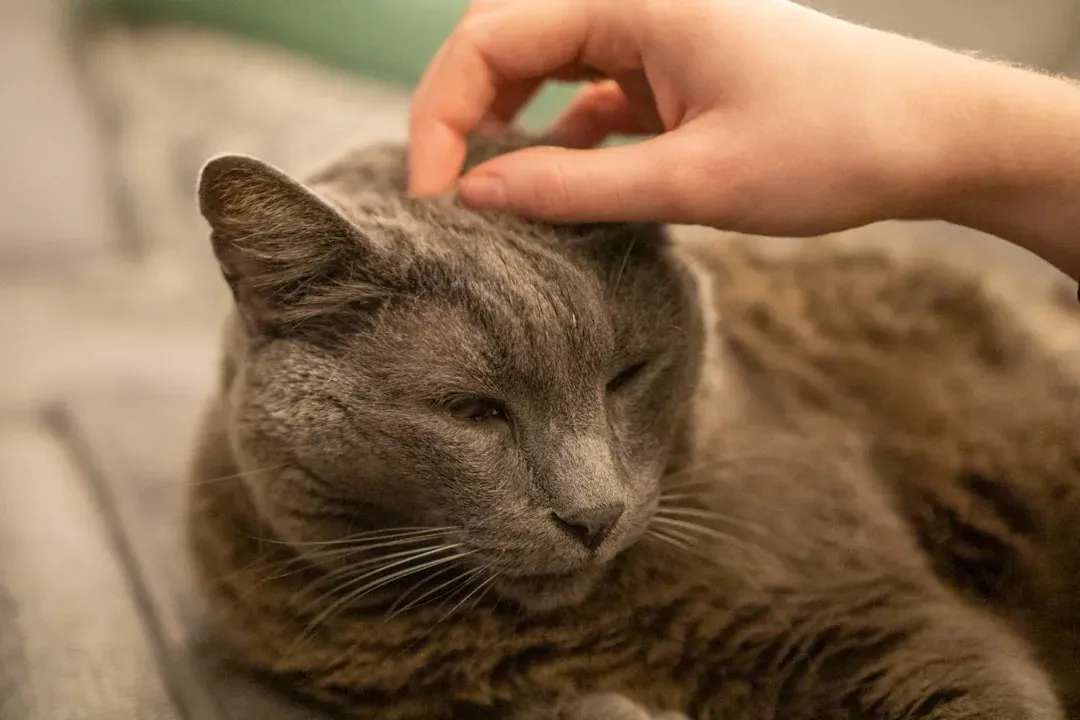
Here’s where things get really fascinating. Cat purring falls between 25 and 140 Hz, and the same frequency has been shown to aid in the healing of broken bones, joint and tendon repair, and wound healing. This isn’t just speculation either; these frequencies match those used in actual medical treatments.
Research suggests that purring can be a self-healing mechanism for cats, with the frequency of purring associated with therapeutic effects such as pain relief and encouraging bone growth. Maybe that’s why cats seem to have nine lives. They’ve got this natural vibrational therapy system built right into their bodies, promoting faster recovery from injuries and maintaining bone and muscle health during rest periods.
Mother-Kitten Bonding: The Earliest Communication
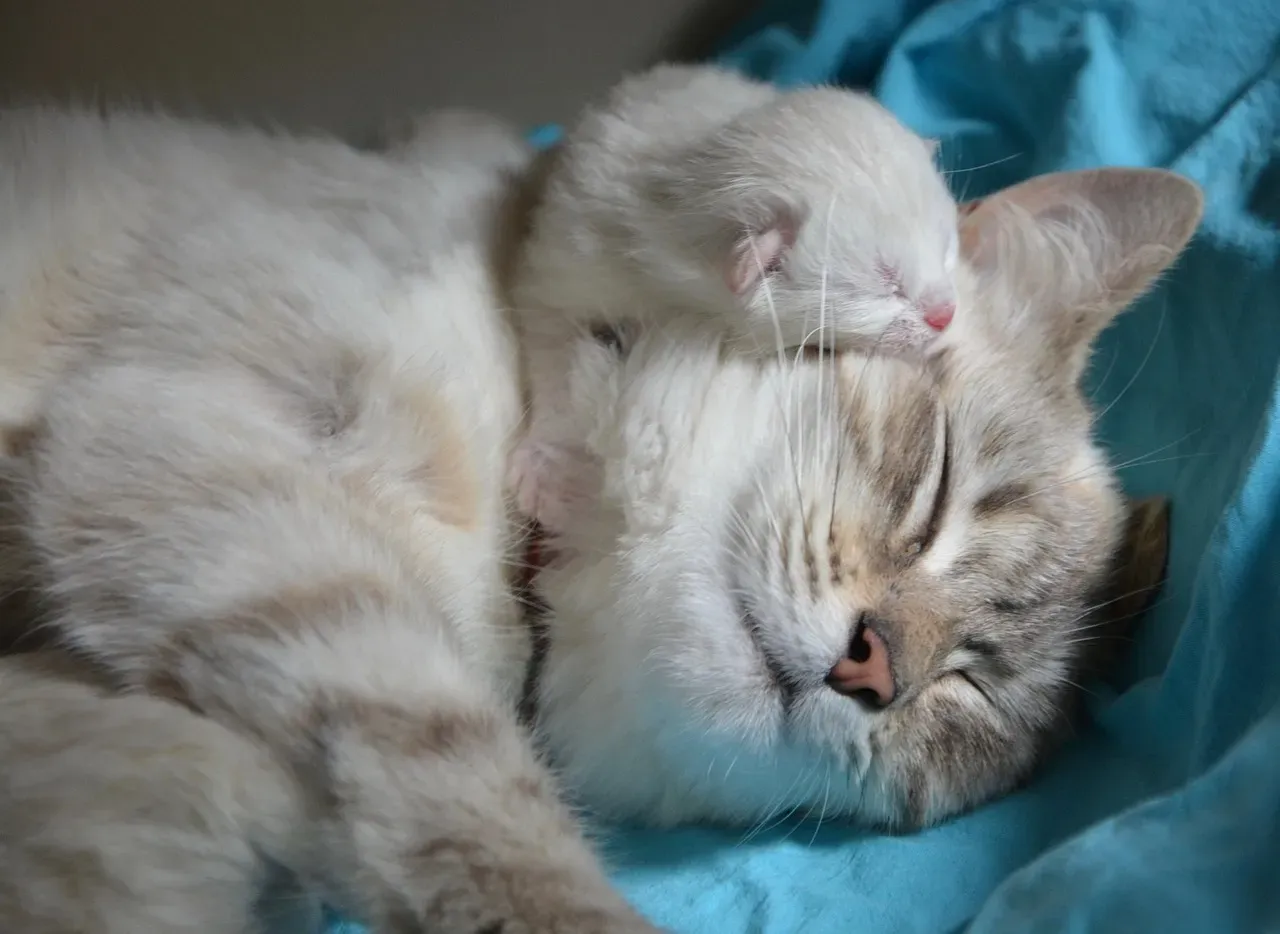
Kittens can purr as young as 2 days of age, purring when nursing from their mother and only stopping long enough to swallow. Since kittens are born blind and deaf, purring becomes one of their primary ways to communicate with mom during those vulnerable early days.
Purring helps kittens signal to their mother that they are warm, safe, and nursing properly, while the mother cat also purrs to comfort her young and create a sense of stability in the nest. This bonding behavior sometimes carries into adulthood, which is why your cat might purr when cuddling with you. You’ve essentially become their surrogate parent figure in their eyes.
Social Greetings and Friendly Signals
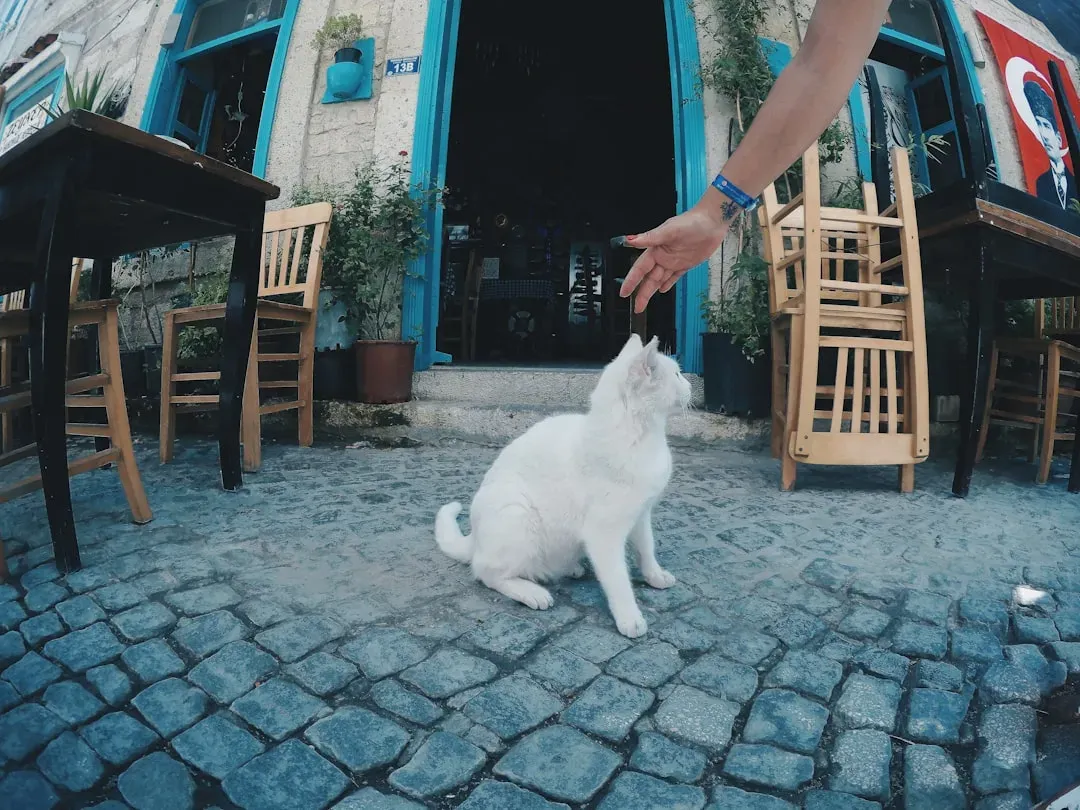
Cats may utter a short purr when greeting people or other cats, and this is typically a friendly interaction with the other party. It’s their way of saying “hey, I recognize you and I’m not a threat.”
In multi-cat households, purring can serve to communicate with other cats, such as indicating a desire to play or signaling non-aggression. Watch for this brief purr when your cat approaches you with their tail up or when they greet familiar feline housemates. It’s quite different from the longer, sustained purrs they make during petting or relaxation.
Reading the Context: Body Language Matters Most
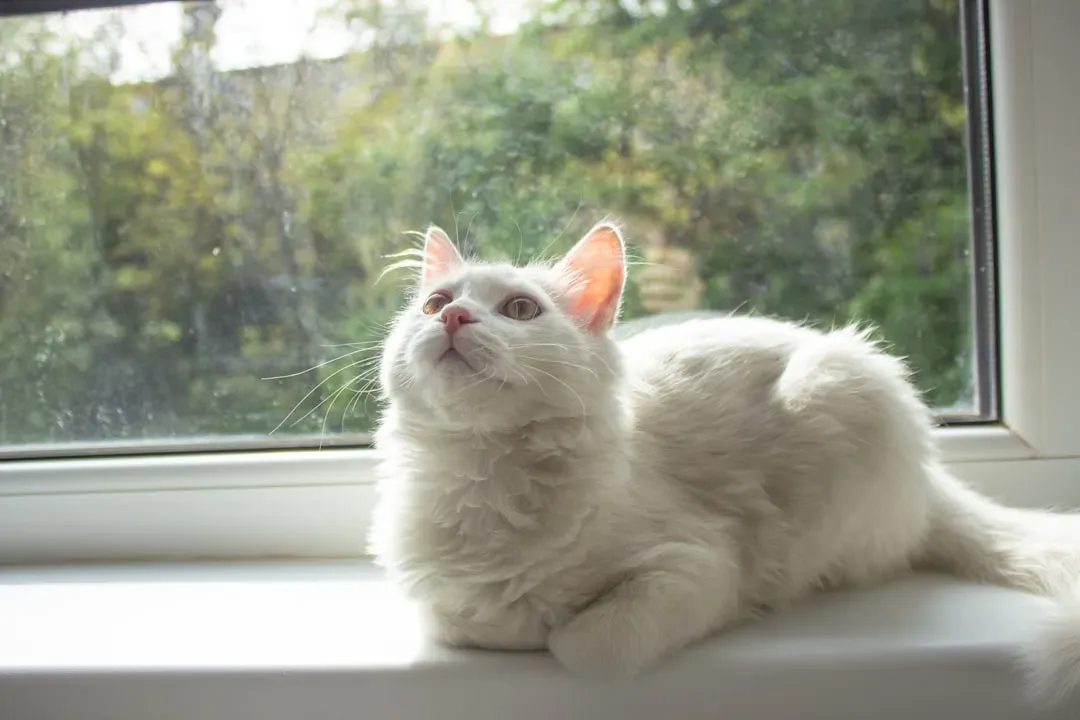
The truth is, you can’t interpret purring in isolation. When a cat is purring, look at their body language and the situation to determine why. Are their ears forward or flattened? Is their body relaxed or tense? Are their pupils normal or dilated?
Low-pitched purrs are from happy cats and tend to be more challenging to hear, while if your cat is purring in a stressful situation, the purr will likely be higher in pitch. Context is everything here. A purring cat at the vet with a rigid body and wide eyes is communicating something completely different than a purring cat draped across your lap at home with half-closed eyes.
When to Be Concerned About Your Cat’s Purring
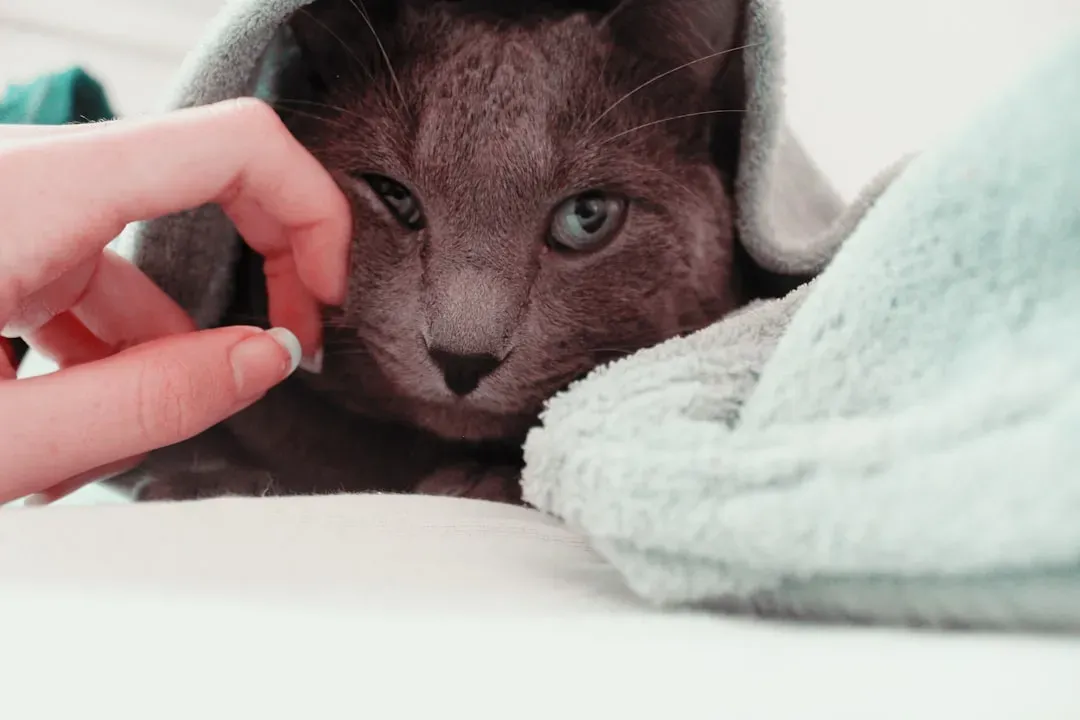
So when should purring actually worry you? If you notice changes in your cat’s purring patterns, or if it’s accompanied by signs of distress, it’s important to consult with your veterinarian. Excessive purring combined with lethargy, loss of appetite, hiding, or abnormal posture definitely warrants a vet visit.
If your cat is purring while also acting differently, speak to your vet to be on the safe side, as a cat purring for what seems like no reason might merit a veterinary clinic visit. Trust your instincts. You know your cat better than anyone else, and if something feels off about their purring behavior, it’s worth getting it checked out.
Your cat’s purr is truly one of nature’s most sophisticated communication tools, serving multiple purposes from expressing contentment to promoting healing and everything in between. The next time your feline friend starts rumbling, take a moment to look at the bigger picture. What’s their body telling you? What’s happening around them? Understanding these nuances helps you respond appropriately to their needs and strengthens the bond you share. It’s pretty amazing when you think about it, isn’t it? What do you think about your cat’s purring habits now?