You’ve probably experienced it a million times. Your cat curls up next to you, closes those sleepy eyes, and starts purring like a tiny motor. Most people assume it’s just happiness, right? Well, here’s the thing. That rumbling sound is way more complicated than you might think.
Cat purring is a complex vocalization that can mean many different things. Your feline friend isn’t just telling you they’re content. They’re actually using an incredibly sophisticated communication tool that serves multiple purposes, from expressing emotions to healing themselves physically. Let’s be real, cats have been keeping secrets from us all along. So let’s dive in.
The Biological Mechanics Behind That Rumble
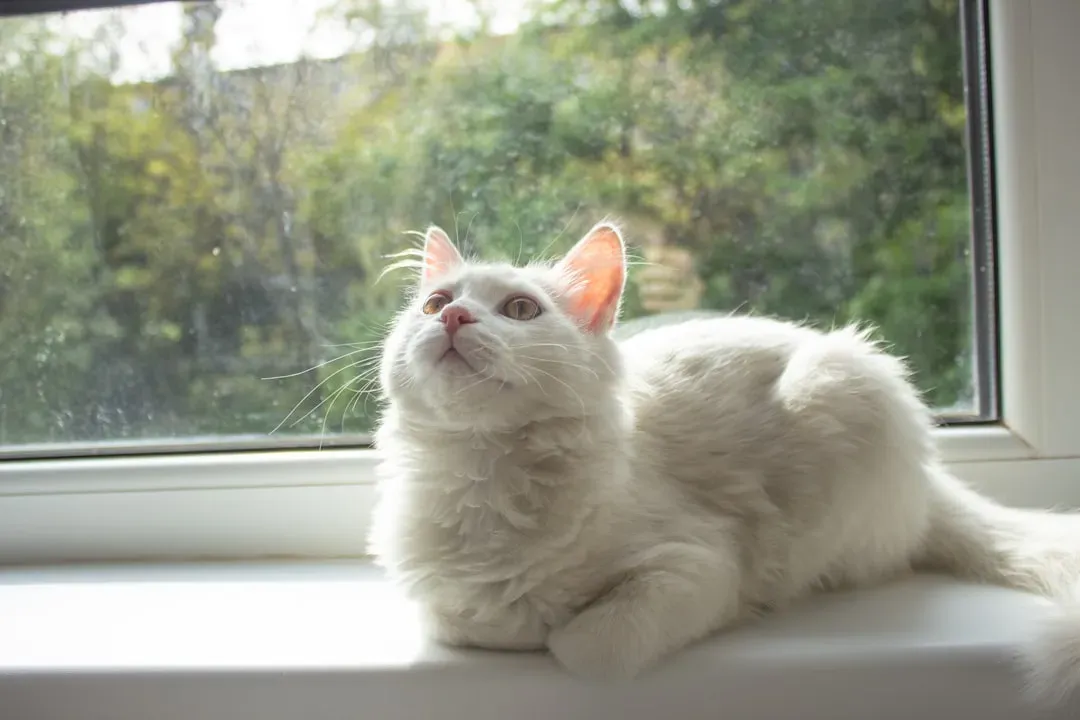
Ever wonder how your cat actually makes that sound? A purr is a voluntary behavior, a vocalization produced by cats with their mouth closed, and during breathing, the air is forced over the glottis (the opening between the vocal folds in the voice box) which opens and closes in 20- to 40-millisecond cycles, separating the vocal folds, producing the purring sound. It’s basically rapid-fire muscle contractions happening in their voice box.
The fascinating part is that this isn’t just a random noise. Domestic cats purr at a frequency of 20 to 30 vibrations per second. That specific frequency range isn’t accidental. Your cat’s body has evolved this mechanism over thousands of years, and it serves far more purposes than simply letting you know they’re enjoying that belly rub.
When Your Cat Purrs During Pain or Illness
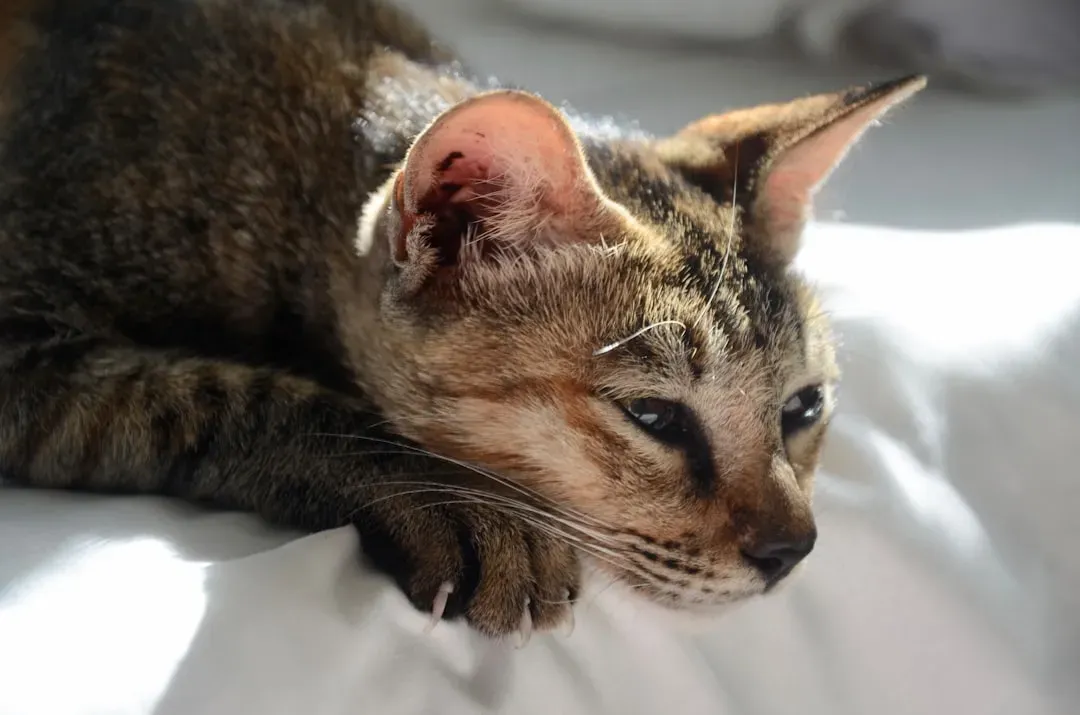
This one surprises most people. Cats can purr when they are sick or in pain, and by purring, the cat may be asking for care. Think about it. You rush your cat to the vet, they’re clearly uncomfortable, yet they’re purring away. That’s not happiness.
Some cats may even purr before they die; the purring sound may potentially be a comforting sound for them. It’s a self-soothing mechanism, similar to how you might hum when you’re anxious or hurt. Your cat uses purring as a way to calm themselves down and manage discomfort. Honestly, it makes you see those purrs in a completely different light when you realize they might be cries for help disguised as contentment.
The Remarkable Healing Frequencies
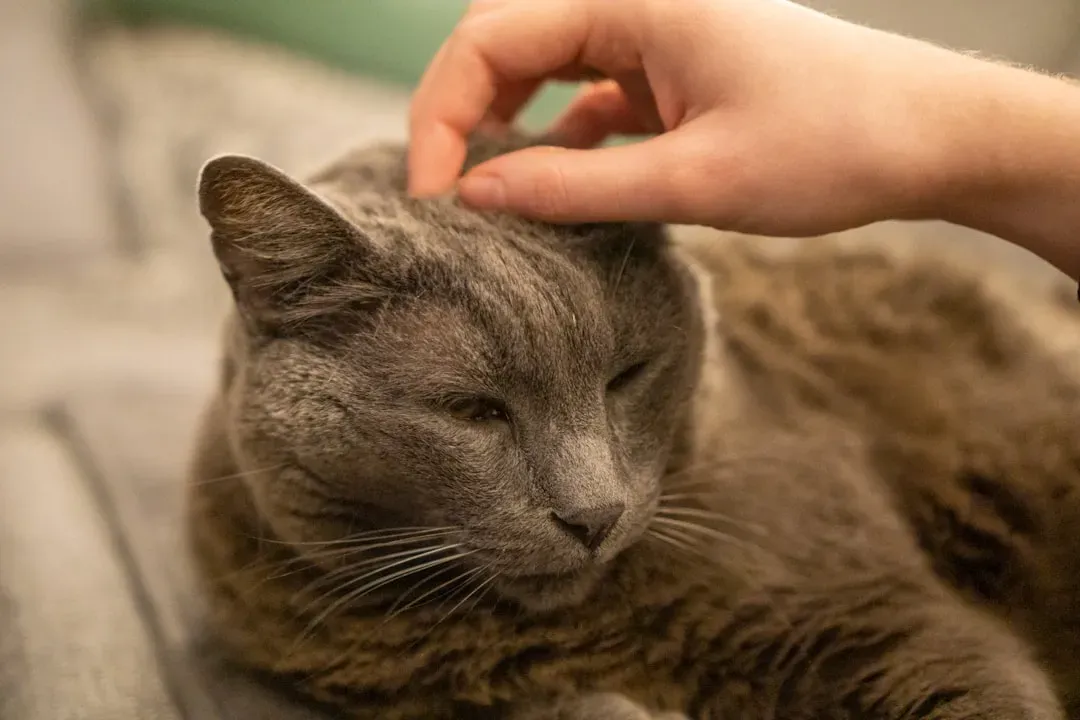
Here’s where things get really wild. The vibrations produced during purring occur at a frequency of 25 to 150 Hertz, which has been shown to promote healing and tissue regeneration and is known to positively affect bone density and tendon and muscle repair. Your cat is essentially running a built-in physical therapy session every time they purr.
Scientists have actually studied this phenomenon extensively. Purr frequencies correspond to vibrational/electrical frequencies used in treatment for bone growth/fractures, pain, edema, muscle growth/strain, joint flexibility, dyspnea, and wounds. It’s hard to say for sure, but this might explain why cats seem to recover from injuries faster than dogs and why they’re remarkably resilient creatures. Because cats have adapted to conserve energy via long periods of rest and sleep, it is possible that purring is a low energy mechanism that stimulates muscles and bones without a lot of energy.
Stress and Anxiety: The Self-Soothing Purr
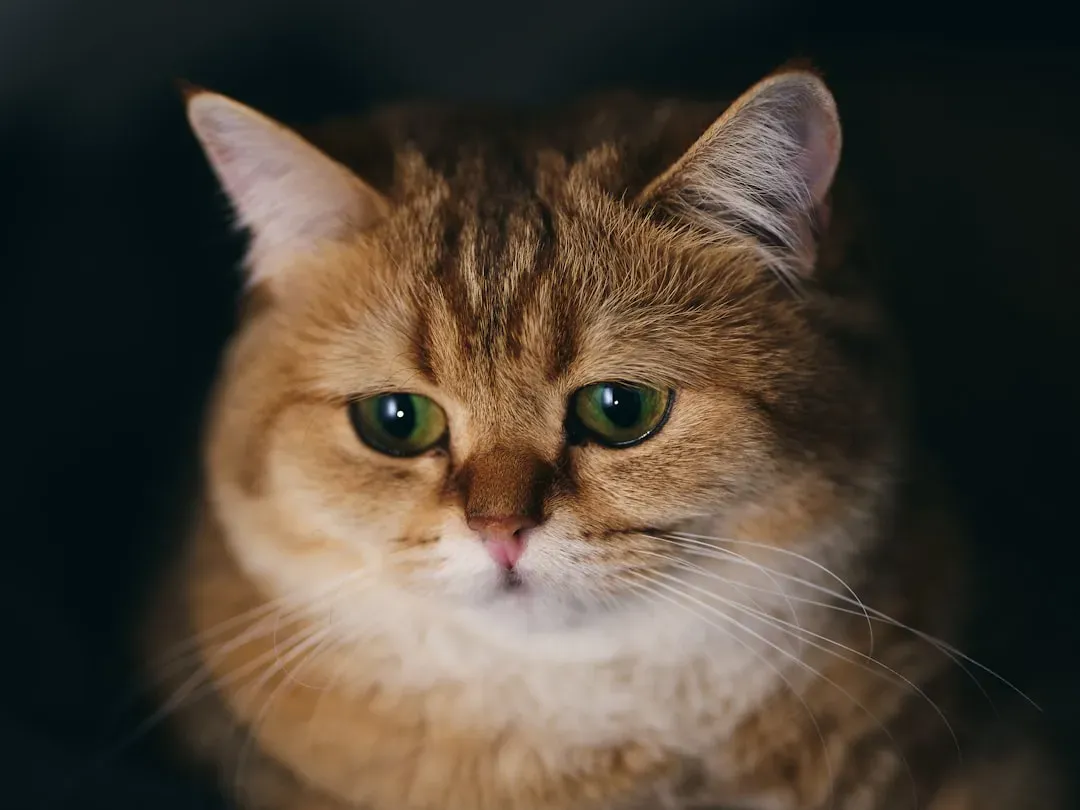
Your cat doesn’t only purr when lounging in sunbeams. Some cats purr when they are anxious, and this may be a coping mechanism to help reduce their anxiety. That trip to the vet? The thunderstorm outside? A new person in the house? All these situations might trigger stress purring.
When cats are purring out of happiness, the purr tends to be lower pitched, while a stressed-out cat might have a higher-pitched purr. Pay attention next time. If your cat is purring but their ears are flattened or their pupils are dilated, they’re probably not happy. They’re trying to calm themselves down in a stressful situation. The act of purring can be self-soothing for cats, much the way people feeling anxious hum or sing to themselves.
The Mother-Kitten Connection
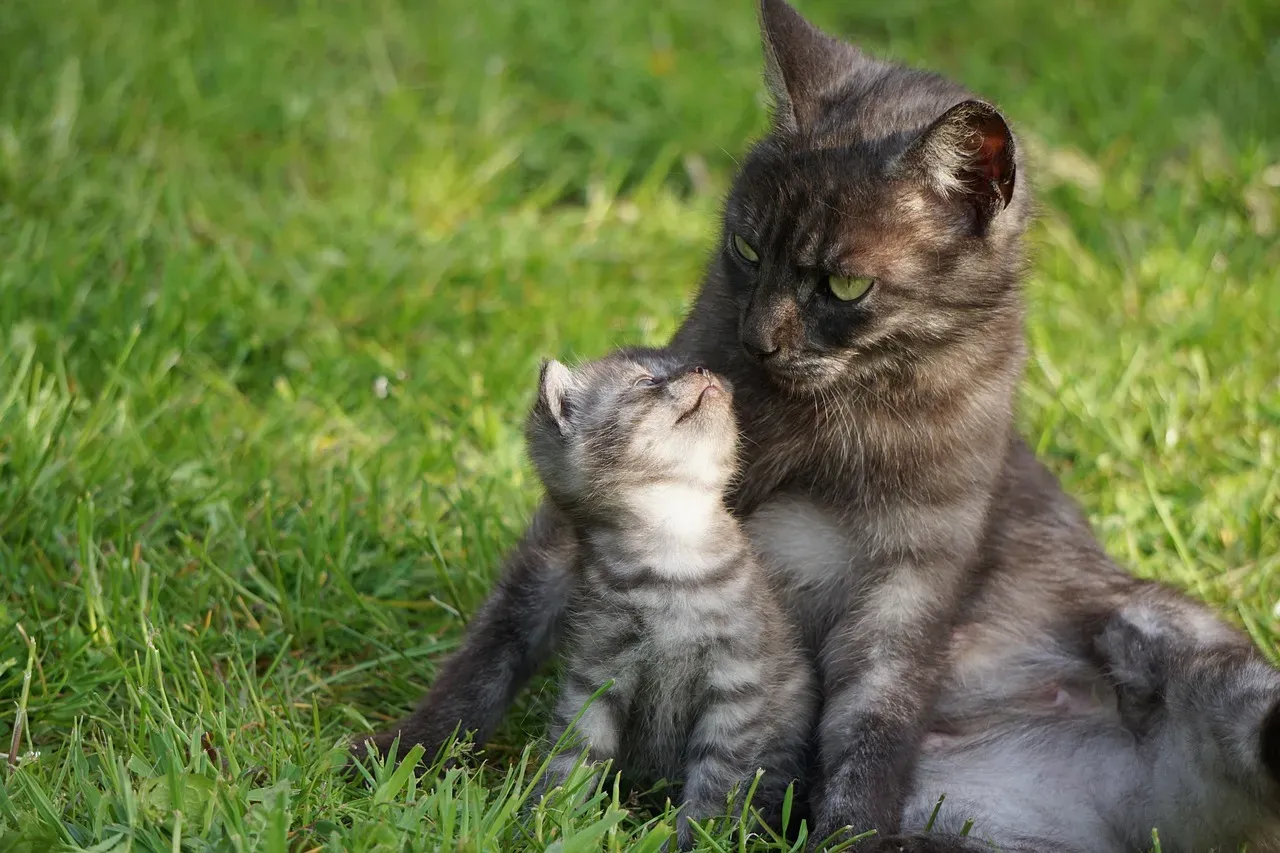
Kittens can purr as young as 2 days of age, and they purr when they are nursing from their mother and only stop long enough to swallow. This early purring isn’t about happiness either. It’s pure communication and survival.
Mother cats use soft vibrations to communicate with their kittens, signaling that it’s safe to come closer and nurse, and kittens, in turn, purr back to their mothers, creating a mutual sense of comfort and security. Since kittens are born blind and deaf, those vibrations become a lifeline. It’s their way of saying “I’m here, I’m okay” without making loud noises that might attract predators. Pretty clever, right?
The Manipulative “Solicitation Purr”
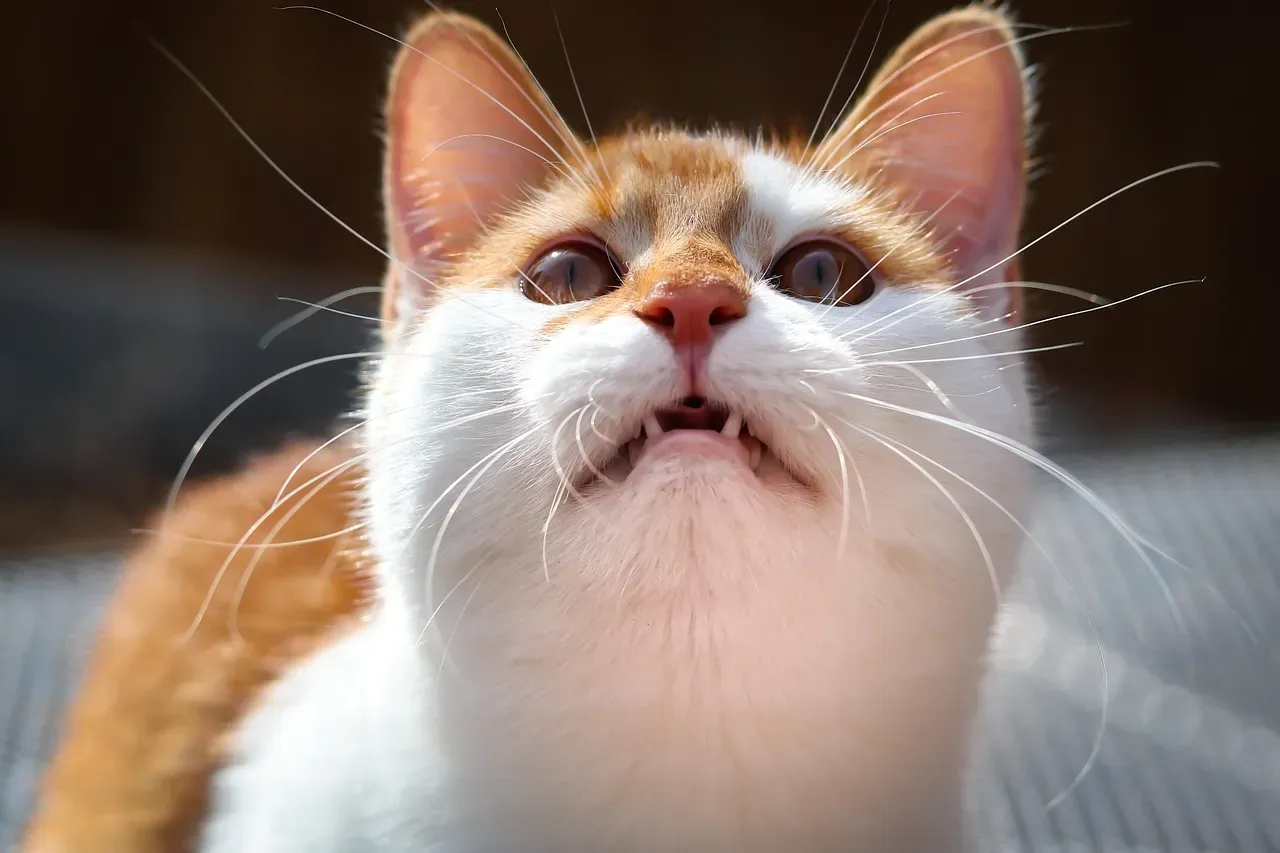
Let’s talk about how your cat might actually be playing you. A “solicitation purr” is a specific type that includes a high-frequency element, similar to a baby’s cry, designed to grab the attention of people and elicit a response, such as feeding. Your cat has literally evolved a purr that exploits your human instincts to respond to infant cries.
Some studies suggest that cats have developed a special type of ‘solicitation purr’ that is specifically designed to appeal to humans, and this purr often incorporates a cry or meow within the purr, making it more difficult for humans to ignore. Next time your cat wakes you up at five in the morning with that particular purr, know that they’re doing it intentionally. They’ve figured out exactly which buttons to push.
Reading the Context: Body Language Matters
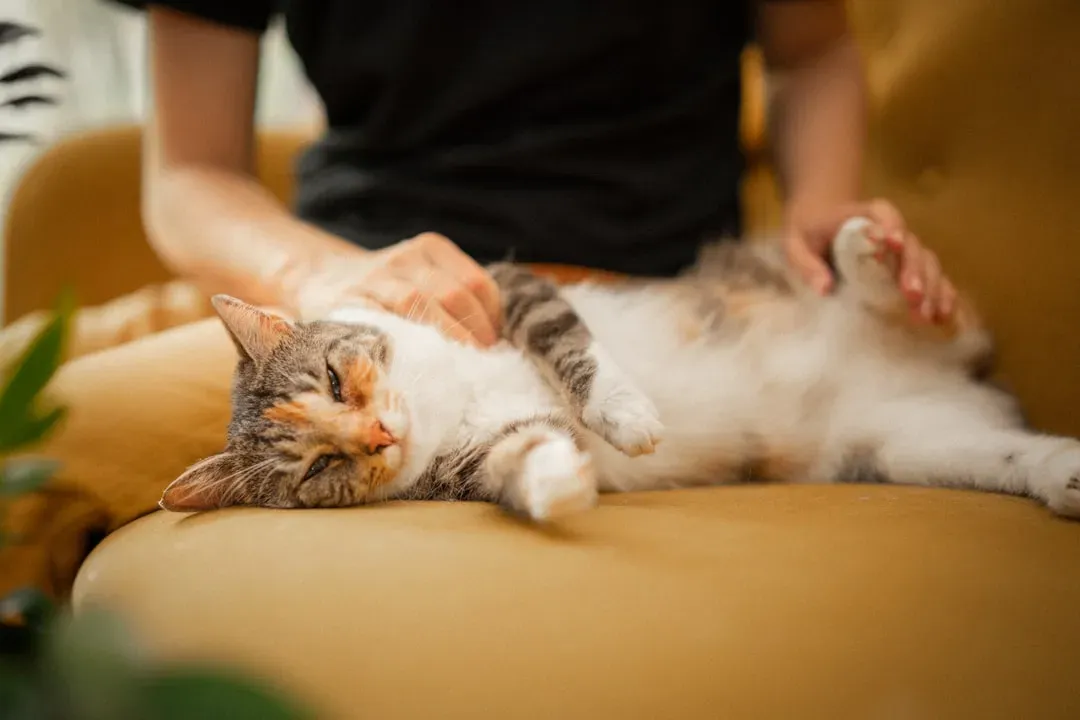
You can’t just rely on the purr alone to understand what your cat is feeling. When a cat is purring, look at their body language and the situation to determine why. Is their tail up and relaxed? Are their eyes half-closed? That’s probably contentment.
If the cat is crouched down with their ears pulled slightly to the side while purring, they may not be feeling well. Context is everything here. A purring cat sitting calmly on your lap is vastly different from a purring cat at the veterinarian’s office with tense muscles and wide eyes. The purr might sound the same to your ears, but it means completely different things.
Purring as a Form of Bonding
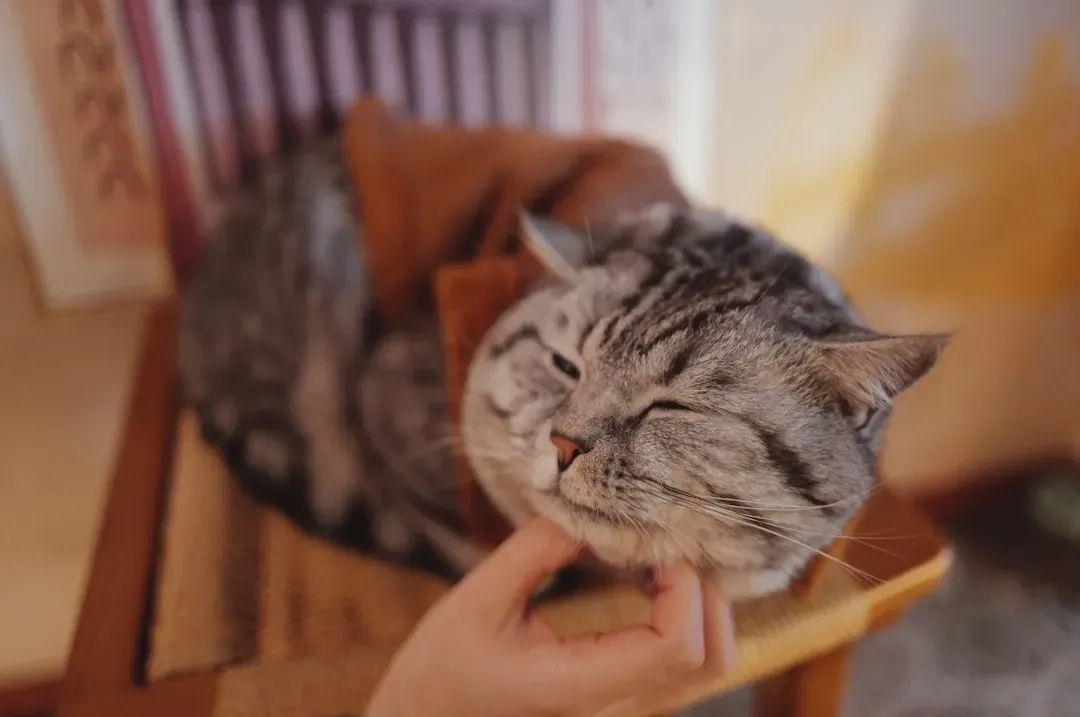
A cat purr is them vocalising their affection back to you, which can often be accompanied with your cat licking you, a head butt, or kneading as delightful signs of the close bond between you. This is the purr most of us know and love. When your cat approaches you voluntarily, jumps in your lap, and starts that rumbling engine, they’re genuinely happy.
Adult cats also use purring as a form of communication, especially in interactions with humans, and it’s their way of signaling that they feel safe and might want attention. Interestingly, adult cats rarely purr at each other. They mostly reserve this vocalization for communicating with humans, which suggests they’ve adapted it specifically for us. That’s actually pretty special when you think about it.
The Potential Benefits for Humans
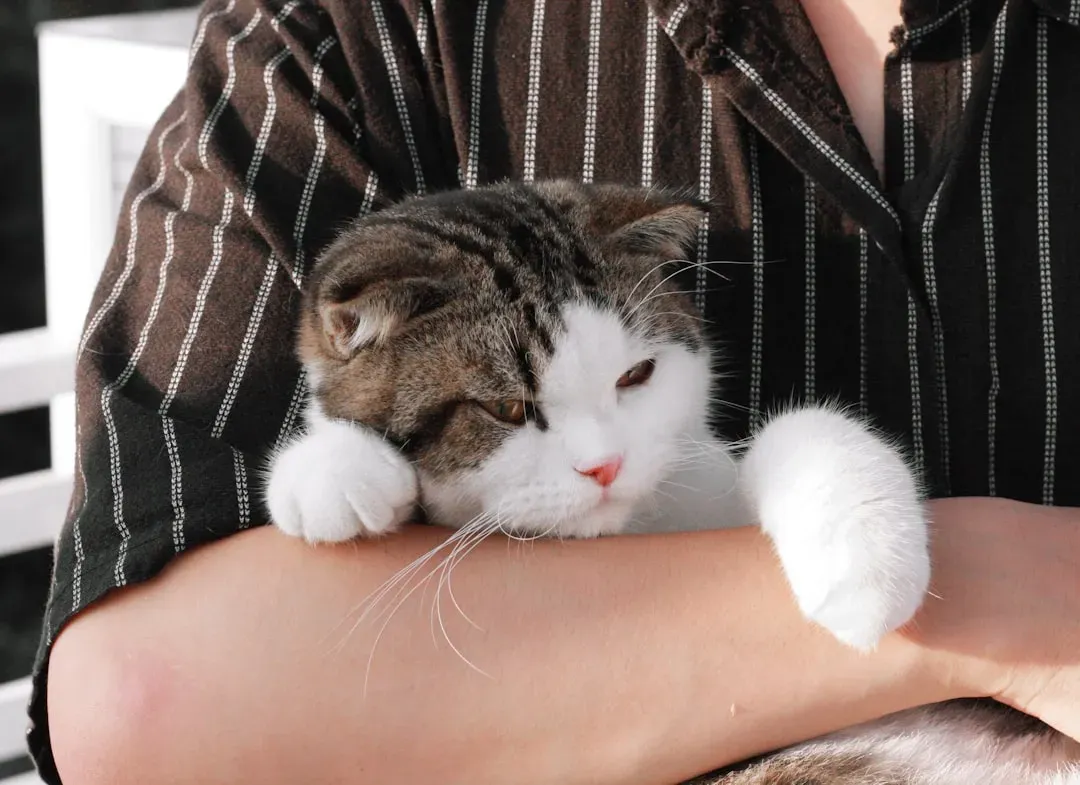
It turns out your cat’s purr might actually be good for your health too. Petting a cat or listening to their purring triggers the release of oxytocin, a hormone that promotes happiness and reduces stress, and this calming effect lowers cortisol levels – the stress hormone associated with high blood pressure – and can help alleviate pain, easing chronic discomfort.
These vibrations can help reduce inflammation, improve circulation and stimulate the healing of damaged tissues. Some studies even suggest that cat owners have significantly lower risks of heart disease. Whether it’s the purr itself or just the general calming presence of cats is still debated, but there’s definitely something therapeutic happening when you’re around a purring feline. I know it sounds crazy, but the science backs it up.
Conclusion: Listen to the Whole Message
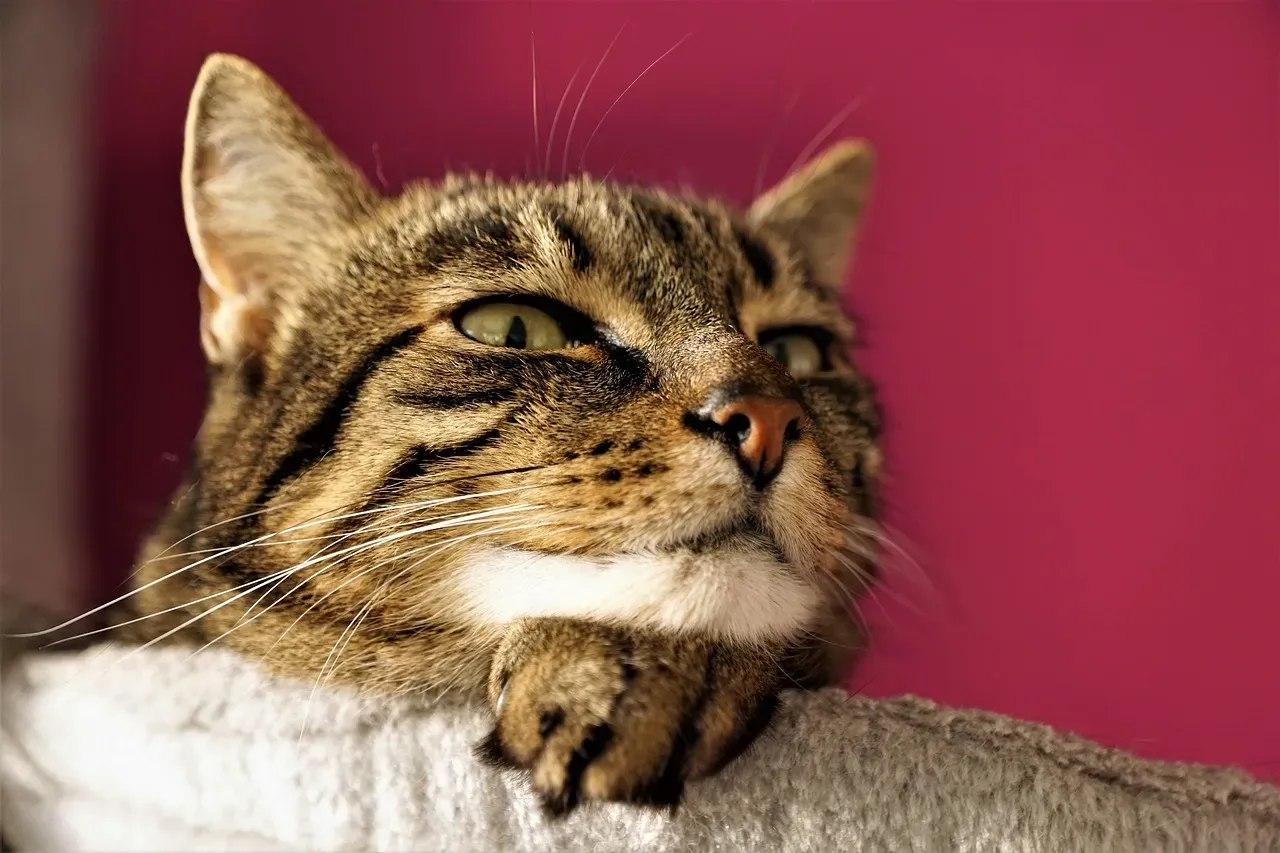
The reasons why cats purr are varied and complex, reflecting our feline companions’ multifaceted nature, and from expressing contentment and fostering mother-kitten bonding to promoting healing and reducing stress, purring goes beyond simple happiness. Your cat’s purr is a multitool of communication that they use in countless situations.
The next time your cat purrs, take a moment to really observe them. Look at their posture, their eyes, their ears, and the situation they’re in. That rumble tells a story far more complex than just “I’m happy.” It might be “I love you,” or “I’m scared,” or even “I’m trying to heal myself.” Understanding this gives you a window into your cat’s inner world that most people miss completely. So what do you think about it now? Did you expect your cat to be such a complex communicator?