You’ve probably heard it a thousand times – that low, warm rumble rolling out of your cat while you’re watching television together. It feels like the universe’s coziest sound. Most of us assume it means one simple thing: our cat is happy. Sweet, right? Honestly, a little too simple.
The truth about cat purring is far more layered, far more surprising, and – once you understand it – genuinely changes the way you look at your feline companion. It turns out your cat has been sending you highly specific messages this whole time, and you may have been missing the translation. Be surprised by what you’re about to discover.
The Mechanics Behind the Rumble: How Cats Actually Purr
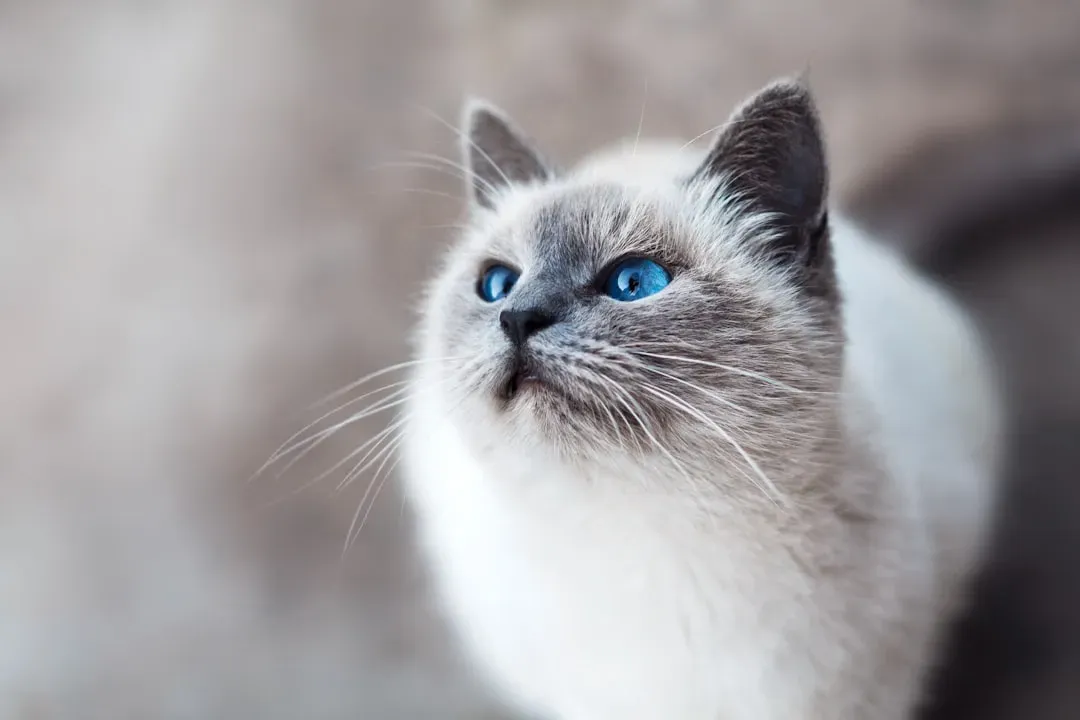
Before decoding the message, it helps to understand the machine producing it. A repetitive neural oscillator in the brain sends messages to the laryngeal muscles, causing them to twitch at a rate of 25 to 150 vibrations per second. This movement controls the glottis – the space between the vocal cords – creating a purring sound during both inhalation and exhalation. Think of it like a tiny, biological engine running on both strokes of a piston.
What makes the purr distinctive from other cat vocalizations is that it is produced during the entire respiratory cycle, meaning both inhaling and exhaling. Other vocalizations such as the meow are limited only to the expiration of breath. This continuous quality is what gives the purr that mesmerizing, unbroken quality. It’s almost meditative, which, as you’ll see, is no accident.
It’s Not Just Happiness: The Emotional Spectrum of Purring
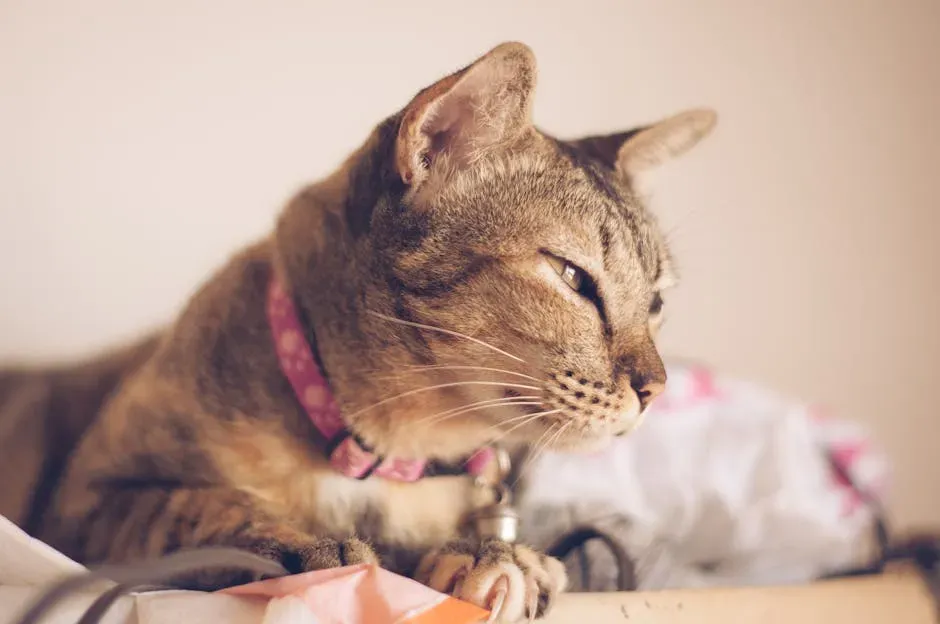
Many pet parents might assume a cat’s purring is a sign of happiness, but purrs can actually be produced when a cat is either in a positive or a negative emotional state. For example, a cat might purr when being petted by their favorite human, but they might also purr if they’re not feeling well. That’s a plot twist most cat owners don’t see coming.
Let’s be real – the idea that your cat purring at the vet means they’re perfectly comfortable is a comforting illusion. Purring in a clinical setting is often a response to stress. It’s how your cat attempts to calm itself. While this may seem like a good sign, it can sometimes make it harder to detect other vocal signs of discomfort. So the next time your cat purrs through an exam, don’t be fooled – they might be sending a completely different signal than you think.
The Solicitation Purr: Your Cat’s Secret Manipulation Tactic
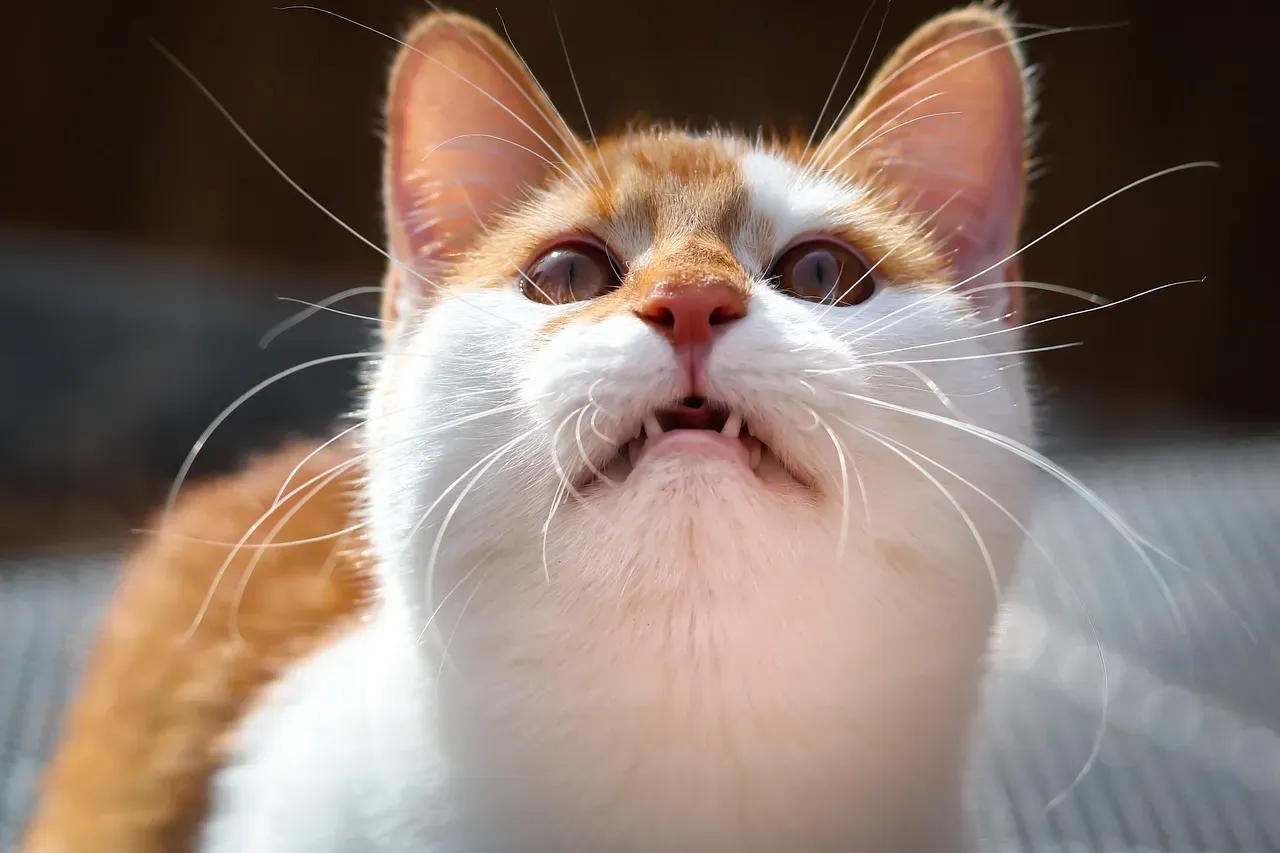
Here’s the thing – your cat may be far more strategic than you’ve ever given them credit for. Researchers have identified various types of purrs that cats use in different contexts. For example, a “solicitation purr” is a specific type that includes a high-frequency element, similar to a baby’s cry, designed to grab the attention of people and elicit a response, such as feeding. Yes, your cat has essentially reverse-engineered human psychology.
When cats purr for food, they combine their normal purr with an unpleasant cry or mew, a bit like a human baby’s cry. Experts believe that we’re more likely to respond to this sound. They’ve found that people can tell the difference between the purrs, even if they aren’t cat owners. It’s a masterclass in biological manipulation, and honestly, you have to respect the hustle a little.
When Purring Signals Pain: Reading the Signs of Distress
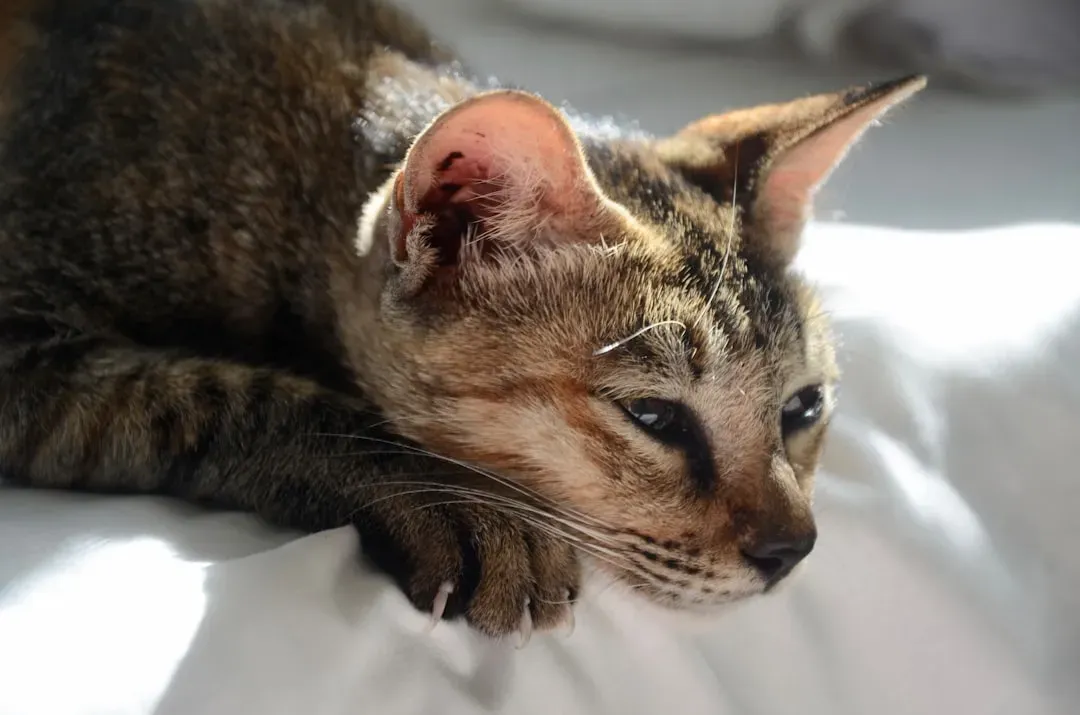
This one genuinely surprises people. Even though purring takes energy, many cats purr when they get hurt or are in pain. So what makes the effort worth it? It might simply be a way for a cat to soothe itself, like a child sucks their thumb to feel better. When you frame it that way, it’s actually heartbreaking and tender at the same time.
Since cats sometimes purr to ease emotional or physical suffering, owners must be able to recognize when a purr signals trouble instead of happiness or routine communication. Watch for context clues: if your cat is purring but also hiding, refusing to eat, or showing other unusual behaviors, it might be trying to comfort itself during discomfort. In these cases, the purr can be misleading. Context, always context.
Mother and Kitten Communication: Where Purring All Begins
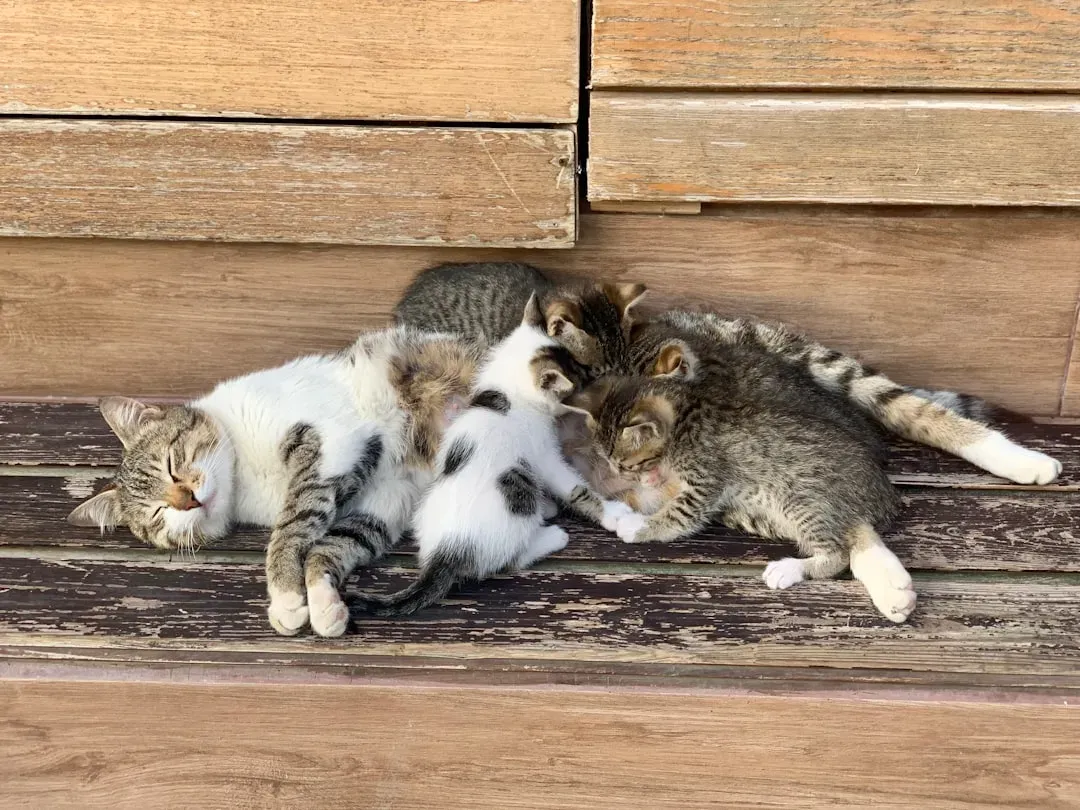
Kittens can purr as young as 2 days of age. They purr when they are nursing from their mother and only stop long enough to swallow. That tiny fact alone is enough to make your heart melt into a puddle. Purring isn’t something cats learn from watching the world – it’s hardwired in from the very beginning of life.
Kittens are born blind and deaf, so they rely heavily on their sense of touch and smell. Mother cats use soft vibrations to communicate with their kittens, signaling that it’s safe to come closer and nurse. Kittens, in turn, purr back to their mothers, creating a mutual sense of comfort and security. It’s a private conversation between mother and offspring, one that no human language could ever fully replicate.
Purring as a Healing Mechanism: The Biology of Recovery
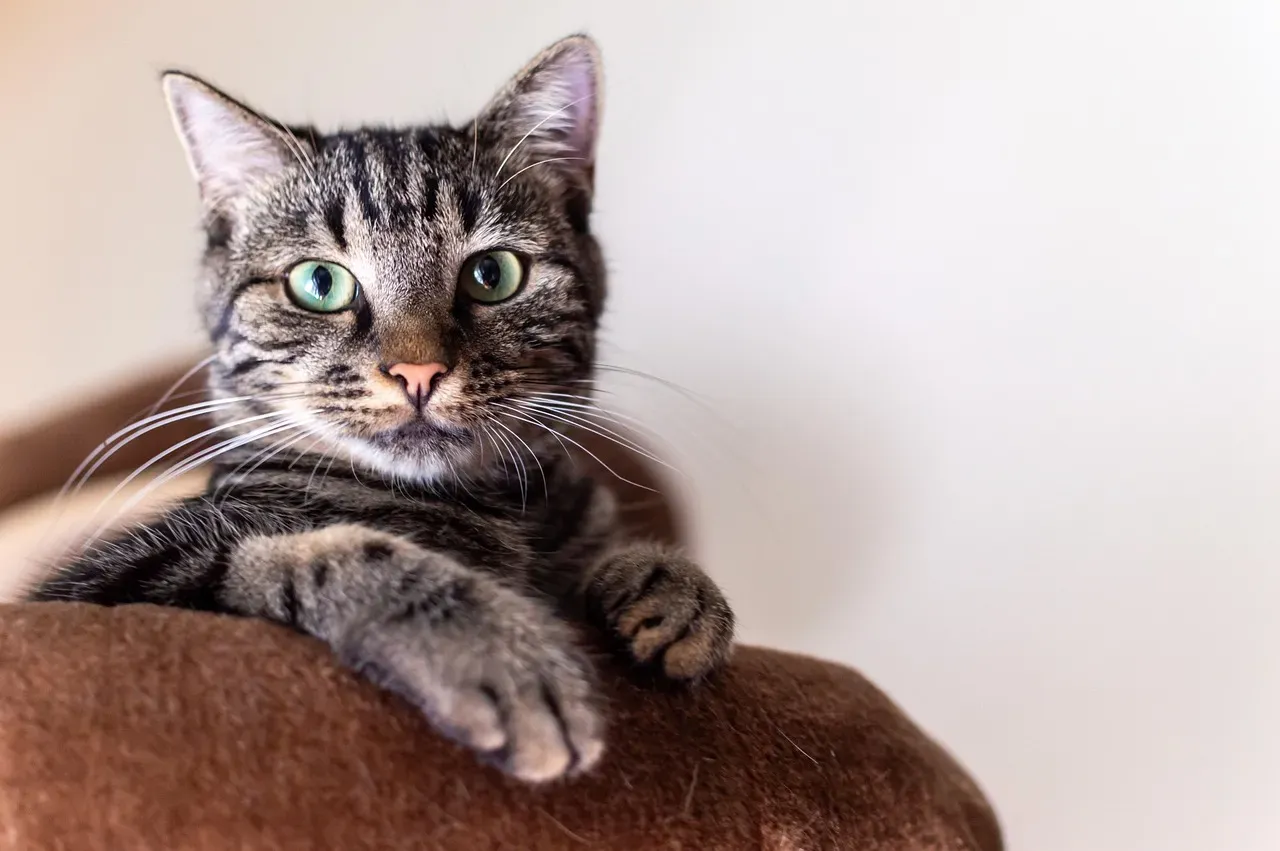
I know it sounds crazy, but your cat might essentially be running a built-in physical therapy session every time they purr. Research suggests that the frequency of cat purring may aid in healing processes. Frequencies in the 25 to 150 Hertz range are known to help promote the healing of bones, reduce inflammation, and improve joint mobility. This means that people recovering from injuries or dealing with chronic pain conditions may benefit from spending time with a purring cat.
Purring causes vibrations within a cat’s body, which can help ease their breathing, lessen their pain or swelling, build muscle and repair tendons, and even heal bones and wounds. Because cats have adapted to conserve energy via long periods of rest and sleep, it is possible that purring is a low energy mechanism that stimulates muscles and bones without a lot of energy. In other words, your cat lying there doing “nothing” might actually be doing quite a lot for themselves.
The Feral Cat Contrast: What Wild Cats Tell Us About Domesticated Purring
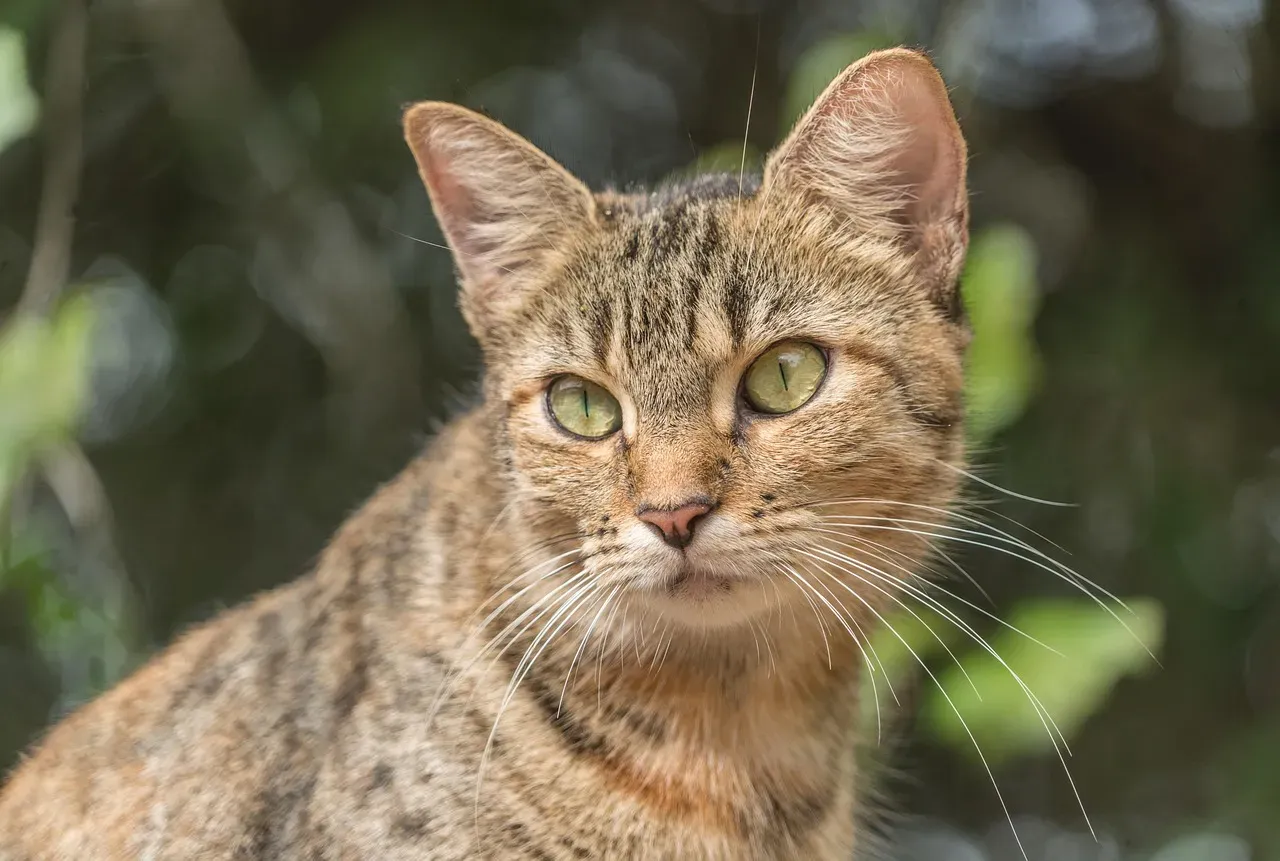
Want a fascinating experiment in cat behavior? Compare your indoor cat to their feral cousins. Feral cats are less likely to purr than domestic cats, leading to a hypothesis that feral cat mothers discourage their kittens from purring to prevent them from attracting predators. Scientists also note that feral cats are much less vocal than their domesticated counterparts, often only meowing and purring as kittens and then abandoning the habits during adulthood.
Cats that live in close contact with people often purr more frequently than feral or outdoor cats. This suggests that domesticated cats have adapted their purring behavior to interact more successfully with humans. In a way, they’ve learned to speak our language through a sound that’s difficult to ignore. Thousands of years of co-evolution, and this is what your cat has to show for it: a perfectly tuned communication device aimed directly at you.
How Your Cat’s Purr Affects Your Health Too
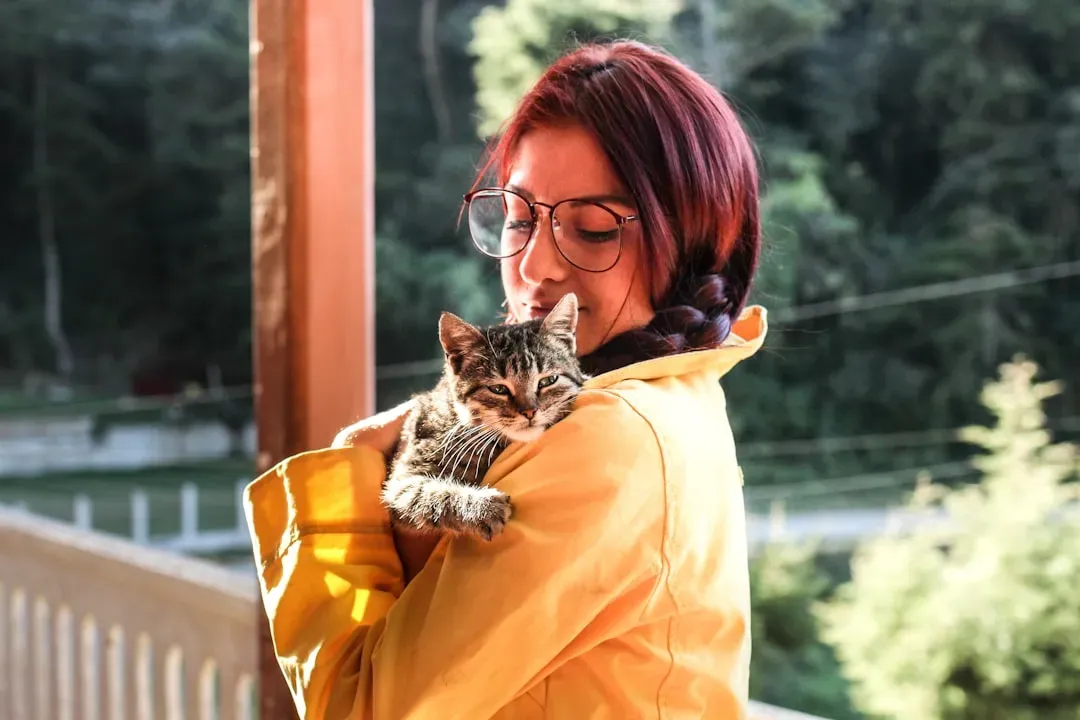
This might be the most surprisingly wonderful part of this entire conversation. One of the most immediate effects of cat purring on humans is its ability to reduce stress and anxiety. The soothing sound and vibration of a purr have been compared to the calming effects of meditation. So sitting on the sofa with your purring cat isn’t laziness. It’s self-care. Backed by science.
The vibrations created by cat purring have been linked to the release of nitric oxide, a molecule that plays a role in reducing pain and improving circulation. For individuals dealing with arthritis or muscle soreness, the cat purring effect on humans may serve as a natural source of relief. A large study showed that cat owners were less likely to die from cardiovascular disease compared to those who never owned a cat. Think about that the next time someone rolls their eyes at your cat obsession.
Reading Your Cat’s Purr: A Practical Guide to Understanding the Code
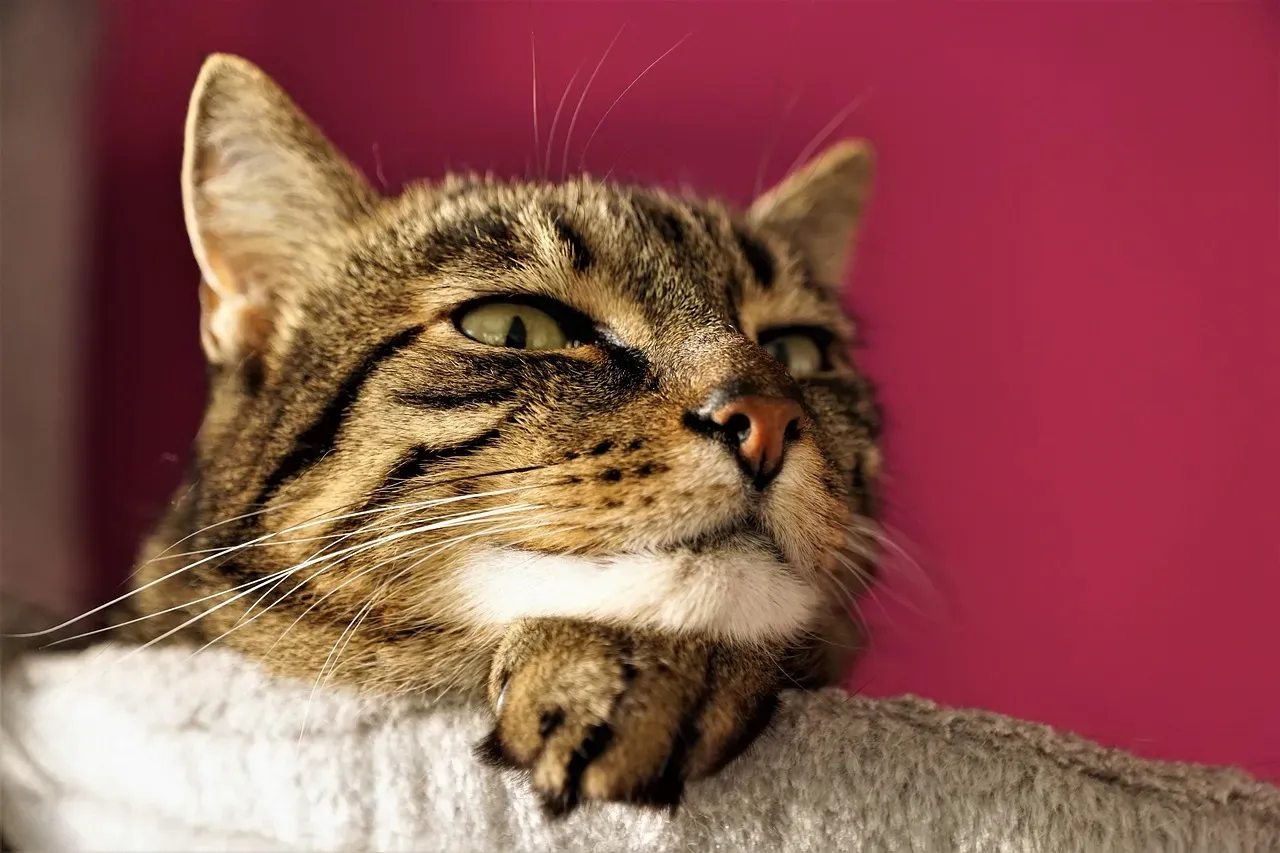
Now that you know how layered this sound truly is, how do you actually read it in real time? When a cat is purring, look at their body language and the situation to determine why. A relaxed tail, half-closed eyes, and a softly posed body suggest genuine contentment. A rigid posture, flattened ears, or wide pupils alongside a purr tell a very different story.
Each cat’s purr is unique. Spending time with your cat and observing its purring in different contexts can help you understand the nuances of its communication. Notice when your cat purrs, what it’s doing at the time, and the environment around it. This can give you valuable insights into your cat’s emotional state. The more attention you pay, the clearer the code becomes. Your cat has been talking all along – you’re just now learning the language.
Conclusion: Listen More Carefully to That Rumble
Your cat’s purr is one of the most sophisticated communication tools in the animal kingdom. It signals joy, yes – but it also carries messages of hunger, pain, bonding, trust, stress, and even a desire to heal. It’s a sound that has evolved over thousands of years, fine-tuned specifically to reach you and move you to respond. That’s not just fascinating. That’s extraordinary.
The next time your cat curls up beside you and begins to rumble, pause for a moment. Don’t just enjoy the sound – listen to it. Watch the body, read the room, and consider the context. You might find that your cat is telling you something you never expected to hear. So now that you know the code, the real question is: how many messages have you already missed?