You hear it every evening when your feline companion settles into your lap. That rumbling, vibrating sound fills the space between you and your cat. Most of you probably assume your pet is just expressing contentment or happiness. You might be right, but here’s where things get interesting. That purr does so much more than signal a good mood. Scientists have discovered something pretty remarkable about those gentle vibrations emanating from your furry friend.
What if I told you that sound could actually be healing your body while your cat relaxes next to you? It sounds almost too good to be true. Yet research has uncovered evidence suggesting your cat’s purr operates at frequencies that may promote physical healing in both felines and humans alike. This isn’t some new age theory either. The science behind it is fascinating and continues to evolve. Let’s dive in.
The Frequency That Makes All the Difference
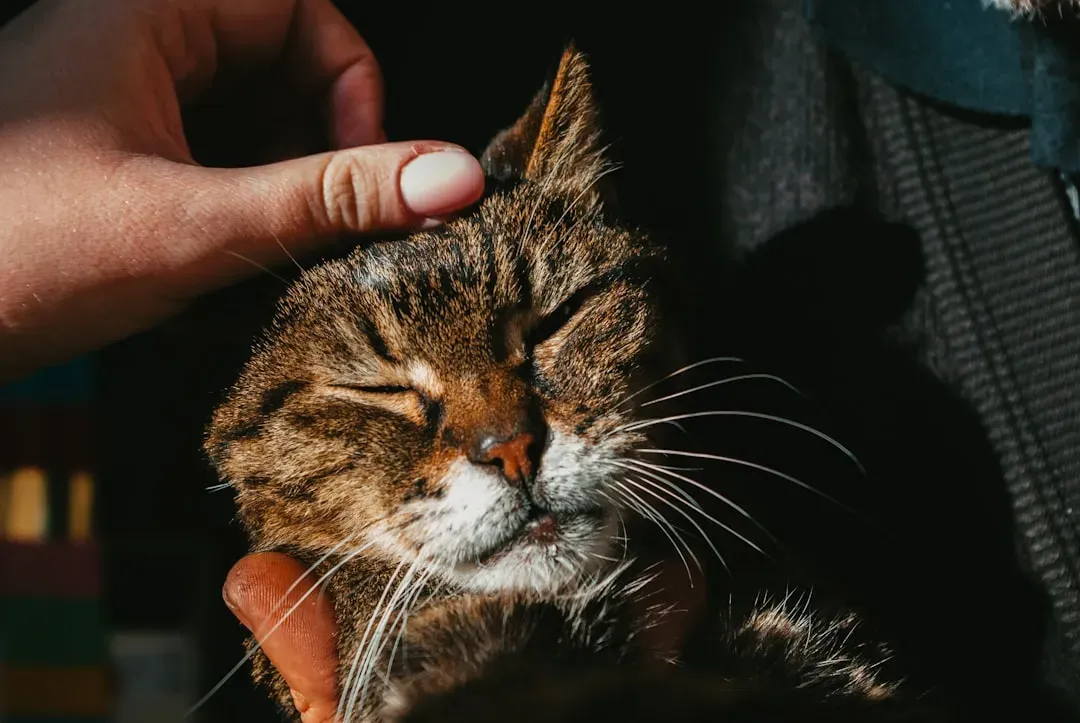
Your cat’s purr typically falls between 25 and 150 hertz, which might not mean much to you at first glance. However, these exact frequencies have been shown to aid in healing broken bones, repairing joints and tendons, and promoting wound healing. Think about that for a moment. Your cat is essentially a portable healing device sitting on your couch.
The really wild part is that frequencies between 20 and 50 Hz specifically increase bone density. Studies show that frequencies of 25 to 50 hertz can improve bone density, build bone strength, support wound and fracture healing, and stimulate bone fracture repair. This isn’t just theoretical either. Medical professionals have started using devices that mimic these exact frequencies in therapeutic settings to treat patients with various conditions.
Why Your Cat Purrs When Hurt or Stressed
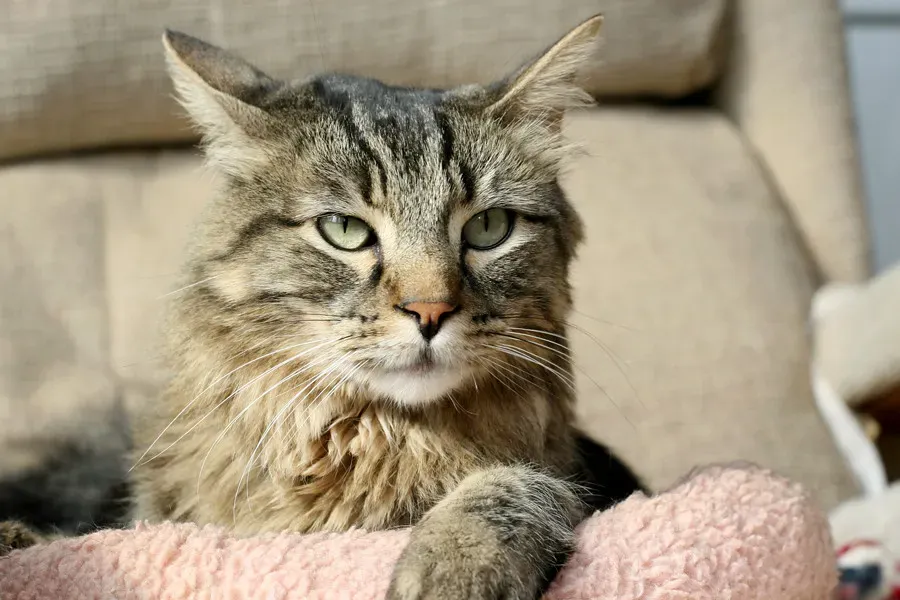
You might have noticed your cat purring at the vet’s office or when recovering from an injury. This puzzled scientists for years because we always assumed purring meant happiness. Cats often purr while under duress, such as during visits to the veterinarian or when recovering from injury. It turns out they’re likely self medicating in a way.
Studies indicate that the purr may be a survival mechanism that cats use when they’re hurt or stressed, with vibrations potentially having therapeutic effects that help cats heal from injuries, reduce pain, and soothe themselves naturally. Here’s the thing about cats: they spend a huge portion of their day sleeping and resting. The purr may be a low energy way for cats to keep their bones and tissues healthy while sedentary or at rest. Pretty clever evolutionary adaptation if you ask me.
The Bone Healing Connection You Never Knew Existed
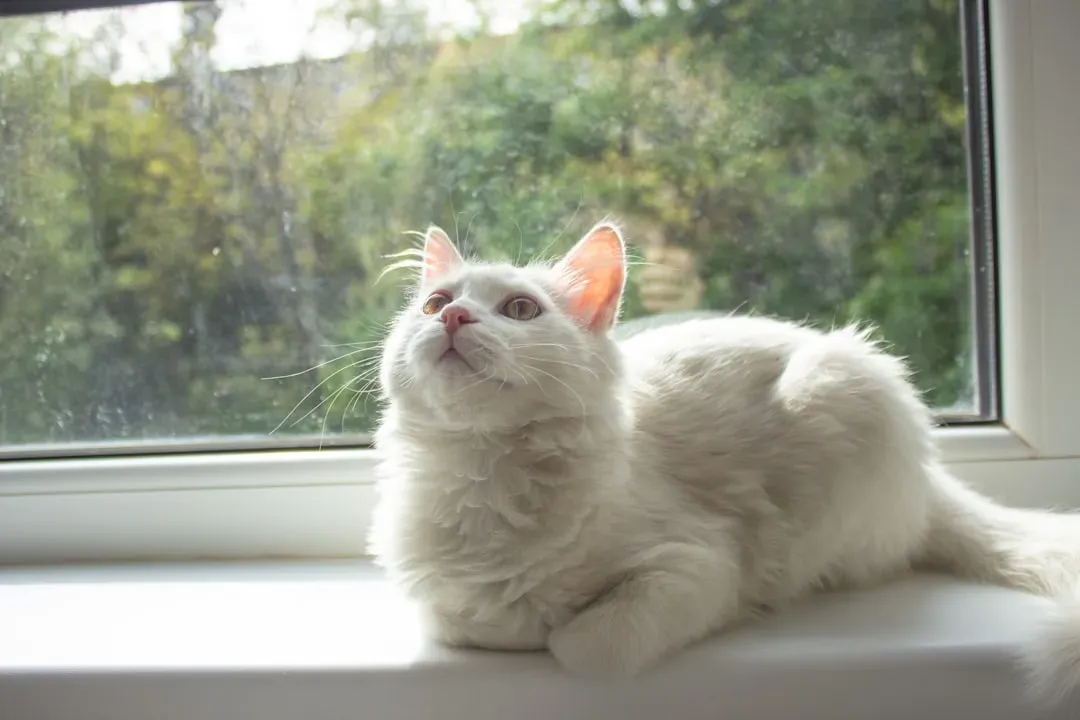
Broken felid bones take significantly less time to heal than broken dog bones, and low frequency vibrations in the range of cat purrs are used to heal complex fractures in humans. This fact alone should make you rethink everything you know about your cat. Cats are well known for their ability to heal quickly from their own broken bones, and the incidences of joint problems and bone cancer in cats are low.
There are even stories from veterinarians and pet owners about cats instinctively gravitating toward injured areas. One colleague broke his collar bone, and their house cat never ventured upstairs until he returned from the hospital; each time he rested upstairs, the cat curled on his collar bone and purred intensely, but when the bone healed, the cat declined all invitations upstairs. Coincidence? Maybe. Maybe not.
How Purring Lowers Your Blood Pressure and Stress
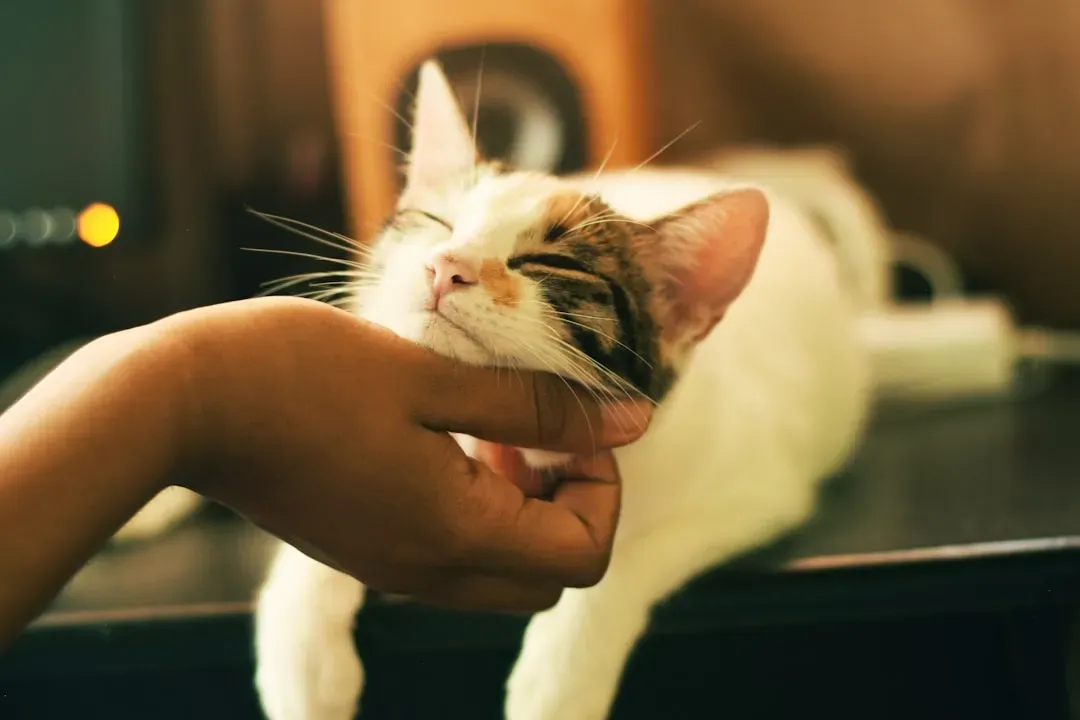
Research has shown that vibrations emitted by a cat’s purr can lower blood pressure, lessen stress, and promote healing. Petting a cat or listening to their purring triggers the release of oxytocin, a hormone that promotes happiness and reduces stress. You’re essentially getting a natural anxiety treatment every time you interact with your purring pet.
This calming effect lowers cortisol levels and can help alleviate pain, with many people who spend time with cats experiencing a decrease in heart rate and blood pressure. Studies have shown that cat owners are less likely to suffer from heart disease compared to those without cats, as the soothing effects of purring help reduce blood pressure. Honestly, the cardiovascular benefits alone make a pretty strong case for cat ownership.
The Pain Relief Factor Hidden in Those Vibrations
The vibrations generated by a cat’s purr can act as a form of natural pain relief for both cats and humans, stimulating the release of endorphins and promoting relaxation and healing. There are many stories of people with migraines whose headaches are eased or extinguished when they lie with their heads close to purring cats. I know it sounds almost mystical, but the mechanism makes sense when you consider how vibrational therapy works.
New evidence indicates that vibrations of a cat’s purr can help fight infections, reduce swelling and pain, promote muscle growth and repair, support tendon repair and joint mobility at 18 to 35 hertz, heal injured muscles and tendons at 25 to 50 hertz, and reduce pain while easing breathing at 100 hertz. Different frequencies target different ailments. Your cat is basically operating a sophisticated healing system without even knowing it.
Respiratory Benefits You Wouldn’t Expect
Clinical observations indicate that purring helps cats suffering from upper respiratory conditions breathe more easily, and respiratory distress related to heart disease isn’t nearly as common in cats as it is in dogs and humans. A person with respiratory problems might also be able to breathe easier if a purring cat is nearby. This connection seems counterintuitive at first.
When a cat purrs, it creates a sound that falls within the range of frequencies known to be therapeutic for respiratory disorders, which can be particularly beneficial for individuals with asthma or chronic obstructive pulmonary disease. The soothing, rhythmic nature of the purr may also have a meditative quality that helps regulate breathing patterns. It’s like having a natural breathing coach curled up beside you.
The Mental Health Boost from Your Purring Companion
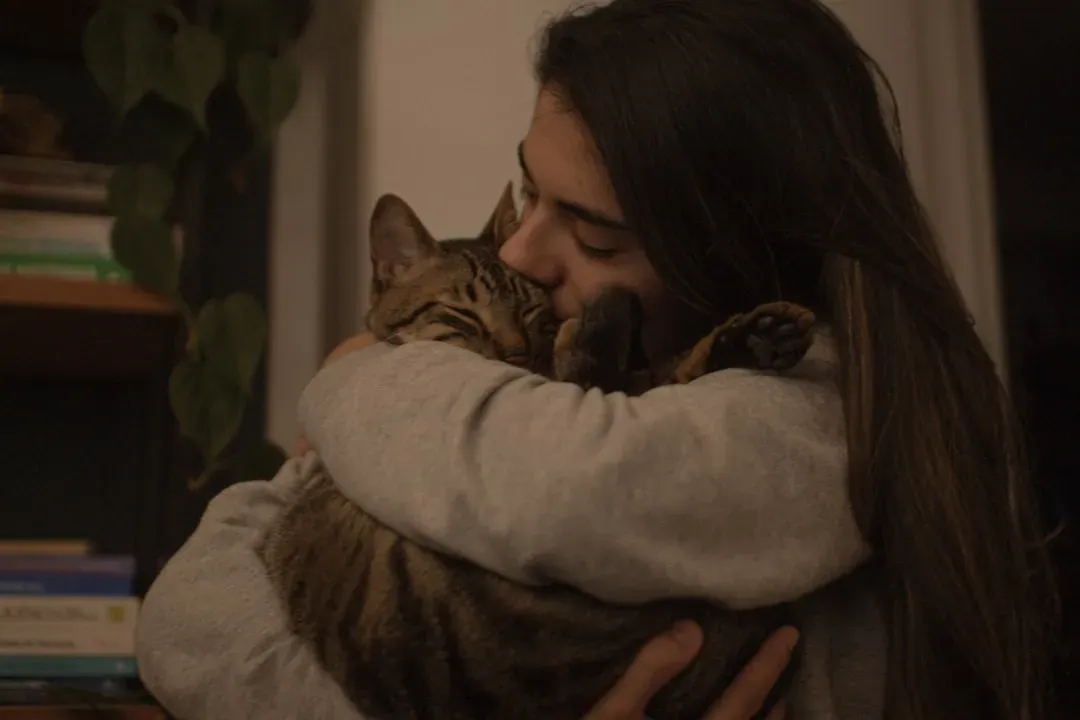
Emotional support animals like cats offer vital relief to those experiencing anxiety, depression, or other mental health conditions, with their presence fostering trust, security, and companionship. The repetitive sound of a cat’s purring has a calming, meditative quality that can reduce anxiety and promote mindfulness. Let’s be real: sometimes the world feels overwhelming, and that purring ball of fur provides more comfort than we give it credit for.
The soothing sound and vibration of a purr have been compared to the calming effects of meditation. Studies show that petting a cat while listening to its purr can boost oxytocin levels, and for individuals who live alone or struggle with mental health challenges, a cat’s presence can offer consistent comfort. That predictable purring becomes an anchor in daily life. Something you can count on when everything else feels uncertain.
How Purring Promotes Tissue Repair and Recovery
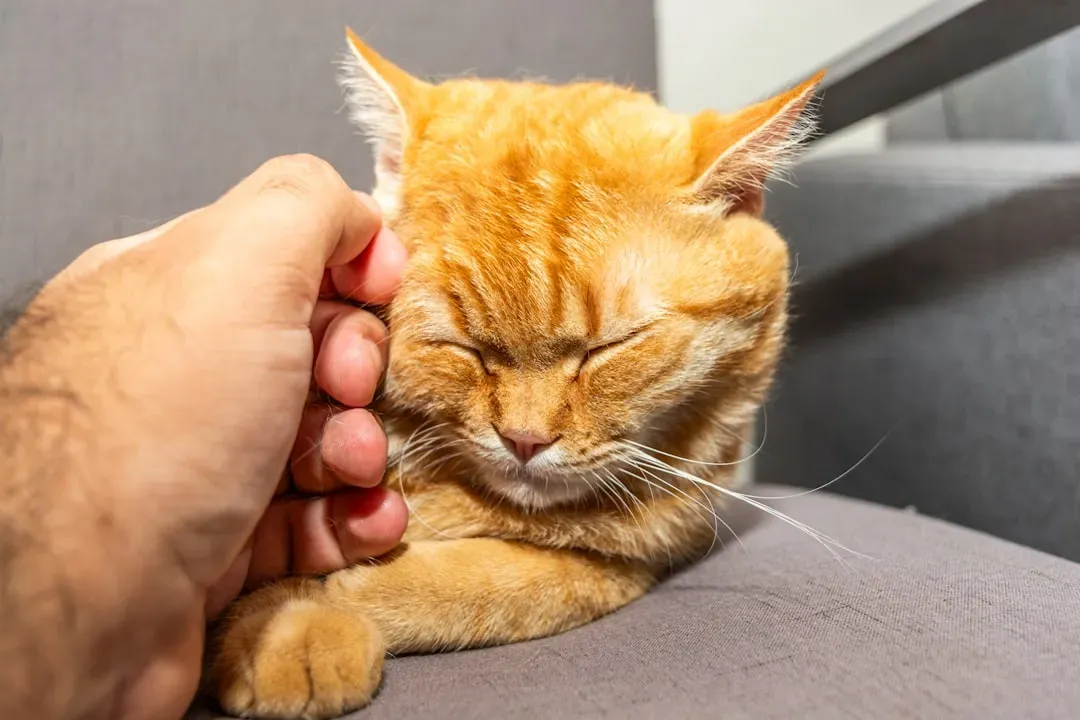
These low frequency vibrations can help reduce inflammation, improve circulation, and stimulate the healing of damaged tissues, while also promoting the regeneration of bone cells and increasing bone density. Research has shown that low frequency vibrations produced by a cat’s purring can have therapeutic benefits that help promote healing of soft tissue injuries in humans, including muscle strains, sprains, and other connective tissue injuries.
Frequencies in the range of 50 to 150 Hz are thought to help with muscle, tendon, and ligament repair. Growing clinical evidence supports the use of these low frequencies in animals and humans for specific conditions such as bone healing, osteoarthritis, inflammation, wound healing, and post operative pain. Medical technology is literally trying to replicate what your cat does naturally.
The Cardiovascular Protection You’re Getting Without Realizing It
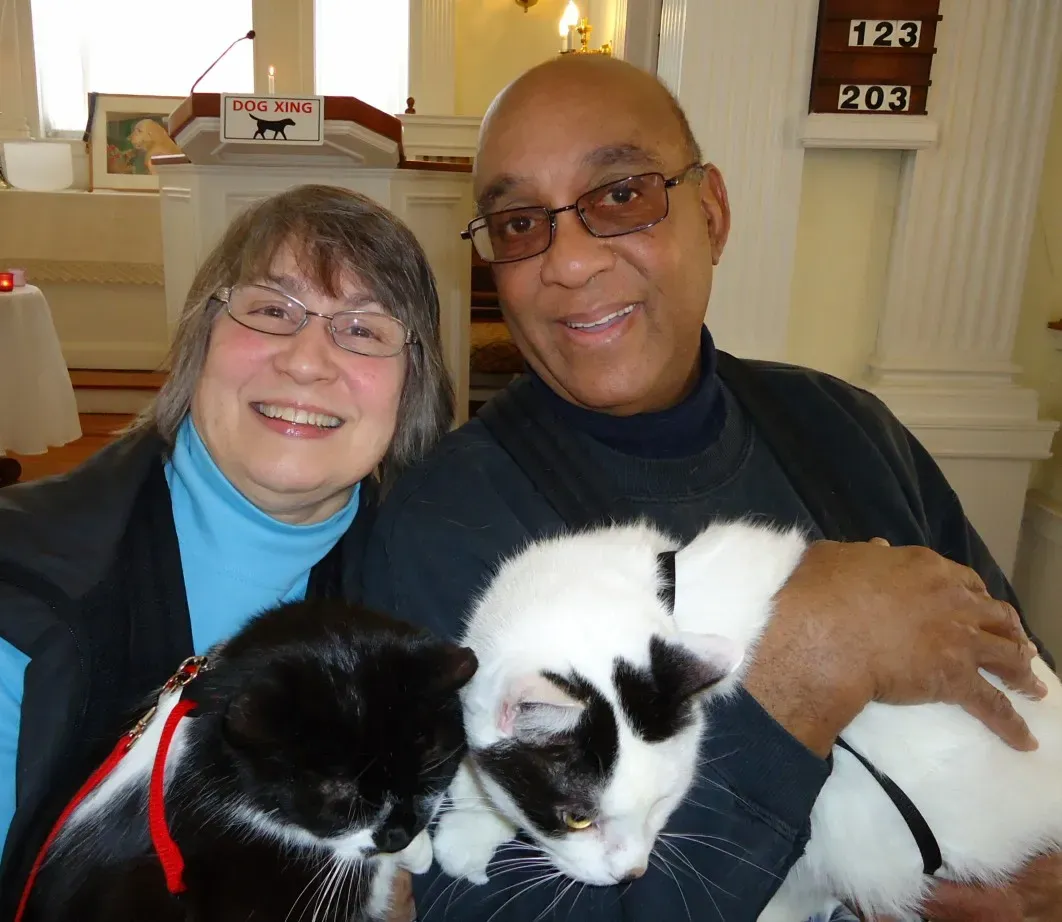
Studies show that owning a cat could cut your risk of stroke or heart disease by as much as a third. Cat owners have 40 percent less risk of having a heart attack. Those are significant numbers that rival some medications. The calming presence of a cat, combined with the rhythmic vibrations of its purr, contributes to a healthier cardiovascular system.
The mechanism makes sense when you break it down. Research found that cat owners have reduced blood pressure spikes in response to stress, with rises in their blood pressure due to stressful situations being half that of non owners. Over time, these reduced stress responses add up to real cardiovascular protection. Your cat isn’t just keeping you company. It’s actively protecting your heart.
Why Science Is Still Catching Up to What Cats Already Know
Dr. Elizabeth Von Muggenthaler has suggested that the purr, with its low frequency vibrations, is a natural healing mechanism, potentially linked to the strengthening and repairing of bones, relief of pain, and wound healing. A device that simulated a cat’s purr was tested on an aged dog scheduled to be euthanized, treating it for twenty minutes a day for three consecutive days, and on the fourth day the dog regained its ability to walk. That’s not anecdotal evidence. That’s a documented case.
One study indicated that vibration of cat purrs ranging from 20Hz up to 150Hz could promote bone growth and heal soft tissue, as it promoted the growth of crucial granulation tissue and microscopic blood vessels around injured areas. Still, large scale human trials haven’t been conducted yet. The science is there, but we’re only beginning to understand the full scope of what these vibrations can do.
Conclusion
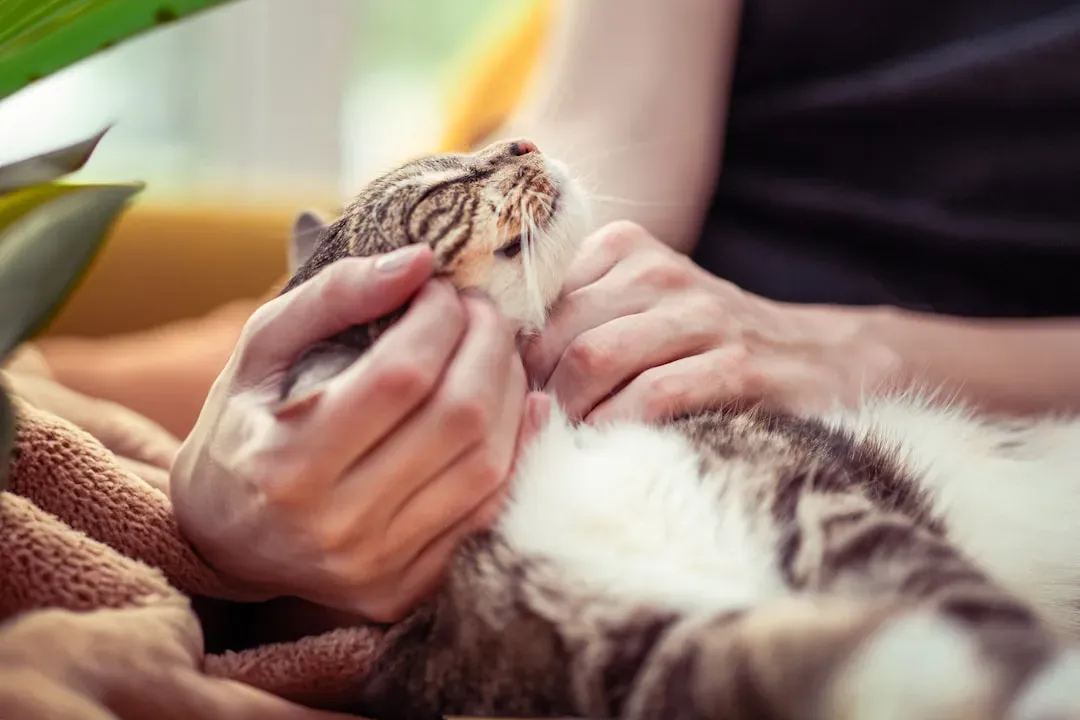
Your cat’s purr is far more than a simple expression of contentment or a quirky animal behavior. The frequencies at which cats purr align almost perfectly with therapeutic vibrations used in medical treatments for bone healing, pain relief, and tissue repair. Whether your cat is lounging on your lap after a long day or curling up beside you when you’re feeling under the weather, those gentle vibrations may be doing more for your health than you ever imagined.
From lowering your blood pressure and reducing stress hormones to potentially aiding in bone density and wound healing, the benefits extend far beyond the emotional comfort we’ve always associated with our feline friends. It’s fascinating to think that this behavior, evolved over millions of years, serves such a dual purpose: helping cats maintain their own health during long periods of rest while simultaneously offering healing benefits to the humans who care for them. Next time your cat settles in beside you and starts that familiar rumble, take a moment to appreciate the remarkable biological symphony happening right there. What do you think about it? Does your cat seem to purr more when you’re stressed or unwell?