You’ve probably felt it a hundred times. That soft vibration against your chest as your cat curls up beside you, that low rumble that seems to radiate straight from their core. We’ve all been told that purring means happiness, right? Simple as that. Your cat is content, relaxed, living their best life.
Honestly, I used to believe that too. Then I started noticing something odd. My own cat would purr at the strangest times, like during thunderstorms or even at the vet’s office. That’s when I realized there’s a lot more happening beneath that gentle hum than most of us ever imagine. The truth is, your cat’s purr is far from simple background noise. It’s actually a sophisticated communication tool, a healing mechanism, and a window into their emotional state all rolled into one remarkable sound.
The Science Behind That Mysterious Vibration
Domestic cats possess special pads embedded within their vocal cords, which add an extra layer of fatty tissue that allows them to vibrate at low frequencies. These unique anatomical features set cats apart from most other animals. Researchers had puzzled over how small cats, weighing about 4.5 kilograms, manage to generate low-frequency vocalizations typically between 20 and 30 hertz, frequencies usually only observed in much larger animals like elephants.
What makes purring even more intriguing is the mechanics behind it. The air flowing over these specialized vocal structures creates that signature rumble we all recognize instantly. Recent studies have challenged older theories, revealing that the larynx doesn’t appear to need any input from the brain to produce purring, making it an almost automatic response in certain situations.
Every Cat Has Their Own Signature Sound
Here’s something that surprised me when I learned about it. A cat’s purr may be a more reliable marker of individual identity than its meow, with researchers finding that purring stays consistent and uniquely tied to each cat. Think about that for a moment. Your cat’s purr is like a fingerprint, completely unique to them.
While purring stays consistent, meows change substantially depending on context. This stability in purring makes it an incredibly reliable form of identification. Purrs achieved higher classification accuracy and encoded more information bits, meaning a single purr could distinguish many individuals reliably. So when your cat purrs at you, they’re essentially giving you their personal calling card.
It’s Not Always About Happiness
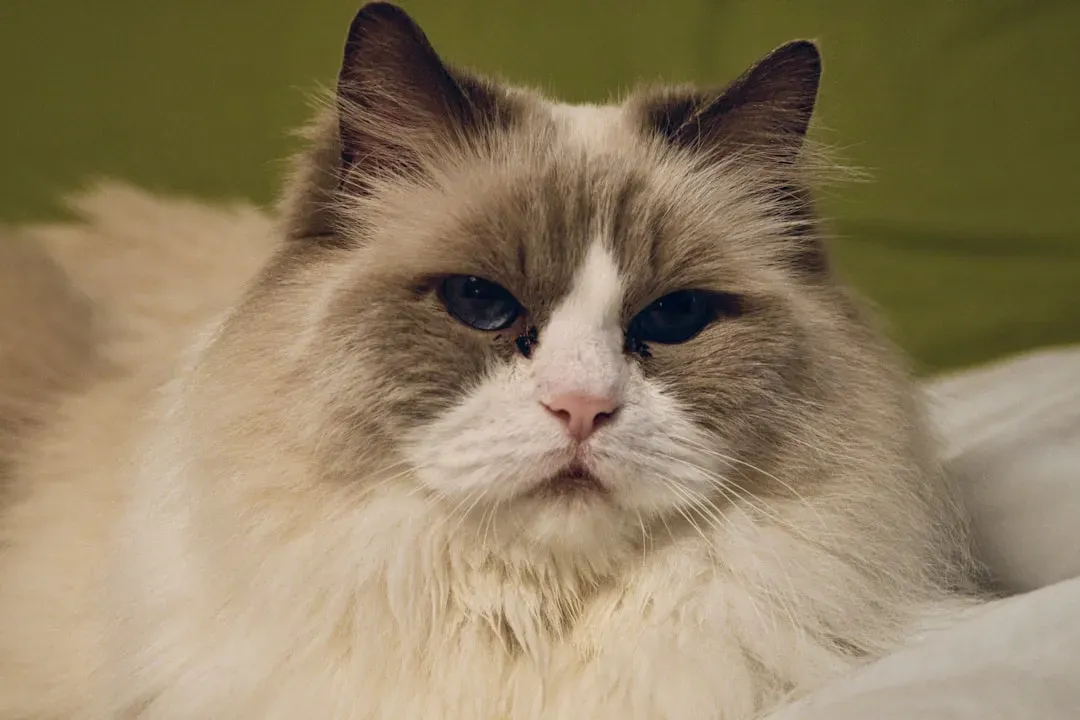
Let’s be real here. The biggest misconception about cat purring is that it always signals contentment. Cats often purr while under duress, such as during a visit to the veterinarian or when recovering from injury, so not all purring cats appear to be content or pleased with their current circumstances.
This revelation changes everything about how we interpret our cats’ behavior. Cats purr not only when they’re happy and content but also when they’re frightened, in pain, or stressed, suggesting that purring serves to help them cope with various emotions. The key to understanding what your cat is really telling you lies in reading the context. Is your cat relaxed and draped across your lap? Probably contentment. Crouched in the carrier on the way to the vet? More likely self-soothing.
The Healing Power Hidden in Those Frequencies
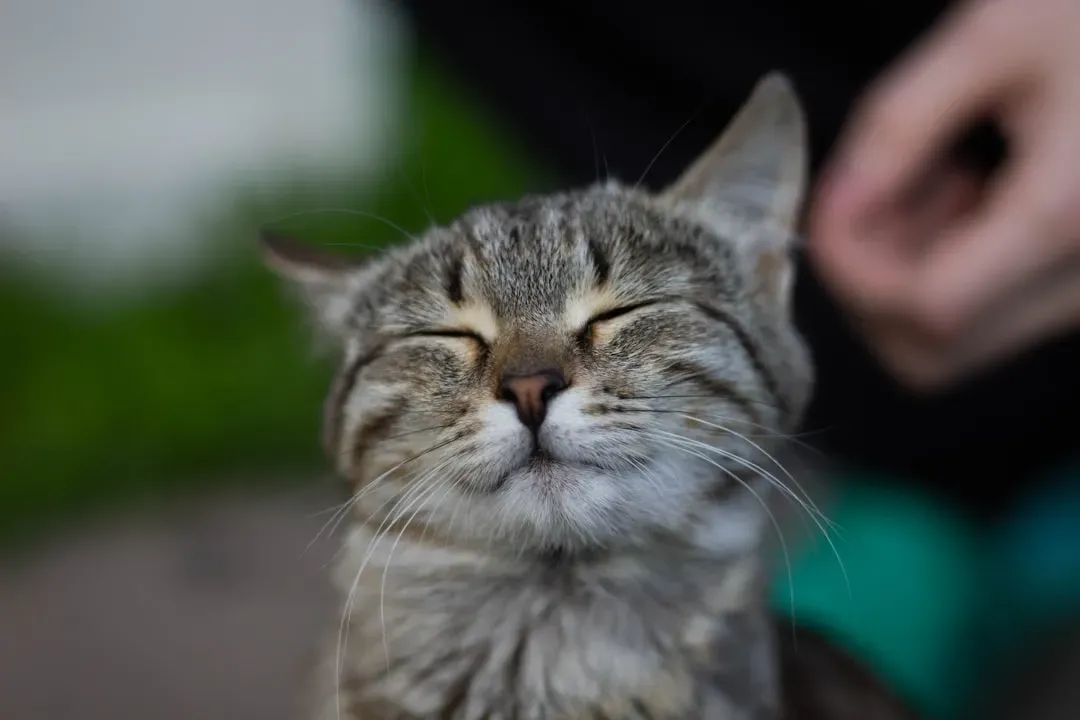
This part honestly sounds like something out of science fiction, but the research backs it up. Cats purr during both inhalation and exhalation with a consistent pattern and frequency between 25 and 150 Hertz, and sound frequencies in this range can improve bone density and promote healing.
Think about how cats are famous for their resilience. Cats are well-known for their ability to heal quickly from their own broken bones, and the incidences of joint problems and bone cancer in cats are low. Could purring be their secret weapon? Purr frequencies correspond to vibrational frequencies used in treatment for bone growth, fractures, pain, and wounds, with domestic cats producing frequencies at exactly 25 Hz and 50 Hz, the two low frequencies that best promote bone healing. It’s hard to say for sure, but the evidence is pretty compelling.
Mother-Kitten Communication Starts Early
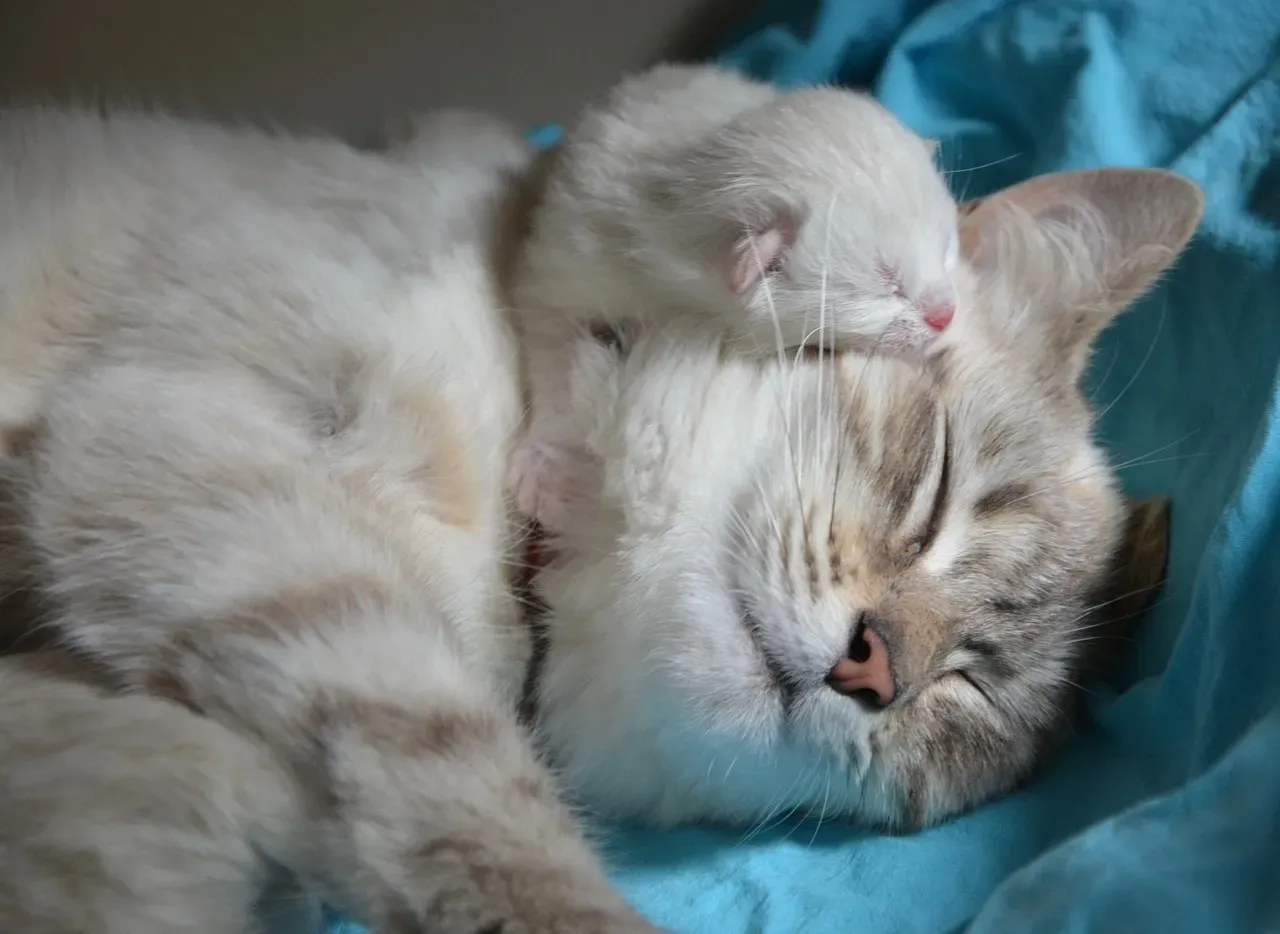
Kittens learn how to purr when they are a couple of days old, and veterinarians suggest that this purring tells their mother that they are okay and indicates a bonding mechanism between kitten and mother. This early form of communication happens before kittens can even see or hear properly.
The mother cat plays her part too. Kittens purr while nursing to let their mother know that they are content and comfortable, and purring also helps stimulate milk production in the mother cat. It’s a beautiful feedback loop of communication and care. This nurturing connection through purring often carries into adulthood, which explains why many cats purr when they’re cuddling with their human companions.
Your Cat Might Be Asking for Something
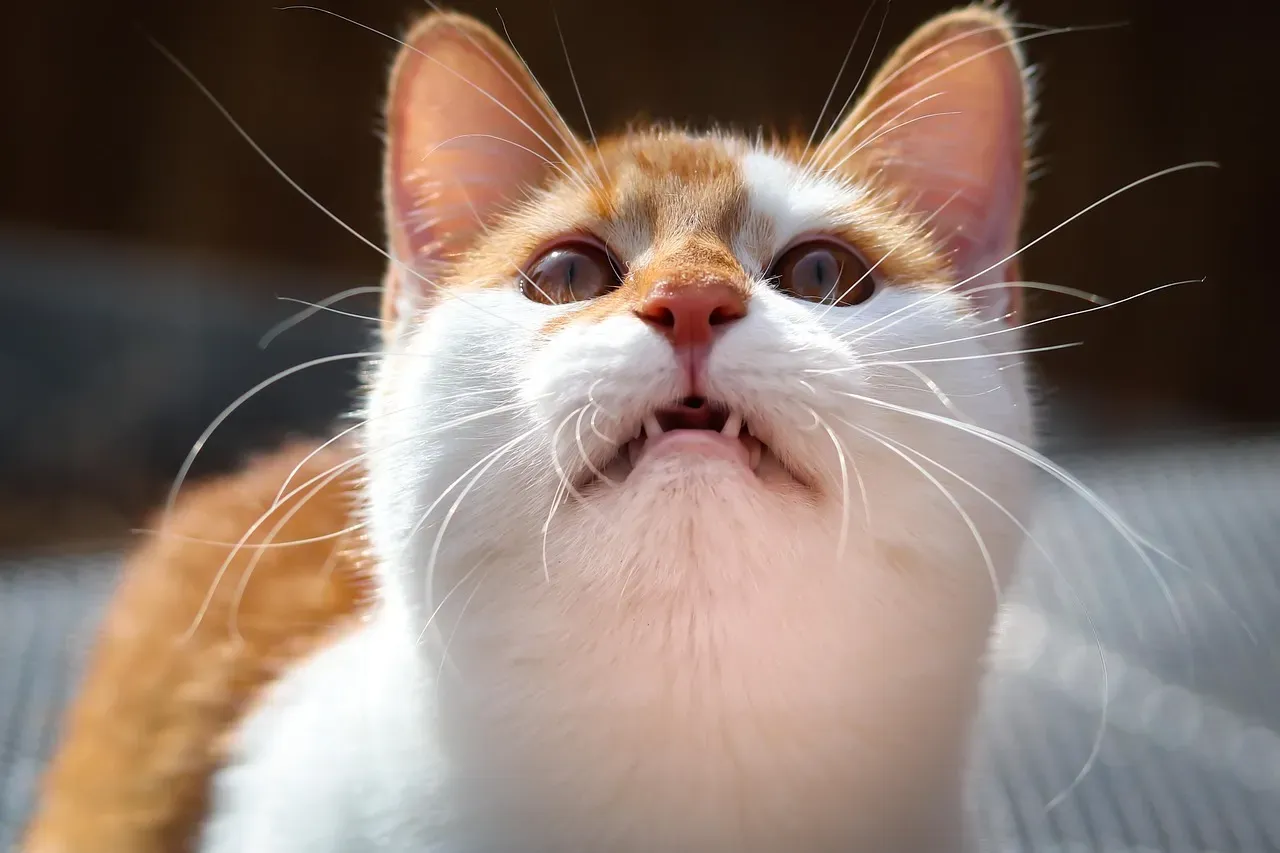
Ever notice how your cat purrs differently when they want dinner? You’re not imagining things. A hungry cat will get its point across by combining a purr with a high-pitched meowing noise, creating their own special type of purr for food requests.
Cats are clever creatures who quickly learn what works. Because kittens purr when they want something from their mother cat, they may continue this behavior in adulthood when they want something from their human parents. Your cat has essentially figured out that purring gets your attention and often results in getting what they want. It’s manipulative in the most endearing way possible.
The Self-Soothing Mechanism During Stress
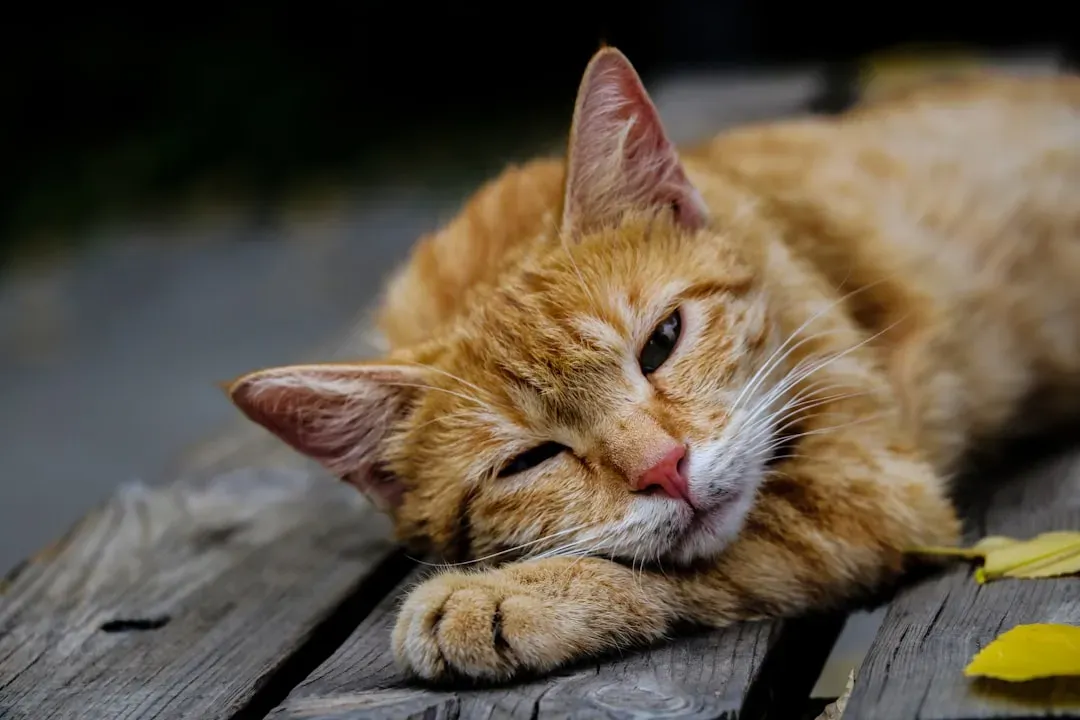
Cats regard purring as a comforting sound, so it makes sense that they might use it to comfort themselves in times of trouble. This self-soothing function reveals just how complex purring really is. Your cat isn’t just making noise; they’re actively regulating their own emotional state.
Purring may help reduce stress and anxiety in cats, and the act of purring can be self-soothing, much the way people feeling anxious hum or sing to themselves, helping cats cope with stressful situations like new environments or unfamiliar animals. Next time you hear your cat purring in what seems like an uncomfortable situation, remember they’re using one of nature’s most elegant coping mechanisms.
Health Benefits for Humans Too
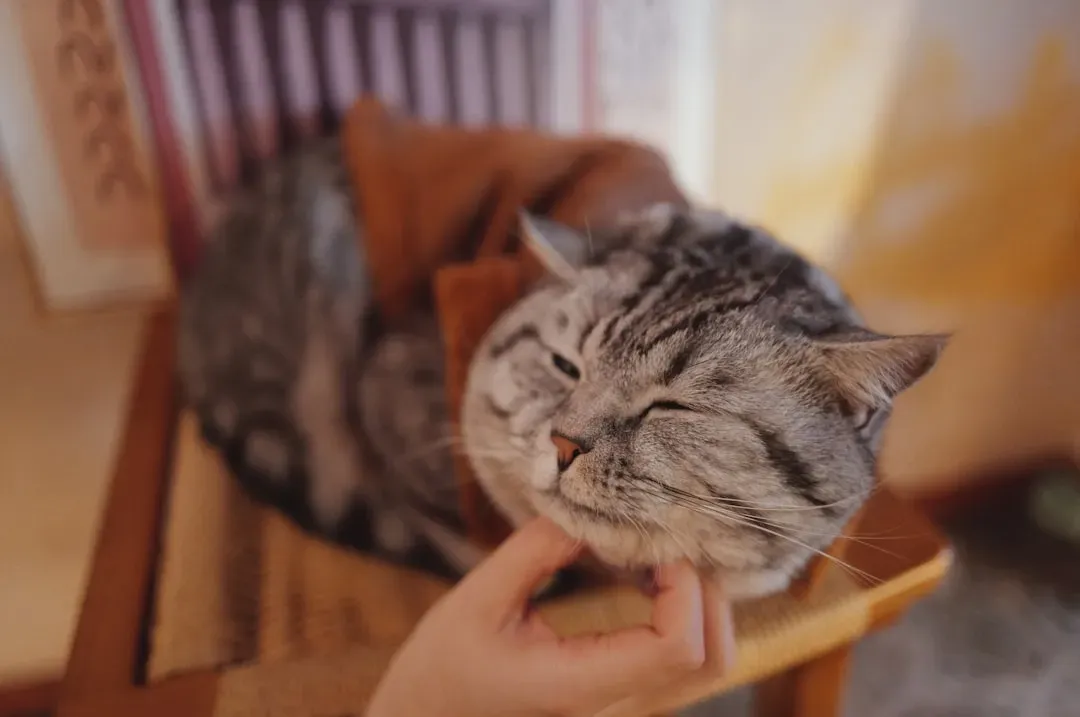
Here’s where things get really interesting for us cat owners. Research suggests that the frequency of a cat’s purring, typically between 25 and 150 hertz, could have therapeutic effects on the body and mind. We’re not just imagining that calming effect.
Petting a cat or listening to their purring triggers the release of oxytocin, a hormone that promotes happiness and reduces stress, and this calming effect lowers cortisol levels and can help alleviate pain. Some studies have gone even further. People are less likely to die of a heart attack if they own a cat. Whether that’s entirely due to purring or the overall calming presence of cats is still being researched, but the connection is there.
Distinguishing Between Different Types of Purrs
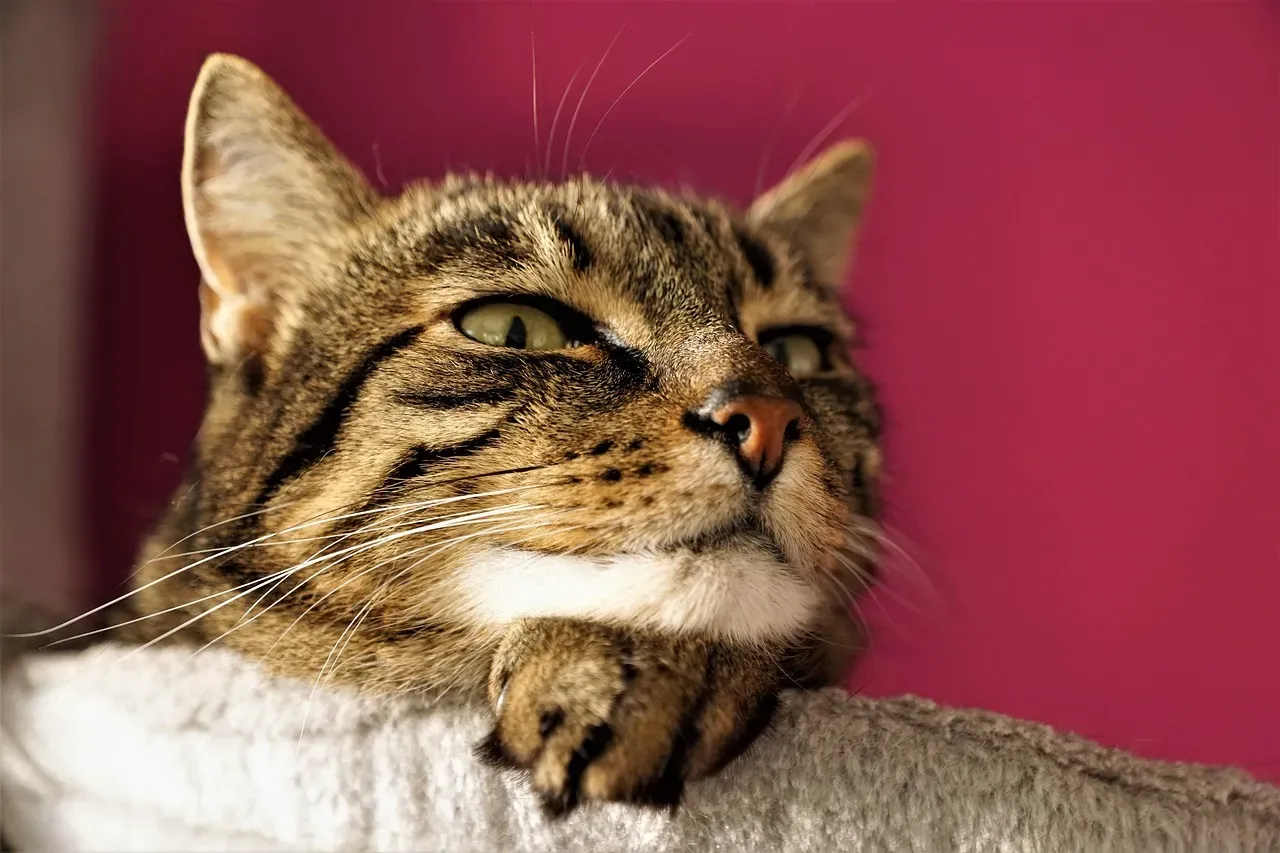
When cats are purring out of happiness, the purr tends to be lower pitched, while a stressed-out cat might have a higher-pitched purr. Learning to recognize these subtle differences takes time and attention, but it’s worth the effort.
Context matters enormously here. If your cat is having a cuddle with a familiar family member, twining around your legs as you make up their dinner, or grooming a companion cat, then the purr is likely a sign of contentment. Pay attention to their body language, ear position, and overall posture. These visual cues combined with the purr’s pitch and intensity will give you a much clearer picture of what your cat is actually communicating.
When Purring Should Concern You
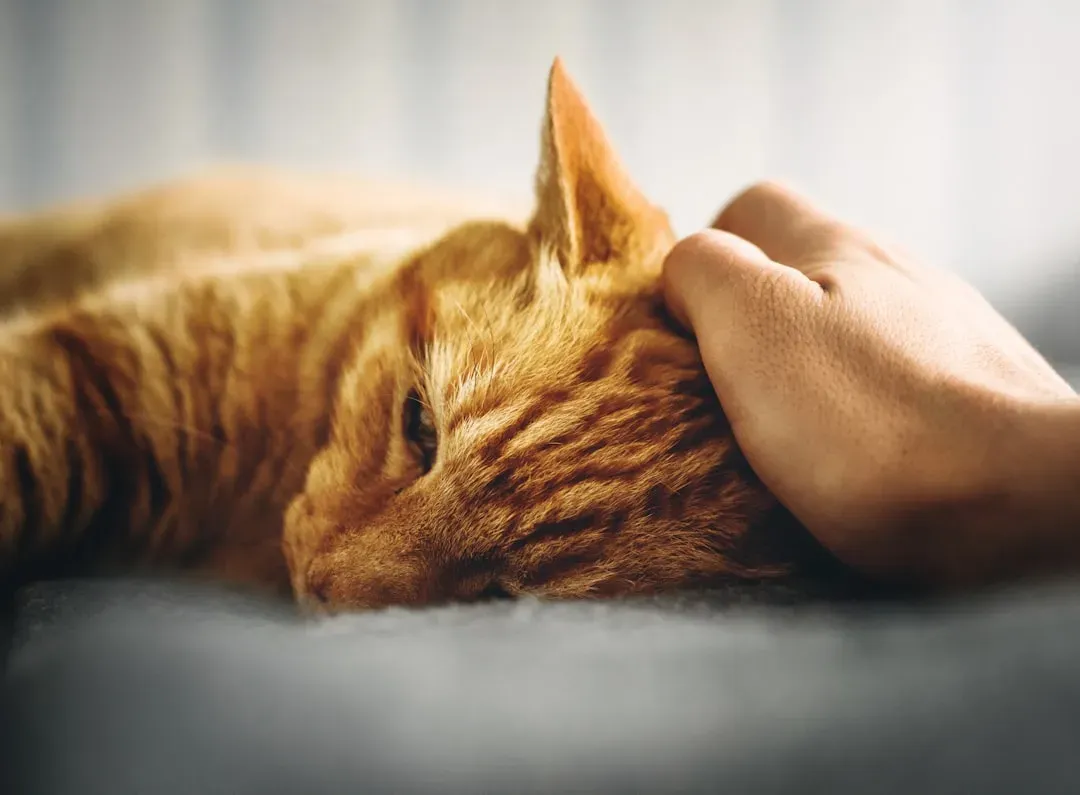
Sometimes purring accompanied by other symptoms requires immediate attention. Since cats sometimes purr to ease emotional or physical suffering, owners must be able to recognize when a purr signals trouble instead of happiness, especially if purring accompanies potential medical symptoms like excessive thirst or loss of interest in food.
If your cat changes their sounds, such as suddenly purring a lot more or less than usual, this could be an early sign that something is wrong. Trust your instincts as a pet owner. You know your cat better than anyone else. If something feels off, even if your cat is purring, don’t hesitate to consult your veterinarian. Cats are masters at hiding discomfort, and purring might be their way of coping with pain or illness.
Conclusion
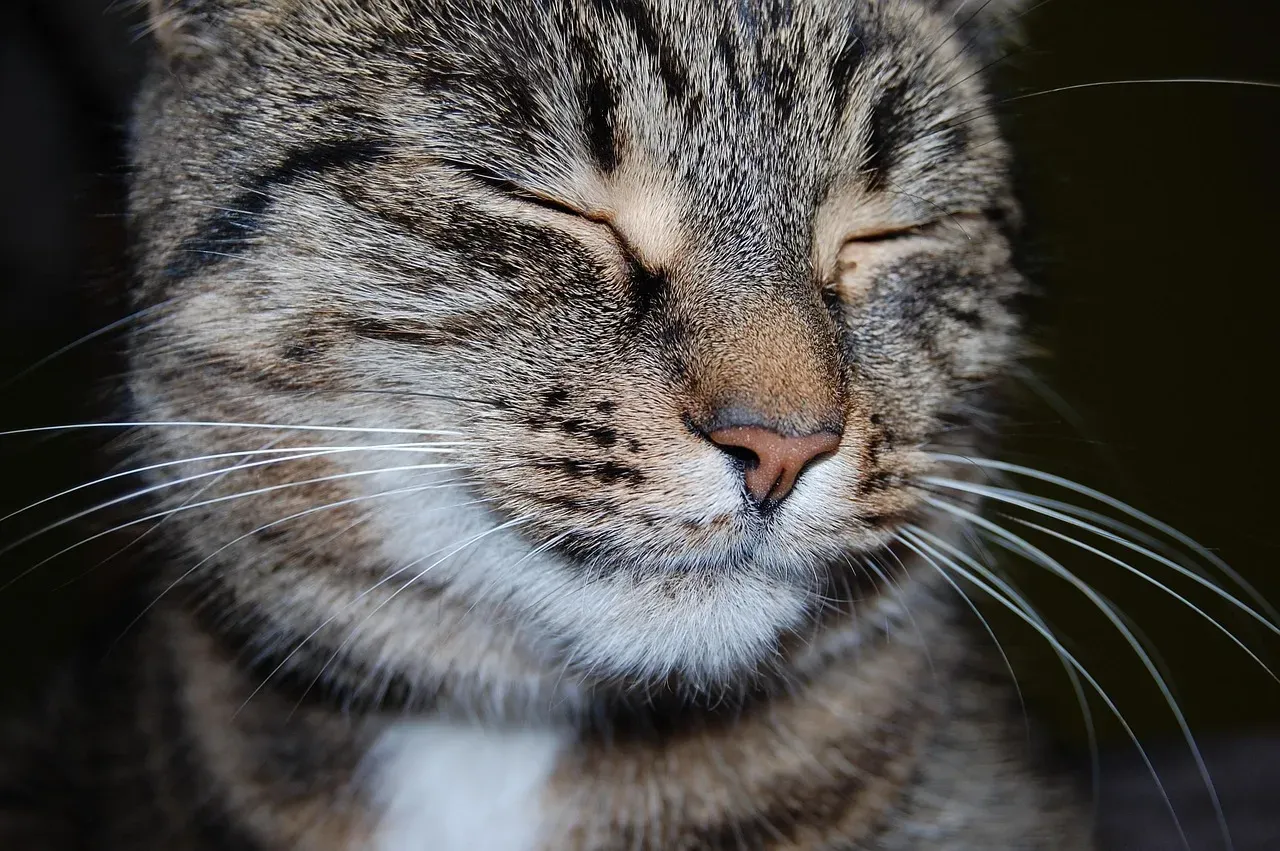
Your cat’s purr is so much more than a simple expression of contentment. It’s a multifaceted communication tool, a self-healing mechanism, a bonding ritual, and potentially even a source of health benefits for you. Understanding the complexity behind that gentle rumble helps us become better cat companions, more attuned to their needs and emotional states.
The next time your cat settles onto your lap and begins to purr, take a moment to really listen. Notice the pitch, the rhythm, the context. Look at their body language. Are their eyes half-closed in contentment, or are they tense and alert? Your cat is speaking to you in their own unique way, sharing something profound through those vibrations. What do you think your cat is really telling you when they purr? Share your experiences in the comments below.