If you’ve ever sat quietly on your couch while your cat curled up nearby and started purring, you’ve probably smiled and assumed everything was just fine in the world. And often, you’d be right. But here’s the thing – that soft, rhythmic rumble traveling through your cat’s chest is carrying a lot more information than you probably realize. It’s not just a sound. It’s a signal, a conversation, and sometimes even a survival tool.
Scientists have been studying feline purring for decades, and the deeper they dig, the more fascinating and layered this behavior turns out to be. From newborn kittens using vibrations to survive, to cats quietly manipulating your emotions mid-morning, the purr is one of the most extraordinary things happening right in your living room. So let’s dive in, because what you’re about to discover might completely change how you listen to your cat.
The Mechanics Behind the Rumble: How Your Cat Actually Purrs
Most people have never stopped to wonder how a cat physically makes that sound. The honest answer is that scientists are still debating the details, which says a lot about how genuinely complex this animal is. Most scientists agree that the larynx, the laryngeal muscles, and a neural oscillator are all involved in purring production. Think of it like a tiny built-in engine that runs almost automatically.
Purring sequences consist of alternating calls produced during exhalation and inhalation, with a fundamental frequency that can be as low as 30 Hz, remaining highly regular throughout the sequence. That’s remarkably low. For context, most sounds you hear in daily conversation sit well above 100 Hz. The purr, in comparison, vibrates at a frequency that you don’t just hear – you can actually feel it against your skin.
What makes the purr distinctive from other cat vocalizations is that it is produced during the entire respiratory cycle – inhaling and exhaling – while other vocalizations such as the meow are limited to the expiration of breath. That continuous, uninterrupted quality is part of what makes it so hypnotically soothing to the human ear. It’s the acoustic equivalent of a steady heartbeat.
Your Cat’s Purr Is a Vocal Fingerprint Like No Other
Here’s a genuinely surprising fact that even most cat lovers don’t know. A new study by researchers from the Museum für Naturkunde Berlin and the University of Naples Federico II shows that a domestic cat’s purr reveals far more about its individual identity than its meow. While meows are highly flexible and vary strongly depending on the situation, a cat’s purr remains stable and individually recognizable. Honestly, that’s remarkable.
Purrs achieved higher classification accuracy and encoded more information bits, meaning a single purr could distinguish many individuals reliably, while meows showed weaker identity signals. So while you’ve been paying close attention to your cat’s meows, the purr has been doing the more sophisticated work quietly all along. Together, these results highlight how domestication shaped the modern cat’s voice, turning the meow into a flexible communication tool while leaving the purr as a steady marker of individuality.
New research suggests that a cat’s purr is remarkably stable over time – less shaped by mood or situation and more by anatomy – making it something like a vocal fingerprint. So when you recognize the particular sound of your own cat’s purr compared to a neighbor’s cat, you’re not imagining it. You’re picking up on something genuinely distinct and biologically encoded.
Not Just Happiness: The Many Emotions Hiding in a Single Purr
Let’s be real. For most of us, a purring cat equals a happy cat. Simple. But the science tells a very different story. Many cat parents might think their feline friends purr solely when they’re happy. However, the act of purring is not exclusive to moments of pleasure. Cats also purr when they are in pain, anxious, or even when they’re on the brink of death. That can feel unsettling to learn, but it actually deepens your understanding of what your cat is trying to say.
Researchers have reframed the function of purring. Instead of seeing it as a simple declaration of “I am happy,” it’s more accurate to view it as a signal of intent – often a request for care or a signal of non-aggression. A cat purring at the vet may be trying to self-soothe or signal to the handler that it is not a threat. That reframing changes everything about how you read your cat’s behavior in stressful situations.
Purring isn’t always a sign of happiness. In some cases, cats purr when they’re stressed, anxious, or even unwell. This might seem contradictory, but there’s a compelling reason behind it. When a cat feels uneasy or experiences discomfort, purring can act as a natural coping mechanism. It’s a bit like how humans hum to themselves when nervous – a self-generated rhythm to ride out the storm.
The Solicitation Purr: When Your Cat Is Playing You (Brilliantly)
I know it sounds a little wild, but your cat may be actively manipulating your emotions with a specially engineered version of its purr. Research conducted at the University of Sussex identified something genuinely jaw-dropping. The “solicitation purrs” are based on the same low-pitched sounds that contented cats make, but embedded within them is a high-pitched signal that sounds like a cry or a meow. It’s this hidden signal that makes the purr of a hungry cat so irresistible to humans.
Domestic cats make subtle use of purring to solicit food from their human hosts, apparently exploiting sensory biases that humans have for providing care. When humans were played purrs recorded while cats were actively seeking food at equal amplitude to purrs recorded in non-solicitation contexts, even individuals with no experience of owning cats judged the “solicitation” purrs to be more urgent and less pleasant. Embedded within the naturally low-pitched purr is a high-frequency voiced component, reminiscent of a cry or meow, that was crucial in determining urgency and pleasantness ratings.
By employing such an embedded “cry,” cats appear to be exploiting innate tendencies that humans have for nurturing offspring. However, in this case the felines subtly bury their “feed me” messages in an otherwise pleasant purr. Honestly, you have to admire it. Your cat figured out how to press a biological button in your brain – without ever saying a single word.
The Mother-Kitten Bond: Where Purring Begins
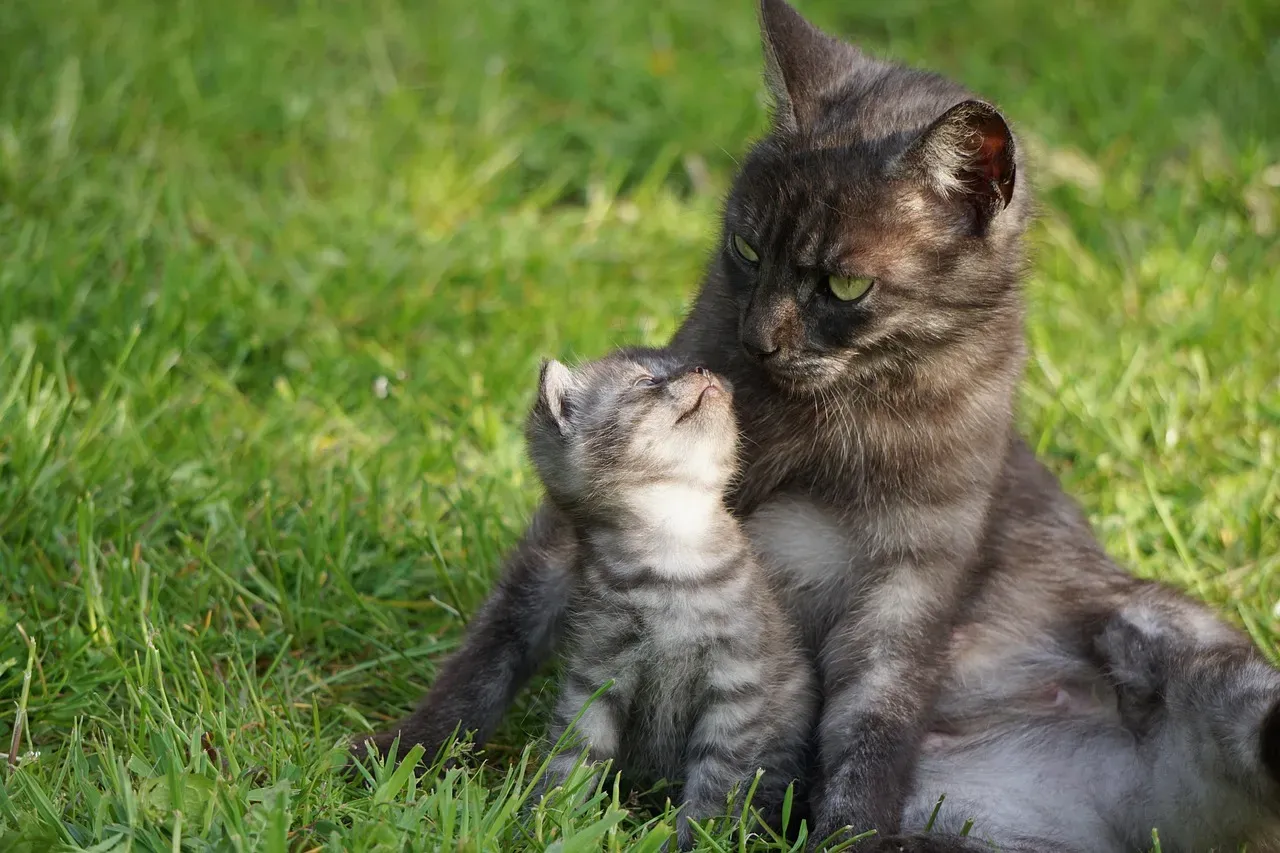
The story of the purr starts before a kitten can even see or hear the world around it. For newborn kittens, their mother’s purr is crucial to their very survival. Cats are born blind and deaf but can feel vibrations, which is where the purr comes in – it leads the babies to mom’s body for both nursing and warmth. Think about that. Before language, before sight, before sound – there’s the vibration of a purring mother guiding her young safely home.
Kittens learn how to purr when they are a couple of days old. Veterinarians suggest that this purring tells their mother that they are okay and that they are here, also indicating a bonding mechanism between kitten and mother. It’s one of the earliest forms of communication in the animal kingdom – a two-way conversation conducted entirely in vibration.
This early form of communication strengthens the bond between kittens and their mother. It also helps shape how kittens interact with humans and other animals later in life. Cats that were petted and socialized from a young age tend to continue purring during positive interactions well into adulthood. So when your adult cat purrs while you pet it, part of what you’re seeing is a behavior that was literally wired into it from birth.
Purring as a Self-Healing Mechanism: The Cat’s Inner Doctor
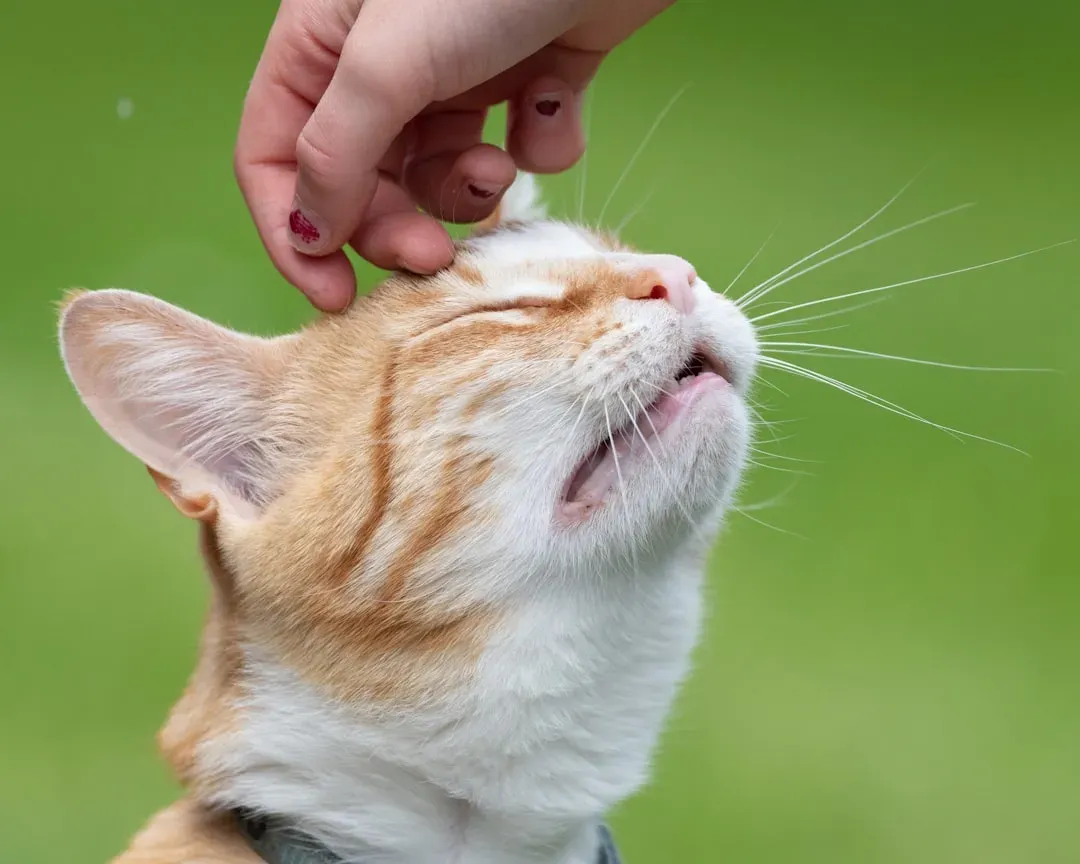
This is the part that absolutely blew my mind. Cats may be using their purr to physically heal themselves from the inside out. Dr. Elizabeth Von Muggenthaler has suggested that the purr, with its low frequency vibrations, is a “natural healing mechanism,” linked to the strengthening and repairing of bones, relief of pain, and wound healing. It sounds almost too good to be true, but the evidence is compelling.
Purr frequencies correspond to vibrational and electrical frequencies used in treatment for bone growth and fractures, pain, edema, muscle growth, joint flexibility, and wounds. Domestic cats, servals, ocelots, and pumas produce fundamental or strong frequencies at exactly 25 Hz and 50 Hz, the two low frequencies that best promote bone growth and fracture healing. That’s not a coincidence. That’s evolution doing extraordinary work.
Because cats have adapted to conserve energy via long periods of rest and sleep, it is possible that purring is a low energy mechanism that stimulates muscles and bones without a lot of energy. It’s like a living ultrasound machine that runs all day long. Cats are well-known for their ability to heal quickly from their own broken bones, and the incidences of joint problems and bone cancer in cats are low. The legend of nine lives might have a very real, very vibrational explanation.
How Your Cat’s Purr Can Actually Benefit Your Health Too
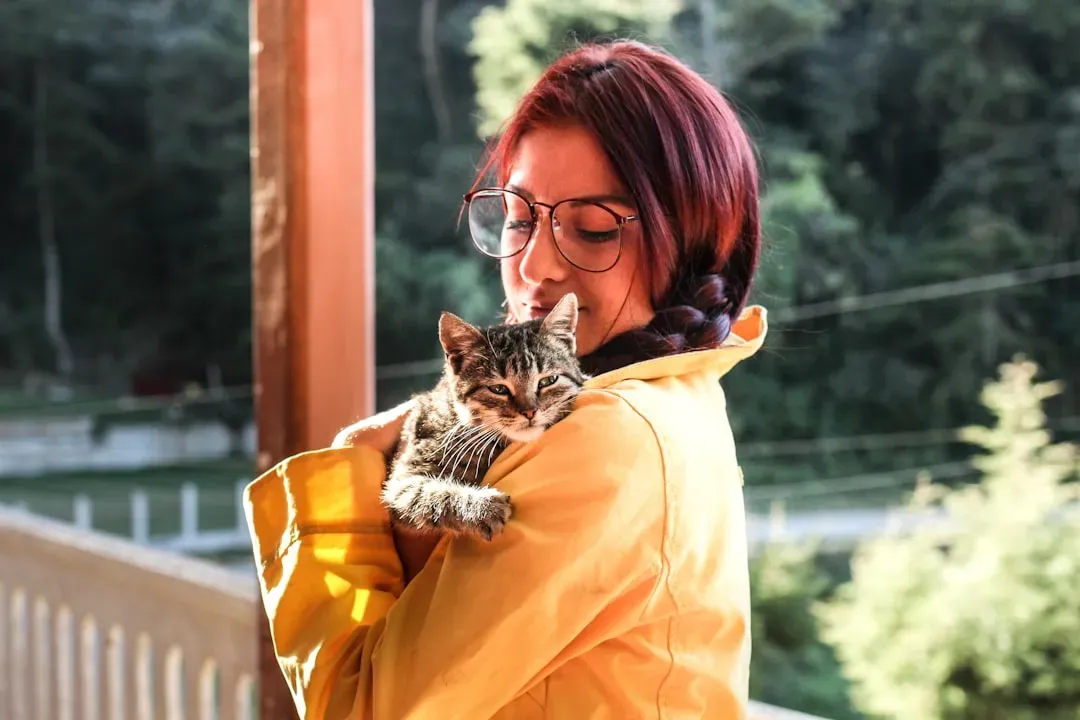
You might want to start thinking of your cat as a walking, purring piece of therapeutic equipment. Research suggests that the frequency of a cat’s purring – typically between 25 and 150 hertz – could have therapeutic effects on the body and mind. That’s the same frequency range used in medical vibration therapy devices that professionals recommend for bone and tissue healing.
The soothing vibrations of a cat’s purr can help regulate the autonomic nervous system, which controls involuntary bodily functions like heart rate and breathing. By lowering stress and triggering the body’s relaxation response, purring promotes a sense of calm, balance, and emotional well-being. You’re not imagining that feeling of melting into your couch when your cat settles onto your lap.
Petting a cat or listening to their purring triggers the release of oxytocin, a hormone that promotes happiness and reduces stress. This calming effect lowers cortisol levels – the stress hormone associated with high blood pressure – and can help alleviate pain, easing chronic discomfort. So next time someone teases you for letting your cat sleep on you, tell them it’s therapy. Because scientifically, it actually is.
Purring, Domestication, and the Evolution of a Secret Language
Here’s where things get philosophically interesting. Your cat’s purr isn’t just a behavior. It’s a testament to thousands of years of co-evolution between cats and humans. Cats that live in close contact with people often purr more frequently than feral or outdoor cats. This suggests that domesticated cats have adapted their purring behavior to interact more successfully with humans. In a way, they’ve learned to speak our language through a sound that’s difficult to ignore.
When researchers analyzed wild feline DNA – including species like the serval, leopard cat, and the ancestral wildcat of domesticated cats – they found none carried a longer version of a specific gene variant linked to reduced vocalization. That genetic evolution likely occurred after cats were domesticated, and potentially because they were domesticated. In other words, living with you literally changed your cat’s biology.
The purring mechanism is believed to have evolved to serve multiple adaptive functions, including strengthening social bonds within cat colonies, facilitating healing after injury or illness to increase survival chances, and signaling non-aggression or reassurance in social interactions. So every gentle rumble you hear from across the room carries the weight of millennia behind it. That’s something worth sitting with.
How to Read Your Cat’s Purr Like a Pro
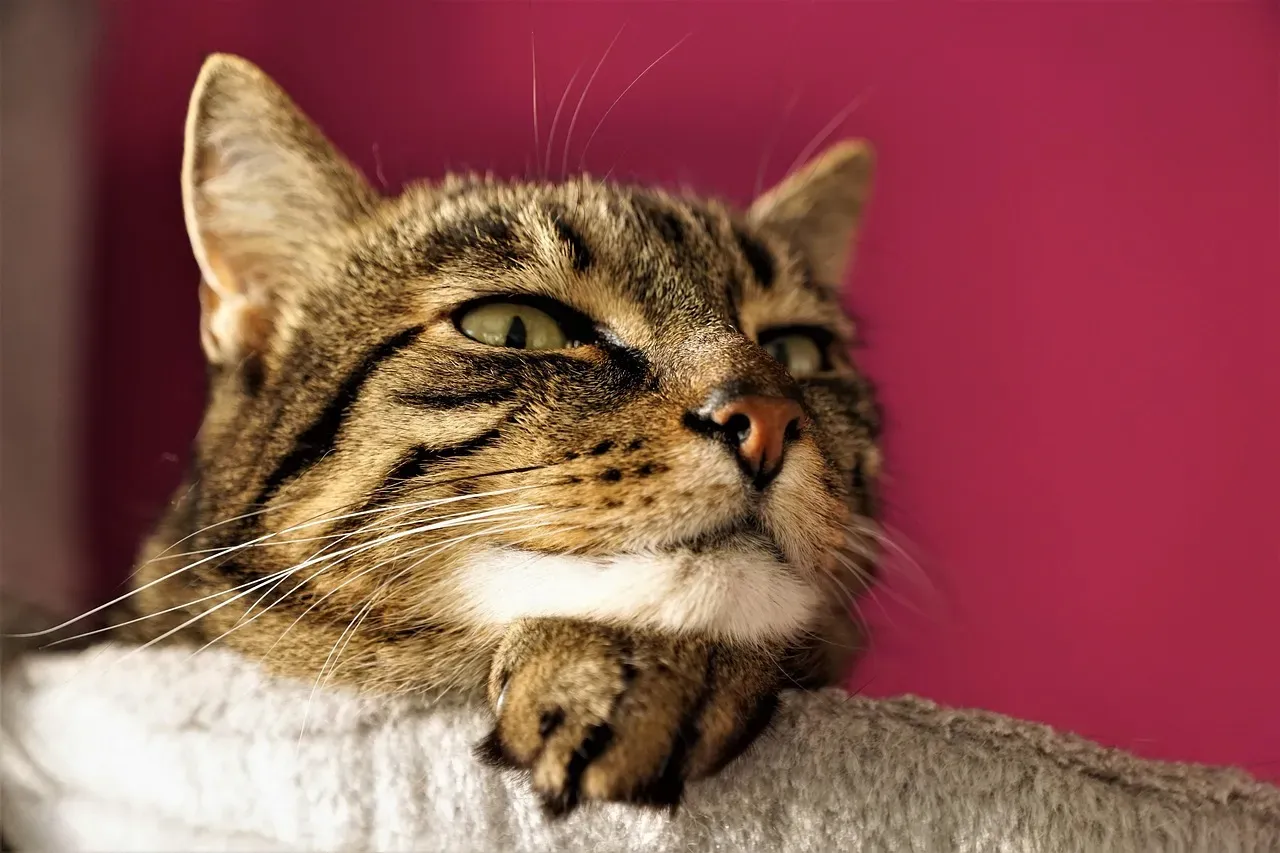
Now that you know the purr is a multi-layered message, the real question is how to decode it in real time. The key, honestly, is context. The key to understanding your cat’s purr is to stop thinking of it as a single emotion and start viewing it as a versatile communication tool. To decode its meaning, you must become a student of context. Watch everything around the sound – not just the sound itself.
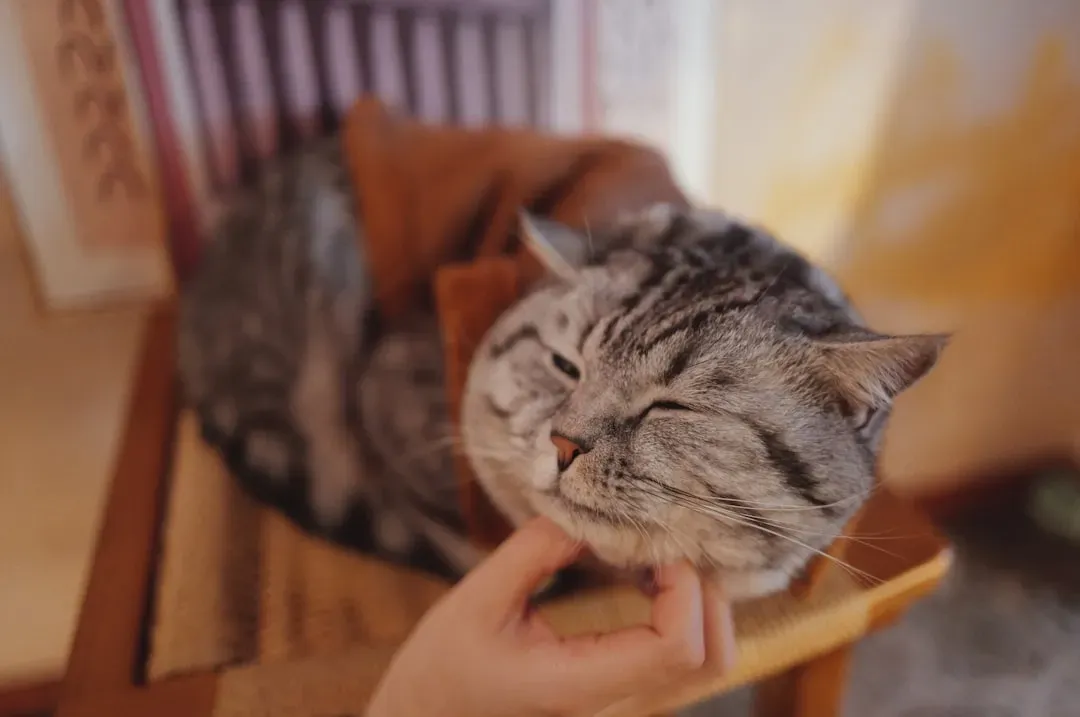
Observe your cat’s overall body language: a contentment purr is accompanied by a relaxed posture, slow blinks, and perhaps kneading with the paws. A solicitation purr is often louder and more insistent, paired with behaviors like rubbing against you or leading you toward the food bowl. A pain or distress purr may occur with a tense, hunched posture, flattened ears, or hiding. Once you train yourself to notice these differences, you’ll be amazed at how much your cat has been saying all along.
Purring accompanied by signs of distress – such as changes in appetite, increased hiding behavior, decreased activity, or unusual vocalizations like hissing or growling – can indicate underlying pain or significant stress. Cats are remarkably skilled at concealing pain, which means even seemingly subtle changes can signal important health concerns. When in doubt, trust your gut. If something feels off, it probably is worth a vet visit.
Conclusion: Start Listening More Closely
Your cat has been trying to talk to you this whole time. Every purr carries information – about identity, emotion, need, pain, trust, and history. It is a sound shaped by millions of years of evolution, refined through thousands of years of life alongside humans, and directed at you with remarkable intention. The more you understand it, the richer your relationship with your cat becomes.
Whether your cat is curled up in contentment, running a quiet internal healing session, or craftily embedding a hunger signal into what sounds like a harmless purr, every rumble deserves your full attention. Whether your cat is basking in a sunny spot or seeking comfort during a vet visit, the purr is always telling you something – it’s up to us to listen closely. The next time your cat starts purring, pause for just a moment before assuming you already know what it means. You might be surprised by what you hear.
What does your cat’s purr sound like today – and what do you think it’s really trying to tell you?