You’ve probably watched your cat knock a perfectly stable object off the kitchen counter, stare at a blank wall for five whole minutes, or squeeze itself into a shoebox meant for a toddler – and thought, “What on earth is going on in that little head?” Honestly, same. Living with a cat can sometimes feel like sharing your home with a tiny, furry creature who follows a completely different rulebook. One that nobody gave you.
Here’s the thing though: that rulebook exists. Every tail twitch, every maddening midnight sprint, every slow, deliberate blink – it all means something. Your cat isn’t weird. Well, okay, your cat is weird. But there’s brilliant, ancient logic behind almost every quirky thing they do. Get ready to see your feline companion in a whole new light. Let’s dive in.
The Art of Kneading: Your Cat Is Making Emotional Biscuits
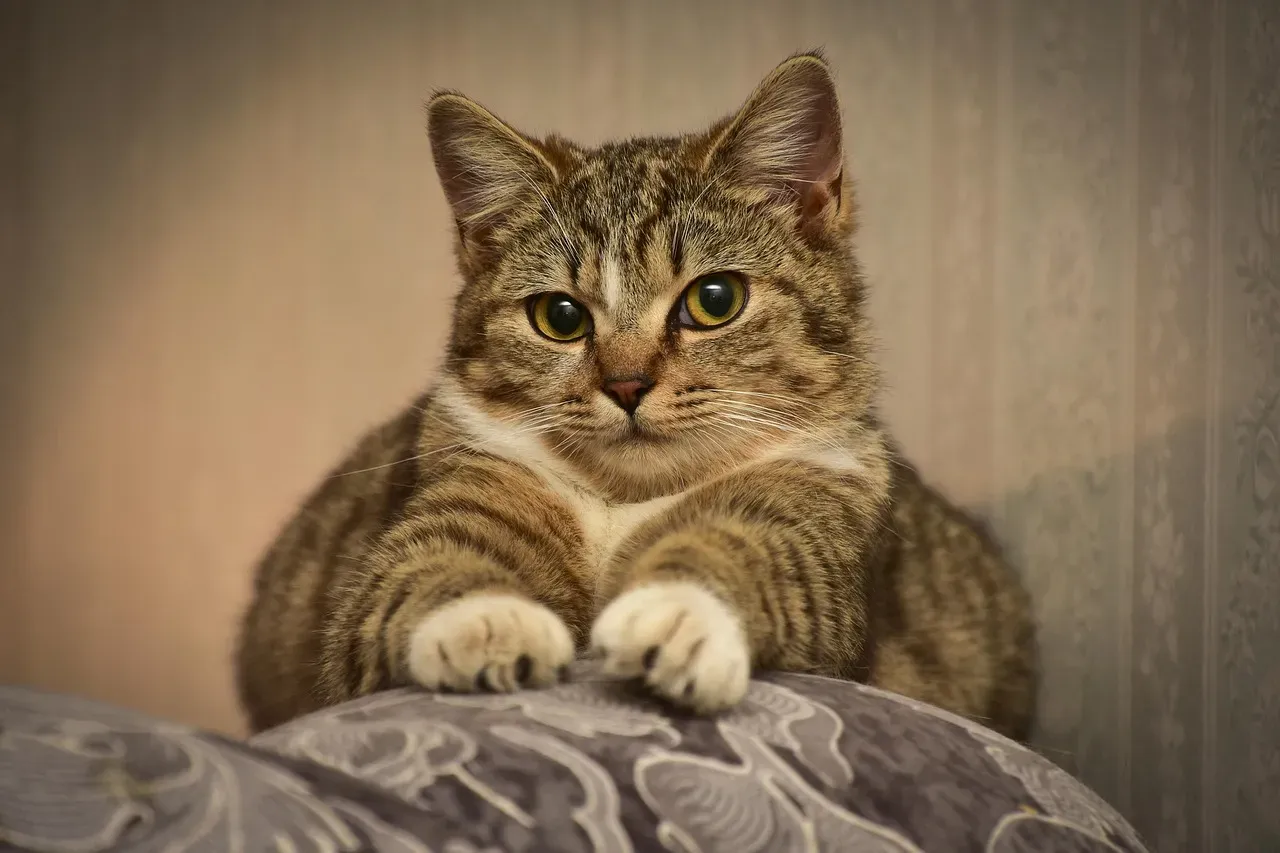
If you’ve ever had your cat rhythmically press their paws into your lap like a tiny baker preparing dough, you’ve witnessed one of the most endearing feline behaviors there is. When your cat is “making biscuits,” they’re showing one of the most adorable and common cat behaviors linked to comfort and affection – formally known as kneading. It’s not random. Not even close.
Kittens knead while nursing to stimulate milk flow from their mom – which could even explain why some cats drool a little when kneading, because they’re reminded of drinking milk. Think of it like this: when your adult cat kneads on you, you’ve essentially become their mom. A little weird? Maybe. A massive compliment? Absolutely.
Wild feline ancestors would knead tall grass to create a resting place, and this behavior may be part of a cat’s natural instinct – kneading can be a cat’s way of “making their bed” before they lay down. So the next time those little paws dig into your thighs, just know that your cat is both comfort-seeking and homemaking, all at once.
Another reason may be that for cats, what’s theirs is theirs – and they have certain ways of making this known. Cats also knead to mark their territory, using the scent glands in their paws to say “this is mine!” You, dear cat parent, have officially been claimed.
Knocking Things Off Surfaces: Your Cat Is a Genius Troublemaker
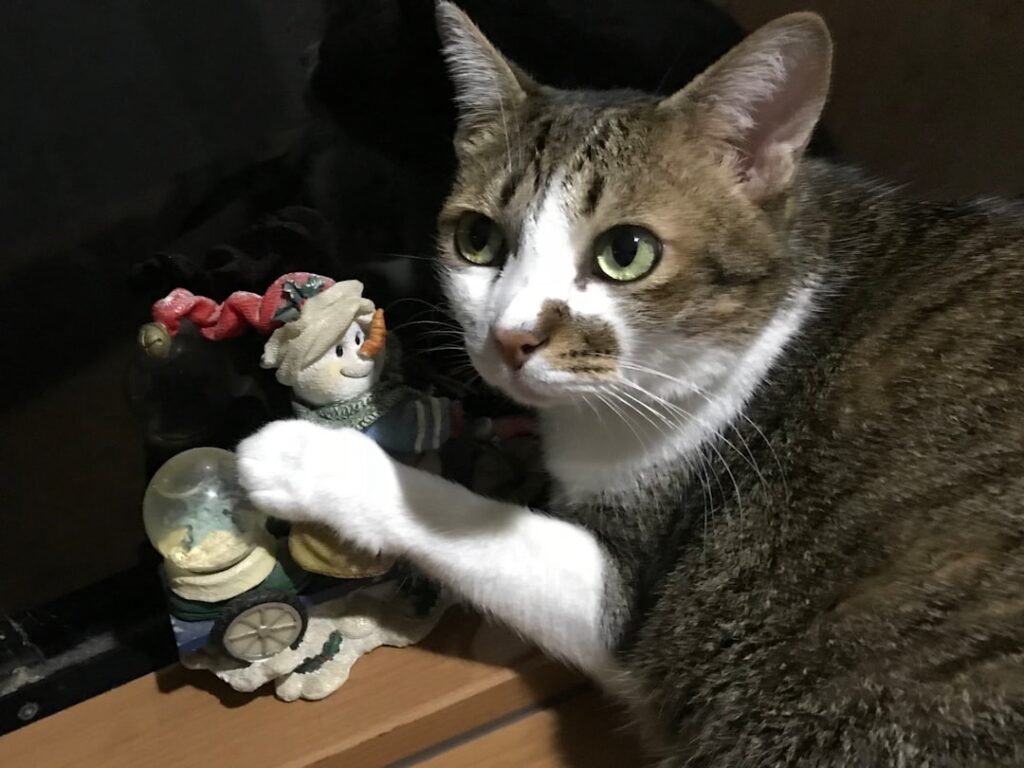
You place your glass of water on the desk. Your cat walks over, makes direct eye contact with you, and flicks it off the edge without breaking that stare. Infuriating. Iconic. Deeply intentional. There’s no one clear reason why cats seem to love knocking things over, but most cat behavior analysts believe this behavior has its roots in cats’ instinctual desire to hunt – by knocking things over, they can satisfy a bit of that craving.
Wild cats are predators, and domesticated cats, descended from wild cats, retain some hunting instincts. They might perceive an object as prey – knocking it over or batting can act as a simulated hunting process. That coffee mug you love? It’s basically a tiny gazelle to your cat’s predatory brain.
Simple curiosity can also play a role, and your cat might constantly knock things over while you’re around because they’ve learned that you’ll always come over when they do that. In other words, your cat has reverse-trained you. You react, they repeat. You’ve been outsmarted by a creature that naps eighteen hours a day. I think that’s actually impressive.
Cats can also throw temper tantrums when they are bored – cats that need a lot of mental stimulation like Maine Coons and Savannahs might knock things over just to do it, for pure entertainment value. The solution isn’t scolding. It’s enrichment. Puzzle feeders, interactive toys, and high perches are your best friends here.
The Slow Blink: Your Cat Is Literally Blowing You a Kiss
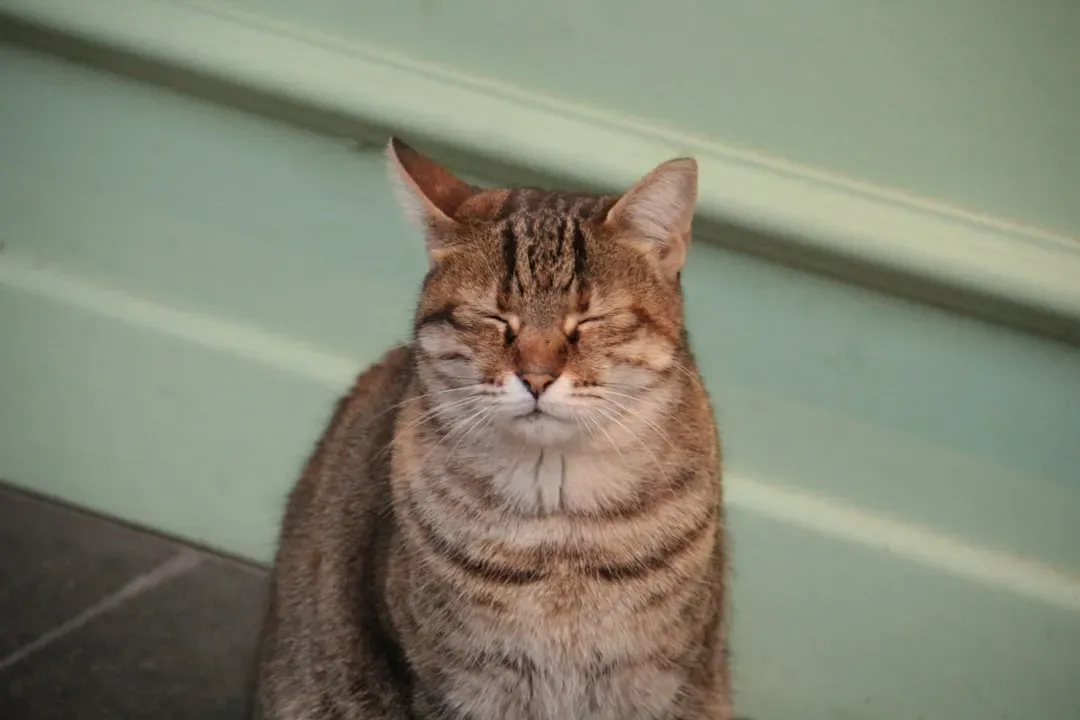
There’s something profoundly moving about this behavior when you understand it. Your cat sits across the room, locks eyes with you, and then slowly, almost lazily, closes and reopens their eyes. It looks casual. It’s actually an act of deep trust. Cats blink slowly as a form of nonverbal communication, often interpreted as a sign of trust and affection – because cats are naturally cautious creatures, and when they close their eyes, even momentarily, it shows that they feel safe and secure in your presence.
In a 2020 study, researchers found that cats were more likely to slow blink after their owners slow blinked at them. They took it a step further by leaving the cat alone with a researcher whom the cat didn’t know – and the researcher slow blinking led to the cat approaching the researcher’s outstretched hand. Science confirmed it. The slow blink works across the species barrier.
Cats slow blink only with their most trusted family members, so it’s a sign of a strong cat and pet parent bond. So the next time your cat gives you that lazy, half-lidded look, don’t mistake it for indifference. Slow blink right back. You’re having a conversation. A very quiet, very meaningful one.
The Zoomies: Your Cat’s Frenetic Burst of Wild Energy
It’s 2 AM. The house is silent. You’re deeply asleep. Then – thunder. Your cat launches from one end of the hallway to the other at full sprint, ricochets off the sofa, skids across the kitchen tiles, and disappears under the bed. This is the zoomies, and it’s gloriously, hilariously normal. According to the Oakland Veterinary Referral Services, zoomies are more formally known as frenetic random activity periods (FRAPs), and both cats and dogs can experience them – these periods are completely normal and can have a number of causes.
These sudden bursts of energy where cats sprint around the house are completely normal and are a way for cats to release pent-up energy. Think of it as your cat’s version of hitting the gym. A very dramatic, very chaotic gym with no equipment except your furniture.
Some cats seem to sleep all day and play all night, which might be because they don’t have enough to do during the day – and it can also be a habit they retained from their ancestors who liked to hunt in low light to take advantage of their keen eyesight. Cats are crepuscular by nature, meaning dawn and dusk are their prime time. Your 3 AM track meet? Perfectly timed by evolution.
Obsession With Boxes: Your Cat Has Found the Perfect Fortress
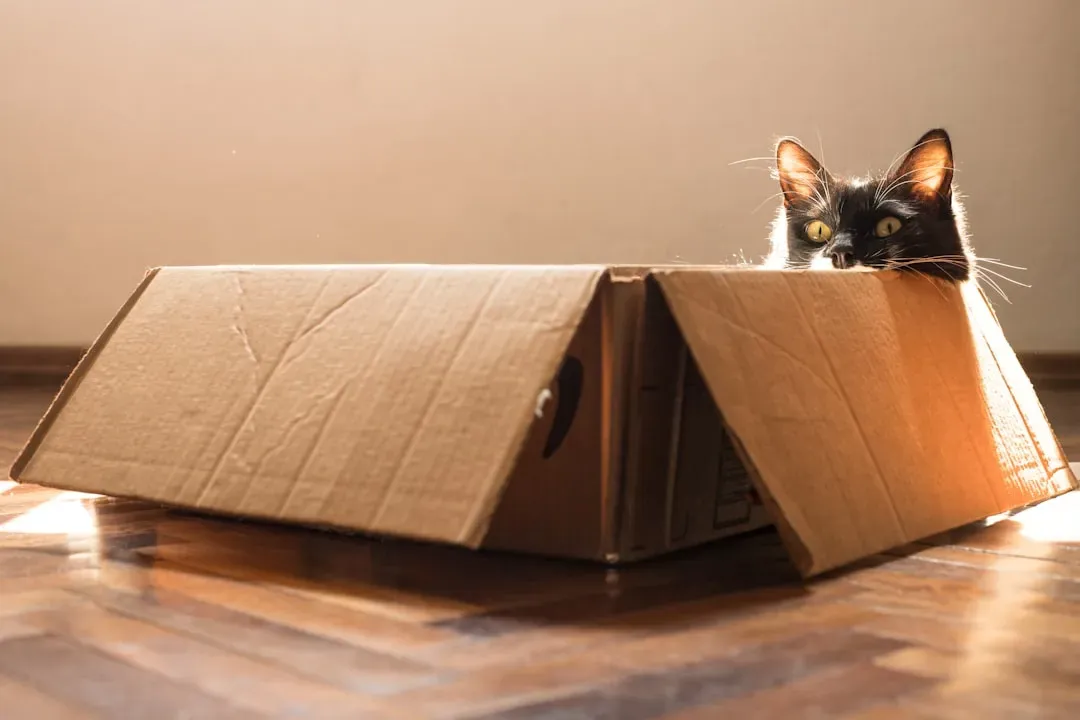
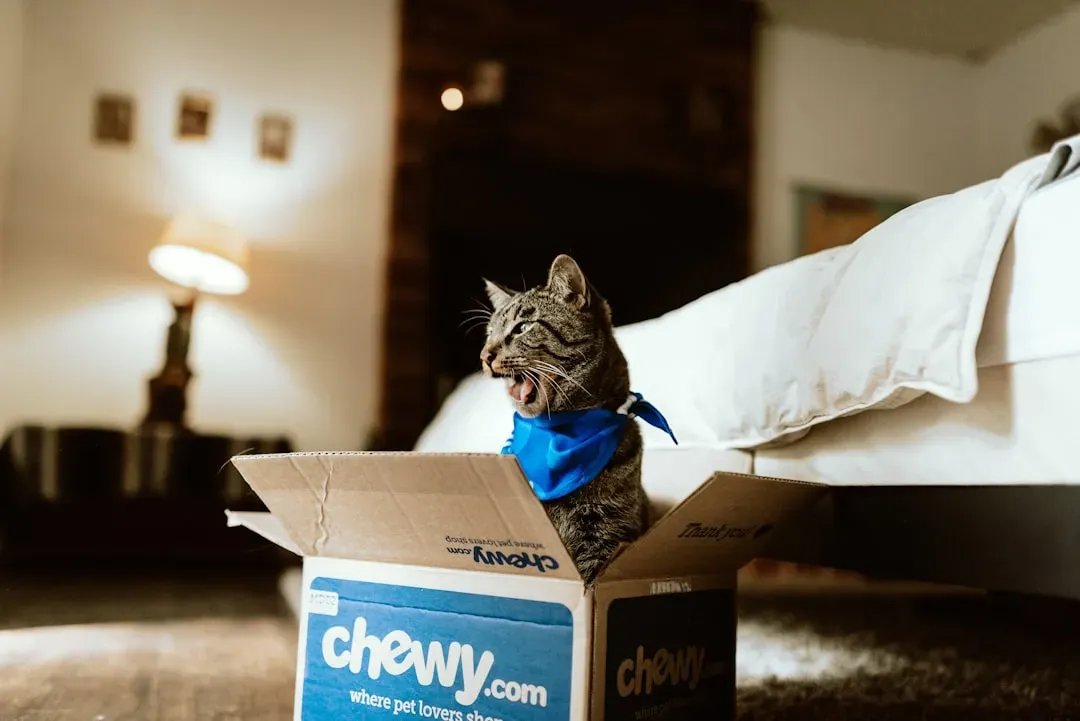
You spend a small fortune on a plush, cushioned cat bed. Your cat ignores it completely and climbs into the Amazon delivery box sitting next to it. You are not alone in this experience. Despite differing personalities and energy levels, all cats can get something out of a well-placed box – one crucial benefit relates to their hunting instincts, as cats that roam free occupy a delicate midpoint in the neighborhood food chain where they are both predator and prey.
Cats’ love for boxes has deep-seated psychological reasons: boxes simulate the confined spaces of a den or hiding spot in the wild, offering a retreat from the outside world where cats can observe their surroundings while feeling protected. It’s essentially a surveillance bunker. With cardboard walls.
Multiple studies have shown that stress hormones like cortisol are reduced in newly rescued cats when they are given access to a box. That’s not a minor finding – it means something as simple and free as an empty cardboard box can genuinely improve your cat’s wellbeing. Small spaces also trap body heat, something cats adore – whether it’s a box, a laundry basket, or a drawer, cats instinctively curl up in spots that offer consistent warmth. Warmth, safety, and a hunting post? The cardboard box is basically a five-star resort for cats.
Staring at “Nothing”: Your Cat Can See What You Can’t
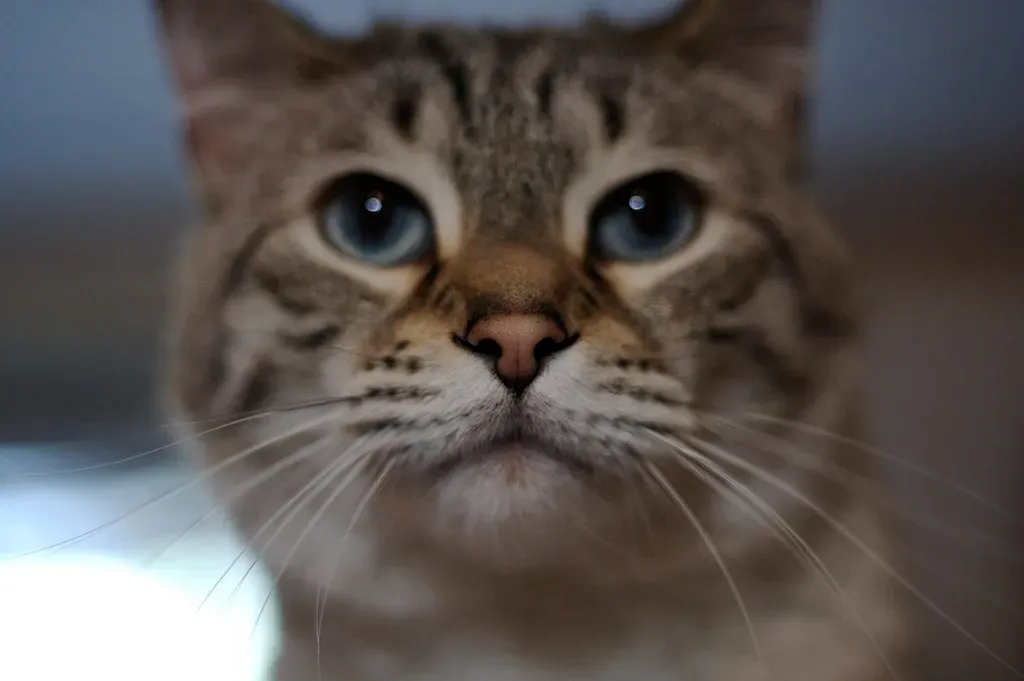
Your cat sits completely still, staring intensely at a blank corner of the ceiling. No bug. No light. Nothing. You start to wonder if your house is haunted. It probably isn’t. Your cat just has sensory superpowers that you lack. Their hearing range is about four times higher than ours, and they have one of the widest hearing ranges of all mammals – they also have a stronger sense of sight than humans, as they can see better in the dark and even detect UV light. So your kitty may stare at things that they see and hear, but that you can’t detect.
Some cat staring is just their natural biology – cats only blink two to five times per minute, while humans blink fifteen to twenty times per minute. So what looks like an intense, unnerving stare to you is actually just your cat’s normal resting expression. They’re not plotting. They’re just… watching.
Cats likely stare because they want something, such as attention, playtime, or food. So that soulful gaze your cat gives you at 7 AM? Probably just breakfast. A study by Animal Cognition revealed that cats look to their owner in the presence of possible danger to know how to react – just as children gauge the severity of a situation by their parents’ reaction, your fur kid could be doing the same. Turns out, your cat looks to you for reassurance more than you’d think.
Headbutting and Rubbing: Your Cat Is Claiming You as Their Own
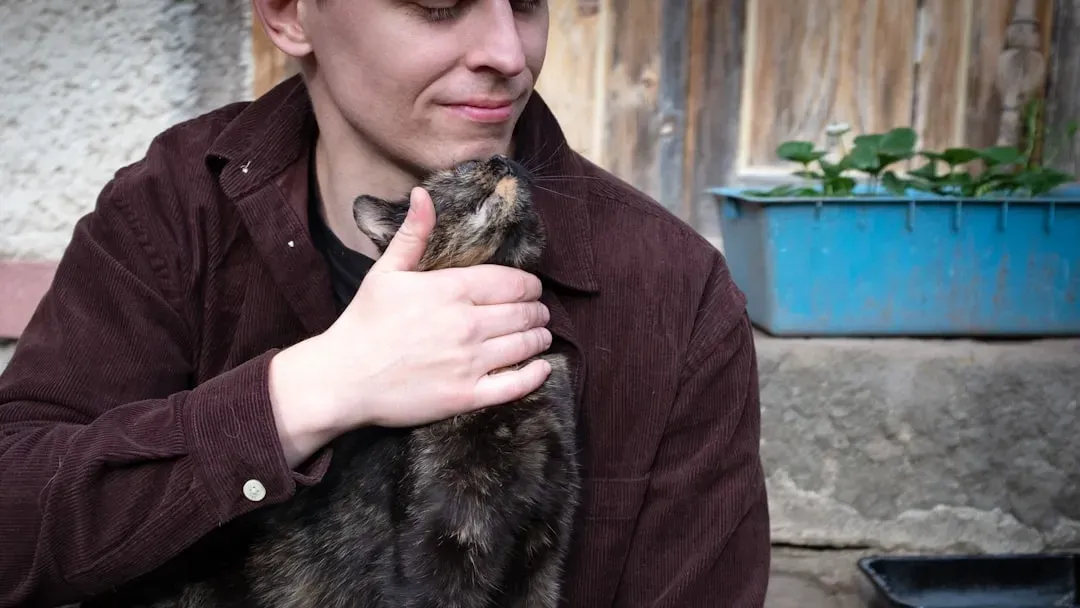
Your cat walks up to you, presses their forehead firmly into your shin, and rubs their cheek along your leg. It feels like affection – and it is – but there’s a possessive, strategic layer underneath that makes it even more fascinating. When a cat butts its head against you, it is most likely indicating that it feels safe with you – cats have scent glands on their foreheads, chins, and cheeks, and when they push their heads up against you, this releases pheromones that signal to other cats that a person or place is theirs. This behavior, called bunting, can also be a way to reduce stress, express affection, and receive comfort.
These behaviors are thought to be a way of marking territory – facial marking behavior is used to mark their territory as “safe,” and the cat rubs its cheeks on prominent objects in the preferred territory, depositing a chemical pheromone known as a contentment pheromone. In other words, your cat sprays invisible love chemicals all over your ankles. Romantic, in a very feline way.
When your cat bops you with their head, they’re saying “I love you!” – they also have pheromones in their cheek areas that mark you as their possession. You are their territory. Their prized, cherished, headbutt-worthy territory. Honestly, there are worse things to be claimed by.
Fascination With Running Water: Your Cat Doesn’t Trust Your Water Bowl
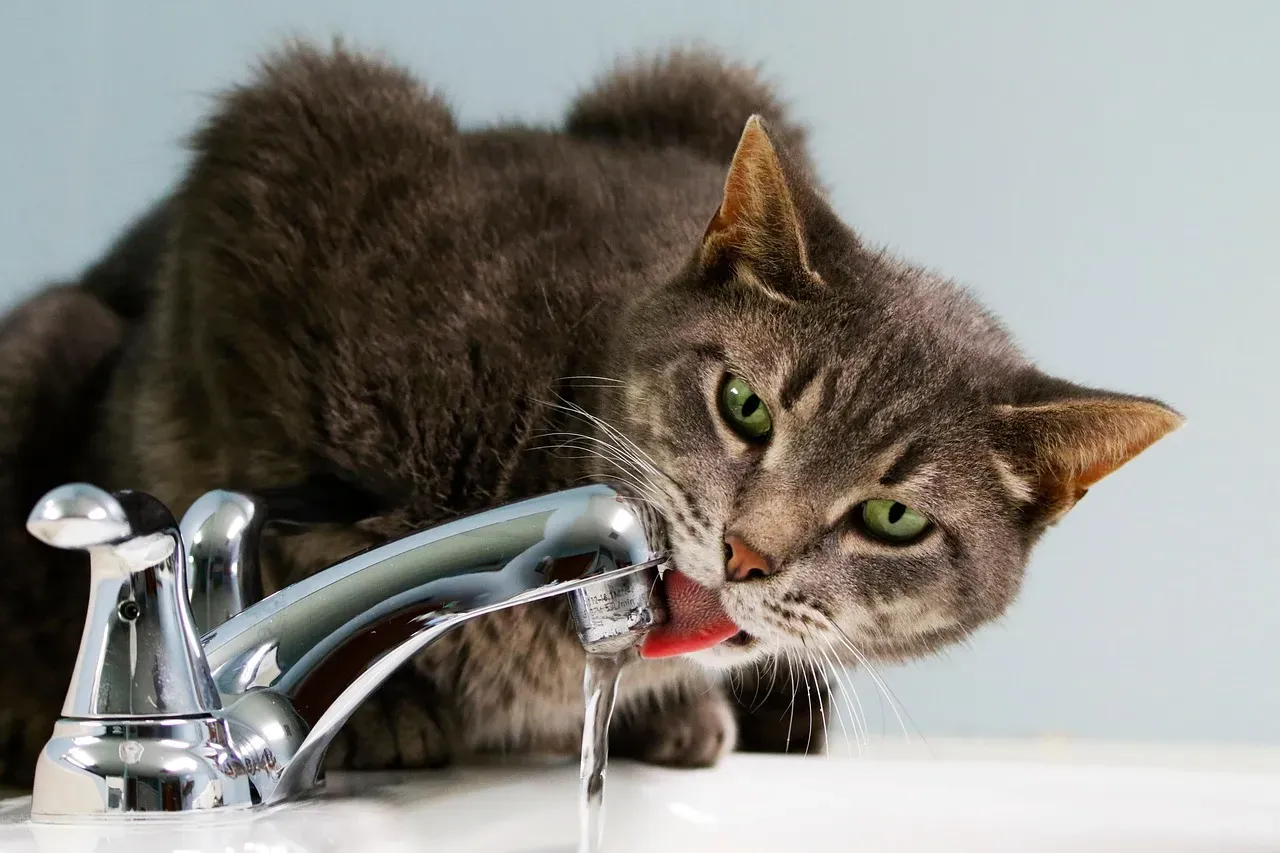
You fill the bowl. Fresh water. Clean bowl. You place it down proudly. Your cat sniffs it, looks at you with mild contempt, walks to the kitchen sink, and paws at the faucet. This is not ingratitude. This is evolution in action. To understand why cats love running water, it helps to look at their wild ancestors – domestic cats have evolved from African wildcats, which naturally look for fresh, flowing streams to drink from, since running water is generally cleaner and safer than stagnant pools, which could be contaminated or harbor disease.
Cats are intrigued by the noise and reflection that moving water makes, which activates their prey drive – and from an evolutionary perspective, a cat’s instincts deem moving water as more likely to be fresh and uncontaminated than still water, just as a stream would be safer to drink from than a puddle in nature. So your cat isn’t being difficult about their water bowl. They’re being wise.
Many cats also avoid drinking water that’s placed right next to their food bowl – this behavior likely comes from their survival instinct, as African wildcats usually avoid eating their prey near their water source, because the water could become contaminated by the remains of the prey. So if you want your cat to actually stay hydrated, move their water bowl away from their food. It’s a small change with a big biological reason behind it.
Purring: It’s Not Just About Being Happy
You probably assume your cat purrs when they’re content. Curled up in a sunbeam, being stroked, lying on your chest. And yes, that’s often true. Purring is commonly associated with relaxation and contentment in cats, but cats also purr during activities such as eating and resting, as well as when they are experiencing stress, pain, or illness. That changes things, doesn’t it?
The purr is more complex than it appears. It’s not a simple “happy meter.” It’s a multi-purpose communication and self-regulation tool. Think of it the way humans hum to themselves – sometimes it’s joy, sometimes it’s self-soothing, sometimes it’s just background noise while you figure out what to do next. Many cats purr while kneading – they also purr mostly when newborn, when feeding, or when trying to feed on their mother’s teat, and the common association between the two behaviors may corroborate the evidence in favor of the origin of kneading as a remnant instinct.
Here’s something that actually blew my mind: research suggests the frequency at which cats purr, typically somewhere between 25 and 150 hertz, falls within a range that has been associated with bone healing and pain relief in various studies. So your cat may be literally using their purr to heal themselves. Cat purring is a way of expressing contentment and happiness – it allows adult cats to socialize with other cats and humans and to create a special bond between them. A healing vibration machine that also loves you? Cats are genuinely remarkable.
Conclusion: Your Cat Is Not Strange – They’re Strategically Brilliant
Every quirky habit your cat has tells a story – one written over thousands of years of evolution, survival, and adaptation. The kneading, the knocking, the slow blink, the box obsession, the 3 AM sprints. Our cats love us, amuse us, and sometimes downright confuse us – but while cats may be domesticated creatures and proud members of the family, they still possess similar instincts to their wild ancestors. That tension between wild and domestic is exactly what makes them so endlessly fascinating.
Understanding your cat’s behaviors is key to building a strong and harmonious relationship – by decoding their actions, you can better respond to their needs, provide appropriate care, and create a nurturing environment. Knowledge really does change everything. Once you understand that your cat’s “weird” habits are actually ancient, purposeful strategies, you stop feeling confused and start feeling genuinely connected.
So the next time your cat stares into the void, claims your freshly delivered package, or headbutts your shin at 6 AM, don’t be annoyed. Be amazed. You’re not living with a confused little house gremlin. You’re living with a brilliantly wired, emotionally complex, evolutionarily ancient creature who, against all odds, has chosen to share their kingdom with you. Now – which of your cat’s habits makes the most sense to you now? Tell us in the comments.