You’ve probably watched your cat navigate the house with that signature grace, wondering what’s going on behind those mysterious eyes. It turns out your feline companion is doing a lot more than just lounging around waiting for dinner. They’re actually maintaining their fitness through behaviors so subtle you might miss them entirely.
Here’s the thing: your cat is basically a tiny athlete in disguise, and they’ve got health habits that would put some of us humans to shame. Let’s dive into the secret fitness routine your whiskered friend is following right under your nose.
The Morning Stretch Ritual That’s Better Than Yoga
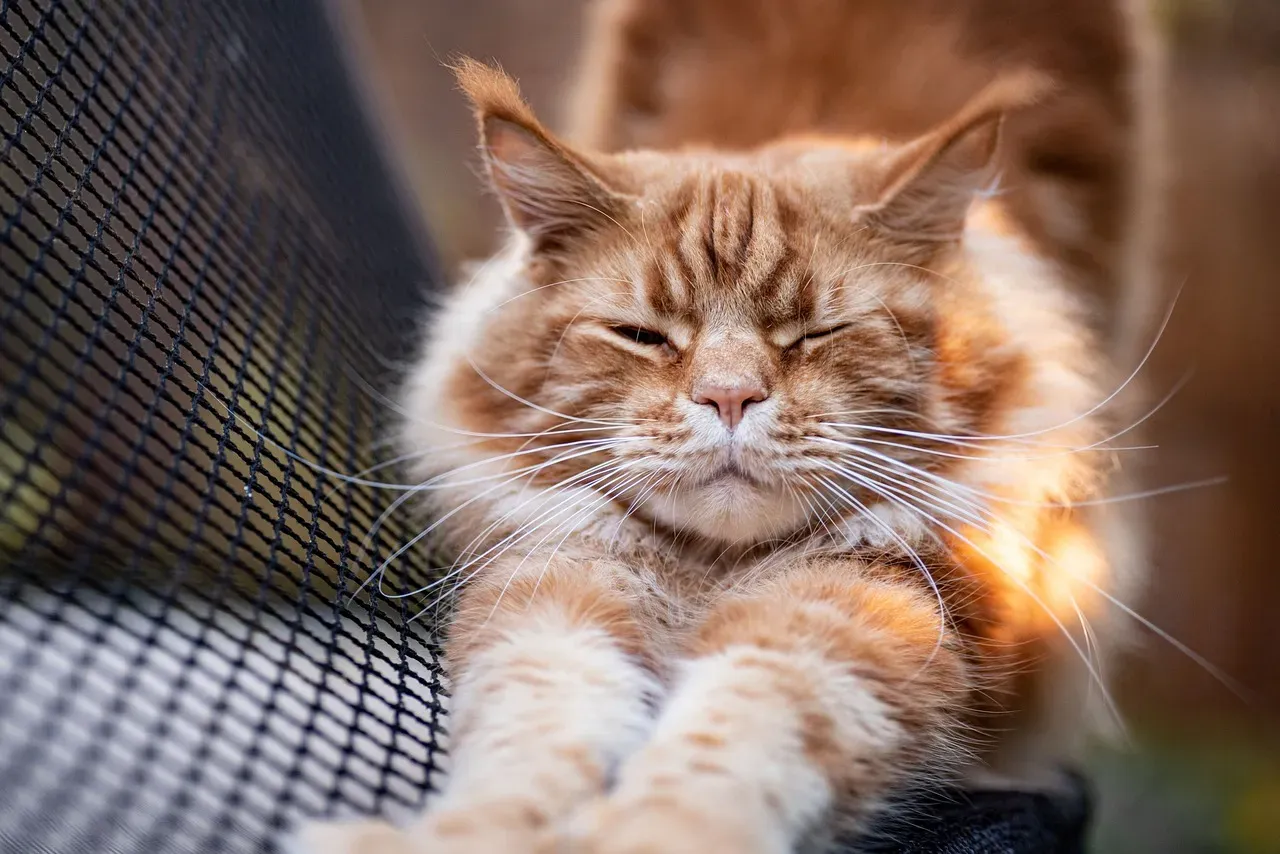
Your cat stretches frequently to maintain muscle flexibility, increase blood flow, and prepare their bodies for activity after periods of rest. That classic downward dog pose, where your cat extends their front legs while raising their rear end, isn’t just adorable. It’s a full body workout designed to wake up muscles and get blood pumping to vital areas.
After hours of deep sleep, a cat’s blood flow naturally slows down, and by stretching, cats help the body push oxygen to the muscles. Think of it as your cat’s personal morning coffee, except they’re doing it through movement instead of caffeine. The act of stretching also releases endorphins in cats, a brain chemical that leads to an overall improvement in their mood, helping relieve stress or anxiety.
Self Grooming Sessions as Physical Exercise
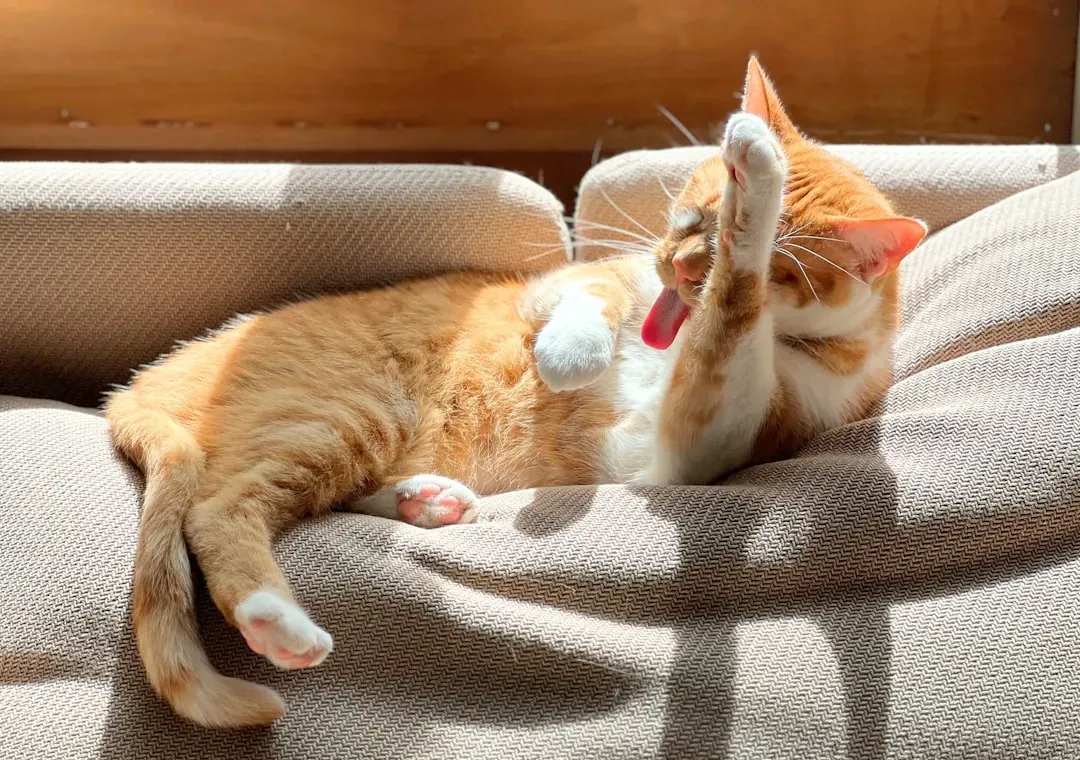
Cats are meticulous groomers, and healthy cats engage in regular grooming, ensuring their fur remains untangled and free of debris. What looks like vanity is actually your cat engaging in a surprisingly physical activity. When you watch them contort their body to reach that spot behind their ear or clean their back legs, they’re stretching muscles and maintaining flexibility.
Cats often stretch so much because they are trying to groom themselves, and since they are flexible and can get into different positions, cats may stretch their back legs to groom hard-to-reach areas of their bodies. Those grooming sessions can last anywhere from a few minutes to over an hour throughout the day. That’s a serious commitment to staying limber, honestly.
Strategic Perching and Climbing Behavior
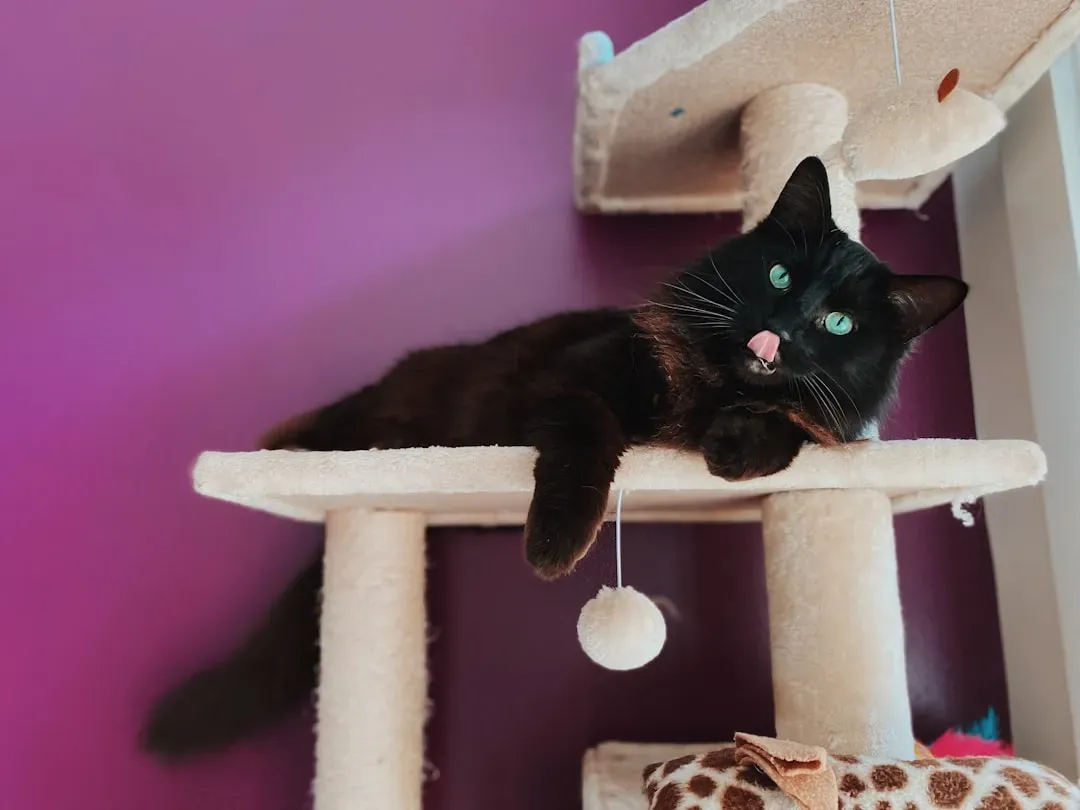
Most cats enjoy climbing and perching in high places to survey their environment, as it provides them with a sense of security since they can see everything around them. Every time your cat jumps onto that bookshelf or scales the cat tree, they’re working out their leg muscles and improving their cardiovascular health.
The climbing instinct isn’t just about getting a good view. It’s a natural behavior that keeps their joints flexible and muscles toned. Notice how your cat will sometimes just sit on high surfaces for extended periods? They’re not being lazy. Cats need regular playtime to stay mentally and physically fit, and engaging your cat in play has a lot of benefits.
The Chase and Pounce Practice Sessions
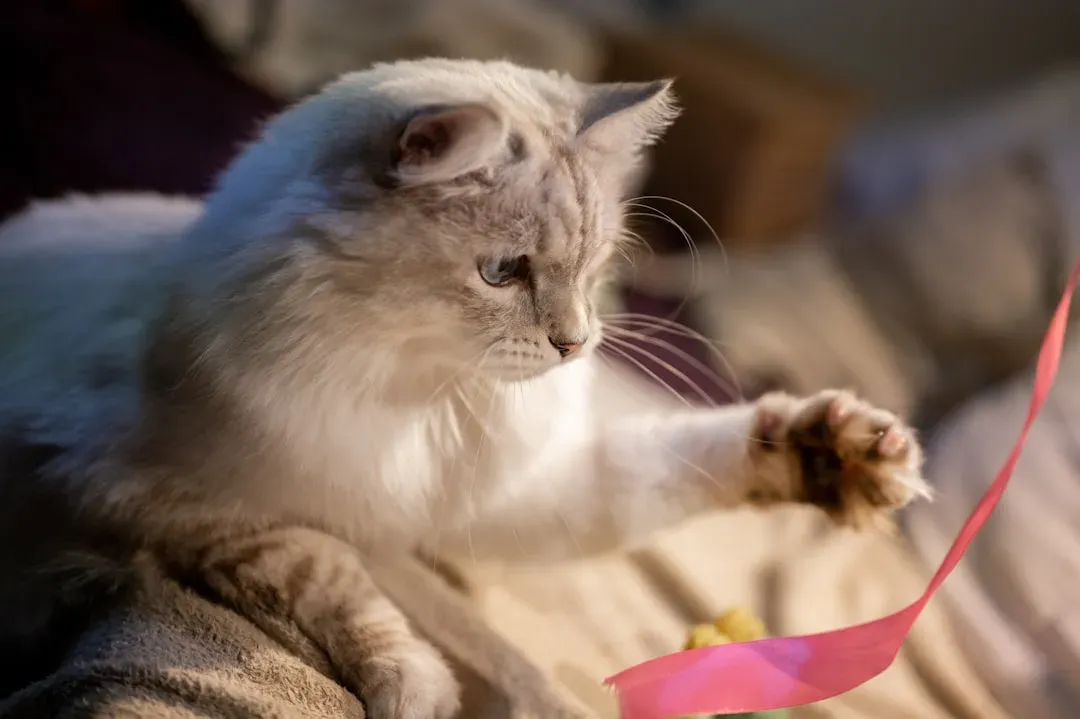
You might think your cat is just playing when they suddenly tear through the house at lightning speed. In reality, those zoomies are carefully designed cardio sessions. A cat that feels well remains active, and if they’re still playful, get the zoomies a couple of times a day, and are interested in games and puzzle feeders, these are all signs of a healthy kitty.
Even when they’re stalking a dust bunny or batting at a shadow, your cat is practicing their hunting skills and keeping their reflexes sharp. These bursts of activity, though they may seem random, help maintain their agility and muscle tone. The fact that they happen spontaneously shows your cat has energy to burn, which is actually a great health indicator.
Tail Position Communication and Core Strength
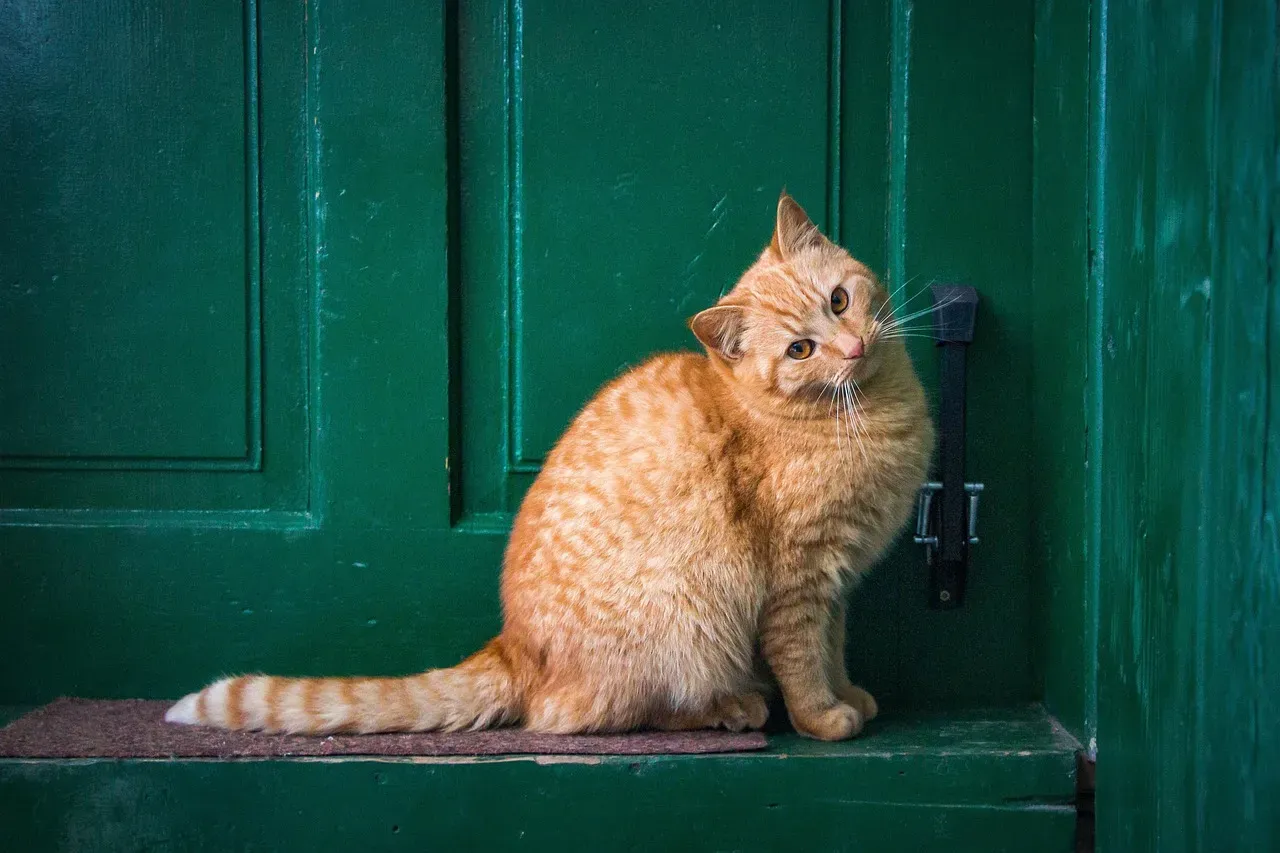
Their tail and ear positions reveal much of what they’re feeling, and if they hold their tail upright, all is well. That seemingly simple act of holding their tail in various positions requires core strength and muscle control. Watch how your cat can balance on narrow surfaces while their tail moves independently. It’s impressive coordination.
Your cat’s tail isn’t just for show or communication. It’s a counterbalance that helps them navigate tricky terrain and make those death-defying leaps. The constant micro-adjustments they make with their tail throughout the day are essentially core exercises. Next time you see that tail held high and proud, appreciate the subtle fitness happening right there.
Litter Box Habits Revealing Overall Wellness
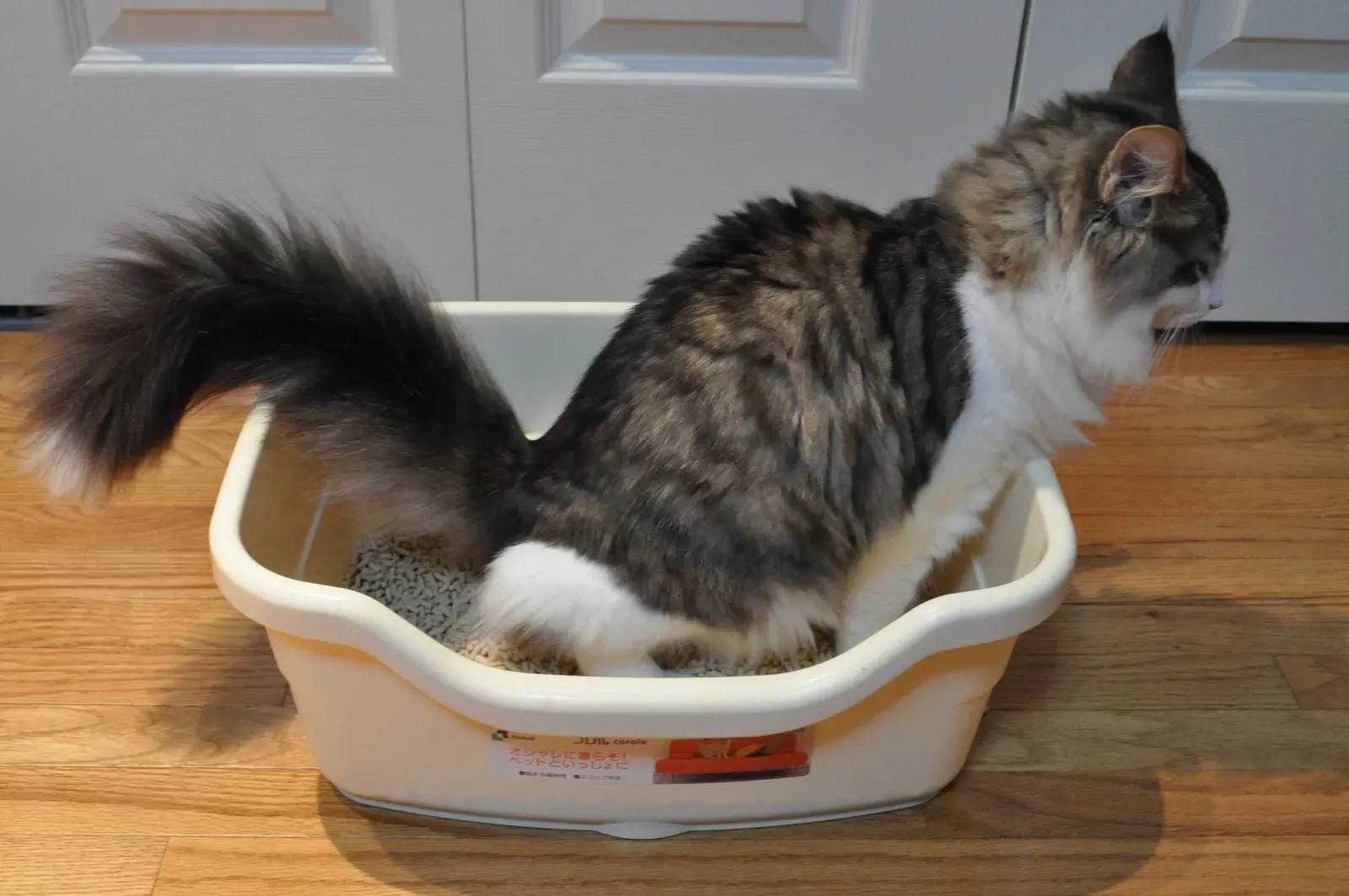
A cat’s litter box habits can tell you a lot about what’s going on under the hood, and it can point to things like GI issues or urinary tract problems if your pet is missing the box or straining. While it’s not the most glamorous topic, regular and comfortable litter box use actually indicates your cat’s digestive system is working efficiently.
Stools should be small and firm, which is a sign your cat is retaining nutrition from their food. A cat maintaining healthy digestion is absorbing the nutrients they need to fuel all those other fitness activities. I know it sounds strange, but monitoring this aspect can give you insight into whether their internal systems are keeping them fit from the inside out.
Appetite Consistency and Energy Balance
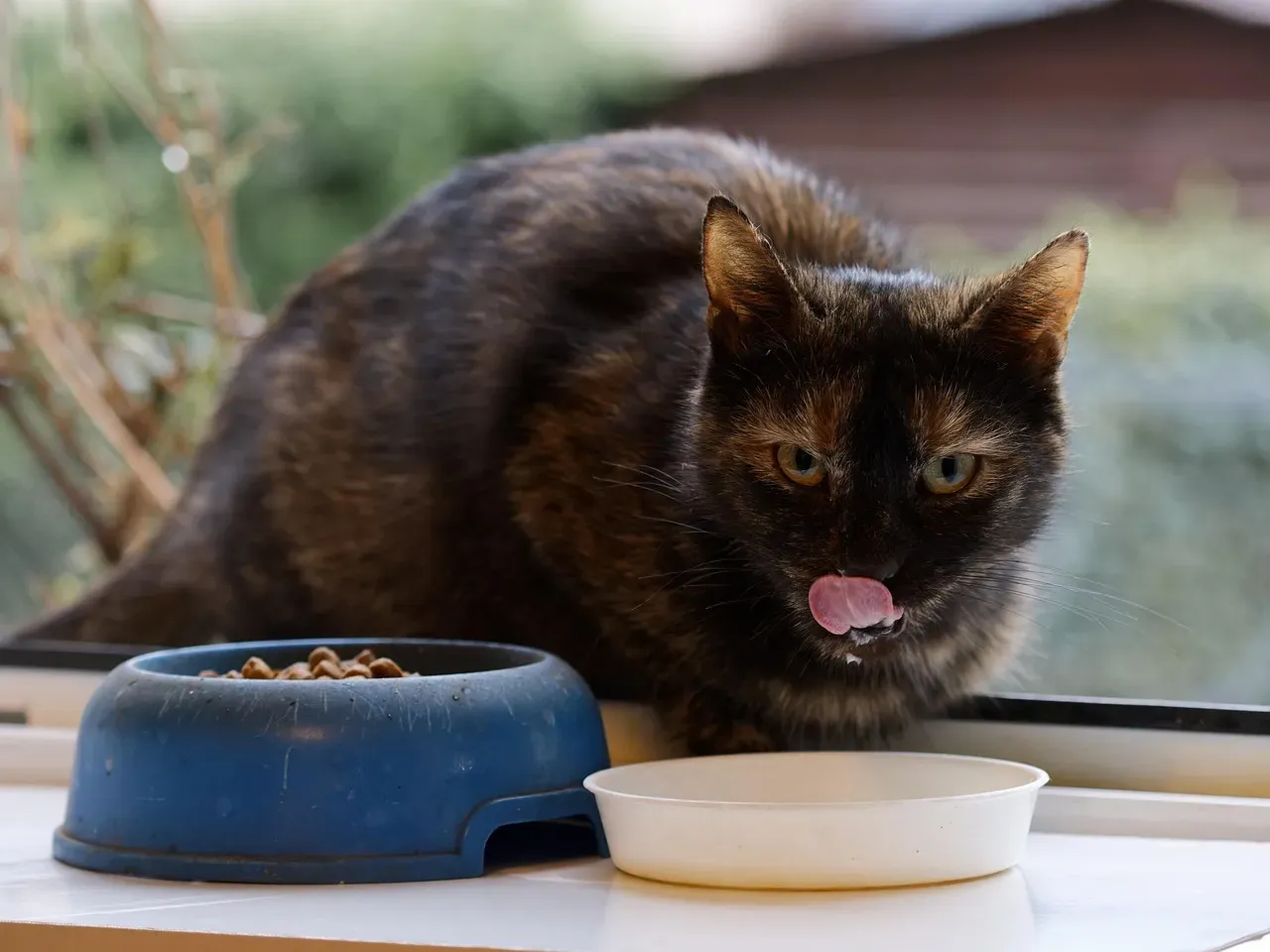
Healthy cats enjoy eating and will show enthusiasm at meal times by rubbing against your legs and guiding you to where food is typically served. That excited meowing before dinner isn’t just your cat being demanding. It’s actually a sign they have a healthy metabolism and are burning calories efficiently throughout the day.
Your cat’s appetite is an excellent health indicator, and while sometimes finicky, most felines are food-motivated. When your cat maintains a consistent eating pattern without dramatic increases or decreases, it suggests their energy expenditure and intake are balanced. This equilibrium is crucial for maintaining their fitness level without gaining or losing weight unnecessarily.
Sleep Patterns That Support Recovery
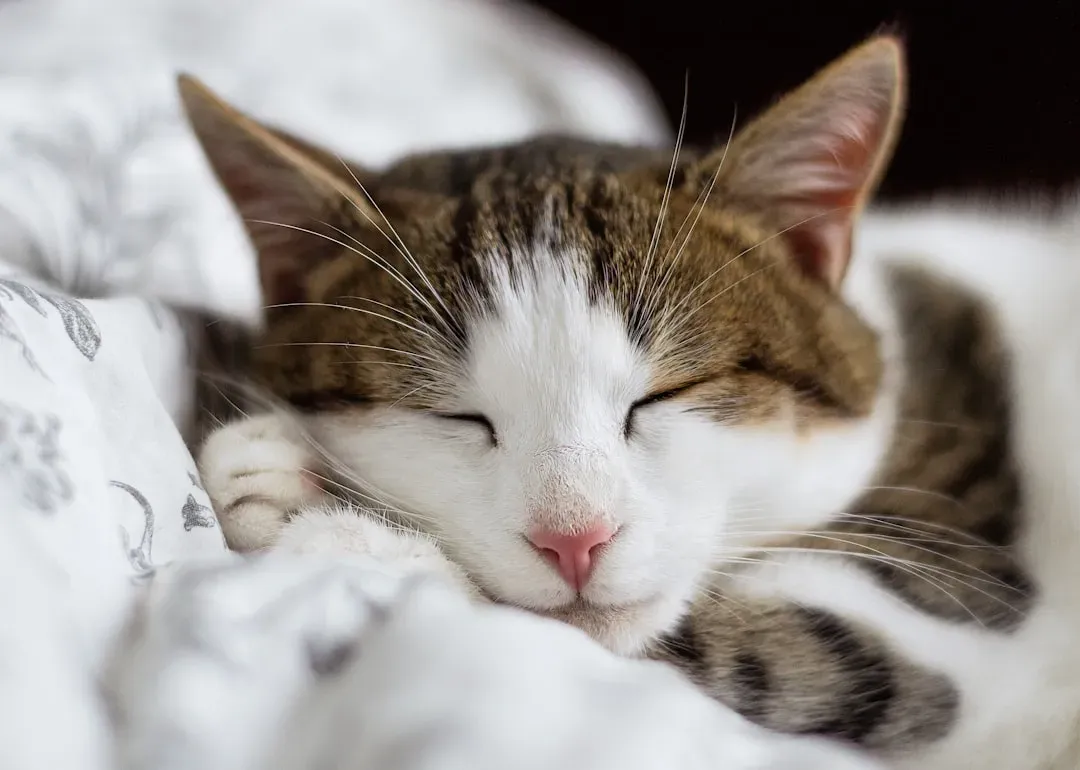
Sleep is vital for you and your cat, with adults snoozing roughly 16 hours daily. Before you judge them for all that napping, understand that quality rest is when muscles repair and grow stronger. Your cat isn’t being lazy; they’re allowing their body to recover from all those micro-workouts throughout the day.
The ability to fall into deep, restful sleep actually indicates your cat feels safe and secure in their environment. Stress prevents quality sleep, so a cat that can truly relax is more likely to have the energy reserves for staying active. Those long naps are fueling the next round of zoomies, stretches, and climbs.
Social Interaction and Mental Fitness
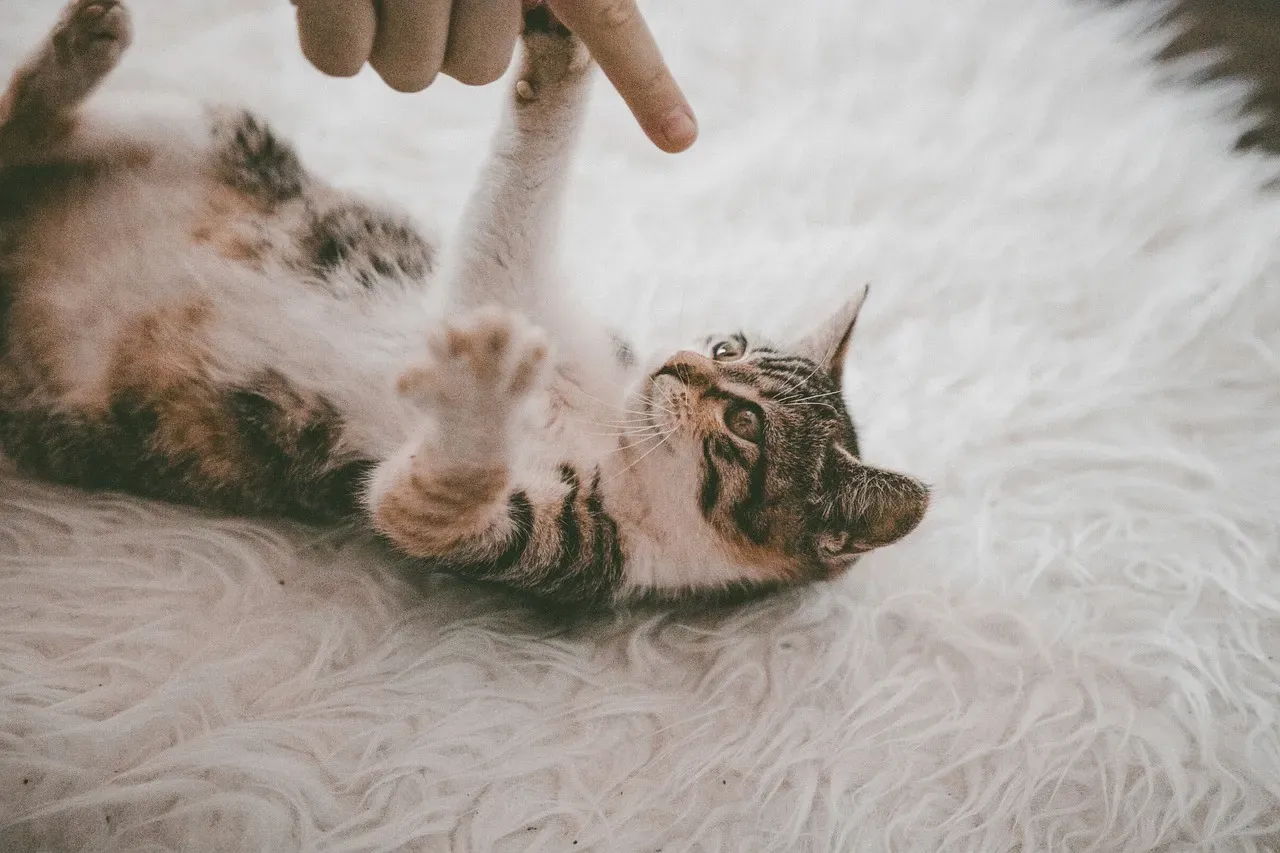
Happy and healthy cats enjoy social interactions with their human companions, and seeking attention, rubbing against you, or sitting on your lap are signs of a strong bond and emotional well-being. Mental health directly impacts physical health, and a cat that engages with you is exercising their brain alongside their body.
This preparatory ritual ensures that they are physically primed for social interaction, as cats will instinctively stretch to maintain their agility and stimulate blood flow to the muscle fibers in anticipation of any playful interaction with you. When your cat greets you at the door or follows you around the house, they’re staying active and alert. This mental stimulation prevents boredom and keeps them engaged with their surroundings.
The Scratching Post Workout Routine
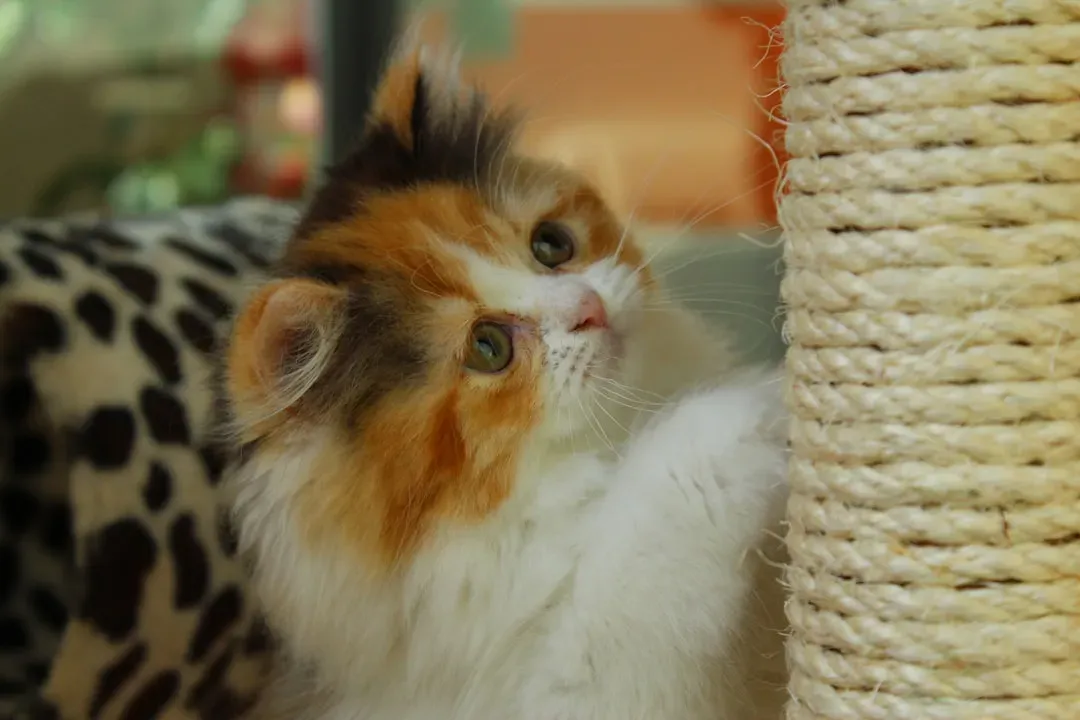
Scratching is a natural and healthy feline habit that serves multiple purposes, including sharpening claws, stretching muscles, and marking territory. Every time your cat uses their scratching post, they’re essentially doing resistance training. They rise on their hind legs, extend their body fully, and pull down with their front claws.
Plenty of cats stretch and scratch at the same time, as scratching could be a full body stretch for cats as they extend their bodies, rise on their hind legs, and extend their front legs out, likely warming up their muscles and maintaining flexibility while scratching. This combination movement works multiple muscle groups simultaneously. It’s basically your cat’s version of a gym session disguised as everyday behavior.
Conclusion: The Secret Is Out
Your cat’s fitness routine has been hiding in plain sight all along. Those seemingly ordinary behaviors are actually a comprehensive wellness program that would cost you a gym membership if you tried to replicate it. From strategic stretching to spontaneous cardio sessions, your feline friend knows exactly how to stay in shape without ever stepping on a treadmill.
The beauty of these secret health habits is that they’re completely natural and instinctive. Your cat doesn’t need motivation or a personal trainer. They’re born knowing how to maintain their physical fitness through behaviors woven into their daily routine. By recognizing these signs, you’re better equipped to support their natural tendencies and ensure they have the environment they need to thrive.
What do you think about it? Did you realize your cat was such a dedicated fitness enthusiast all along?