You have probably had that moment. You are sitting on the couch, minding your own business, and your cat walks in, locks eyes with you, and lets out a sound that is somewhere between a question and a demand. You respond. They respond back. Suddenly you are deep in a conversation you never signed up for, and honestly, you are not even sure who started it. That, right there, is the beginning of something remarkable.
Cats are far more communicative than most people give them credit for. Often portrayed as mysterious and aloof creatures, cats actually communicate through a wide range of vocalizations, each carrying its own distinct meaning. Among all of these sounds, the meow stands out as a uniquely complex form of expression. The fascinating part? You are not just imagining that your cat is trying to talk to you. The science backs you up on this one. Let’s dive in.
Meowing Was Invented Just for You
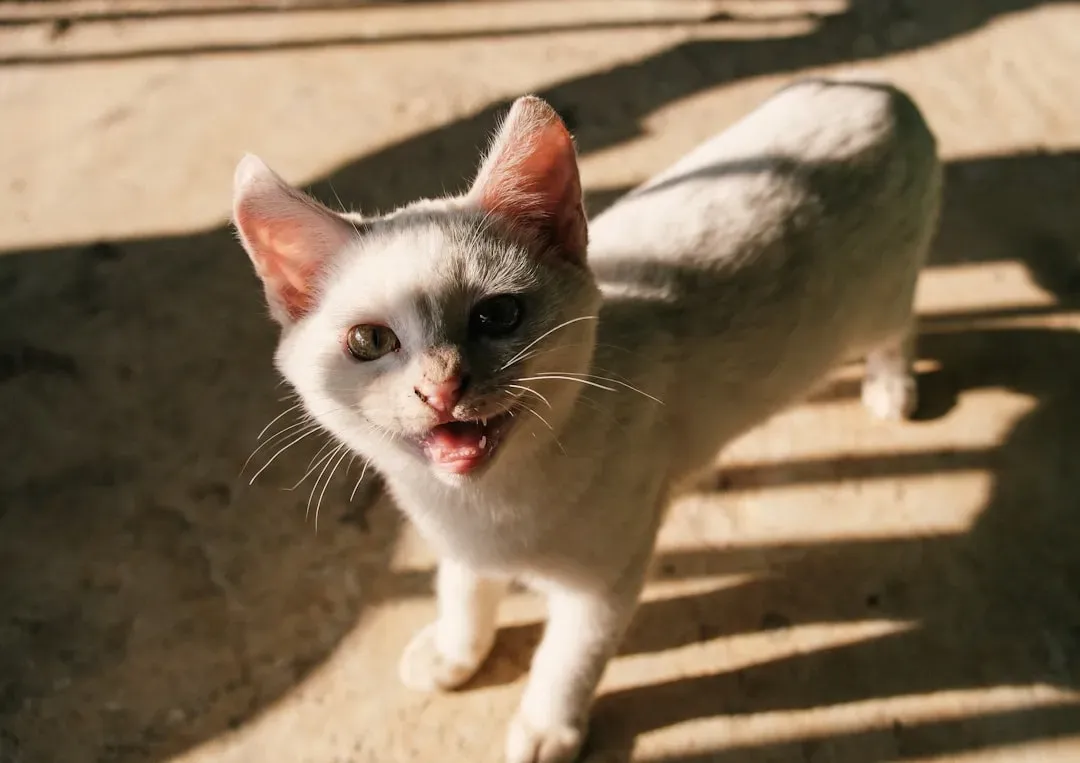
Here is something that might completely change the way you think about your cat’s meows. Kittens meow to let their mother know when they are cold or hungry, but once they get a bit older, cats no longer meow to other cats. They continue to meow to people throughout their lives, probably because meowing gets people to do what they want. Think about that for a second. Your cat essentially developed a whole communication strategy designed specifically to get through to you.
It is thought that domestic cats have evolved to make their meows more appealing to the human ear. Cats tend to communicate more with one another through scent and body language, which can be easily missed by humans, so after kittenhood they tend to use their voice just to talk to people. In other words, your cat figured out that you just are not fluent in scent signals or tail flicks. So they adapted. Honestly, that is more thoughtful than most people give them credit for.
The Fascinating Science Behind the Sound

Up to 21 different cat vocalizations have been observed in domestic cats. That is a lot more than most people realize. This is not just random noise coming from a tiny furry creature. This is a sophisticated, layered system of communication. Different sounds add different meanings, so a meow can be assertive, coaxing, demanding, inviting, imperious, whining, melancholic, suffering, friendly, or undaunted.
Back in 1944, Mildred Moelk published the first phonetic study of cat sounds and classified 16 different vocal patterns into three main classes: sounds produced with the mouth closed, like purring and trilling; sounds produced when the mouth is first opened and then gradually closed, like meowing, howling, and yowling; and sounds produced with the mouth held tensely open in the same position, like growls, hisses, spits, chattering, and chirping. That was nearly 80 years ago, and researchers are still peeling back the layers of this feline communication system.
Cracking the Code of Pitch and Tone
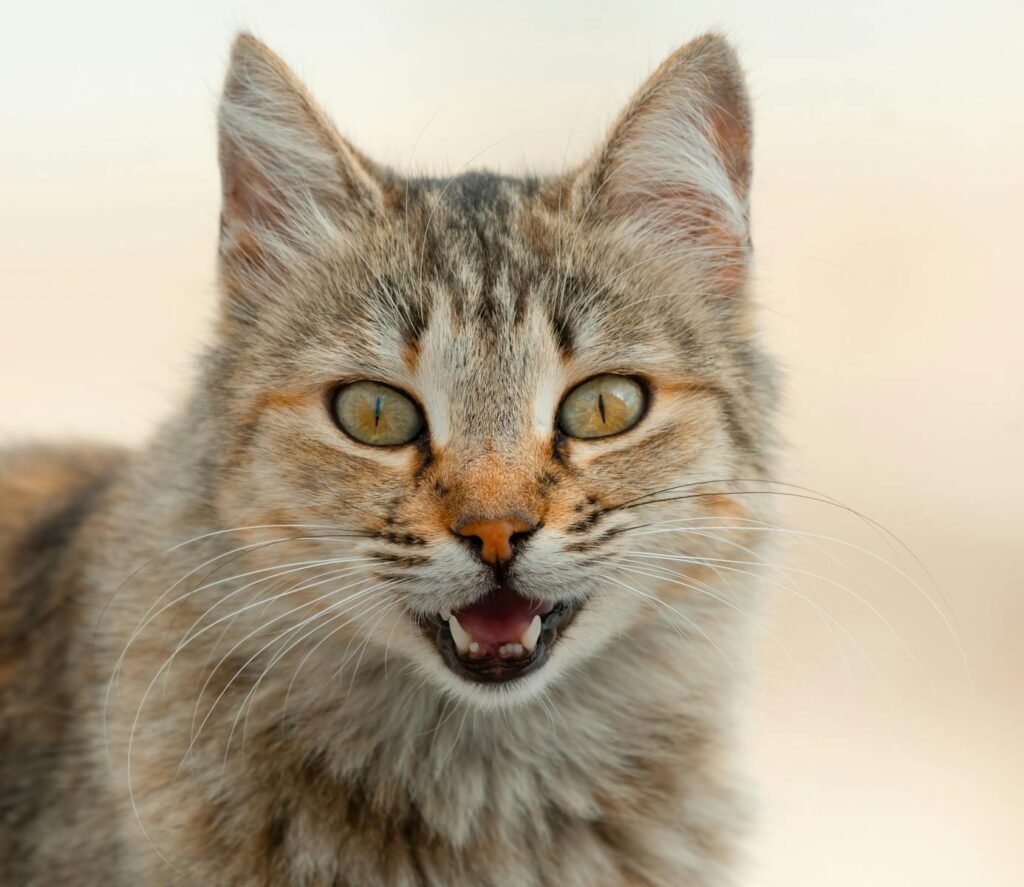
The language of cats is an intricate tapestry woven from various meow sounds, a symphony defined by pitch, length, and volume. Think of it like music. A short, sharp note means something very different from a long, drawn-out one. A brief, high-pitched meow functions as a universal “hello,” a gentle acknowledgement that transcends words. Conversely, a prolonged meow is a plea for immediate attention.
A short meow is a simple greeting, like “hello.” A drawn-out or mid-pitch meow indicates a demand such as for food or being let out. A high-pitch meow indicates distress like pain or anger. Once you start paying attention to these subtle tonal differences, you will be amazed how much your cat is actually telling you every single day.
Your Cat’s Personal Vocabulary – Built Specifically for You

Here is where it gets really interesting and a little mind-bending. Your cat is smart enough to pick up on patterns. If they give a soft meow and you take that as a cue to snuggle, they log it. Soft meow equals getting snuggles. You log it too. If a hectic barrage of meows got you to open the treat jar that one time, they will remember how to get those treats next time. You decided together what that meow meant, without even realizing it.
Some cats will develop different-sounding meows for different situations. If you listen closely, you might hear one kind of meow for food and a different meow to ask to go outside. This is not coincidence. Your cat has been carefully observing your reactions and refining their approach over time. I think that is genuinely one of the more underappreciated things about living with a cat.
What Different Meows Are Actually Saying
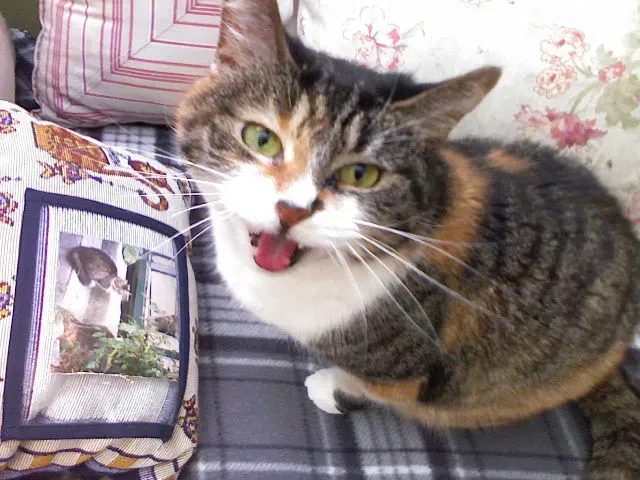
Let’s be real: most people assume their cat is just asking for food. Sometimes that is absolutely true. Most cats love to eat and can be quite demanding around mealtimes. Some cats learn to meow whenever anyone enters the kitchen, just in case food might be forthcoming. But the vocabulary goes way beyond the food bowl.
A meowing cat can mean they want to play, they want food, want to go out, or want to tell you that something is wrong. A yowling cat, meanwhile, can mean they are lonely, lost, distressed, in pain, or in heat. Cats meowing around the house can also mean that they are trying to find you, just like they would as kittens searching for their mother. That detail never fails to feel a little emotionally loaded.
The Purr: So Much More Than Happiness
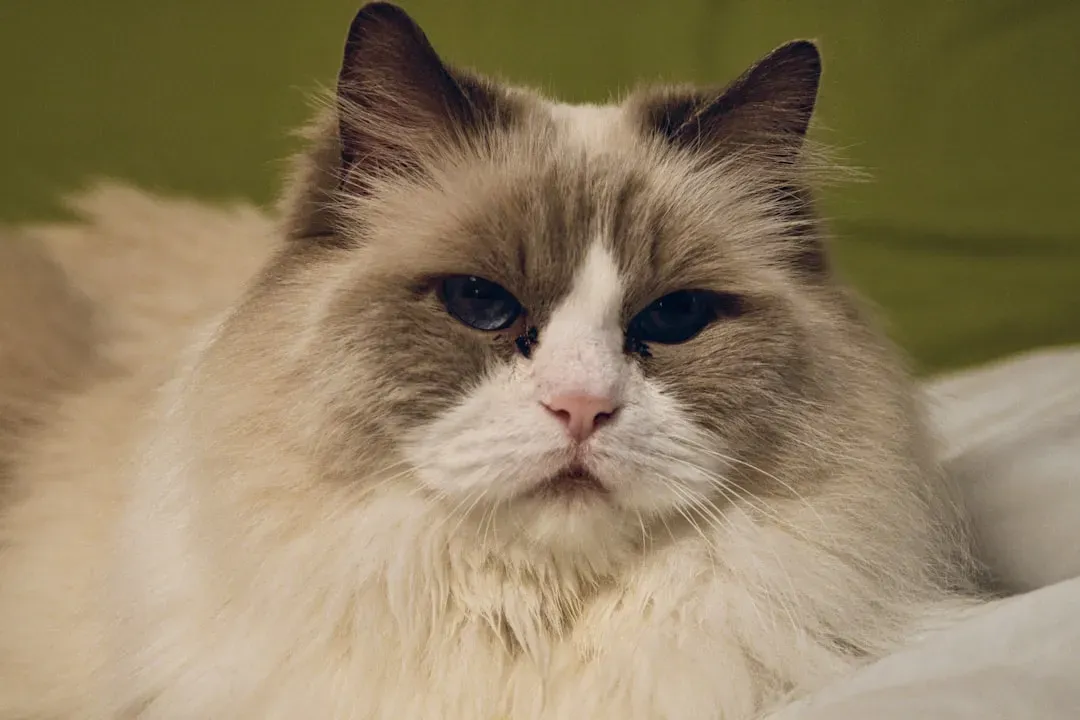
If you have ever had a cat curl up on your lap and start purring, you already know how calming that sound is. But here is the thing. Cats purr for several reasons, and it is not always about being happy. While a curled-up, relaxed cat often purrs to show contentment, research shows that this vocal vibration can also support healing, help kittens communicate with their mother, reduce stress, and even act as a self-soothing behavior during pain or fear.
The science behind that rumbling sound is genuinely astonishing. The vibrations produced during purring occur at a frequency of 25 to 150 Hertz, which has been shown to promote healing and tissue regeneration and is known to positively affect bone density and tendon and muscle repair. The cat purring effect on humans includes benefits like lowering blood pressure, promoting healing, and even reducing the risk of heart disease. Studies have shown that cat owners are less likely to suffer from heart disease compared to those without cats. Your cat is essentially a walking health supplement.
Reading the Room: Body Language Beyond the Meow
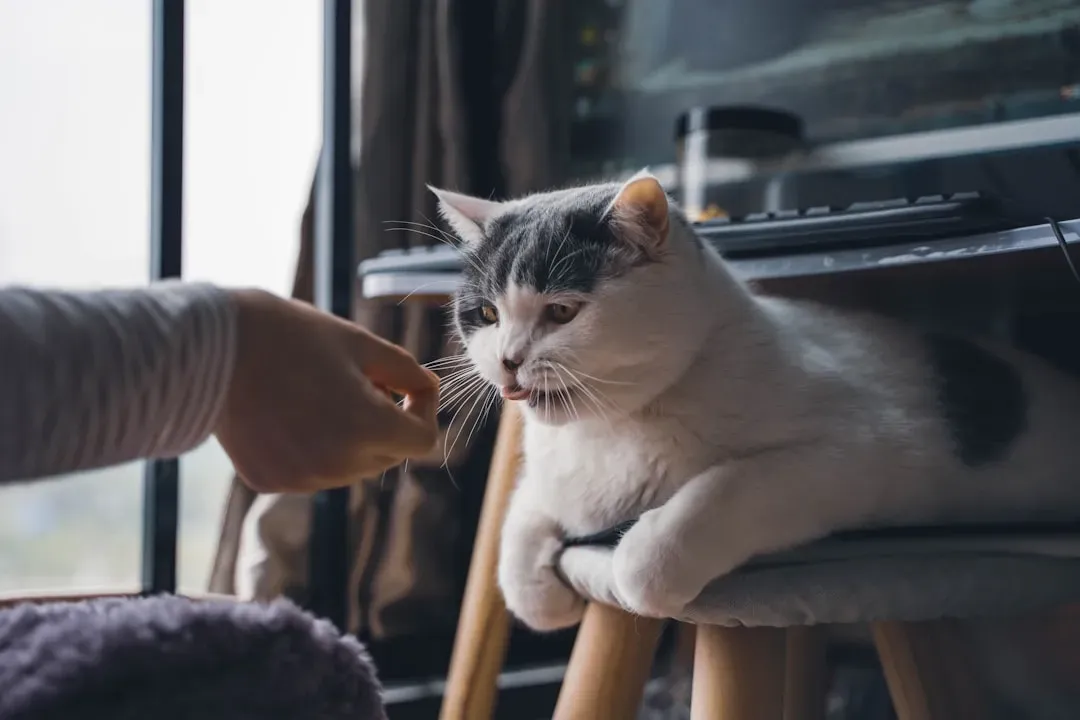
Meows are only part of the story. A cat’s body language, including tail positioning, ear movements, and eye contact, can provide valuable clues about their emotional state and intentions. Honestly, once you start reading these signals, you will realize your cat has been communicating with you silently for years and you have been missing most of it.
A cat’s tail is a powerful communication tool, and each position conveys distinct messages. An erect tail is usually a sign of friendliness, and a tail that is up but hooked at the tip may mean cautiously optimistic. An upright, quivering tail indicates that the cat is either spraying or happy and excited. Cats also blink slowly to show affection and relaxation. If a cat blinks slowly at you, they are not threatened by you and in fact trust you. You can return their gesture by blinking slowly back at them. Try it. It works.
When Meowing Becomes a Warning Sign
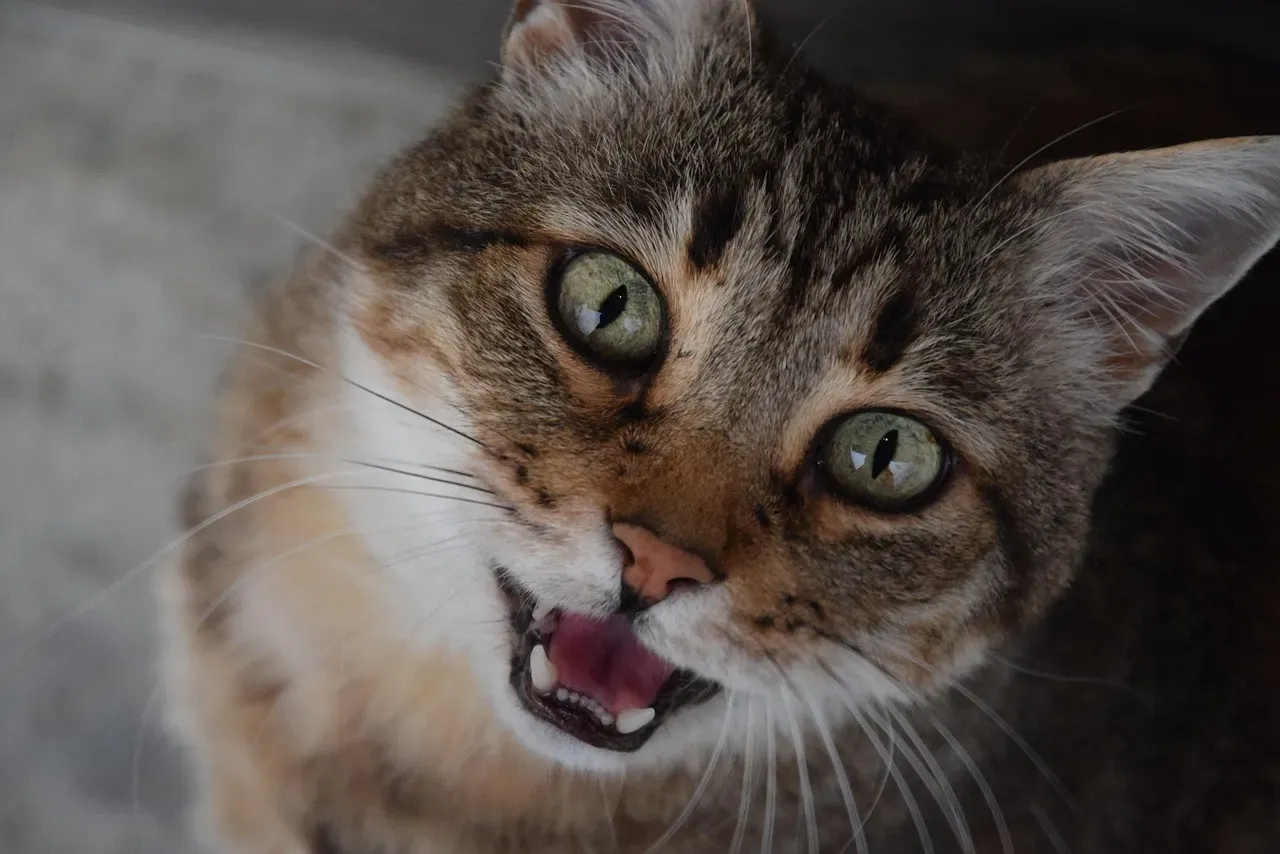
Most meowing is normal and charming. Sometimes, though, it is a signal you really should not ignore. Excessive or sudden changes in meowing patterns can sometimes indicate an underlying health issue or emotional distress. If your cat begins meowing excessively, especially at night, it is essential to observe for other signs of discomfort or distress, such as loss of appetite, changes in litter box habits, or changes in energy levels.
As cats age, they often meow more, sometimes for no apparent reason. If your senior cat suddenly starts vocalizing in empty rooms or at random objects, a vet check is a good idea to rule out pain, cognitive decline, or vision loss. Some cats may become more vocal as they get older, if they have cognitive dysfunction, or if they develop a condition such as hyperthyroidism. It is hard to say for sure in every case, but changes in vocal behavior are worth paying attention to.
The Chirp, the Chatter, and the Trill

Beyond the standard meow, cats have a whole arsenal of sounds that often get overlooked. Cats sometimes make excited chirping or chattering noises when observing or stalking prey. These sounds range from quiet clicking sounds to a loud but sustained chirping mixed with an occasional meow. Some experts argue that chattering and chirping mimic prey such as birds and rodents, and it is used as a hunting strategy.
The chirrup sounds like a meow rolled on the tongue. It is commonly used by mother cats to call their kittens inside the nest, and kittens recognize their own mother’s chirp but do not respond to the chirps of other mothers. It is also used in a friendly manner by cats when they are greeting another cat or a human. People can even mimic the sound to reassure and greet their pet cats. I find it weirdly satisfying that chirping back at your cat is a legitimate communication technique.
How to Become Fluent in Cat
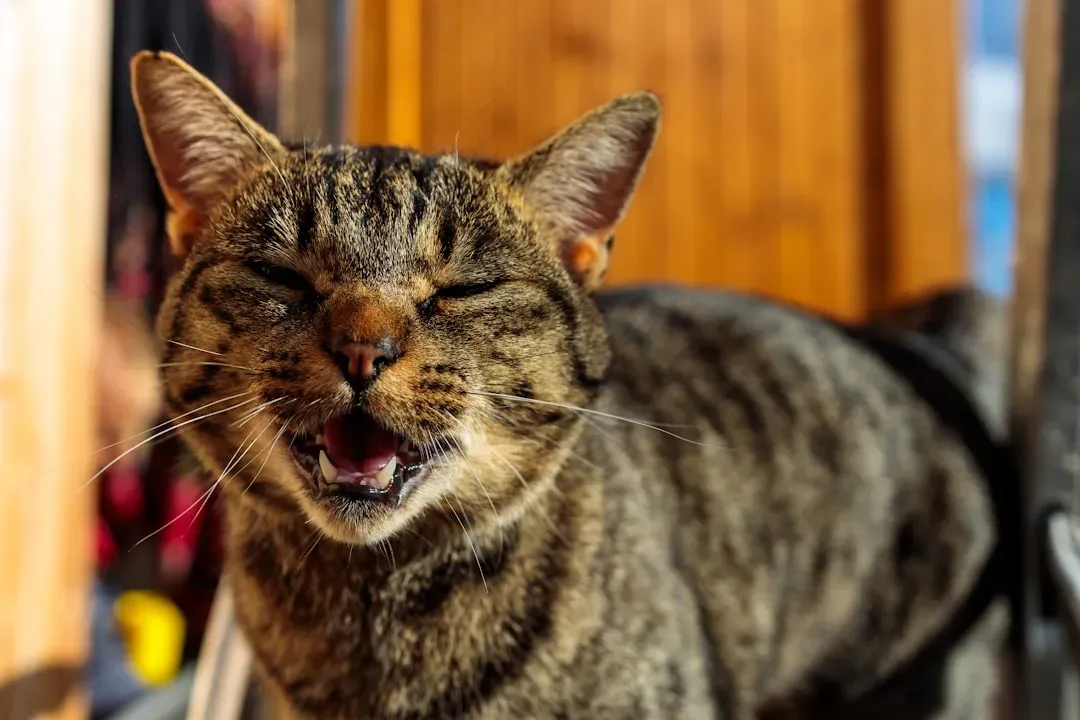
So how do you actually get better at understanding your cat’s language? The good news is that you do not need a PhD in animal behavior. You just need patience and attention. It is important to spend time with your cat to get to know their pattern of communication, so you know when something is out of the ordinary. This helps you to build a stronger bond together and support their overall wellbeing.
Pay careful attention to your cat’s behavior and body language when they meow to better understand the context. Respond verbally or with gentle petting to let your cat know you have heard and acknowledged their communication. If your cat is meowing for food, water, or access to a room, try to accommodate their request promptly. Each cat may have their own little language which they share only with you, serving as a reminder of the special relationship you can enjoy as a pet parent. That right there is the whole point.
Conclusion: A Conversation Worth Having
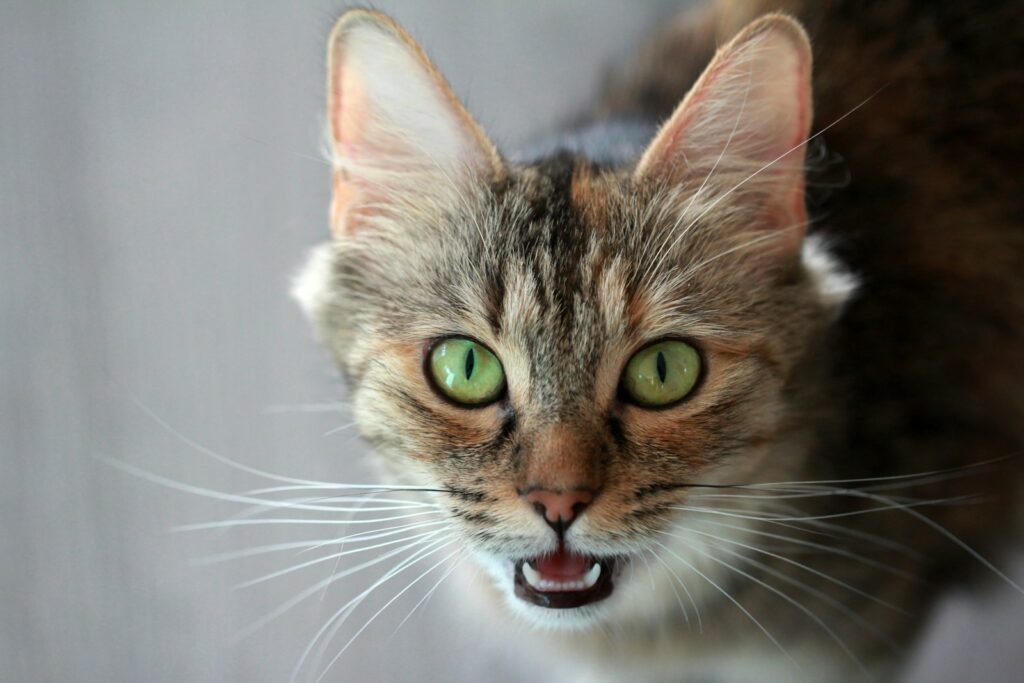
Living with a cat is not a one-sided experience. It never has been. Over time, cats have evolved to use vocal signals that resonate with our nurturing instincts. Paired with our use of pet-directed speech, this two-way communication highlights the unique relationship we have developed with our feline friends. Every meow, chirp, slow blink, and tail flick is part of a language that has been quietly refined across thousands of years of shared history.
While cats are sometimes stereotyped as being aloof or uncaring, this is simply not the truth. They strive to better understand the humans in their lives and adjust their behavior to allow us to meet their needs. The more you listen, the more you will hear. Your cat has been trying to talk to you all along. Now that you know what to listen for, will you listen more closely?