You’ve probably watched your cat curl up in countless strange positions, catching what seems like their hundredth nap of the day. Maybe you’ve wondered why they twitch during sleep or suddenly relocate from the couch to the top of your wardrobe. Here’s the thing: those sleeping habits aren’t random at all. Your feline friend is actually communicating volumes through their slumber, whether they’re tucked into a tight ball or sprawled out like they own the place. The way your cat sleeps can tell you about their emotional state, their health, and even their relationship with you. Let’s dive into what your cat’s sleeping patterns are really saying.
The Science Behind All Those Cat Naps
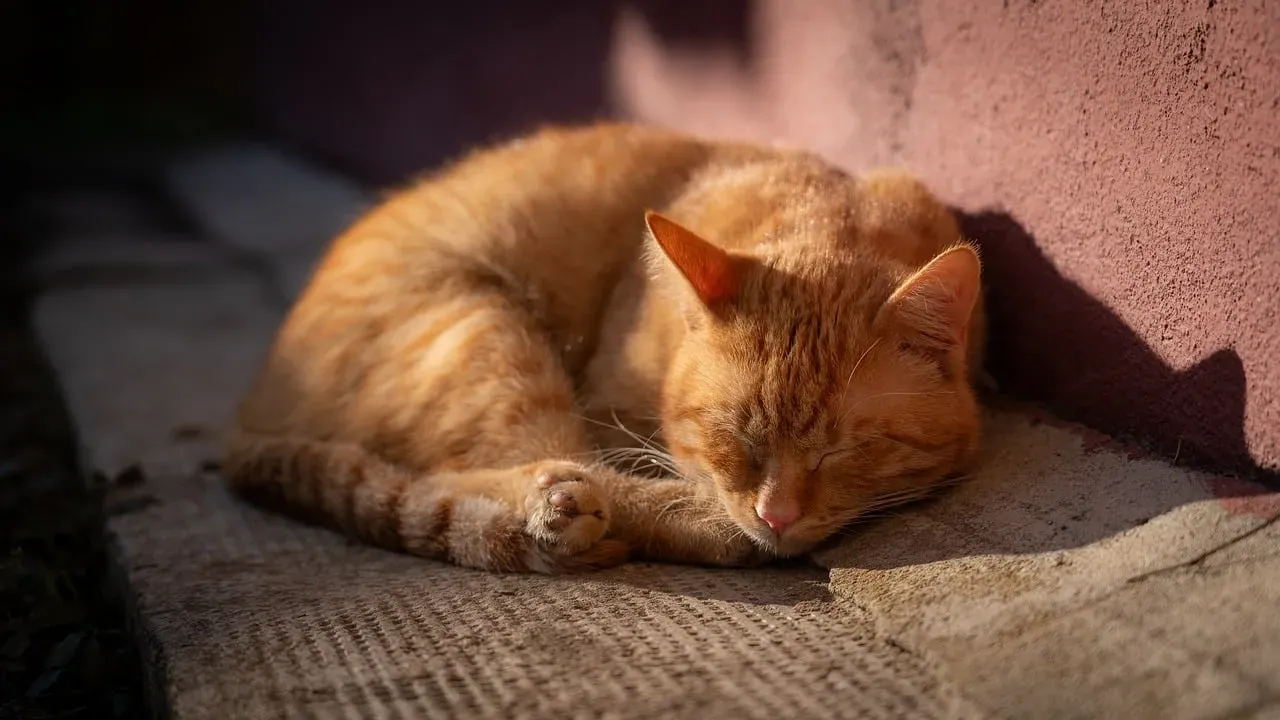
Your cat sleeps between 12 and 18 hours a day, with nearly 40% of cats sleeping more than 18 hours per day. That might seem excessive, but there’s solid reasoning behind it. Cats have inherited a sleep-wake pattern from their wild ancestors who needed to conserve energy for hunting, and this energy-conservation strategy has carried over into domestic cats.
What makes feline sleep truly fascinating is its structure. Cats have a polyphasic sleep pattern, which means they sleep multiple times each day rather than in one long period, with cat naps averaging 78 minutes in length. Roughly three quarters of your cat’s sleeping time is spent in light sleep, where they remain alert to their surroundings. Their rest varies between a light doze and deeper sleep, with light sleep lasting anywhere between fifteen minutes and half an hour, whereas deeper sleep only lasts about five minutes at a time.
What Their Sleeping Position Tells You About Trust
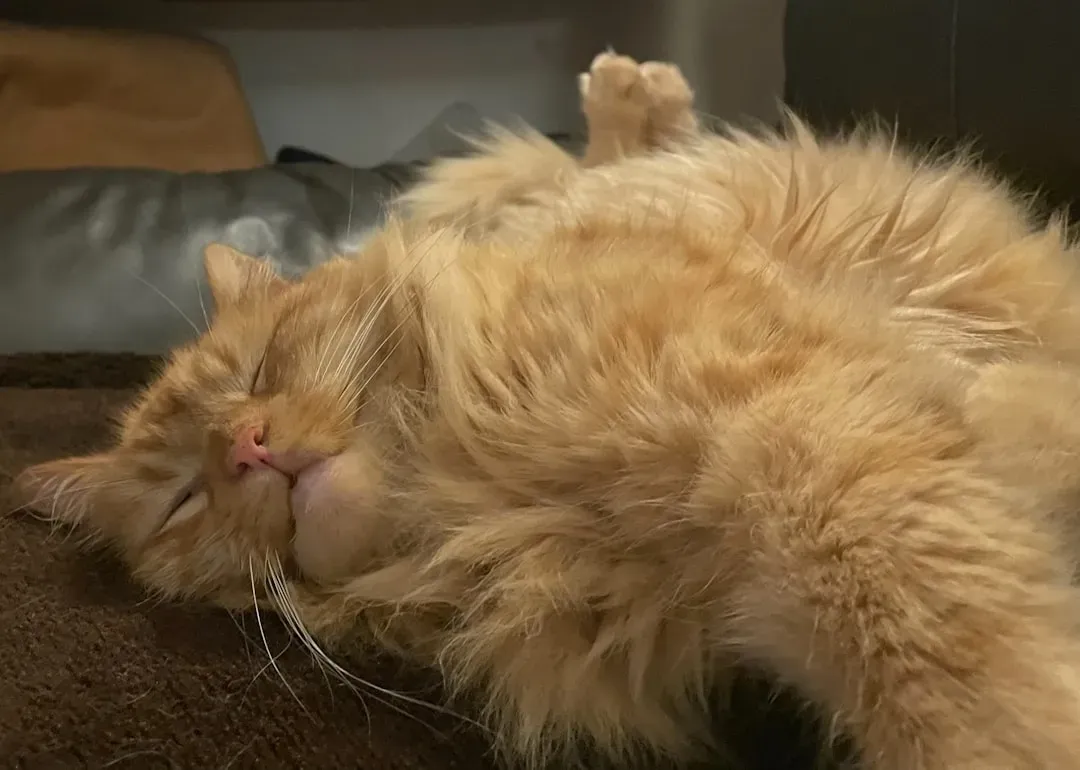
When you see your cat sleeping on their back with their belly exposed, you’re witnessing something special. This position signals they feel very safe and confident since cats instinctively protect their vulnerable organs. Sleeping on the back with the belly exposed indicates total relaxation and wellbeing, as the cat’s stomach is their most vulnerable part and this position shows they trust their environment completely.
On the flip side, cats often sleep curled up in a ball with nose to tail because this shape helps them retain body heat. Your cat may choose this position during times when they’re feeling a little insecure, as it helps them feel protected. It’s not necessarily a cause for concern, but it does suggest your cat is prioritizing safety and warmth over displaying complete vulnerability.
Decoding the Loaf Position and Alert Sleeping
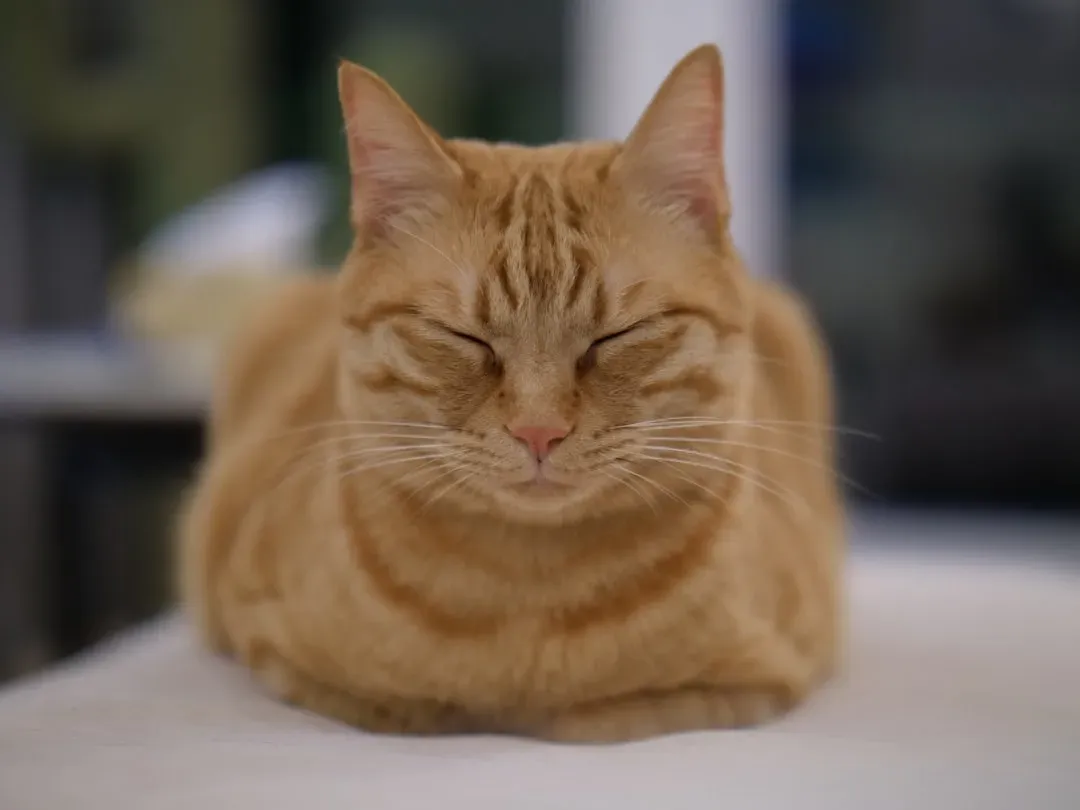
You know that adorable position where your cat resembles a loaf of bread? In this position, cats keep their front paws curled underneath their body with their head up, preserving body heat and protecting vital organs. In the Cat Loaf position, your cat is probably taking a quick cat nap and is not in a deep sleep, remaining alert to their surroundings even while appearing completely chill.
This position is actually quite strategic. Your cat hasn’t let their guard down entirely. Cats sleeping in a loaf position may be relaxed, but they’re also poised to spring into action if they’re suddenly in danger. Think of it as your cat’s way of resting while maintaining readiness, a testament to their wild instincts that persist despite generations of domestication.
REM Sleep and the Dreaming Cat
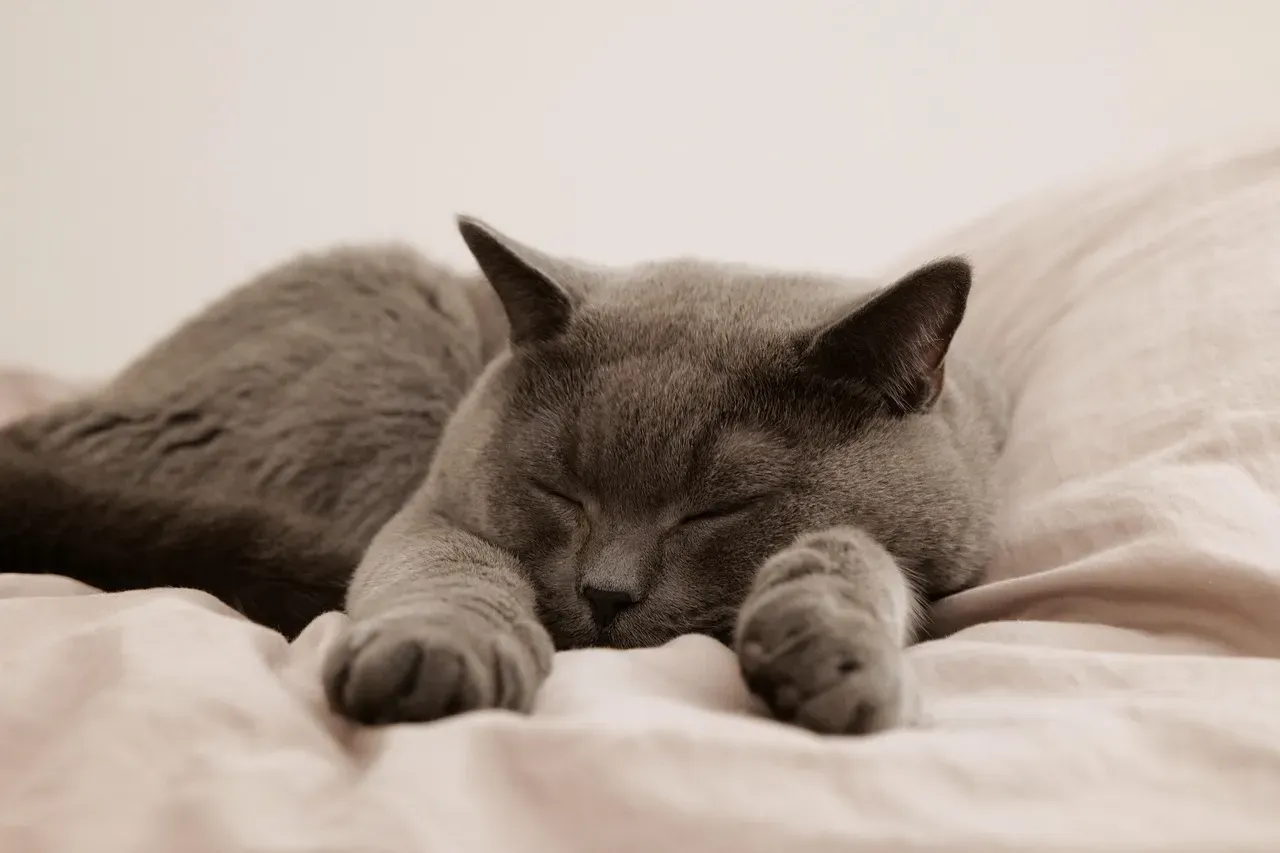
Have you ever seen your cat’s paws twitch while they’re sleeping? That’s probably a dream in action. In the 1960s, scientists confirmed that cats have REM sleep, showing low voltage brain activity with eye movements, and they have atonia, a type of muscle immobility, so they don’t hurt themselves while acting out a dream’s content. When cats are in REM sleep, they can twitch or go limp with a loss of muscle tone, and cats may dream.
What are they dreaming about? When cats experience REM sleep, they tend to move their heads as though they’re following or watching something, likely dreaming about hunting, and research suggests cats may dream about things that happened that day or in the past. Kittens are much more likely to dream than adult cats because they have a lot more to learn about the world around them and must process a significant amount of information. So your kitten’s extra twitchiness during sleep? That’s their brain working overtime to make sense of their expanding universe.
Sleep Changes That Signal Health Problems
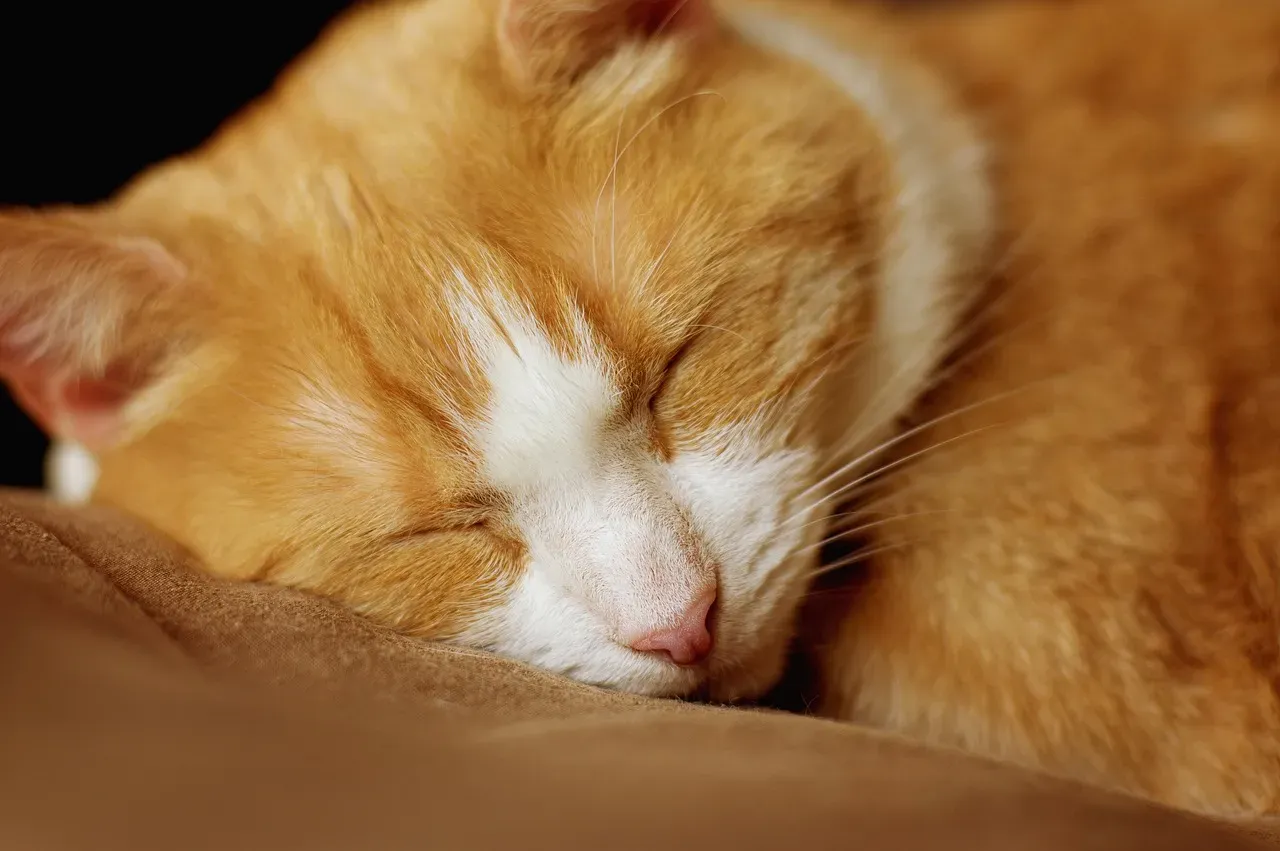
Here’s where things get serious. It’s important to understand your cat’s normal sleep patterns and recognize when those patterns change significantly, as changes in sleeping more or less than usual may indicate health issues. Cats who begin to sleep more than usual could be ill or experiencing pain, while cats that begin sleeping less than usual may be suffering from hyperthyroidism or other conditions.
Watch for specific warning signs. You may notice your cat sleeping longer, sleeping less, sleeping in locations or postures not typical for them, or even vocalizing during normal sleeping times, which may indicate changes in health like cognitive dysfunction, pain, hypertension, changes to vision, or hyperthyroidism. The key is knowing what’s normal for your individual cat, because sudden deviations from their routine deserve attention.
The Emotional Side of Sleep Behavior
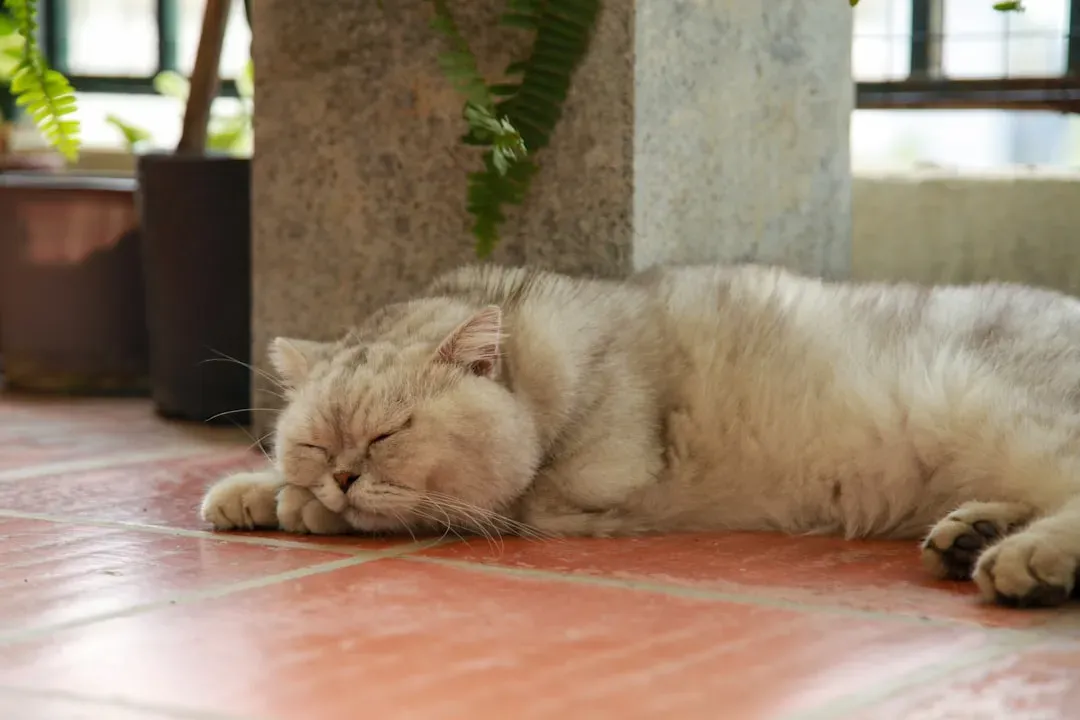
Not all excessive sleep is physical. Cats who are depressed, highly stressed, or in an unhealthy environment may sleep more than usual, but this type of sleep is not good-quality sleep and doesn’t provide renewed energy or healing like healthy sleep does. Cats who are highly stressed, such as a new cat in a shelter environment, may feign sleep as a behavior to avoid social interaction and basically withdraw completely from their surroundings.
Cats express stress or anxiety by changing their sleep patterns, and if they’re suddenly sleeping more than usual, it could signal they’re feeling overwhelmed or anxious about something in their environment. Changes in the household, new pets, loud noises, or even rearranged furniture can trigger these stress-related sleep changes. It’s your cat’s way of coping when they feel their world has become unpredictable.
Where Your Cat Sleeps on You Matters
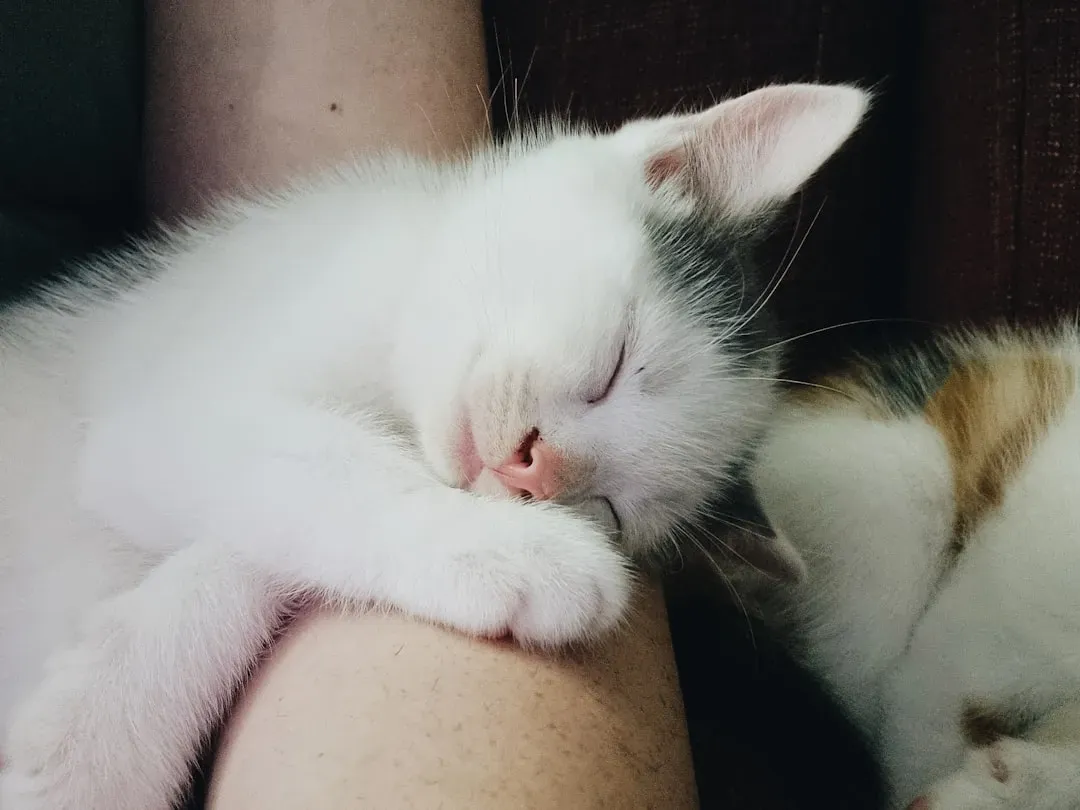
No matter where your cat sleeps on your bed, the fact that they choose to sleep near you is a strong indicator of trust, as cats are instinctively cautious sleepers who remain alert to potential threats even while resting. A cat’s sleeping position can reveal the depth of their attachment, with cats that sleep directly on their owner’s chest, head, or against their body exhibiting behaviors indicative of a strong social bond.
If your cat likes to sleep under the covers, they’re probably enjoying the warmth as well as the familiarity and comfort of your scent, plus cats can be quite sensitive to noise and the covers offer an escape from stressful noises. When your cat chooses to sleep at your feet instead of closer to your face, they’re still bonded to you but prefer maintaining a level of independence. Each spot reveals something unique about your cat’s personality and how they view their relationship with you.
Crepuscular Rhythms and Night Activity
Let’s be real, one of the most frustrating aspects of cat ownership is the midnight zoomies. Cats are crepuscular, meaning they are most active during dawn and dusk, which explains their tendency to sleep intermittently throughout the day and night. Cats experience two peaks of activity, one in the early morning before sunrise and one in the evening around sunset, and this crepuscular nature allows them to be awake to prey on diurnal birds at daybreak and nocturnal rodents at twilight.
The good news? Cats can adapt their sleeping patterns to spend more time with their loved ones, sleeping more while you’re gone in order to spend more time with you when you’re at home. So if your cat seems to wake up just as you’re getting home from work, that’s not coincidence. They’ve been waiting for you.
Age-Related Sleep Pattern Changes
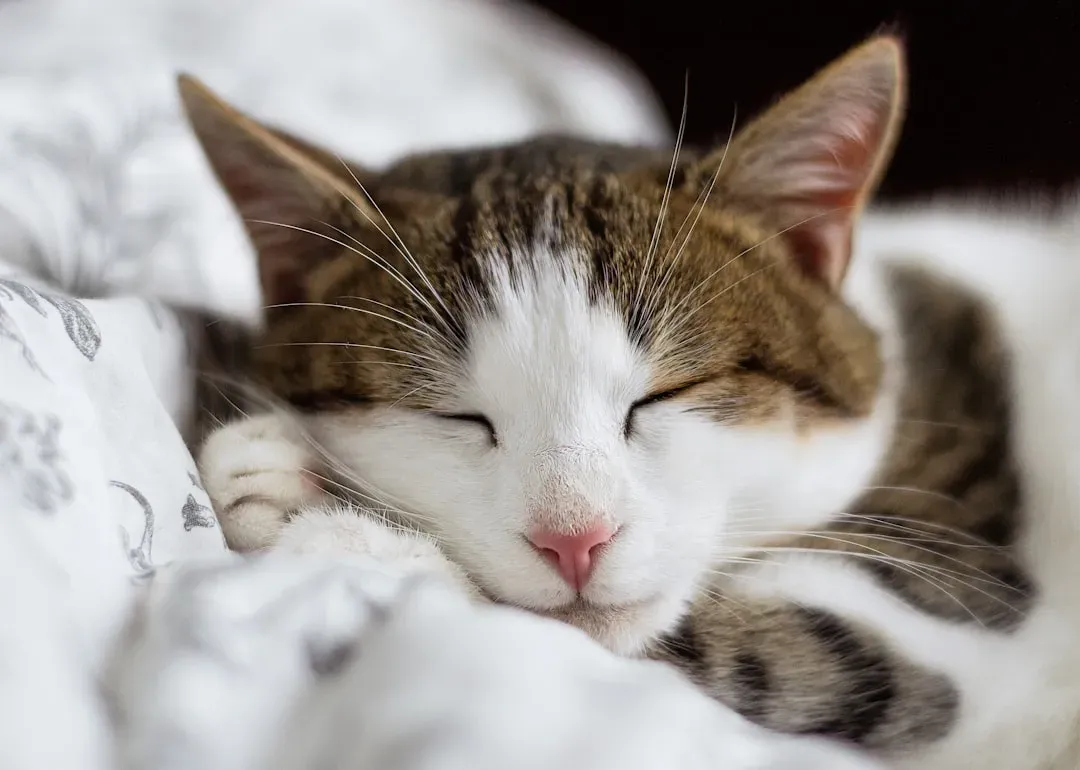
The number of hours your cat needs to sleep changes with age: kittens sleep most of the day with brief bursts of energy between meals, adolescent cats have erratic sleep patterns combined with intense playfulness, adult cats average 12 to 20 hours of sleep each day, and senior cats sleep more than younger cats due to less energy and reduced mobility.
Kittens spend approximately 90% of kittenhood snoozing because they need to constantly recharge their batteries as their brain and central nervous system develops, and this sleep time strengthens their muscles and bones and keeps their immune system functioning. Meanwhile, senior cats reverting to kitten-like sleep durations is perfectly natural. However, if accompanied by other symptoms like confusion or vocalization, it could indicate cognitive decline that warrants veterinary attention.
Creating the Perfect Sleep Environment
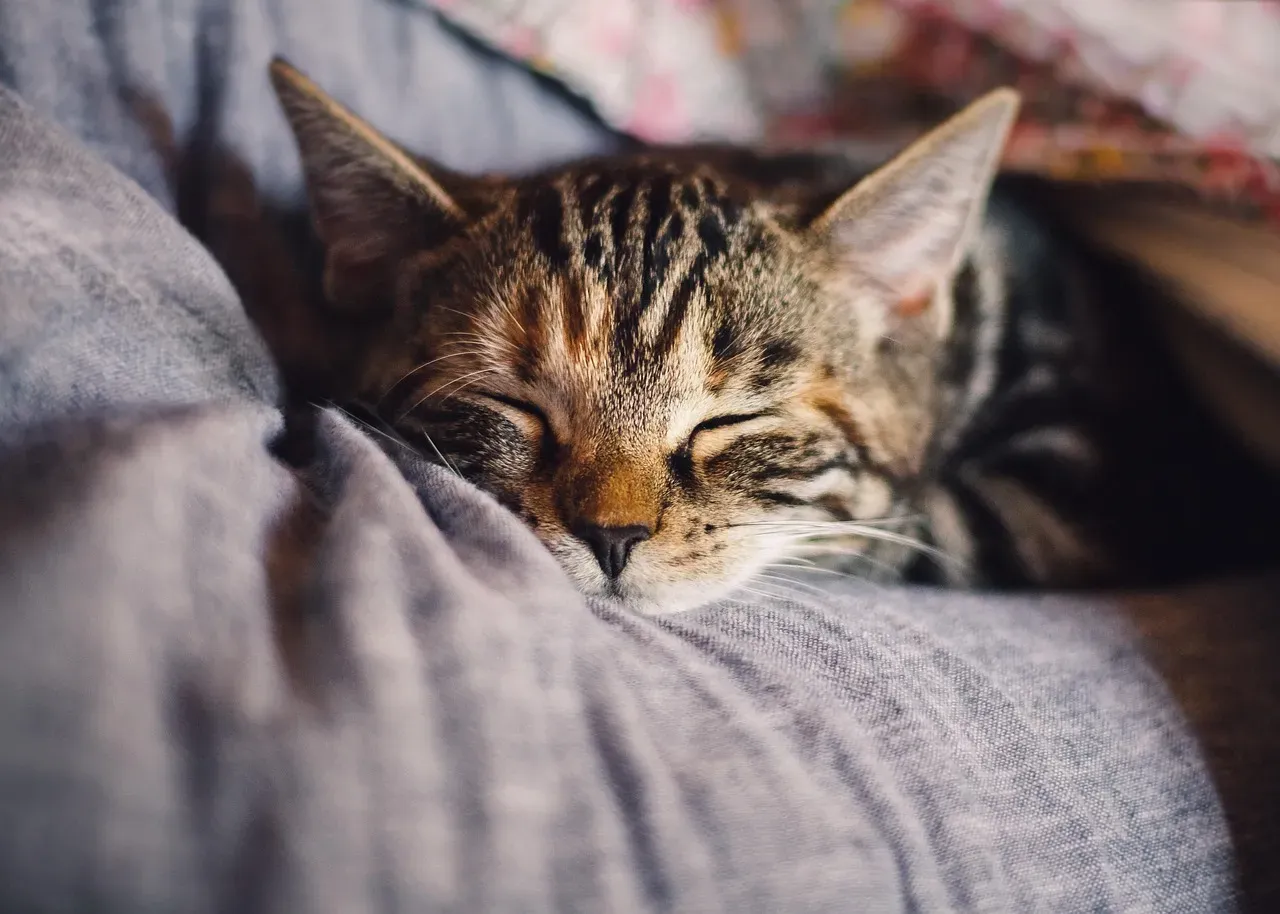
Your cat’s sleeping location preferences can rotate frequently. Cats often rotate their preferred sleeping area, a behavior seen in the African wildcat which domestic cats descended from, as they look for safe places within their territory and rotate spots to help keep parasite levels low. This explains why your cat might abandon their fancy expensive bed for a cardboard box or the top of your fridge.
Ensuring your cat has a comfortable, quiet place to rest is important, as cats prefer warm, safe spots for sleep and providing a cozy bed in a quiet area can encourage deep, restful sleep. Multiple sleeping options throughout your home give your cat choices, which they appreciate. Temperature matters too. You’ll notice your cat seeking sunny windowsills in winter and cool tile floors in summer, all part of their natural thermoregulation.
When to Consult Your Veterinarian
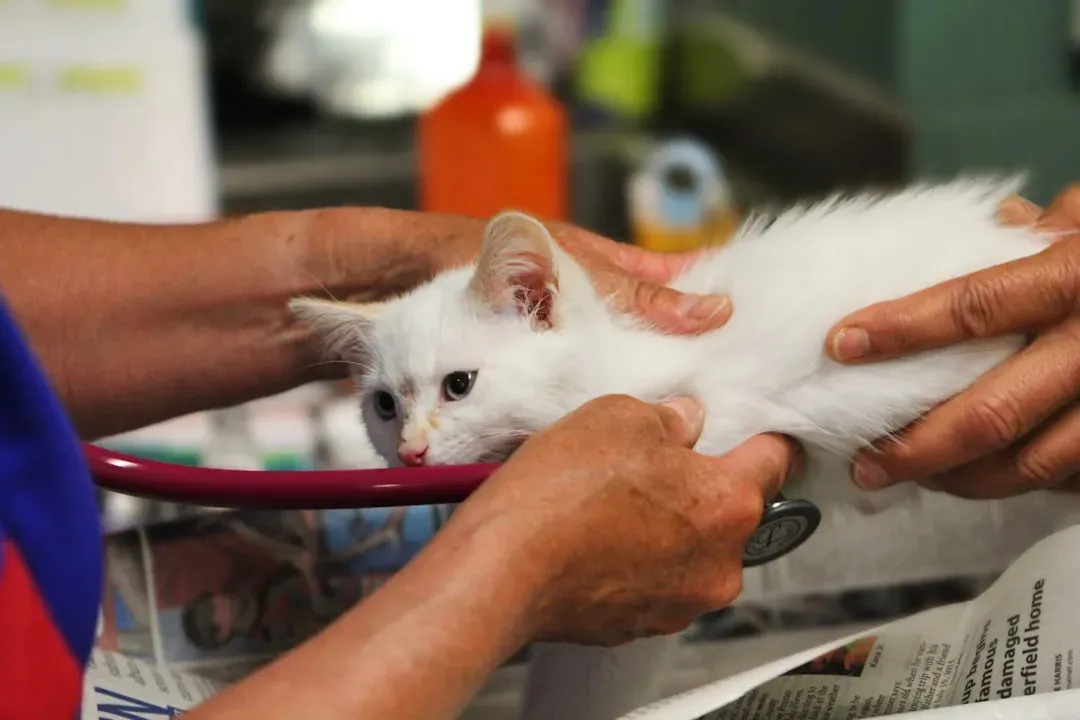
Changes in your cat’s sleep patterns can indicate health issues, and excessive sleep or significant decrease in sleep warrants a veterinary visit. Don’t wait if you notice concerning patterns. Sick cats usually become withdrawn and may hide, some become clingier while others become cranky, and generally sick cats have lower energy levels where the only thing you notice is that your cat sleeps more, doesn’t play as much, or is restless.
Call the vet if you notice significant changes in your cat’s sleeping pattern that last more than a few days, as changes in sleep could be an indication of an underlying health issue. It’s better to be overly cautious than to miss early warning signs of serious conditions. Your vet can run tests to rule out thyroid problems, kidney disease, diabetes, or other conditions that manifest through altered sleep behavior.
Conclusion
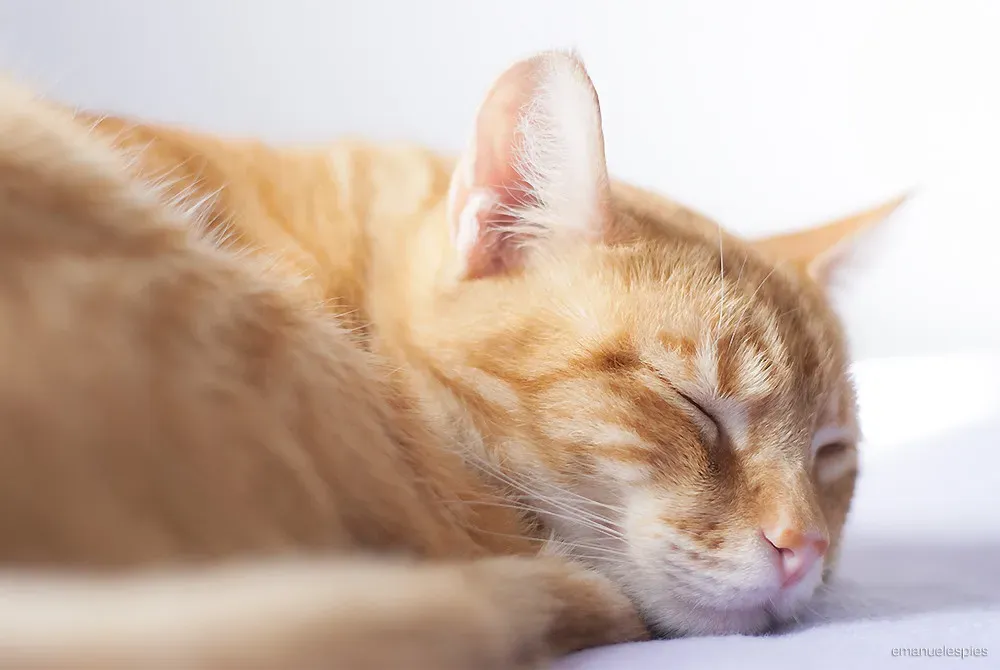
Your cat’s sleep patterns are far more than adorable photo opportunities. They’re windows into their physical health, emotional wellbeing, and the depth of trust they place in you. From the curled-up ball that suggests they’re conserving heat or feeling vulnerable, to the belly-up sprawl that screams complete trust, every position tells a story. Those twitching paws during REM sleep? Your cat is probably reliving their greatest hunting triumph (or that toy mouse you dragged across the floor).
Pay attention to changes in sleep duration, location preferences, and sleeping positions. Your cat can’t tell you when something’s wrong, but their sleep behavior often can. And honestly, the fact that your cat chooses to sleep near you, whether on your chest or at your feet, is one of the highest compliments a feline can give. What does your cat’s favorite sleeping spot say about them? Have you noticed any patterns that left you curious?