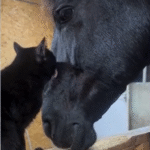
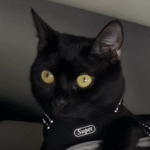
You are sitting on the couch, minding your own business, maybe watching TV or scrolling your phone, and you look up to find your cat locked onto you with that unblinking, laser-focused stare. Suddenly you feel like a suspect in a detective show. What is that gaze really about? Is it love? Hunger? A silent judgment of your life choices?
Honestly, the answer is far more fascinating than most people realize. There is a whole universe of intelligent thought, emotion, and communication happening behind those wide, mysterious eyes. Science has been catching up to what cat owners have suspected for years. Let’s dive in.
Staring Is One of Your Cat’s Primary Languages
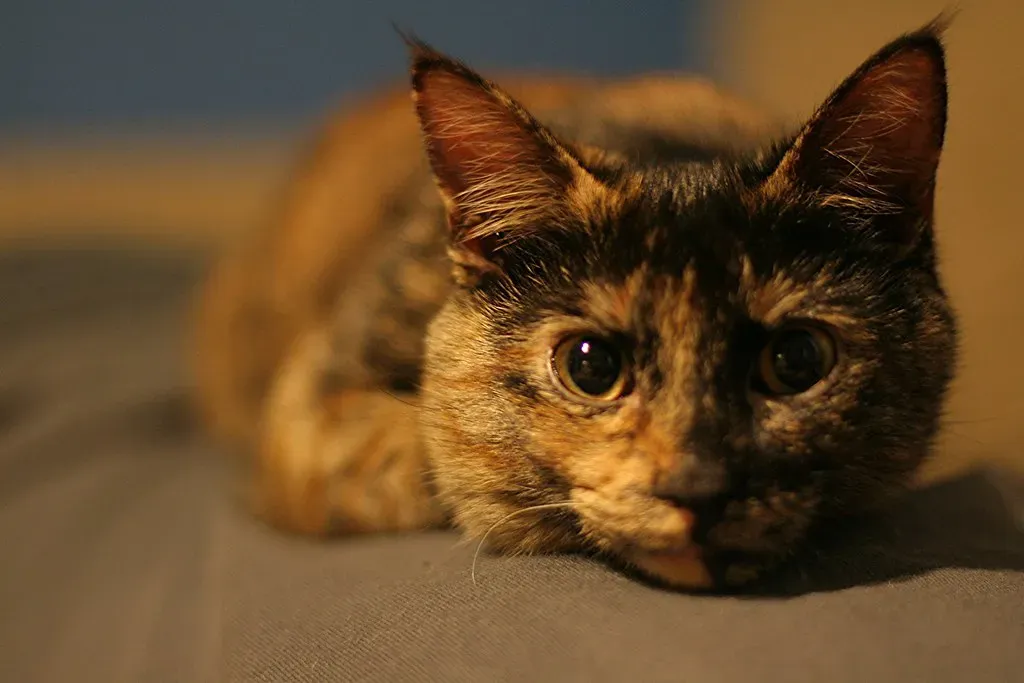
Staring is one of a cat’s primary ways of communicating with humans, observing their surroundings, and expressing themselves. Think of it like a vocabulary. Where humans lean on words, facial expressions, and gestures, your cat relies heavily on the eyes. It is their version of a full sentence.
Cats are masters of non-verbal communication, and their body language, especially their eyes, can reveal a lot about their feelings, needs, and instincts. So the next time your cat fixes that steady gaze on you, know that they are not just “zoning out.” They are actively saying something, in the only way they know how.
The Science Behind Why Cats Evolved to Gaze at You
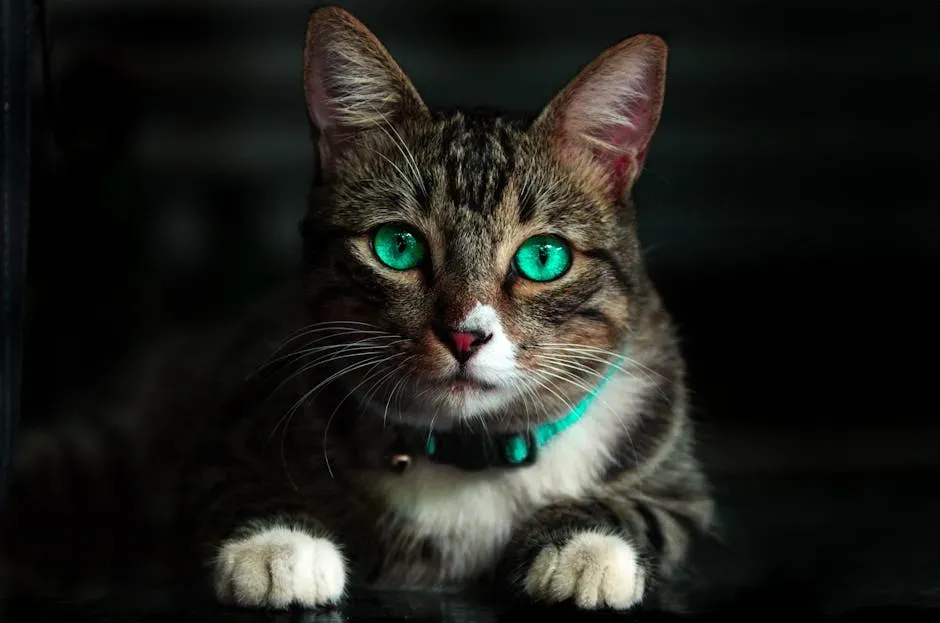
Cats gaze at humans to share information in the same way people do. Ethologist Péter Pongrácz noted that most animals rarely gaze at each other, and when they do, it is often a sign of hostility. To see cats use gaze the way people do, to share information, is described as “really surprising,” with findings providing stronger proof that cats have evolved to be capable of complex communication with humans.
That is huge. Most wild animals treat direct eye contact as a threat. Your domestic cat has essentially rewired that instinct over thousands of years of living alongside humans. Humans and cats have a long, shared history that has become increasingly close and complex over the past several decades, due to a progressive shift in sentiment towards cats as close companions and family members. That evolution shows up right there in the stare.
Your Cat Is Reading Your Every Move More Than You Think
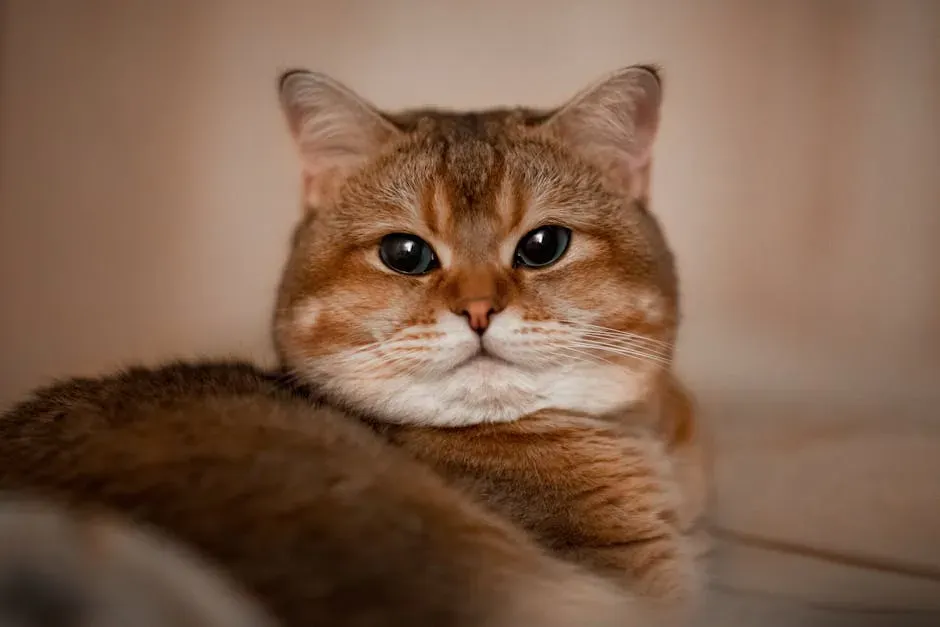
When a cat stares at a person, they often use that same instinctive focus to gather information. You may think they are simply watching you, but they are reading your movements, tone, and behavior. It is a little like having a tiny, furry behavioral analyst living in your home. They clock everything.
Cats are highly intelligent and sensitive to human emotion. If you are sad, stressed, anxious, or happy, your cat may stare to understand how you feel. This is why some cats become extra cuddly when their owners are upset. Let’s be real, that is more emotionally perceptive than some people we know.
Your Cat Can Even Smell Your Emotions
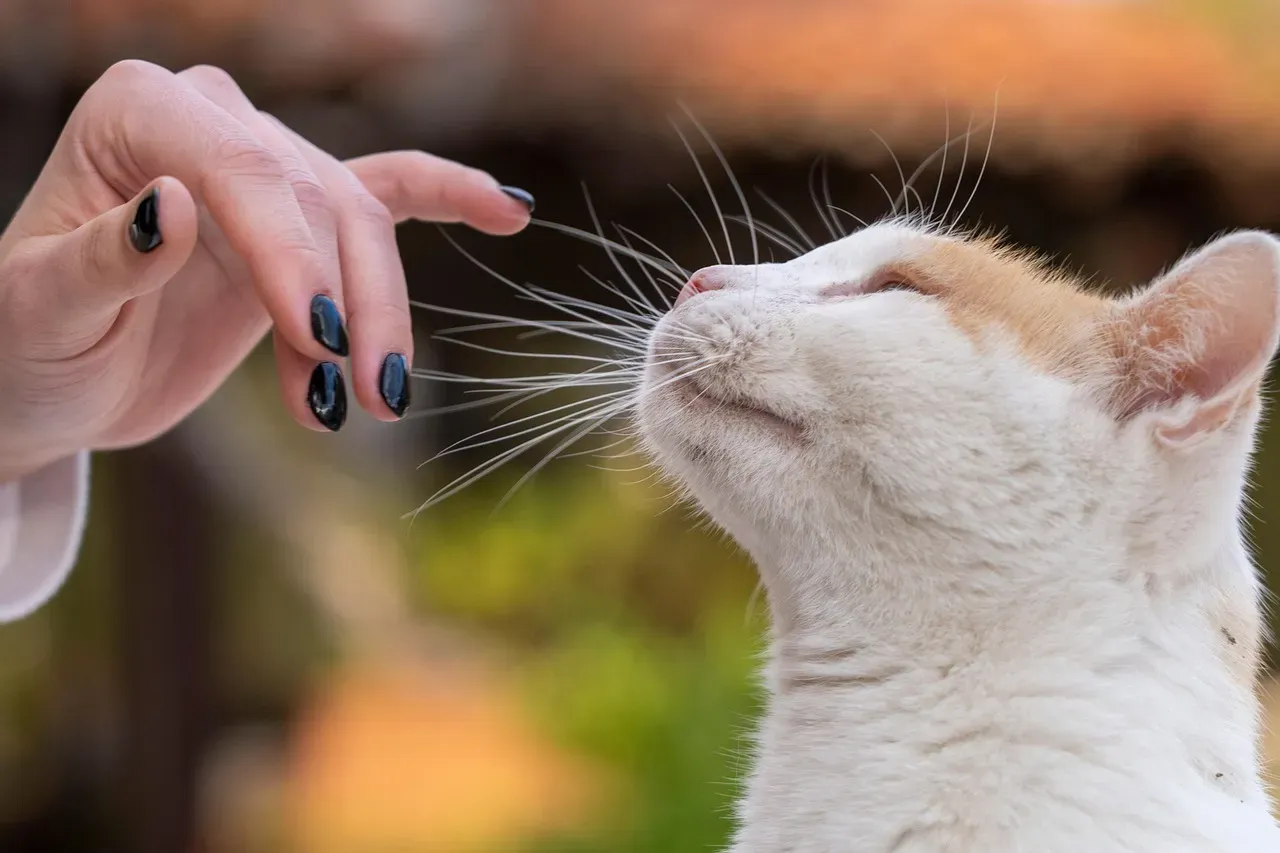
A recent study shows cats can detect human emotions through scent, especially fear, suggesting that your feline friends might understand you more than you realize. The gaze, it turns out, is just one piece of a multi-sensory puzzle. While they stare at you, they are also picking up chemical signals from your body.
Research found that “fear” odors elicited higher stress levels than “physical stress” and “neutral” odors, suggesting that cats perceived the valence of the information conveyed by fear olfactory signals and regulated their behavior accordingly. Combined with their watchful stare, this makes your cat an astonishingly sophisticated emotional reader. It’s hard to say for sure just how deep that perception goes, but the science is pointing somewhere remarkable.
The Slow Blink Is Your Cat Saying “I Love You”
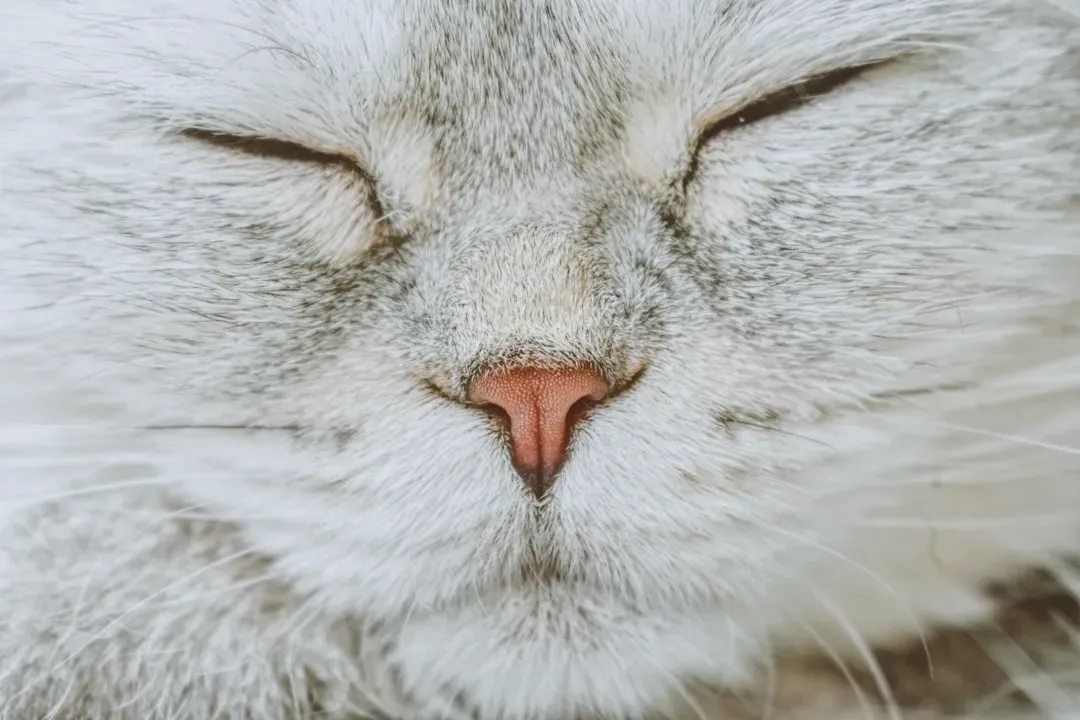
The slow blink sequence appears to be an indicator of positive emotion in cats. This is probably the single most heartwarming piece of feline science ever studied. That drowsy, half-closed blink your cat gives you across the room? That is a full-blown declaration of trust and affection. Think of it as a cat kiss.
In the wild, cats rely on body language to communicate, and closing their eyes, even momentarily, makes them vulnerable. So when your cat looks at you and slowly blinks, it is essentially saying, “I trust you enough to let my guard down.” It is a subtle but significant form of nonverbal communication. You can actually send that message right back to your cat by doing the same thing, and the results will surprise you.
Science Proved You Can Blink Back and Have a Real Conversation
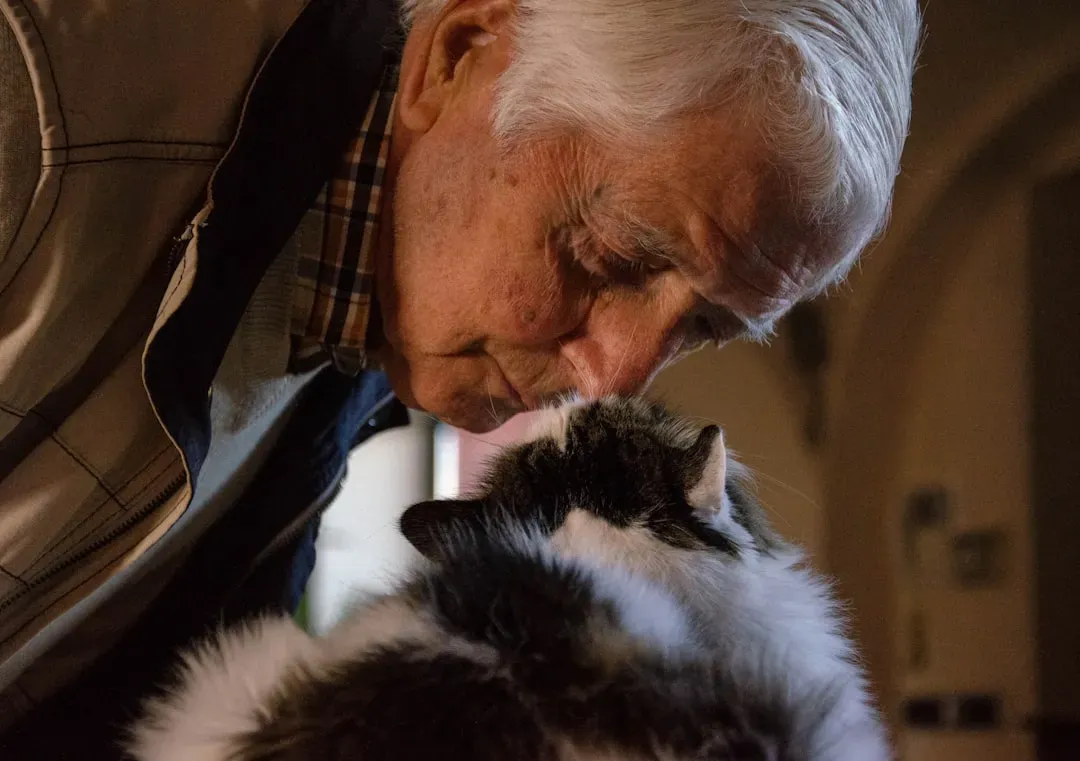
A 2020 study published in Scientific Reports tested whether cats respond differently when humans copy the slow-blink expression. In the first experiment, cat owners sat a short distance from their pets and slowly blinked when their cat looked at them. The cats were significantly more likely to return the blink compared to moments with no interaction. That is not coincidence. That is a genuine two-way exchange.
Even though cats can normally find visitors unsettling, a separate investigation, also conducted with cats in their own homes, found that the cats were more likely to exhibit slow blinking behavior in response to an unfamiliar person who engaged in slow blinking. They were also more likely to approach the visitor when they held out their hand. So slow blinking is not just sweet; it is a practical, usable tool for bonding with any cat, even one you have just met.
Your Cat Stares Because They Are Remarkably Intelligent Problem-Solvers
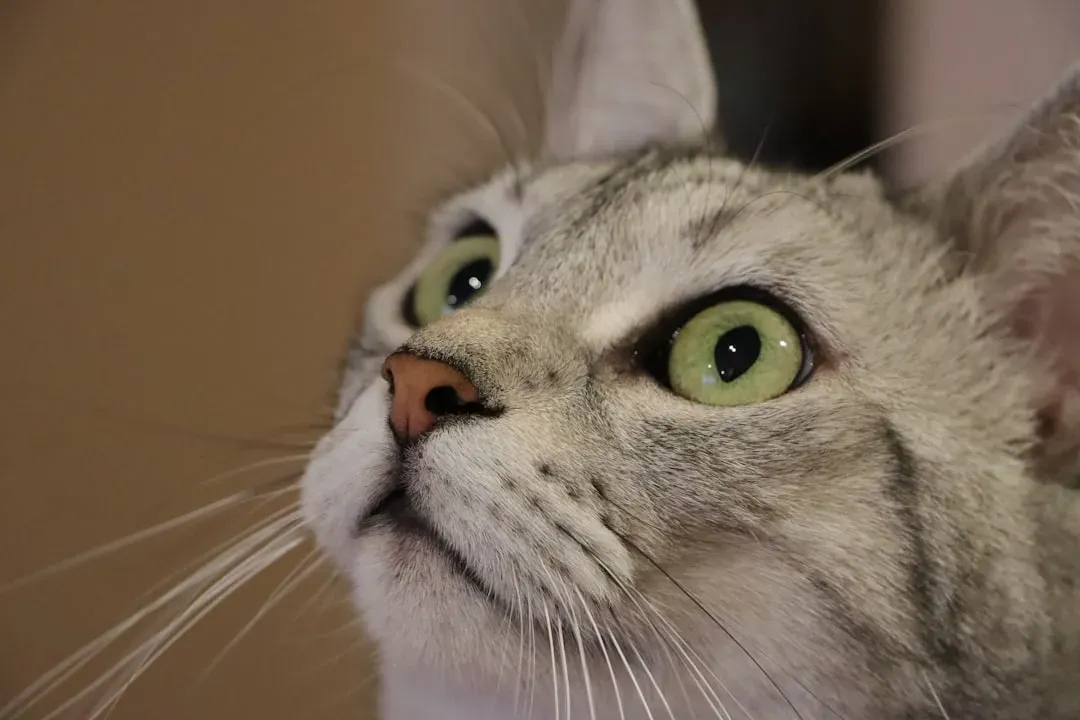
Cat intelligence refers to a cat’s ability to solve problems, adapt to its environment, learn new behaviors, and communicate its needs. Structurally, a cat’s brain shares similarities with the human brain, containing around 250 million neurons in the cerebral cortex, which is responsible for complex processing. Cats display neuroplasticity, allowing their brains to reorganize based on experiences. That watchful gaze is an expression of an actively working mind.
Cats are intelligent and observant animals. Over time, they learn what actions lead to results, and staring at their humans without blinking has proven to be remarkably effective. They recognize that their human companions answer to specific cues, eye contact for example, and will repeat those actions to achieve desired outcomes, like food, affection, or attention. In other words, your cat has studied you, figured out your behavioral patterns, and is now using that information strategically. You have to admire the genius in that.
When the Stare Is a Warning Sign You Should Not Ignore
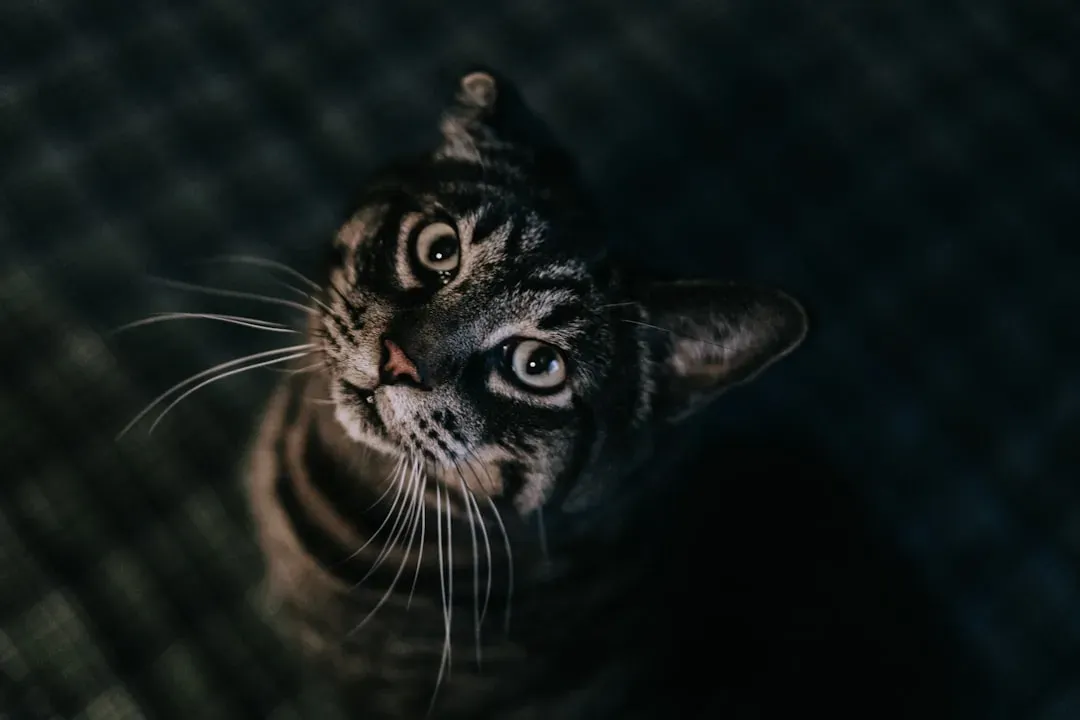
While a steady stare is usually normal, if it is paired with other unusual behaviors, it could be your cat’s way of signaling that something is not quite right. You should be on the lookout for signs like dilated pupils, frequent or excessive hiding, restlessness, or unusual vocalizations. These symptoms, when combined with intense or prolonged staring, may suggest your cat is experiencing discomfort, fear, or even pain.
In more serious or rare cases, excessive staring, glassy or unfocused eyes, or a lack of blinking could be linked to vision problems, seizures, or neurological issues. Cats are notorious for hiding their pain, so subtle changes in demeanor and body language can often be the first and only clues that something is wrong. A calm, relaxed stare is beautiful. A stiff, glassy, relentless stare paired with behavioral changes? That is your cue to call a vet.
Building a Deeper Bond Through Your Cat’s Eyes
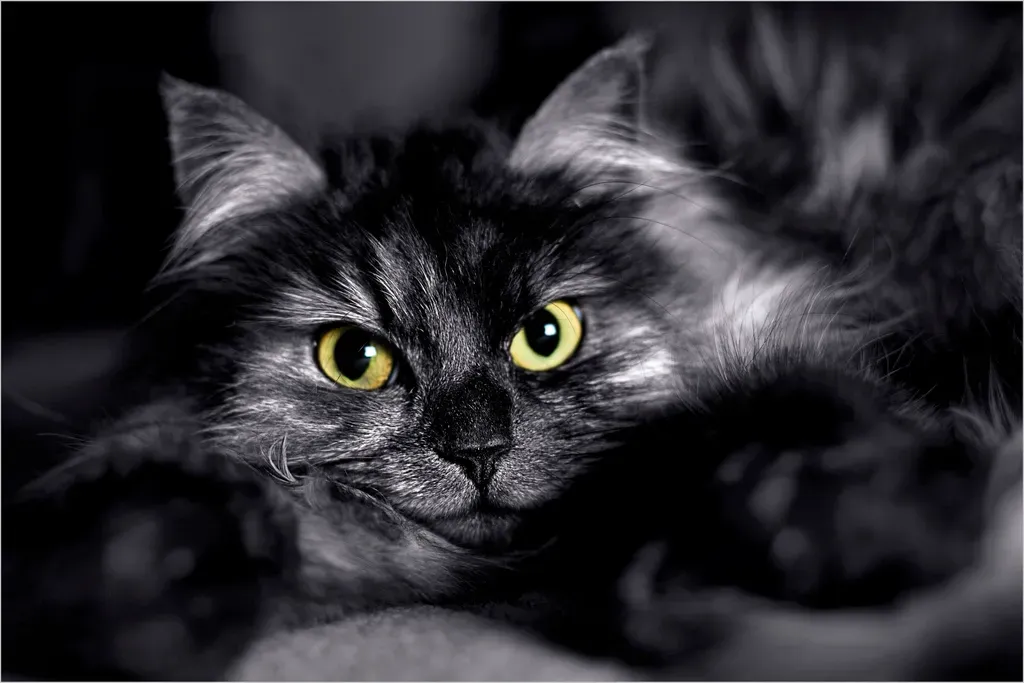
Understanding why your cat stares at you is key to improving communication and strengthening your relationship. Most of the time, a cat’s gaze is a sign of curiosity, affection, or attention-seeking behavior. By paying attention to the context and their accompanying body language, you can respond in ways that meet their needs and deepen your bond. It really is that simple, once you know the language.
The research also highlights something deeper: cats are far more socially aware than many people assume. Interpreting their nonverbal cues gives us insight into the social intelligence of cats, an area still full of unanswered questions and exciting possibilities. Every locked gaze, every slow blink, every watchful moment from across the room is your cat reaching out to you in the only vocabulary they have. The question is whether you are paying attention.
Conclusion
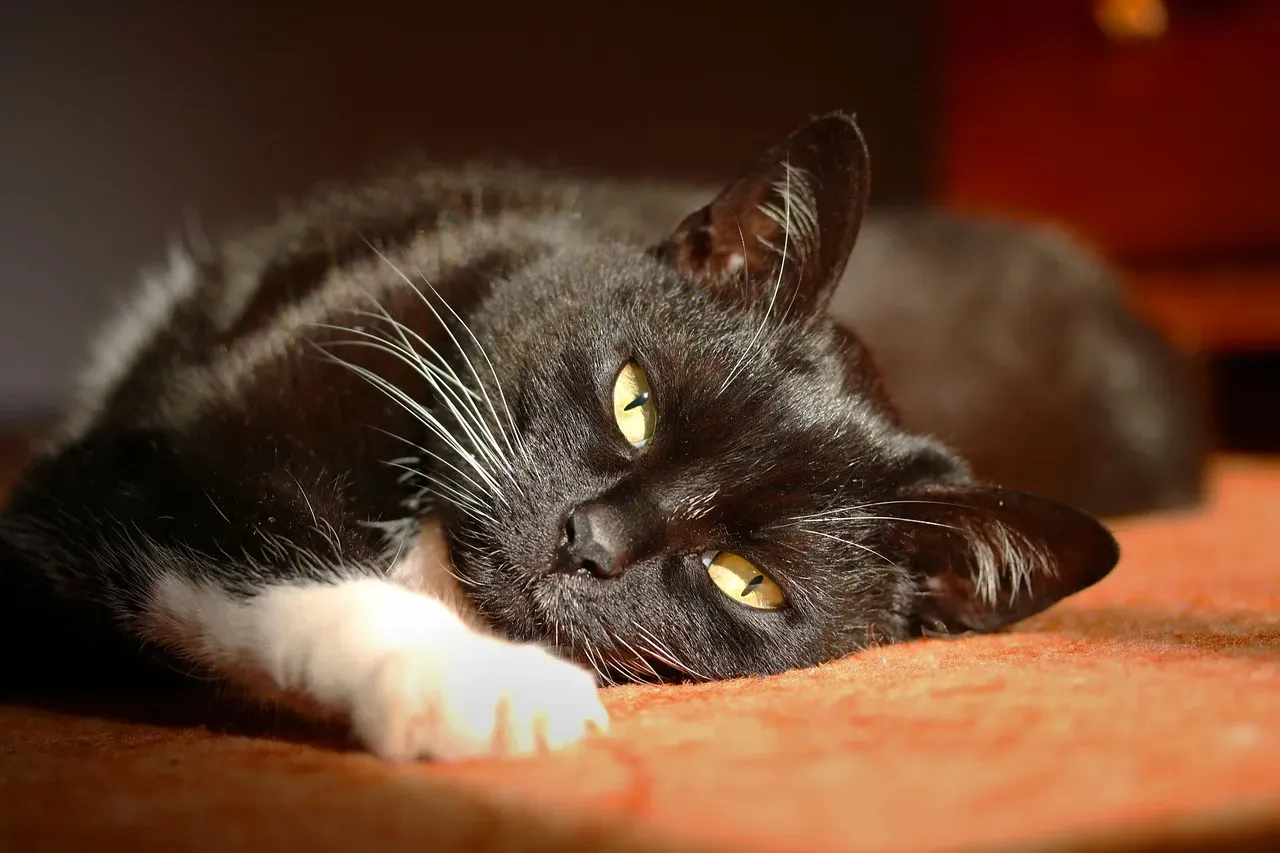
Your cat’s stare is not weird, unsettling, or random. It is a window into one of the most quietly intelligent minds sharing your home. From reading your emotional state to using a carefully learned visual language to bond with you, your cat’s gaze carries weight and meaning most people never stop to consider.
Next time those eyes lock onto yours, try a slow blink back. You might be surprised at what happens next. After all, in the world of feline communication, that one small gesture speaks volumes. What do you think your cat has been trying to tell you all along? Drop your thoughts in the comments.