There’s a moment most cat owners know well. You’re sitting quietly, maybe reading or watching something, and you get the distinct feeling you’re being watched. You look up, and there they are, your cat, completely still, eyes fixed directly on you with an intensity that could rival a detective. Your first instinct might be to feel a little unnerved. What does it mean? Are you in trouble?
The truth is almost certainly warmer than you think. Staring is considered rude in the human world, but staring can convey very different messages in the cat world. Understanding what’s actually behind that unwavering gaze transforms a puzzling behavior into one of the most meaningful forms of communication your cat has to offer. Here’s what’s really going on.
The Gaze Is a Form of Feline Communication
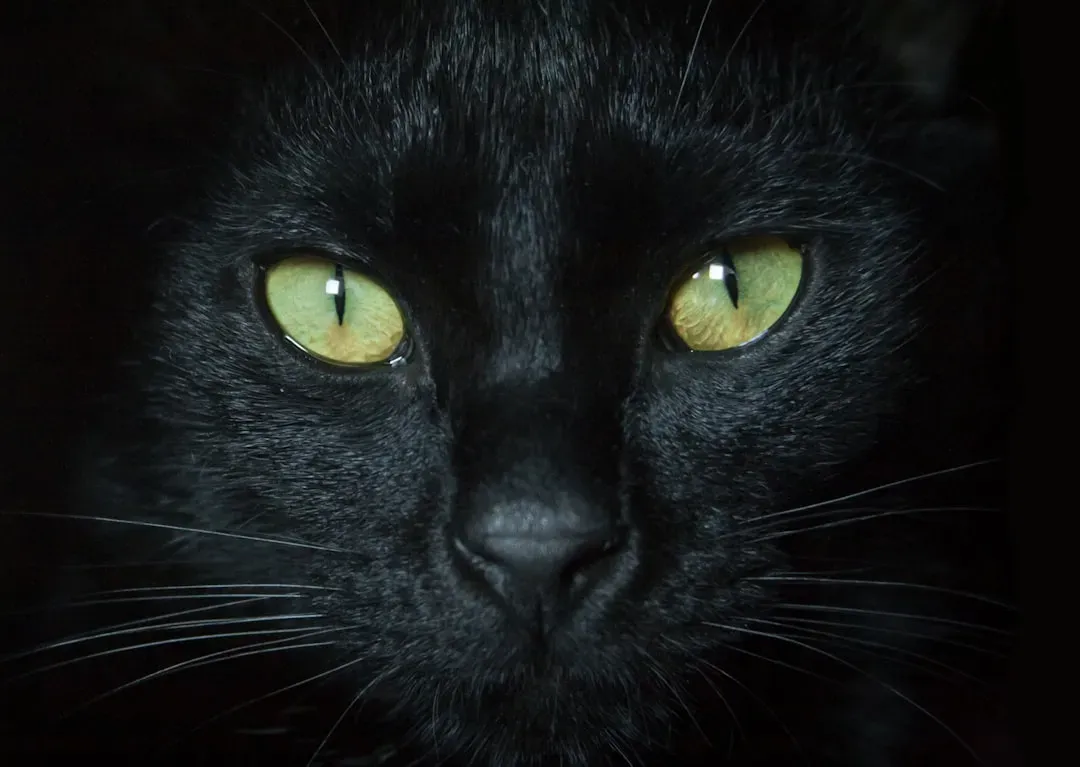
Cats don’t have the vocal range or the expressive faces humans use to convey nuance. Instead, cats use body language to communicate with humans and other animals, and staring is one of the most common cues they use to convey different messages. Their eyes carry much of the emotional weight that words might carry for us.
Cats may have a reputation for being aloof, but they’re actually expressive and affectionate. One way they communicate is by staring. They also use subtle shifts in their posture, ears, eyes, and tail to signal their mood or health. Learning to read these signals alongside the stare itself reveals a surprisingly rich inner life.
A Relaxed Stare Usually Means Trust
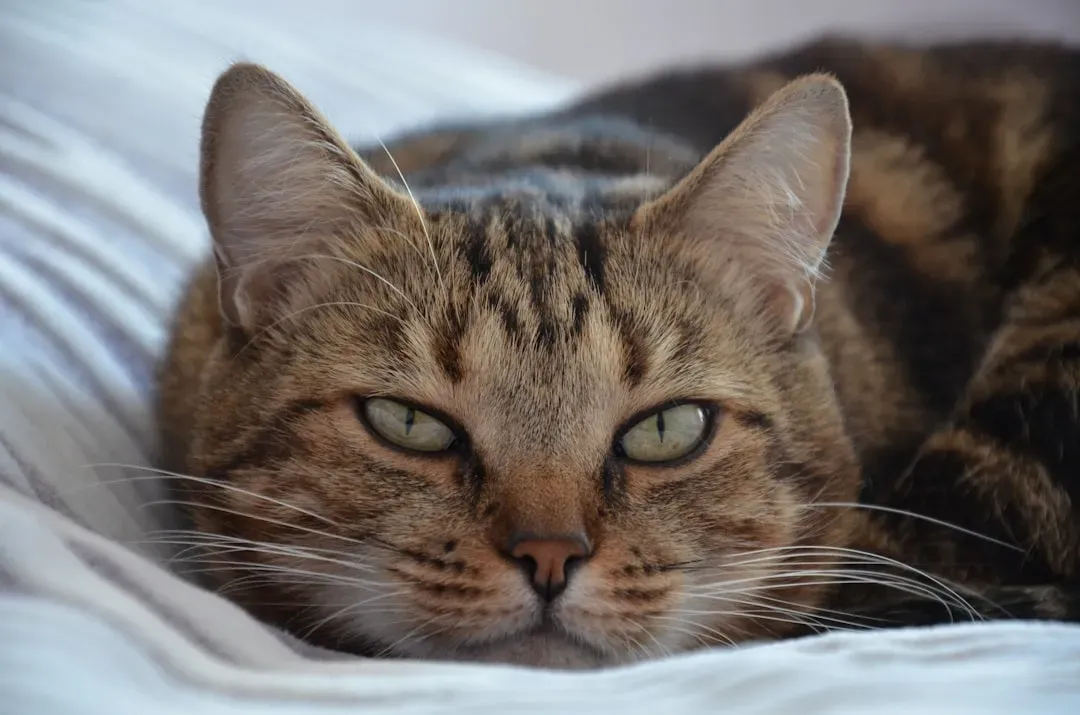
In the home, cats often soften their wild instincts with trust and familiarity. A relaxed stare from a household cat usually reflects comfort rather than challenge. When your cat looks at you with a calm body, soft posture, and no visible tension, that steady gaze is more warm regard than territorial warning.
Cats will often stare at their owners as a way of being affectionate. They may get really close to you or snuggle up while staring. Cats will also usually do some slow blinks when they are staring in this way. This is a completely normal and safe behavior in cats, and cat owners do not need to worry if their cat does this. In fact, you can consider it a form of quiet companionship.
The Slow Blink Is Science-Backed Affection
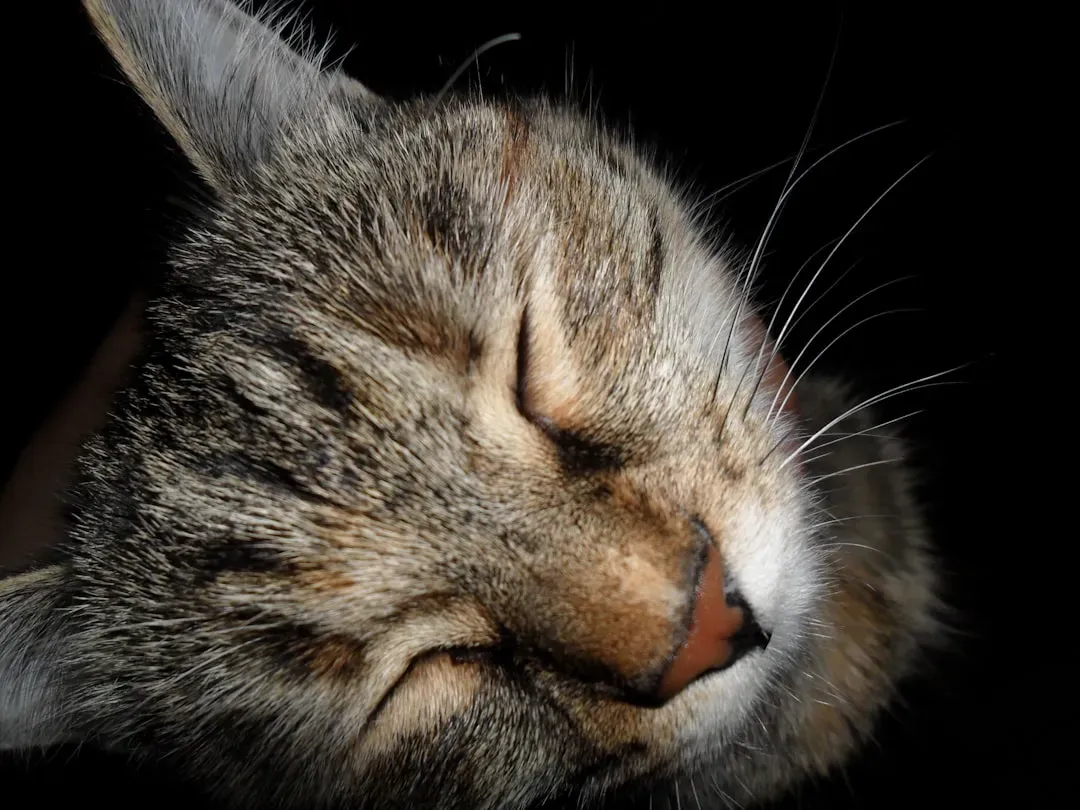
In 2020, psychologists at the University of Sussex conducted the first scientific study on cat slow blink meaning. Led by Dr. Tasmin Humphrey and Professor Karen McComb, the research published in Scientific Reports proved something cat owners long suspected: slow blinking is genuine cat communication. It wasn’t just anecdotal anymore.
The first experiment revealed that cat half-blinks and eye narrowing occurred more frequently in response to owners’ slow blink stimuli toward their cats. In a second experiment, cats had a higher propensity to approach an experimenter after a slow blink interaction than when the experimenter had adopted a neutral expression. So when your cat blinks slowly at you, blinking back is genuinely meaningful to them.
Your Cat Is Reading You More Carefully Than You Realize
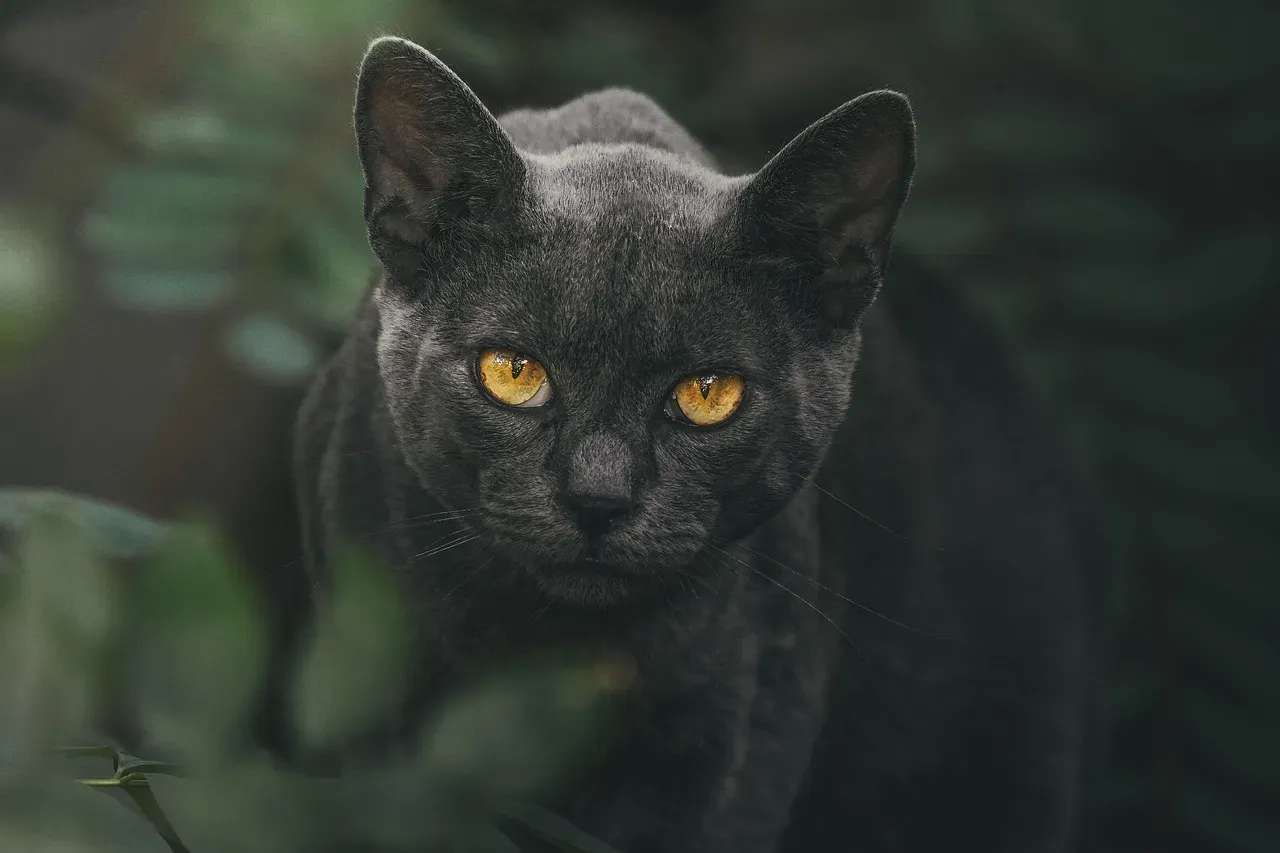
When a cat stares at a person, they often use that same instinctive focus to gather information. We may think they are simply watching us, but they are reading our movements, tone, and behavior. Cats are far more perceptive than most people give them credit for.
In some situations, a cat may watch closely when they sense changes in mood or routine. Cats often notice subtle differences in tone, posture, and movement. That awareness explains why they sometimes seem to know when something feels different in the household. Your cat’s stare, in this sense, is an act of attentiveness, not surveillance.
Sometimes the Stare Is Simply Curiosity
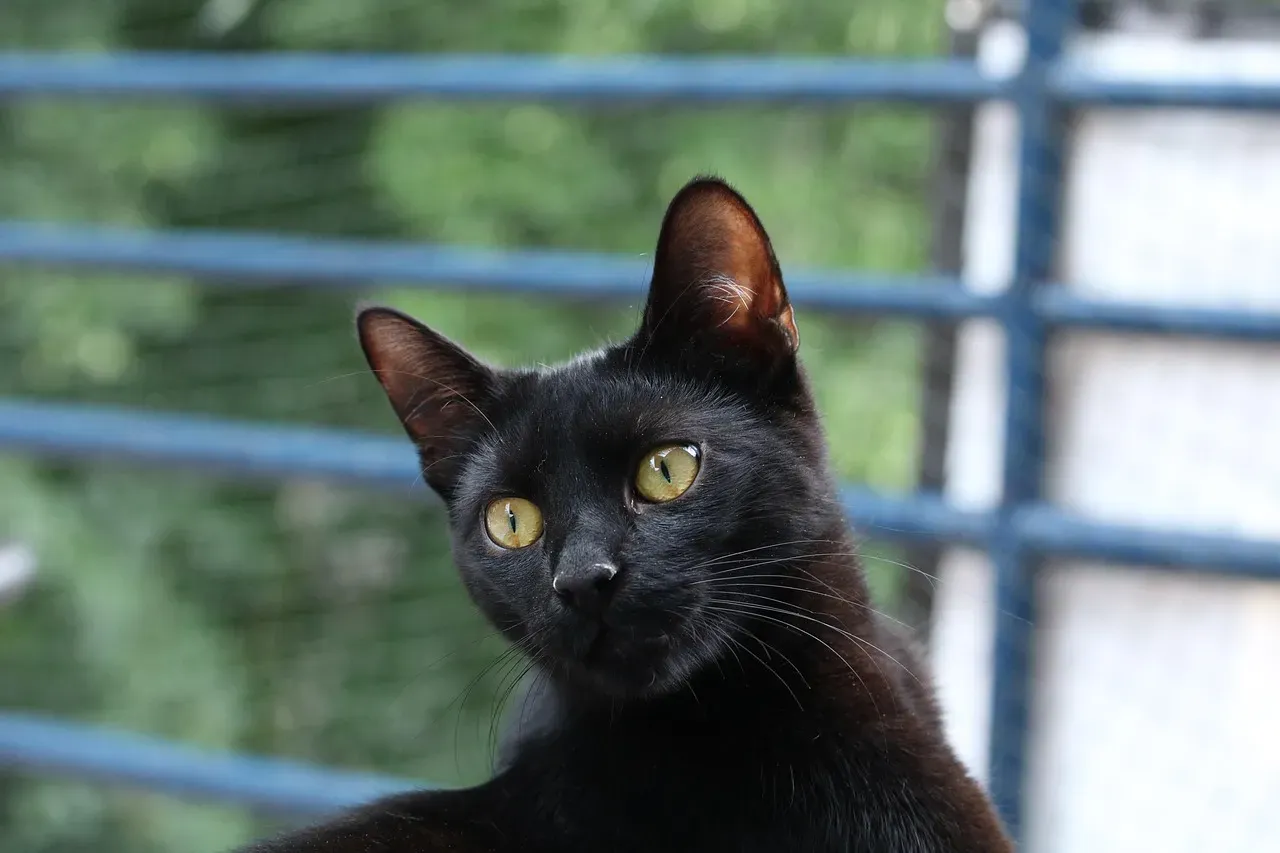
Cats will often stare at people and things when they are curious about them. They may be wondering what you are doing or be confused about a drastic change in appearance or behavior. If you’ve just tried a new hairstyle, switched up your workout routine, or started bringing home something that smells different, your cat is probably just trying to make sense of it.
Most of the time, curious cats will not appear to be frightened or angry. Instead, they are content and curious. This is pretty normal in cats, and it is nothing to worry about. Think of it as your cat paying close attention to the person they’ve chosen to spend their life with.
The Hunger Stare Is Strategic, Not Rude
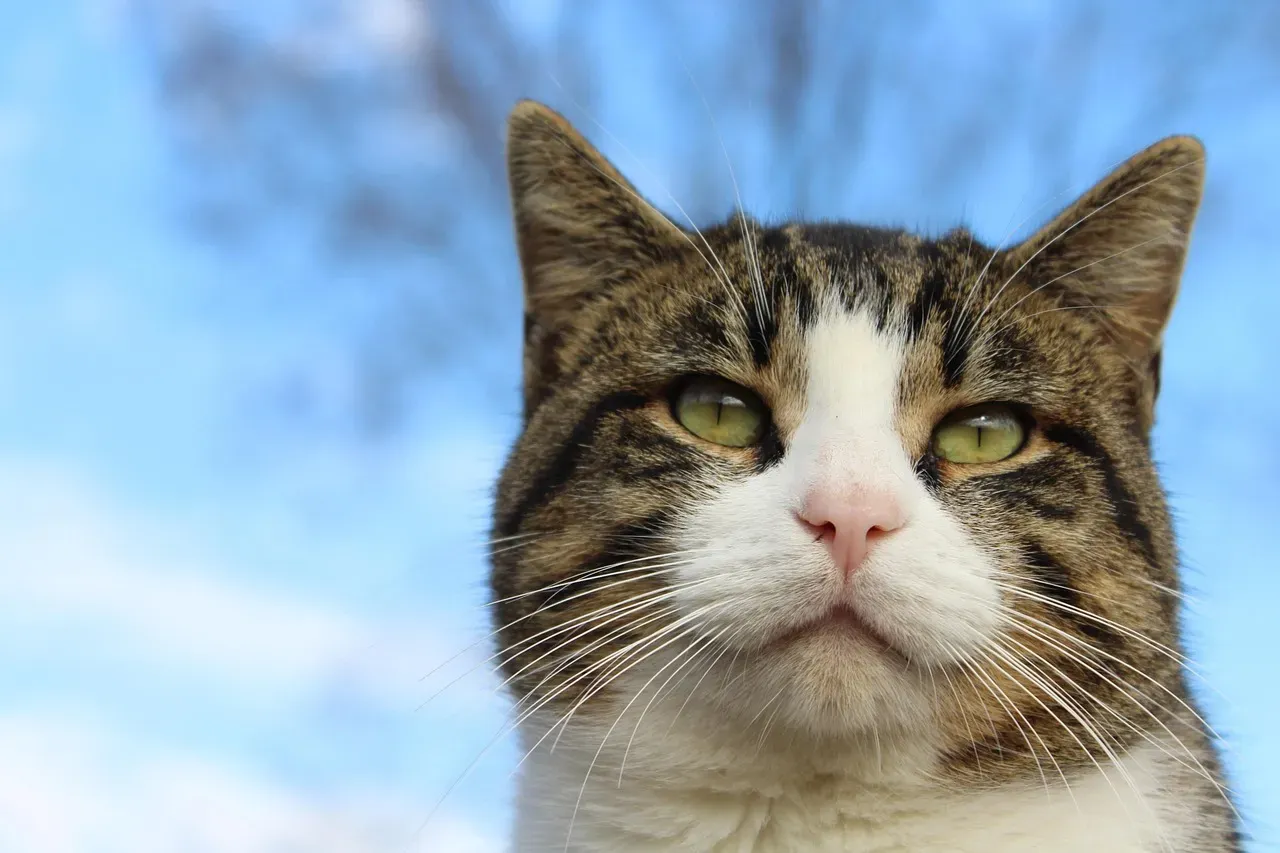
Over time, cats learn what actions lead to results, and staring at their humans without blinking has proven to be remarkably effective. One study has shown that cats can manipulate humans using visual cues. So if you feel like your cat’s dinner-time stare is oddly persuasive, you’re not imagining it.
Cats often learn that staring produces results, whether it’s food, playtime, or attention. If you’re consistently rewarding their staring, they will keep on doing it, a pattern known as operant conditioning. Based on past experiences, your cat has learned that staring intently at you while you’re eating your meal is likely to result in a tasty morsel for them. It’s calculated, yes, but it also means your cat has decided you’re worth the effort.
Staring While You Sleep Is About Closeness
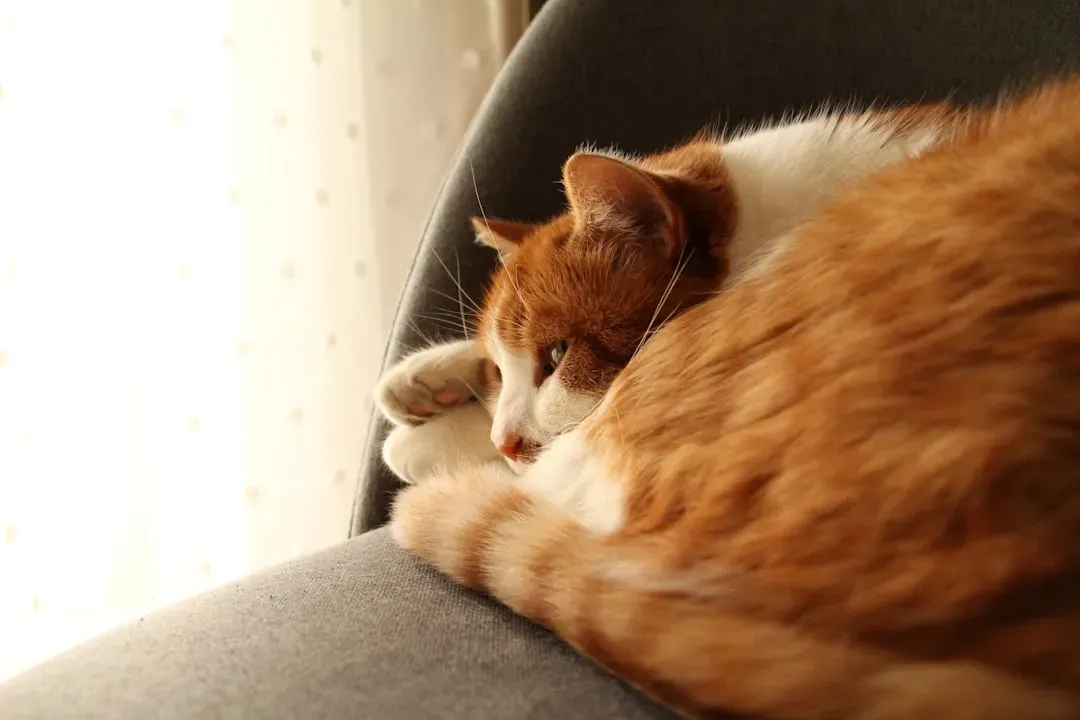
When owners ask about why their cat stares at them while they sleep, veterinarians often explain that sleeping humans present a mix of curiosity, affection, and opportunity. It might feel a little unsettling when you first notice it, but the motivation is almost always benign.
Some cats remain close during sleep because they feel safe nearby. Cats that choose to stay near us often view us as part of their secure territory. Cats can be extremely attached to their human family members, and when you’re asleep, they have more of an opportunity to be close to you and observe you. Your sleeping self is apparently fascinating company.
The Hunting Instinct Also Plays a Role
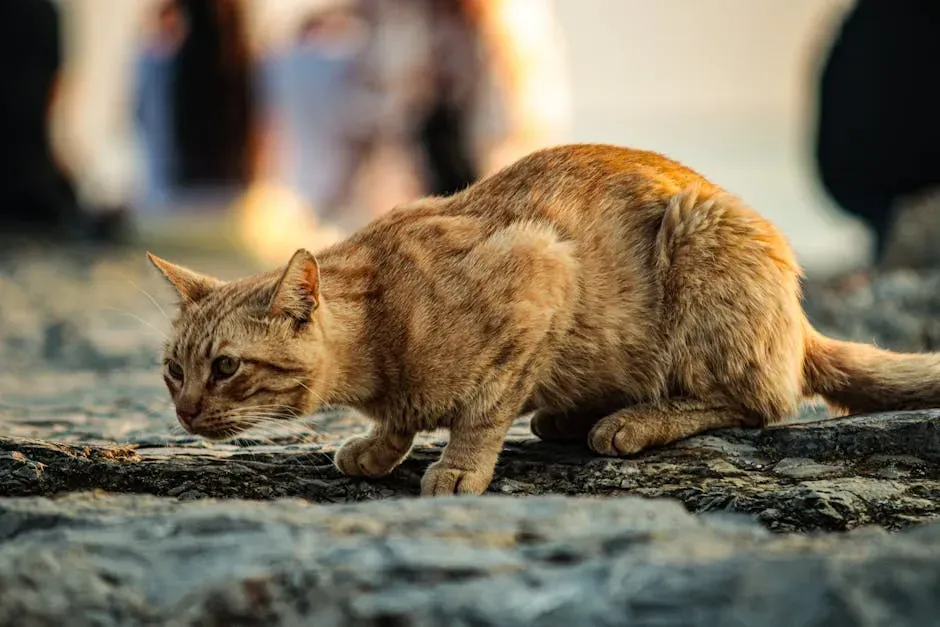
Another reason cats stare is their razor-sharp hunting instinct, meticulously honed through millions of years of evolution. Cats have a binocular field of vision, with a high area of visual overlap between both eyes, a trait shared with many predators. This field of vision allows them to properly perceive depth, height, and distance, which are needed to successfully pounce on their prey.
Staring is also part of your cat’s natural hunting behavior. They may fixate on a bug, toy, or even something invisible to you, tracking even the tiniest movement. It’s their way of prepping for a pounce. When they fix their gaze on you just before a playful swat at your feet, you haven’t offended them. You’ve just become a very tempting moving target.
When the Stare Is a Warning Sign Instead
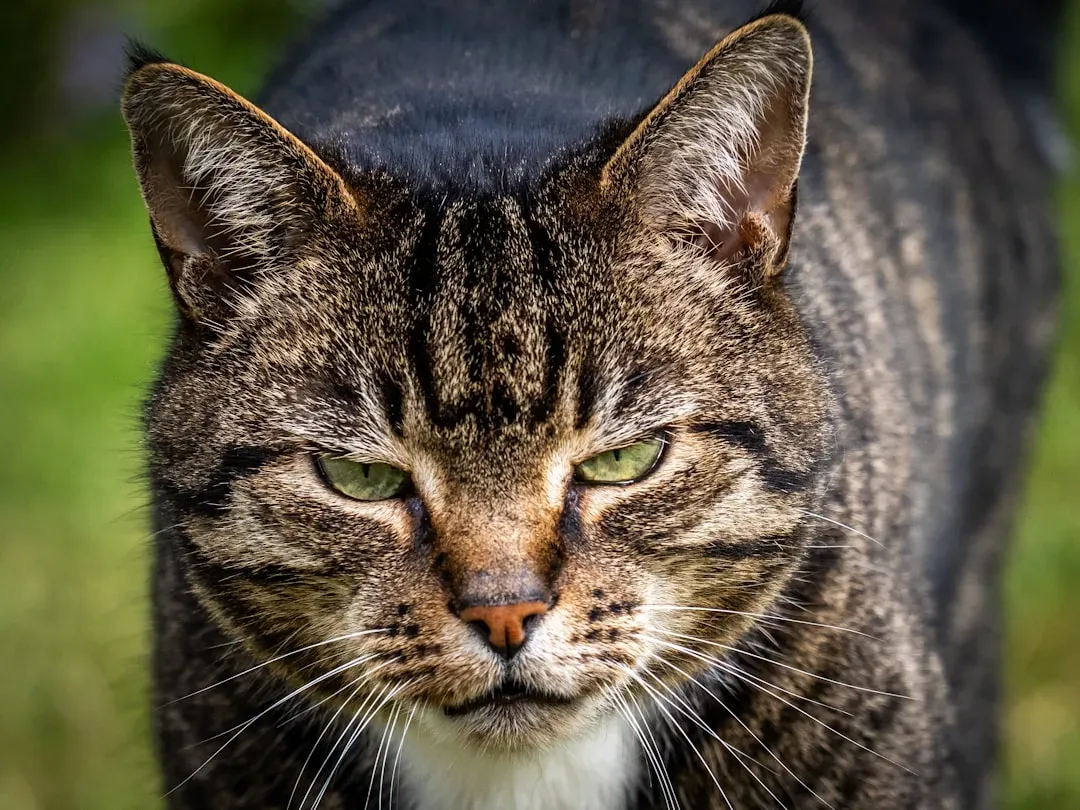
If your cat is staring while exhibiting other signs of tension, such as its back stiffening, ears flattening, or tail flicking, it’s likely not in a happy mood. Your cat is likely to be annoyed, scared, overstimulated by loud noises, or simply asking for its personal space. When a cat stares with dilated pupils and stiff body language, it may indicate fear or aggression. In cases like these, the stare is more of a “back off” signal than a hint of affection.
If your cat’s staring behavior is accompanied by other unusual signs, like lethargy, changes in appetite, or vocalizations, it could indicate a health problem. Additionally, eye issues like redness, excessive tearing, or cloudiness can cause your cat to appear fixated. In these cases, consult a veterinarian promptly to rule out any underlying issues. Context is everything when reading a cat’s gaze.
How You Should Respond to Your Cat’s Stare
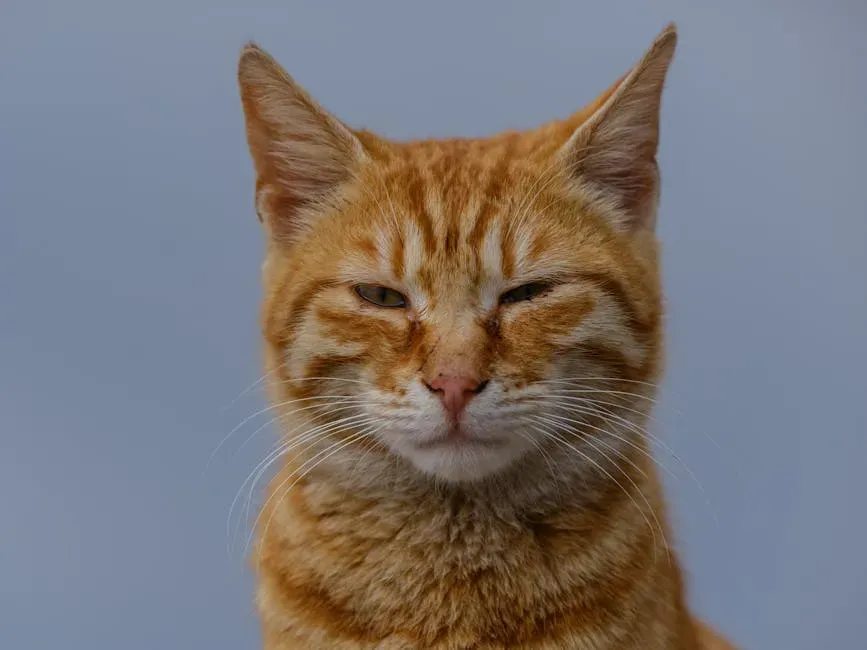
When your cat stares at you, the best response depends on the context and accompanying body language. If your cat’s gaze is soft or slow-blinking, indicating affection or curiosity, return the slow blink, talk to them in a calm, friendly voice, or give a gentle head scratch. That simple exchange can genuinely strengthen the bond between you.
Cat behaviorists agree it’s best not to hold prolonged eye contact with a cat, as they may interpret it as a threat or challenge. A slow blink, on the other hand, is often interpreted as friendly and affectionate. You can intentionally use the slow blink to engage positively with a cat, mimicking their non-aggressive communication style. It’s one of the simplest and most underused tools in the cat-owner relationship.
Conclusion: That Gaze Is a Gift
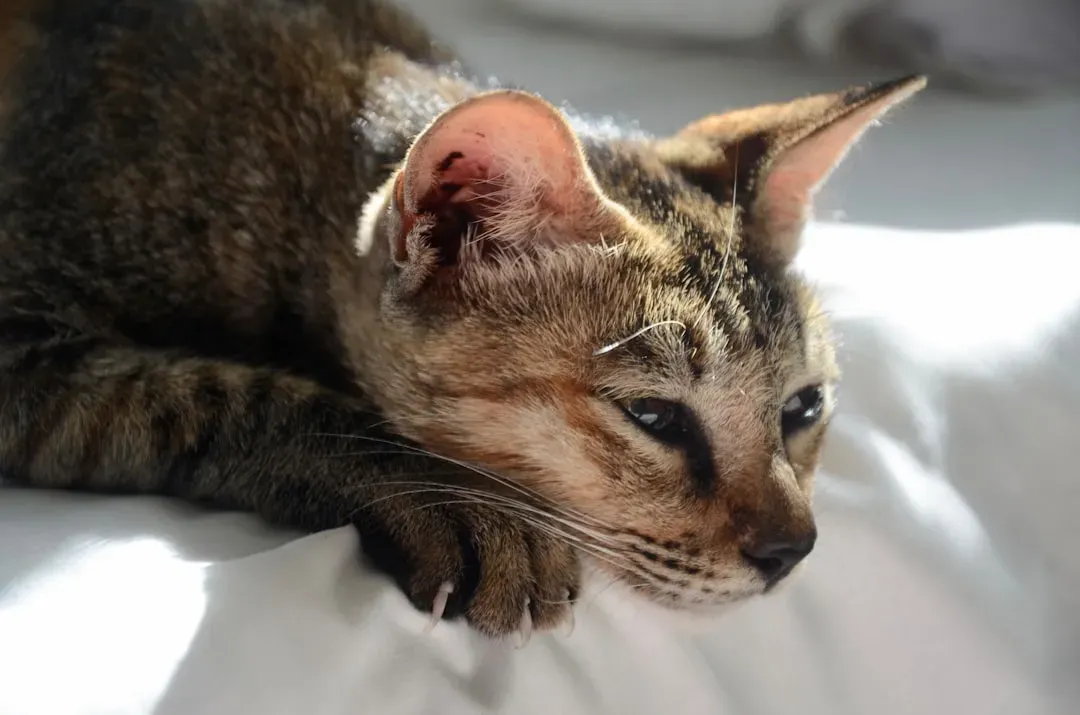
As well as being a method of communication, staring is also a sign of a close bond between you and your cat. They are unlikely to hold eye contact with someone they don’t like or trust. When you really sit with that idea, it changes everything about how the stare feels.
That steady gaze often reflects trust, curiosity, or a desire to stay connected. While every cat expresses this behavior differently, the message usually comes from familiarity rather than concern. Your cat’s stare isn’t a challenge, an accusation, or a complaint. It’s an invitation, quiet and steady, from an animal that has chosen you as its person. The least you can do is blink back.