You’ve probably stared at your cat at some point and genuinely wondered what is going on in that furry little head. One second they’re purring on your lap, and the next they’re glaring at you like you owe them money. The truth is, your cat is actually talking to you constantly. You’re just not fluent yet.
In cats, it’s the tail position that provides the greatest insight into what a cat is feeling. Cats use their tail movements, along with their eyes, ears, and body postures, to communicate. Honestly, once you crack the code, it’s like suddenly understanding a language you’ve been hearing your whole life. Let’s dive in.
The Upright Tail: Your Cat’s Version of a Warm Hello
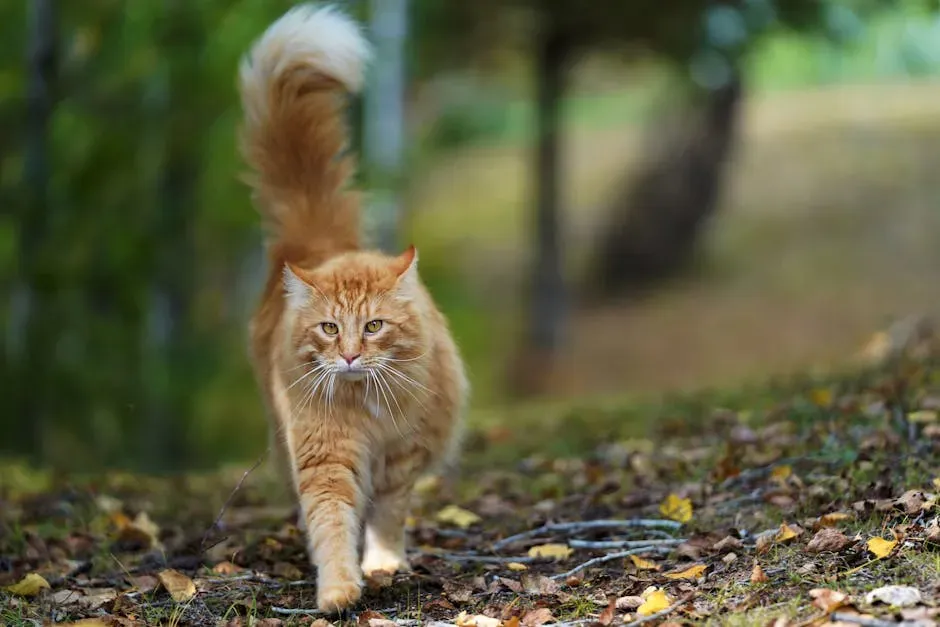
When your cat holds their tail high in the air as they move about their territory, they’re expressing confidence and contentment. A tail that sticks straight up signals happiness and a willingness to be friendly. Think of it like a cat walking up to you with a big open smile. That’s their version of it.
When a cat’s tail is upright, they are feeling social and confident, and are approaching in a friendly manner. This tail language indicates a friendly greeting between cats, and it’s how kittens greet their mothers. So when your cat comes trotting toward you with their tail held high, you’re essentially getting a royal welcome. Pretty sweet, right?
The Question Mark Tail: An Invitation You Should Never Ignore
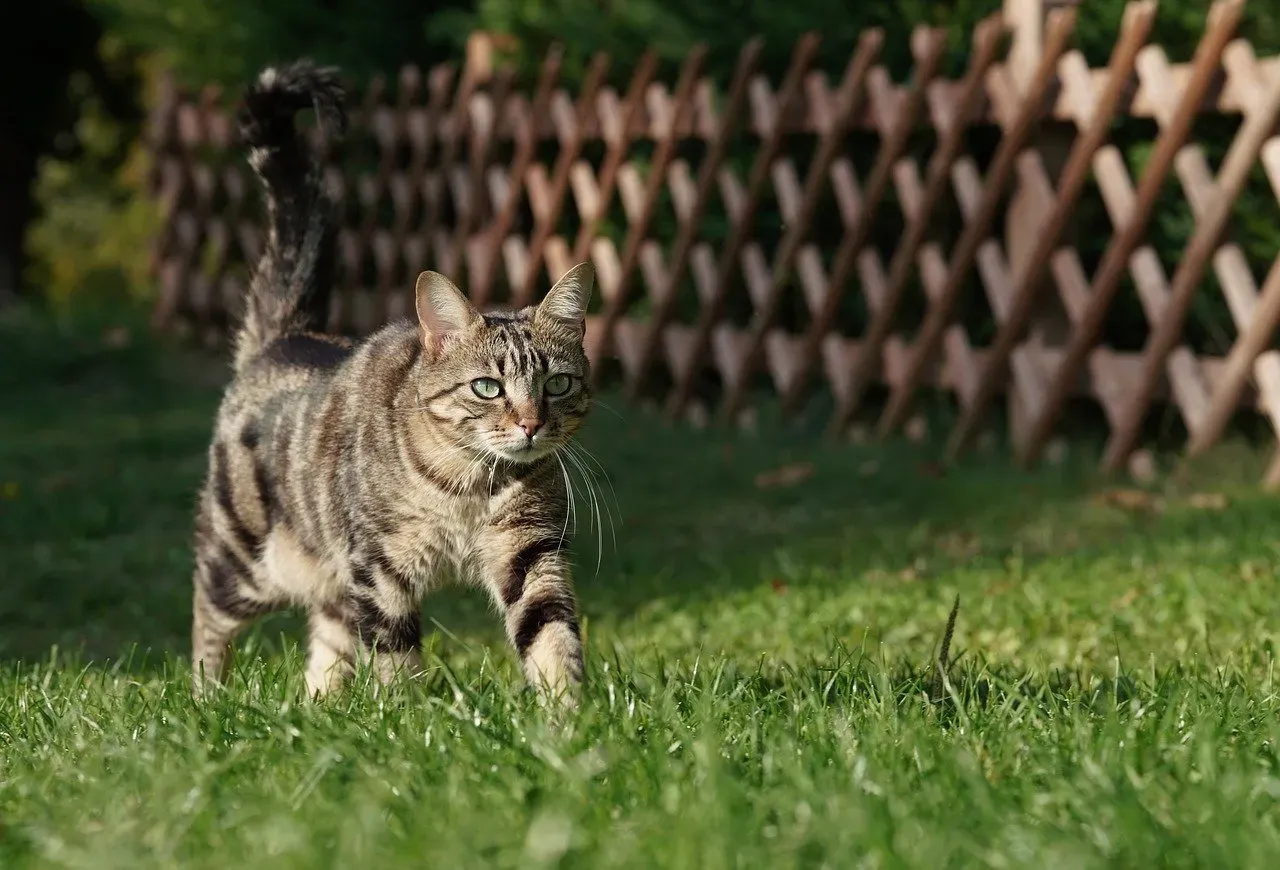
When a cat bends its tail in the shape of a question mark, this is good news, especially if you have a few minutes to spare and some cat toys at the ready. That’s because the question mark-shaped tail position is a cat’s way of asking you, “Would you like to play?” It’s one of the clearest, most charming signals your cat will ever send you.
You may notice that sometimes your cat’s tail looks like a question mark – it stands upright but curls at the end. This tail language indicates that your cat is happy and approaching amicably. When your cat’s tail is in this position, it means it’s an invitation to interact with your cat. Drop whatever you’re doing and grab that toy. Your cat is literally asking nicely.
The Thrashing Tail: Back Off Before It Gets Ugly
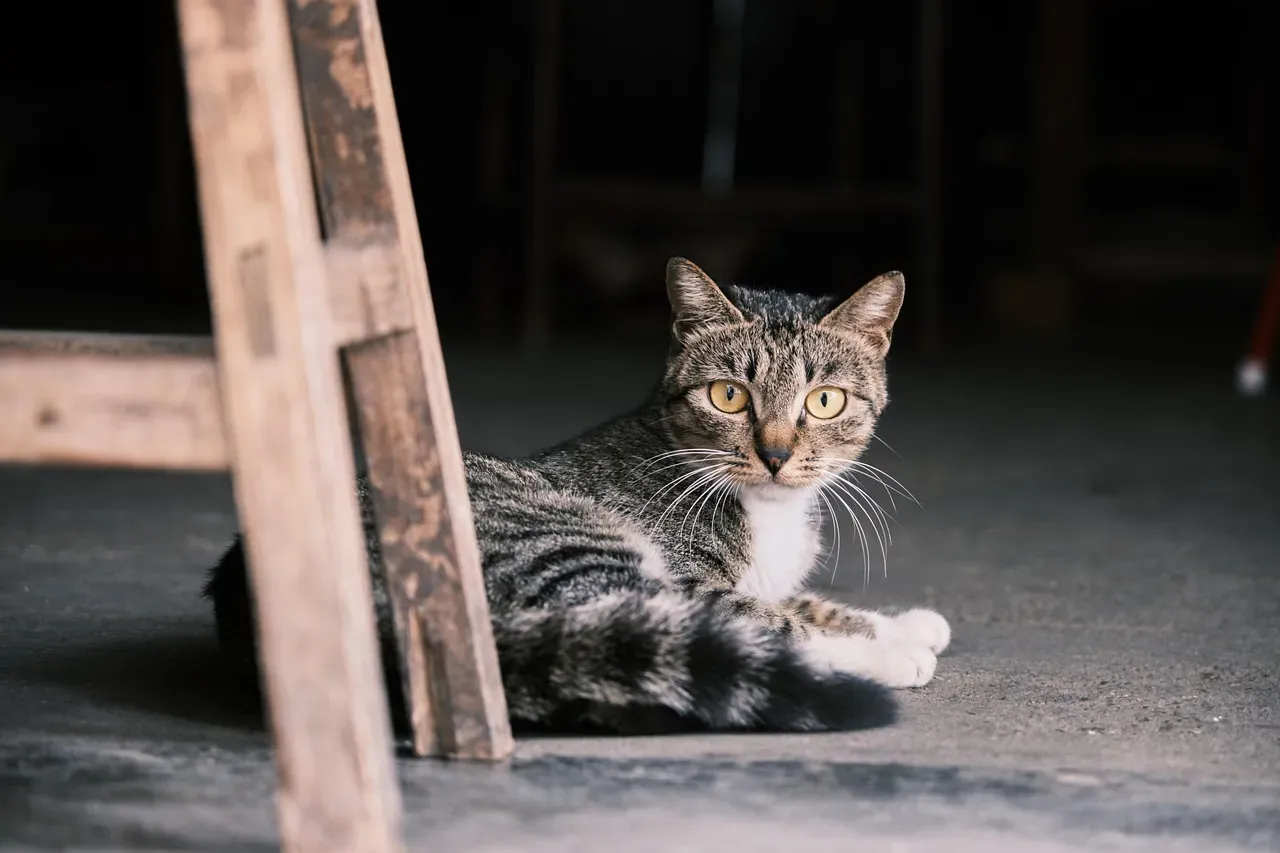
When your cat thrashes their tail or is thumping it on the ground, they are irritated, annoyed, or angry. This tells you that something is bothering your cat. This is a distance-increasing behavior. In other words, if you are petting your cat and they start thrashing their tail, they are trying to tell you to stop. Most people miss this signal entirely, and that’s usually when the hissing starts.
If you don’t stop, then the thrashing tail may be a prelude to hissing, growling, swatting, or biting. To decipher the cat tail movement meaning, observe the frequency and strength of its movement. The faster it does, the more is the degree of agitation. Honestly, consider it a fair warning system. Your cat is giving you every chance to walk away peacefully.
The Gentle Swish: Focused and in the Zone
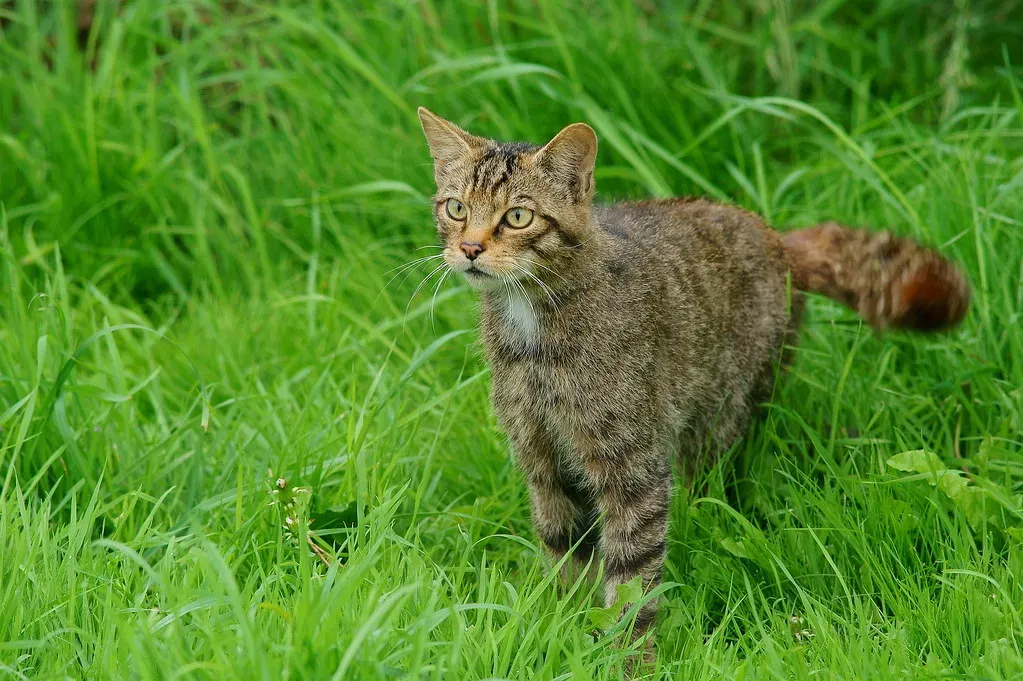
When a cat’s tail is in motion and looks fluid and soft, it’s “swishing.” Generally, this indicates a cat who’s relaxed or calmly interested in what’s happening. It’s a different energy entirely from the aggressive thrash. Think of it less like a warning and more like a cat quietly humming to themselves while watching TV.
A tail that sways slowly from side to side usually means your cat is focused on an object. You might see this tail position right before your cat pounces on a toy or a kibble of cat food that’s tumbled outside the food bowl. Engaging in predatory behavior like stalking and pouncing is good enrichment for your cat, so let them continue to engage in whatever is captivating their attention. Give them their moment.
The Puffed Tail: Full Halloween Mode Activated
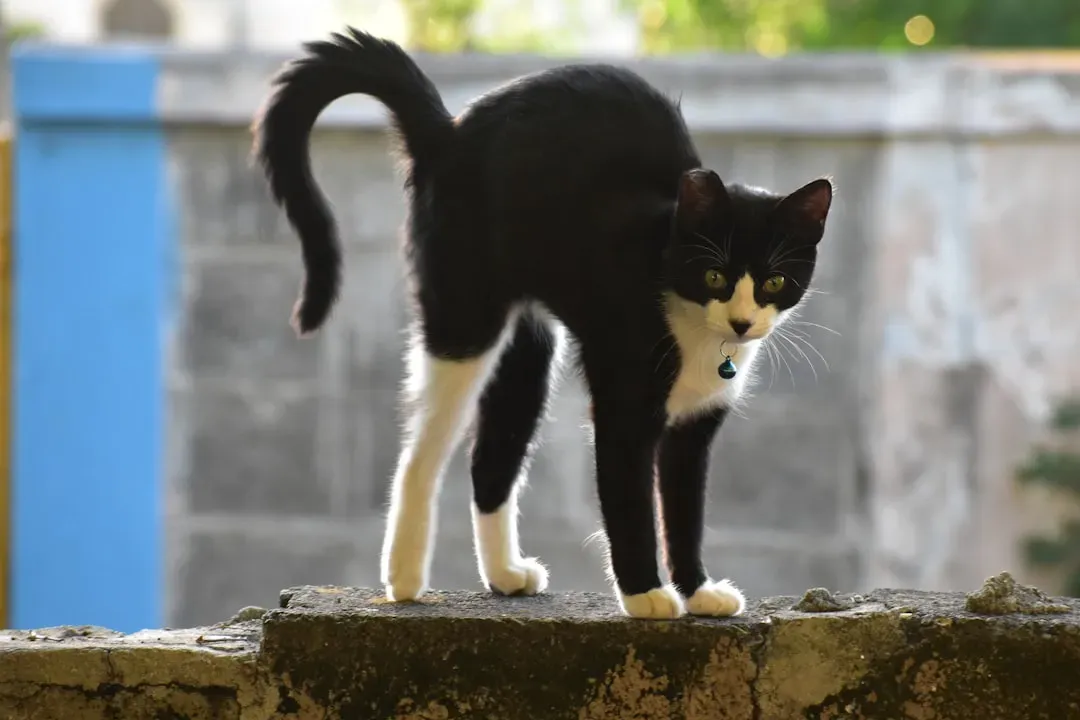
If your cat assumes the quintessential Halloween-cat posture with a puffed tail and arched back, then they are startled or frightened by a sudden, severe threat. Your cat’s hair stands on end so they can appear to be larger. This is a defensive reaction indicating that your cat wishes to be left alone. It looks dramatic because it is. Your cat has gone into full alarm mode.
It’s a defense mechanism designed to communicate that they’re actually very large and scary and not worth fighting. However, your cat wouldn’t puff their tail if they weren’t feeling threatened to begin with, so the behavior almost always stems from a fearful reaction. Remove the thing that’s scaring them if you can, but don’t try to move your cat, who’s in panic mode and may respond by trying to protect themselves. Give them space first. Always.
The Tucked Tail: Something Is Very Wrong
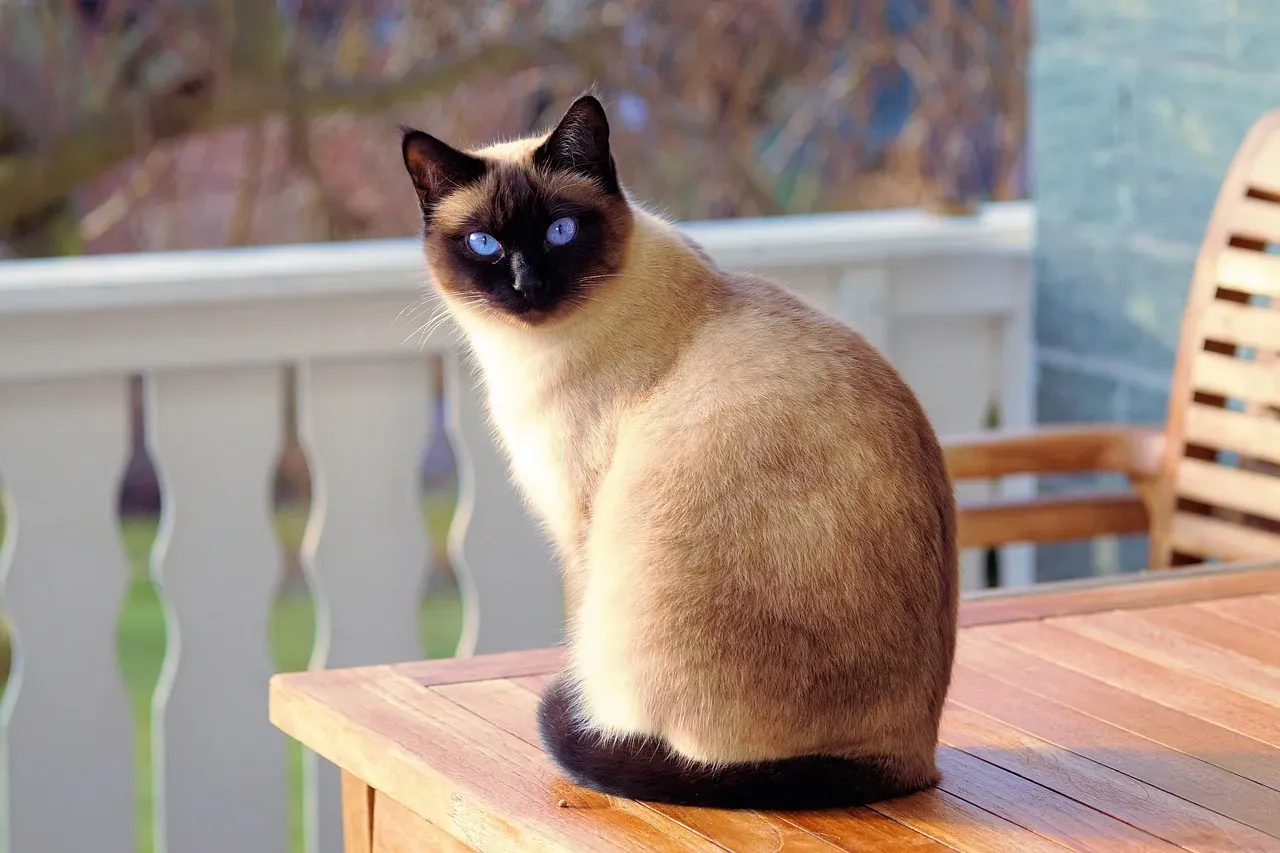
A cat may lower their tail below the level of their back if they are frightened or anxious. If your cat’s tail is tucked between their legs, then they are really scared or may be experiencing pain. This is one of those signals that you simply cannot afford to misread. It’s not shyness. It’s genuine distress.
A cat who has tucked the tail between the hindlegs is very frightened. This is a submissive posture where the cat is trying to appear small and non-threatening. Don’t assume though that this posture says it’s safe to approach. If there’s no means of escape, the frightened cat may display defensive aggression. If your cat frequently crouches with their tail curled tightly around their body for more than a few days, then an evaluation by your veterinarian is warranted to rule out pain or illness.
The Quivering Tail: Pure Excitement (or Something Else Entirely)
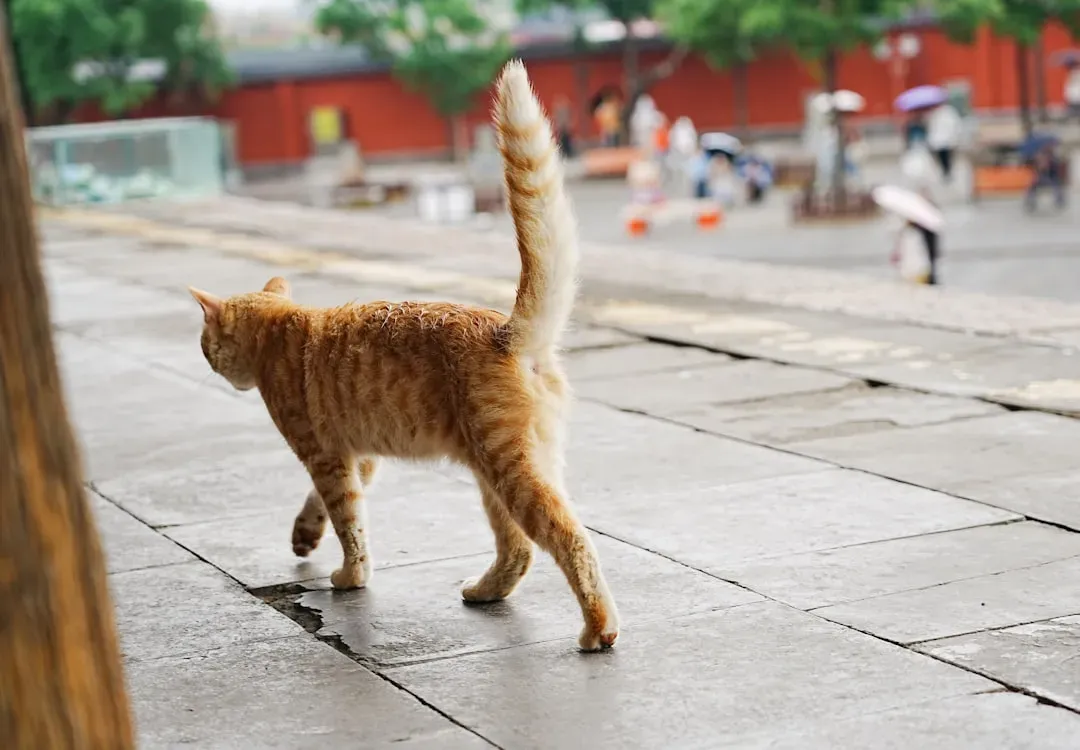
Your cat may quiver their tail when they are especially excited to see you or another cat. Though, sometimes, when a cat quivers their tail while holding it straight up and backing up against a vertical surface, they may be urine marking. Context is everything here. One is adorable, the other is a whole different conversation with your vet.
A cat who is shaking or quivering their tail when they see you is generally excited. A cat who shakes or quivers their tail while backing up to a vertical surface is likely urine marking. A tail that points up accompanied with a quiver at the base of the tail is often an indication your cat is especially excited to see you or to be getting a tasty bowl of cat food. Honestly, that excited quiver? It’s one of the most heartwarming things you’ll ever see from a creature that pretends to be indifferent.
The Tail Wrap: The Ultimate Sign of Feline Affection

Just as we greet one another with handshakes or hugs, cats may greet by curling their tails around people and by intertwining their tails with other cats. Tail wrapping is an affiliative behavior that demonstrates a willingness to interact. It’s intimate cat language, and when your cat does it to you, it means a great deal.
It’s a way of marking each other with their scent and signaling who their friends are. If your cat snuggles up next to you with their tail curled around you, it means you’re part of their in-crowd – they like you a lot. When your young cat approaches you, bumps up or rubs against you and wraps their tail around your leg or arm, this is a sign of affection. That right there? That’s your cat saying you belong to them. And let’s be real, that’s the highest honor a cat can bestow.
Conclusion: Speak Tail, Strengthen Your Bond
Learning to read your cat’s tail is one of those skills that quietly transforms your entire relationship with your pet. It costs nothing, requires no special tools, and rewards you with something genuinely priceless: real understanding between two different species.
Reading the tail language of a cat can also help you identify illness and pain more readily. These tips for understanding cat tail language will empower you to build a more loving, trusting, and fulfilling relationship with your cat. The main takeaway is that a cat’s body language and behaviors should be looked at as part of a single big picture. By using the context of the entire situation, trying to see the situation from the cat’s point of view, and looking for subtle cues in body language, you’ll have an excellent chance at understanding your feline friends.
Your cat has been talking to you this whole time. Now that you know the language, are you going to start listening? What tail signal have you been misreading all along? Drop your thoughts in the comments below.