Most cat owners will tell you their feline is mysterious, unpredictable, and occasionally baffling. You reach out to pet them and they bolt. You ignore them and suddenly they’re in your lap. It can feel like living with a tiny, furry enigma wrapped in attitude. But here’s the thing – your cat isn’t actually being mysterious. Your cat is talking. Constantly. You just haven’t been listening to the right channel.
That channel? The tail. It’s one of the most expressive, nuanced, and genuinely fascinating communication tools in the animal kingdom. Once you start reading it properly, you’ll realize your cat has been holding full conversations with you for years. Let’s dive in and decode what your cat’s tail has been trying to tell you all along.
The Anatomy Behind the Eloquence
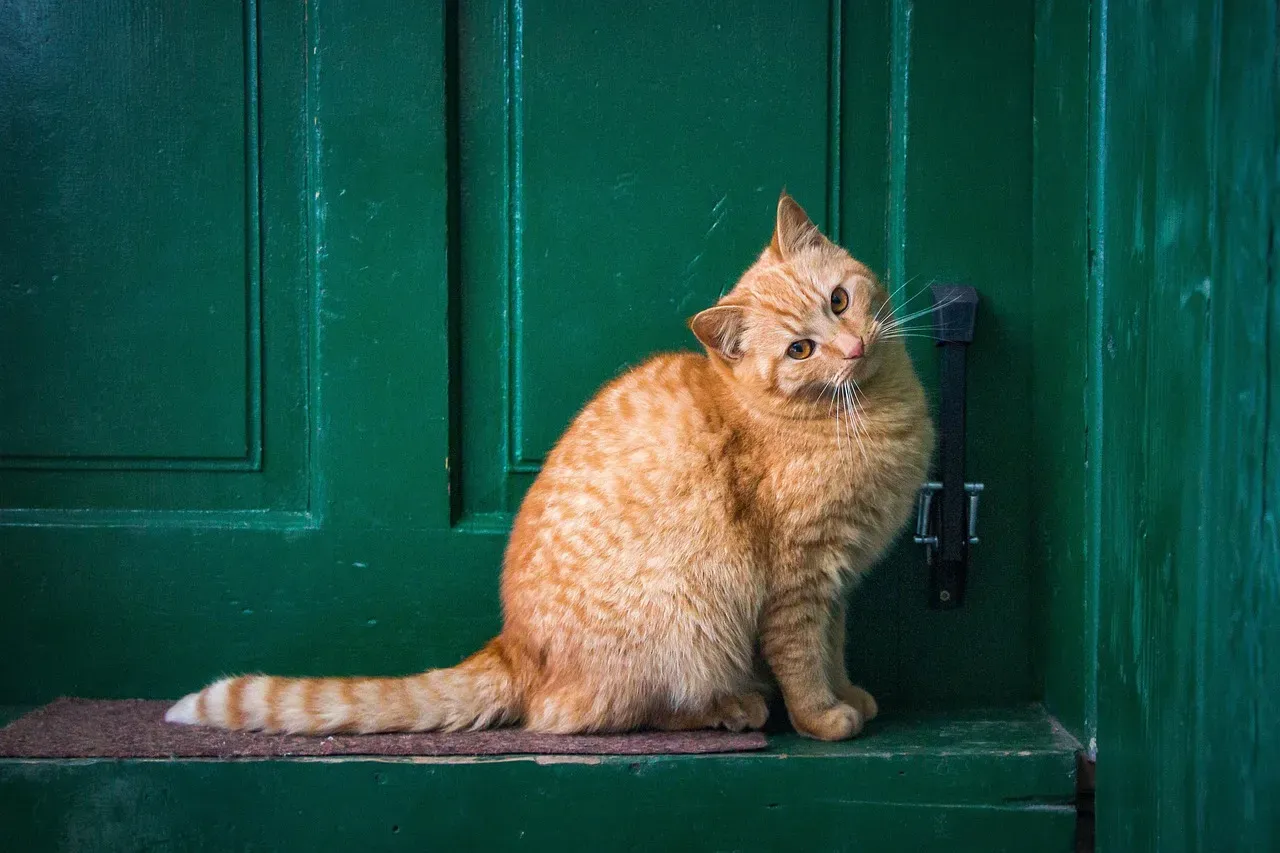
Before we get into the emotional dictionary of tail positions, it’s worth knowing what you’re actually looking at. A cat’s tail is remarkably flexible, thanks to its unique anatomy. It consists of 18 to 23 small bones, known as caudal vertebrae, which interlock like a chain, enabling the tail to move in many directions. Think of it like a living, expressive spine extension, capable of incredibly precise movement.
When a cat experiences an emotion, its brain sends signals to muscles in the tail through the pudendal nerve, or the nerve that connects tail muscles to the central nervous system. This means every flick, curl, and twitch is neurologically wired to your cat’s emotional state. It’s not random. It never was.
The High Tail Hello: Your Cat Is Happy to See You
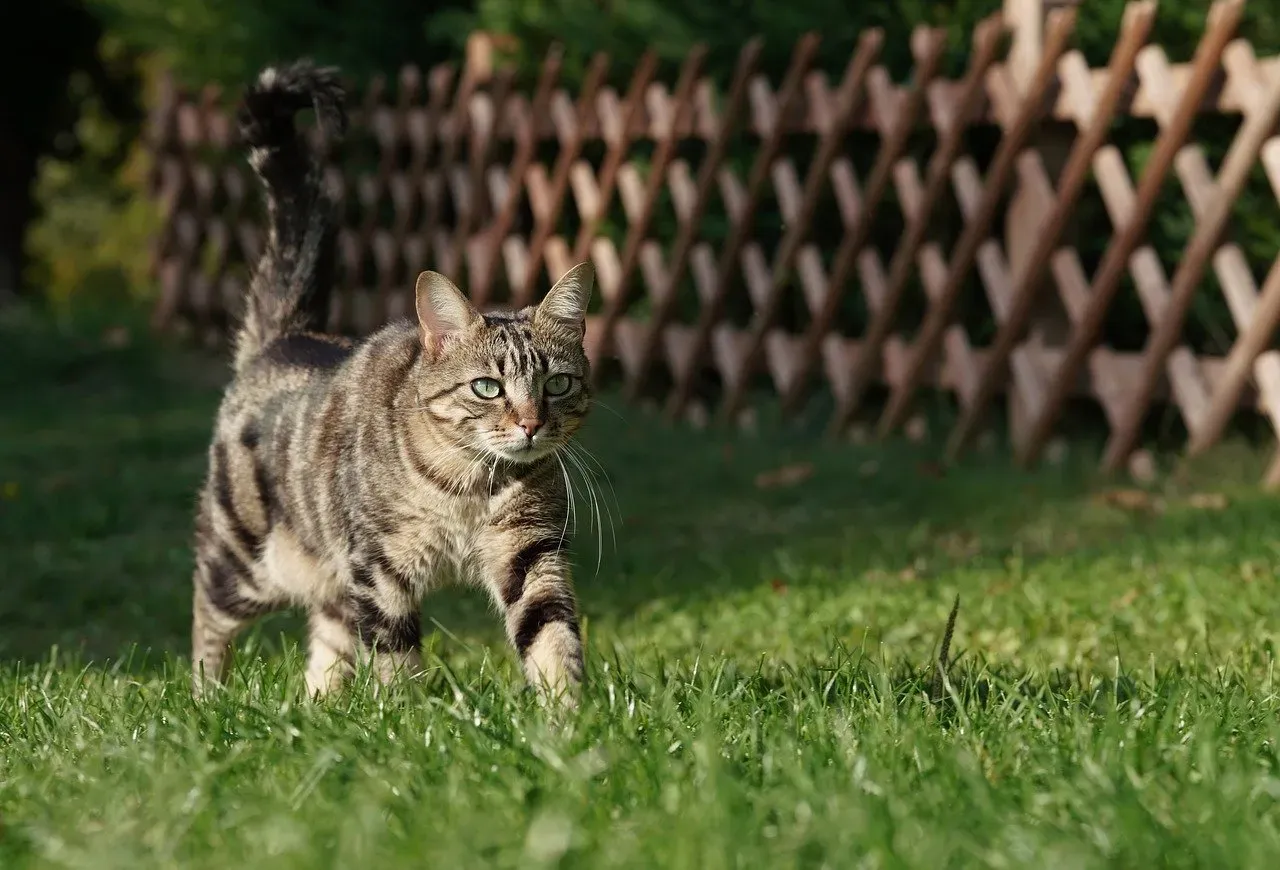
You walk through the front door after a long day, and your cat strides into the room with their tail pointing straight to the ceiling. Honestly, that should make you feel special. Straight up or high tails indicate cats are attentive and alert, and usually confident, contented and willing to be sociable. It’s your cat’s version of a warm, open-armed greeting.
A tail that points up accompanied with a quiver at the base of the tail is often an indication your cat is especially excited to see you or to be getting a tasty bowl of cat food. So the next time that tail goes up and gives a little shimmy, know that you’re genuinely loved – or at least, dinner is genuinely anticipated. Either way, it counts.
The Question Mark Curl: An Invitation You Shouldn’t Ignore
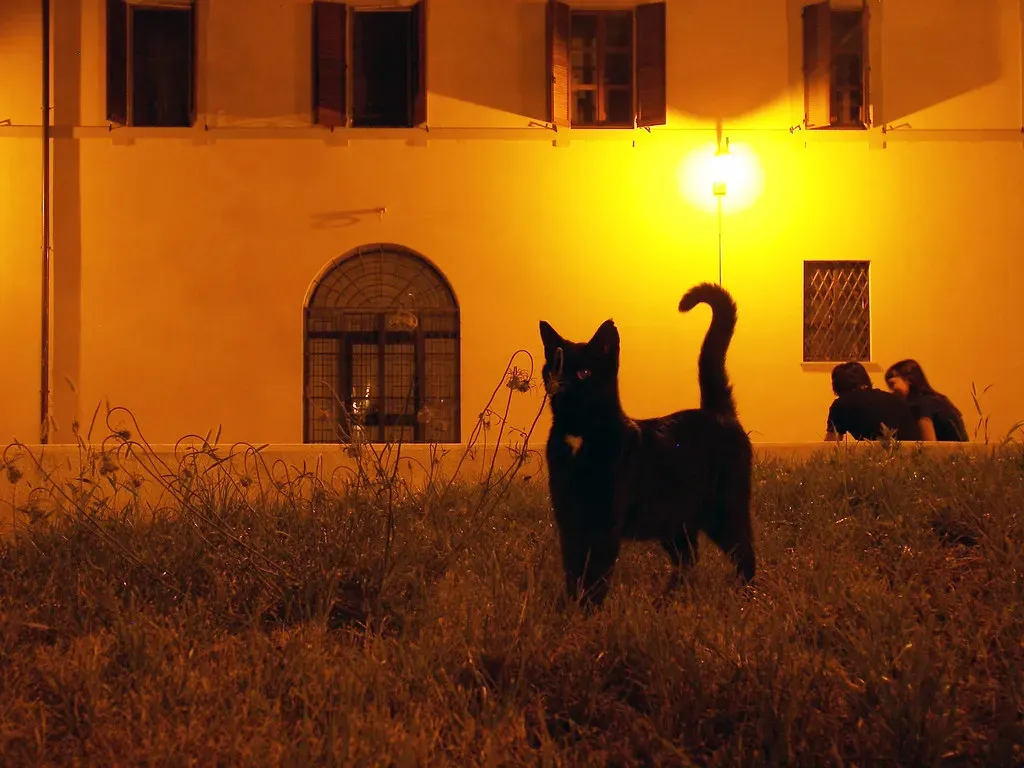
Here’s a tail position that’s almost impossibly cute. When a cat bends its tail in the shape of a question mark, this is good news, especially if you have a few minutes to spare and some cat toys at the ready. That’s because the question mark-shaped tail position is a cat’s way of asking you, “Would you like to play?” It’s an open invitation, and it’s a rare one worth accepting.
A tail in the shape of a question mark is a gesture that is often a subject of cartoons and humorous musings about cats. The question mark isn’t about confusion but instead, is an invitation to play or interact. I think this is one of the most charming signals in all of cat communication. Your cat is literally asking you a question with their body, and the polite answer is to grab a toy and play along.
The Puffed Up Tail: Your Cat Is Terrified, Not Tough
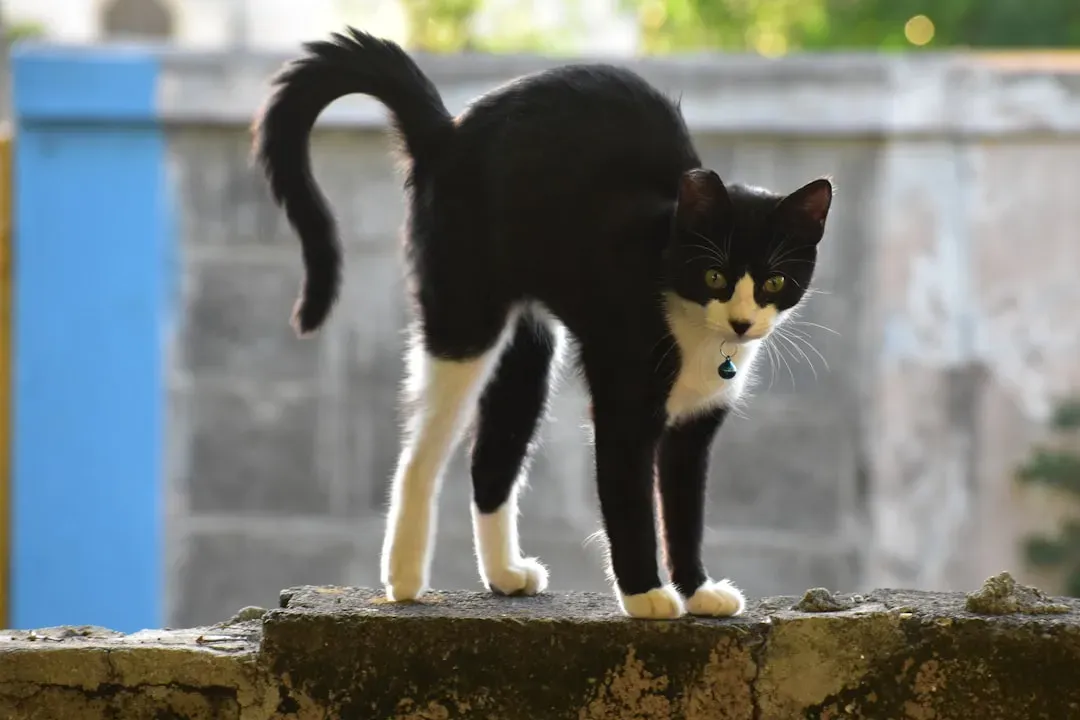
You’ve seen the Halloween cat image: arched back, fur on end, enormous bristly tail. It looks dramatic and aggressive, but the reality is actually quite different. It’s a defense mechanism designed to communicate that they’re actually very large and scary and not worth fighting. However, your cat wouldn’t puff their tail if they weren’t feeling threatened to begin with, so the behavior almost always stems from a fearful reaction.
Tails that are puffed up, looking like a bottle brush, signal cats may be severely agitated and frightened. Often they are accompanied by a Halloween-style arched back. This can be a warning to stay away. So when you see that bottle brush effect, your instinct should be empathy, not alarm. Your cat is scared and needs space, not confrontation. Give it to them.
The Thrashing and Lashing Tail: Read This Warning Carefully
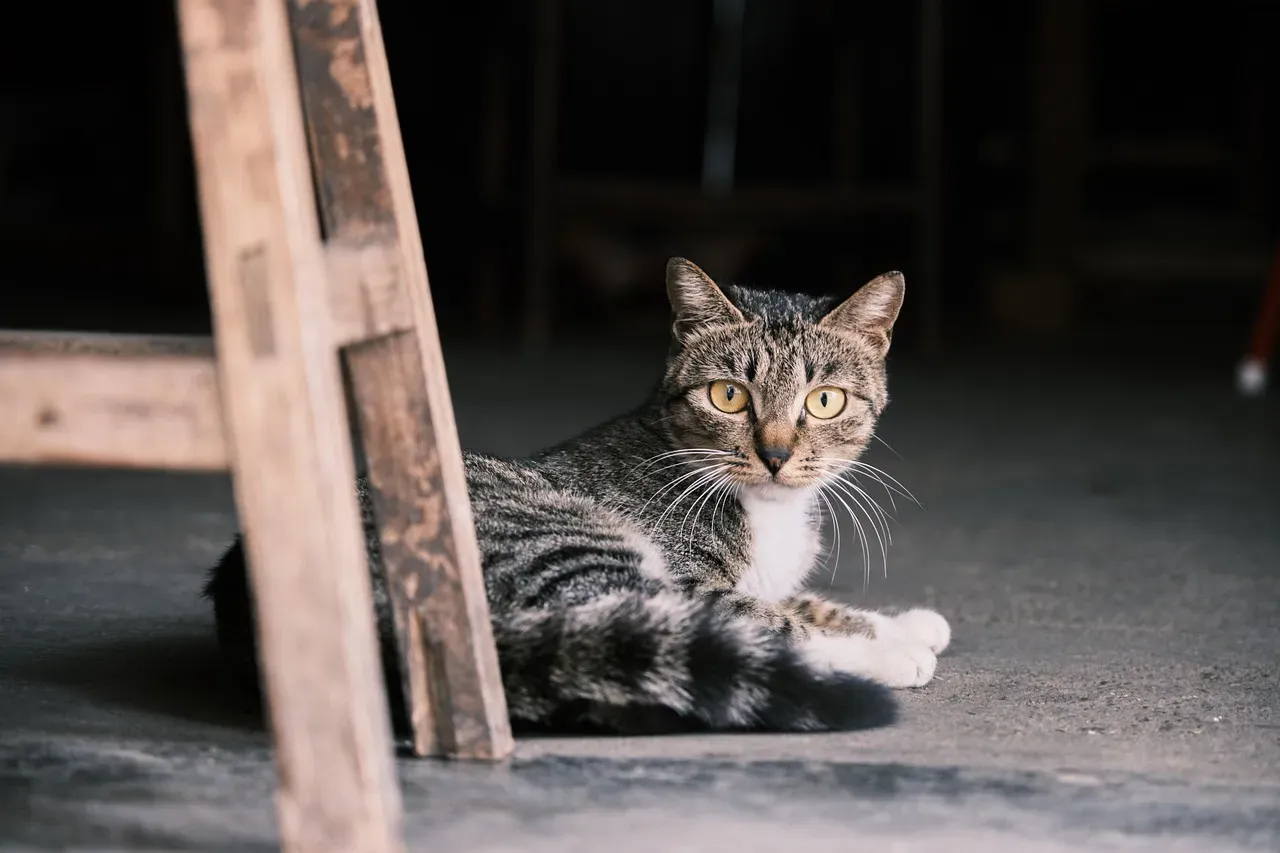
Let’s be real: this is the one tail signal most cat owners misread most dangerously. You’re stroking your cat, everything seems fine, and then the tail starts whipping side to side with increasing intensity. When your cat thrashes their tail or is thumping it on the ground, they are irritated, annoyed, or angry. This tells you that something is bothering your cat. This is a distance-increasing behavior. In other words, if you are petting your cat and they start thrashing their tail, they are trying to tell you to stop.
If you don’t, then the thrashing tail may be a prelude to hissing, growling, swatting, or biting. Think of it like a pressure gauge. The more intense the lashing, the closer you are to the red zone. If your cat is lashing their tail, it means they’re really ticked off about something and are making their feelings known. Something really bad has to happen for a feline to act without a warning. There’s often a lot of posturing, vocalizing, and tail lashing before claws come out and fur flies. Consider yourself warned – gently but firmly.
The Tucked Tail: Something May Be Wrong
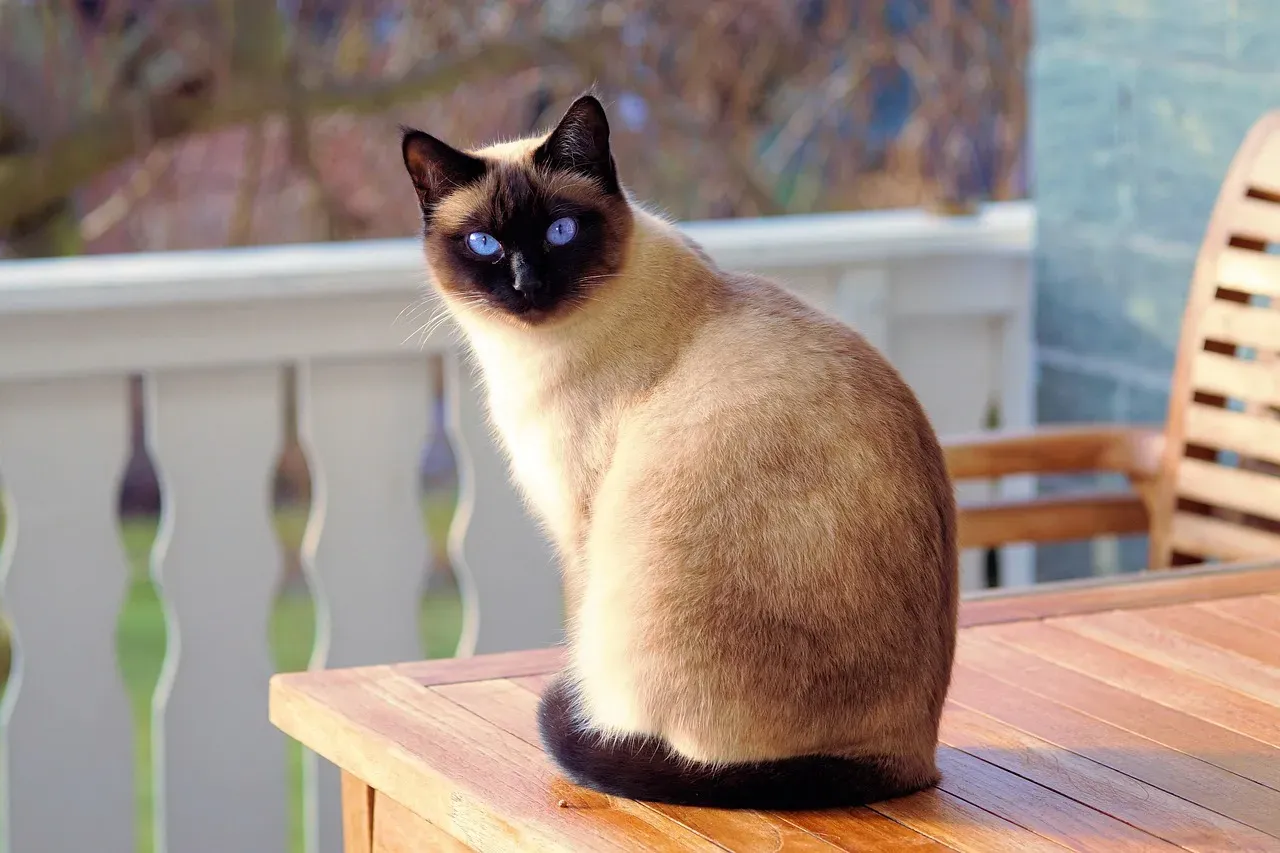
A cat’s tail that curls tightly beneath the body or tucks between the legs is a serious signal. It’s quiet, easy to miss, and worth paying real attention to. A cat may lower their tail below the level of their back if they are frightened or anxious. If your cat’s tail is tucked between their legs, then they are really scared or may be experiencing pain.
When the cat tucks its tail underneath the body or the side, it means fear or submission. It can also mean the cat is experiencing some form of pain or illness. It helps in detecting any disease they might have at an early stage. It’s hard to say for sure in every case, but if you notice this position happening repeatedly without an obvious source of fear nearby, a vet visit is worth considering. Your cat’s tail might be doing you – and them – a very important favor.
The Tail Wrap: When Your Cat Claims You as Family
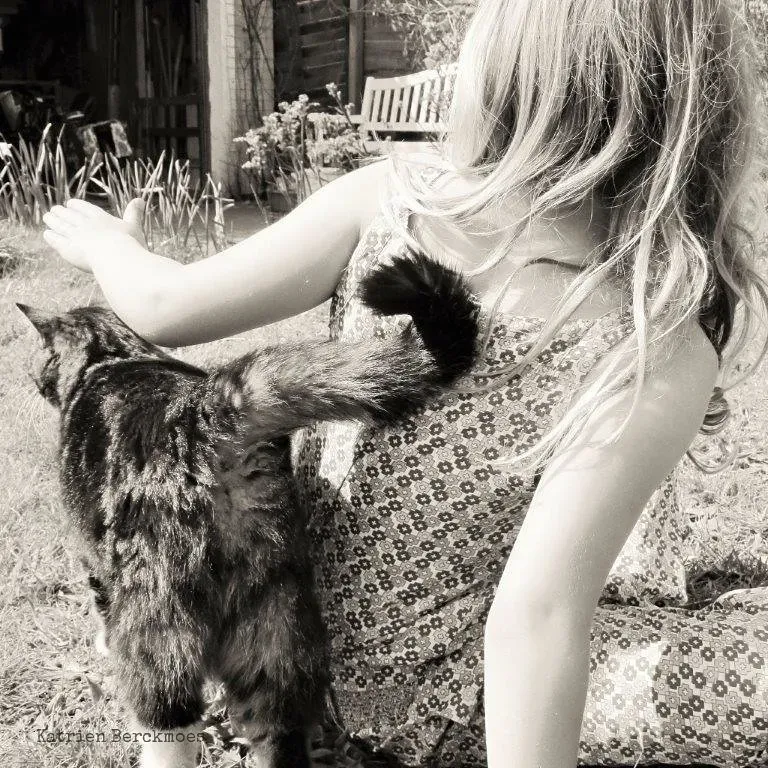
This one is genuinely heartwarming, and I think it deserves far more recognition than it gets. Just as we greet one another with handshakes or hugs, cats may greet by curling their tails around people and by intertwining their tails with other cats. It’s an act of affiliation, of belonging. Your cat is choosing you.
If you’ve ever seen cats cuddling curled with their tails around each other, you know how adorable this cat behavior is. It’s also a very pro-social tail behavior. In other words, this is one of the ways cats bond and socialize with each other. It’s a way of marking each other with their scent and signaling who their friends are. If your cat snuggles up next to you with their tail curled around you, it means you’re part of their in-crowd – they like you a lot! That, frankly, is as good as it gets in cat terms.
Reading the Tail in Context: The Whole Body Tells the Story
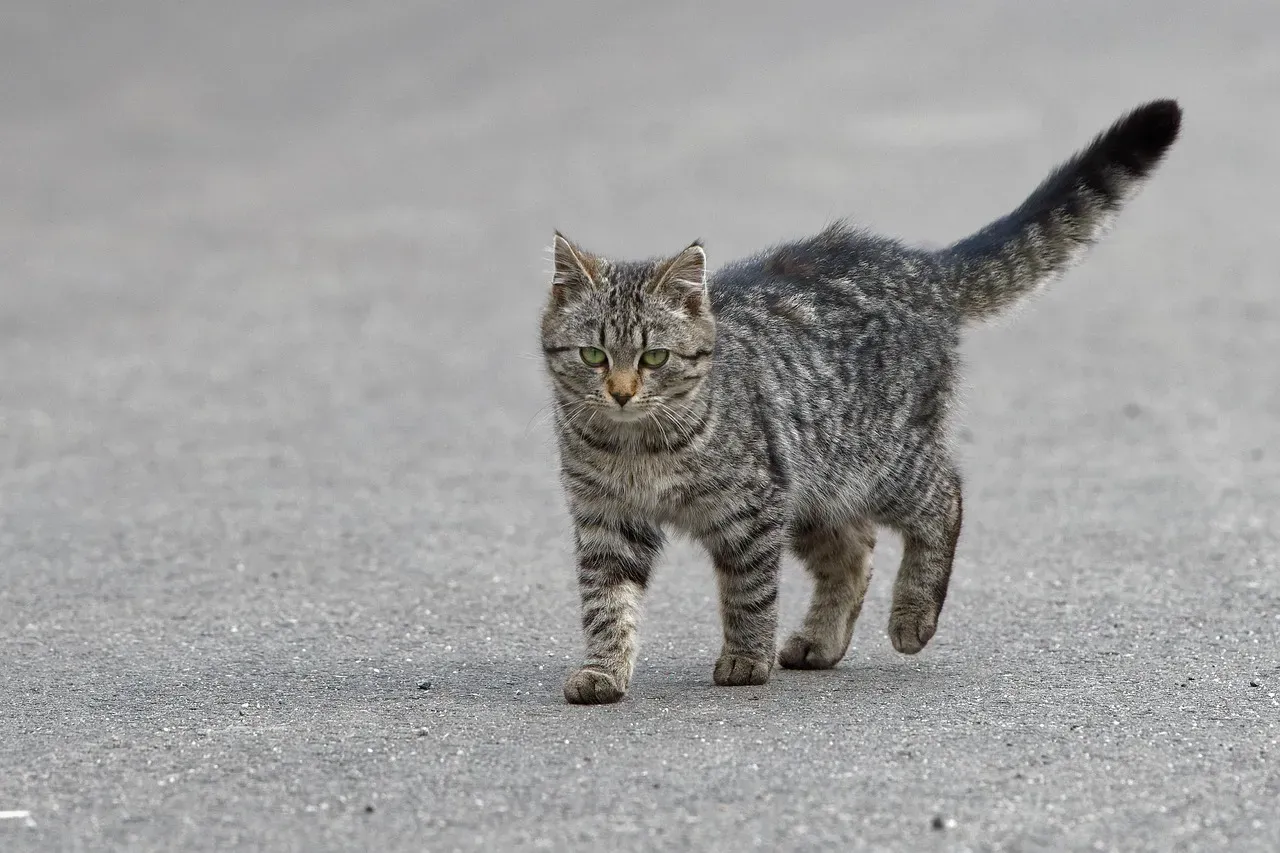
Here’s the part most people overlook. No tail signal exists in isolation. A single position can mean completely different things depending on what the rest of your cat’s body is doing. You have to take the whole body into account when reading tail signals. Ears, eyes, posture – they all add critical layers of meaning to whatever the tail is saying.
When it comes to reading feline body language, don’t just look at the tail position. Pay attention to things like ear position, back, and full body posture to get a better idea of your cat’s current behavior and mood. Eyes are also important. For example, a slow blink is a sign of love and trust, while constricted pupils signal nervousness. Think of tail-reading like interpreting a sentence – you need the whole sentence, not just one word. Remember to interpret these tail movements in the context of your cat’s other body language signals and the current situation. The more you become aware of your cat’s body language, the better you will be at knowing how they’re feeling, allowing you to act accordingly and best provide for your cat’s emotional needs.
Conclusion: Your Cat Has Been Talking All Along
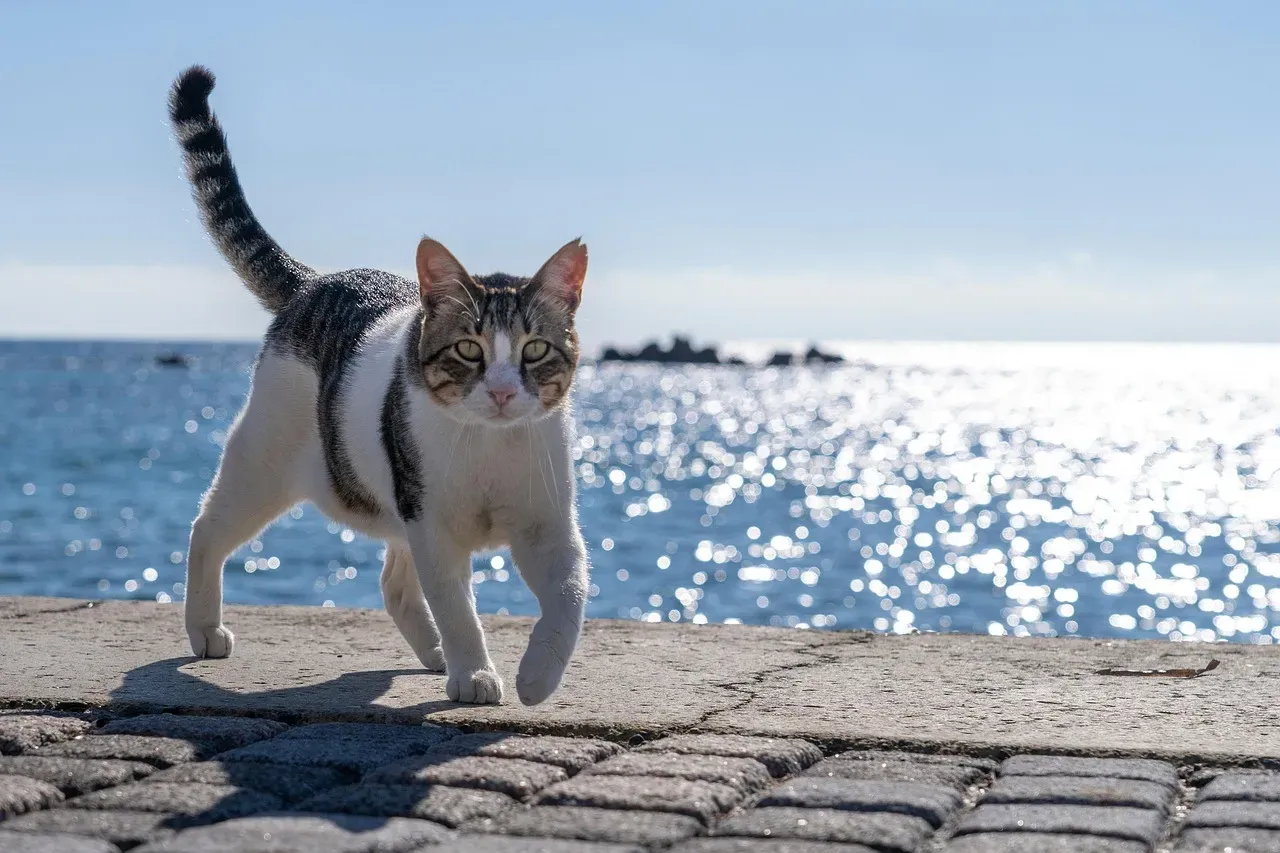
Once you truly understand what your cat’s tail is communicating, something shifts in your relationship. Interactions that once felt random or confusing start to make complete sense. You’ll know when to reach out and when to give space. You’ll understand when your cat is joyful, anxious, territorial, or just deeply content. That’s a remarkable gift – one your cat has been offering you every single day.
Every swish, wag, flick and curl contains a hidden message, and understanding cat tail positions and movements can give you deeper insight into your cat’s personality and feelings, leading to a deeper bond with your furry friend, as well as a better sense of whether your cat is sick or in pain. The tail isn’t just an accessory or a balance tool. It’s a living, breathing emotional broadcast. Your cat is telling you everything. The only question left is: have you been paying attention?