You’ve probably noticed those long, elegant hairs sprouting from your cat’s muzzle. They look quite charming, maybe even a bit comical when they twitch during sleep. Most people know that whiskers help cats sense their surroundings, like some kind of biological antenna system. That’s true, sure.
Here’s the thing, though. Calling whiskers simple sensors is like calling your smartphone just a phone. It massively undersells what’s actually happening. Nearly forty percent of your cat’s sensory brain area is devoted to processing information from whiskers, with each individual whisker traced back to a specific spot in the brain. That’s not just a sensor. That’s a complete perceptual universe your cat is navigating every single moment.
The Architecture Behind Those Elegant Hairs
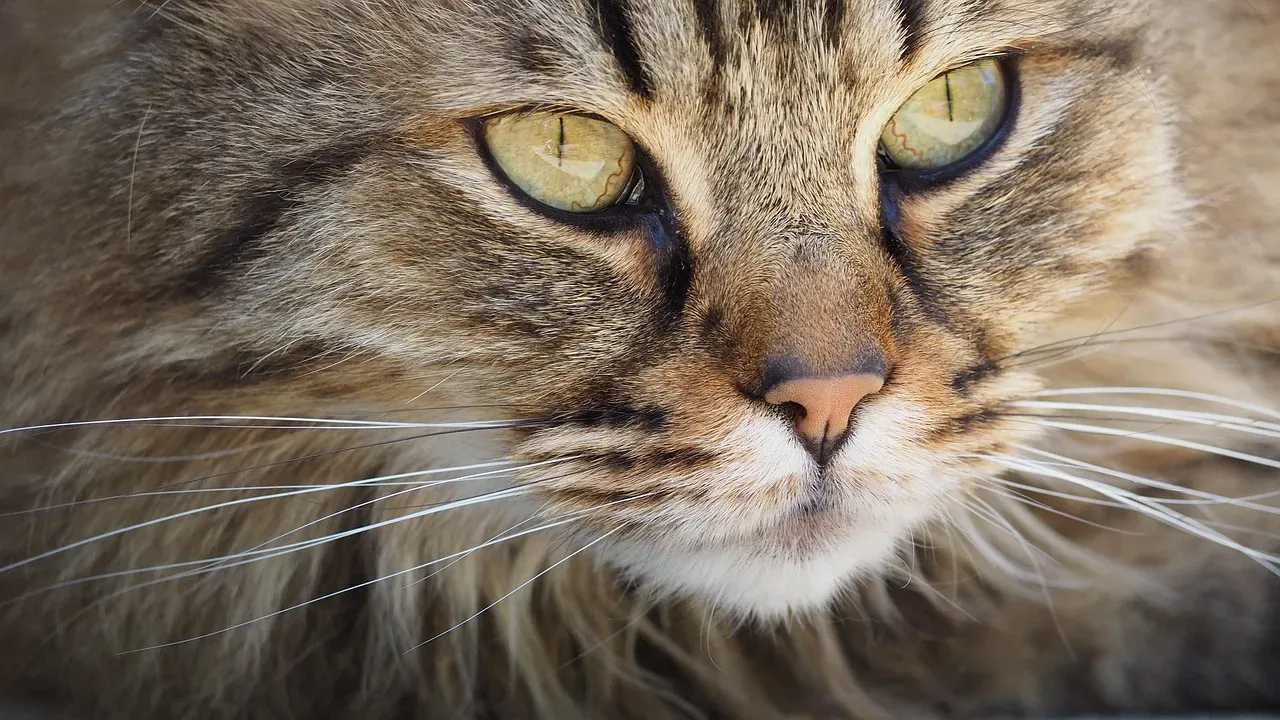
Whiskers are three times thicker than regular fur and rooted three times deeper into your cat’s skin. They’re not growing in random spots either. Your cat has them above the eyes, on the chin, near the ears, above the upper lip, and even on the backs of their front legs.
Each whisker grows from a specialized hair follicle containing a blood sinus that’s heavily innervated by roughly one hundred to two hundred primary sensory nerve cells. Think about that for a second. One whisker has more nerve connections than many other parts of your cat’s body. Each whisker acts as a transducer, converting mechanical information into electrical signals, and muscles near the follicle allow cats to move and change whisker angles.
The whisker itself contains no nerves, true. While the shaft contains no nerve endings like human hair, the follicle at the base is extremely sensitive and packed with nerve endings that transmit detailed sensory information to the brain.
Your Cat’s Built-In Radar System
Let’s be real. Cats can basically see in the dark, yet they still rely heavily on whiskers in low light conditions. Why?
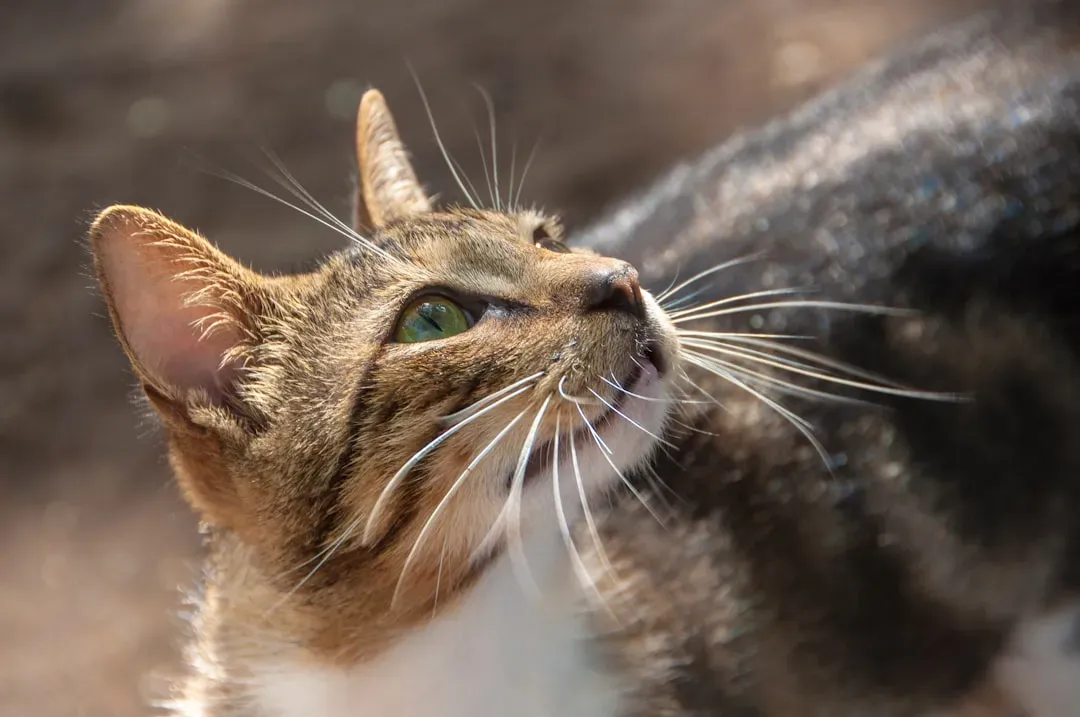
As cats approach objects, they stir up air currents that bounce back when hitting solid objects, and whiskers detect very faint vibrations caused by these changes. They’re functioning like radar detectors, constantly feeding spatial data directly into specialized brain regions. Whiskers give cats a kind of sixth sense, detecting even the tiniest changes in air currents so cats can feel things before they even touch them.
Cats see better at a distance and have difficulty focusing on objects up close, so whiskers help cats see things that lie right under their noses by constantly sending information to the brain. It’s almost like having fingertips extending from your face, constantly reading your environment.
Measuring Spaces Like a Living Tape Measure
You’ve probably heard that cats use whiskers to gauge whether they can fit through tight spaces. That’s not folklore.
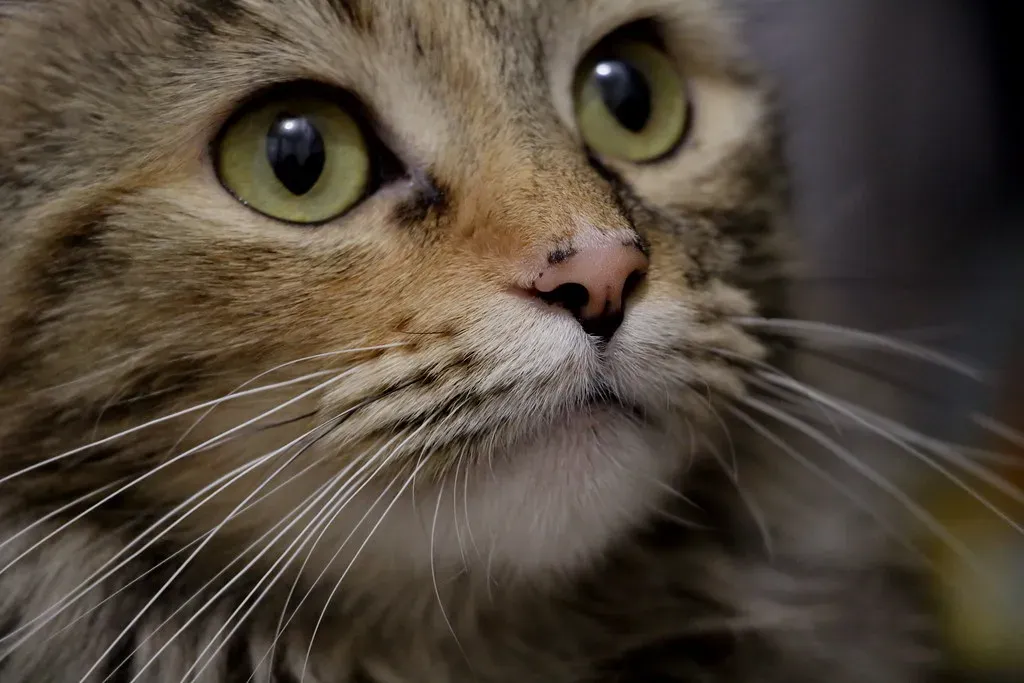
Whiskers are usually about the same width as a cat’s body, helping cats judge whether they can fit through tight spaces – if the whiskers touch both sides of a space, it tells the cat they may get stuck. Before your cat squeezes under that couch or behind that bookshelf, their whiskers have already done the measurements.
By extending their whiskers forward, cats can determine whether they can fit through a gap without getting stuck, which is particularly useful in the dark where visual cues are limited. It’s brilliant biological engineering. The system fails only when cats become overweight, at which point their whisker span no longer matches their body width.
Hunting Tools More Precise Than You’d Think
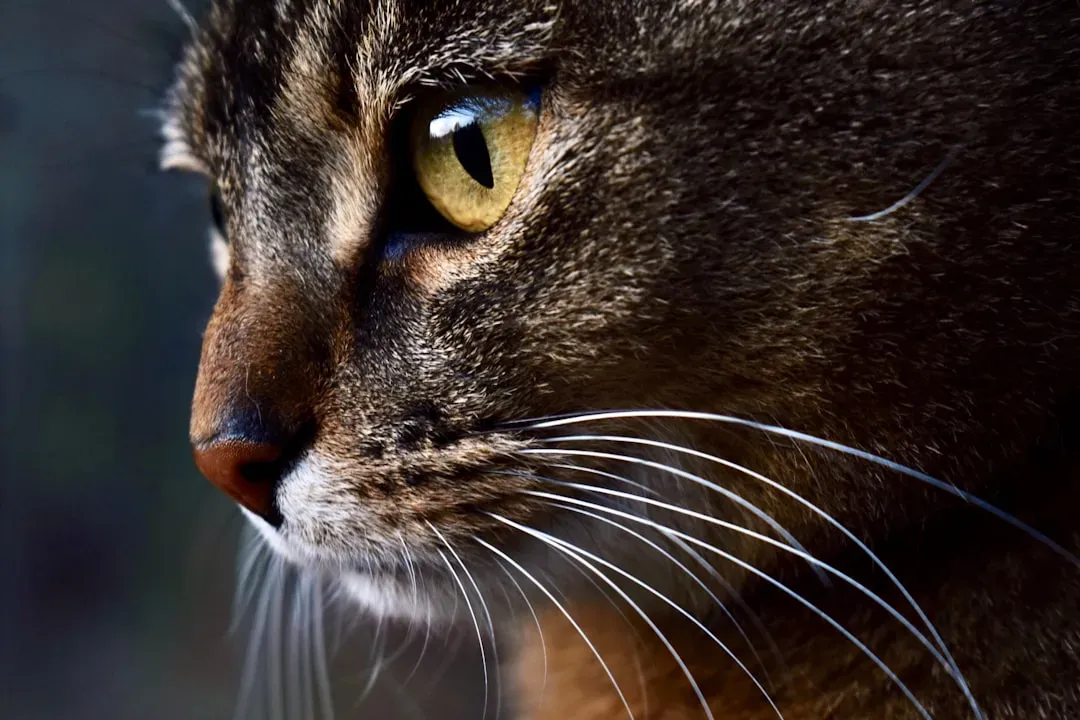
Here’s where things get genuinely impressive. Beyond navigation, whiskers help in hunting because the sensitivity of these hairs can detect the slightest movement, like the scurrying of a mouse, enabling cats to accurately pinpoint and catch prey.
Cats have whiskers on their front legs called carpal whiskers, which provide crucial tactile feedback about prey position when prey is too close to their face to see clearly, particularly useful when a cat has caught something and needs to monitor its movements. Even when a mouse is trapped between their paws and too close for visual focus, those leg whiskers are reporting every tiny twitch.
When prey is too close for a cat to see clearly, whiskers around the nose and on the front legs detect tiny movements and vibrations. Your adorable house cat is equipped with biological motion sensors that would make any military engineer jealous.
The Emotional Broadcast System You’re Probably Missing
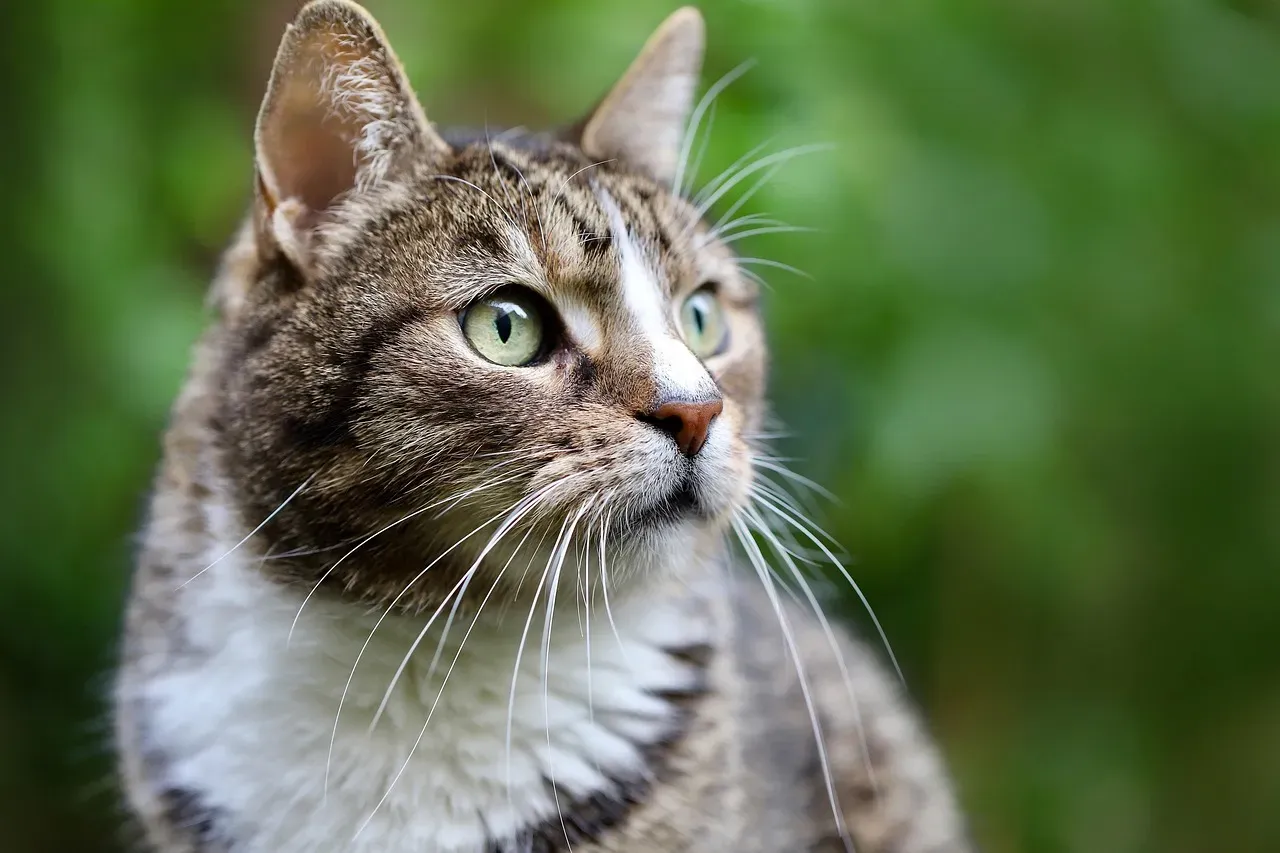
Whiskers aren’t just about physical navigation. They’re also broadcasting your cat’s emotional state in real time.
When whiskers lie relaxed at the side of the face, the cat is calm, but if they shoot forward the cat is alert, curious, or hunting, and pulled tight against the cheeks signals fear or stress. When a cat is relaxed, whiskers are loose and out to the side, if alert or curious the whiskers point forward, and when scared or angry the whiskers pull back tightly against the face.
When a cat’s interest is engaged, whiskers pull forward and fan out with the mouth closed and loose lips, and the muzzle appears slightly plumped up – whiskers also fan out and move forward when a cat is hunting. Learning to read these signals transforms your relationship with your cat. They’re not being mysterious. They’re literally telling you exactly how they feel.
Proprioception and That Legendary Righting Reflex
Ever wondered how cats nearly always land on their feet when they fall? Whiskers play a surprisingly important role.
The proprioceptors at the whisker bases contribute to the famous feline righting reflex, helping cats understand their body’s orientation relative to the ground when falling. Proprioceptors at the base of each whisker detect vibrations in the environment and enable a cat to sense the position of its own body.
These proprioceptors are constantly feeding information to your cat’s brain about where their body is in space. Nerves within the hair follicle monitor the position and vibrations of the whisker to gather information on size, shape, proximity, and texture of nearby objects, and whiskers contribute to the sense of proprioception, which provides information about the position and balance of body structures. It’s like having an internal GPS system that updates thousands of times per second.
The Communication Network Between Cats
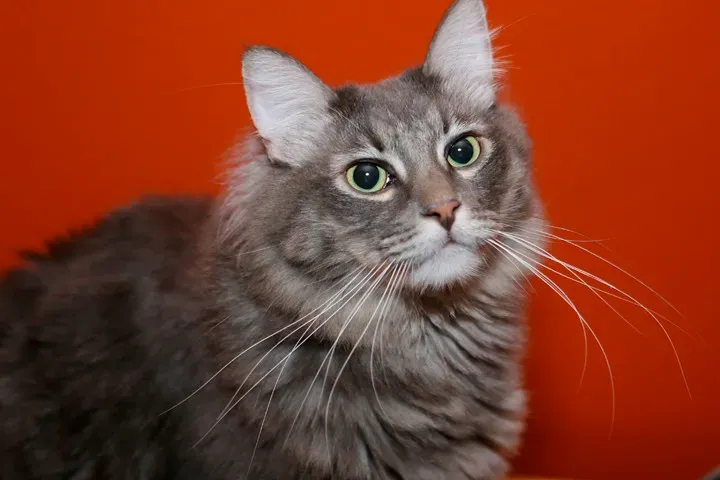
Whiskers don’t just help cats communicate with humans. They’re essential for cat-to-cat interactions too.
Cats use their whiskers to gauge the mood of other cats, and when two cats meet they often approach each other whisker-first, which helps them read each other’s intentions. Whiskers facilitate non-verbal communication among a household with multiple cats and help in maintaining social hierarchies and preventing conflicts.
It’s honestly quite sophisticated. Before tensions escalate to hissing or swatting, cats are already having entire conversations through whisker positioning. Whiskers play a significant role in communication between individual animals, conveying an animal’s emotional state and essentially sending a message about what emotion they are feeling, with whisker movement thought of as a form of language animals use to silently communicate.
When Whiskers Become Overwhelmed: Whisker Fatigue
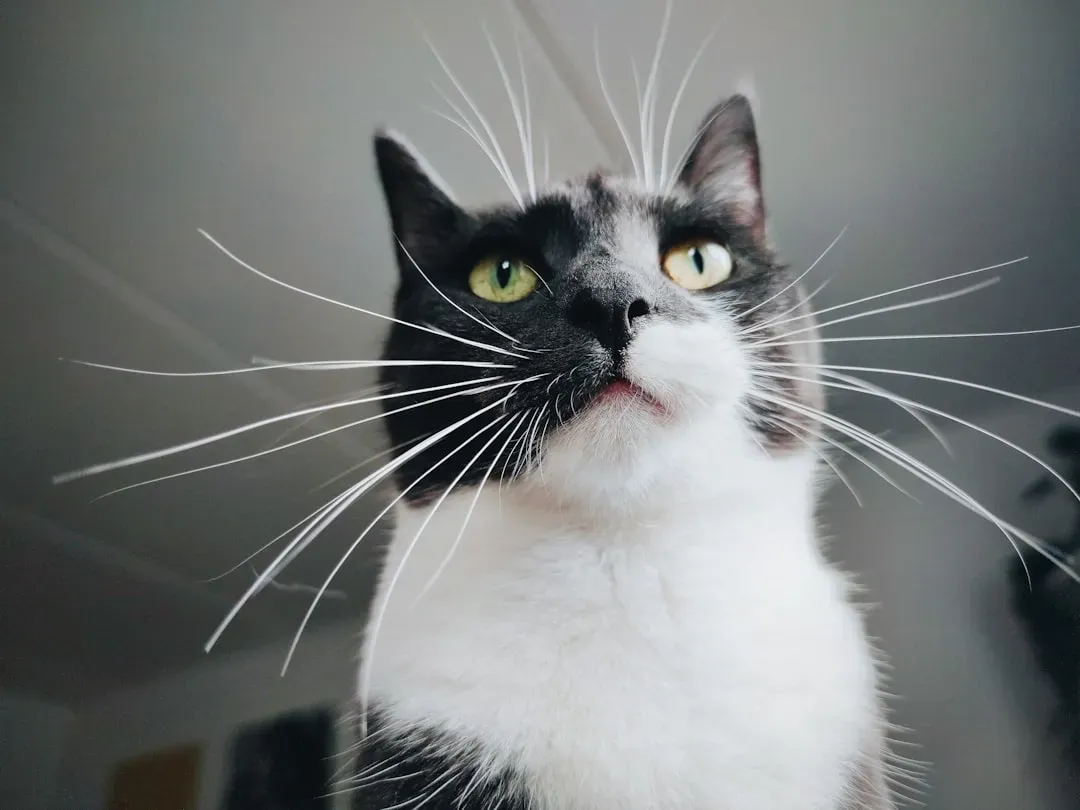
Whisker fatigue is a relatively newly recognized condition that occurs when cats’ whiskers are over-stimulated, often by frequently touching against the sides of their food or water bowls. I know it sounds almost made up, yet it’s a genuine issue.
Whisker stress occurs when a cat’s sensitive whiskers are overstimulated, often by touching the sides of a narrow feeding dish, which can lead to mood changes and behavioral issues. Your cat might act hesitant around their food bowl, try scooping food out with their paws, or become irritable during mealtimes.
The solution is actually quite simple. Narrow, deep bowls can cause constant whisker contact during eating and drinking, which can overwhelm the sensitive nerve endings, so use wider, shallower dishes that allow cats to eat without their whiskers constantly touching the bowl sides. Switching to wider, shallow bowls can dramatically improve your cat’s comfort.
The Consequences of Cutting or Damaging Whiskers
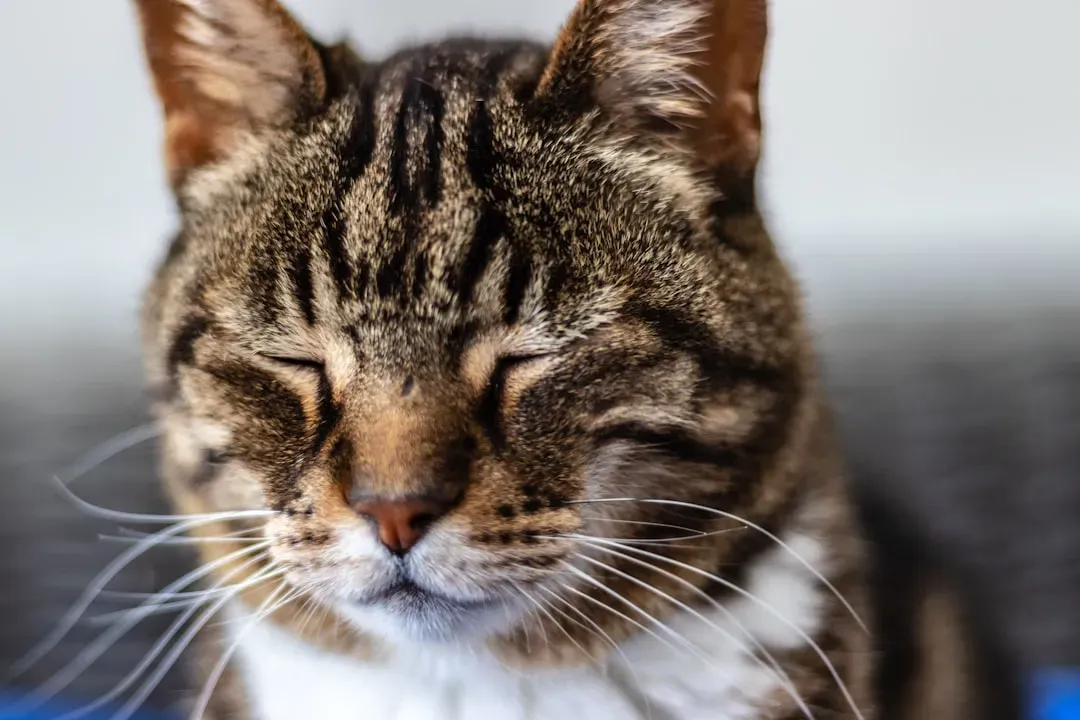
Never, and I really mean never, trim your cat’s whiskers. Cutting or trimming whiskers is not only harmful but also considered unethical, as the practice can cause disorientation, stress, and anxiety as cats lose crucial sensory input they depend on for navigation.
Cutting whiskers makes cats disoriented and makes it harder for them to assess where their surroundings are, which can make them feel quite disoriented and even a little frightened until they grow back. Because whiskers are so tied to a cat’s spatial awareness and balance, damage to them can throw a cat off their game, and cats with broken or missing whiskers might misjudge jumps, bump into things, or seem hesitant in familiar spaces.
In Germany, trimming cat whiskers is considered an amputation under animal protection law and is strictly prohibited. That legal recognition reflects the scientific understanding of how essential these structures really are.
The Remarkable Brain Processing Behind Every Whisker
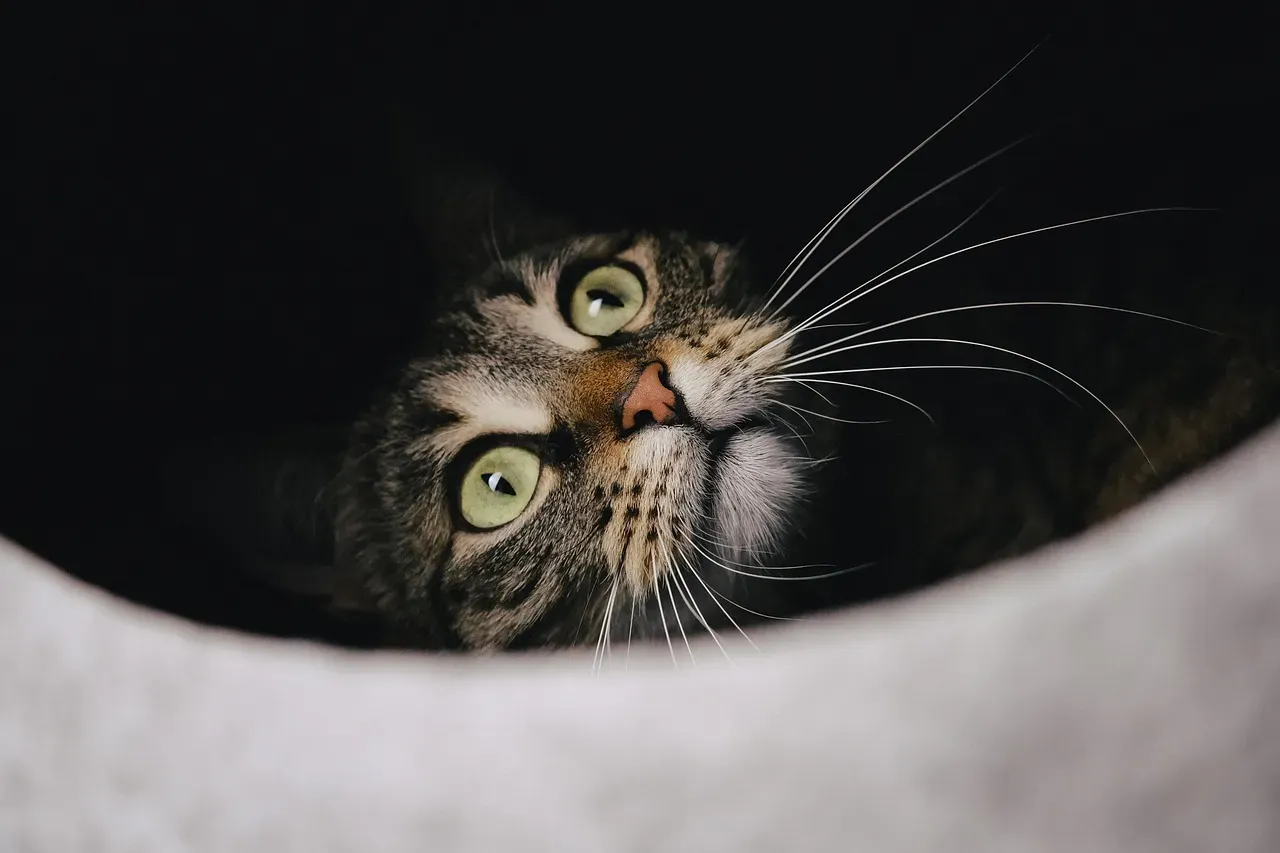
The real magic happens in your cat’s brain. Parts of the brain called the trigeminal nucleus and somatosensory cortex receive whisker information and accurately determine the distance, direction, and texture of objects sensed, with the primary somatosensory cortex made up of groups of neurons in columns called barrels, each corresponding to a specific whisker.
One study found patchy activity patterns of an enzyme in parts of the brain that match up with a spatial map of the vibrissae on cats’ faces, with patterns the same in adult cats and kittens, indicating that sensory abilities of vibrissae are of full strength even at young ages. Your kitten’s whiskers are operating at full capacity from the very beginning.
When a whisker bends or vibrates even slightly, mechanoreceptors activate, sending electrical signals through a complex network of nerves to the cat’s brain, which are processed in a specialized area called the barrel cortex that creates a detailed spatial map of the cat’s surroundings. It’s genuinely extraordinary biological engineering.
Conclusion: Rethinking What We Know About Whiskers
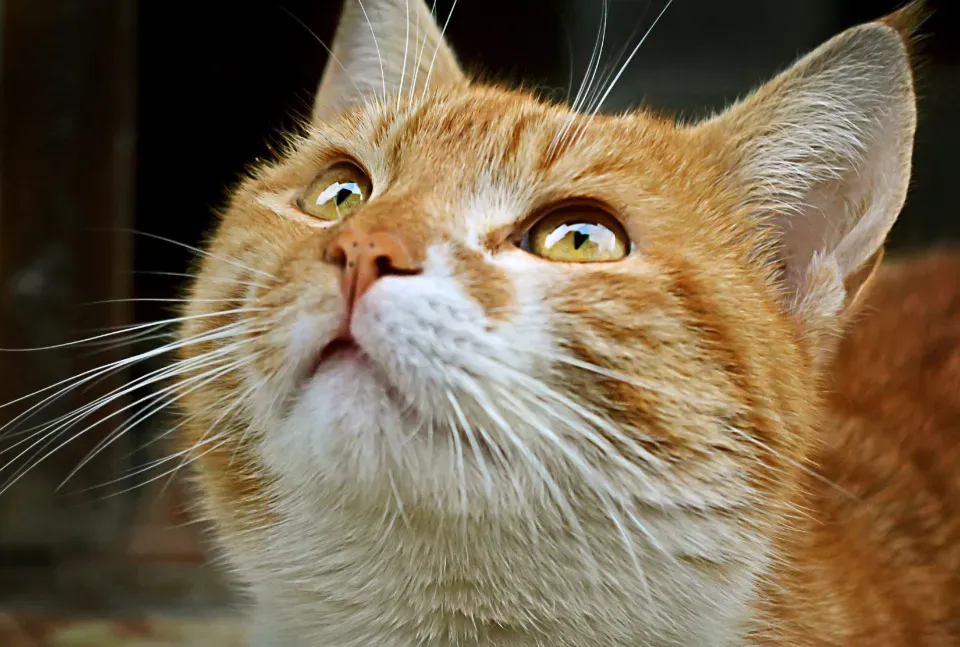
Whiskers aren’t decorative. They’re not just helpful sensors. They’re an entire perceptual system that gives your cat a fundamentally different experience of reality than you have.
Cat whiskers are far more than simple facial hairs – they’re sophisticated biological tools that help cats perceive and navigate the world, playing a vital role in a cat’s daily life from measuring spaces and tracking prey to expressing emotions and maintaining balance. Every time your cat walks confidently through a dark room, catches a toy with precision, or communicates their mood, whiskers are working overtime to make it happen.
Understanding this changes how we care for cats. It means respecting those whiskers, providing appropriate feeding dishes, and recognizing that when your cat’s whiskers twitch or move, you’re watching an incredibly complex sensory system at work. What do you think about your cat’s whiskers now?