You’ve probably noticed it a hundred times. Your cat walks past a perfectly good, expensive cat bed you bought them and curls up instead on your old hoodie, the corner of a windowsill, or some inexplicable square of floor that has no obvious appeal. It seems random. Maybe even a little insulting. Yet here’s the thing – it’s anything but random.
Your cat’s napping spot is a carefully chosen destination layered with instinct, emotion, and biology. Every inch of where they choose to sleep tells a story about how they feel, how safe they are, and even how much they trust you. So before you feel offended by their rejection of that designer cat cushion, let’s dive deep into what’s really going on – you might be genuinely surprised.
The Ancient Instincts Behind Every Nap
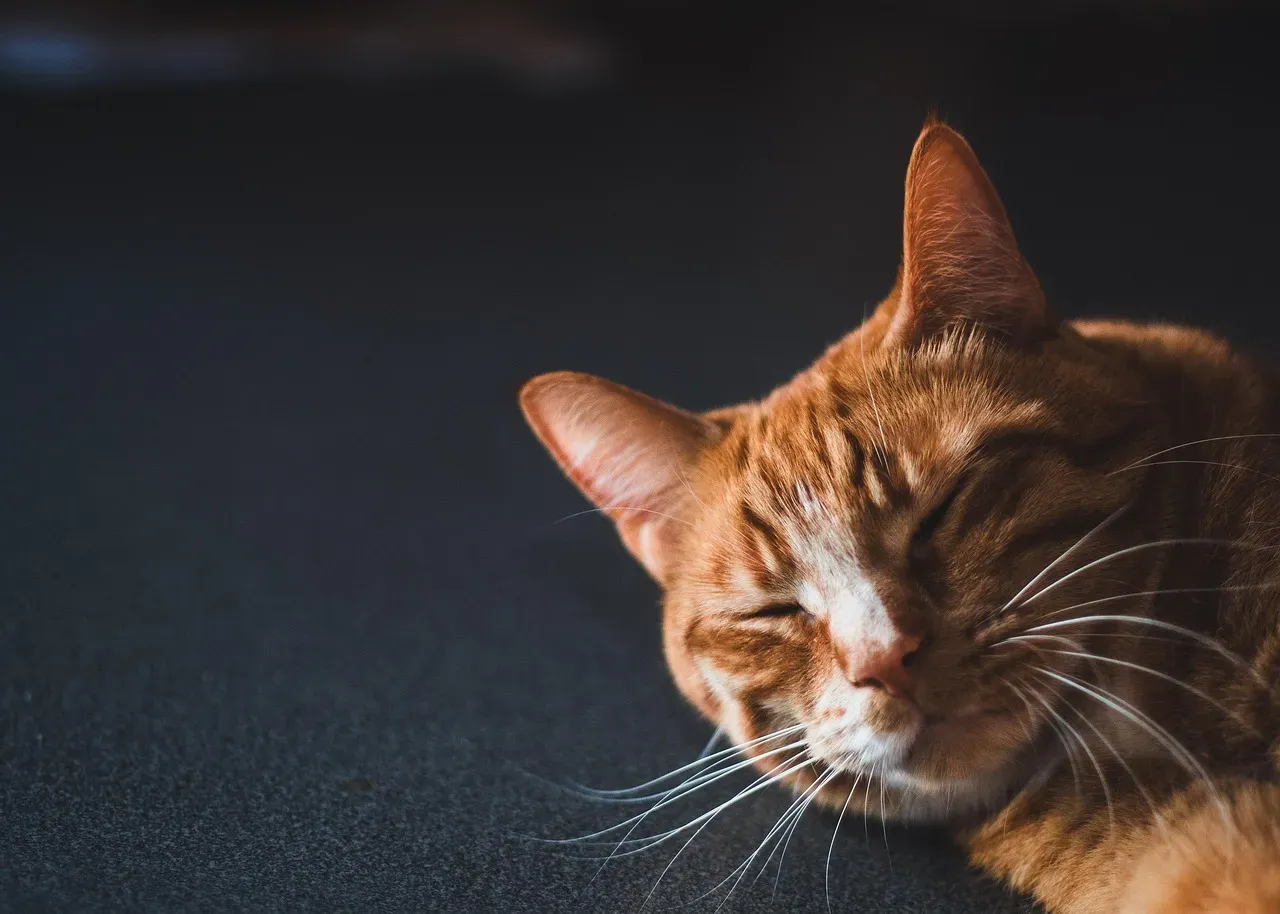
The science behind why your cat sleeps so much is deeply rooted in evolutionary history. As a descendant of wild predators, your cat has inherited a sleep-wake pattern quite different from yours. In the wild, these ancestors needed to conserve energy for hunting, a high-energy activity, and that energy-conservation strategy has carried over into the domestic cat you share your home with today. Think of it like a sports car idling in a garage – conserving fuel for the moment it matters most.
While it looks indolent, your cat is actually expressing survival instincts through these patterns of sleep and activity. They hunt most avidly at dawn and dusk, alternating periods of rest with alert observation of their territory and any changes that might have taken place. These instincts don’t stop operating just because they’ve landed a position as your companion – these cycles of rest and activity have kept felines alive for millennia.
Why Your Cat Chooses That Specific Spot
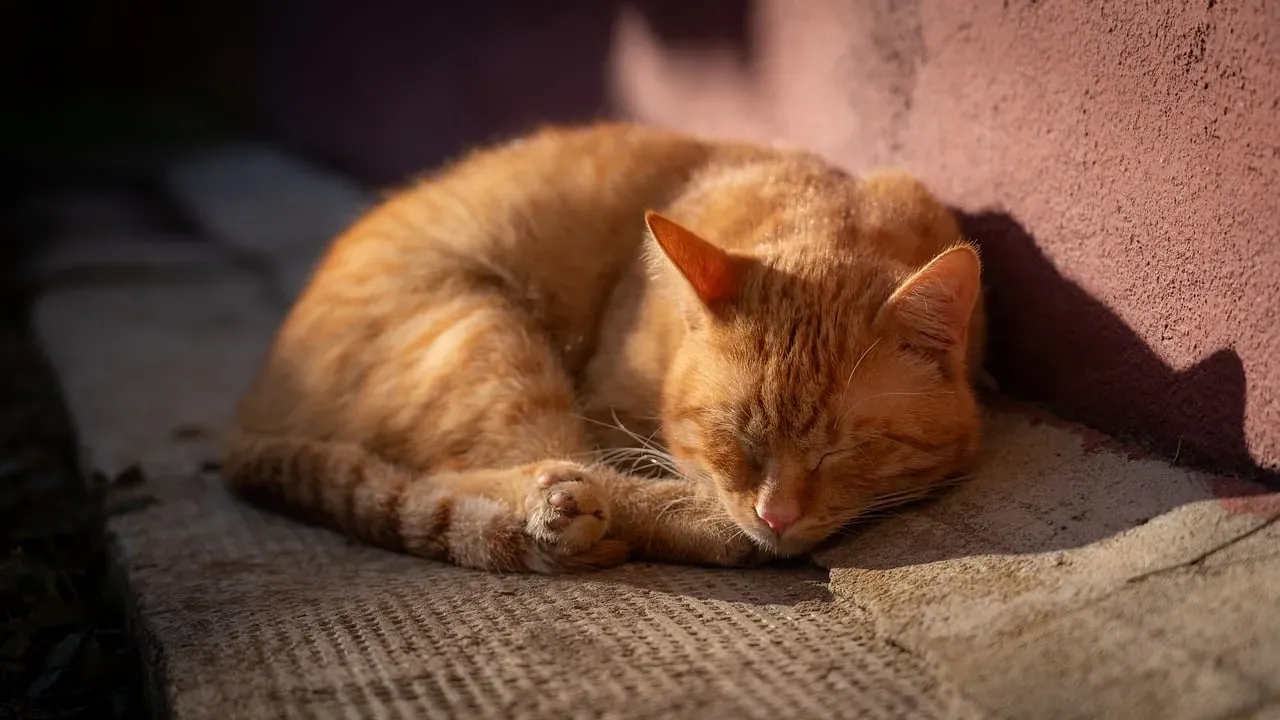
Your cat sleeps up to 16 hours a day, and when choosing a place to sleep, most indoor cats are very loyal to their particular sleeping spots. According to animal behavior experts, cats enjoy sleeping in places that offer safety and protection while having easy access to escape in the event of danger, as well as warm and cozy areas. Even though your cat doesn’t live in the wild, their ancestry still dictates their sleeping locations.
As creatures that sleep between 12 and 16 hours daily, cats are remarkably particular about where they rest. Their choice of sleeping location is influenced by various factors including safety, temperature, comfort, and their inherent predatory nature. Honestly, when you look at it that way, your cat isn’t being dramatic – they’re being a tiny, fur-covered survival expert.
The Temperature Game: Hot, Cold, and Everything In Between
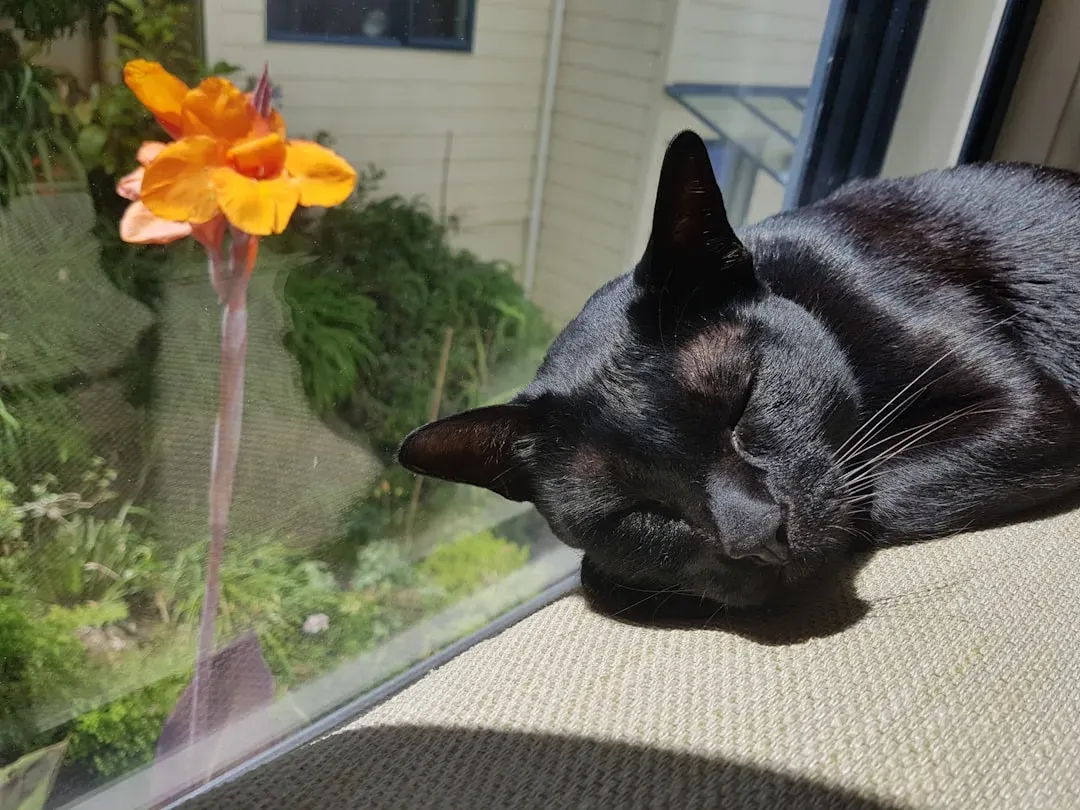
Your cat will absolutely change their preferred sleeping spot depending on the temperature. In the winter when it’s colder, they like a warm, cozy spot. In the heat of the summer, they might pick the bathroom sink as their primary napping spot. It sounds bizarre, but a cool ceramic sink on a hot August day makes perfect sense when you think about it from their perspective.
Many cats love to sleep in warm spots, so consider placing a cozy cat bed near a sunny window or a heated blanket in their favorite corner. Cats often prefer elevated spaces like a cat tree, where they can survey their surroundings while feeling secure. You can use this to your advantage – if you want your cat napping somewhere specific, warmth and height are your best tools.
What Their Sleeping Position Actually Tells You
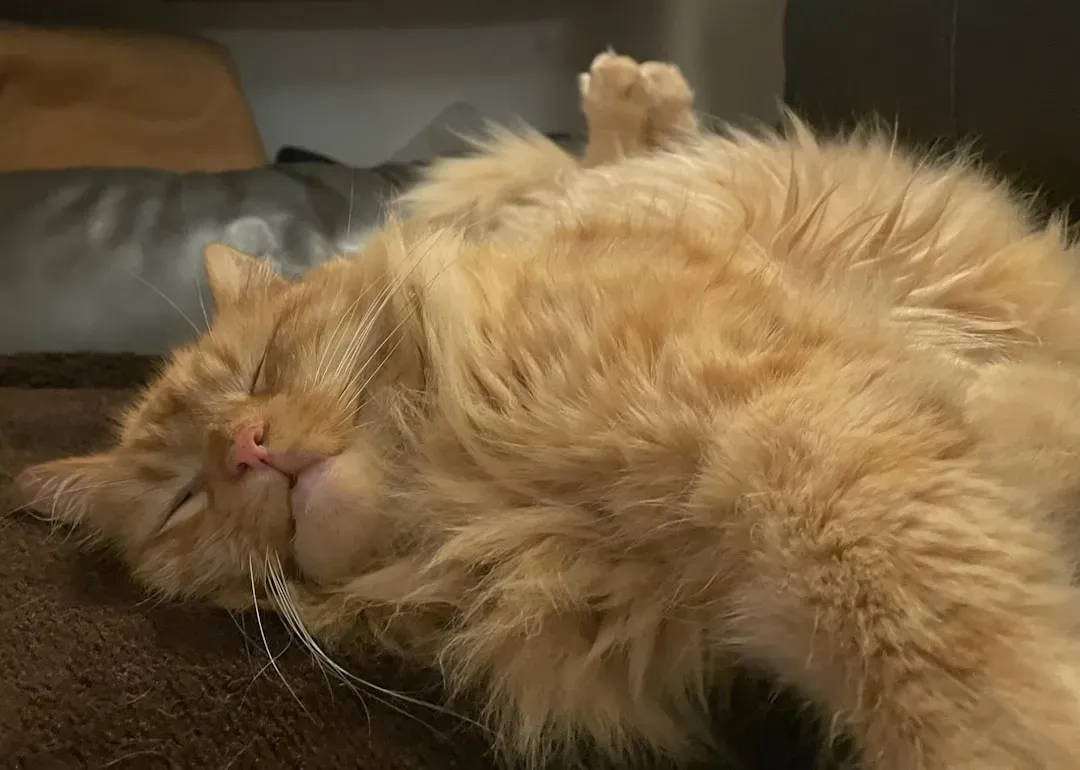
The position of sleeping on their back with their belly fully exposed demonstrates total relaxation and trust. Your cat’s vital organs are not being protected in this vulnerable position, so it tells you they feel completely secure. It also doesn’t set them up to spring into action, which is another reason it signals deep relaxation. So if your cat rolls over and shows you their belly during a nap, take it as the highest compliment they can pay you.
A sick cat often adopts a tense, hunched version of the loaf position or curls tightly into a ball in a secluded spot. If your cat stops stretching out or starts hiding in unusual, enclosed places like behind appliances, it may be time for a vet checkup. Your cat’s sleeping posture is, in essence, a daily health report you can read without any medical training.
The Scent Connection: Why Your Clothes Are Irresistible
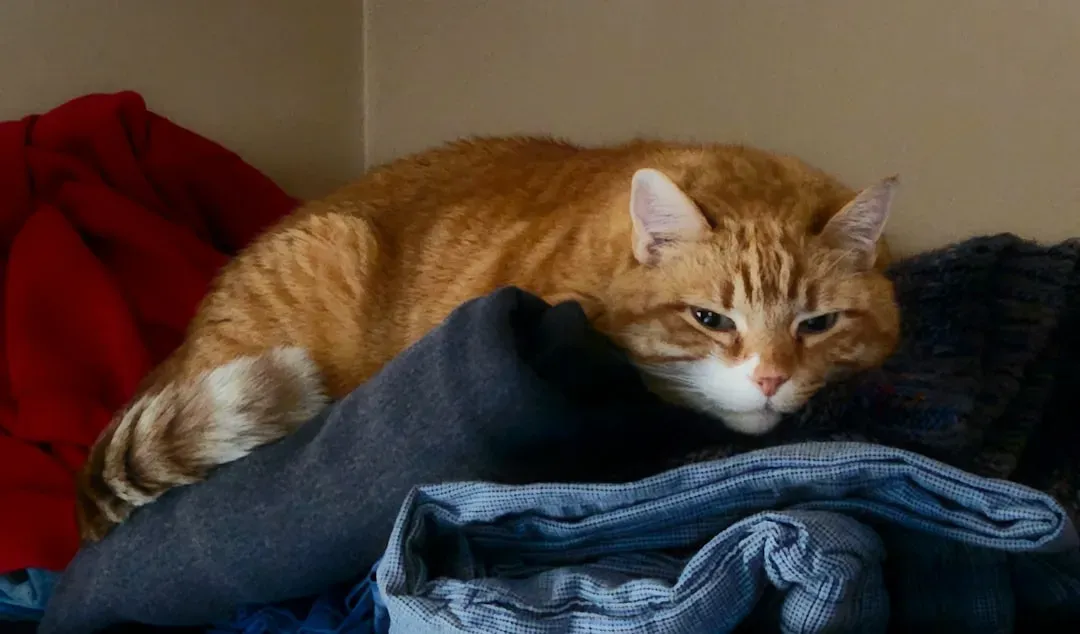
Your cat is sensitive to scents and sounds and can be attuned to a certain person’s odors. Your scent may be another way to make your cat feel connected to you and therefore safer. Even the sound of your breathing has a lull to it that can be soothing to your furry friend. I think this is one of the most quietly beautiful things about cats – they seek comfort in the smell of the people they love.
When you are away for long periods of time, your cat will often sleep on items that smell like you, like your clothes or your favorite pillow – likely doing so in order to feel close to you even when you are not there. If your cat likes to sleep under the covers, they’re probably enjoying the warmth as well as the familiarity and comfort of your scent. Cats can also be quite sensitive to noise, and the covers offer an escape from stressful sounds. Some cats simply like the security of being wrapped or swaddled in a blanket.
Territory and Hierarchy: It’s More Complicated With Multiple Cats
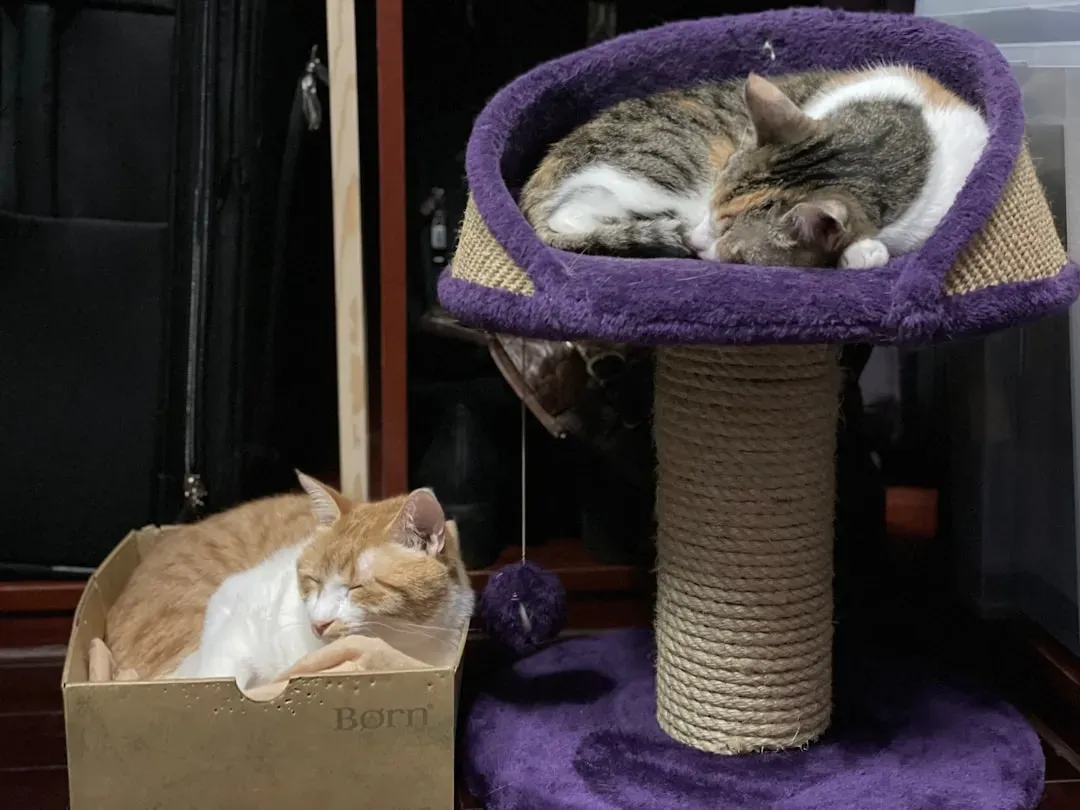
In multiple cat homes, hierarchy significantly influences where a cat sleeps. The dominant cat will choose its sleeping spot and any other cats have to defer. It’s like an office where the boss has the corner office and everyone else figures out the rest. Cats may also sleep alone in order to avoid another animal’s territory. This is why it is so important to offer plenty of sleeping options throughout the house, especially in multi-animal homes, to help keep the peace.
You’ll find that your cat often rotates their preferred sleeping area. This behavior is seen in the African wildcat, which your domestic cat is descended from. In the wild, they would look for a safe place within their territory and rotate the spot to help keep parasite levels low. So when your cat suddenly abandons a spot they loved for months, they’re not being moody – they’re being ancestrally hygienic. Let’s be real, that’s actually impressive.
High Places and Hidden Corners: The Strategic Mind of a Sleepy Cat
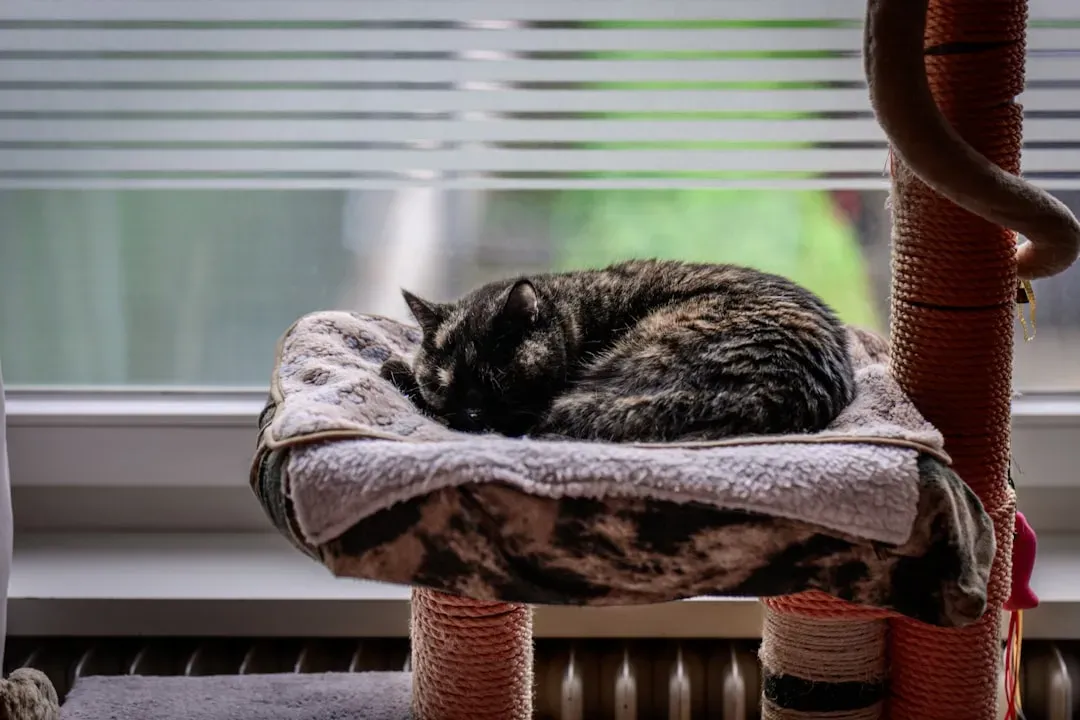
Your cat loves to hang out in high places so they can observe everything from a safe distance. In the wild, cats prefer high areas to stay safe from predators, and your domesticated cat inherits this behavior from their ancestors. You may find your cat up top on furniture taking a snooze, especially if it’s located in a warm, sunny spot in the home.
Many cats will seek out tight spaces for their naps, whether that means snuggling into a corner or loafing in a too-small box. It’s possible they are comforted by this pressure because it reminds them of cuddling up next to their mother, as mama cats often gather their babies into them while they sleep to keep them warm and safe. That cardboard box your cat loves? It’s essentially a nostalgia trip wrapped in corrugated cardboard.
When Napping Habits Signal a Health Problem
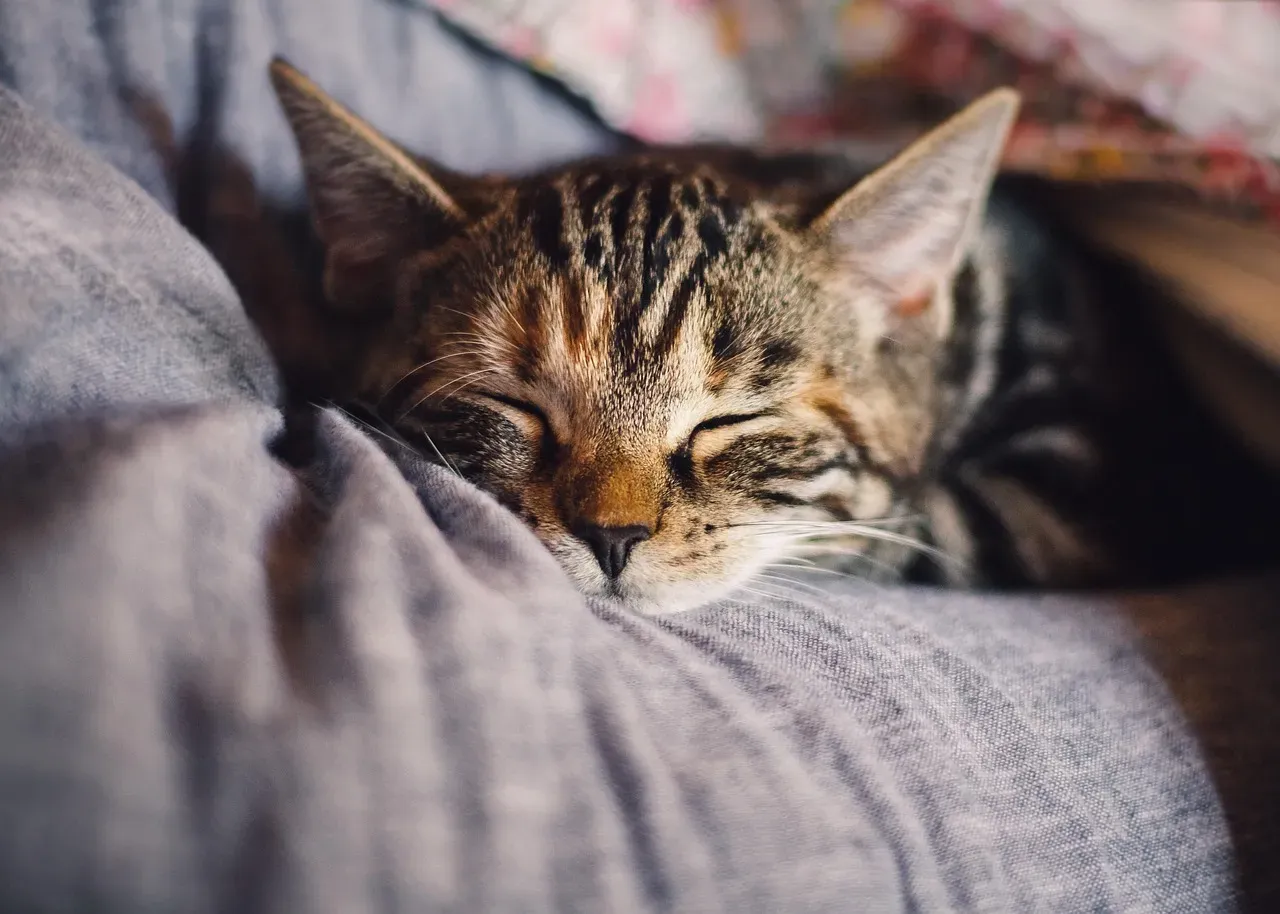
Changes in your cat’s sleeping location or duration can indicate health issues or stress. If your cat suddenly abandons favorite sleeping spots or sleeps significantly more or less than usual, you should consult your veterinarian to rule out potential problems. Cats are notoriously good at hiding discomfort, which makes these behavioral shifts one of the few clear signals they give you.
Sometimes excessive sleep can point to an underlying health condition such as hypothyroidism, which can cause energy levels to drop and compel your cat to sleep. Hearing loss can also play a role, since a deaf cat won’t receive the aural cues that normally spring them into wakefulness and will keep on sleeping. Kidney disease is another condition where excessive sleep can be a notable symptom. If you have any concerns about a change in your cat’s sleep habits, contact your veterinarian to schedule a checkup. Symptoms such as weight or personality changes, lethargy, vomiting, and loss of interest in favorite activities should serve as your cue to seek immediate assistance.
How to Create the Ultimate Zen Zone for Your Cat
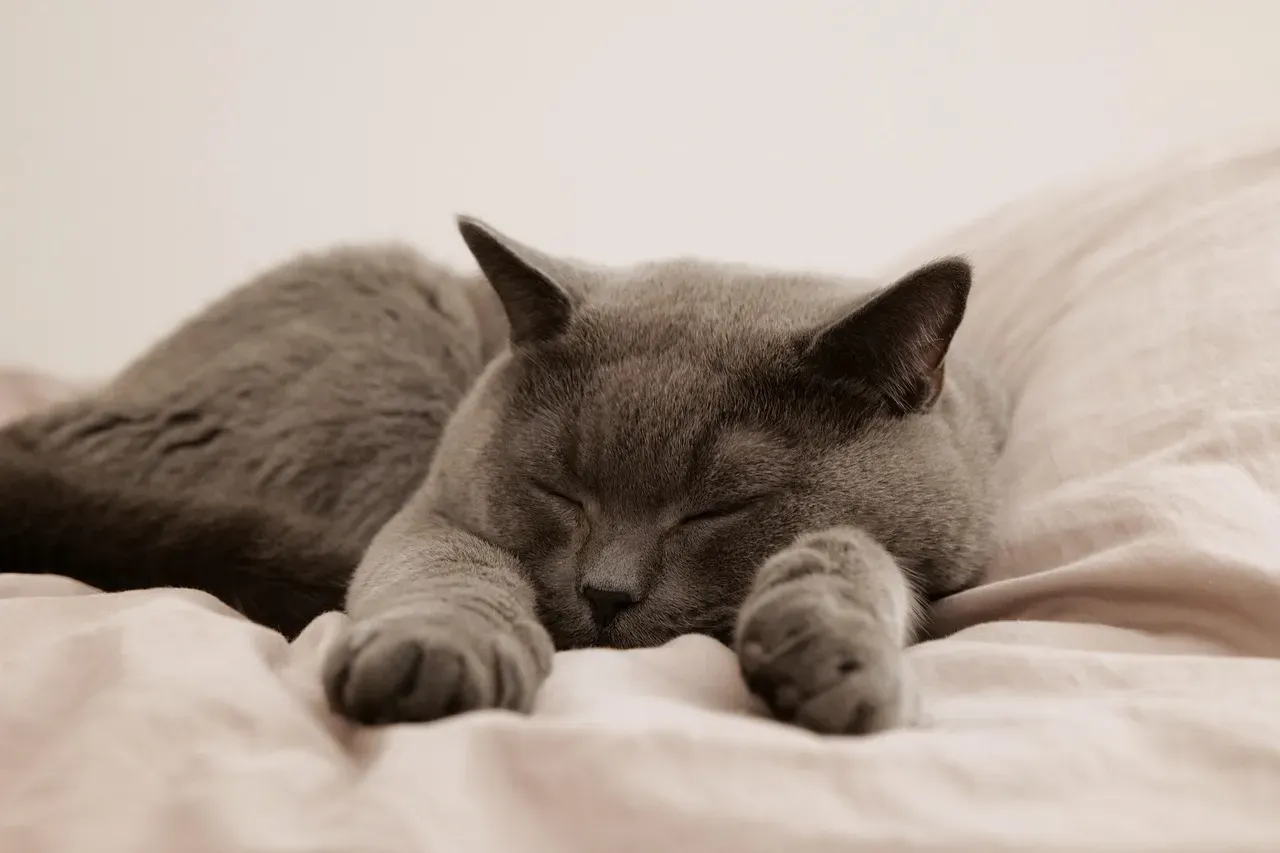
You should create a serene and comfortable sleeping environment to support healthy habits for your cat. That includes offering cozy, quiet bedding areas and maintaining a consistent daily routine. Factors like the bedding type, the sleeping area’s location, and the household’s noise levels can all influence your cat’s sleep quality. You can significantly enhance your cat’s rest and overall health by providing an environment that respects their natural sleeping patterns.
To promote healthy cat sleep, it’s essential to create a comfortable sleeping environment tailored to your cat’s needs. Many cats love to sleep in warm spots, so consider placing a cozy cat bed near a sunny window or a heated blanket in their favorite corner. Cats often prefer elevated spaces like a cat tree, where they can survey their surroundings while feeling secure. Additionally, providing various sleeping options, from blankets to cardboard boxes, can give your cat the freedom to choose how they want to snooze.
Conclusion: More Than Just a Nap
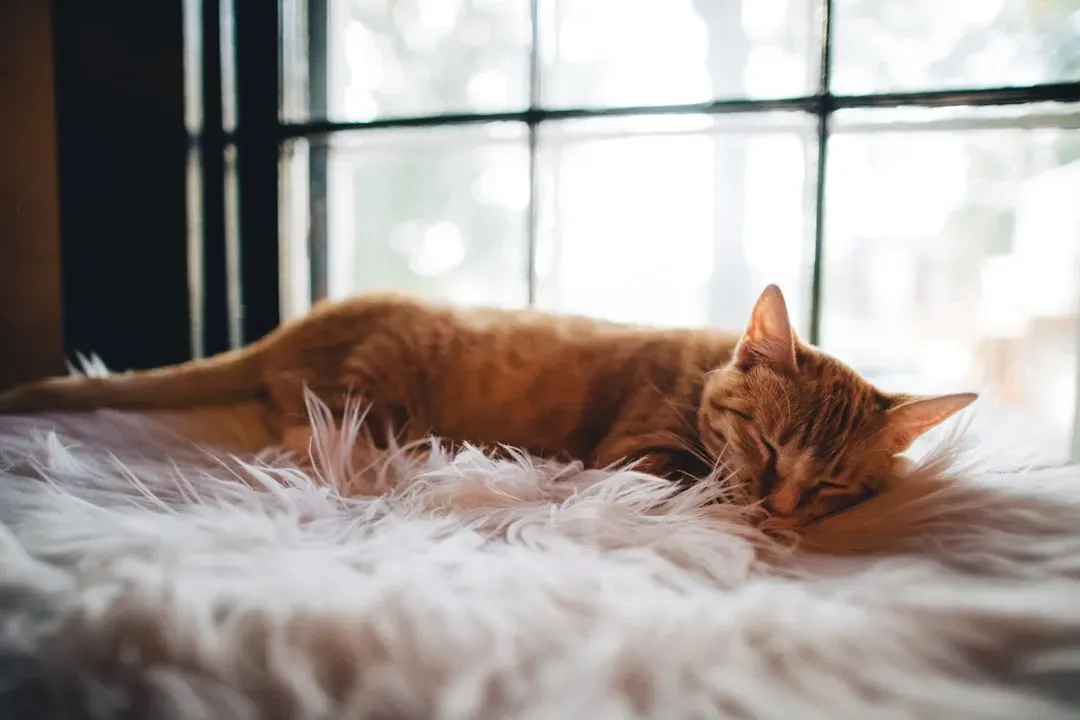
Your cat’s favorite napping spot is, without exaggeration, a window into their entire inner world. It reflects their trust in you, their need for safety, their physical comfort, their social dynamics, and even their ancestral memory. That sunny corner of the couch isn’t just a cozy corner – it’s a carefully selected sanctuary built on instinct refined over thousands of years.
The next time your cat settles into their chosen spot and closes their eyes, take a moment to observe the position, the location, and the context. You’re not just watching a pet nap. You’re reading a language that most people overlook entirely. Understanding it makes you not just a better cat owner, but a genuinely attuned companion to one of nature’s most fascinating creatures.
So here’s the question worth sitting with: now that you know what your cat’s sleeping habits really mean, what do you think their favorite spot has been saying about you all along? Tell us in the comments – we’d love to know.