It happens without warning. You’re sitting peacefully on your couch, maybe sipping your coffee, when your cat suddenly transforms into a furry rocket ship – sprinting from one end of the house to the other, eyes wide, tail puffed, leaping off furniture like some kind of tiny, deranged athlete. Then, just as abruptly as it started, it stops. Your cat sits down, licks a paw, and acts like nothing happened.
If you’ve ever witnessed this spectacle and thought your cat had simply lost the plot, you’re not alone. But here’s the surprising truth: those wild bursts of energy are actually one of the best things your cat’s body and mind can do for itself. There’s science behind the silliness, and what it reveals about your cat’s health is genuinely fascinating. Let’s dive in.
What Exactly Are ‘Zoomies’ and Why Do They Happen?
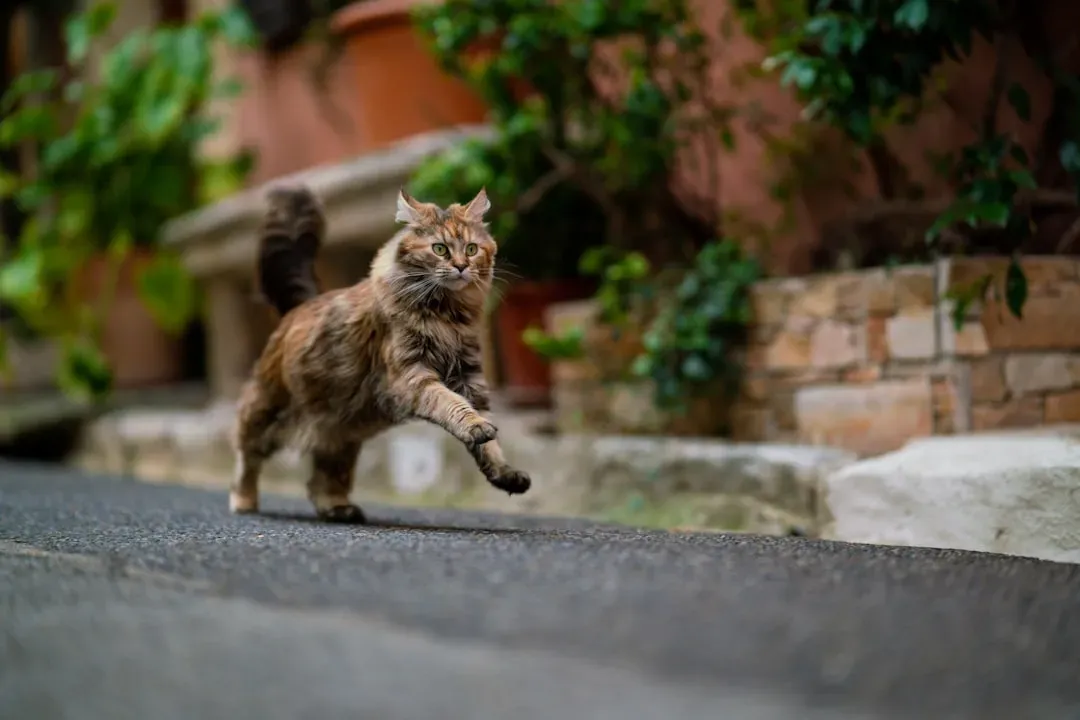
Before you can appreciate the genius of the zoomies, you need to understand what’s actually going on. Cat zoomies are more formally called Frenetic Random Activity Periods, or FRAPs. The name sounds very scientific for something that basically looks like your cat running laps around the hallway at midnight, but that’s exactly what makes it so interesting.
FRAPs are random bursts of energy occurring in cats and dogs in which they run frenetically, commonly in circles. Think of it like a pressure cooker releasing steam. Your cat builds up physical and emotional energy throughout the day, and when it hits a certain threshold, out it comes in a spectacular, chaotic rush. FRAPs may be a rapid release of pent-up physical energy after a period of rest or confinement, and some ethologists suggest FRAPs also express excitement, joy, or a positive arousal state.
The Real Physical Benefits Hiding Inside Those Wild Sprints
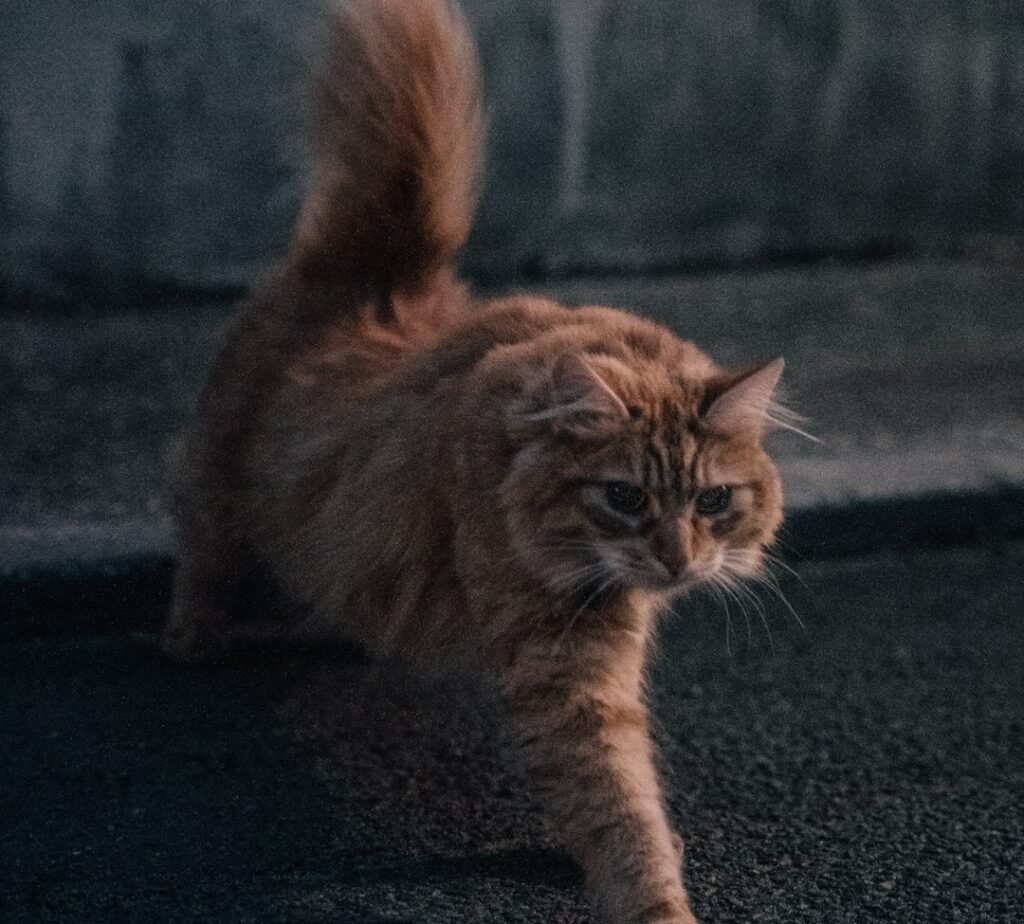
Honestly, it’s easy to laugh at zoomies and move on. Most people do. But there’s something genuinely impressive happening in your cat’s body during those frantic few minutes. From a physical standpoint, these bursts of activity can strengthen muscles, boost cardiovascular health, and support overall well-being. That’s not just fluff – that’s a real workout happening at high speed.
Zoomies are a form of exercise for cats. When a cat experiences a sudden burst of energy, they will often run around, jump, and climb. This type of activity helps to burn off excess energy and calories, which can help prevent obesity and other health issues. Think about it like interval training. Short, intense bursts of movement are actually one of the most effective forms of exercise known, and your cat has been doing it instinctively all along.
The Mood-Boosting Magic of a Good FRAP Session
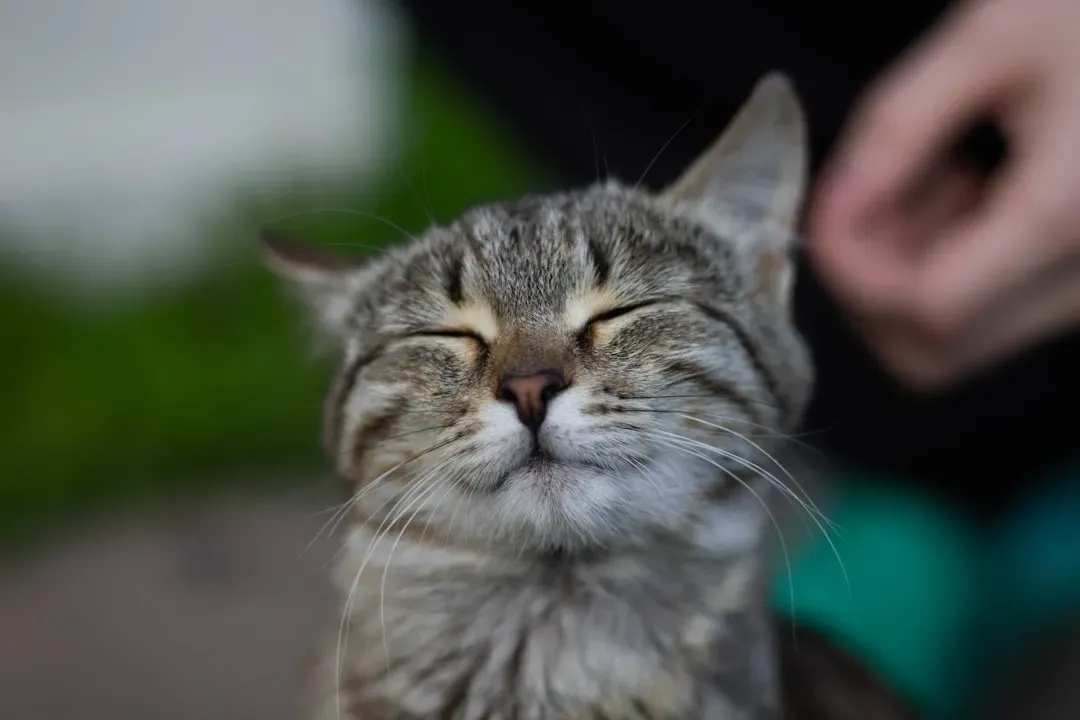
Here’s where things get genuinely exciting. Zoomies don’t just do good things for your cat’s body – they’re a direct line to feel-good chemistry in the brain. Zoomies release endorphins that improve your cat’s mood and reduce stress. That is the same basic mechanism behind why humans feel good after a jog or a dance session. Your cat is essentially giving itself a natural mood boost.
Some ethologists suggest FRAPs express excitement, joy, or a positive arousal state, and Marc Bekoff, among others, interprets many such episodes as play-related and pleasurable. So when your cat is zooming, they’re likely feeling something close to pure joy. That’s a beautiful thought, isn’t it? The next time your cat absolutely destroys your living room at 3 a.m., just remember: they’re happy.
Your Cat’s Inner Hunter Is Alive and Kicking
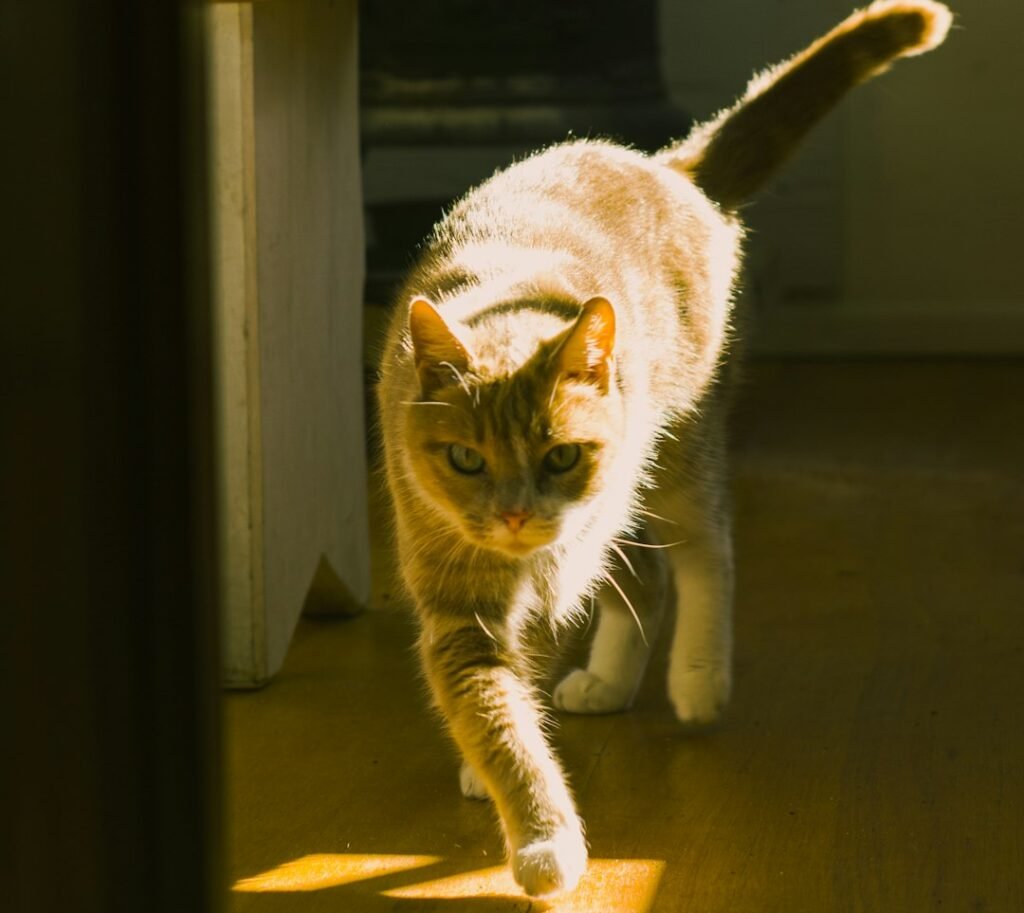
Let’s be real – your well-fed, pampered housecat is still, at heart, a predator. That part never goes away, no matter how many cushy beds and premium kibbles you provide. Despite getting all the food they need from their pet parents, cats are innate hunters and have a predatory instinct. Sometimes it may seem as if your cat is chasing nothing, when, more than likely, they’re pursuing imaginary prey.
Some cats will get the zoomies when they are practicing their hunting skills. This could suddenly cause a cat to have the zoomies out of the blue, and many cats will get this when they see a bird or rodent outside. The cat has the urge to chase and hunt the animal but is not actually able to. As a result, they start running around the house. It’s like watching a miniature lion hunt across the savanna – except the savanna is your hallway, and the prey is invisible. Magnificent, in its own chaotic way.
Why Timing Matters: Zoomies, Sleep, and Your Cat’s Body Clock
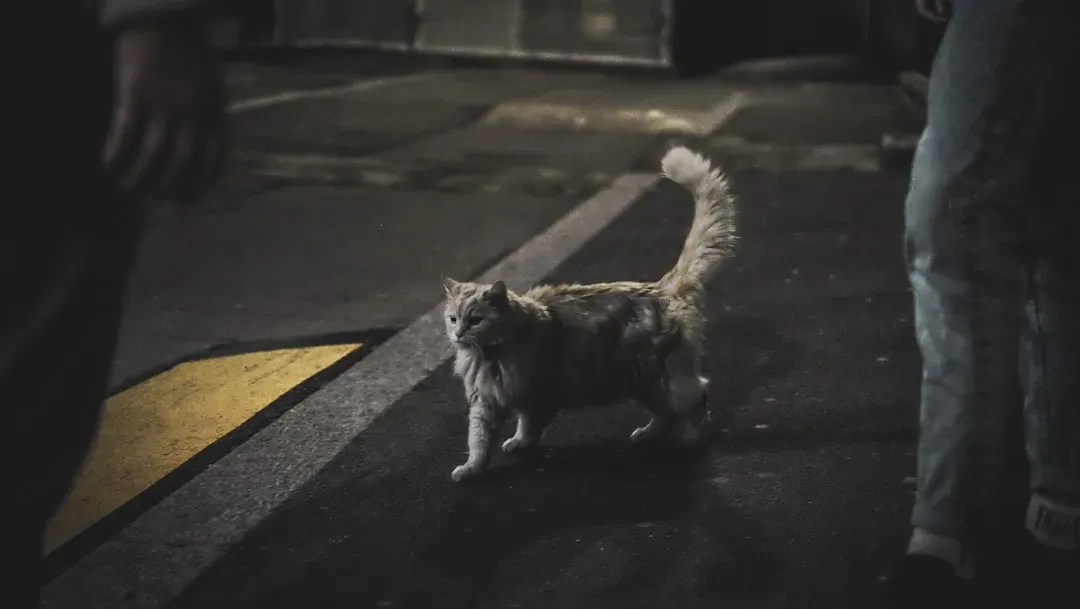
You’ve probably noticed that your cat’s zoomie sessions aren’t entirely random when it comes to time of day. There’s a pattern, and it’s written into their biology. Contrary to popular belief, cats are not nocturnal but are crepuscular instead. This means that they are naturally most active at dawn and dusk due to their biological need to take advantage of cooler times of day in order to more effectively hunt.
This is also deeply connected to your cat’s sleep schedule. Cats often get the zoomies after a long snooze. Because cats sleep much of the day in order to conserve energy – sleeping anywhere from 12 to 16 hours a day – when they’re awake, they’re really awake. After a long catnap, running from one end of the house to another is a way for your cat to reinvigorate their mind and body. It’s the feline equivalent of a post-nap stretch, just taken to an extraordinary and somewhat destructive extreme.
When You Should Actually Worry About the Zoomies
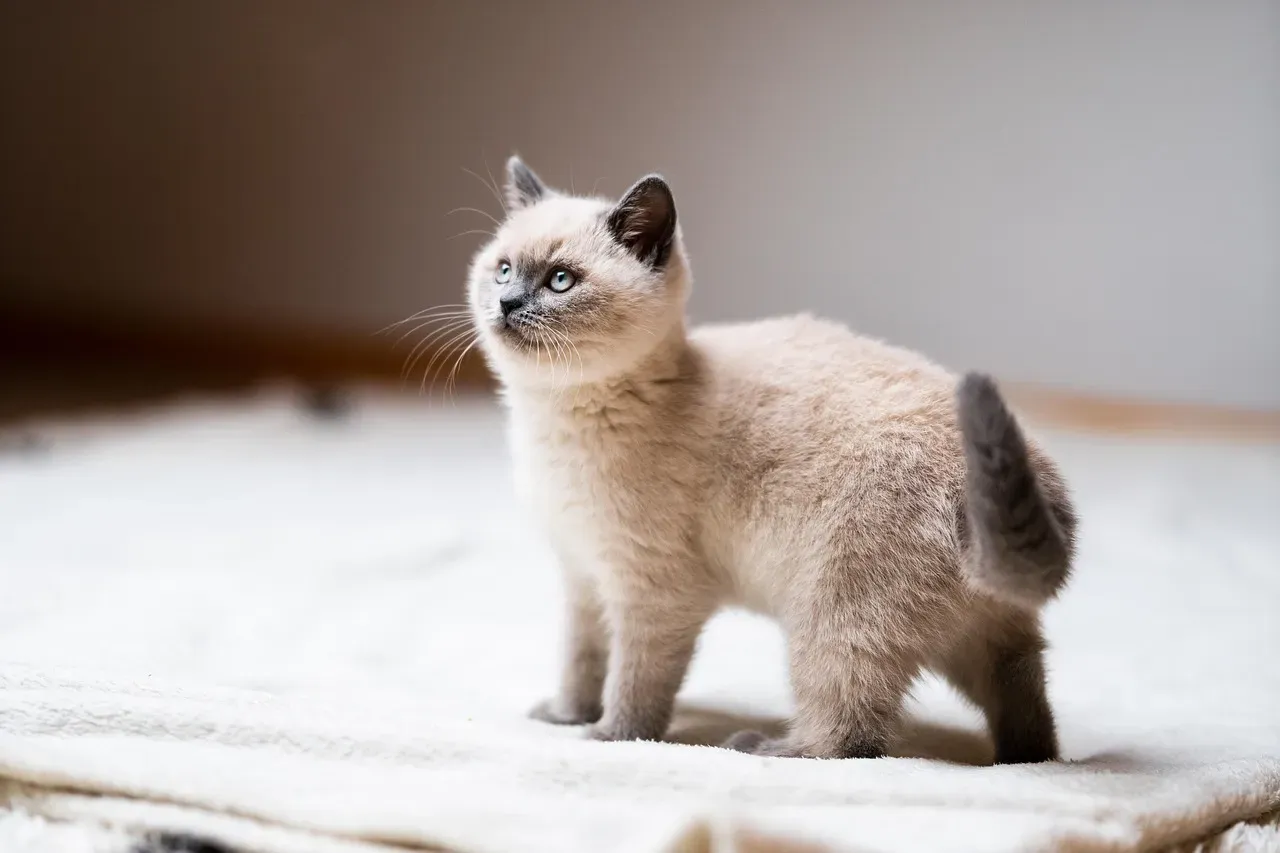
Most of the time, zoomies are nothing but a sign of a happy, healthy cat. I think it’s important to say that clearly, because many cat owners panic the first time they witness one. Zoomies are a natural way for your feline friend to burn off their excess energy and exhibit their playful side. If your cat frequently engages in zoomies, it’s usually a sign of good health. Breathe easy.
However, there are some situations worth paying closer attention to. If your calm cat suddenly starts having zoomies seemingly out of nowhere, you should talk to the vet. If you notice a selection of physical symptoms, like weight loss, changes in behavior, signs of anxiety, or excessive vocalization, zoomies could be a sign of an underlying health issue. Frenetic random activity periods are one sign of hyperthyroidism in cats. This condition, which is common in middle-aged and senior cats, occurs when the thyroid gland becomes overactive, making too many thyroid hormones. In addition to hyperactivity, other signs of hyperthyroidism in cats include weight loss, increased appetite, increased thirst, excessive urination, vomiting, and diarrhea. When in doubt, a vet visit is always the right call.
How You Can Use the Zoomies to Make Your Cat’s Life Even Better
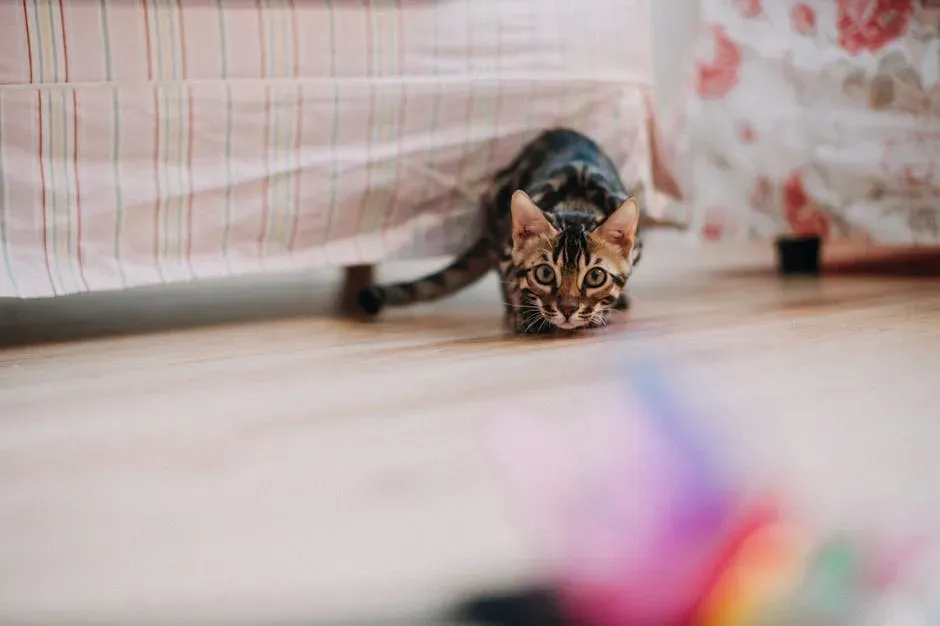
Here’s the most empowering part of this whole story. Once you understand what’s driving your cat’s zoomies, you can actively use that knowledge to improve their daily life. Break out the feather and string and aim to engage in at least two 15-minute interactive play sessions per day. It’s also important to provide mental exercise and satisfaction – don’t just exhaust the cat, but instead, play in a way that allows them to stalk and plan.
A stimulating environment helps prevent boredom and encourages natural behaviours. Try adding cat trees and perches – climbing structures give your cat a chance to explore their vertical space. Puzzle feeders encourage problem-solving and mimic the challenge of hunting for food. Hiding spots and tunnels can make your cat’s zoomies even more fun and engaging. Think of your home less like a place your cat tolerates and more like an adventure course built just for them. The difference it makes for their happiness is remarkable.
Conclusion
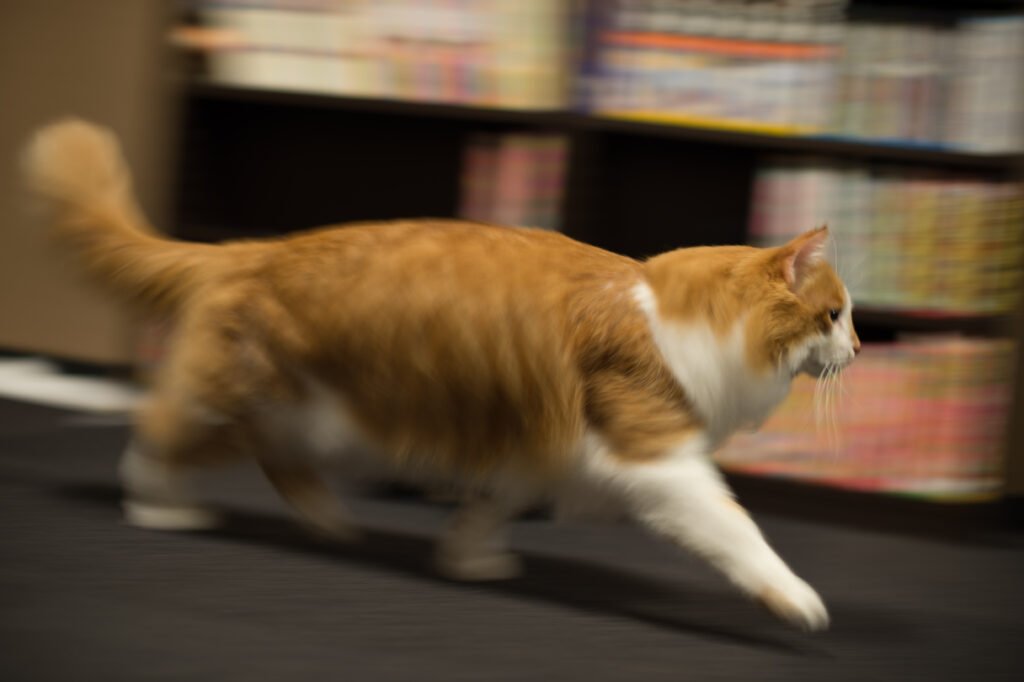
Your cat’s zoomies are not a quirk to be endured or a mystery to be confused by. They are a window into something genuinely beautiful – a healthy body burning real energy, a sharp mind following ancient instincts, and a happy animal experiencing something close to pure, unfiltered joy. This behaviour is deeply tied to your cat’s need for physical activity and mental stimulation. Rather than seeing zoomies as hyperactivity, it’s best to recognise them as a sign of a healthy and happy cat with energy to expend.
So the next time your cat goes absolutely feral at 6 a.m. and knocks three things off your kitchen counter in the process, take a breath and maybe even smile. They’re not being difficult. They’re thriving. Both the physical benefits and the play itself matter deeply – research has shown that play isn’t just fun, it’s an important indicator of animal welfare. Your zooming, sprinting, bouncing cat is, in every sense of the word, living its best life.
Now, the real question is – have you ever tried to time how long your cat’s zoomies last? Share what you’ve noticed in the comments. You might be surprised what it tells you.