You’ve probably seen it happen at least once. Everything seems calm and peaceful. Your cat’s lounging in a sunny spot, looking like the picture of contentment. Then without warning, it’s like someone flipped a switch. Your furry friend suddenly leaps up and starts sprinting through your home like they’re training for the Olympics. They’re darting around corners, leaping over furniture, and possibly knocking over a plant or two.
Welcome to the world of cat zoomies. While these frantic episodes can catch you completely off guard and may even have you questioning your cat’s sanity, there’s actually so much more going on beneath the surface than you might think. Those wild bursts of energy aren’t just random acts of feline chaos. They’re serving some pretty important purposes for your pet’s physical and mental health. Let’s explore what’s really happening when your cat goes into full zoom mode.
What Exactly Are the Zoomies
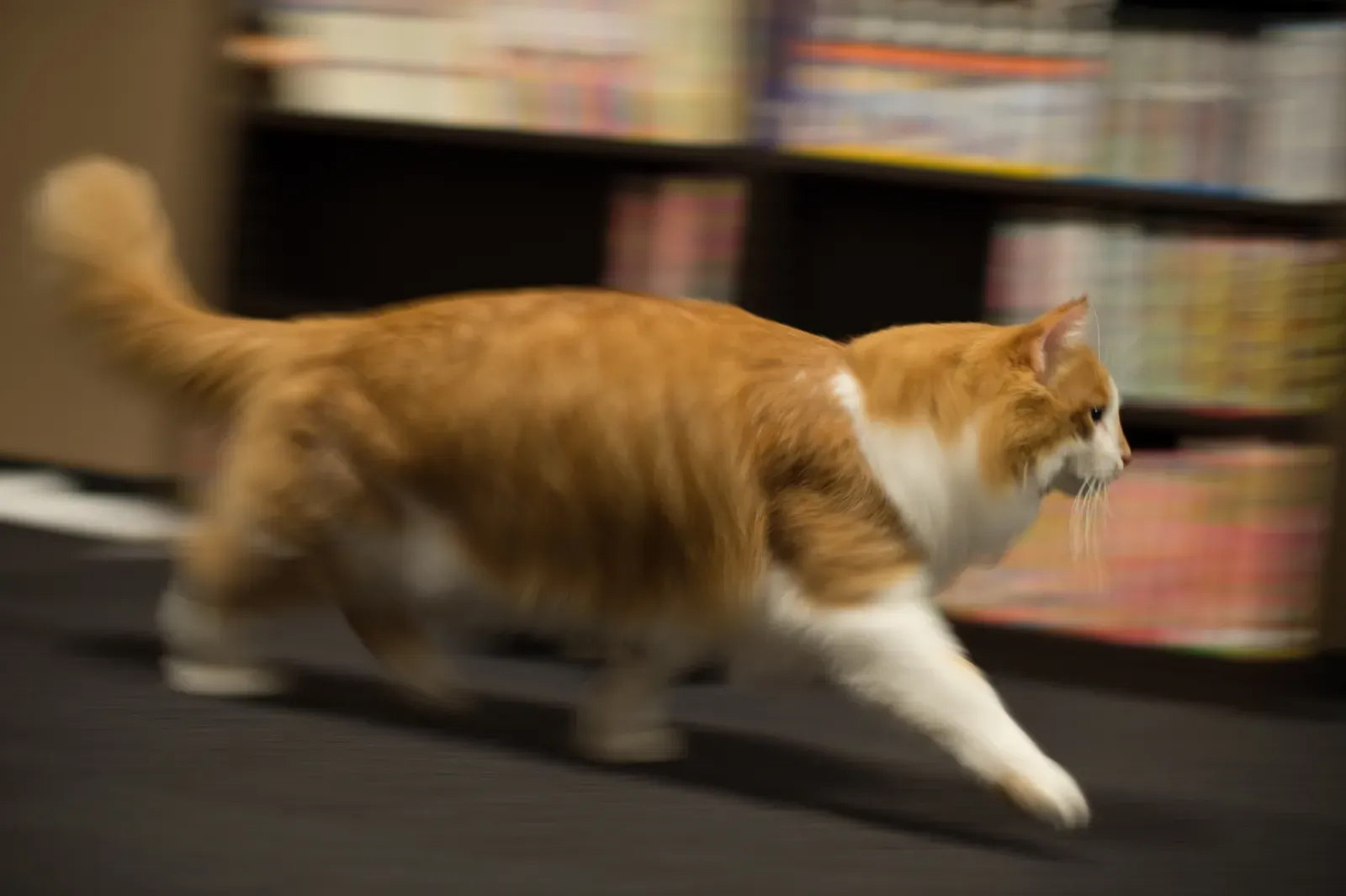
The technical name for this behavior is Frenetic Random Activity Periods, or FRAPs, which allows cats to release pent-up energy through energetic sprinting around the house. According to experts, zoomies appear almost out of control, whereas regular play is often more measured.
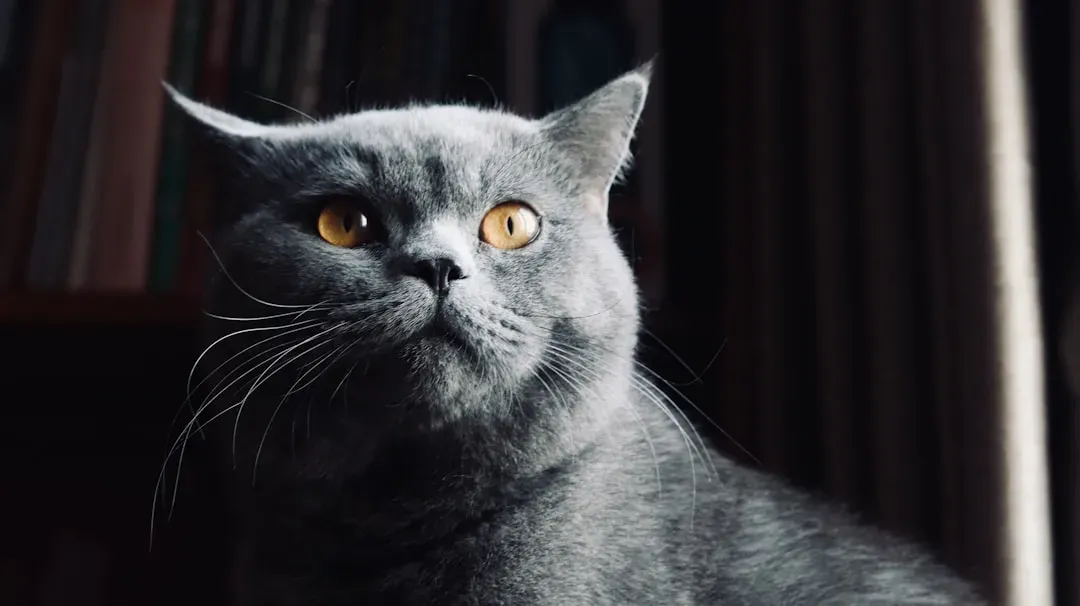
When your cat gets the zoomies, you might notice several distinct behaviors. They’ll run at full speed in seemingly random patterns, sometimes zigzagging or making sharp turns on hardwood floors. Their pupils typically dilate wide, their ears might flatten or go to the sides, and they often have this wild, almost crazed expression. Some cats vocalize during these episodes with excited chirps or meows.
Generally, cat zoomies don’t last long, with most cats burning through their energy in just a few minutes before flopping down as if nothing happened. The whole thing ends almost as abruptly as it began.
The Energy Release Your Cat Actually Needs
Let’s be real about what’s happening here. The most common reason cats experience the zoomies is pent-up energy, as they rest and sleep for a majority of the day to conserve energy for short, very active periods. Think about it from your cat’s perspective. They’re spending somewhere between twelve and sixteen hours just sleeping and lounging around your home.
For indoor cats who don’t get enough exercise, they may engage in the zoomies as a much-needed energy release, and this behavior may be more common in younger cats and kittens who have more energy to expend. Without those opportunities to hunt, chase, and explore like their wild ancestors did, all that stored energy has to go somewhere. The zoomies become nature’s pressure valve.
Your cat isn’t being weird or misbehaving during these episodes. They’re literally just doing what their body is telling them they need to do.
The Hidden Hunting Instincts at Play
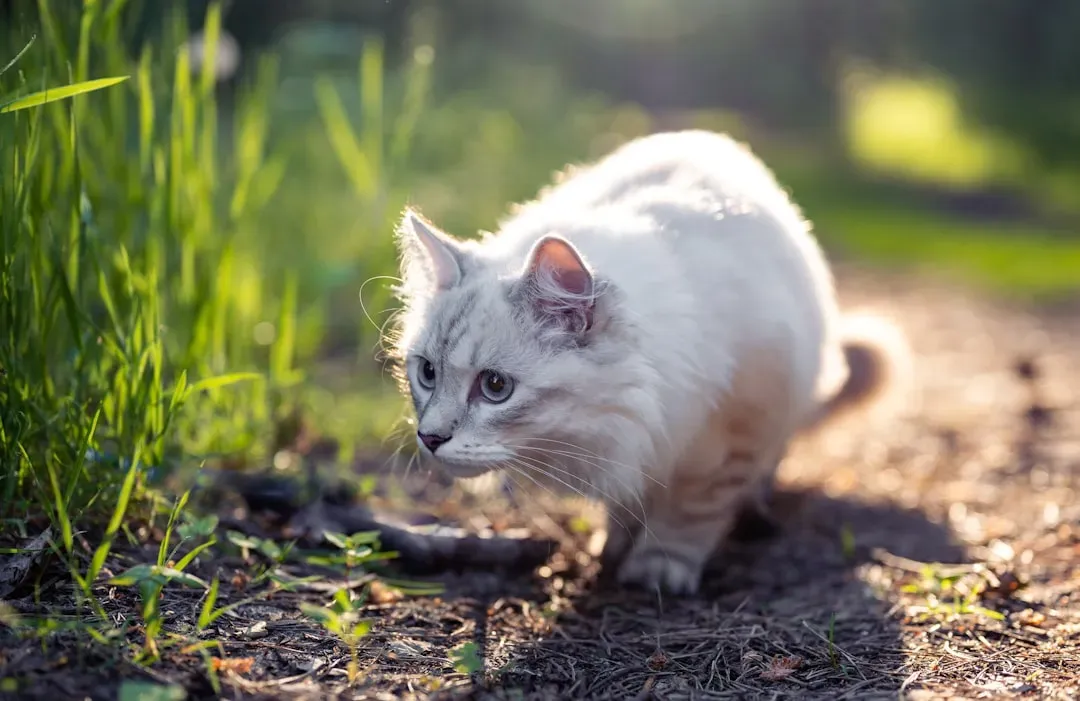
Zoomies may originate from cats’ natural predatory instincts, as the bursts of activity with their sudden sprints and sharp turns may represent hunting behaviors. Even though your cat gets regular meals served in a bowl and has never actually hunted a day in their life, they’re still hardwired like the fierce predators their ancestors were.
Cats get zoomies to burn off extra energy because they are natural ambush predators, and they conserve energy for multiple short bursts when hunting. In the wild, cats would stalk their prey quietly, then execute lightning-fast chases with quick direction changes to catch their meal. Those same movements show up during zoomies.
During zoomies, you will often notice behaviors such as pouncing, darting, and chasing imaginary prey. Your cat might suddenly “attack” a dust bunny, leap sideways at absolutely nothing, or race after invisible creatures only they can see. It’s not that they’re seeing ghosts. They’re practicing the skills that kept their ancestors alive.
It’s Actually a Cardiovascular Workout
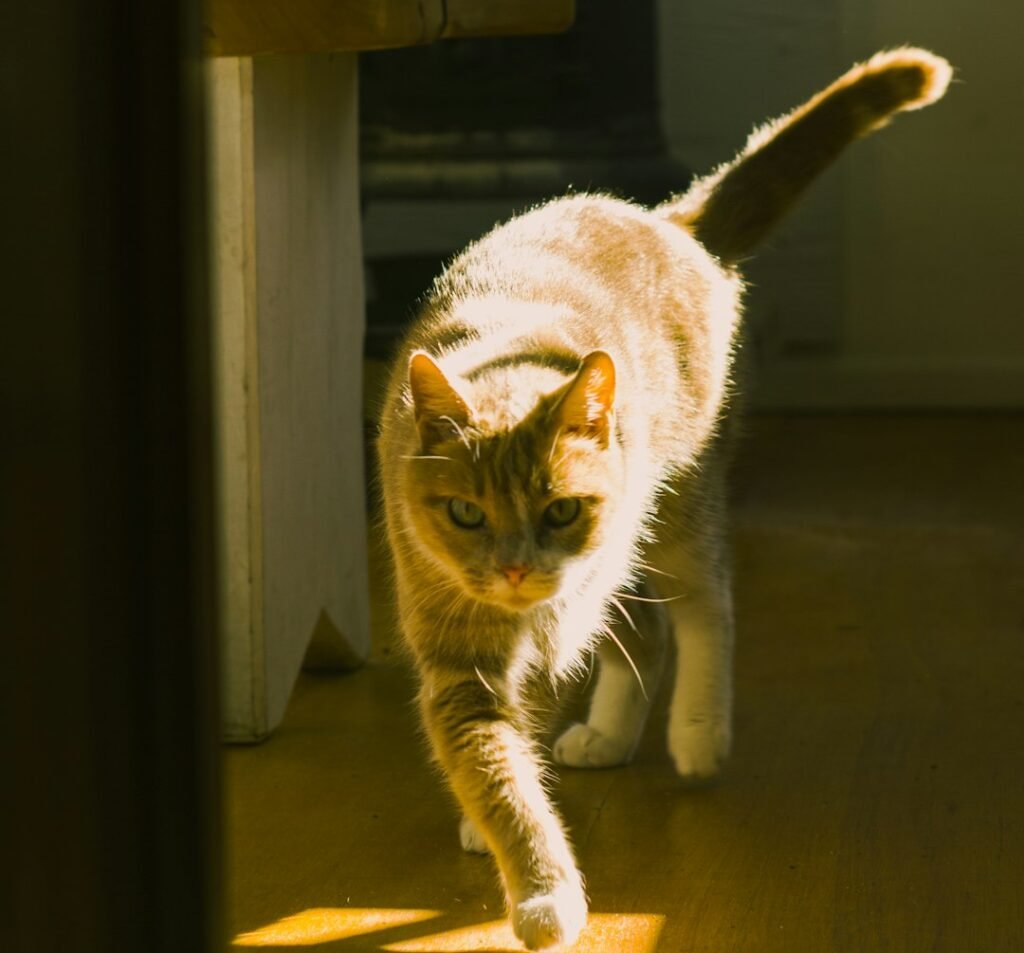
Here’s something you might not realize. Those seemingly chaotic running sessions are genuinely beneficial exercise for your cat. FRAPs may release endorphins causing a pleasurable or euphoric response, and from a physical standpoint, these bursts of activity can strengthen muscles, boost cardiovascular health, and support overall well-being.
This type of activity helps to burn off excess energy and calories, which can help prevent obesity and other health issues, while regular exercise can also help to improve a cat’s muscle tone, coordination, and overall physical health. Think of it as your cat’s version of high-intensity interval training. They’re getting their heart rate up, working different muscle groups, and improving their agility and coordination all in those few intense minutes.
Indoor cats especially benefit from these natural workout sessions since they don’t have the same opportunities for physical activity that outdoor cats might get from exploring their territory. The zoomies help fill that exercise gap.
The Timing Isn’t Actually Random
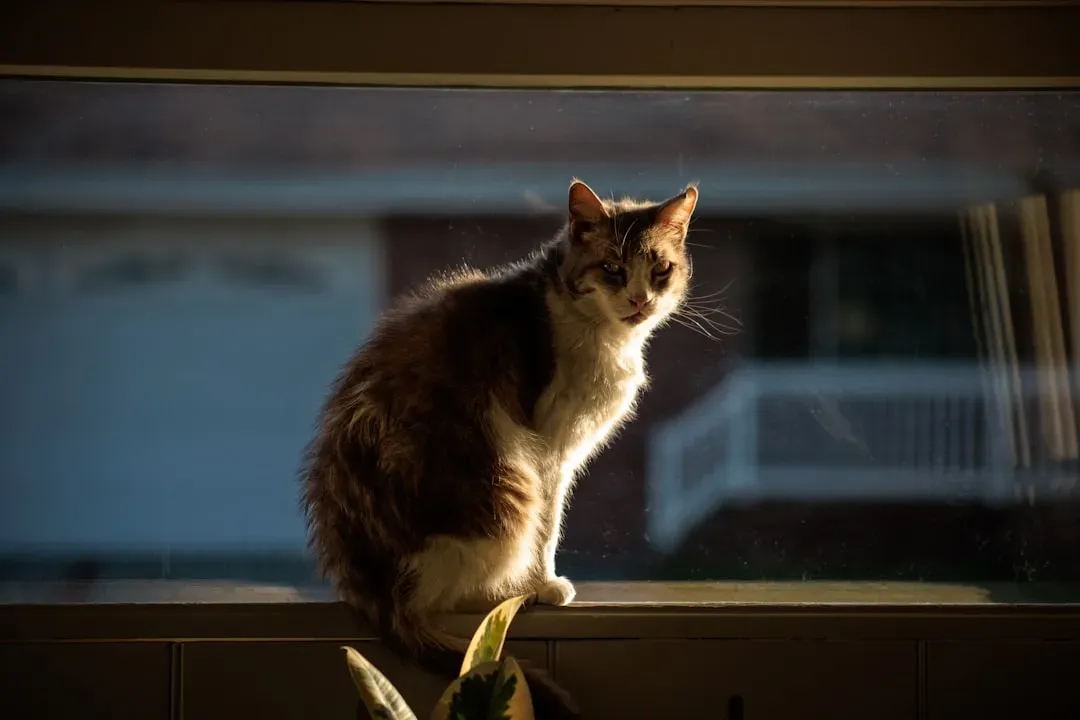
You’ve probably noticed your cat tends to get the zoomies at particular times. Since cats are crepuscular, meaning they are most active at dawn and dusk, it’s no surprise that many pet parents notice zoomies happening during the early morning or evening hours. Those midnight marathons through your bedroom aren’t your cat being spiteful about wanting you awake.
Cats are naturally most active at dawn and dusk due to their biological need to take advantage of cooler times of day in order to more effectively hunt. Even though your domesticated house cat doesn’t need to worry about when prey is most active or when temperatures are best for hunting, their internal clock still operates on this ancient schedule.
Many cats also get zoomies right after waking up from a long nap. They’ve been storing energy during sleep, and when they wake up, they need to get their body moving again. It’s similar to how you might feel the need to stretch and move around after sitting still for too long.
The Post-Litter Box Victory Lap
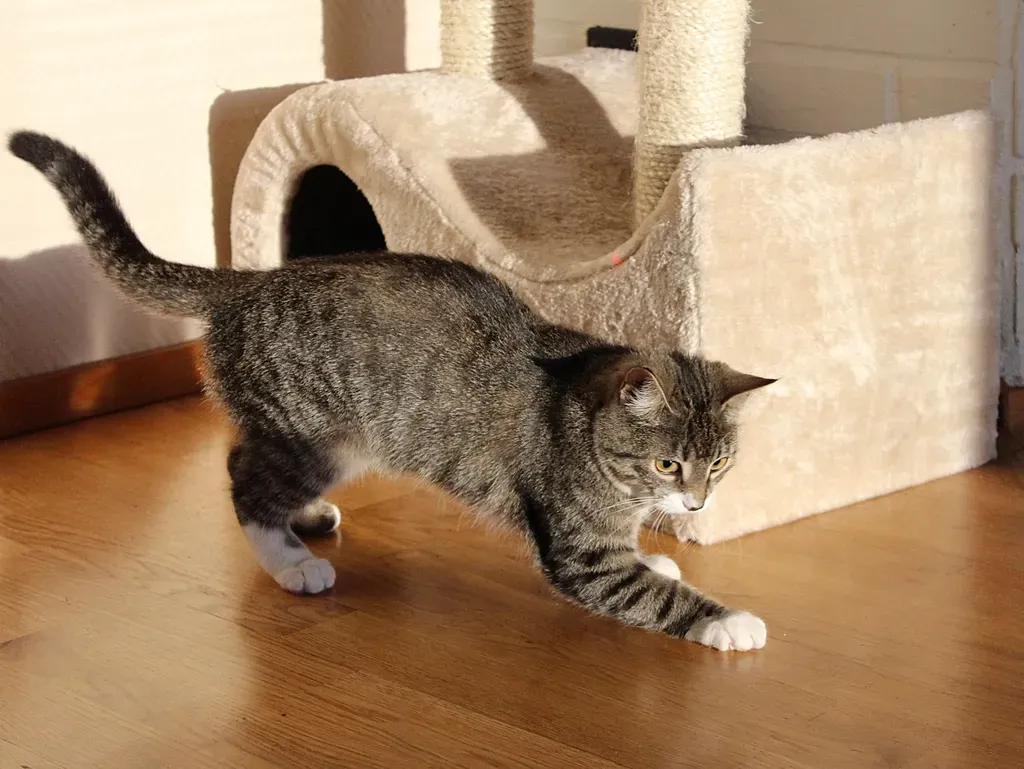
If you’ve ever witnessed your cat tear out of the litter box like their tail is on fire, you’re not alone in wondering what that’s all about. Using the litter box could simply be because they feel good, as defecating stimulates the vagus nerve, which can lead to a feeling of release or relief, and depending on the cat’s personality, that might lead to excitement and zoomies.
Their zoomies could be because they want to get away from the scent that may attract predators, or it could be due to the drop in heart rate and blood pressure that occurs when a cat goes for a poo, which causes a euphoric feeling. From an evolutionary perspective, getting away quickly from the place where they’ve left their scent makes perfect sense for a small predator who could also be prey.
That said, if your cat gets the zoomies after pooping, pay attention to signs of constipation, such as discomfort, vomiting, defecation outside the litter box, or a change in stool. Sometimes what looks like excitement could actually be discomfort.
Mental Stimulation Through Physical Activity
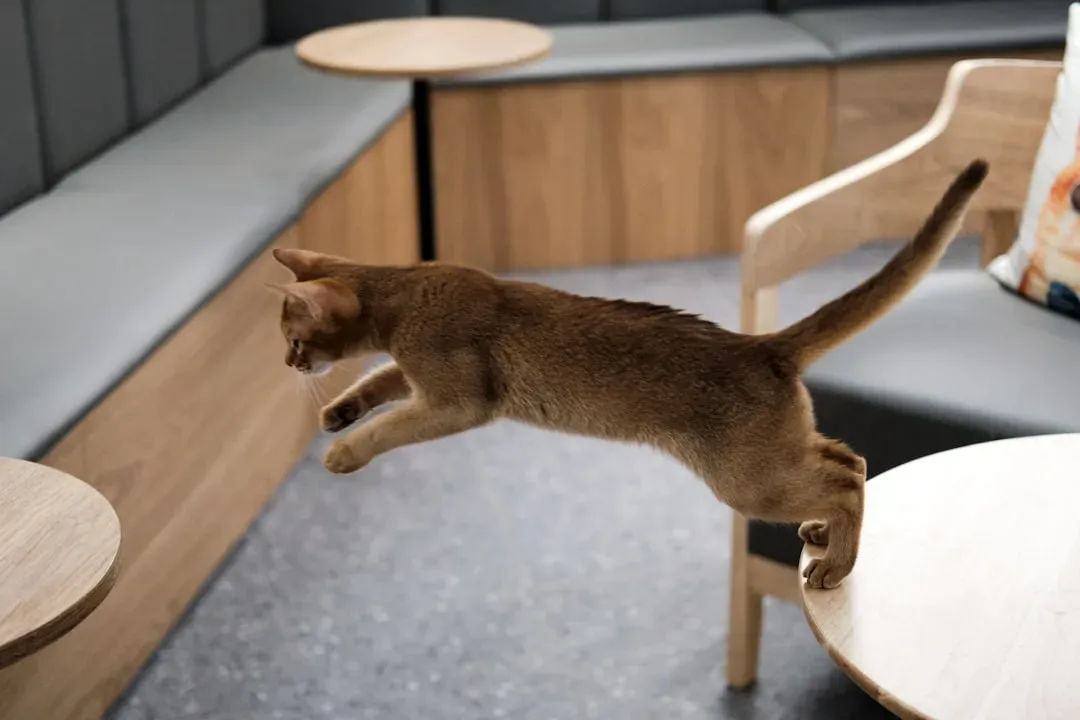
The zoomies aren’t just about physical fitness. Zoomies can also provide mental stimulation for cats, as running around, jumping, and climbing engages them in a variety of different activities that require them to use their brains, which can help to keep a cat’s mind active and engaged. Your cat is making split-second decisions about where to run next, judging distances for leaps, calculating angles for turns.
It’s also important to provide mental exercise and satisfaction, not just exhausting the cat, but playing in a way that allows them to stalk and plan, since playtime is just as much mental exercise as it is physical. When your cat races around during zoomies, they’re engaging problem-solving skills and spatial awareness. They’re figuring out how to navigate your furniture arrangement at high speeds without crashing.
This mental workout is particularly important for indoor cats who don’t have the environmental enrichment that comes with outdoor exploration. The zoomies give their brains something to do besides stare out the window all day.
How Regular Zoomies Indicate Good Health
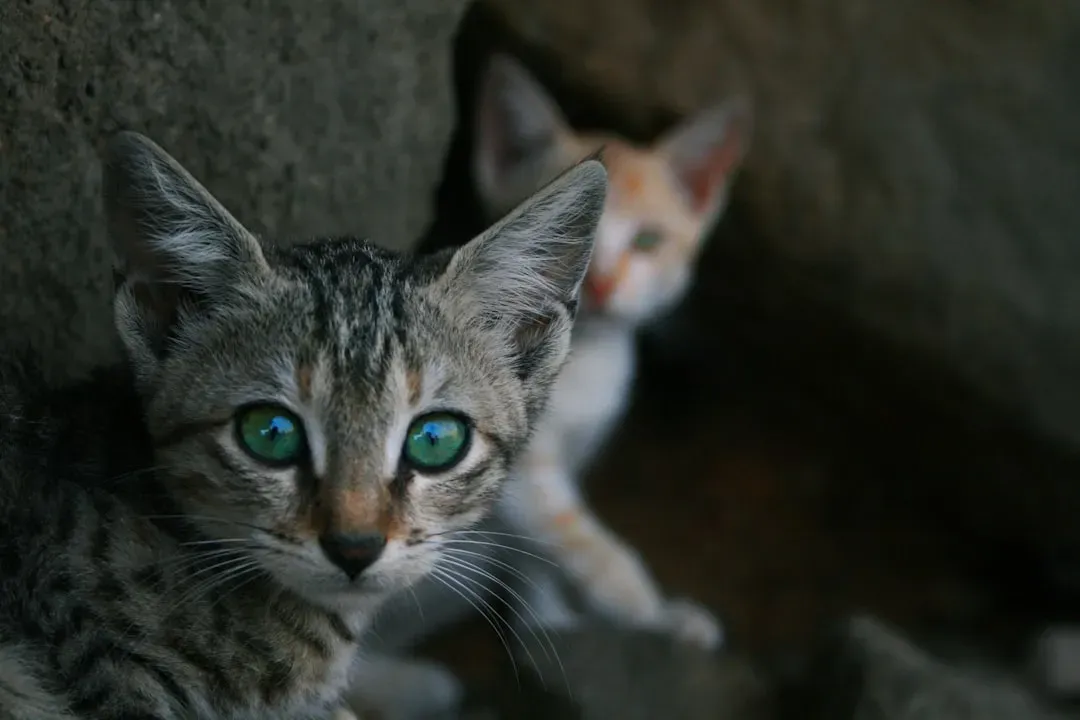
Zoomies are absolutely normal for cats, regardless of their age or breed, though young cats and kittens may experience zoomies more frequently due to their overactive nature, and zoomies are a natural way for feline friends to burn off their excess energy and exhibit their playful side. For most cats, zoomies are a sign of a healthy, happy animal who has energy to burn, and they’re also a great reminder that cats have a playful side no matter their age.
Honestly, you should be more concerned if your previously active cat suddenly stops having zoomies. That could indicate they’re not feeling well or are becoming too sedentary. Regular zoomie sessions suggest your cat has the energy reserves and physical capability to engage in intense activity, which are both positive indicators of overall health.
Overall, zoomies are a healthy and often entertaining phenomenon that comes with being a cat parent, and as long as your cat shows normal, playful behavior during these sessions, you can relax and enjoy the show. Of course, there are exceptions to this.
When Zoomies Might Signal a Problem
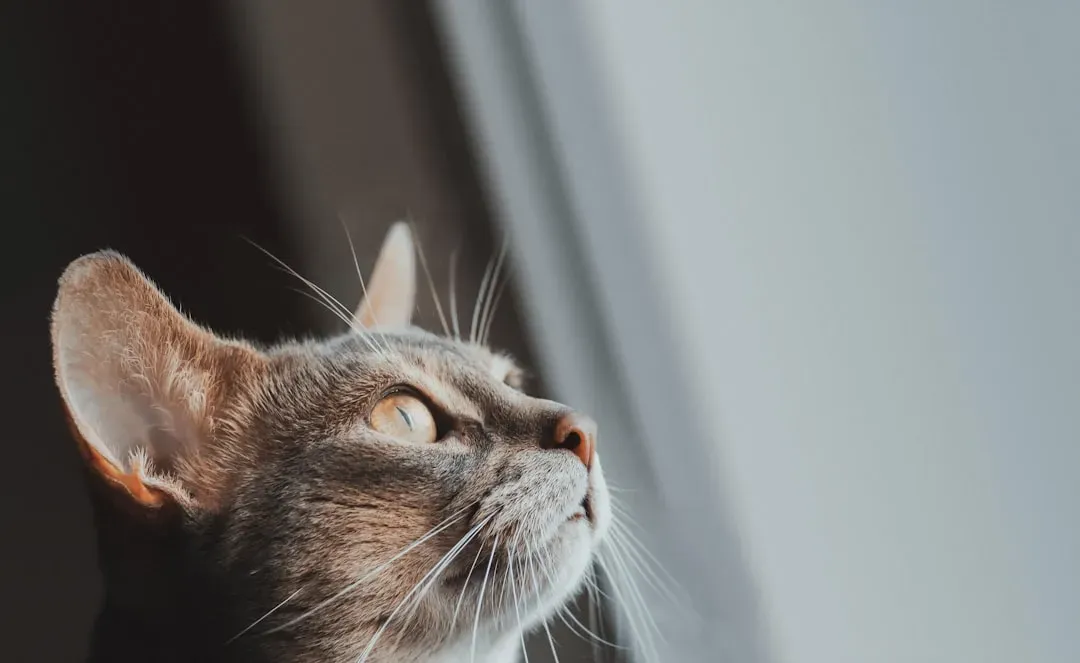
While zoomies are usually completely normal, there are situations where they warrant closer attention. Anxiety or distress can trigger zoomie-like behavior, though these episodes typically look different from playful ones, as anxious cats often appear uncoordinated or frantic during these moments, and anything from vet visits to unfamiliar people or pets in your house can cause fear-induced zooming.
Sudden changes in zoomie behavior might signal underlying health conditions like hyperthyroidism or mobility problems. If your older cat suddenly starts having way more frequent or intense zoomies than usual, especially combined with weight loss, increased appetite, or excessive vocalization, it’s worth getting them checked out.
If your cat has fleas or itchy skin, racing around may be their way of trying to escape the feeling, and zoomies can sometimes be caused by pain. Watch your cat’s body language during these episodes. Are they showing signs of distress like flattened ears in a defensive position, aggressive vocalizations, or trying to bite at themselves?
Supporting Your Cat’s Natural Workout Routine
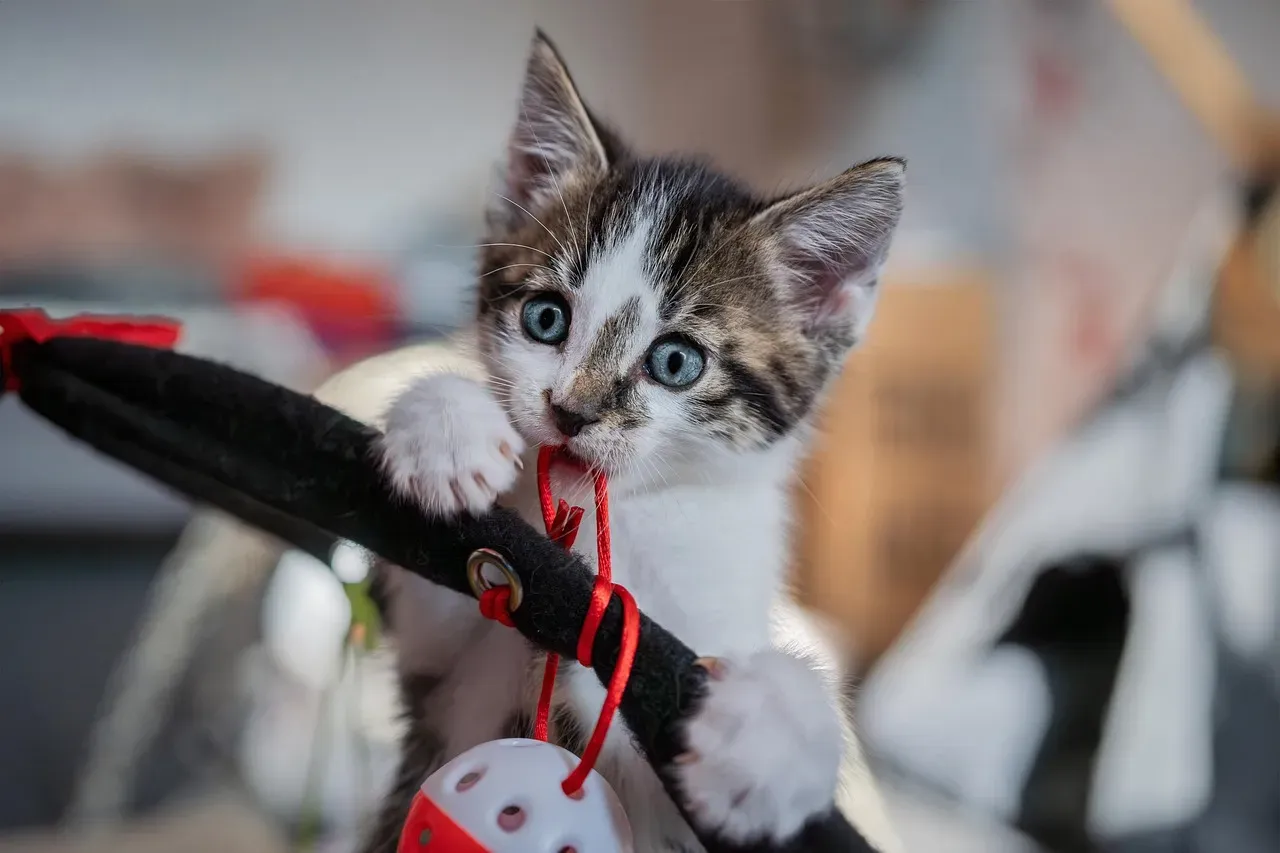
If a cat frequently engages in the zoomies, it’s probably an indication that the cat needs more exercise, and you should aim to engage in at least two fifteen-minute interactive play sessions per day. Use toys that mimic prey movements like feather wands, toy mice, or balls. The key is making the play sessions engaging enough that your cat gets to act on their hunting instincts.
To help tire your kitty with mental stimulation, test out a few interactive toys that allow them to play and get a reward for their efforts, and setting out your cat’s favorite interactive toy before bed may help get that extra energy out. Puzzle feeders are another excellent option that combines mental challenge with physical activity.
Like HIIT in humans, it’s better to play with your cat three times a day for short periods than a single, longer period. Short, frequent play sessions throughout the day better mimic the natural hunting patterns of wild cats and help distribute your cat’s energy expenditure more evenly, potentially reducing those 3 AM zoomie sessions.
Embracing the Chaos as Part of Cat Ownership
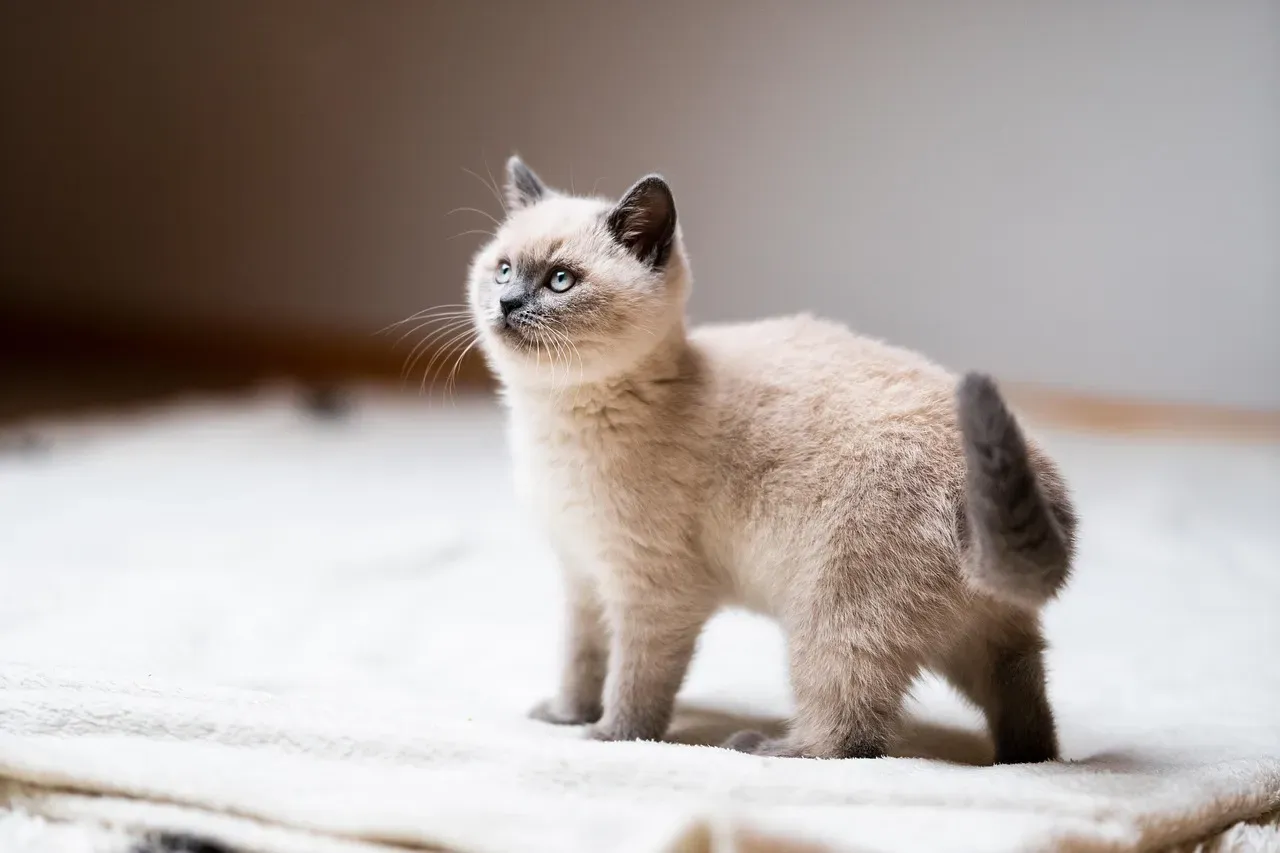
Zoomies are a healthy and often entertaining phenomenon that comes with being a cat parent, and as long as your cat shows normal, playful behavior during these sessions, you can relax and enjoy the show. There’s something genuinely delightful about watching your usually dignified cat absolutely lose their mind racing around your living room.
In most cases, zoomies are healthy and normal, as they offer exercise and mental release, and letting your cat run and jump safely is beneficial. Instead of trying to stop the behavior, focus on creating a safe environment where your cat can zoom without injuring themselves or destroying your belongings. Move fragile items out of common zoom paths, secure anything that might topple over, and maybe invest in some cat-safe spaces they can climb and jump on.
The next time your cat goes tearing through the house with that wild look in their eyes, remember they’re not being crazy. They’re being exactly what they are – a perfectly healthy, energetic predator getting in their daily workout. What do you think about your cat’s zoomies now? Have you noticed patterns in when they happen?