You watch your cat sunbathing on the windowsill, looking like the picture of relaxed domesticity. Then a bird lands on the fence outside, and everything changes. The pupils blow wide. The tail flicks. The jaw starts chattering. And just like that, the fluffy companion you thought you knew reveals something ancient and fierce beneath the surface.
There’s a reason your cat can go from napping to full predator mode in roughly two seconds flat. That internal wiring never switches off, no matter how comfortable your couch is or how full the food bowl happens to be. If you’ve ever wondered what’s really going on inside that fuzzy little head, you’re about to find out. Let’s dive in.
The Deep Evolutionary Roots of Your Cat’s Predatory Nature
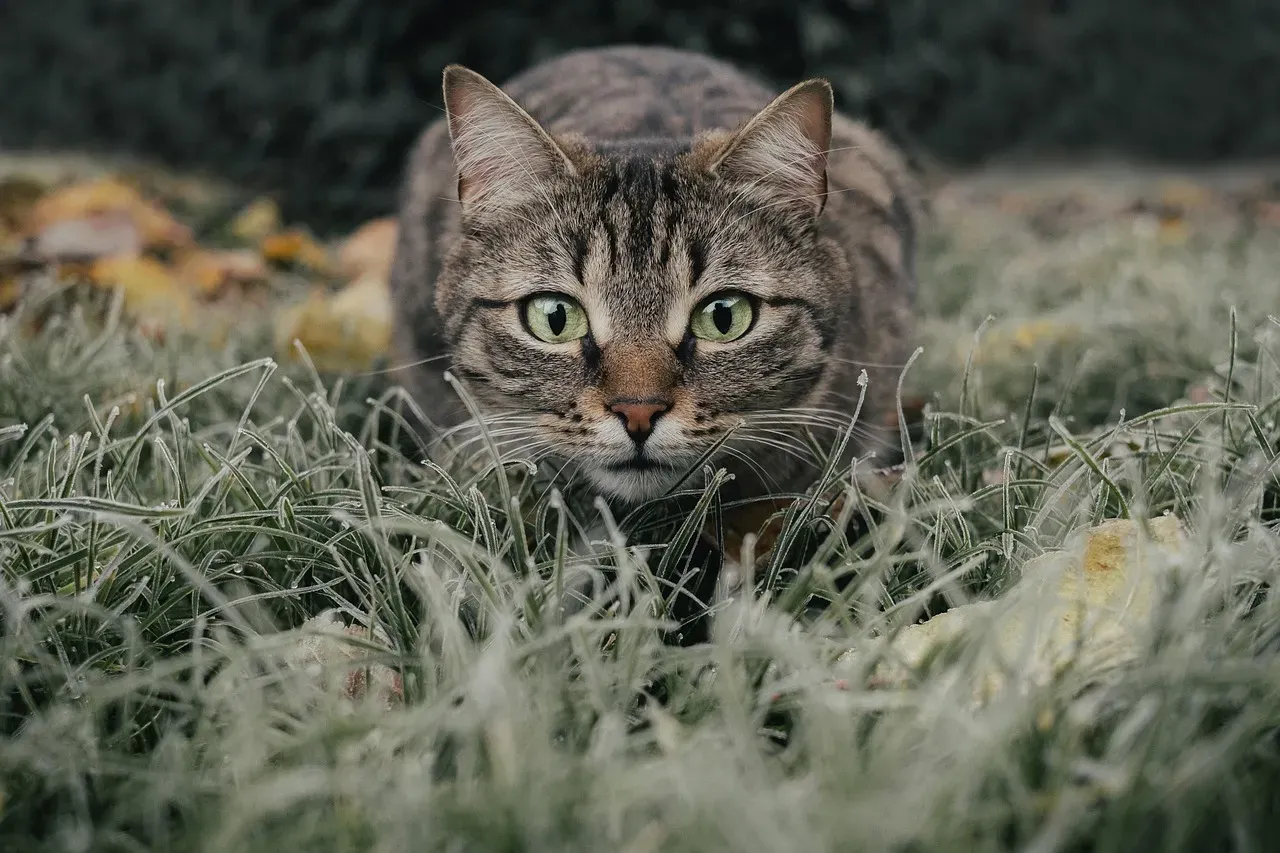
Your cat’s hunting behavior is hard-wired into their DNA, shaped by wild ancestors who developed their hunting skills over millions of years of stalking and chasing prey to feed themselves and their young. This isn’t a quirk of personality or a bad habit you need to fix. It’s a biological inheritance that goes far, far deeper than anything a cozy indoor life can erase.
Until quite recently, cats were mainly kept to control rodent populations rather than as pets, and during this time, only the best hunters survived and reproduced, meaning our pet cats today descended from the most adept hunters. There has been very little selective breeding of cats, so their instinctive need to hunt remains incredibly strong. Think about that for a second. Your cat is essentially a finely tuned predator machine that you’re also letting sleep on your pillow.
Why Your Cat Hunts Even When Full and Well-Fed
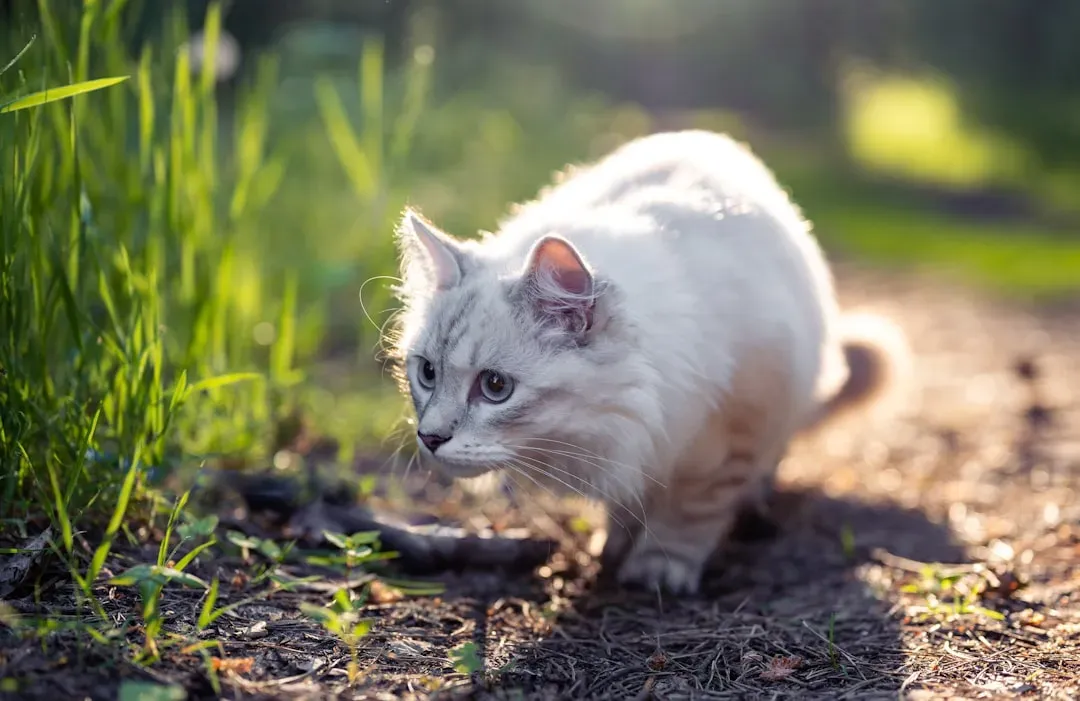
When your cat feels hungry, like you, they’re motivated to eat food. The motivation to hunt prey, however, is only partly related to hunger. As a species that hunts alone, cats rely solely on themselves to provide enough food. If they wait until they’re hungry to hunt, they could starve, because there is estimated to be a less than half chance of success at each hunting attempt. So the instinct to always be on the lookout for prey is essentially a survival insurance policy baked into their biology.
Even if cats that are fed hunt less than those who have to hunt to survive, the feeling of being full and well fed does not cause a cat to give up hunting altogether. The cat finds the activity itself so exciting and rewarding that it continues to hunt even when it has no need to. This is why a well-fed cat will often kill its prey and leave it. Honestly, it’s a bit like how you might still scroll through a food delivery app even after a full meal. The urge is just there.
The Precise Hunting Sequence Your Cat Follows Every Single Time
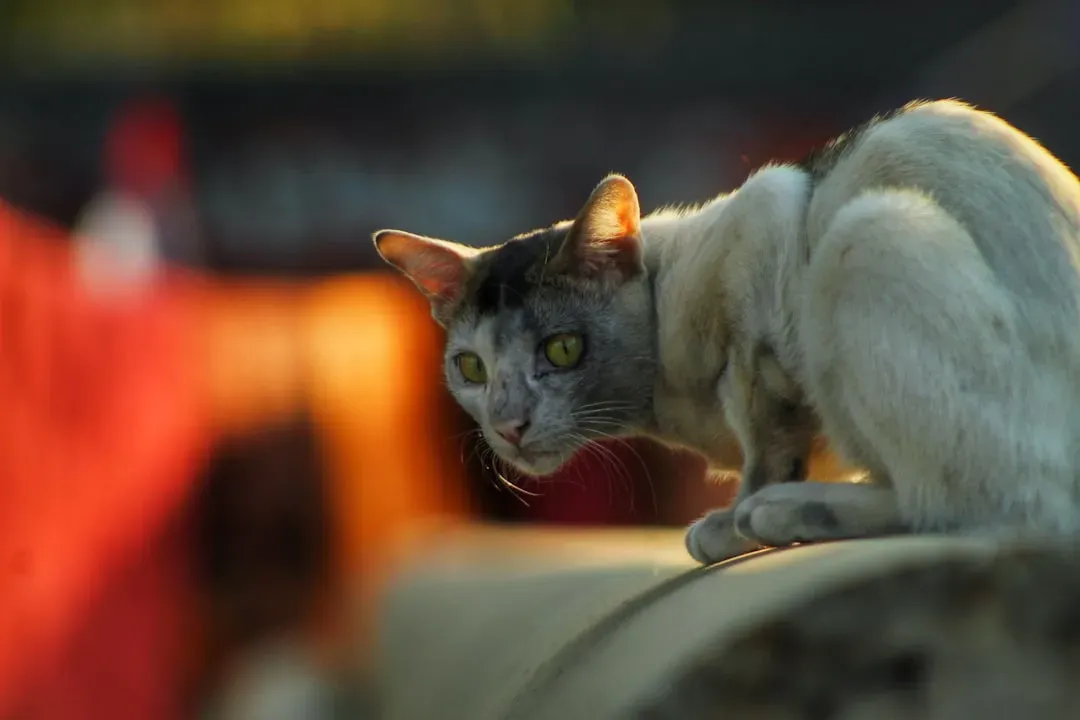
Predatory behavior in cats follows an immutable sequence hard-wired into their nervous systems: stare, stalk, chase, pounce, kill, and finally, eat. You can watch this entire choreography play out when your cat spots a toy on the floor. It’s not random chaos. It’s a structured, ancient ritual executed with remarkable precision every single time.
Cats usually approach their prey by stalking them, which involves the cat moving in a crouched position with their head outstretched. Slow movements are used on the initial approach, which may speed up to a sprint the closer the cat gets to their prey. As the cat gets close enough to catch the prey, they stop and prepare to spring forward. At this point, the cat may hold themselves in a tense position before a brief sprint and spring forward to strike the prey with one or both of their front paws. You’ve definitely seen all of this happening in your living room at some point, probably aimed at your feet.
The Extraordinary Sensory Toolkit That Makes Your Cat a Born Hunter
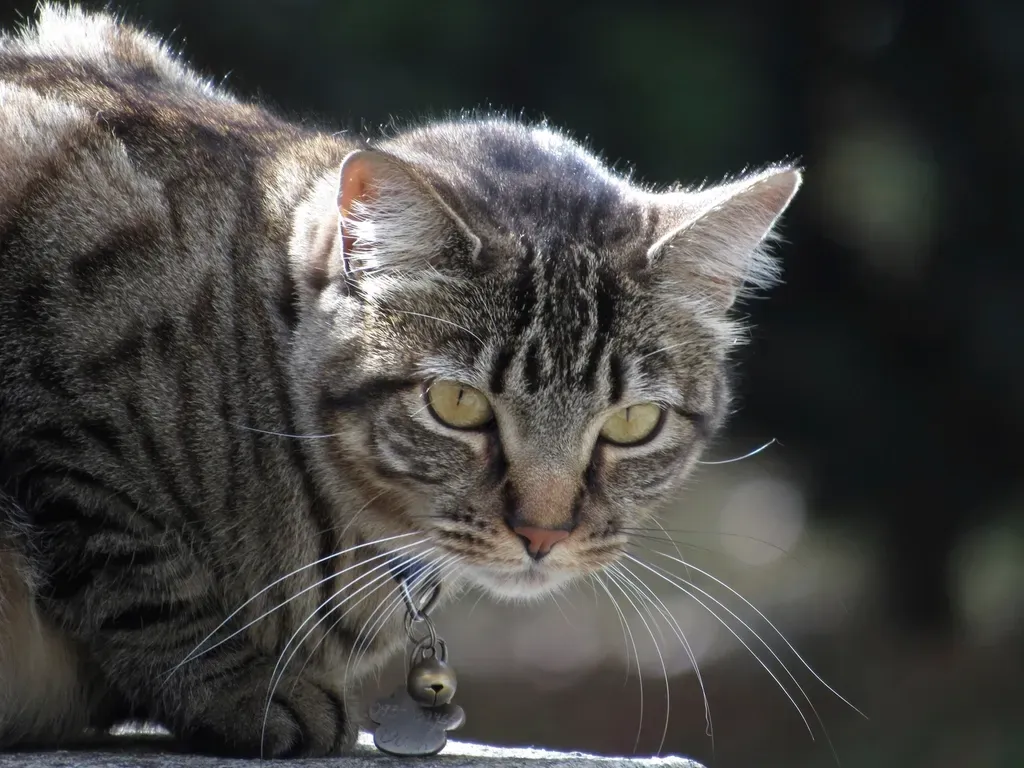
Your cat can detect frequencies up to 64,000 Hz and discern subtle sounds like rustling or ultrasonic calls. A reflective tapetum lucidum boosts their low-light vision by roughly six times that of humans, matched with improved depth perception. Their soft paw pads and retractable claws allow them to approach prey completely unnoticed. That is honestly an impressive biological package. No wonder cats move through a room like they’re wearing socks on a hardwood floor.
Cats are superb hunters. They use their acute vision and sensitivity to high-pitched sounds to locate their prey. What this means for you, practically speaking, is that your indoor cat is never really just “sitting there.” They are constantly processing audio and visual data from their environment, running background checks on every rustle, shadow, and flicker of movement. The hunt never fully stops, even at rest.
What That Mysterious Chattering at the Window Actually Means
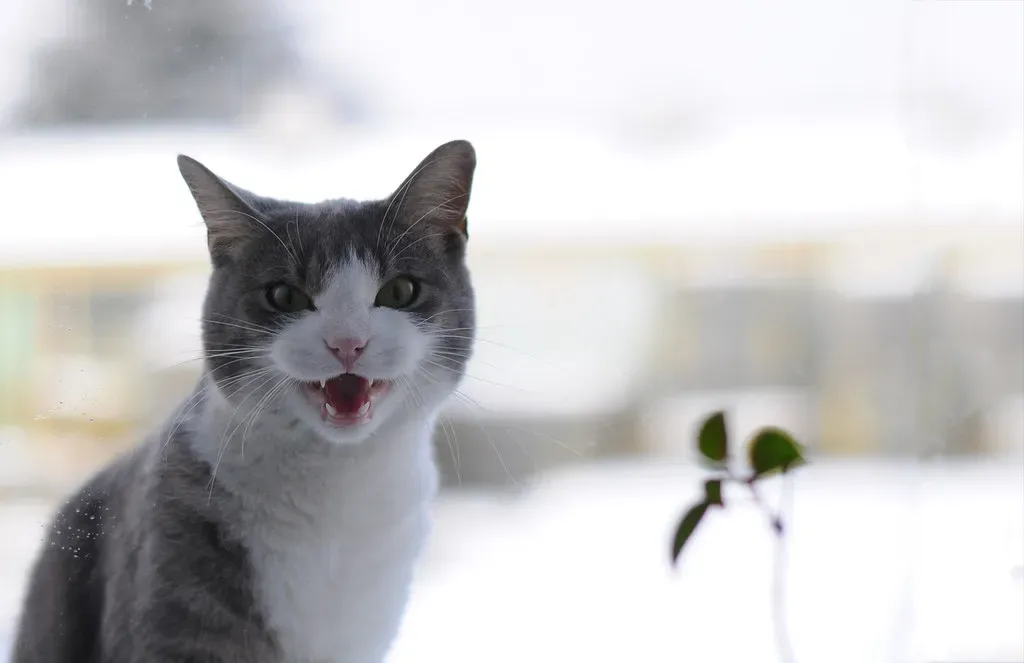
The leading theory, supported by field researchers, is that chattering mimics the “kill bite,” a rapid, precise neck bite cats use to dispatch prey. The behavior appears to be an involuntary motor response triggered by predatory arousal when prey is visible but completely unreachable. So when your cat sits at the window making those bizarre clicking jaw sounds at a bird outside, you’re witnessing a kind of frustrated rehearsal, an instinctive dry run that the brain triggers automatically.
Some researchers also suggest the chattering may function as a form of prey mimicry, with wild cats observed making similar sounds to lure curious birds or primates closer. Your living room cat may be running an ancient hunting subroutine it has never had the opportunity to complete. It’s one of those behaviors that’s both adorable and genuinely fascinating once you understand what’s really going on behind those wide, focused eyes.
Indoor-Only Cats and the Surprising Intensity of Their Predatory Drive
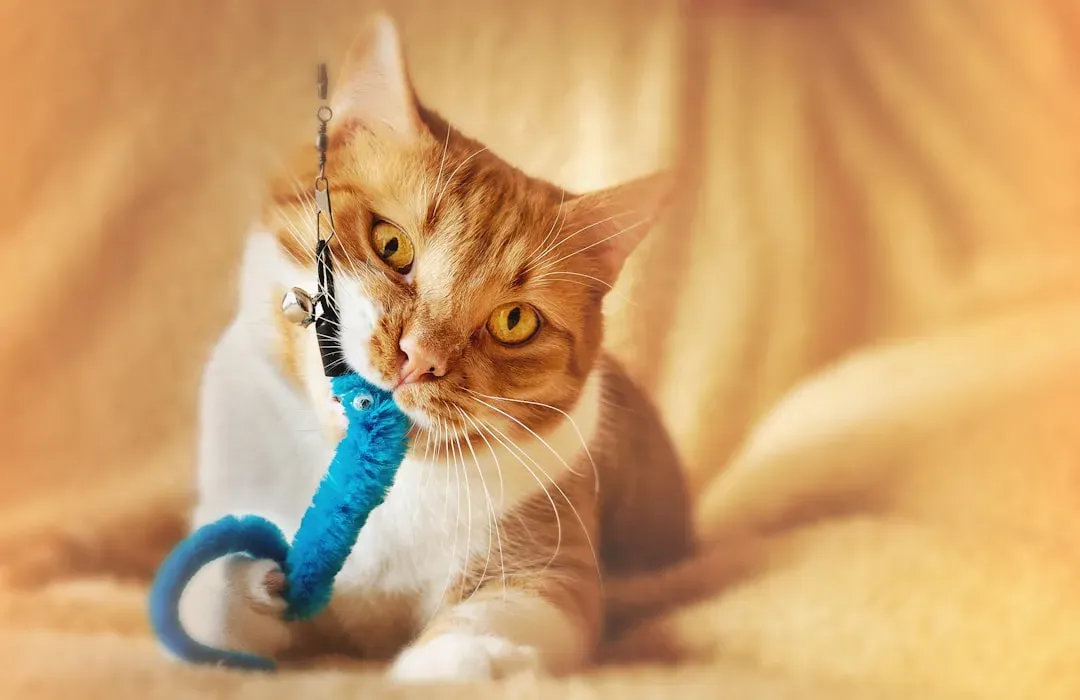
Indoor-only cats approached, touched, or played with balls sooner than indoor-outdoor cats. Indoor-only cats also started searching sooner than indoor-outdoor cats for playback sounds. This might seem counterintuitive at first. You’d think less exposure to the real thing would dull the instinct. It turns out the opposite is often true.
Indoor-only cats were more interested in artificial stimuli that show more or less resemblance with prey, even though these cats have been completely deprived of experience with live prey. Various theories can explain these findings, including higher play drive because of the lack of stimulation, less refined prey recognition, or reduced fear due to lack of experience. The takeaway here is clear: keeping your cat indoors doesn’t dim their hunting drive. If anything, that drive may need even more deliberate outlets to stay healthy and balanced.
When Hunting Instincts Become Redirected at You
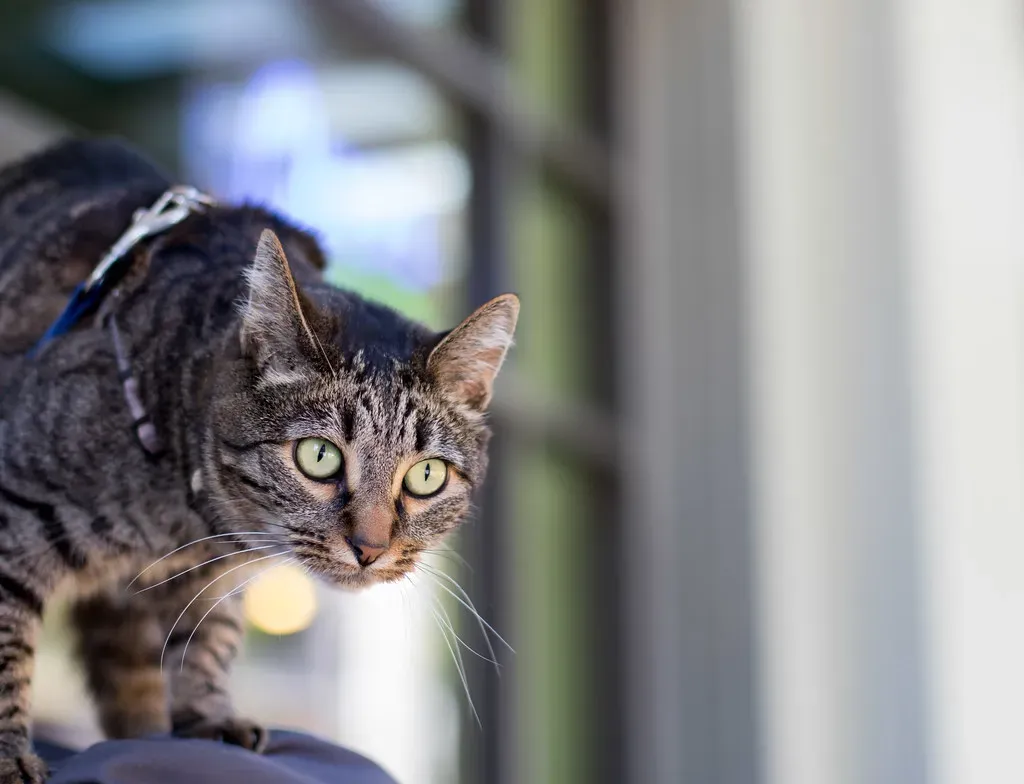
Under-stimulation, an excess of unused energy, and lack of appropriate opportunities for play can lead to play-related aggression. This may be exhibited as overly rambunctious or aggressive play, which inadvertently leads to injuries to people. In some cases, the play can include a number of components of the cat’s predatory nature, including the stalk, pounce, and bite, which can be extremely intense. Sound familiar? If your cat has ever ambushed your ankles from behind the sofa at full sprint, you’ve experienced this firsthand.
Play aggression is the most common type of aggressive behavior that cats direct toward their owners. It involves typical predatory and play behaviors, including stalking, chasing, attacking, running, ambushing, pouncing, leaping, batting, swatting, grasping, fighting and biting. Here’s the thing: your cat isn’t being malicious. They’re simply redirecting a very real, very powerful drive. Understanding that distinction changes everything about how you respond to it.
The “Gift” Your Cat Brings You Is Actually a Hunting Lesson
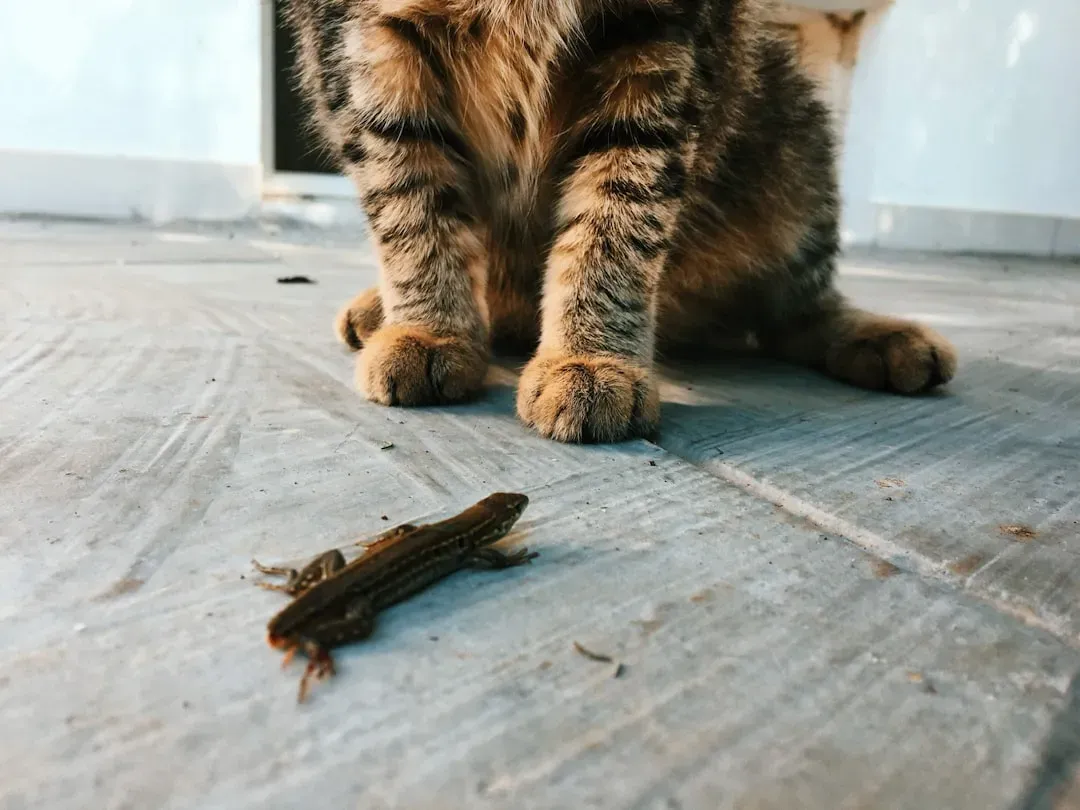
When your cat brings you prey, it may be a sign they consider you a part of their family. They’re sharing the bounty of their hunt, just as a mother cat may have done with them when they were kittens. Your cat actually sees you as a bigger, clumsier cat. So if your feline friend is bringing you their “gifts,” it’s actually their way of “teaching” you how to hunt. It’s weirdly touching when you think about it that way, even if the gift happens to be a very dead insect.
It may be similar to the way wild cats provide for their young while teaching them valuable survival skills. Since most domestic cats are neutered, however, and have no young to provide for, they may transfer these instincts to their owners instead. Indoor cats hunt too, but their prey is toy mice or balls, which your cat may deliver to you as a gift, even though the toys can’t be eaten. Honestly, you’re being parented by your cat, and there’s something both absurd and strangely lovely about that.
How You Can Satisfy Your Cat’s Hunting Drive Without Leaving the House
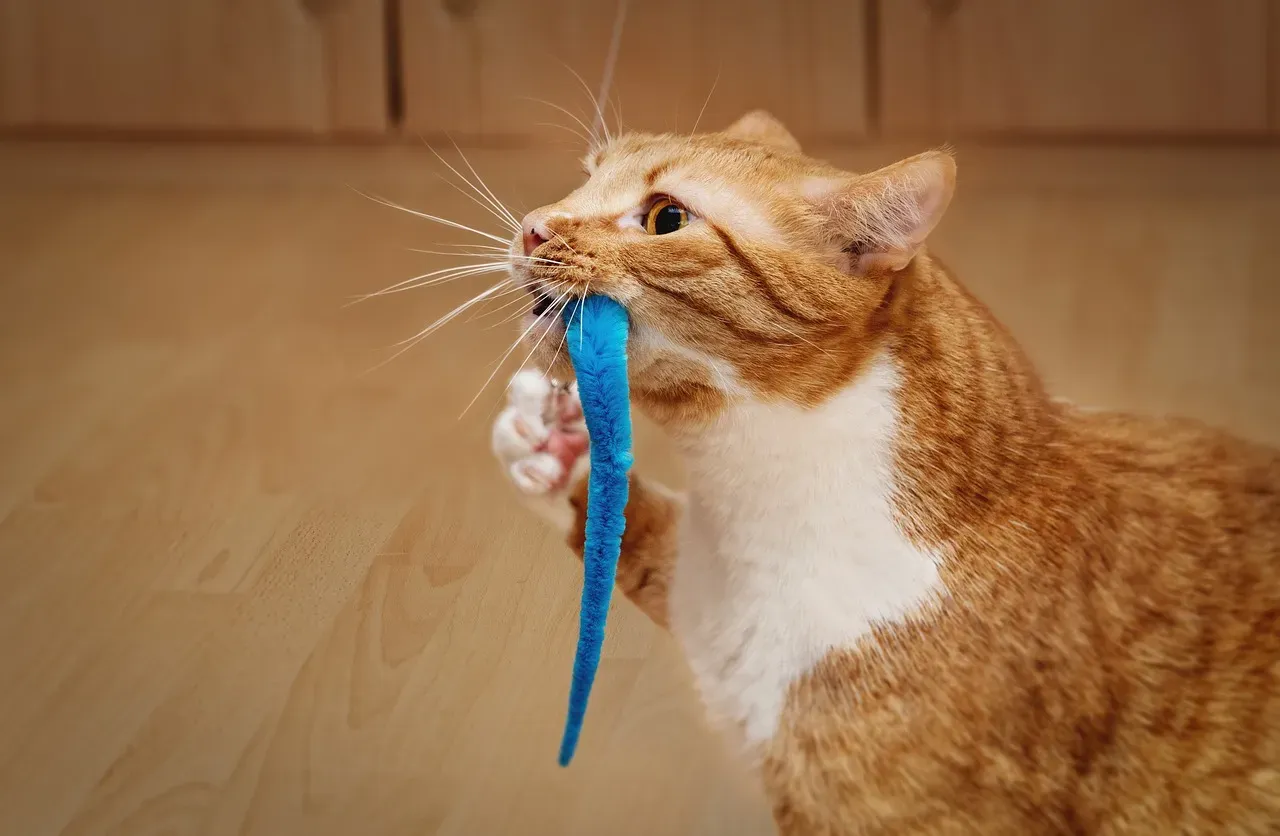
Redirecting your cat’s hunting instincts through frequent play is one of the most effective methods to help reduce or eliminate problematic hunting behaviors. Play provides mental stimulation and helps to satisfy hunting desires. Many cats enjoy “hunting” feather wands, but you can try multiple toys to see what your cat likes best. Some cats are excited by toys waved through the air, while others prefer to play with toys they can chase along the ground.
Try hiding food in different parts of your home to encourage your cat to “hunt” it out. You can also try puzzle feeders to challenge your cat as they “work” to get their food. Toys should be rationed, rotated, and periodically reactivated by you because cats quickly tire of the same game and generally do not have much interest in stationary objects. Think of yourself less as a toy dispenser and more as a hunting coach. Your cat needs the full sequence: the search, the chase, the catch, the reward. Give them all of it, and you’ll have a significantly happier, calmer feline.
Conclusion: Your Cat Is a Wild Soul Living in a Domestic World
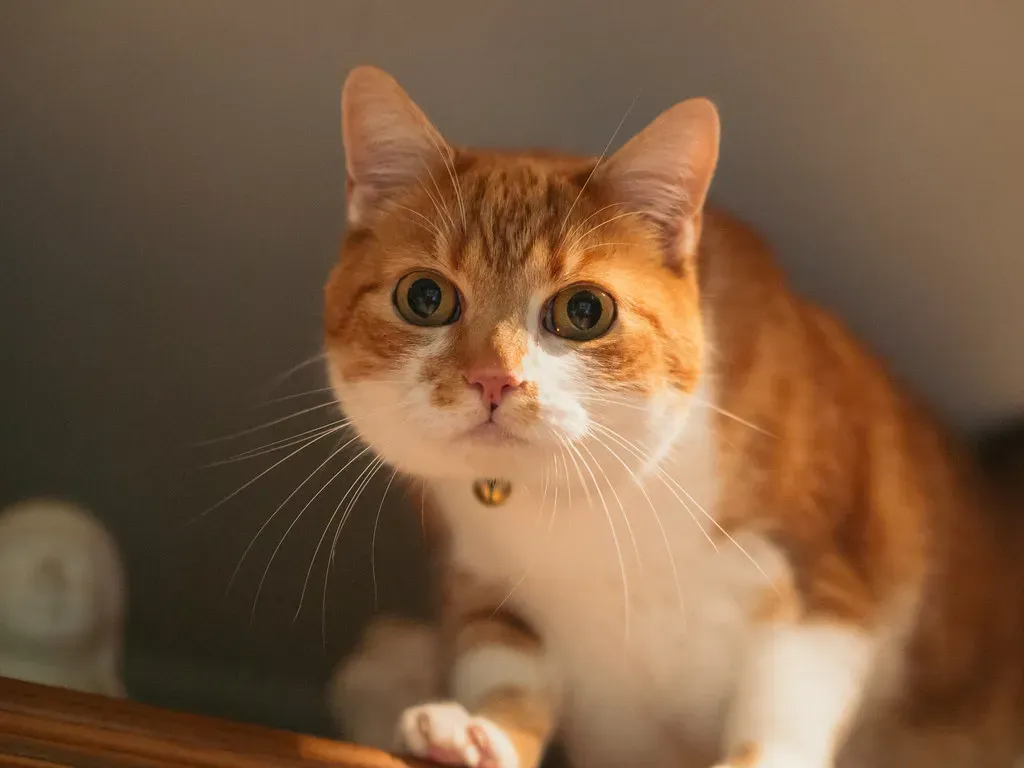
Let’s be real: no amount of premium cat food, cozy beds, or window perches fully satisfies a creature that evolved to spend hours every day on the hunt. When living with a cat, you have to accept the hunting trait as one of their primary needs and should on no account prevent it. Cats engage in roughly three to ten hours a day of typical hunting behavior involving locating prey, lying in wait, pouncing, and killing, and this should always be borne in mind when keeping domestic cats.
The best thing you can do for your cat isn’t to suppress what they are. It’s to meet them where their instincts live. Set up hunting games, rotate the toys, hide the treats, and play with them morning and evening when that prey drive peaks. Domestic cats may no longer need to hunt for survival, but their brains remain wired for the chase, the pounce, the kill. This predatory play isn’t mere entertainment; it’s a biological imperative that shapes your cat’s physical health, mental wellbeing, and even their bond with you. Understanding these deep-seated drives transforms playtime from a casual distraction into a vital component of feline care. Every time you wave that feather wand, you’re not just playing. You’re honoring millions of years of evolution. Now, does your cat’s behavior make a little more sense? What do you think – have you spotted any of these hunting instincts quietly at work in your own home? Tell us in the comments.