You’ve probably spent countless hours with your feline companion, wondering what’s really going on behind those mysterious eyes. Truth is, your cat has been talking to you all along. The thing is, they don’t need words to tell you exactly what they’re thinking. Every twitch of the tail, every flick of the ear, every slow blink is a carefully crafted message just waiting for you to decode it.
Let’s be honest, most of us are just starting to scratch the surface when it comes to understanding what our cats are actually saying. We notice the obvious stuff like hissing or purring, sure. Yet there’s an entire silent conversation happening right under your noses that you’re probably missing entirely. So let’s dive in and see what your cat has been trying to tell you this whole time.
That Tail Is Basically a Mood Ring You Can Actually See
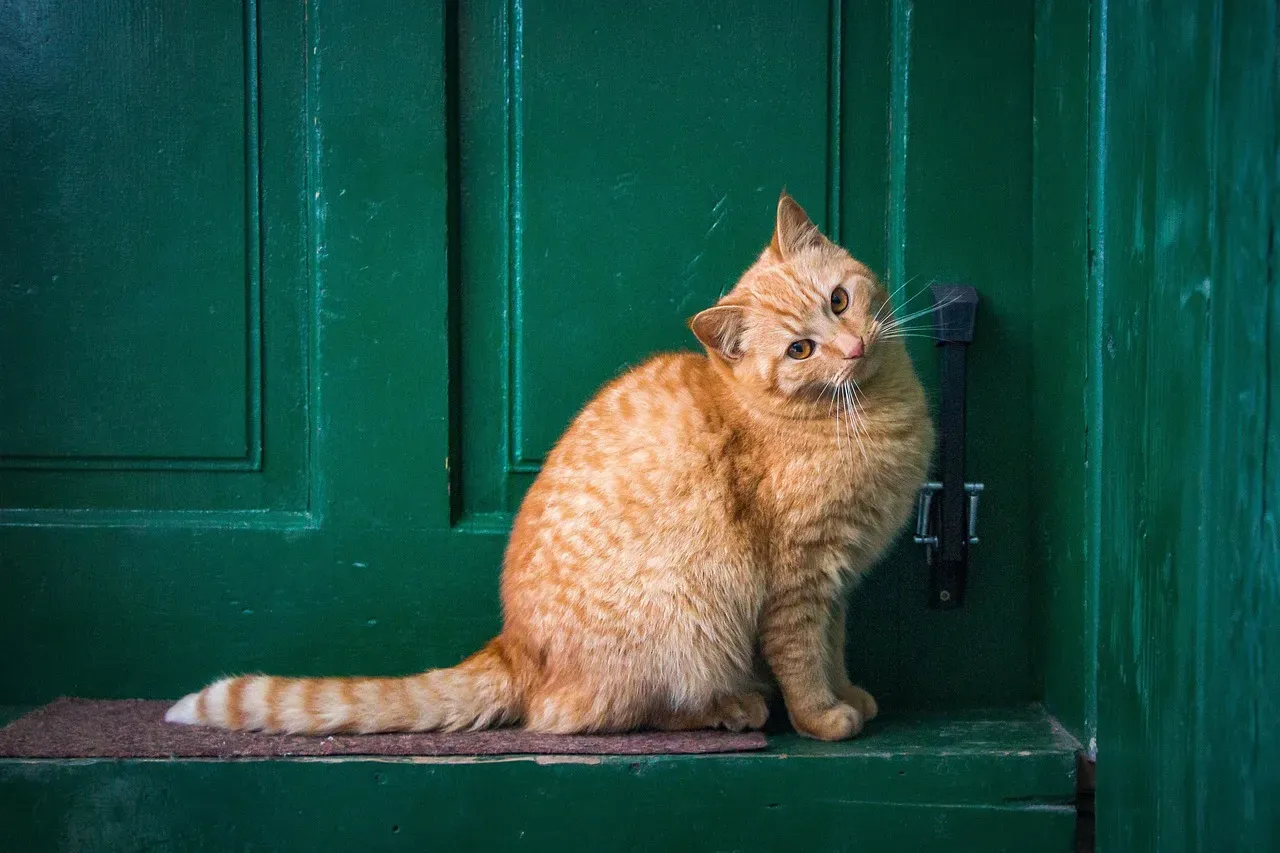
Your cat’s tail provides the greatest insight into what they’re feeling, acting like a real-time emotional barometer. When your cat’s tail is upright, they’re feeling social and confident, approaching you in a friendly way. I think it’s one of the most heartwarming sights when your cat walks toward you with that tail held high like a flag of affection.
If your cat greets you with a quivering tail held upright, it means they’re really excited to see you. When your cat thrashes their tail or thumps it on the ground, they’re irritated, annoyed, or angry. This is their way of saying “back off right now” before things escalate. You’ll want to respect that boundary unless you fancy a swat or nip.
The Ears Don’t Lie, Even When Everything Else Seems Fine
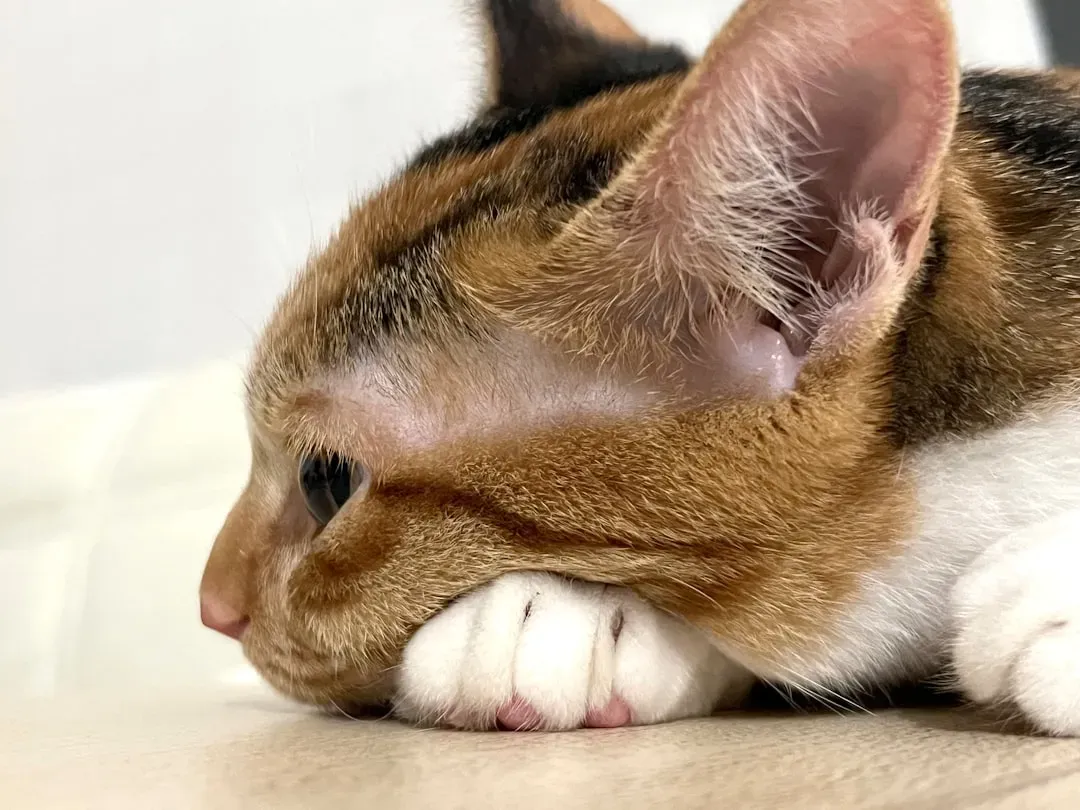
When your cat has their ears forward in a neutral position, they’re happy, content, and relaxed. If your cat holds their ears straight up, they’re on high alert and listening intently for someone or something. This happens constantly when they’re being curious little detectives, taking in every sound around them.
Here’s the thing though. When your cat’s ears flatten against their head in “airplane mode,” they’re frightened or nervous, and it could lead to aggressive behavior. If your cat has their ears held back or sideways, they’re frightened or anxious, and their fight or flight response has kicked in. Pay attention because this position means they’re genuinely uncomfortable with whatever’s happening around them.
Those Eyes Are Speaking Volumes If You’re Actually Paying Attention
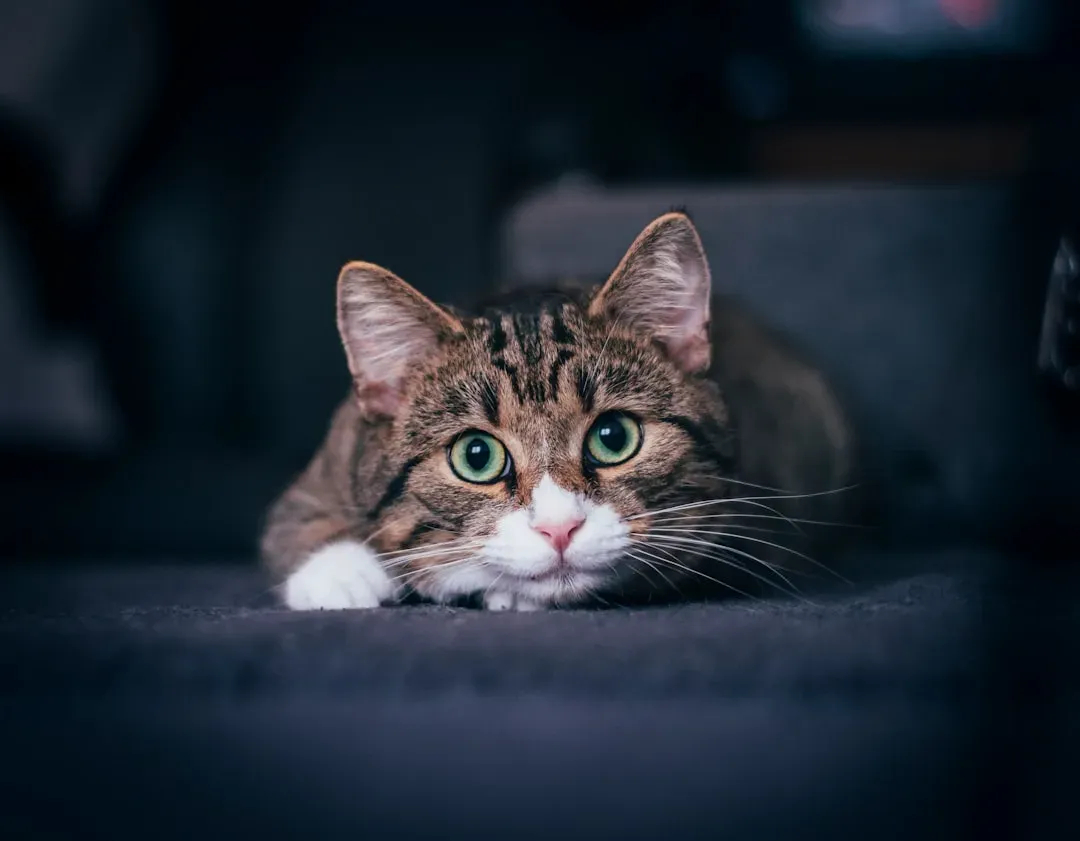
Slow blinking is a sign of trust and comfort, and honestly, it’s one of the sweetest forms of communication your cat can offer. Cats slow blink at us as a sign of love and trust, often called a “cat kiss.” When you catch your cat doing this, try blinking slowly back at them to return the gesture of affection.
Pupils can dilate when a cat is excited or afraid, basically telling their brain to get more information from the environment. Dilated pupils signal fear or excitement, while constricted pupils often mean anger or aggression. Context matters here because those big round pupils could mean your cat spotted their favorite toy or heard something terrifying outside.
Purring Isn’t Always What You Think It Means
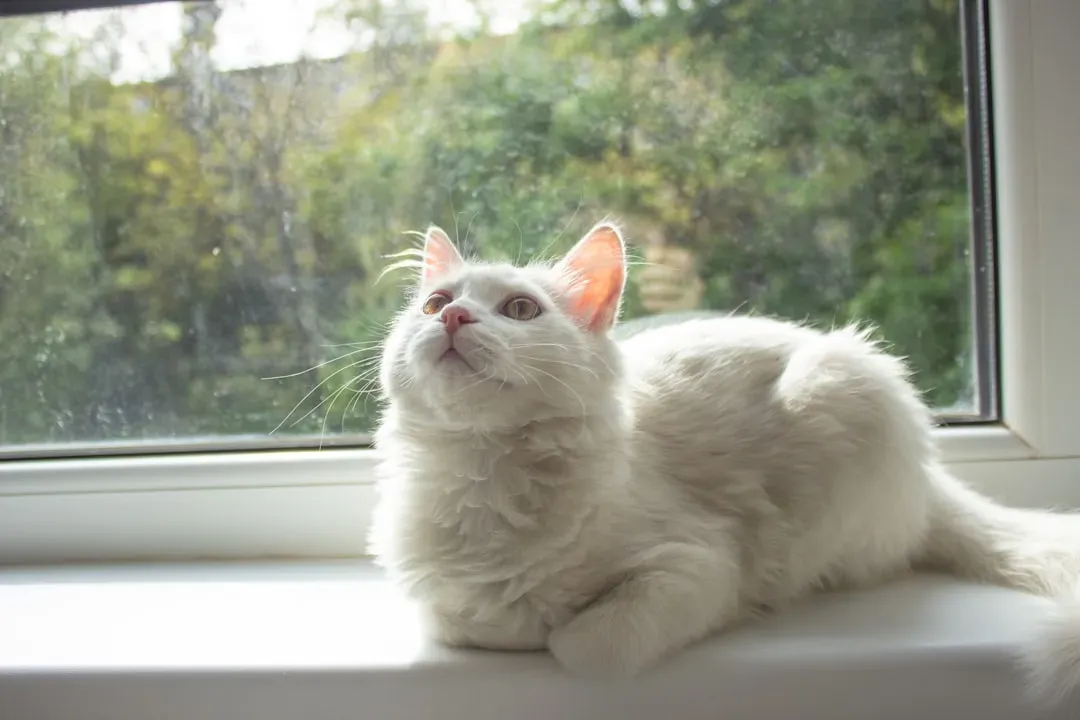
Purring is only a sign of happiness if your cat’s body language is relaxed. Most people assume a purring cat is a happy cat, but that’s not the full story. Cats can purr in stressful situations, and they can sometimes purr if they are in pain. It’s hard to say for sure, but they might be using purring as a self-soothing mechanism.
Purring is used as a form of self-soothing in cats, and if your pet is showing signs of being unwell while purring, they may be in some kind of pain or distress. So when your cat purrs, take a moment to check their entire body language before assuming everything is peachy. Look at their posture, their ears, their eyes – the whole picture tells you what’s really going on.
The Chirps and Trills Mean Your Cat Actually Likes You
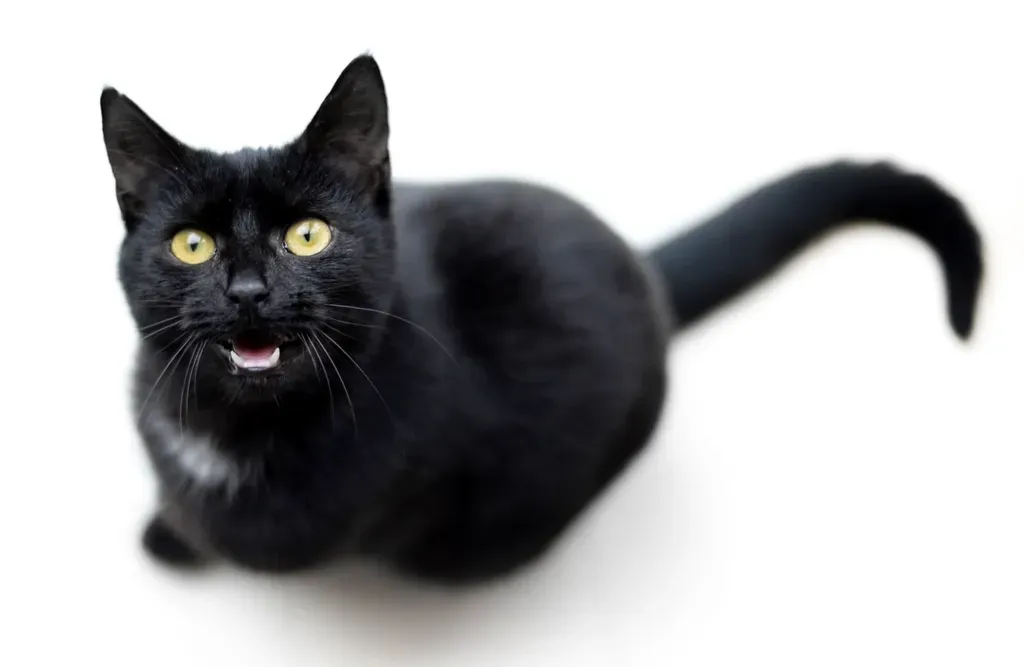
The cat chirp is a short, peep-like sound that’s very similar to a songbird’s warble. Mother cats trill to communicate with their kittens, and when a cat trills, it’s probably feeling friendly and familial; cats often trill to their owners to greet them. This is basically your cat’s version of saying “Hey there, friend!”
Your cat may chirp in an effort to get you to pay attention to her or as a way to get you to check out something she deems important. I know it sounds crazy, but if your cat chirps at you and starts walking away, they probably want you to follow them. Usually it’s to their food bowl, but sometimes they just want to show you something interesting.
When Your Cat Rubs Against You, They’re Claiming You
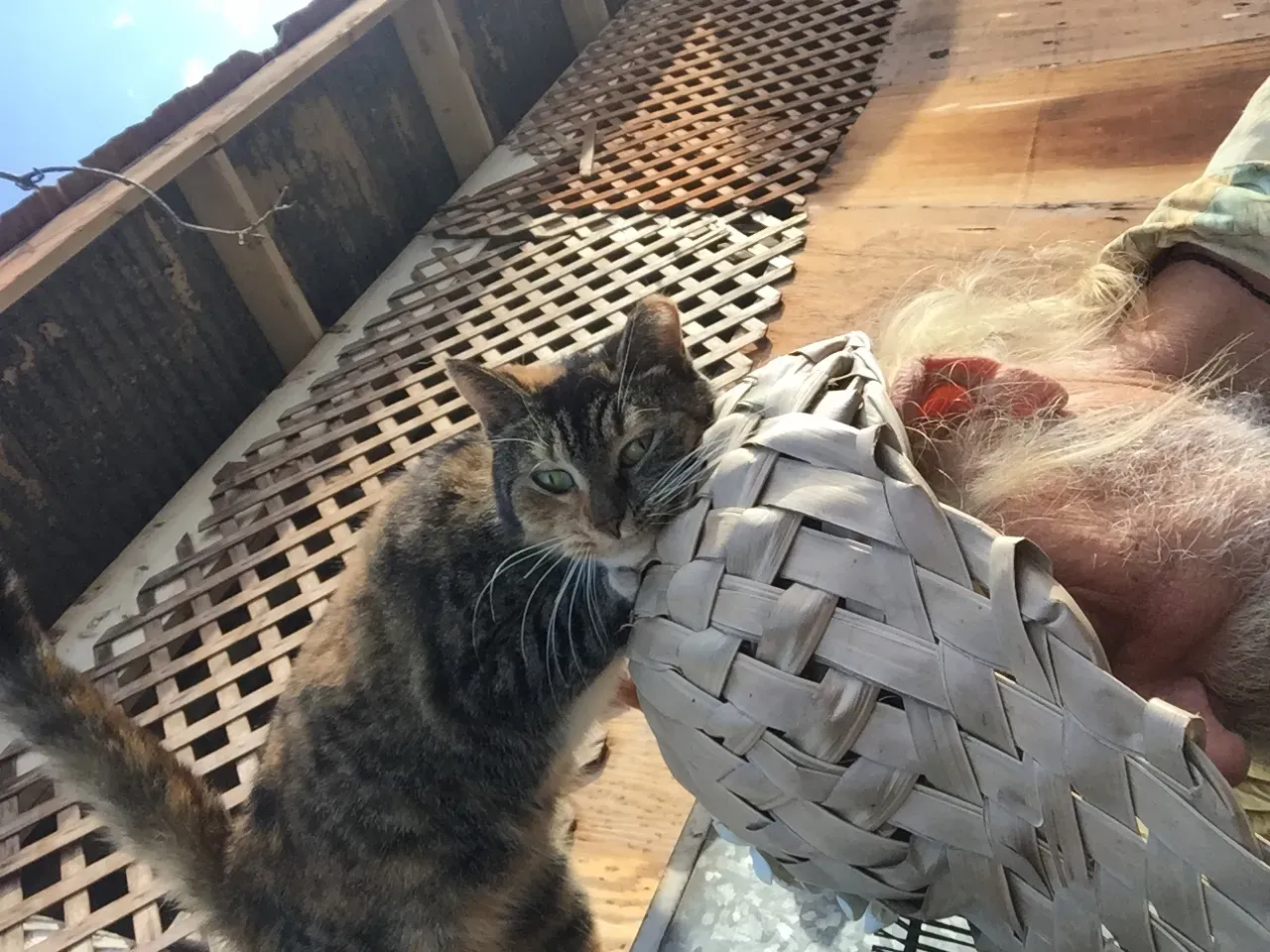
Cats head-bump humans with the front part of the head, a behavior referred to as “bunting,” which has an olfactory component as there are scent glands in this area. Cats also rub their faces on humans as a friendly greeting or indicating affection, and this tactile action is combined with olfactory communication. They’re basically leaving their scent all over you.
Headbutting and rubbing allow kitties to mark their territory by transferring scent from glands located around their cheeks and jaw, and these behaviors signal comfort, affection, and familiarity. So yeah, when your cat does this, they’re not just being sweet – they’re telling the world you belong to them. It’s actually kind of adorable when you think about it.
Body Posture Reveals What Words Never Could
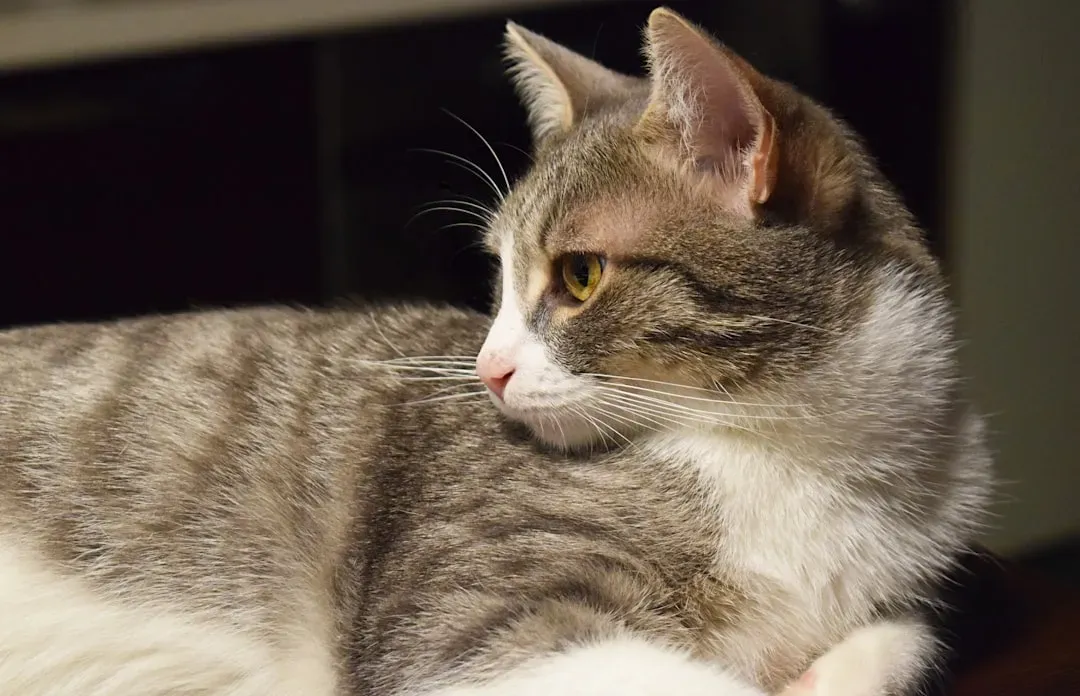
Cats who are relaxed will have loose, fluid body movements, and their breathing will be slow and steady. Cats forecast their intentions and next moves by pointing their body in the direction they are likely to go. If your cat’s body is pointing away from you, they might not be interested in interaction right now.
If a cat is standing sideways to you, they might be feeling shy and considering escape, as a sideways body position gives the cat the advantage of being able to take off fast. When a cat is feeling stressed, they may have a stiff and tense body held low to the ground. The really fascinating part is how much you can tell just from watching how your cat holds themselves in space.
Whiskers Are Tiny Antennae Broadcasting Their Feelings
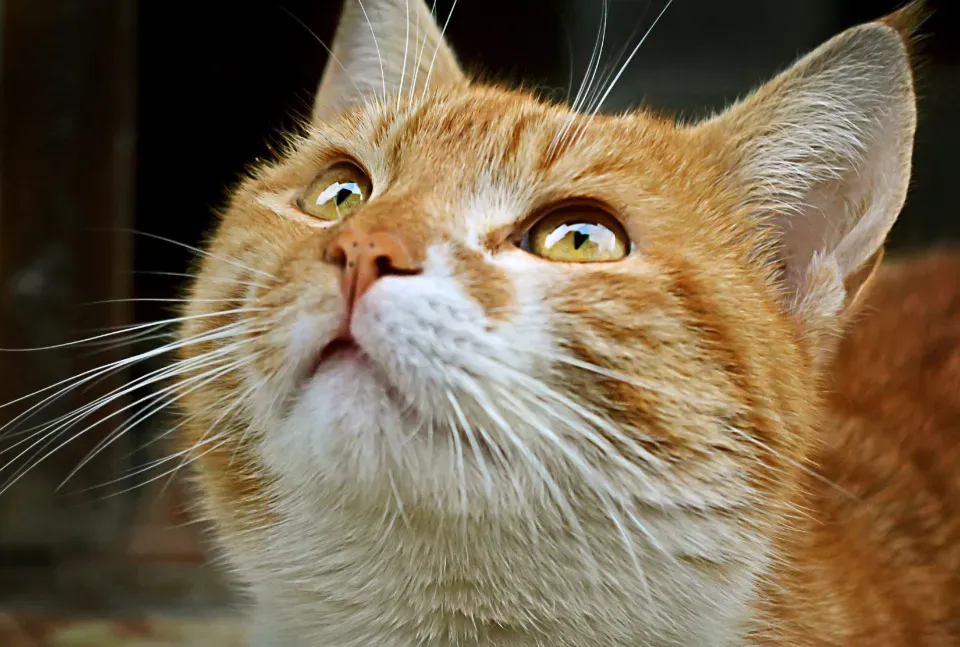
When tense or highly alert, the whiskers will be fanned out and pointing forward in front of the face, but when relaxed, a cat’s whiskers point directly out and are less spread out. A frightened or nervous cat may flatten their whiskers against the side of their face and bunch them together. Most people completely overlook whiskers, but they’re giving away so much information.
The whiskers work alongside everything else your cat is doing with their face and body. They’re not the main event, sure, but they add another layer to the story your cat is telling. Watch them closely next time your cat encounters something new or startling, and you’ll see those whiskers shift position almost instantly.
Understanding Context Makes All the Difference
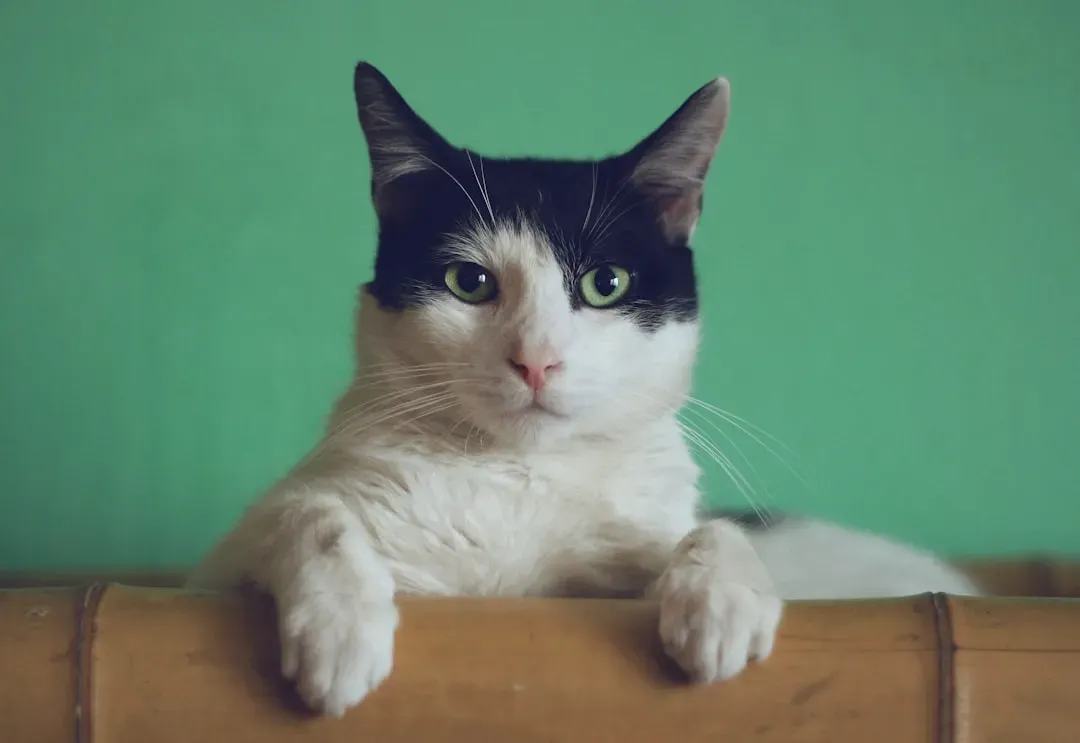
Behavior is always contextual, so pay attention to the cat’s entire body and to what’s going on in the environment. A cat’s body language and behaviors should be looked at as part of a single big picture; by using the context of the entire situation and trying to see it from the cat’s point of view, you’ll understand your feline friends. Let’s be real – reading one signal in isolation will get you nowhere fast.
Although cat body language signs seem small, they say an awful lot. The same tail position can mean totally different things depending on what else is happening. A cat with dilated pupils might be scared if they’re crouched low, but excited if they’re in a play bow. You’ve got to look at the whole cat, not just one piece of the puzzle.
Your Cat Is Always Talking, So Start Listening Better
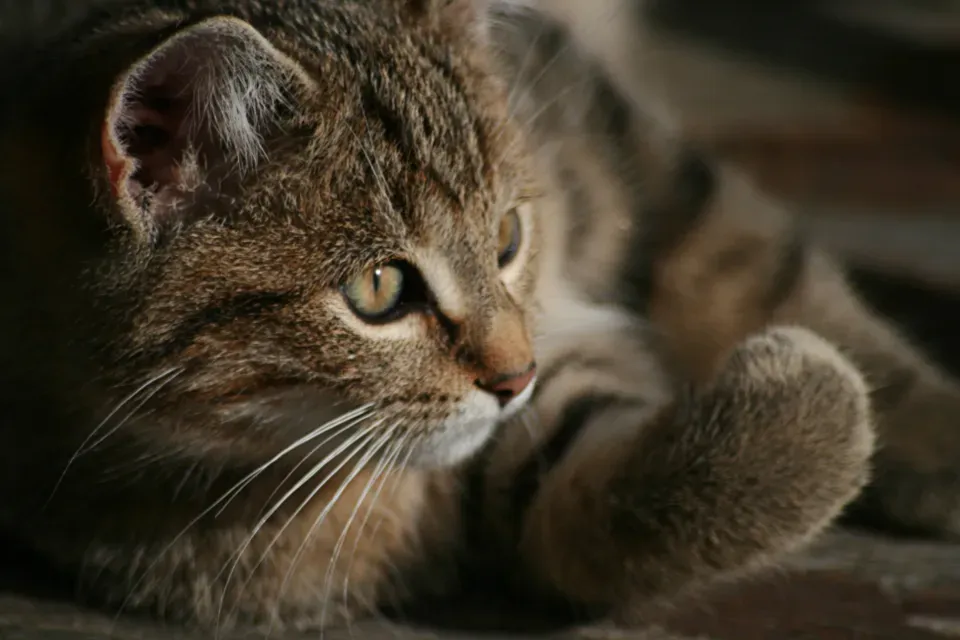
By paying close attention to our cats’ body language, we can do a better job of attending to their needs and have even stronger, happier relationships with them. Once you start noticing these silent signals, you’ll realize your cat has been having full conversations with you this entire time. The communication was always there – you just needed to learn the language.
Cats are subtle and complicated in the way they communicate, but taking time to learn their body language can help strengthen the relationship with your cat and help you understand when they’re happy or when they just want to be left alone. Here’s the thing: your relationship with your cat will genuinely improve when you start responding appropriately to what they’re actually telling you. It’s not rocket science, but it does take some attention and practice to get fluent in feline.
So what do you think – have you been missing some of these signals from your cat? Start watching them more closely today, and you might be surprised by just how much they’ve been trying to tell you all along.