Ever watched your cat curl up on a sunny windowsill and thought they were just being lazy? You might want to reconsider that assessment. Your feline companion isn’t merely wasting the day away or ignoring you while they snooze for what seems like endless hours. There’s actually a complex and fascinating world behind those closed eyes and twitching whiskers.
Most cat owners assume they understand their pet’s sleeping habits, yet the reality is far more intricate than it appears. From the peculiar positions they adopt to the seemingly random timing of their most energetic moments, your cat’s naptime behavior reveals much more about their evolutionary heritage and inner world than you’ve probably realized. Let’s uncover what your furry friend is really up to during all those hours of rest.
Your Cat Isn’t Lazy, They’re a Hardwired Hunter
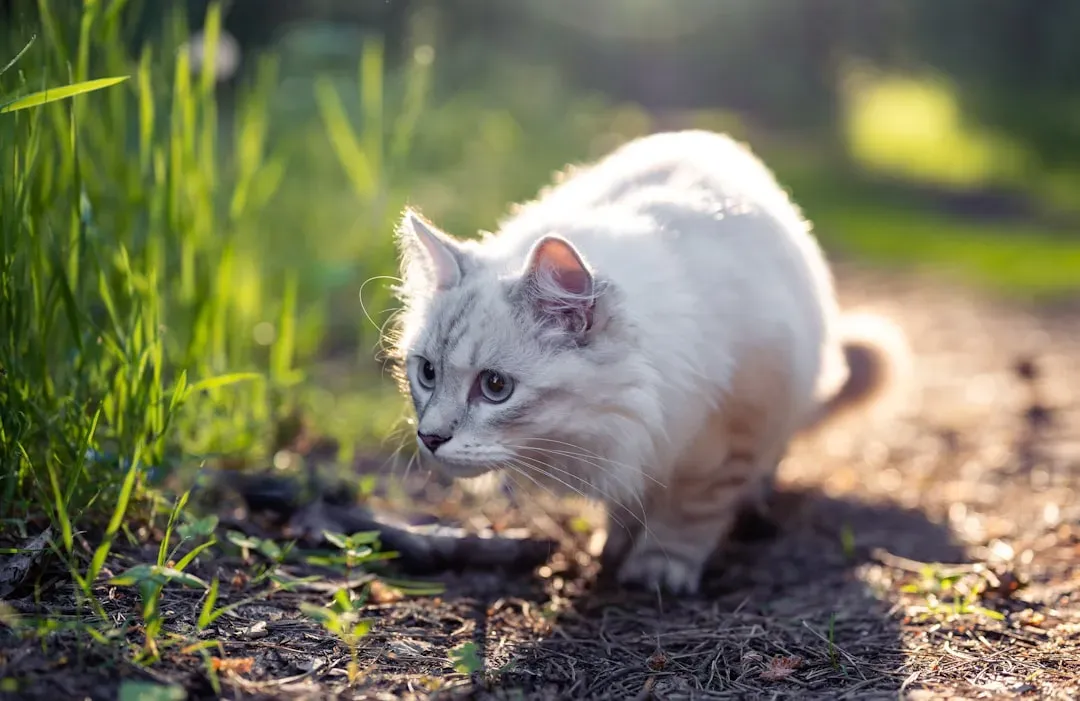
Your cat’s tendency to sleep so much stems from their predatory nature, which requires them to conserve energy for hunting. Think about it this way: wild cats needed to hunt multiple small prey animals throughout the day, expending massive amounts of energy in short, explosive bursts. Even though domestic cats no longer need to hunt for survival, their instinct to sleep extensively remains strong.
Most cats sleep between twelve and sixteen hours daily, with some reaching up to twenty hours. This isn’t a sign of boredom or health problems in most cases. Your indoor cat who stalks toys around the living room is operating on the same biological programming as their wild ancestors who tracked actual prey across savannas. The main difference is your cat gets kibble from a bowl rather than having to catch dinner themselves.
They’re Not Nocturnal (Despite What You Think)
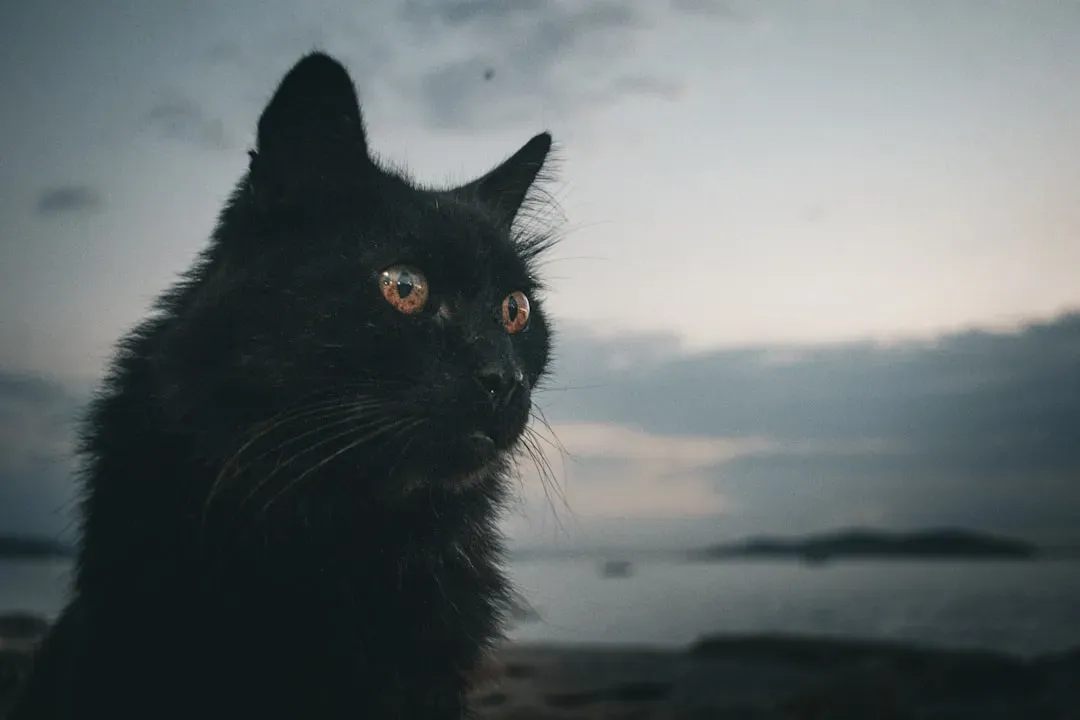
Cats are actually crepuscular, not nocturnal, meaning they’re most active during dawn and dusk. This explains why your cat seems to lose their mind right when you’re trying to sleep or just as the sun comes up. Crepuscular animals evolved to take advantage of cooler temperatures, low-light conditions, and prey availability during twilight hours, striking a balance between hiding from predators while hunting birds and rodents.
Here’s the thing: your cat’s eyes are specifically designed for these in-between light conditions. Cats can see extremely well in dim light, which made them efficient hunters during those critical hours when prey was most vulnerable. So when your kitty starts their nightly zoomies around the house at dusk, they’re simply responding to millions of years of evolutionary programming telling them it’s hunting time.
Those Weird Positions Actually Mean Something
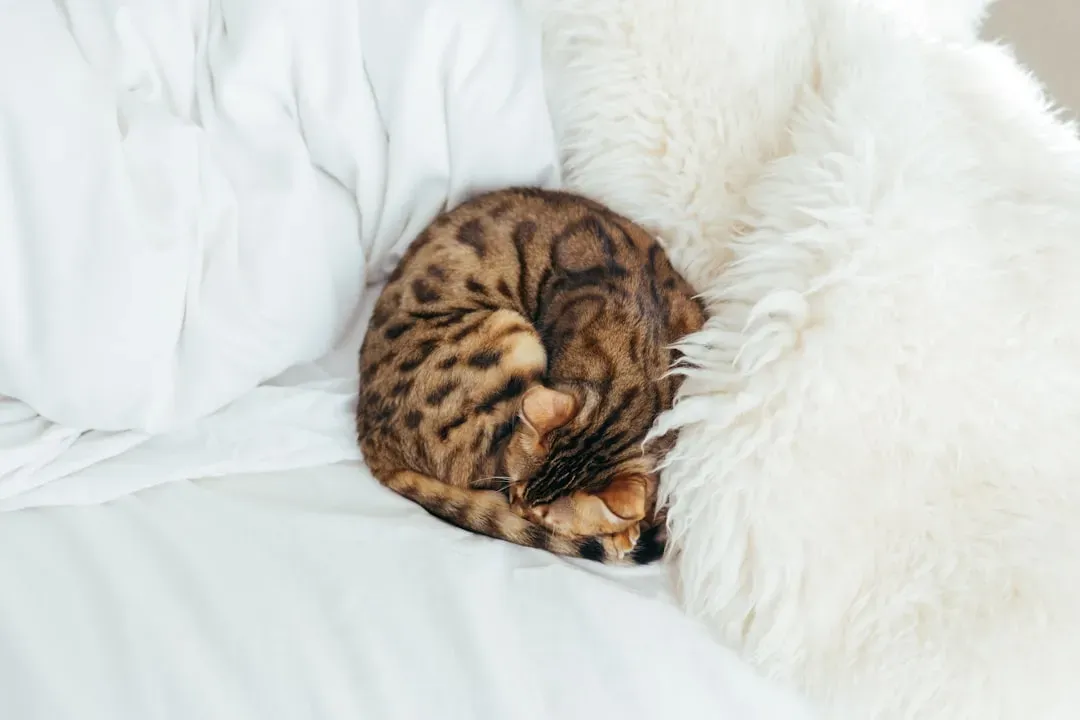
When cats sleep curled up in a ball with their nose to tail, they’re retaining body heat while protecting vital organs in their abdomen. It’s not just about comfort; it’s about survival instinct. If your cat sleeps on their back with their belly exposed, it signals they feel very safe and confident, since cats instinctively protect their vulnerable organs.
The famous “loaf” position, where your cat tucks all their paws underneath their body, tells you something different. This position preserves body heat and protects vital organs, but cats in this pose are also poised to spring into action if danger suddenly appears. Even when they look relaxed, your cat maintains a state of readiness. That’s not paranoia, it’s just how they’re wired.
The Twitching and Movements Are Dreams, Not Seizures
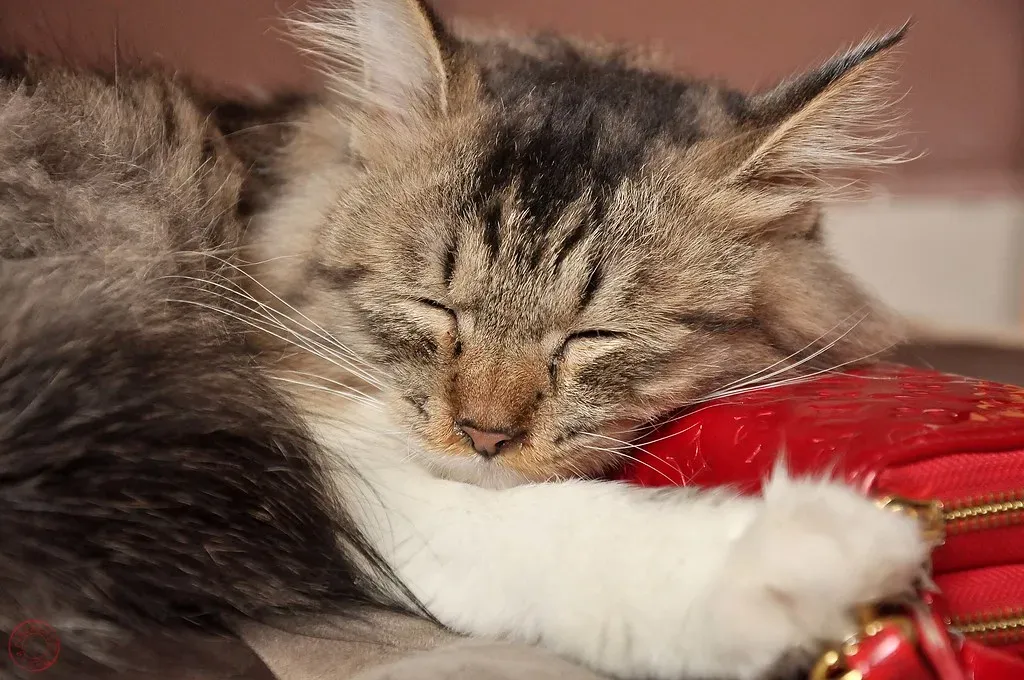
Cats actually dream about thirty to forty percent of the time they’re sleeping. When you see those little paw twitches or whisker movements, your cat is likely reliving their day’s adventures in dreamland. Research shows cats experience REM sleep with similar brain activity patterns to humans, strongly suggesting they dream.
Studies with cats that had brain damage in specific areas showed movements during REM sleep consistent with hunting behaviors, like pouncing on imaginary prey. So yeah, when your cat’s legs are running in mid-air while they sleep, they’re probably chasing that laser pointer dot or the bird they saw through the window earlier. It’s hard to say for sure what fills their dreams, but it’s likely a replay of their most exciting or stressful moments.
They’re Only Actually Deep Asleep for a Fraction of Their “Nap Time”
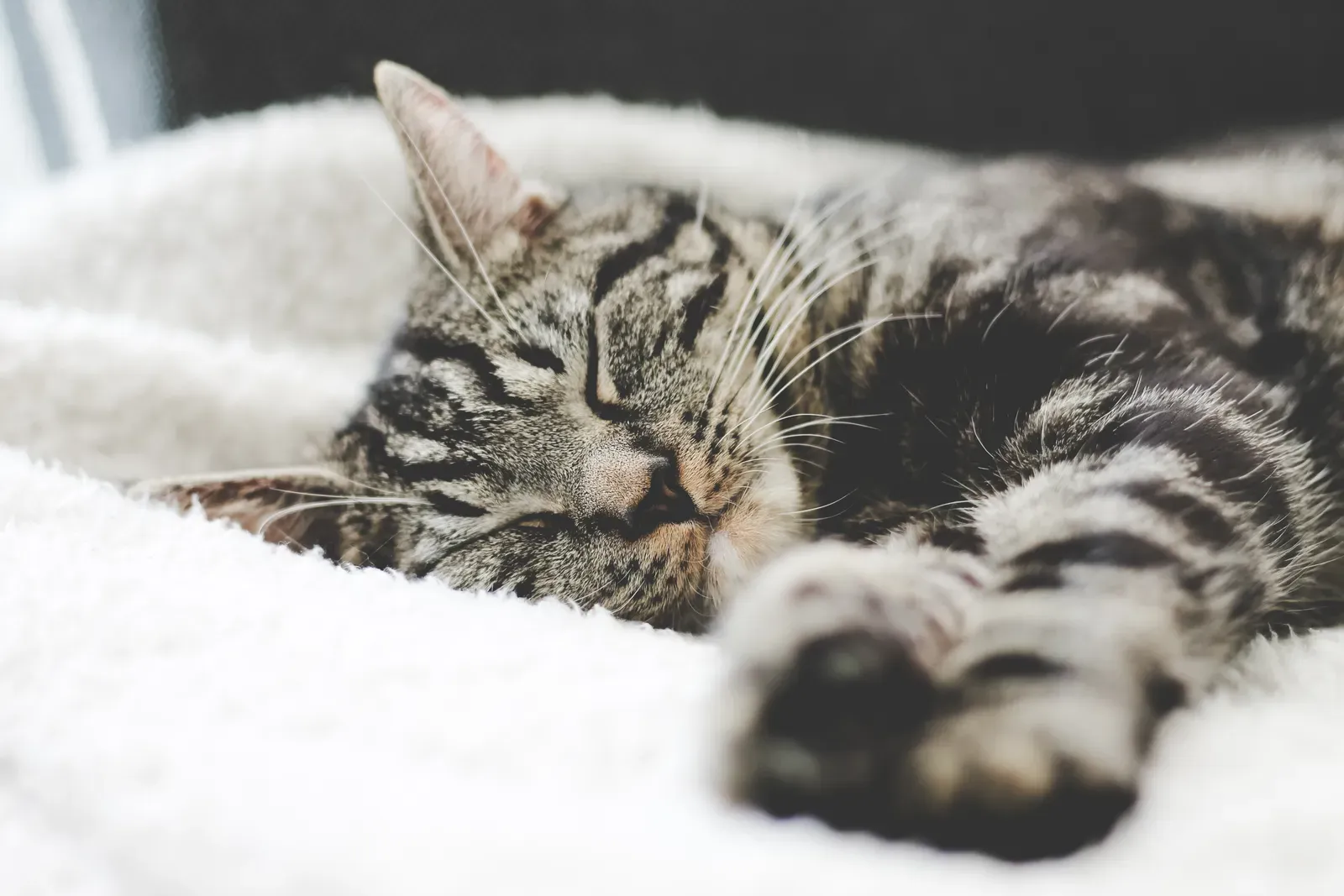
Light sleeping makes up about three-quarters of your cat’s sleep time, with just one-quarter devoted to deep sleep. That means when you think your cat is peacefully snoozing, they’re often just resting in a state of alertness. You might see their ears move or their tail twitch as they constantly monitor their surroundings for any danger, even when appearing to be asleep.
This explains why your cat can go from seemingly sound asleep to fully alert in milliseconds. Light sleep typically lasts between fifteen and thirty minutes before cats settle into deep sleep, which usually only lasts five to seven minutes. They’re never completely “off duty” the way humans are during sleep. It’s a survival mechanism that’s served cats well for millennia.
Your Cat’s Sleep Schedule Can Actually Adapt to Yours
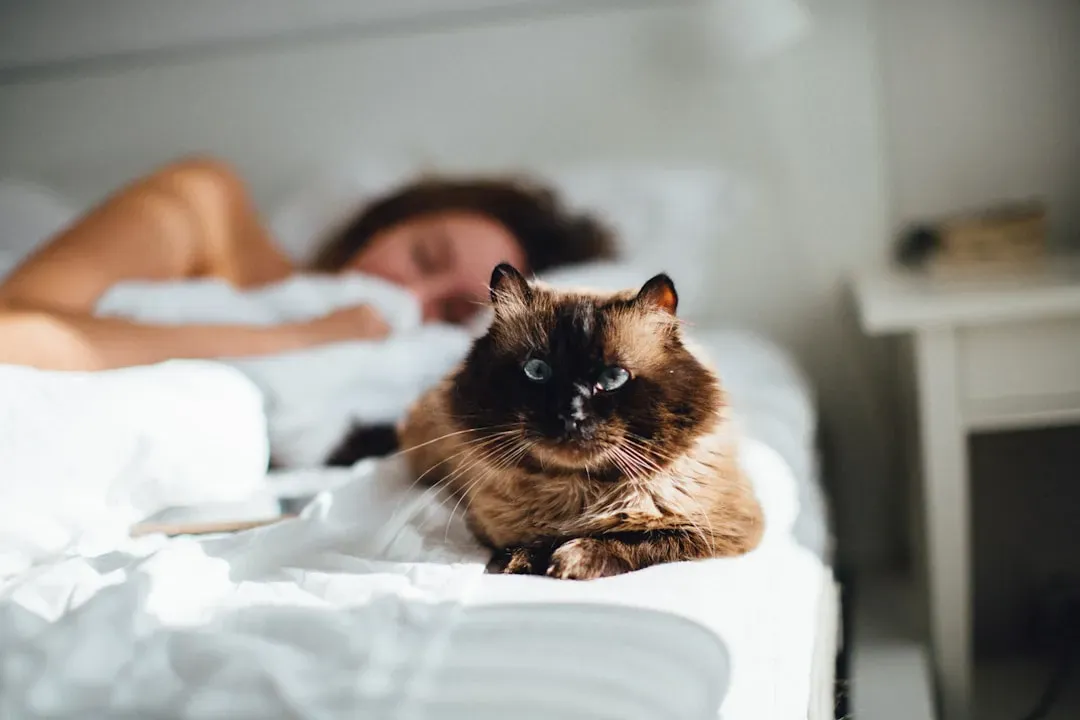
Your cat’s crepuscular nature may depend on your lifestyle and isn’t necessarily as hardwired as you’d think, with cats who spend time with their owners during the day more likely to sleep at night. Honestly, this surprised me when I first learned it. Many people assume cats are locked into their twilight activity patterns, but they’re more flexible than that.
Cats can adapt their sleeping patterns to spend more time with their loved ones, sleeping more while you’re gone to be awake when you return home. Your cat genuinely wants to be around you, even if they show it in ways that seem inconvenient. If your work schedule changes or your daily routine shifts, give your cat some time. They’ll likely adjust their sleep patterns to match yours, though they might still have those dawn and dusk energy spikes.
Not All That “Sleeping” Is Actually Sleep
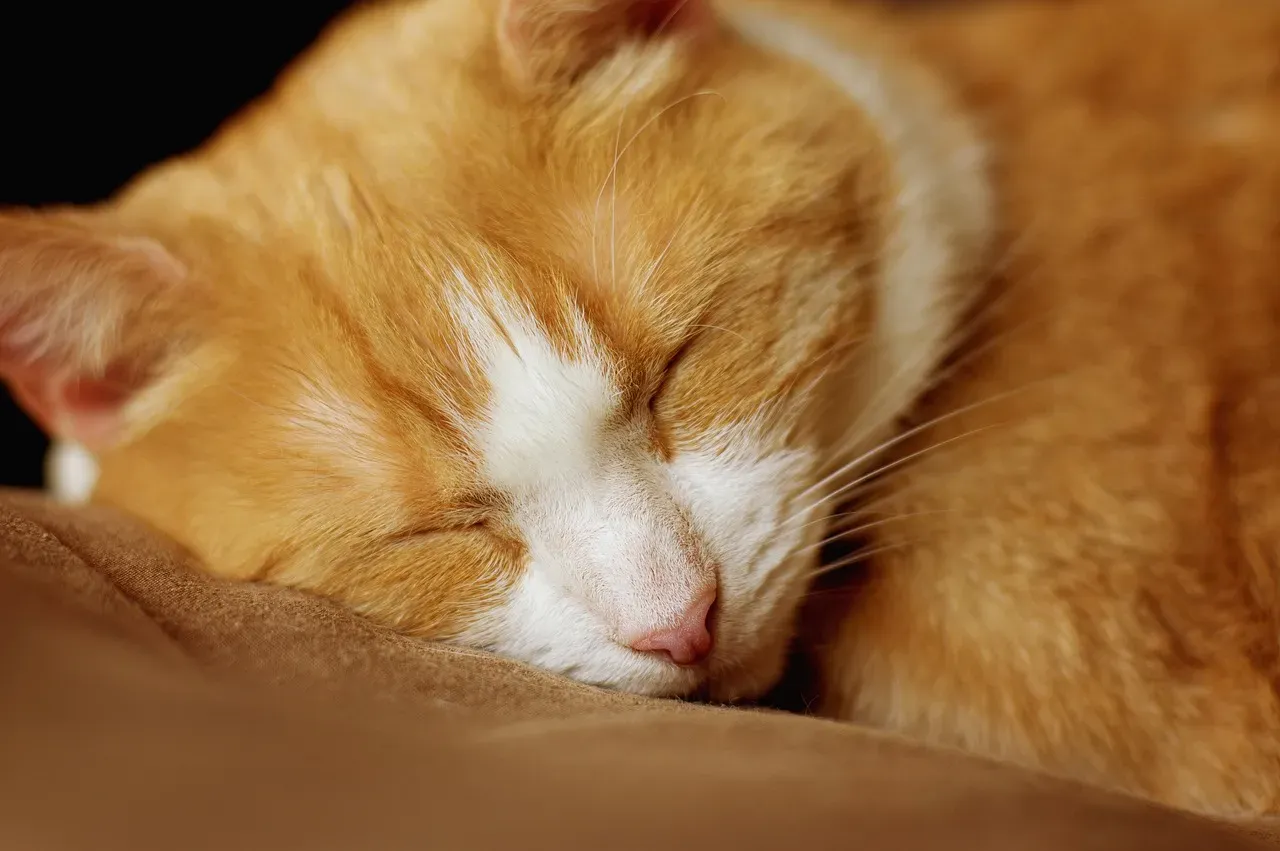
Cats sometimes feign sleep when stressed, appearing tense with their tail wrapped tight, paws tucked underneath, and ears typically upright and slightly forward. This false sleep state is completely different from actual rest. The cat isn’t relaxed at all; they’re essentially pretending to sleep while remaining hyper-vigilant.
Let’s be real: if you notice your cat doing this regularly, something in their environment is stressing them out. Providing the five pillars of a healthy feline environment – including safe places, separated resources, play opportunities, positive human interaction, and respect for their sense of smell – can help. Your cat shouldn’t have to fake sleep to feel secure. If this behavior persists, it might be worth examining what’s causing the anxiety.
Changes in Sleep Patterns Can Signal Health Problems
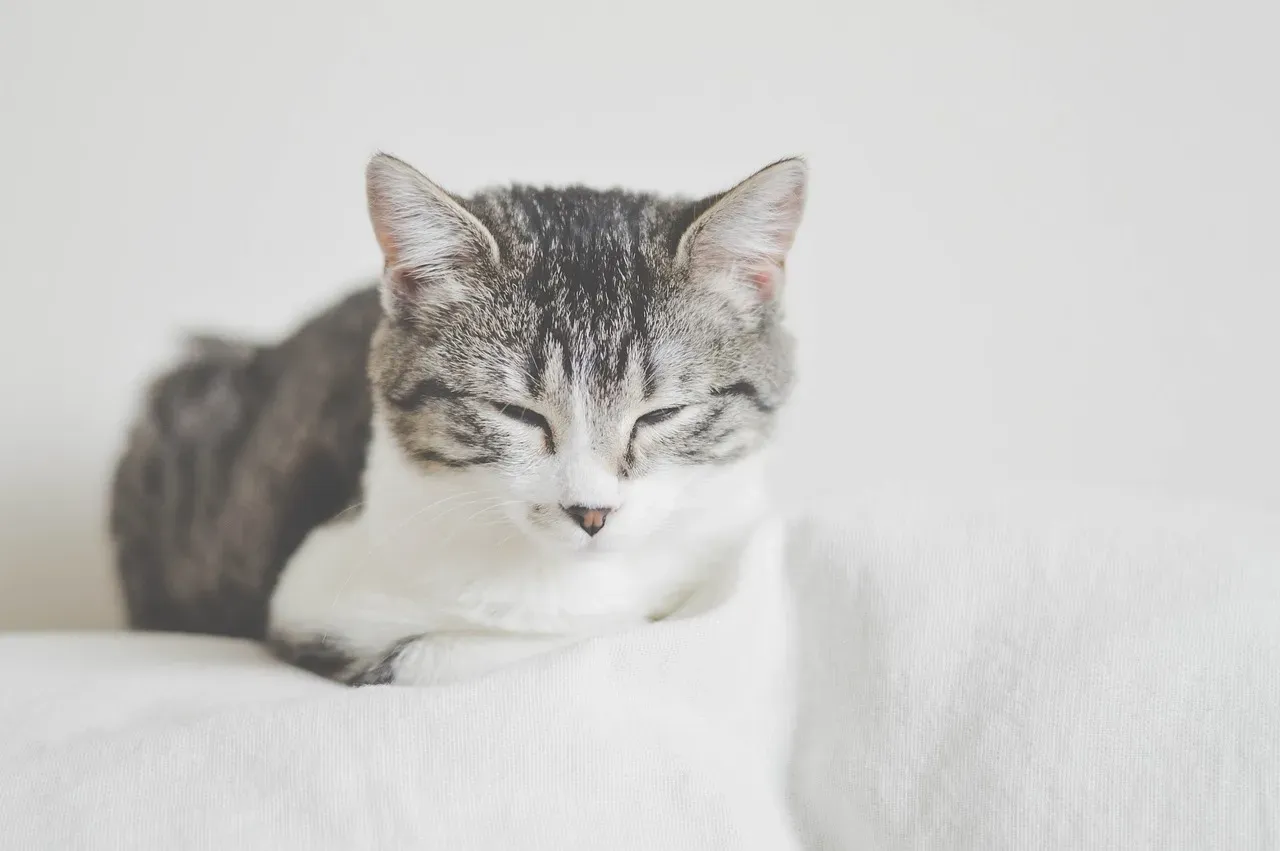
A change in your cat’s sleep pattern could indicate illness, with increased sleep potentially signaling conditions like kidney disease, heart disease, or diabetes in adult cats. On the flip side, if your usually sleepy cat suddenly becomes more energetic and sleeps less, that’s also worth investigating. Sleeping less than usual could signal hyperthyroidism, hypertension, feline immunodeficiency virus, or feline cognitive dysfunction syndrome.
The key is knowing your cat’s normal baseline. Does your cat typically zonk out for most of the afternoon? Do they have predictable wake-up times? When those patterns shift dramatically without an obvious cause like a change in your schedule or a new pet in the house, that’s your cue to contact your veterinarian. Better to be overly cautious than to miss an early warning sign.
The “Witching Hour” Isn’t Actually Witchcraft
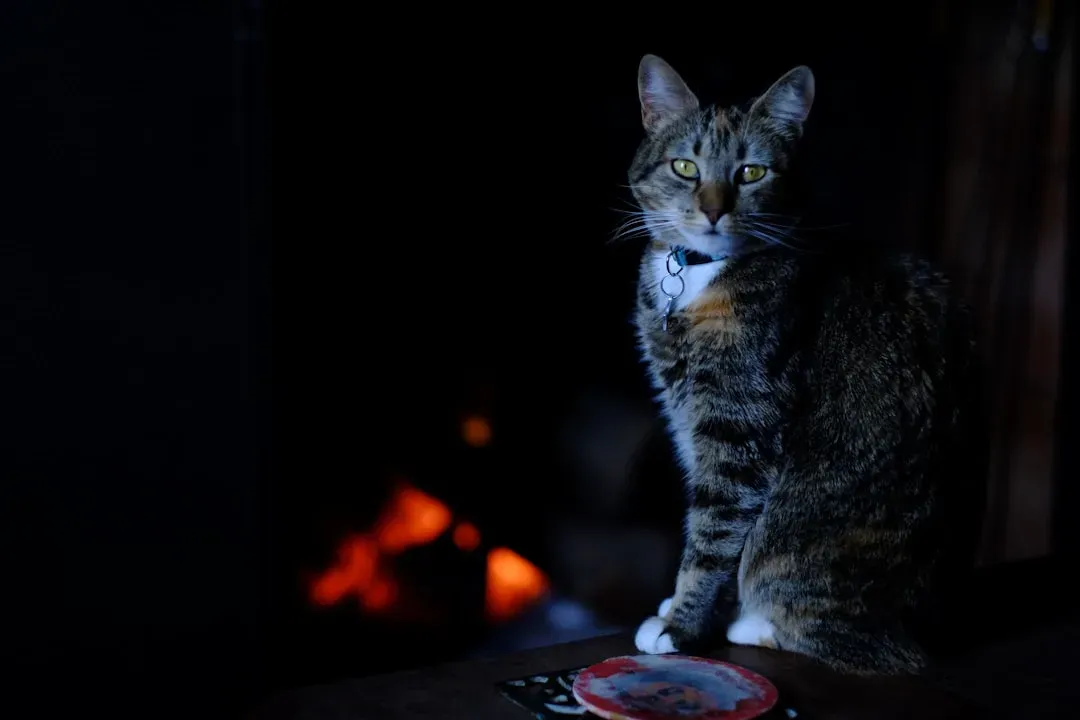
You know that moment when your cat suddenly transforms from a peaceful sleeping angel into a wild tornado tearing through your house? Cats in the wild need to hunt as many as twenty small prey each day, requiring them to rest between hunts so they’re ready to pounce quickly when prey approaches. That sudden burst of manic energy is your cat’s hunting instinct kicking into high gear.
These episodes often happen in the evening as the light fades, precisely when cats’ prey would historically be most active. Your cat isn’t being deliberately annoying or trying to destroy your furniture out of spite. They’re responding to deeply ingrained biological signals that tell them it’s time to hunt. Providing appropriate outlets for this energy through play sessions can help redirect that intensity into something less destructive than sprinting across your face at three in the morning.
Understanding Leads to Better Coexistence
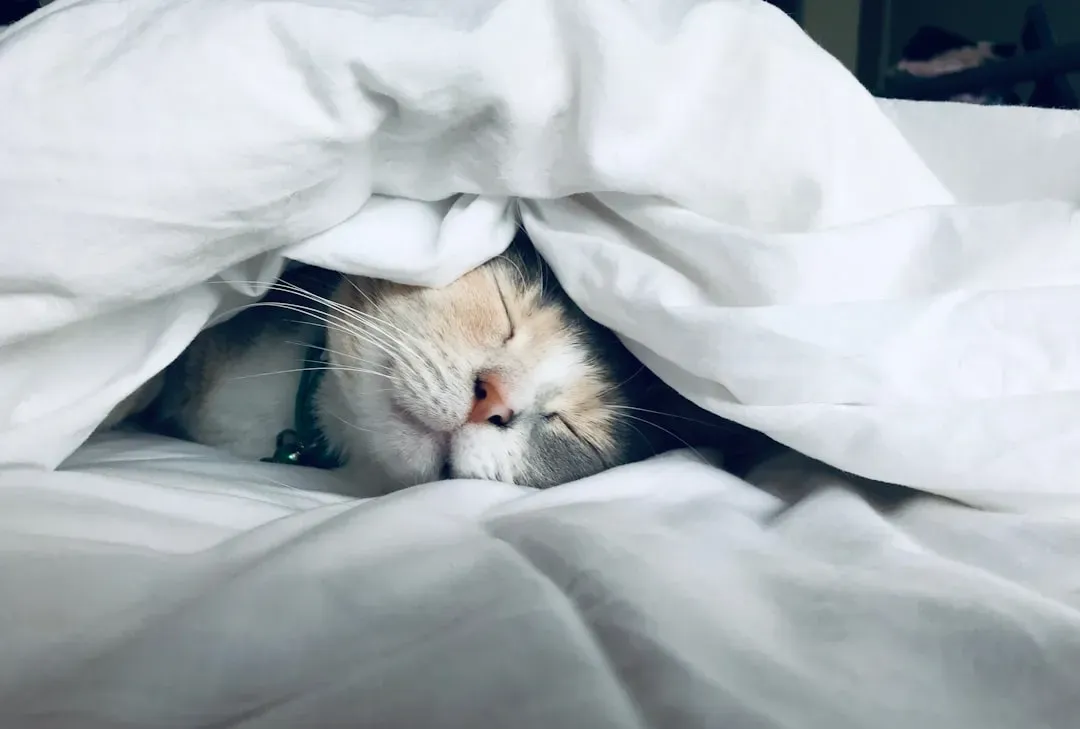
Once you understand what’s really happening during your cat’s extensive , you can create an environment that respects their needs while also preserving your own sanity. Your cat isn’t being difficult or weird; they’re being exactly what evolution designed them to be. The curled positions, the odd sleep schedule, the sudden bursts of energy, the twitching and dreaming – all of it makes perfect sense when you view it through the lens of their predatory heritage.
The next time you find your cat sleeping in a bizarre position at an inconvenient time, remember that there’s a sophisticated survival mechanism at work. They’re not ignoring you or wasting their day. They’re doing exactly what their DNA tells them to do: conserving energy, staying alert to potential threats, and preparing for their next “hunt,” even if that hunt is just stalking a catnip mouse across your living room floor. Understanding these patterns doesn’t just make you a better cat owner; it deepens the bond between you and your fascinating feline companion.
What has your cat’s sleep behavior taught you about their personality? Share your observations in the comments below.