Most people think of their cat as a lovable, slightly indifferent housemate who shows up for food and disappears for the rest of the day. It’s easy to assume that the blank stare you get when you call their name means nothing is going on behind those golden eyes. Honestly, that could not be further from the truth.
Science has been quietly building a case that our feline friends are far more intellectually sophisticated than we have given them credit for. What’s really surprising is how long it took researchers to even start asking the right questions. So let’s dive in, because what you’re about to discover might completely change the way you look at your cat.
Your Cat’s Brain Is More Human-Like Than You Think
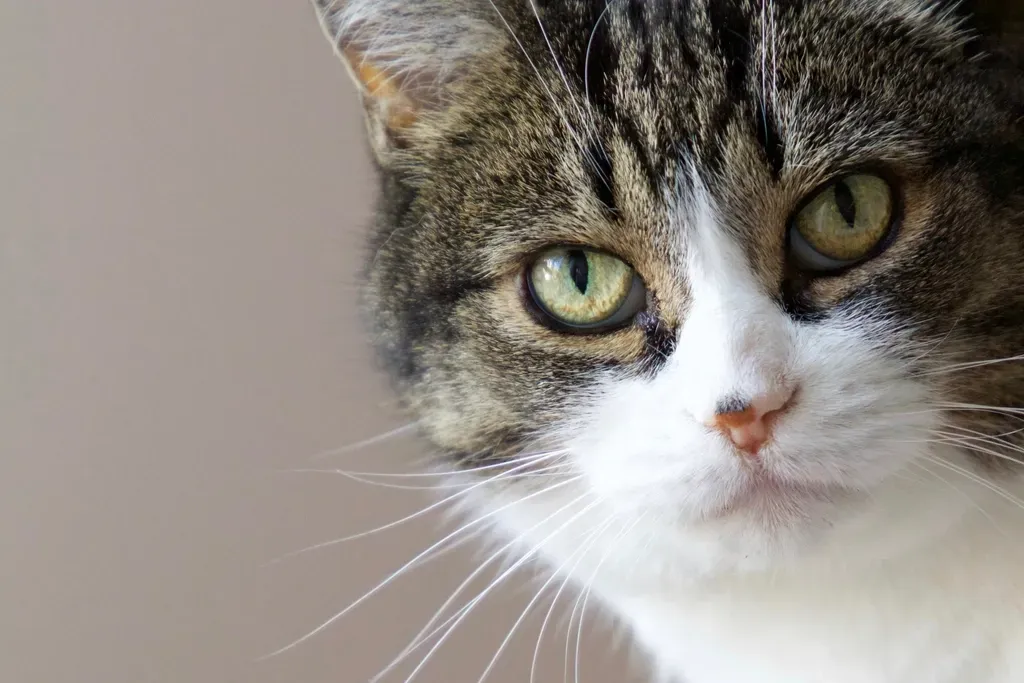
Here’s the thing most people don’t realize: your cat’s brain is not as different from yours as you might imagine. The feline brain’s structure and surface folding is roughly 90 percent similar to that of humans. That’s a remarkable number. Think of it like two different car models built on the same chassis. The outward appearance differs, but the core engineering is nearly identical.
According to researchers at Tufts University School of Veterinary Medicine, the physical structure of the brains of humans and cats is very similar, with humans and cats sharing similar lobes in their cerebral cortex. Analyses of cat brains have shown they are divided into many areas with specialized tasks that are vastly interconnected and share sensory information in a kind of hub-and-spoke network, with a large number of specialized hubs and many alternative paths between them. That is not the brain of a creature simply running on autopilot.
The Neuron Count That Surprised Everyone
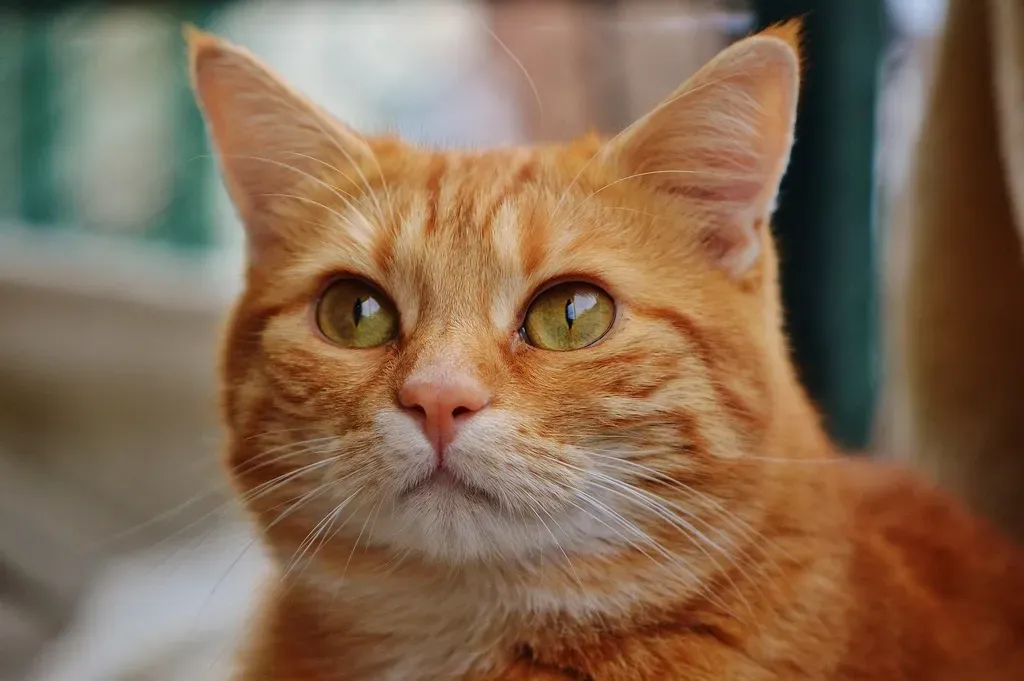
If you’ve ever been in the “cats vs dogs” intelligence debate, here’s a fact that tends to silence the room. A 2016 study calculated the number of nerve cells within the cerebral cortex of the brain, the region thought to most directly contribute to intelligence, and researchers found that cats have nearly twice as many cortical neurons (300 million) as dogs (160 million), which was taken as evidence that cats are smarter than dogs. Nearly twice as many. Let that sink in.
Cats possess intelligence comparable to that of a two-year-old human child, with advanced abilities in problem-solving, memory retention, and social cognition. Their 300 million cortical neurons enable complex thought processes and learning capabilities that often surpass those of dogs in certain areas. Now, neuron counts alone don’t tell the whole story, but paired with everything else researchers are finding, it paints a very compelling picture of an animal that is genuinely, cognitively complex.
Memory That Puts Many Animals to Shame
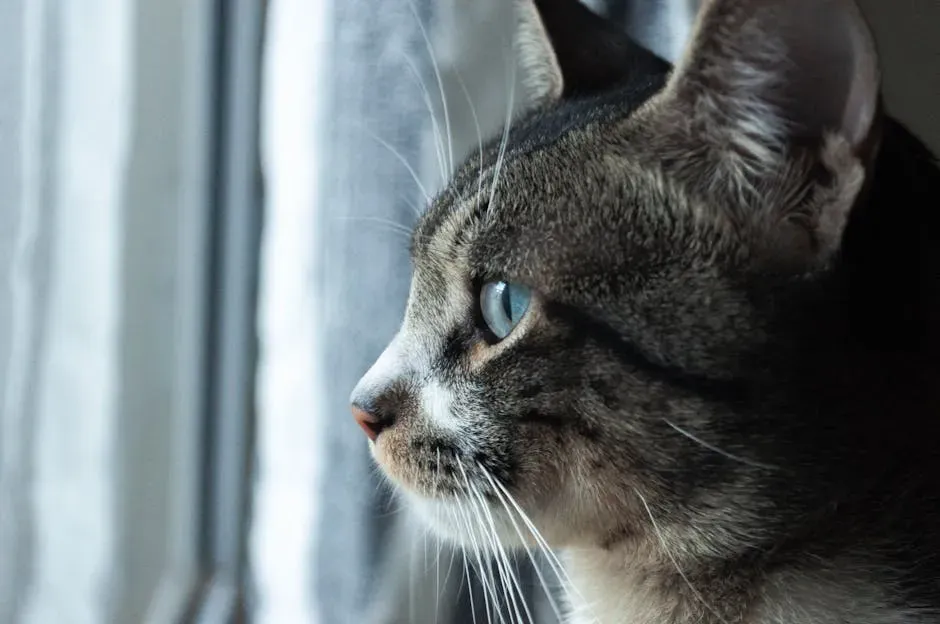
Your cat remembers far more than you think they do. Cats possess impressive long-term memory capabilities, retaining recollections of events and locations for a decade or longer. These memories are often intertwined with emotions, allowing cats to recall both positive and negative experiences associated with specific places. So when your cat acts weird about going to the vet, that is not a random fear. It’s a precisely archived, emotionally tagged memory from the last visit.
In tests of memory comparing dogs and cats, canine recall lasted no more than five minutes. Cats, however, returned to the correct location as long as 16 hours later, exhibiting a power of recall superior to that of monkeys and orangutans. Yes, you read that correctly. When it comes to memory retention, your average domestic cat outperforms both dogs and some primates. That quiet creature napping on your couch is, neurologically speaking, holding onto a lot.
Cats Learn Words Faster Than Human Babies

This one stopped researchers in their tracks. Without any particular training, cats appear to pick up basic human language skills just by listening to us talk. Cats learn to associate images with words even faster than babies do, according to a study published in Scientific Reports. The study was designed using a word-learning test originally developed for 14-month-old human infants. Your cat, it turns out, is doing better on that test than an actual toddler.
The cats in this study made word associations without any kind of reward incentive, such as a treat, which suggests the cats were independently motivated to associate novel images with sounds. This study also provides evidence that cats link a companion’s name and corresponding face without explicit training. They’re not just responding to tones or anticipating a treat. They are actively forming conceptual links between sounds and the world around them. That is genuinely impressive.
Problem-Solving Skills That Will Astonish You
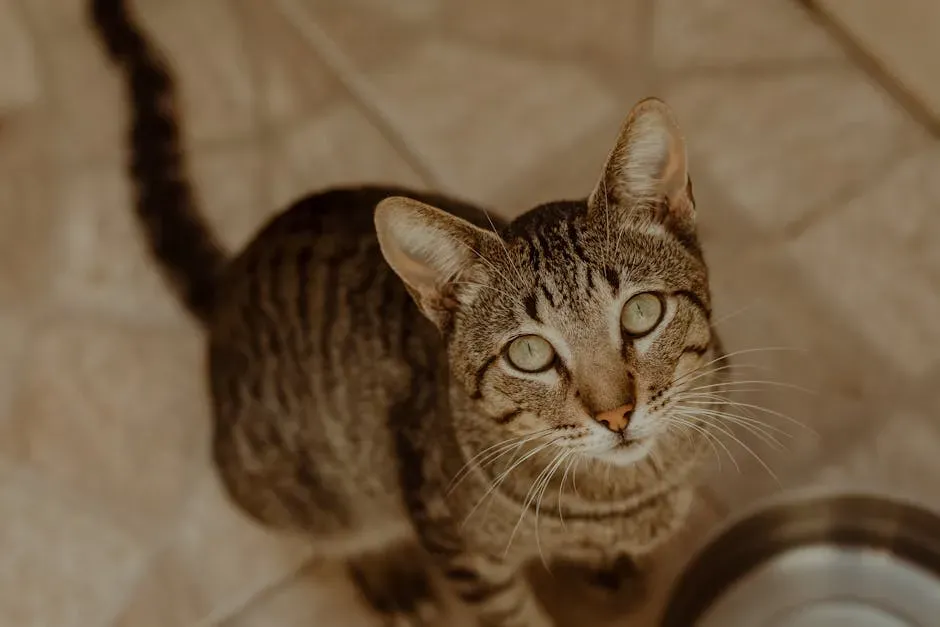
If you’ve ever watched a cat figure out how to open a cabinet or manipulate a latch, you already have a front-row seat to feline problem-solving. Research has shown that cats possess a remarkable ability to learn and solve problems. They are naturally curious and have a penchant for exploration. One study presented cats with different puzzles and tasks to solve, and researchers found that cats use logical reasoning to access rewards through trial and error. These findings suggest feline cognition involves a combination of instinct and problem-solving skills.
Cats’ intellectual ability is highlighted by their ability to use the information retained to solve problems. Cats are able to form “learning sets,” a skill once thought to be confined to primates. For example, cats trained to pull boxes on wheels showed they could combine that skill with their own insight to solve new problems. In one instance, a cat pulled a box to a specific location and used it, step-stool fashion, to reach a piece of food suspended from the ceiling by a string. That’s not instinct. That’s creativity – the kind of multi-step reasoning that genuinely defines intelligence.
Social Intelligence That Rivals Dogs

Cats have long been painted as antisocial loners. Science disagrees. After years when scientists largely ignored social intelligence in cats, labs studying feline social cognition have popped up around the globe, and a small but growing number of studies is showing that cats match dogs in many tests of social smarts. The antisocial reputation is, to put it plainly, a myth built on centuries of misinterpretation.
In experiments where researchers simply gazed at an object, sometimes just for a split second, cats followed the gaze roughly 70 percent of the time, similar to the performance of dogs. Research published by Italian researchers was the first to show that cats, like dogs, can shape their behavior based on human emotions, something many pet owners may have suspected but that hadn’t been scientifically demonstrated. Your cat is watching you, reading you, and adjusting. It’s not aloofness. It’s assessment.
Emotional Intelligence and Reading Your Mood
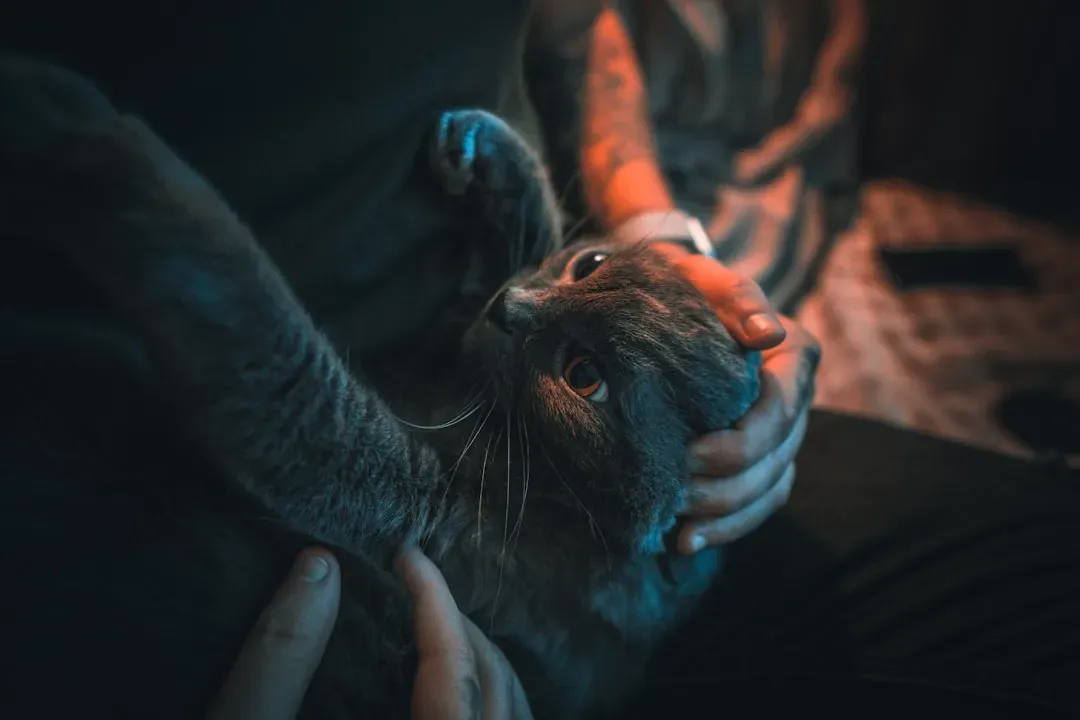
Here’s something that might genuinely move you. Research has shown that cats can form secure attachments to their owners, like infants with caregivers, and they recognize human emotions, read tone and gesture, and exhibit behaviors linked to empathy and social awareness. That moment when your cat climbs onto your lap on a hard day? That is not random. It’s emotionally responsive behavior backed by real science.
Cats demonstrate remarkable emotional intelligence through their ability to mirror their owners’ moods and emotional states. They may become more subdued when their owner is sad, more playful when their owner is happy, or even display signs of stress when their human companion is anxious. Recent research suggests that cats may be more attuned to human emotions than previously thought, with studies showing that cats react to their owners’ visual and vocal signals and adjust their behavior based on human emotions. They are, in essence, emotionally fluent.
Object Permanence: A Cognitive Skill for the Ages
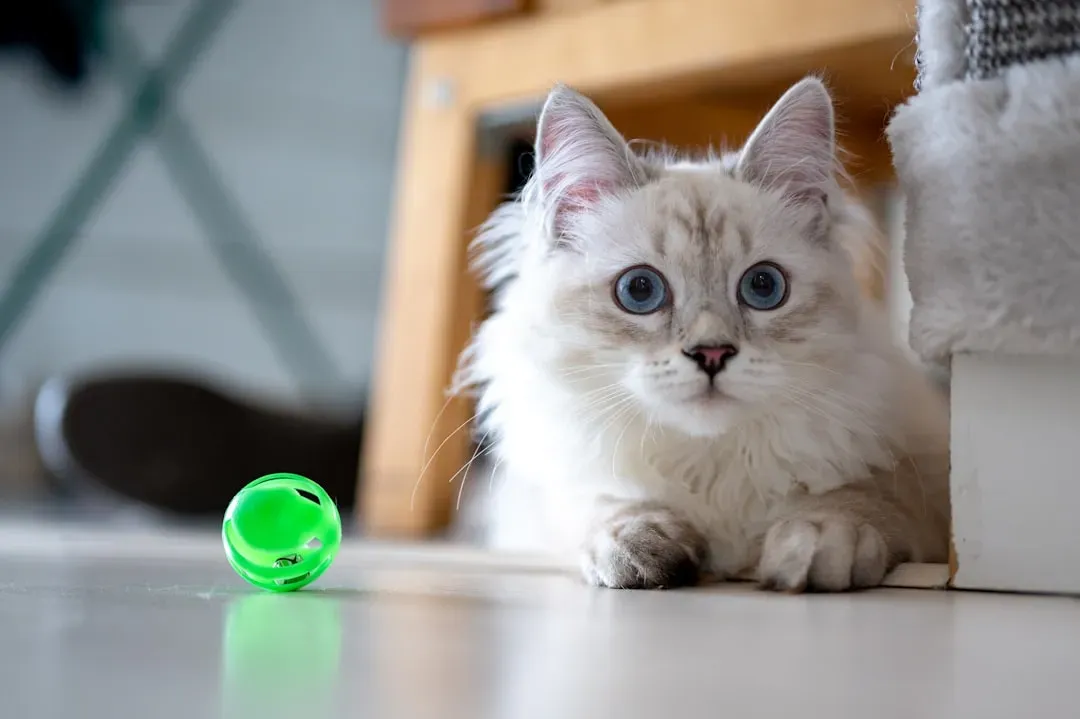
Object permanence, the understanding that things still exist even when you can’t see them, is a cognitive milestone that human babies only achieve around their first birthday. In controlled experiments, cats demonstrated fully developed concepts of object permanence, indicating that their sensorimotor intelligence is complete. Think about what that really means. Your cat doesn’t just forget about a toy hidden under the sofa. It knows the toy is still there. It waits. It plots.
Studies show that cats are aware of objects that aren’t directly visible to them. They understand that something that’s out of sight isn’t necessarily gone forever. This ability is called object permanence recognition. Cats “pass” the test if they search for an object where it was last seen, suggesting they understand the object still exists even when it is not visible. Research indicates that cats easily solve visible displacement tests, demonstrating a clear understanding of object permanence. It’s the kind of cognitive architecture you’d expect from a far more celebrated animal.
Why We Keep Getting Cat Intelligence Wrong
It’s hard to say for sure, but a big part of why cat intelligence gets overlooked comes down to how we measure it. Assessing feline cognitive abilities presents a number of unique challenges. While dogs are typically eager to please and can be trained to perform a wide variety of tasks in exchange for praise or food rewards, cats are often a bit less interested in learning those sorts of tasks. In fact, cats are notoriously unreceptive to the idea of participating in research studies. In other words, we’ve been grading cats on a dog’s report card. That’s like judging a jazz musician by how well they play classical violin.
Cats’ intelligence may have increased during their semi-domestication: urban living may have provided an enriched and stimulating environment requiring novel adaptive behaviors. There have been quite a few studies around dog intelligence, likely because they are, on the whole, more agreeable to being studied, but the cat intelligence field has lagged behind. Cats don’t care nearly as much for human validation, which complicates matters. Let’s be real: a creature that refuses to cooperate with a study just to prove a point might, in its own way, be making the smartest move of all.
Conclusion
The science is increasingly clear: your cat is not the indifferent, dim creature that cultural stereotypes have long suggested. From a brain structure that mirrors our own, to memory that outlasts that of monkeys, to word-learning speeds that outpace toddlers, the feline mind is sophisticated, layered, and deeply underestimated. Cats clearly have a superior ability to learn new information, mesh it with existing information, recall it, and use that information in other situations. This cognitive ability makes them card-carrying members of the highly intelligent class.
Perhaps the greatest irony is that the very trait we misread as aloofness, that deliberate, measured way your cat observes the world, is actually a hallmark of a highly capable mind. Cats have evolved to demonstrate their intelligence in ways that may not seem immediately apparent to us humans, and for this reason it can be challenging to accurately assess their intelligence. The available evidence suggests, however, that cats are much smarter than many people give them credit for. Next time your cat gives you that long, slow, knowing stare, maybe ask yourself: who is really studying whom? What do you think? Share your thoughts and your cat’s most impressive moments in the comments below.