Most people assume cats are indifferent creatures who forget you the second you walk out the door. They live in the moment, right? They don’t care. They’re just tolerating you. That narrative is wildly, almost laughably wrong – and science is finally catching up to what devoted cat owners have always suspected deep down.
Cats carry memories of people, places, and experiences with them for years. Sometimes for their entire lives. The way your cat tilts their head when you speak, the way they find you specifically when they want comfort – none of that is random. There is a deeply layered cognitive machine running behind those blinking eyes, and it’s been quietly cataloguing everything about you. Be prepared to see your cat very differently by the time you finish reading this.
1. Your Unique Scent – The One They’ll Never Mistake for Anyone Else’s
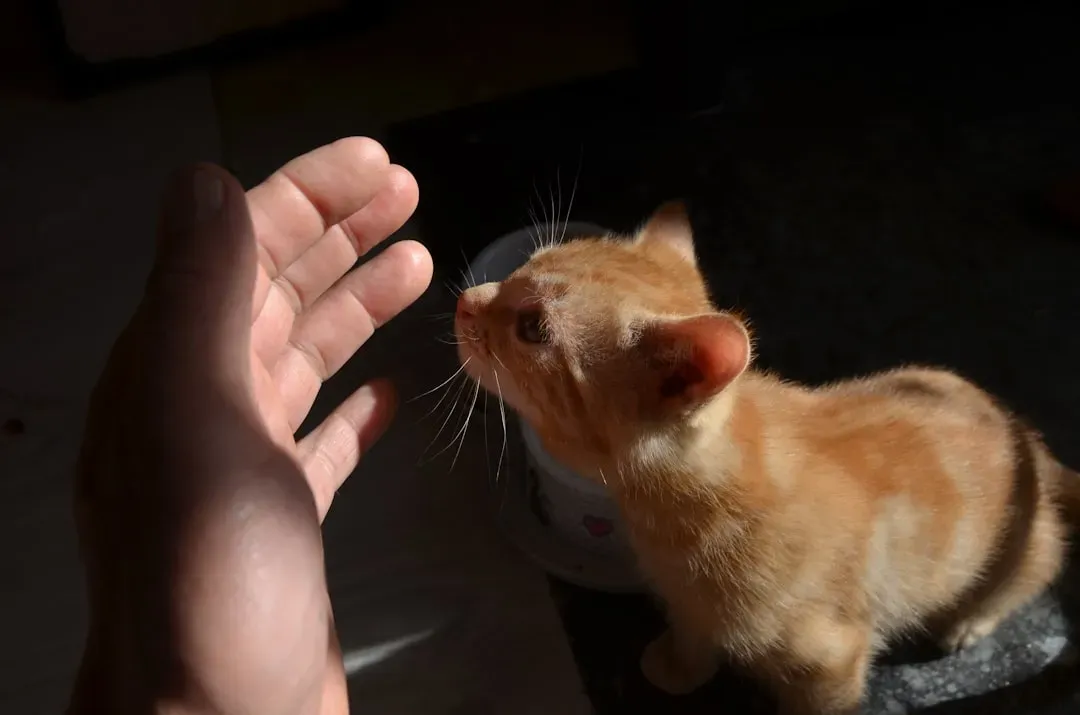
Here’s the thing: your cat isn’t really looking at your face the way you think. They’re smelling you. Their extraordinary sense of smell plays a major role in recognition, and the American Veterinary Medical Association notes that a cat’s olfactory system is far more developed than ours, allowing them to map their environment and identify familiar people through scent markers. Think of it as a living fingerprint system – one that never lies and never fades quickly.
When a cat trusts a human, it often rubs its face or body on them, leaving behind subtle scent markers that signal comfort and familiarity. Even if a cat hasn’t seen you for a long time, a whiff of your old shirt or favorite blanket can spark a wave of recognition. So that worn t-shirt you thought was just laundry? To your cat, it’s a memory trigger wrapped in cotton.
2. The Sound of Your Voice – Even After Years Apart

Your voice is more powerful than you realize when it comes to your cat’s memory. A 2013 study published in the journal “Behavioral Processes” found that cats were able to recall the voice of their owners for up to 10 years, even after long periods of not seeing each other. That is not a small finding. A decade of voice recognition, without refreshers, without reminders.
Studies have shown that cats can recognize and respond to their owner’s voice, even after extended periods of separation, indicating a lasting memory of the person. If you’ve ever had a cat suddenly perk up and look toward the door right before you arrive – that’s likely them recognizing the sound of your footsteps, your key in the lock, or even the engine of your car. Honestly, it’s a little humbling.
3. Every Single Feeding Routine You’ve Ever Established
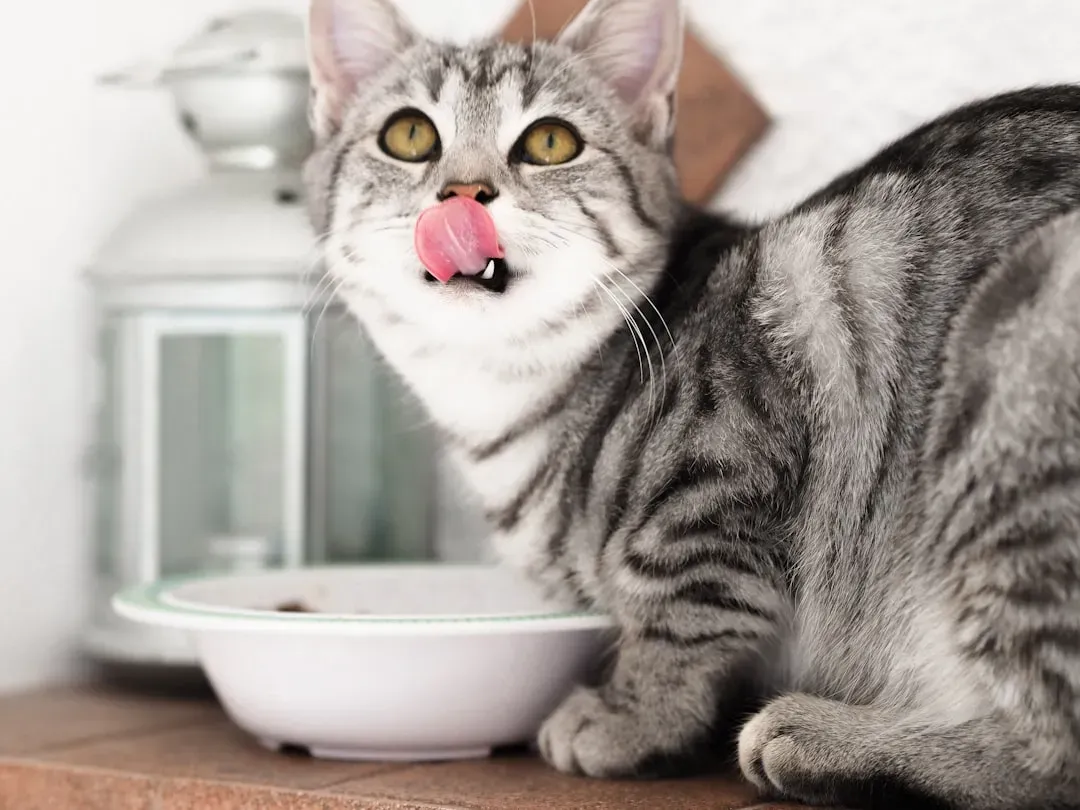
You know how your cat starts pacing the kitchen at exactly the same time every evening? That’s not coincidence, and it’s not just hunger. Cats also remember routines, such as feeding times and daily activities, and may become stressed or confused if these routines change abruptly. Your consistent schedule has been locked into their long-term memory like a hard-wired alarm clock.
A positive routine such as regular feeding, gentle play, or cozy lap time can stick with them for years. Routines like 7 a.m. feedings persist lifelong, triggering anxiety if disrupted. Let’s be real – you are the architect of your cat’s internal calendar. Mess with the schedule, and they will absolutely let you know about it.
4. The Times You Were Unkind – Or When Someone Else Was
This one might sting a little. Emotions can also be associated with negative experiences, such as abuse or neglect. Cats adopted years after these negative circumstances might use these bad memories to associate people with pain. This can cause a cat to be less trusting, skittish, or even reactive toward those experiences that jog negative memories. They’re not being dramatic. They’re being precise.
Cats remember traumatic events for years through emotional long-term memory. Repeated abuse or frightening experiences create lasting fear responses, like avoiding certain people or places. Think of it like an old scratch on a record – the music might play, but there’s always that skip in the same spot. Your cat remembers that skip. If a once-trusted person begins acting aggressively, a cat may gradually reclassify them as a threat. This ability to modify memories is essential for survival but also means that rebuilding trust can take time.
5. How Safe You Made Them Feel – The Emotional Anchor They Carry

Researchers at the Human-Animal Interaction Lab at Oregon State University point to results from their 2019 cat-owner attachment study that indicates most cats rely on their humans as a source of security and comfort. This is good news because secure attachment is driven, at least in part, by the memory of associations the cat has made with the person. Safety, for a cat, isn’t just a feeling – it’s a memory they actively return to.
If a cat feels safe and loved, it creates positive emotional memories that can last a lifetime. Conversely, if those bonds are broken – such as through rehoming or loss – the cat may show signs of grief or confusion, indicating just how strong those attachments really are. You’ve been building a memory bank with your cat every single quiet evening you sat together. That means more than you know.
6. Your Face – More Than You Might Expect

Okay, I’ll admit this one gets complicated. Cats’ ability to recognize human faces after extended periods hinges on their unique cognitive processes, which differ significantly from those of humans. Unlike people, who rely heavily on facial features for identification, cats use a combination of visual, auditory, and olfactory cues. They’re building a complete picture of you using every sense at once, like a detective assembling a profile.
Studies suggest that cats can indeed remember and recognize human faces, especially when paired with positive experiences like feeding or affection. This recognition is not instantaneous but builds over time through repeated interactions, forming a mental association between the face and the experience. So your face alone might not be the primary key – but pair it with kindness and consistency, and your cat stores it permanently.
7. How You Treated Them as a Kitten – The Foundation of Everything
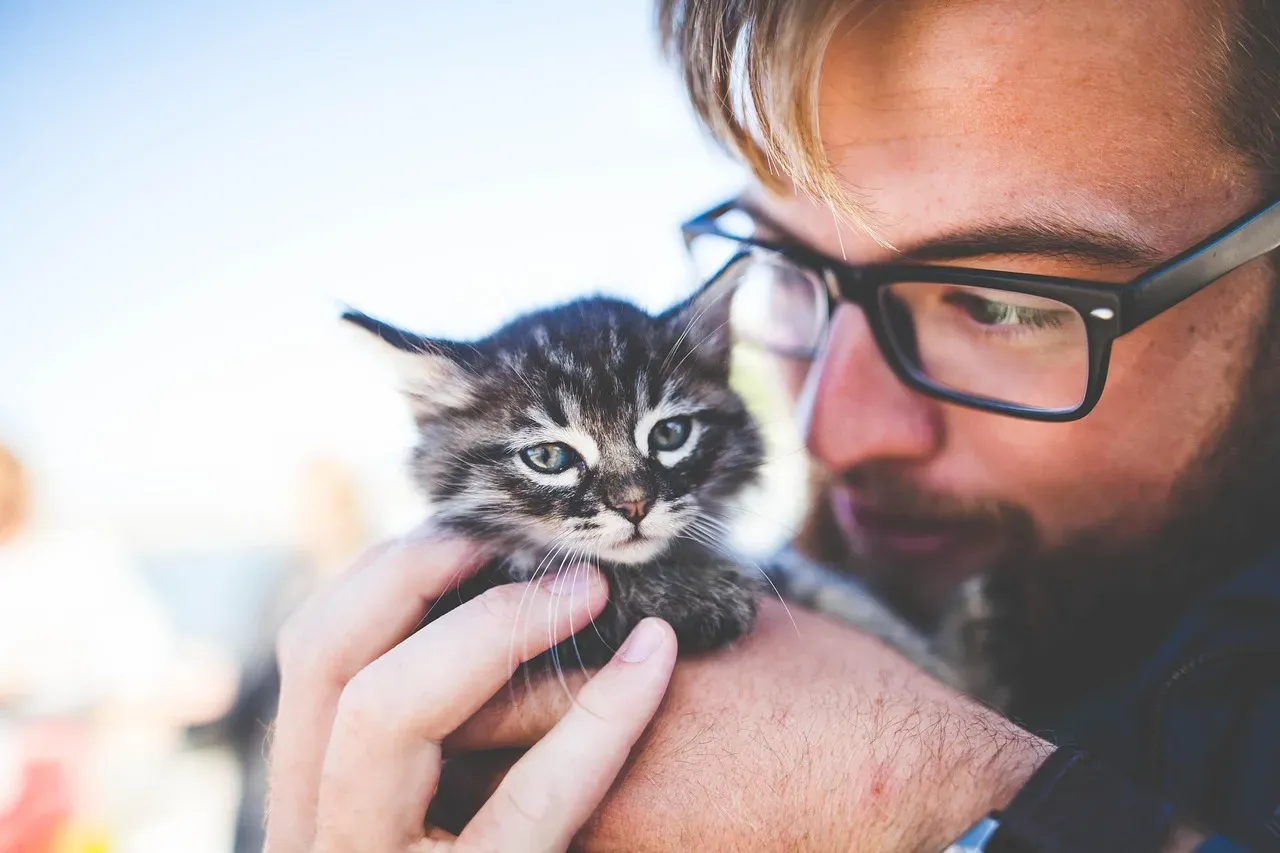
Long-term memory in cats recalls things they were exposed to as kittens that continue to influence their behavior and reactions as they mature. This can be illustrated by a cat not liking a certain person or place based on being mistreated in the past by similar factors. This is why early experiences with a cat matter so profoundly – you are literally shaping the lens through which they see the world.
Since a great deal of cat learning is associative, and cats remember those associations, it makes sense that the more things you do with the cat that gives them pleasure of any kind, the stronger that positive association with you becomes. Think of your relationship with your cat like a savings account – every gentle interaction you make during their early life is a deposit that earns interest for years to come.
8. The Moments You Disappeared – And That You Always Came Back

Cats may show signs of separation anxiety, such as excessive meowing, clingy behavior, or changes in eating and litter habits. Some cats become withdrawn or act out when their routine is disrupted. These behaviors can be their way of expressing that they miss you. Your absence is not invisible to them. Far from it – it registers as a disruption to the entire world they know.
Cats express missing someone in subtle ways. They might sleep in your usual spots, sniff your belongings, or wait by the door at times you’d normally be home. While they’re often seen as independent, many cats form strong emotional bonds and can quietly struggle when those bonds are disrupted. The fact that you always return? That, too, gets filed away. It teaches your cat that you are reliable, and reliability is everything to a cat.
9. The Bond You Built – And Whether It Was Worth Remembering

Cats have a remarkable ability to remember their owners, even after being separated for long periods. Although there’s no exact timeline for how long a cat can remember you, cats have been known to recognize their owners even after years of separation. The strength of your bond with your cat and the frequency and nature of your interactions can also affect how long your cat remembers you, so nurture your bond with your kitty as you would any other cherished friendship.
Cats can remember people they’ve bonded with for many years, potentially their entire lifetime, especially if the relationship involved strong emotional connections or regular care-giving. That purr, that head-butt, that quiet presence at your side – it’s more than just a habit. It is proof of a bond etched into their memory through every feeding, petting session, and shared nap. That’s not nothing. That’s everything.
Conclusion: Your Cat Knows You Better Than You Think
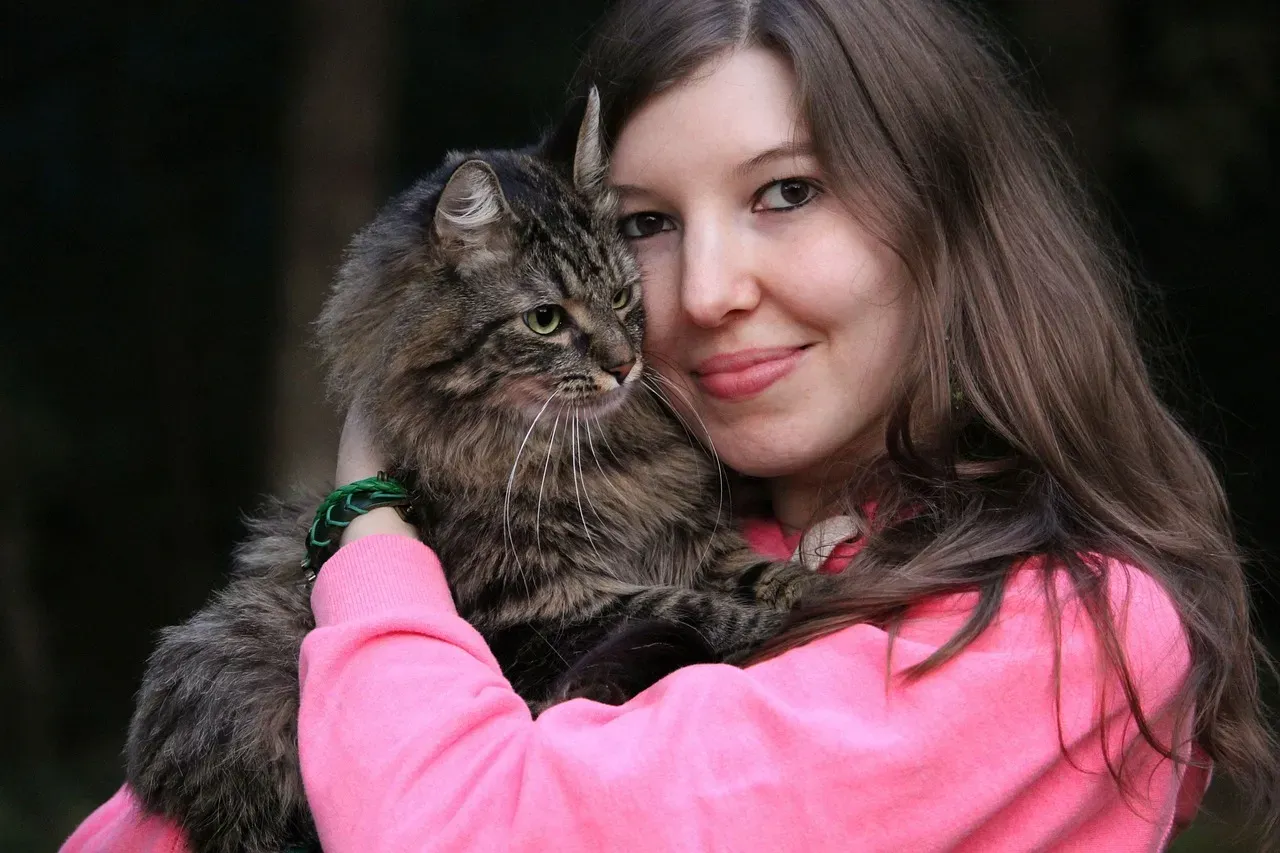
The idea that cats are emotionally shallow creatures with no real attachment to their humans is one of the great myths in pet ownership. The reality is far more touching. Your cat has been keeping a quiet, detailed, and emotionally charged record of your relationship since the very first day you met. Every gentle word, every routine morning, every moment of safety you provided – all of it is in there.
What’s remarkable is that cat memory defies simplicity: seconds for whims, hours for needs, years for hearts. That says it all, doesn’t it? Be kind to your cat, stay consistent, and never underestimate the small moments. They’re the ones your cat will remember longest.
So here’s something worth sitting with: if your cat could tell you one thing they’ve never forgotten, what do you think it would be? Tell us in the comments – we’d love to know.