The Midwest holds a special place in its heart for certain cat breeds, each with their own distinctive personality quirks and communication styles. These aren’t just pretty faces. They’re complex creatures with behavioral patterns that tell stories if you know how to read them. Let’s explore the ten breeds that have captured Midwestern hearts and the often-overlooked behaviors that reveal what they’re really thinking.
Ragdoll: The Gentle Giant Who Goes Limp With Love
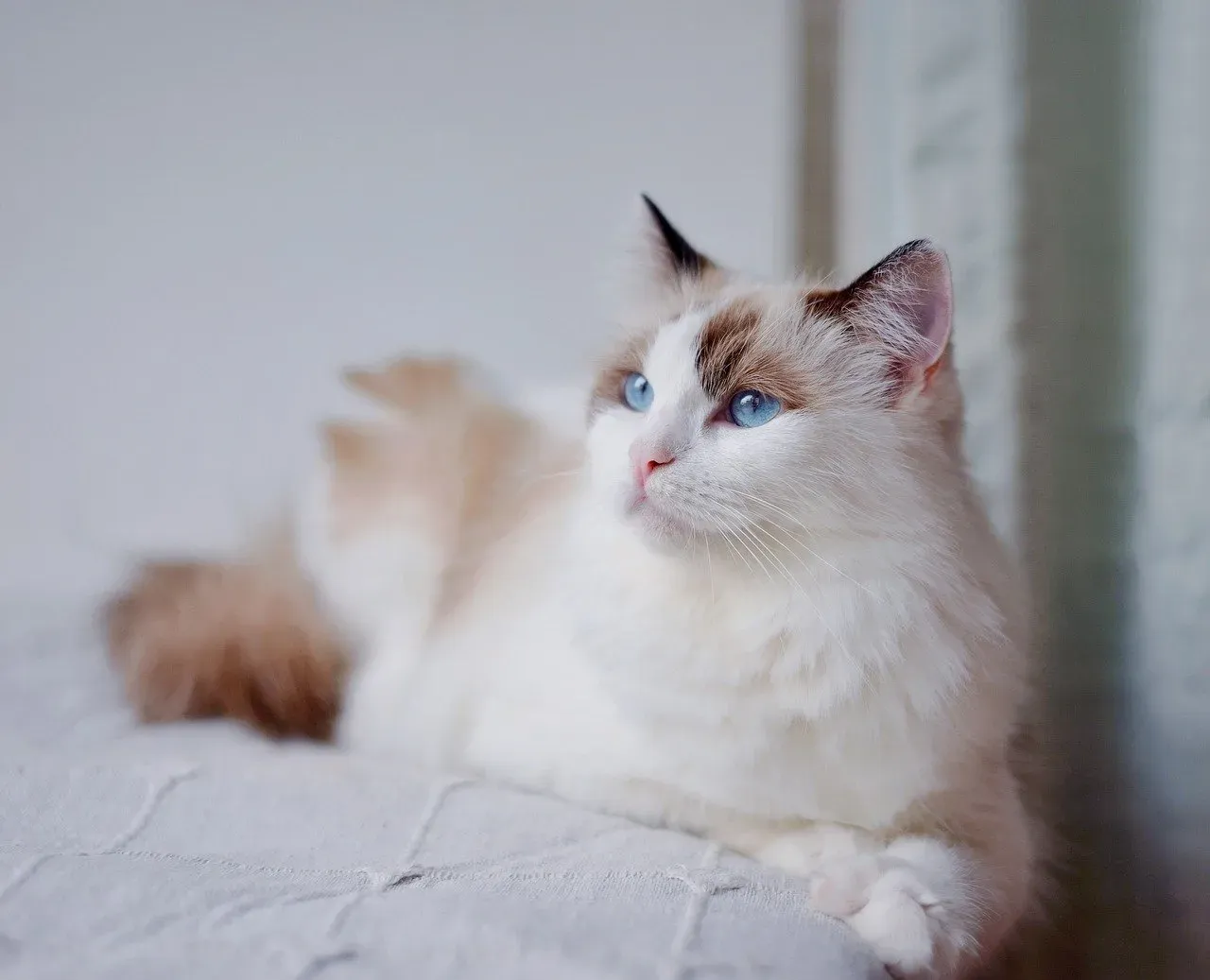
The Ragdoll has maintained its position as the most popular cat breed, holding this spot for several years, particularly resonating with Midwest families who appreciate their dog-like devotion. These cats are known to follow their favorite humans around, and they get their name from their tendency to go completely limp like a child’s ragdoll when held. What you might not notice, though, is how they position themselves in doorways when you’re moving between rooms. This isn’t clinginess. It’s them keeping visual tabs on their favorite person while maintaining what they consider a respectful distance.
Watch for the subtle weight shift your Ragdoll makes when you walk past them. They’ll lean ever so slightly in your direction, testing whether you’ll stop for interaction. If you pause, you’re rewarding that communication attempt. When they make eye contact with lowered eyelids and steady, slow blinks, this is considered a feline version of a kiss. Missing this moment means missing your cat’s most intimate expression of trust.
Maine Coon: Reading the Tail Language of America’s Native Cat
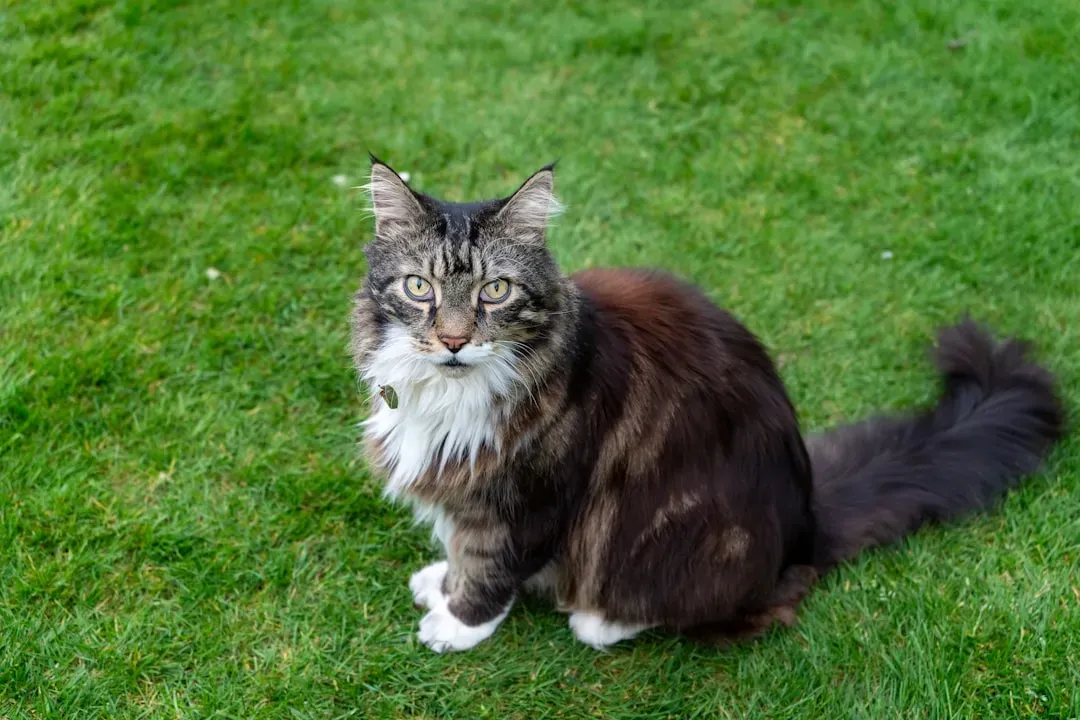
The Maine Coon Cat ranks second among the top pedigreed cat breeds for 2025 according to the Cat Fanciers’ Association, known as the gentle giant of the cat world with a striking appearance matched by a heartwarming demeanor. Their size can be intimidating to first-time owners, but their communication style is remarkably gentle. Maine Coon Cats are known for their loyalty, forming strong bonds with their human companions and often following them around the house. Here’s what most people overlook: their tail doesn’t just swish, it tells complete stories.
A Maine Coon’s tail held high with a slight hook at the tip isn’t just happiness. It’s an invitation for interaction, a signal that they’re in the mood for conversation or play. When they wrap that magnificent plume around your leg without looking at you, they’re marking you as theirs while giving you plausible deniability to ignore them if you’re busy. It’s feline politeness at its finest. Cats often use their tails to express adoration, with a content cat holding their tail upright with a C-shape or hook at the very top.
Exotic Shorthair: The Silent Communicator You’re Probably Missing
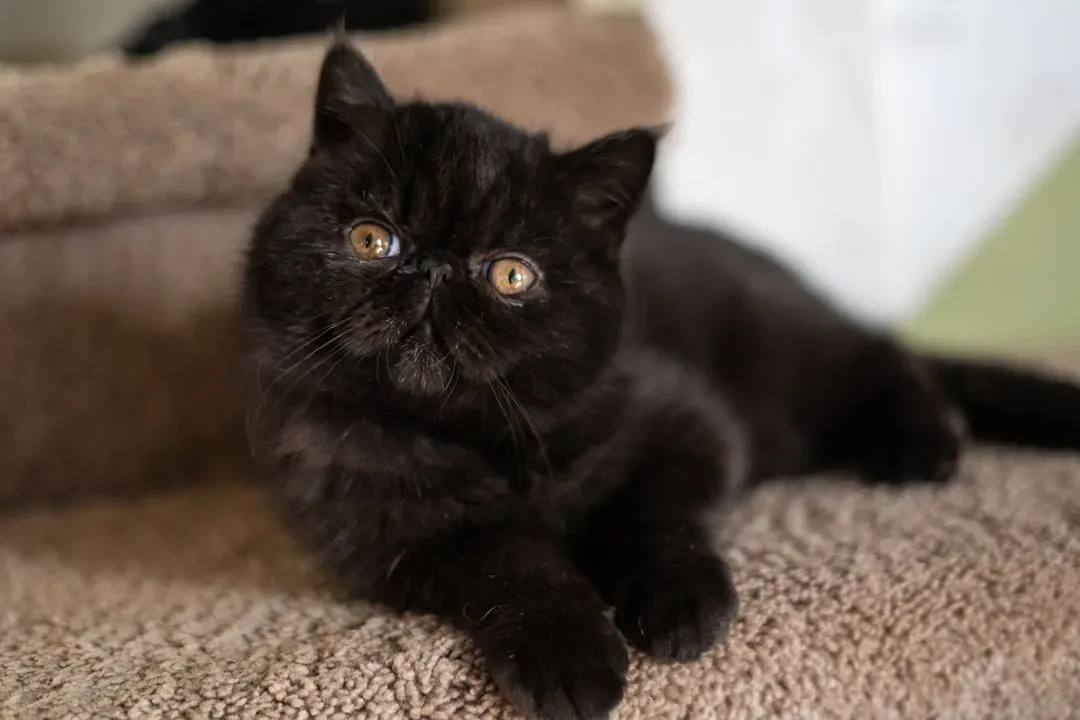
The Exotic is renowned for its loving nature, soft coat, and adorable flat face, earning them the affectionate nickname of the lazy man’s Persian. Midwest homes adore these low-maintenance companions, but their quieter nature means their signals get missed constantly. These cats rarely vocalize, so you need to become fluent in their body language quickly.
An Exotic Shorthair sitting near you isn’t sleeping. Watch their ears. If they’re rotated even slightly toward you, they’re monitoring your every move and waiting for acknowledgment. Cats are more likely to explore and interact with their environment when they feel relaxed and comfortable in a person’s presence, so a pet that moves around while you’re with them is showing subtle affection. When your Exotic gets up and moves to another spot in the same room, that’s not rejection. They’re comfortable enough to be themselves around you.
Persian: Decoding the Flat-Faced Mystery
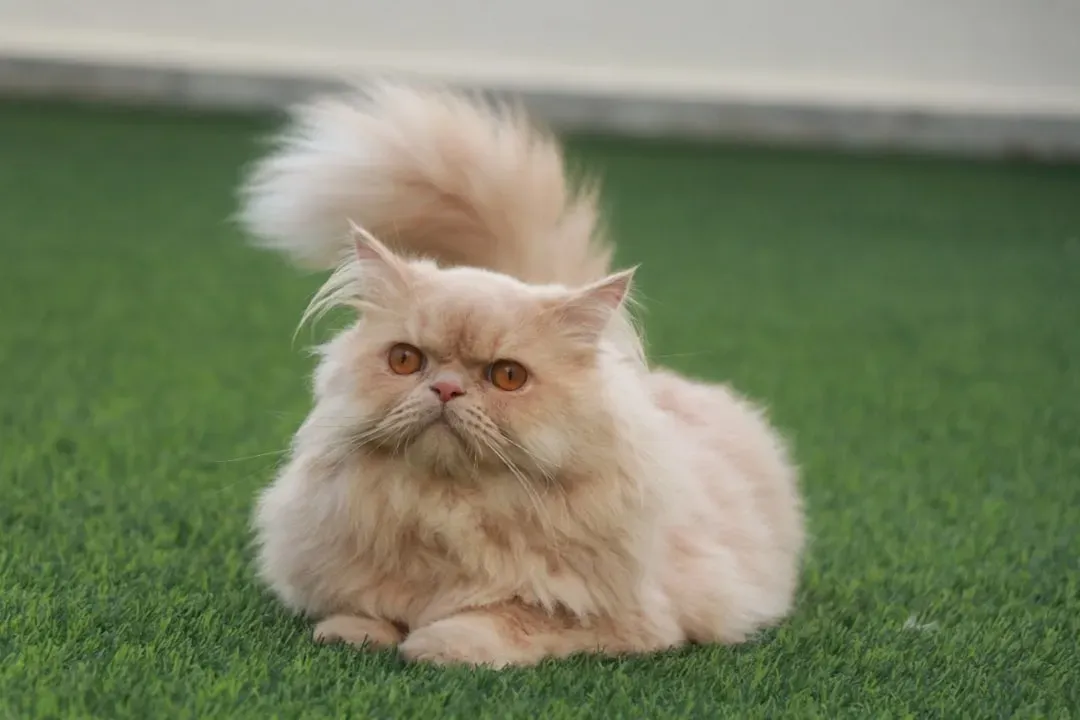
Many folks love Persian cats for their luxurious long fur and distinctive flat-faced appearance, but going beyond this endearing look, it’s the Persian’s gentle and affectionate demeanor that really wins hearts. Their facial structure makes reading traditional cat expressions nearly impossible. You can’t rely on the usual markers with a Persian because their anatomy simply doesn’t allow for the same range of visible emotion.
Instead, focus on their breathing patterns and body tension. A relaxed Persian will have slower, deeper breaths. When they’re seeking attention but don’t want to be pushy about it, they’ll position themselves just within your peripheral vision and slowly inch closer over several minutes. Cats that choose to sleep on or near their owners are showing trust and affection, and even if a cat simply naps in their owner’s vicinity, it signals they feel safe and secure. Most owners think their Persian is just lazy, missing this calculated approach entirely.
Devon Rex: The Mischievous Mind Reader
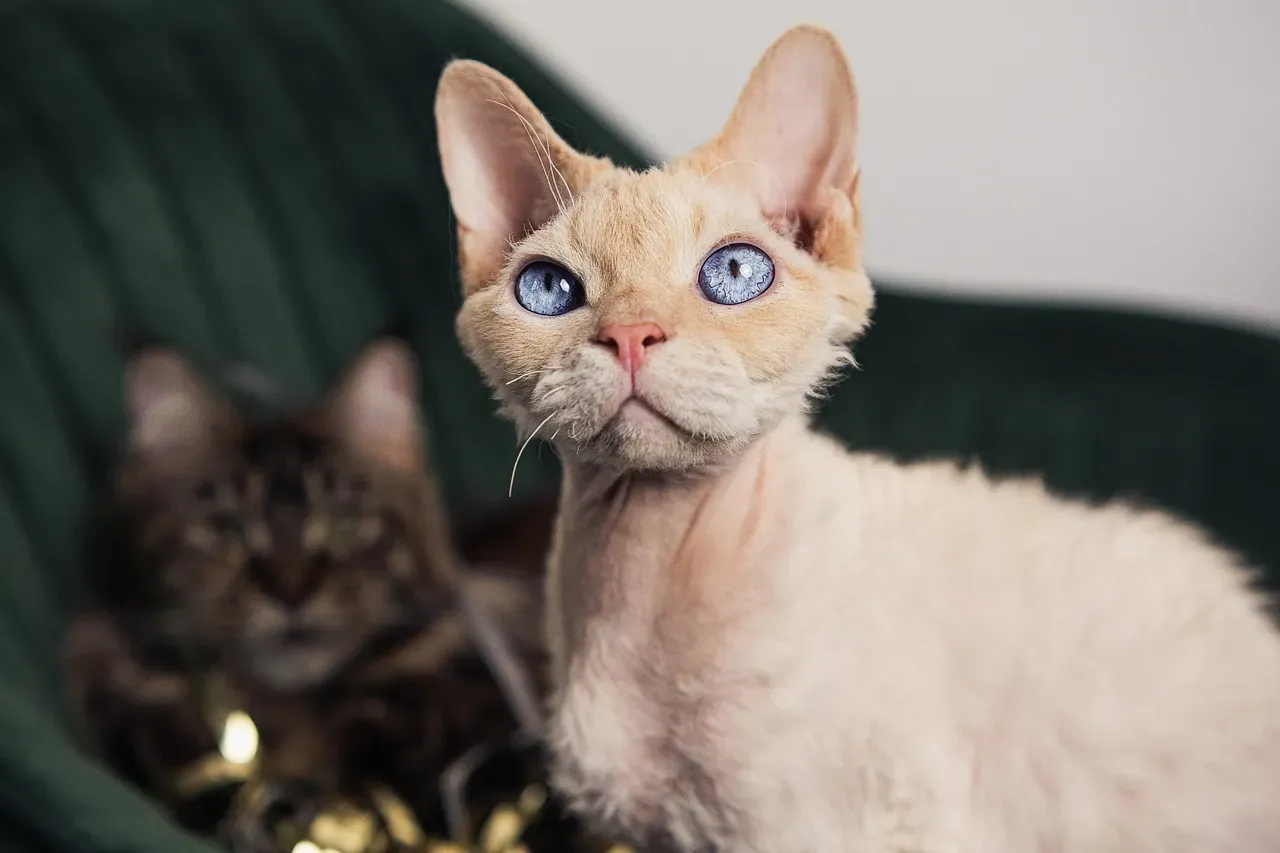
The Devon Rex is an enchanting blend of mischief and affection, often recognized by its curly coat, large ears, and impish expression. Midwest families with active households appreciate their playful energy. Their combination of intelligence, affectionate nature, athleticism, and commitment to playtime sets them apart from other breeds. What people constantly underestimate is how closely these cats study human behavior patterns.
Your Devon Rex knows your routine better than you do. When they start acting hyperactive about fifteen minutes before you typically engage with them, that’s not random energy. They’ve clocked your schedule and are preemptively getting excited. To a cat, your arrival back home signals playtime and fun, as cats associate your presence with amusement and engagement, displaying heightened playfulness upon your return as a sure sign you were missed. They also do this thing where they’ll sit on whatever you’re trying to use, not for attention necessarily, but because they’ve learned that object precedes your focus shifting away from them.
British Shorthair: The Stoic Companion’s Secret Language
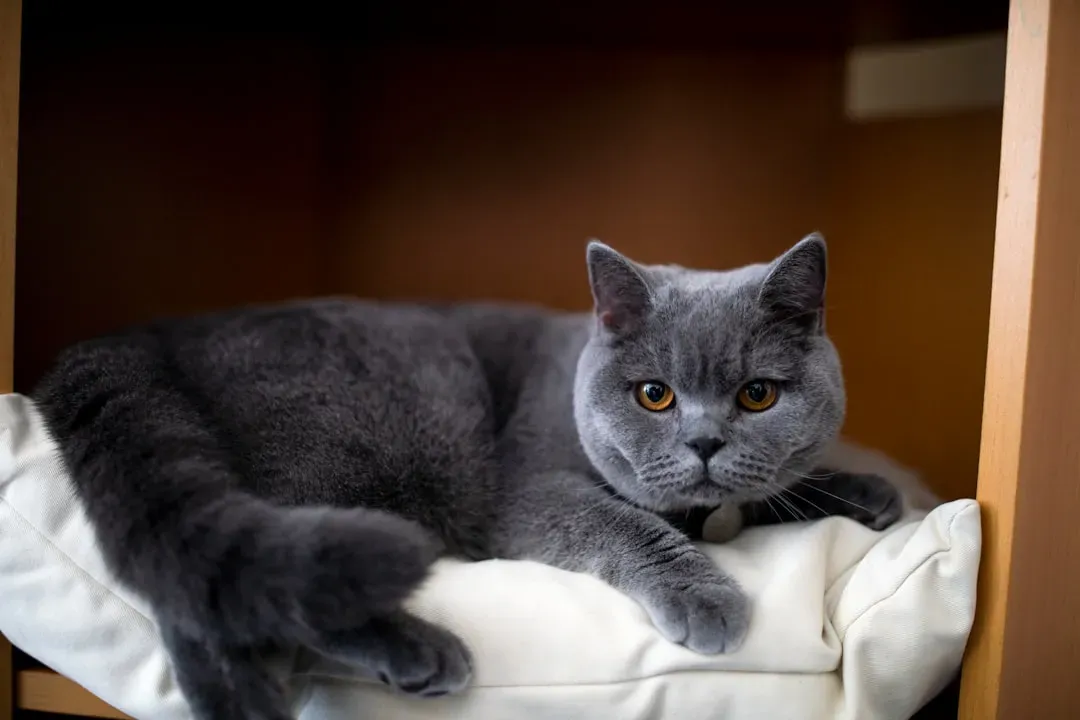
The British Shorthair is the epitome of a loyal and gentle friend, with its signature round face and plush coat adding to its teddy bear-like charm. These cats have mastered the art of appearing aloof while being deeply attached. Midwesterners appreciate their independent streak, but this very quality causes owners to miss their more subtle bonding behaviors.
A British Shorthair won’t typically sit on your lap, but they will sit exactly one cushion away on the couch. That’s their sweet spot for proximity. They want to be near you without being touched, and that IS affection for this breed. Both headbutting and cheek rubbing are social behaviors learned throughout kittenhood, serving as ways cats build bonds with other animals and by extension with humans, as cats attempt to both mark and mingle scents with those they love. When they do offer a head bump, it’s significant because it’s rare.
Abyssinian: The High-Energy Chatterbox You’re Not Hearing
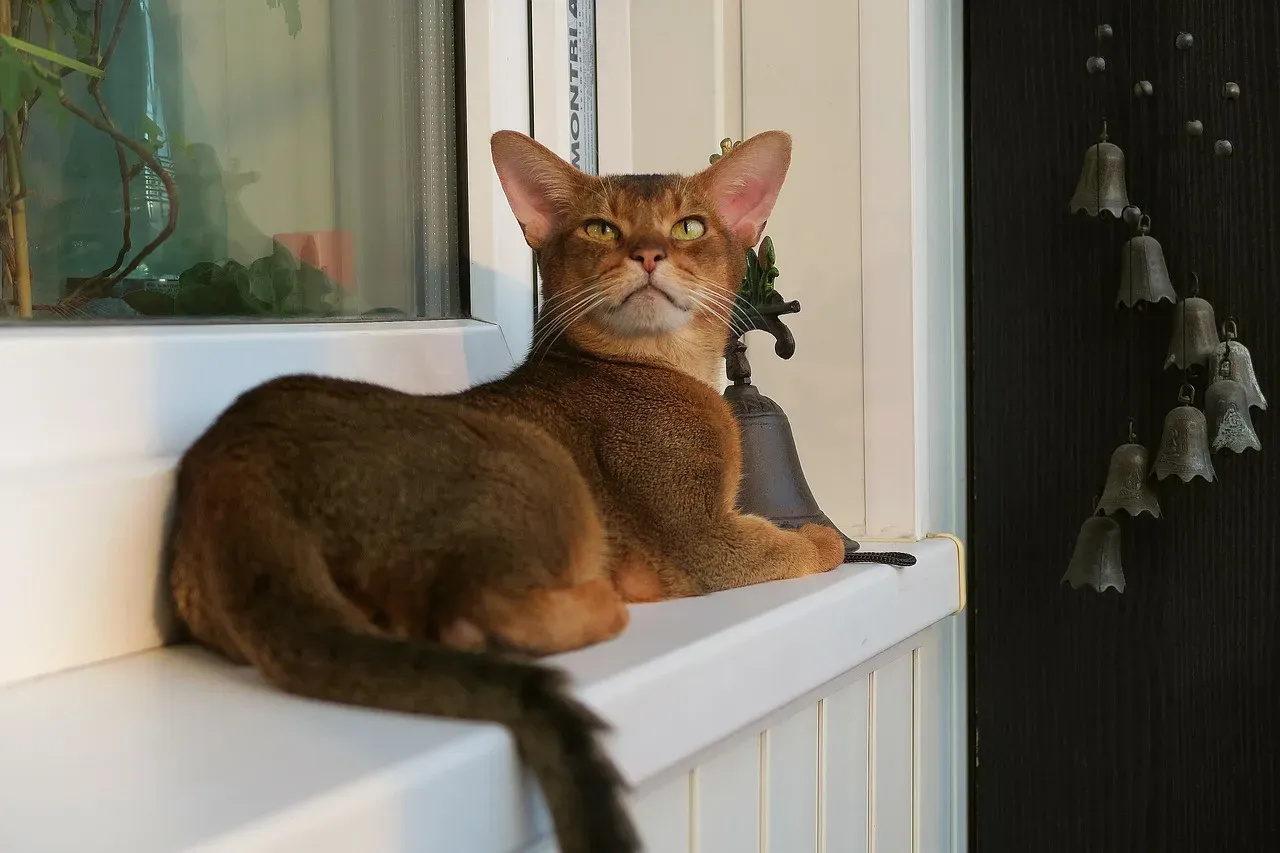
The Abyssinian captivates with its vibrant energy and insatiable curiosity, carrying a legacy of grace and vitality reflected in its lithe build and expressive almond-shaped eyes. These cats are constantly in motion in Midwest homes, which makes their communication easy to overlook in the whirlwind of activity. They vocalize frequently, but not all their sounds are created equal.
Listen for the difference between an Abyssinian’s chatty commentary and their specific request sounds. The commentary is just them narrating their day, talking to themselves basically. The request sounds are shorter, more insistent, and directed at you with eye contact. When cats greet you at the door, walking between your legs and curling their tail around you, sometimes accompanied by meowing and rattle-tail behavior where they shake their tail quickly, this is your cat’s way of welcoming you home. They’re also prone to bringing you toys not always for play, but as offerings to show they consider you part of their colony.
Siamese: The Vocal Breed Whose Body Language Gets Ignored
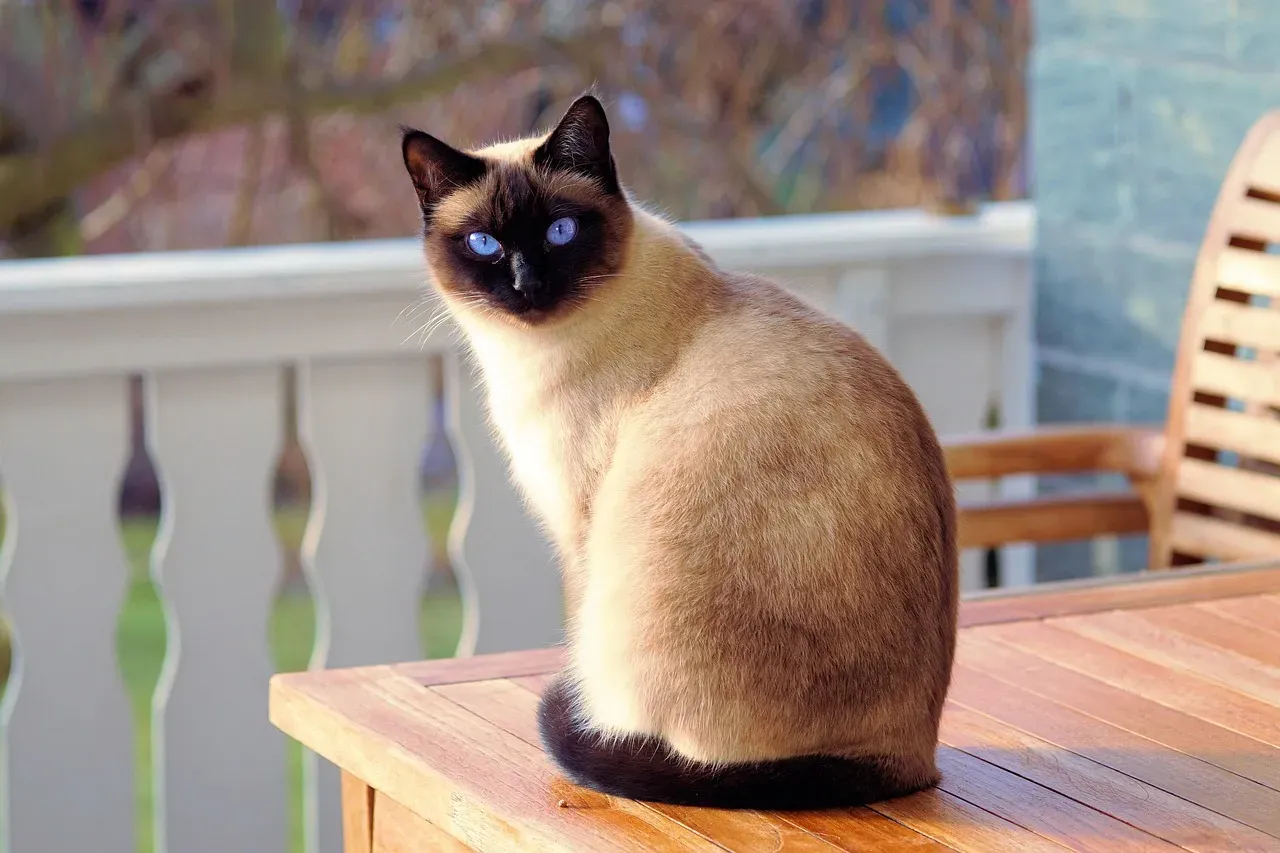
Siamese cats rank among popular breeds, and their reputation for being talkative is well-earned. Midwest owners often focus so much on what their Siamese is saying that they completely miss what they’re doing. These cats are master manipulators in the best possible way, using their entire body to punctuate their vocalizations.
Watch what happens when your Siamese meows at you. Are their whiskers pushed forward? That’s engagement and excitement. Are they pulled back? That’s actually a distress call disguised as regular vocalization. A slow blink is one of the most intimate ways a cat shows love, often called a cat kiss, and may be easily missed or mistaken for sleepiness. Your Siamese might be telling you they’re anxious while their voice makes it sound like they’re just being chatty. Context is everything with this breed.
American Shorthair: The Working Cat’s Understated Affection
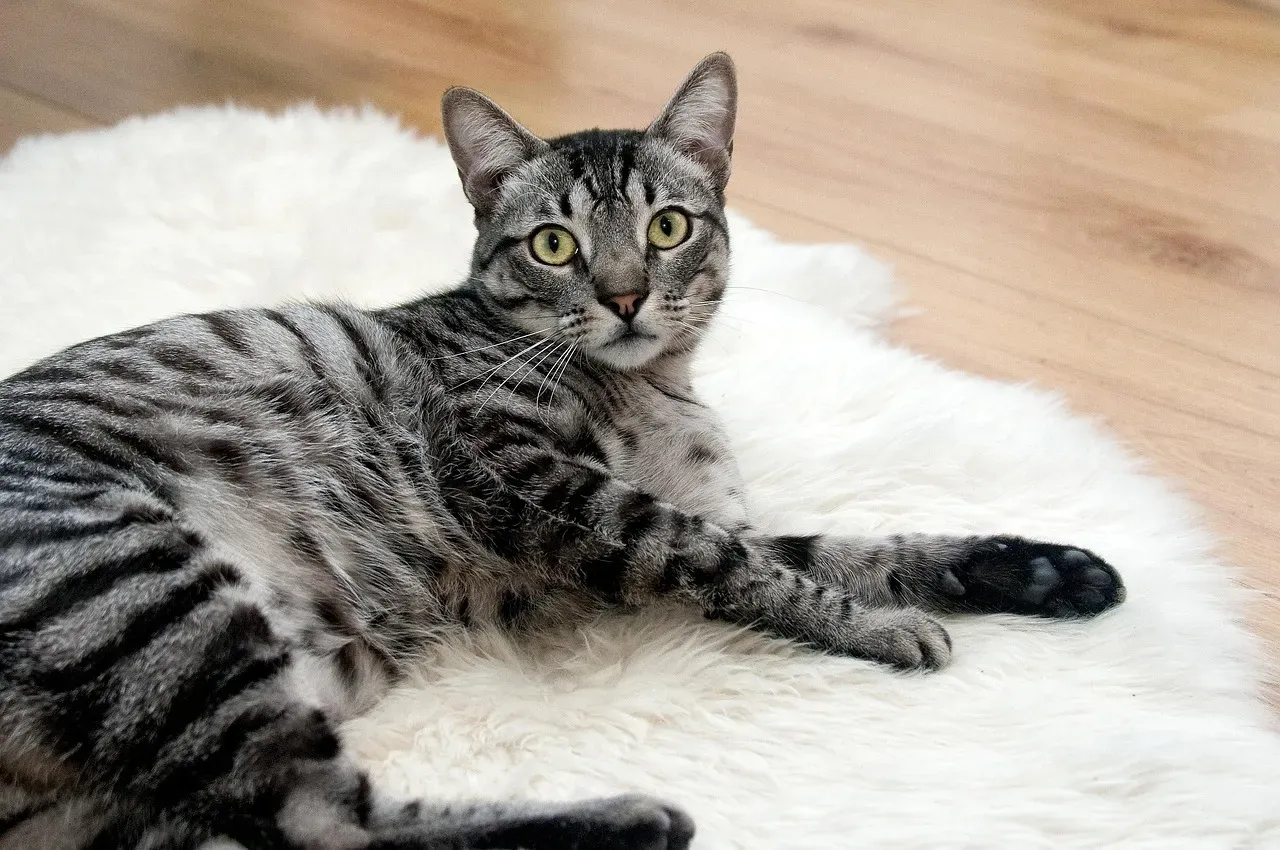
American Shorthairs are extremely popular in the United States and are selectively bred cats that follow strict breeding standards, often called working cats because of their athletic, muscular build. Their personality is well-rounded and they respond well to humans and other animals, being highly sociable but still independent when needed. These cats appeal to practical Midwest sensibilities, but their affection style is so subtle it’s frequently mistaken for indifference.
An American Shorthair showing love might simply be existing in the same room as you while appearing completely disinterested. Cats often follow those they love and trust, with this behavior being similar to greeting you at the door and showing their affection and interest in being near you. If they’ve chosen to nap in your office while you work rather than literally anywhere else in the house, that’s a declaration of devotion. They’ll also do this thing where they look away immediately after making eye contact, which isn’t dismissal but rather them showing they don’t see you as a threat.
Siberian: The Forest Cat’s Wild Communication Style
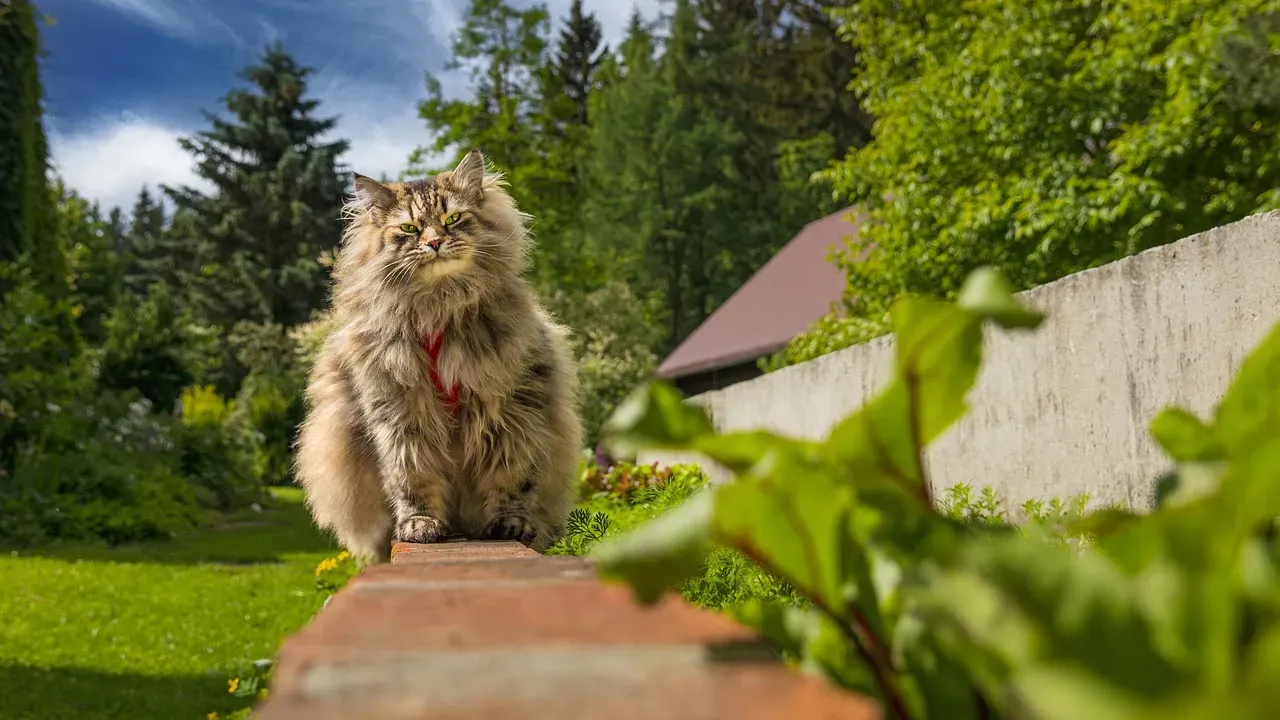
The Siberian is a delightful blend of fluff and athleticism, known for its robust build and powerful muscles, as this natural prowess hails from its origins in the rugged Russian wilderness. Midwest cat lovers drawn to this breed often expect a more domestic communication style, but Siberians retain some fascinating wild cat behaviors that confuse their owners.
These cats chirp and trill more than they meow, and each sound has specific meaning. A trill while walking toward you is a greeting. A trill while walking away from you is an invitation to follow. Kittens knead at their mothers when feeding, and when used on owners it’s most definitely a gesture of love, though love bites, which are gentle nips, are often a sign of affection rather than aggression. Your Siberian might also “gift” you with elaborate grooming sessions where they lick your hand insistently. It feels weird and kind of scratchy, but they’re treating you like family.
Conclusion
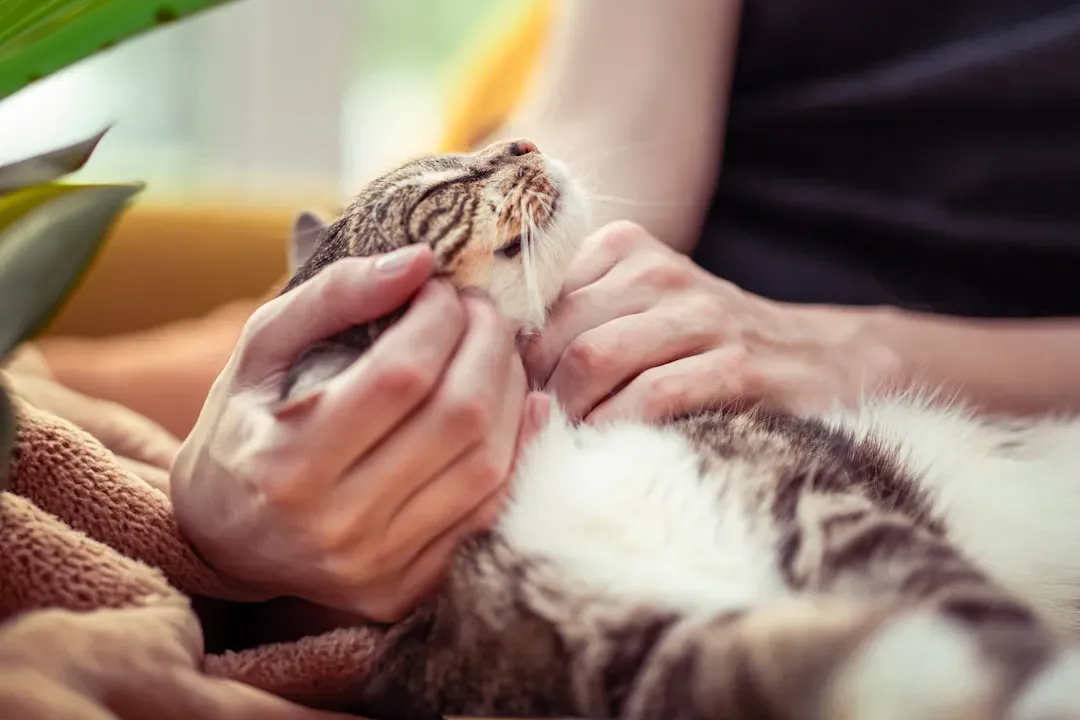
The cats we share our homes with are constantly talking to us, but we’re only catching fragments of the conversation. Whether you’ve got a gentle Ragdoll following you room to room or a British Shorthair maintaining that respectful one-cushion distance, they’re all expressing affection in their own distinct dialects. The Midwest’s love affair with these ten breeds isn’t just about their looks or temperament. It’s about the quiet companionship they offer once you learn to truly see them.
Next time your cat does something that seems random or quirky, pause for a moment. Consider the context, watch their whole body, not just their face. That tail position, those whisker angles, the way they’re breathing, all of it matters. You might just discover your cat has been saying I love you in ways you’ve been walking past for years. What subtle signal has your cat been sending that you’re only now starting to understand?