You’ve probably heard the saying that cats have nine lives. What they don’t tell you is that some of them seem to be on a personal mission to test all nine at once, usually by launching themselves at the nearest moving target. Let’s be real here. Not all felines are created equal when it comes to temperament.
While there’s this persistent idea floating around that all cats are aloof, independent, and content to lounge on sunny windowsills all day, the reality is far more complex. Some breeds display more assertive behaviors than others. I think it’s important to note that what gets labeled as aggression is often just a cat being, well, a cat. Their territorial instincts, need for attention, or boredom can manifest in ways that humans interpret as hostile.
So let’s dive in and explore which breeds have earned a reputation for being a bit feistier than your average house cat.
Siamese: The Jealous Drama Queen
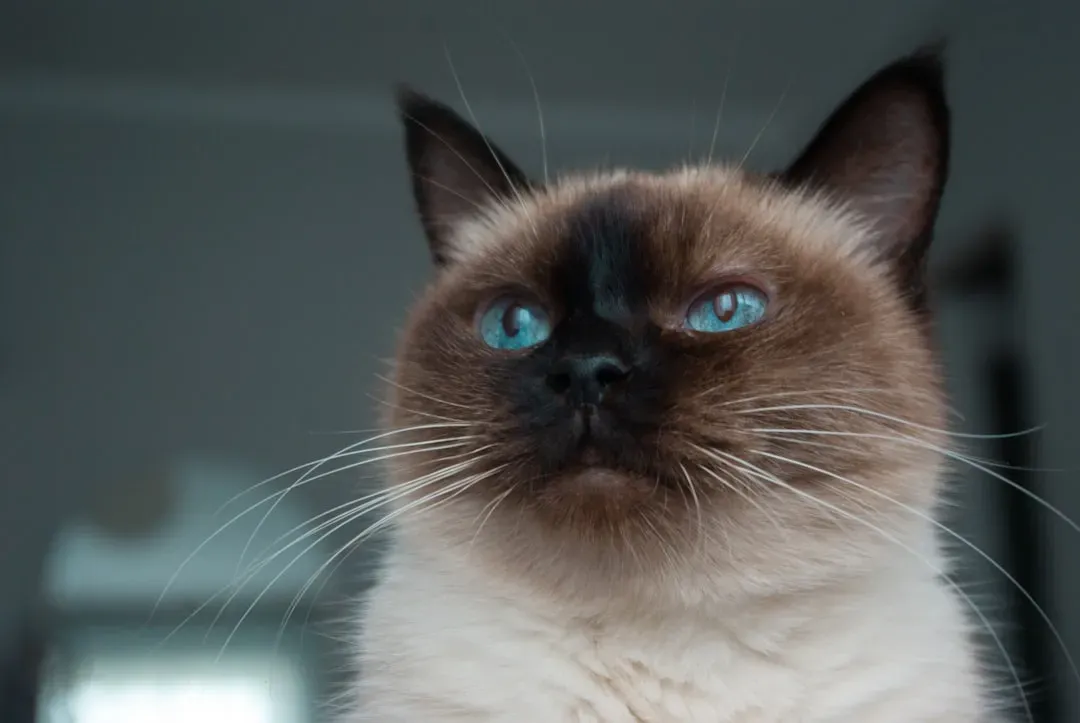
Siamese cats are known for being one of the most aggressive and territorial out of them all. These sleek, blue-eyed beauties have stunning features and intelligence that draw people in, but they also come with some serious attitude. The thing is, they’re not aggressive for no reason.
Siamese cats are needy and clingy, becoming very attached to their favorite human. That’s sweet until you realize they don’t want to share you with anyone else. If they see you petting another cat or hanging out with a human, your Siamese may lash out in an attempt to get attention back on them. Their loyalty can sometimes turn into territorial aggression, especially when they feel neglected. Honestly, they’re like that one friend who gets upset if you cancel plans.
Bengal: Wild at Heart
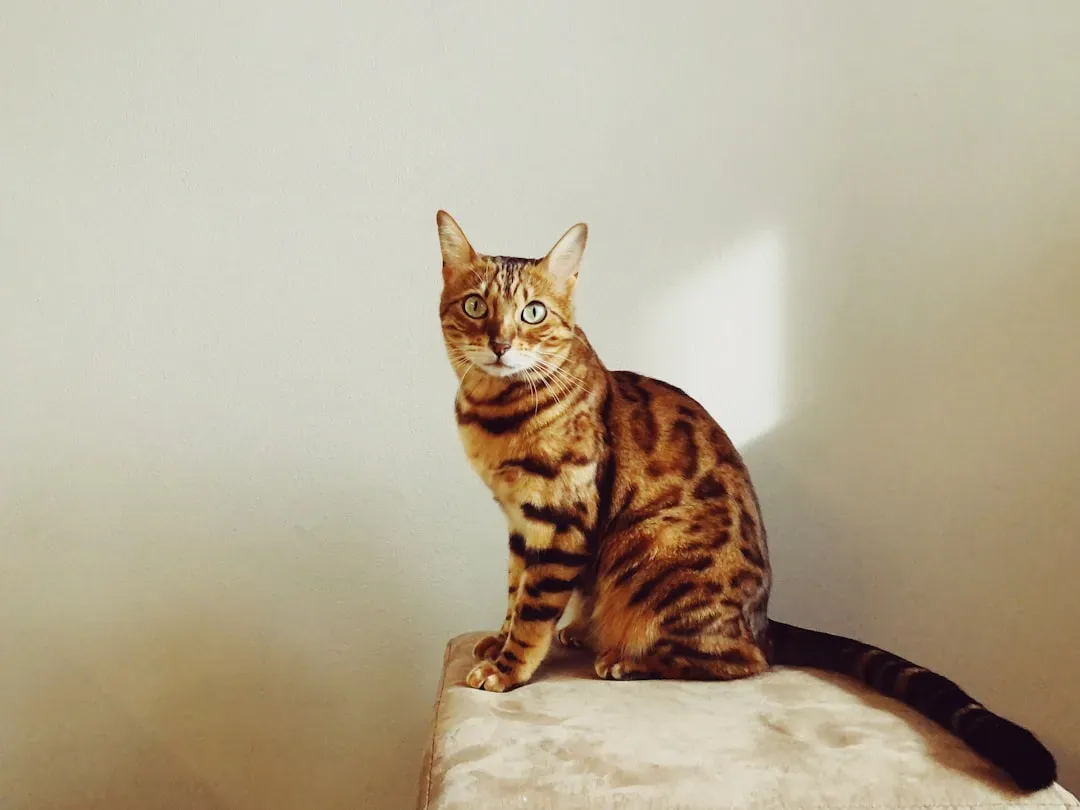
A hybrid cat breed combined with the spotted likes of the small and elusive Asian leopard cat, the Bengal is sure to be a top addition to any loving home. With its staking and untamed ancestry, aggressive traits in this particular breed are no real surprise. Their wild lineage means they carry a stronger prey drive than most domestic cats.
Bengal cats are high-maintenance, often leading to negative behavior if needs are unmet. Bengals are active cats and can wreak havoc on the furniture of nearby victims if they’re bored. These spotted beauties need constant stimulation, plenty of exercise, and activities that challenge their sharp minds. Without that outlet, you might come home to find your couch shredded and your Bengal looking entirely unapologetic. They’re not the cat for someone seeking a lazy lap companion.
Sphynx: The Attention-Seeking Diva
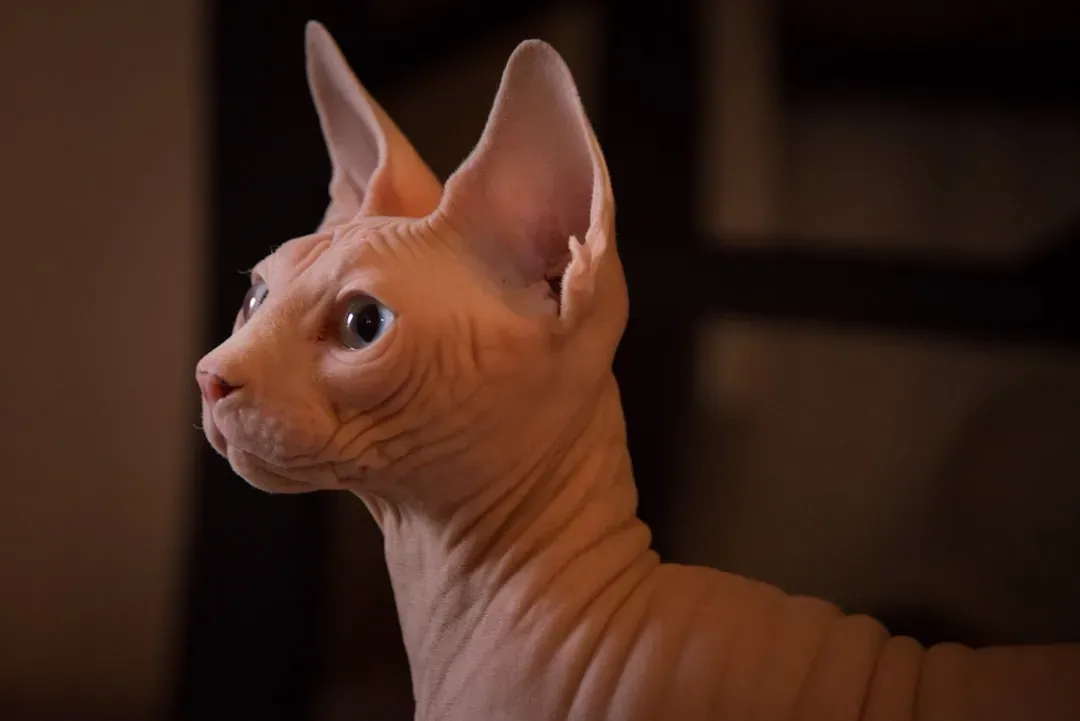
The hairless wonder of the cat world isn’t just demanding about temperature control. This breed is very demanding, which doesn’t just mean taking extra care of their skin due to a lack of fur. It also means the Sphynx cat always wants to be the center of attention. If they’re not getting the attention they desire, the Sphynx will act out to get what they want.
High intelligence, coupled with low stimulation, could result in a Sphynx that lashes out of boredom. Constant entertainment is necessary to avoid aggressive tendencies. These cats hate being alone for long periods and will follow you everywhere, demanding affection and entertainment. A bored Sphynx becomes a destructive Sphynx, launching surprise attacks at three in the morning or nibbling on your toes. They’re basically hyperactive toddlers with claws and zero sense of personal boundaries.
Turkish Van and Angora: The Twin Terrors
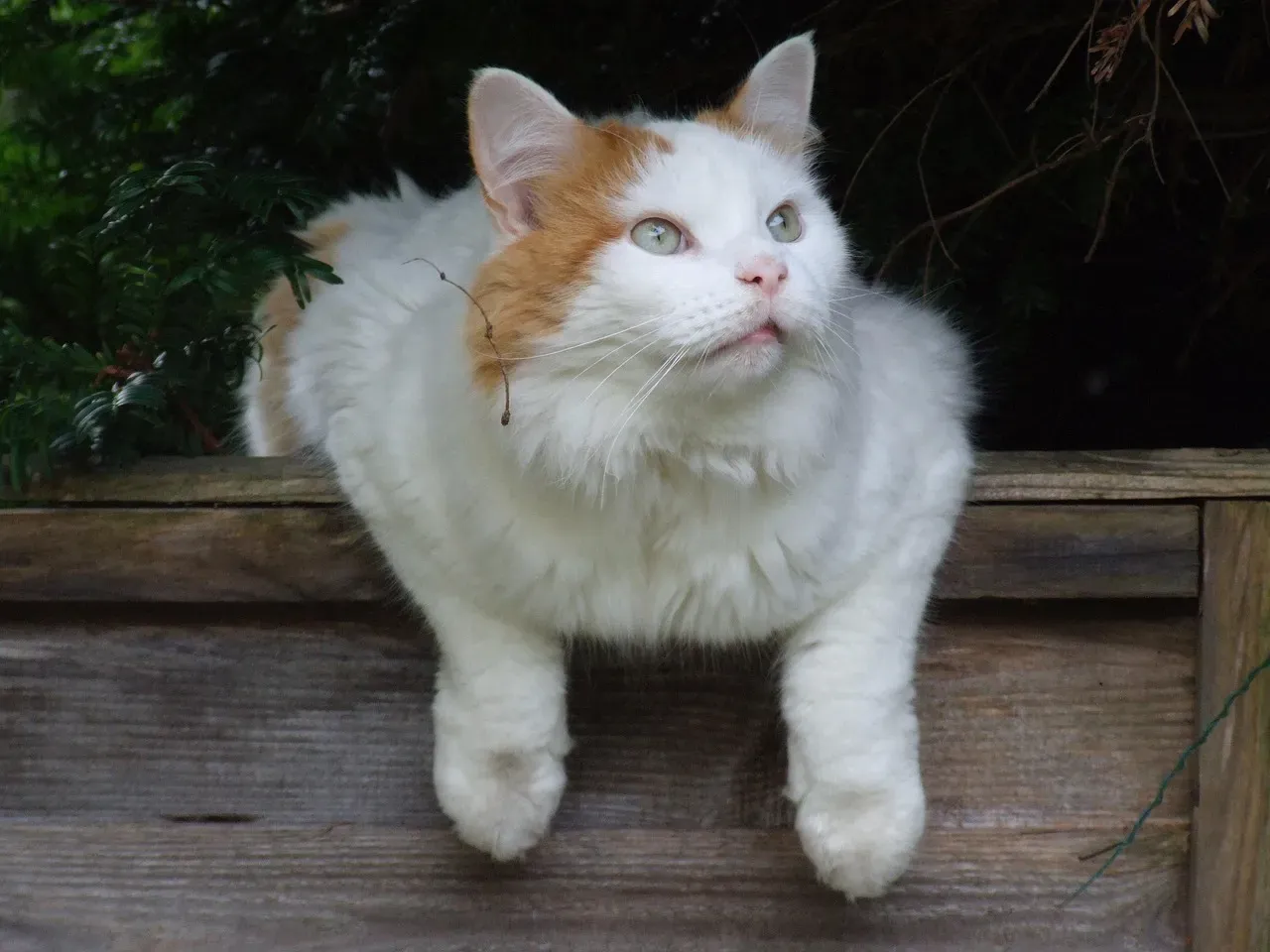
Here’s something interesting from scientific research. Turkish Van and Angora cats were the most aggressive towards both people and other cats. These cats formed their own cluster in behavioral studies, standing apart from other breeds in terms of their feisty temperament.
Turkish Van and Angora ranked first for most aggressive toward family members, strangers, and other cats. They’re extremely territorial and you’ll often find them staring out windows for extended periods, surveying their domain like tiny furry monarchs. If they don’t receive enough attention and pampering, they might redirect that frustration toward other pets or humans. They’re beautiful cats, no doubt, but they demand respect and won’t tolerate being ignored.
Scottish Fold: The Sensitive Sweetheart Gone Sour
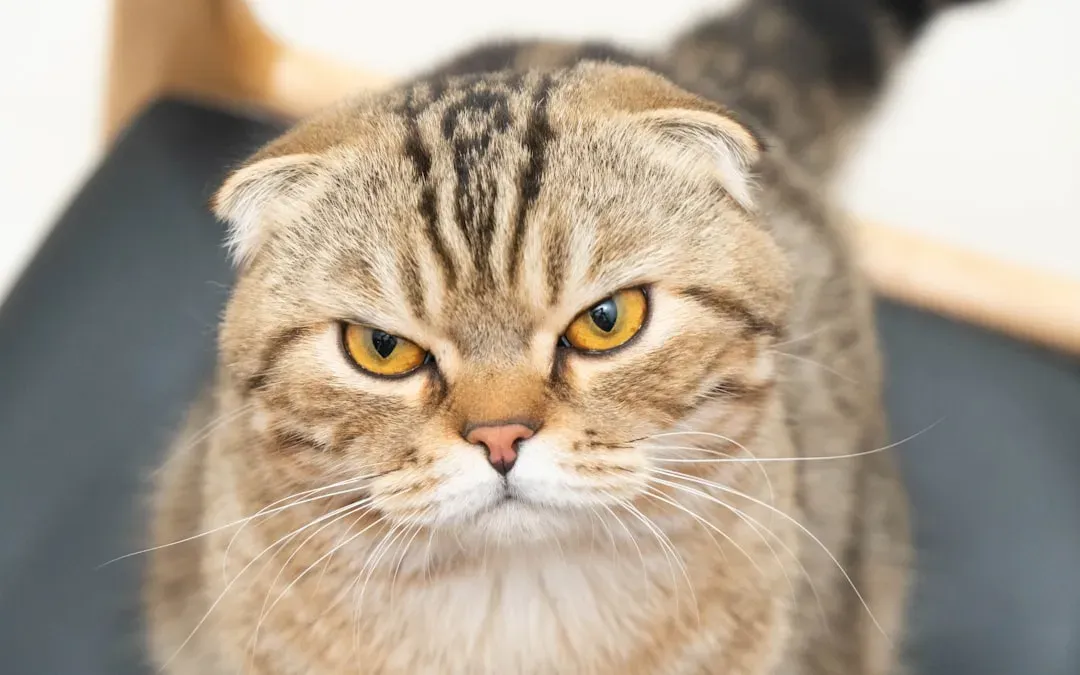
Those adorable folded ears and owl-like eyes can be deceiving. This breed is quite sensitive to change and may become aggressive when new pets are brought home. This cat is also not the friendliest toward babies and children. Their plump faces make them look like living teddy bears, but underneath that cute exterior is a cat who doesn’t like sharing the spotlight.
Although they are not as outwardly aggressive, they do have a feisty side if left on their own too much. Scottish Folds are known for being affectionate with their chosen humans, but they’re quite territorial about their established space. Introducing new animals into a household with a Scottish Fold requires careful planning and patience. They’re sensitive souls who need stability, and when their routine gets disrupted, they let you know about it.
Bombay: Small but Mighty
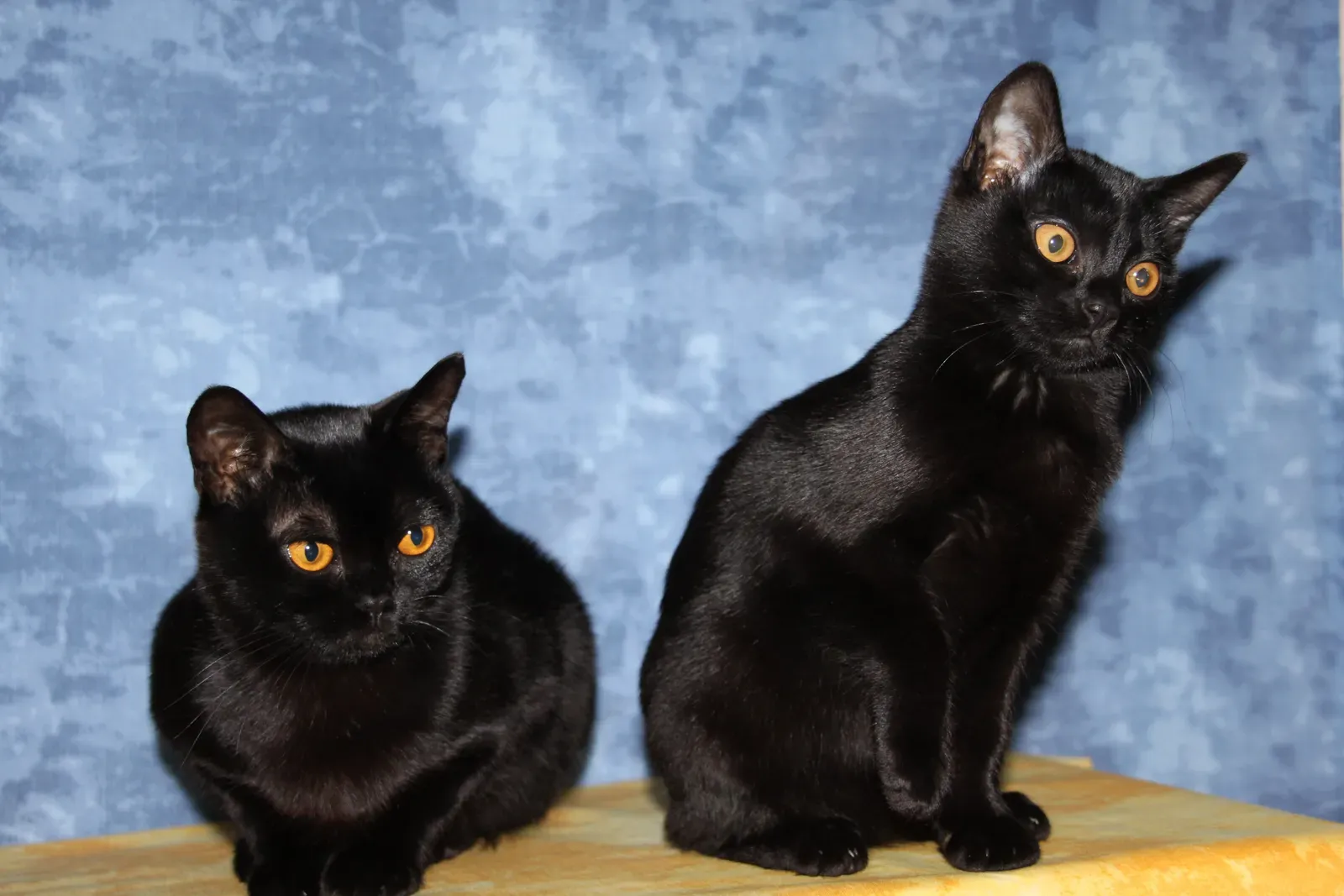
As the Bombay breed is a hybrid mix, they have numerous strong behavior traits. They are known to be both fearless and aggressive Don’t let their small to medium size fool you either.
They have sturdy and small-to-medium bodies, which means that they can be surprisingly forceful for their size during playfights. Much like the Siamese and Sphynx cat, the Bombay requires a significant amount of attention, which, when not met, can come out in aggressive tendencies. These sleek black cats are intelligent and playful, but they need consistent stimulation through activities and toys. Leave them to their own devices for too long and you’ll likely return to some creative destruction. They’re fearless little warriors who punch well above their weight class.
Pixie Bob: The Mini Wildcat
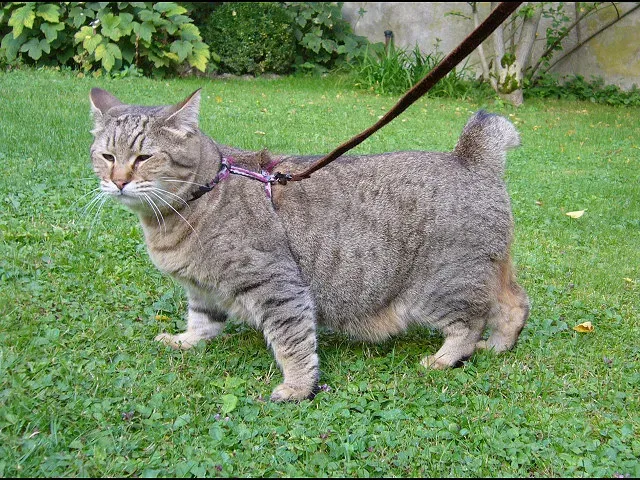
The Pixie Bob has more of a wildcat lineage, and because of this, they can be a bit more challenging to own and have a few more aggressive tendencies. They love hunting and stalking, and without proper socialization, they can bite. With their short bobbed tails and tufted ears, they genuinely look like they belong in the wilderness rather than your living room.
They are playful, intelligent, and affectionate, but Pixie Bobs also have a strong hunting instinct and a dominant personality. They can be territorial and bossy, especially if they feel challenged by other pets. While they usually get along with humans, they don’t tolerate being manhandled and may let you know with a firm bite or scratch if they’re not in the mood. Their robust build means their playfulness can get quite physical. If you socialize them properly and provide plenty of outlets for their hunting instincts through toys and playtime, they make fascinating companions.
Korat: The Jealous Guardian
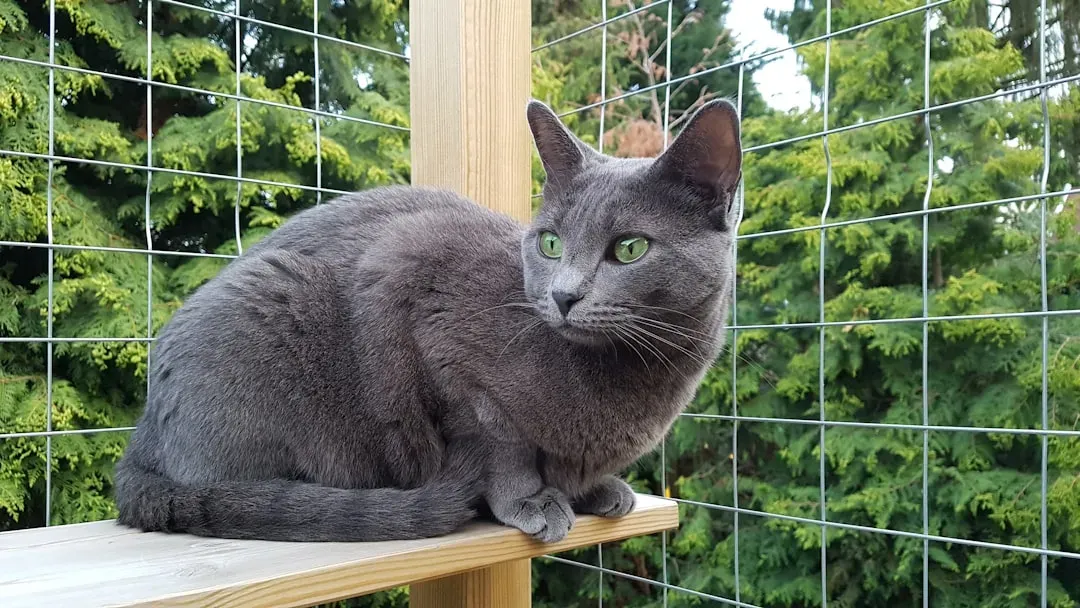
The Korat might surprise people unfamiliar with this lesser-known breed. These cats from Thailand have striking silver-blue coats and heart-shaped faces that make them absolutely gorgeous.
However, they require substantial amounts of attention and don’t appreciate being ignored. They’re not typically super aggressive, but if you’re not giving them what they want, they’ll find ways to get it. They’ll bat at you to demand attention, not necessarily to be mean but to communicate their needs. Still, that doesn’t make it any less startling when you’re minding your own business and a paw comes swatting at you out of nowhere. Korats are rare, intelligent, and they know exactly what they want from their humans.
Egyptian Mau: The Intelligent Hunter
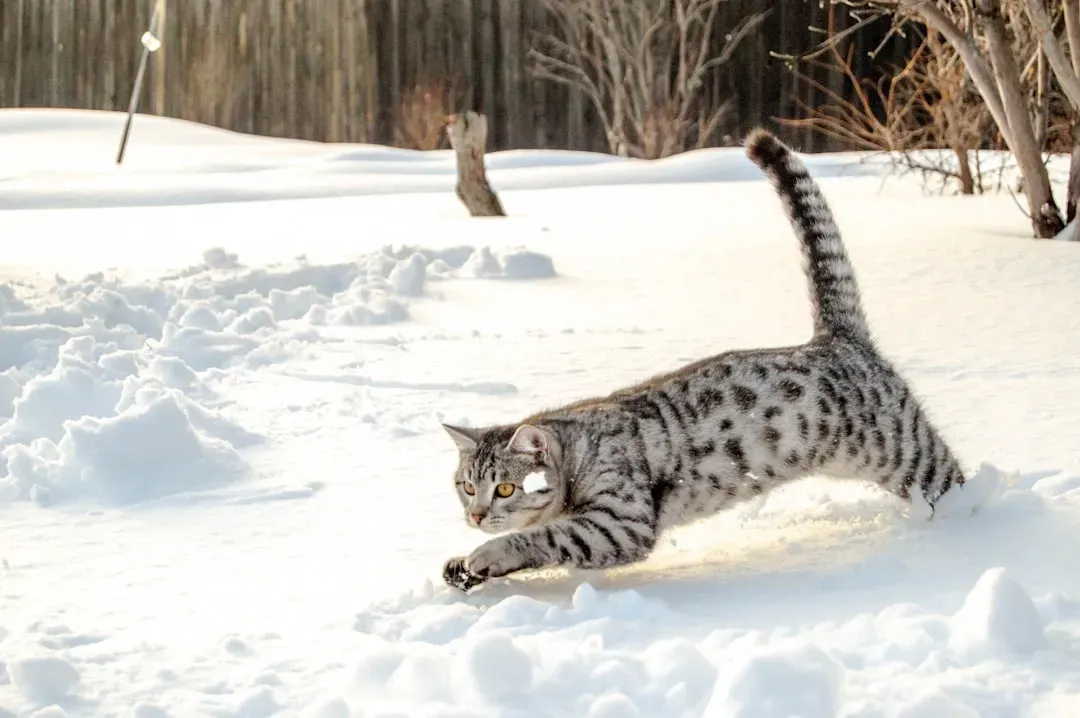
If you want a dog-like cat, the Egyptian Mau is the way to go. However, they are extremely intelligent cats, and if you don’t find ways to keep them mentally stimulated, they can lash out and be challenging to own. These natural-born hunters have the energy and instincts to match their ancient heritage.
They’re not particularly cuddly and prefer their personal space. Try to hug or snuggle an Egyptian Mau and you might find yourself with an armful of empty air as they bolt away. They need plenty of time outdoors or engaging activities indoors to channel their hunting drive. Without proper mental stimulation, their frustration builds and they become difficult to manage. They’re beautiful, athletic cats who thrive when given opportunities to exercise both their bodies and their considerable intelligence.
Singapura: The Tiny Troublemaker
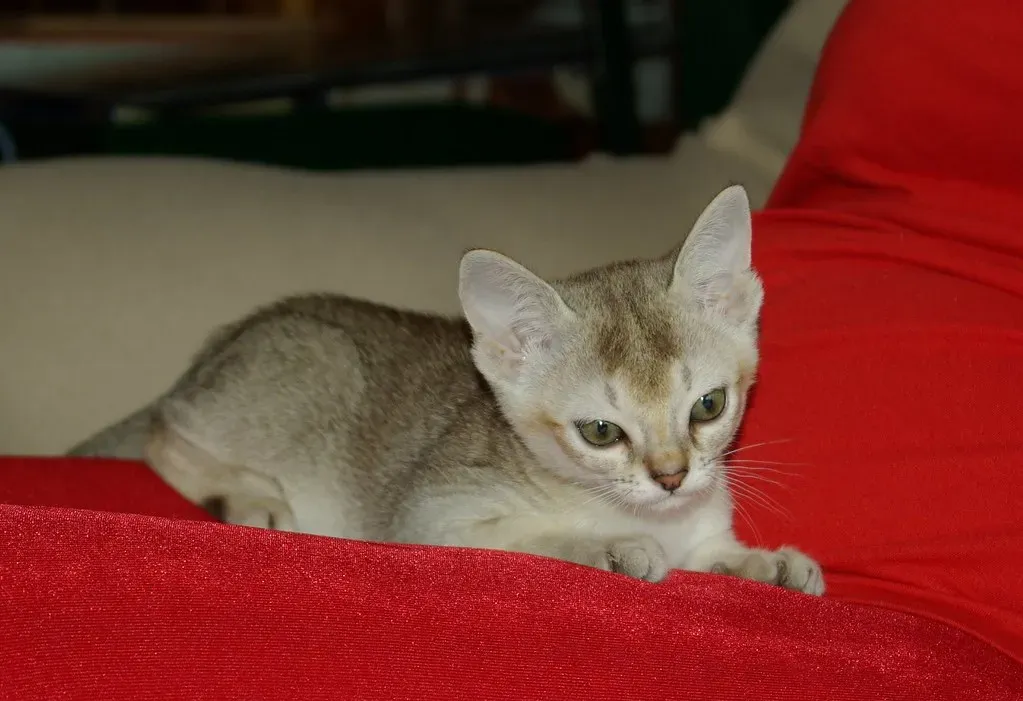
Weighing just 4-8 pounds, they are one of the smallest cat breeds in the world, but don’t let their tiny size fool you. These little dynamos have huge personalities, endless energy, and a knack for getting into mischief. Honestly, it’s hard to believe something so small can cause so much chaos.
They love to climb, explore, and stick their noses into everything, often surprising their owners with their daredevil antics. They are social, curious, and love being the center of attention, which means they will follow you everywhere. If ignored, they’ll find creative and sometimes destructive ways to get noticed. These fun-sized felines are basically furry tornadoes of energy and curiosity. Their aggression typically stems from boredom or feeling neglected rather than actual malice. Keep them entertained and you’ll have an adorable, pint-sized companion who keeps life interesting.
Understanding the Bite Behind the Behavior
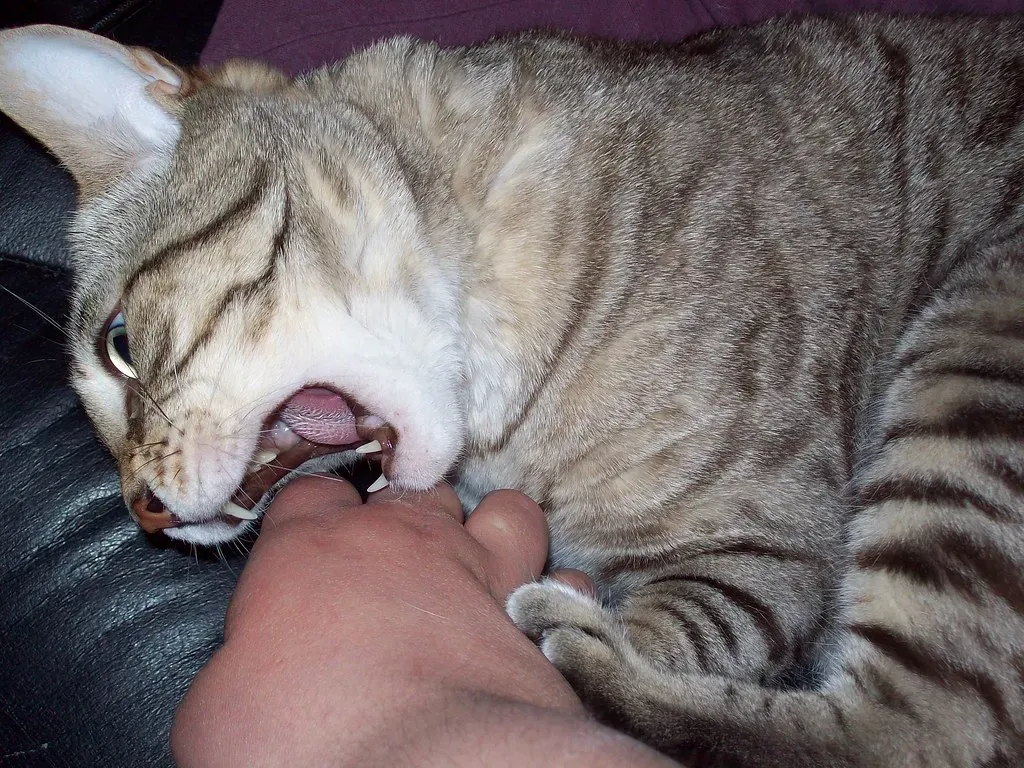
Here’s the thing that needs emphasizing. No cat breed is known for outright aggression. But some cat breeds are quicker to snap or lash out than others. The breeds we’ve explored aren’t inherently mean or dangerous. Their behavior often stems from unmet needs, lack of proper socialization, or environmental factors.
Aggressive behaviors in cats often stem from fear, stress, and anxiety, not anger, spite, or other reasons that humans usually use to explain a cat’s aggressive behavior. Understanding this changes everything. These cats aren’t plotting against you. They’re communicating the only way they know how when their needs aren’t being met. With patience, proper socialization, and meeting their physical and mental stimulation requirements, even the feistiest breeds can become loving companions. Every cat deserves a chance to be understood rather than judged solely on breed stereotypes.
Did any of these breeds surprise you? What do you think about breed temperaments versus individual personality?