10 Cat Breeds That Tend to Communicate With Their Humans in Ways That Go Far Beyond Meowing
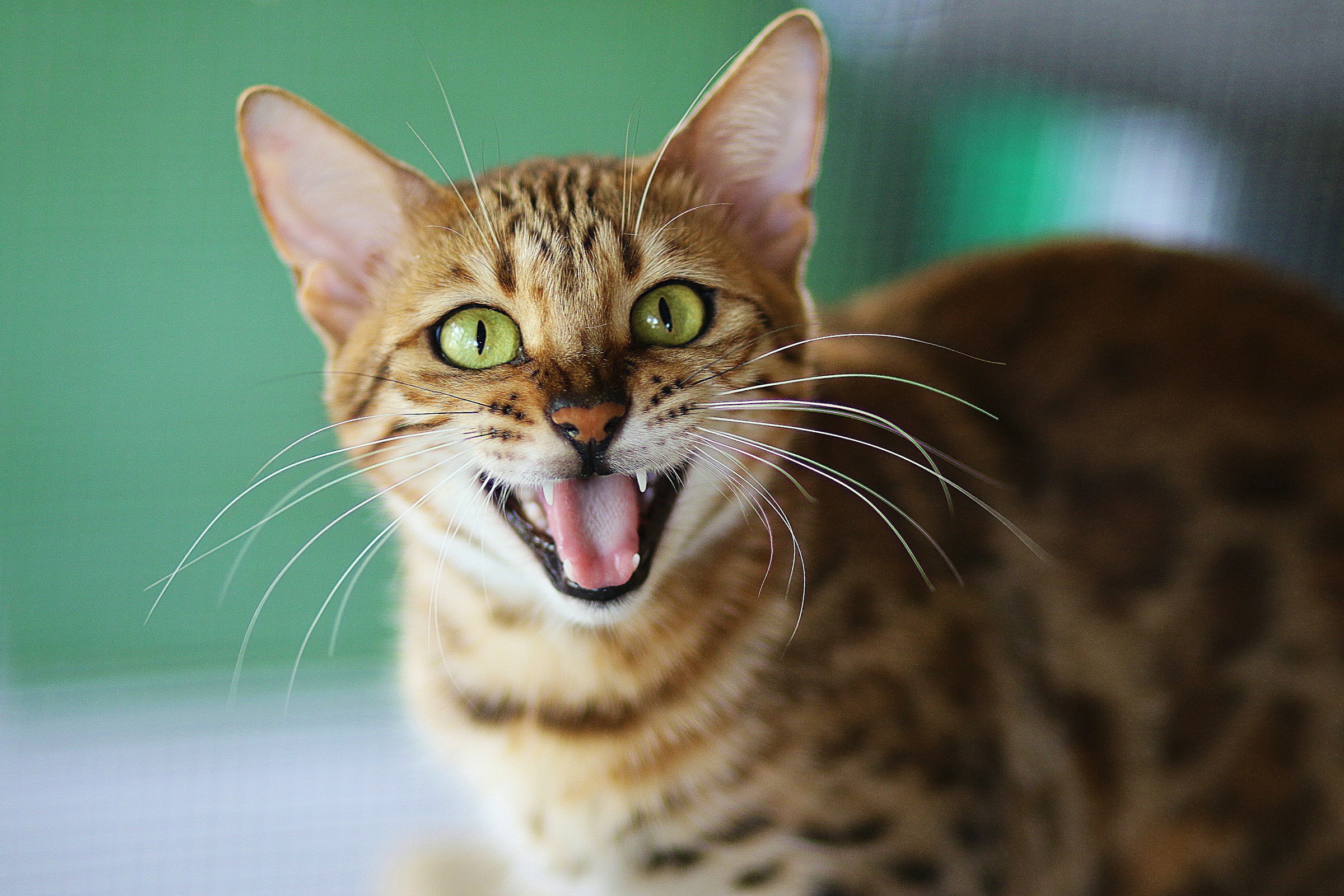
You already know your cat is talking to you, even when no sound comes out. The slow blinks, the tail flick, the deliberate way they choose exactly where to sit on your laptop keyboard – none of that is random. Some cat breeds, though, seem almost obsessed with getting their point across, using their whole bodies, their routines, and even their problem‑solving skills to keep a running dialogue with you all day long. What you are about to notice is that “talkative” does not always mean loud. Many of the most communicative cats use subtle signals: a particular chirp when they want you to follow, a very specific stare when they want you to open a door, or a dramatic flop on the floor that clearly means “you, now, belly rubs.” As you read through these ten breeds, you might suddenly realize your own cat has been having full‑on conversations with you for years – you just did not have the vocabulary for it yet.
Siamese: The Drama Communicator
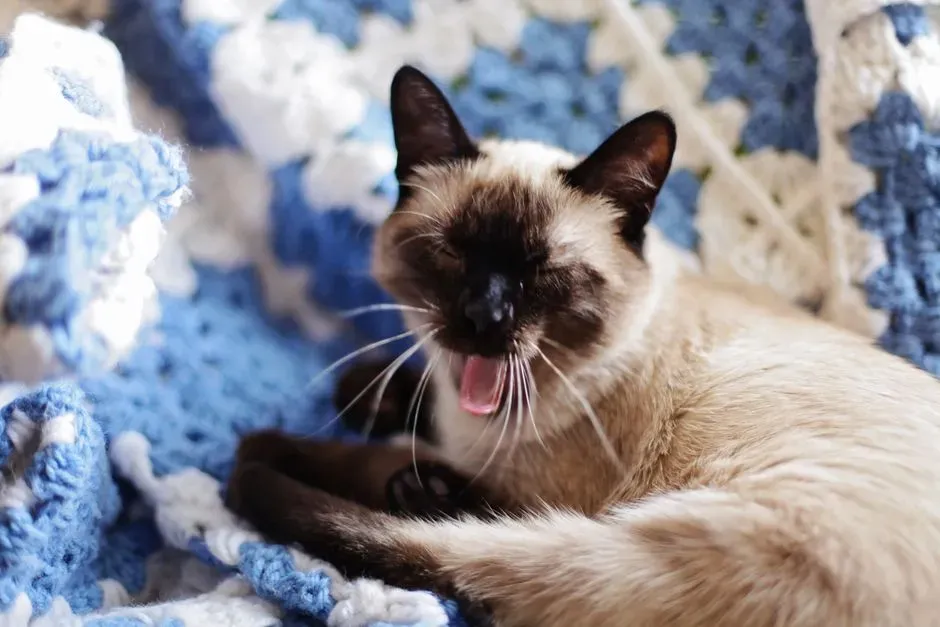
If you live with a Siamese, you already know you are not just a pet owner – you are part of a theater production. Siamese cats are famously vocal, but what you really notice is how they combine their yowls, trills, and chirps with intense eye contact and body language. They will pace, follow you from room to room, and sit facing you as if expecting a response, making it feel like you are having an ongoing argument about dinner or bedtime. You will also see your Siamese using touch and positioning as a kind of language. They may tap you with a paw when they want you to move, climb onto your shoulders to redirect your attention, or wedge themselves between you and your phone to signal that screen time is officially over. Over time, you learn to distinguish the different moods in their voice and movements – bored, cheerful, annoyed, or downright offended – and they absolutely seem to expect that you respond appropriately.
Abyssinian: The Curious Collaborator
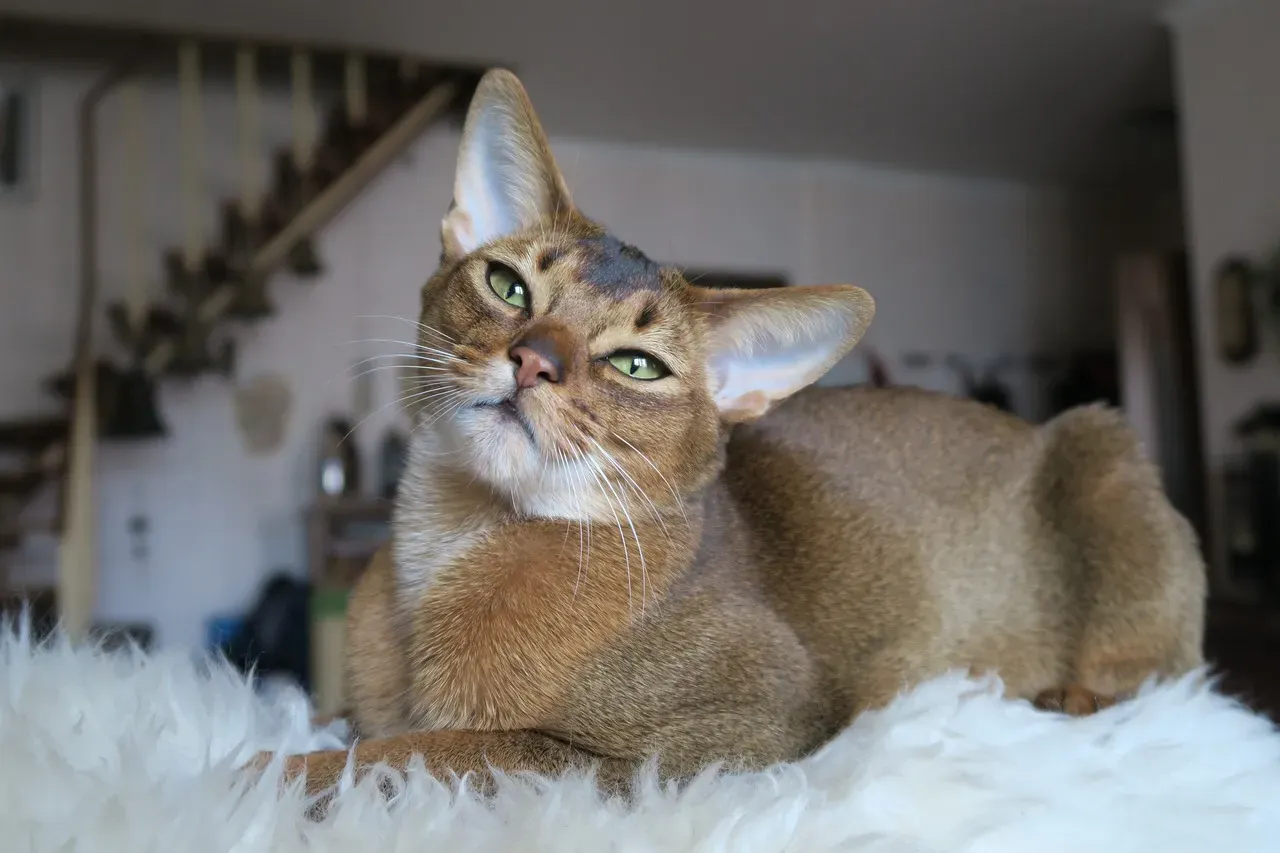
An Abyssinian tends to communicate less with loud meows and more with constant involvement in your life. You will notice they prefer soft chirps, quiet mews, and attentive gazes while they shadow you from task to task. When you open a cabinet, they peek in; when you sit down, they arrive within seconds, often tilting their head or flicking their tail in a way that clearly says they are evaluating what you are doing. You might feel like you are living with a tiny, furry project manager. Your Abyssinian will often hop onto counters, desks, or shelves to get eye‑level with you, then use gentle touches, nose boops, or playful swats to redirect your focus. They tend to use routines – like greeting you at the door, leading you toward their favorite perch, or circling your legs at certain times of day – as a way of saying “follow me, I have plans,” and after a while, you instinctively know what each ritual means.
Maine Coon: The Gentle Conversationalist
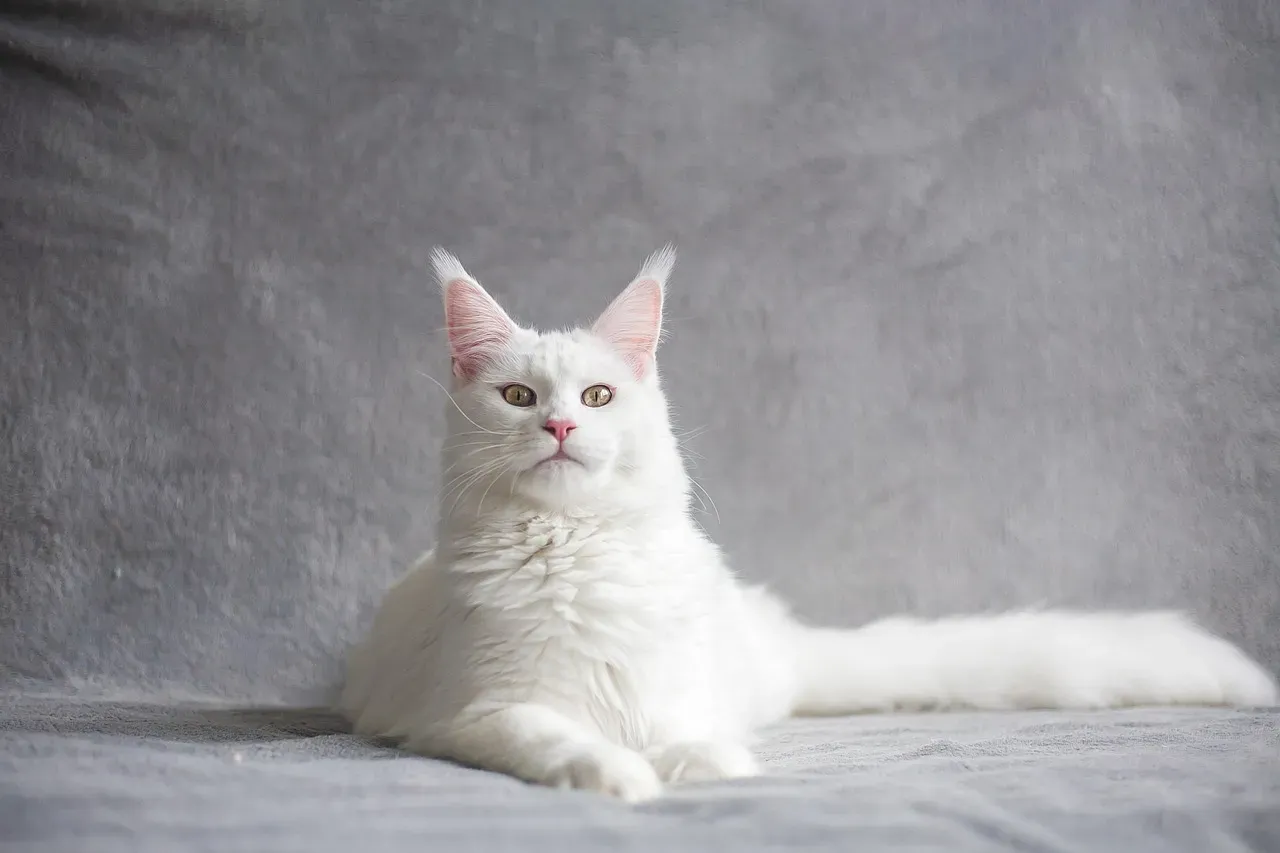
A Maine Coon might look like a small forest creature, but you will probably be surprised by the softness of their voice. Instead of classic meows, you are more likely to hear chirps, trills, and warbling sounds that they toss your way while padding around the house. They often chat as they walk, responding when you speak and sometimes even seeming to answer back if you say their name, which can make your home feel like it has a very opinionated roommate. Beyond sound, a Maine Coon uses their size and presence to communicate. They may stretch out across a doorway so you cannot pass without noticing them, or carefully position themselves next to you with one large paw resting on your arm as if to anchor you there. Their habit of making soft eye contact, then slowly closing their eyes in relaxed blinks, feels like a calm reassurance that you and they are on the same wavelength – no drama, just an easy, steady conversation.
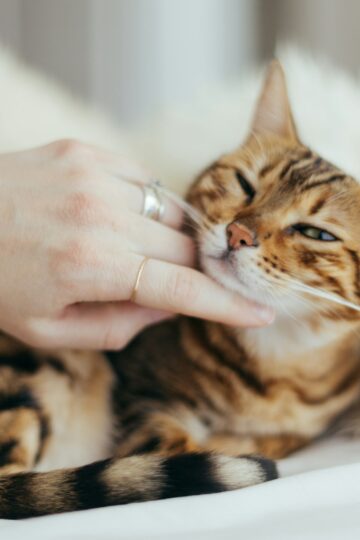
Bengal: The High‑Energy Storyteller
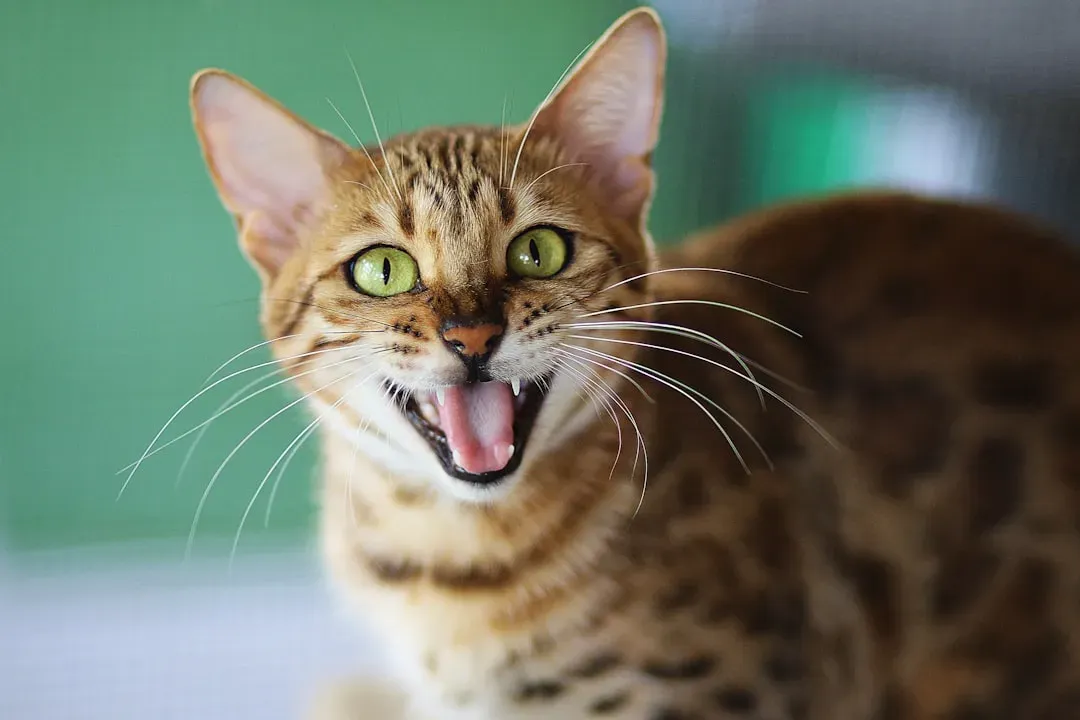
With a Bengal, communication is a full‑body experience. These athletic cats often combine vocal sounds – from chirps to longer, almost complaining meows – with dramatic movements like leaping ahead of you, racing to a window, or pawing at something they want you to notice. When they want to play, you will see it instantly: they may stare straight at you, wiggle their rear, and then dash off, clearly expecting you to follow with a toy in hand. You also get a lot of “look at this” behavior with a Bengal. They might lead you down a hallway, repeatedly glancing back to make sure you are coming, or tap objects like doors, cabinets, or even faucets in a way that tells you exactly what they want you to interact with. When your Bengal is mentally under‑stimulated, their communication can become more insistent – louder vocalizing, strategic mischief, or intense eye contact – basically their way of saying that a bored wild‑at‑heart cat is a problem you need to solve right now.
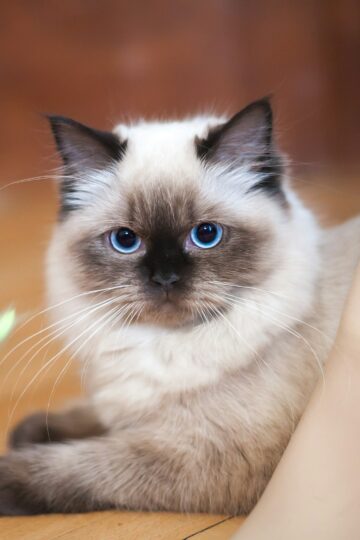
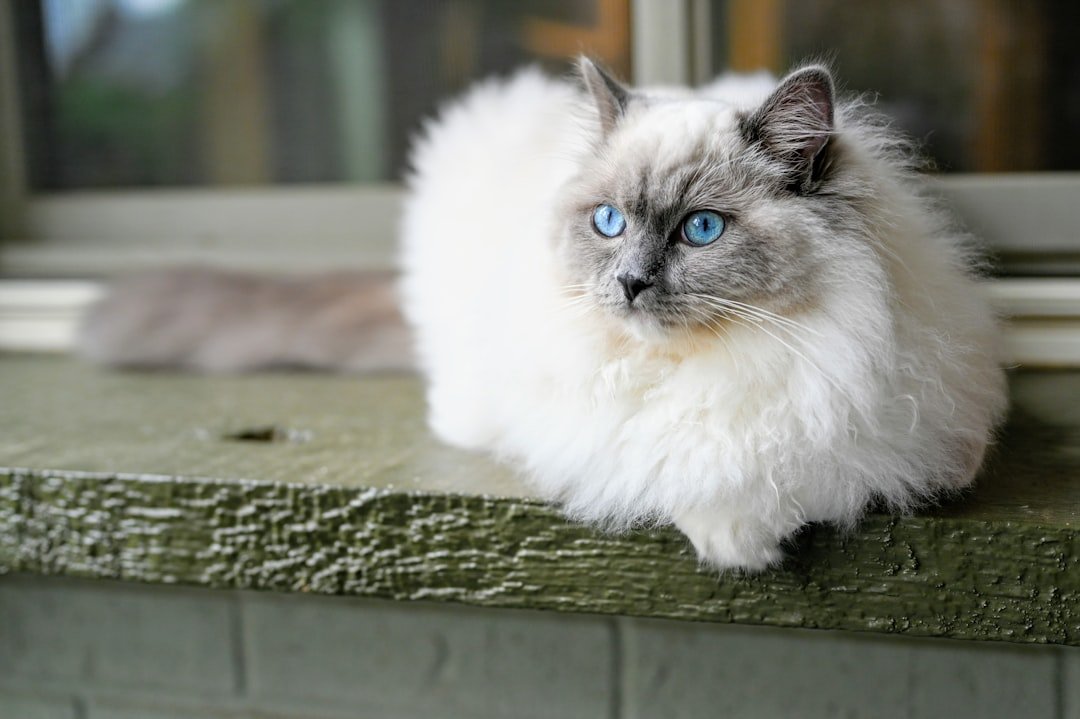
Ragdoll: The Velcro Diplomat
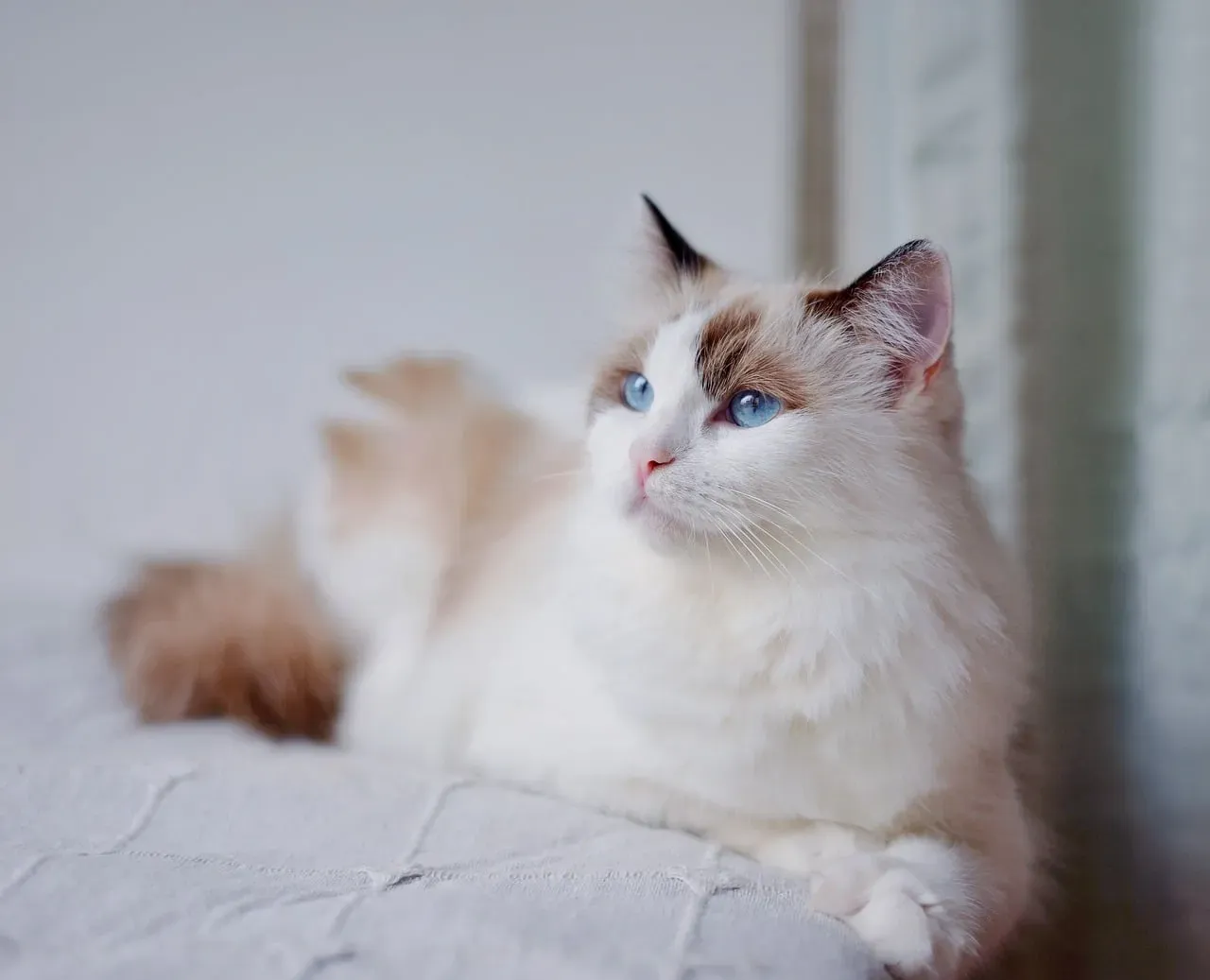
Ragdolls are not usually loud talkers, but they are incredibly clear communicators if you pay attention to how they use physical closeness. You will often find your Ragdoll following you quietly from room to room, then settling either right beside you or partly on you, as if they are politely reminding you that your primary job is to be a human cushion. Their soft, almost questioning meows tend to come when you change position or leave a room, like they are checking whether you still remember that they exist. They also send powerful signals through relaxation and limpness. When a Ragdoll flops in front of you or melts in your arms, they are broadcasting trust and comfort, and they often repeat this when they want affection or reassurance. A lot of their communication is about emotional temperature: if you are stressed or moving fast, they may plant themselves in your path, look up with wide, calm eyes, and seem to suggest you slow down and sit, turning themselves into a fuzzy grounding tool.
Oriental Shorthair: The Opinionated Commentator
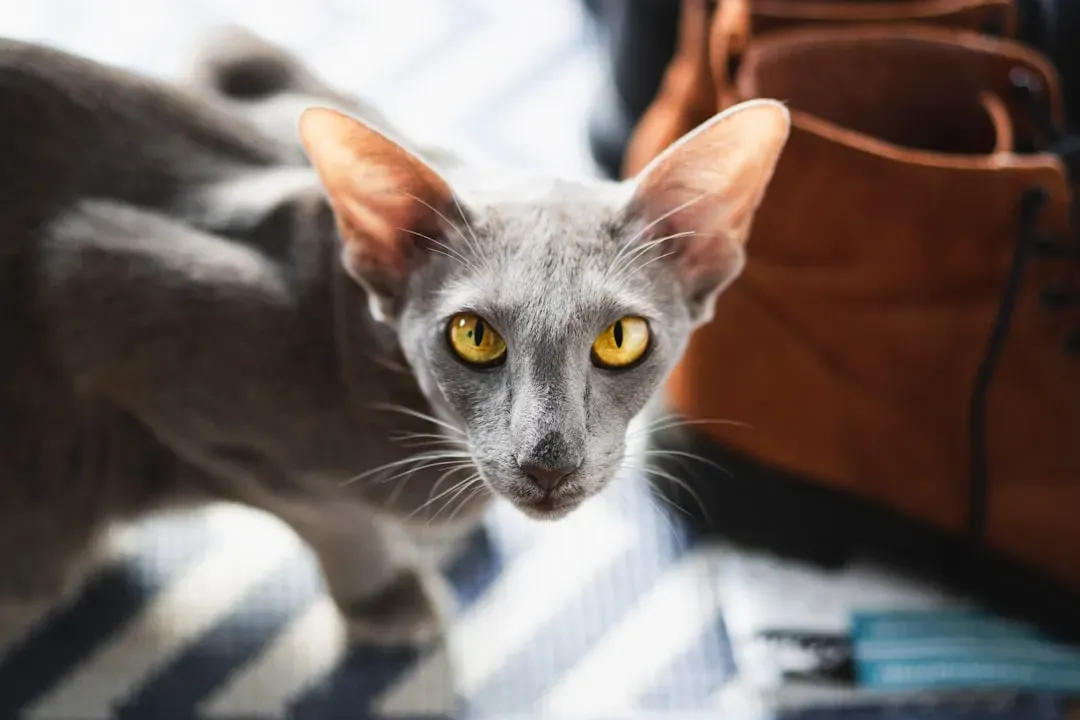
If you live with an Oriental Shorthair, you do not just get updates, you get commentary. This breed is closely related to the Siamese, and you will hear it in the confident, expressive voice that seems to have something to say about everything – from you opening a window to you getting dressed. Their vocal range is impressive, and they often match their sounds to their body language, walking around with their tail high and ears alert as they “narrate” the day. You will also notice that your Oriental Shorthair tends to make strong eye contact and reacts quickly when you speak back. They may twist their head, respond with another vocal sound, or march over to you as if offended that you did not fully understand. They often perch on high spots to oversee the household, then come down specifically to interact when you move or speak, creating a feedback loop where you start talking to them almost as much as you talk to the humans in your home.
Biscuit
Biscuit is looking at you hopefully.
Sphynx: The Touch‑Focused Social Butterfly
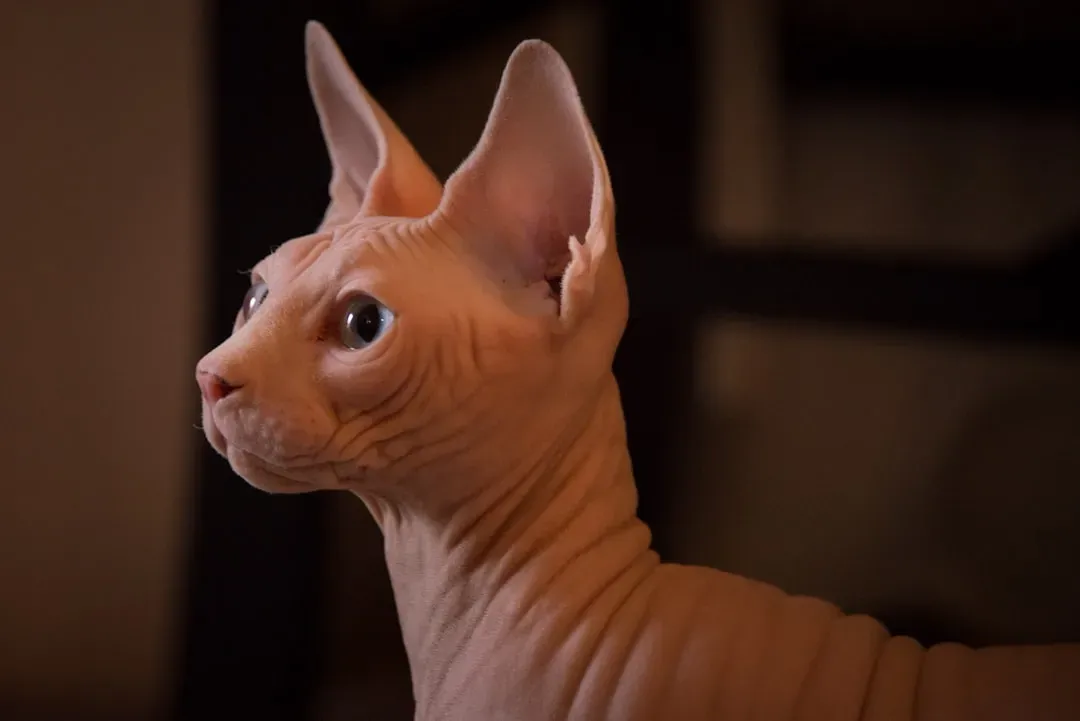
With a Sphynx, communication is incredibly physical and social. Because they have little or no fur, they often seek out your body heat, curling into your lap, climbing under blankets, or pressing right up under your chin. This constant contact becomes a language of its own, where you can tell when they want warmth, comfort, or just your attention based on how insistently they try to climb onto you, even if they only make soft, quiet sounds. You will likely find that your Sphynx acts almost like a tiny, extroverted person. They tend to greet you at the door, follow you into the bathroom, and join any group activity by inserting themselves into the center. They often use their paws like hands, reaching out to tap your face, pull your fingers toward them, or lightly pat objects they want you to investigate. Over time, those little gestures feel as clear as spoken requests, because your Sphynx repeats them consistently until you learn what each one means.
Turkish Van: The Water‑Loving Signal Sender
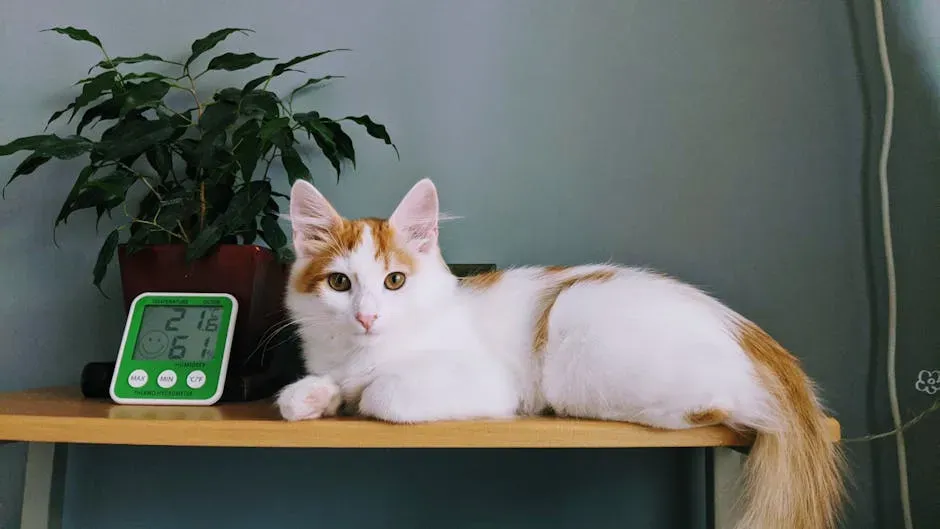
The Turkish Van is well known for its unusual interest in water, and that trait becomes part of how they communicate with you. You may see your Van pawing at faucets, dipping their feet into water bowls, or jumping into tubs and sinks, then looking straight at you as if asking you to join or at least turn the water on. Their body language around water is often animated and purposeful, and you quickly realize that these “stunts” are actually requests for a specific kind of play. Beyond water, a Turkish Van tends to use movement and space very actively. They may race across the room, vault onto furniture, then pause and stare at you, inviting you to interact. When they want quiet closeness, they often pick intentional spots – your pillow, your desk, the arm of your chair – and settle there while watching you with soft, steady eyes. Their communication style feels bold and direct: they are not shy about making their preferences obvious, and they seem to expect you to be smart enough to keep up.
Scottish Fold: The Subtle Emotional Mirror
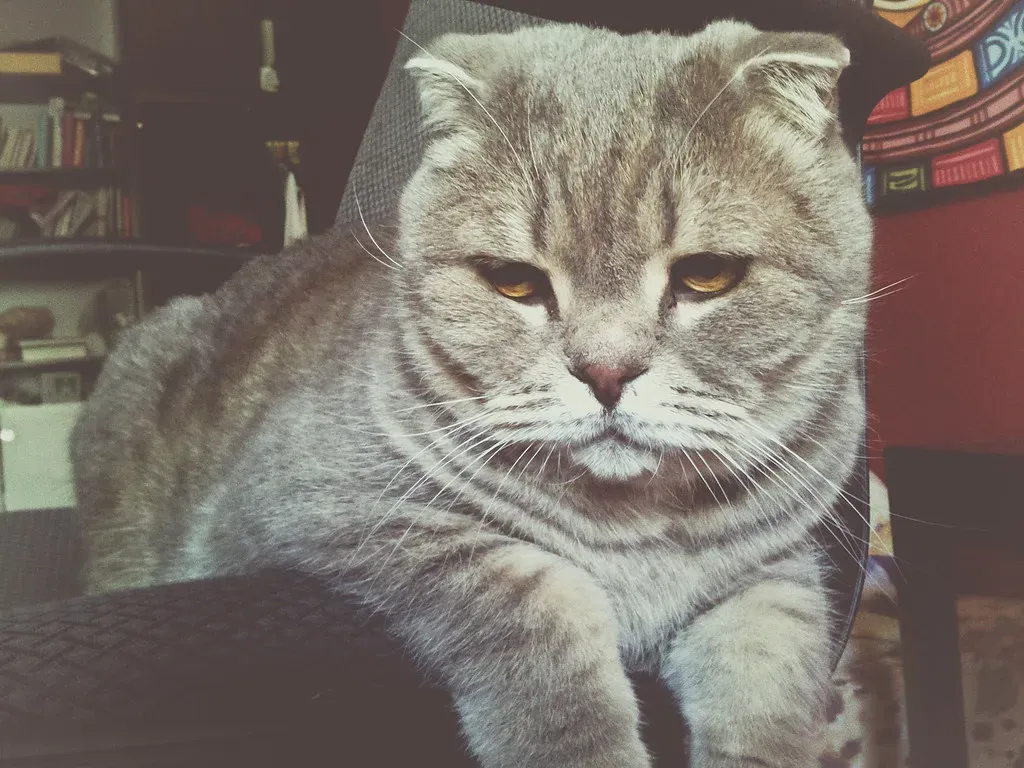
Scottish Folds might not shout their needs, but they are surprisingly expressive in delicate ways. You will see it in their wide, rounded eyes and their habit of holding unusual sitting positions, like sitting upright or curling their paws in, which often feel like visual signals. When they want attention, they may simply come and sit facing you, watching quietly until you notice, rather than meowing loudly or causing chaos. Over time, you might feel like your Scottish Fold is reflecting your mood back to you. On calm days, they may move more slowly, blink at you gently, and tuck themselves nearby without fuss. When you are more animated, they can become more playful, batting at toys you move or trotting after you as you walk around. Their communication is often about presence and expression: small changes in posture, ear angle, and where they choose to sit can tell you a lot, but only if you slow down enough to read them.
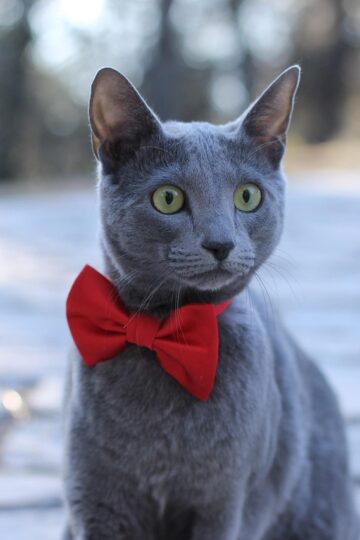
Bombay: The Shadow That Speaks Volumes
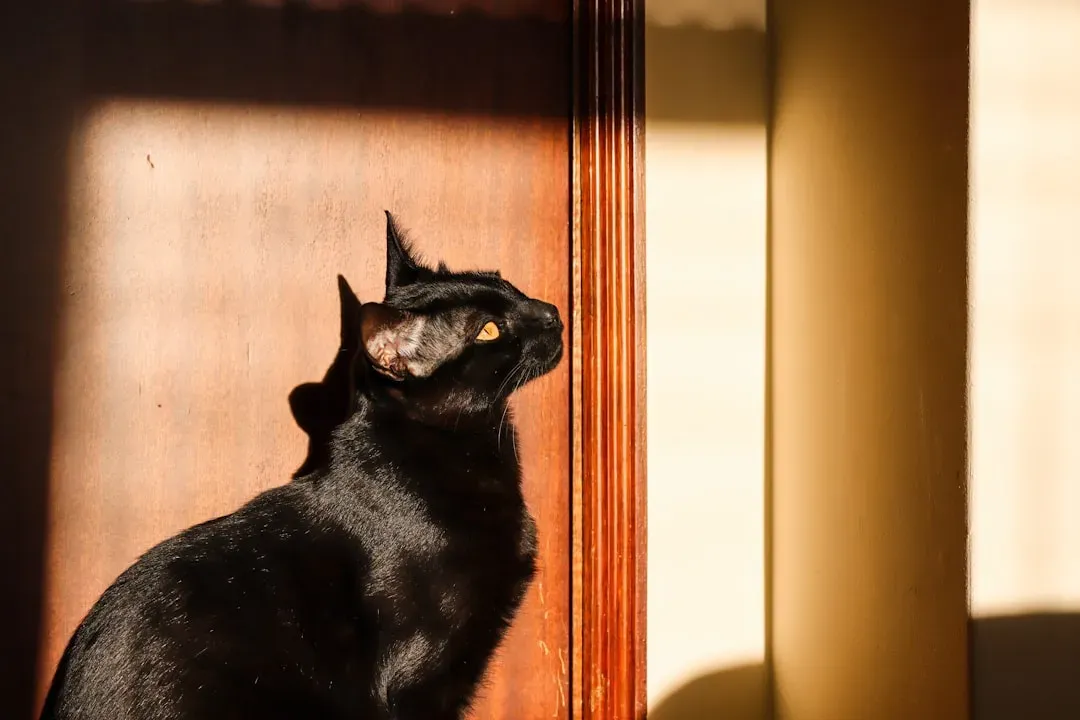
A Bombay cat often becomes your shadow, and that shadowing behavior itself is part of their communication style. You will notice them padding behind you from room to room, sometimes staying just close enough that you can feel them but not necessarily hear them. When you stop, they stop; when you sit, they appear beside you, often making soft, brief sounds as if they are checking in and confirming that the two of you are still a team. Their sleek black coat and striking eyes make their nonverbal signals especially noticeable. A Bombay may stare at you with an intense, focused look when they want food, play, or a door opened, holding that gaze until you respond. They often like to be physically close – on your lap, pressed against your leg, or curled under your arm at night – and they use that closeness like a language, clearly saying that being near you is their default state, not an occasional treat.
Conclusion: Learning to Hear the Conversation That Never Stops
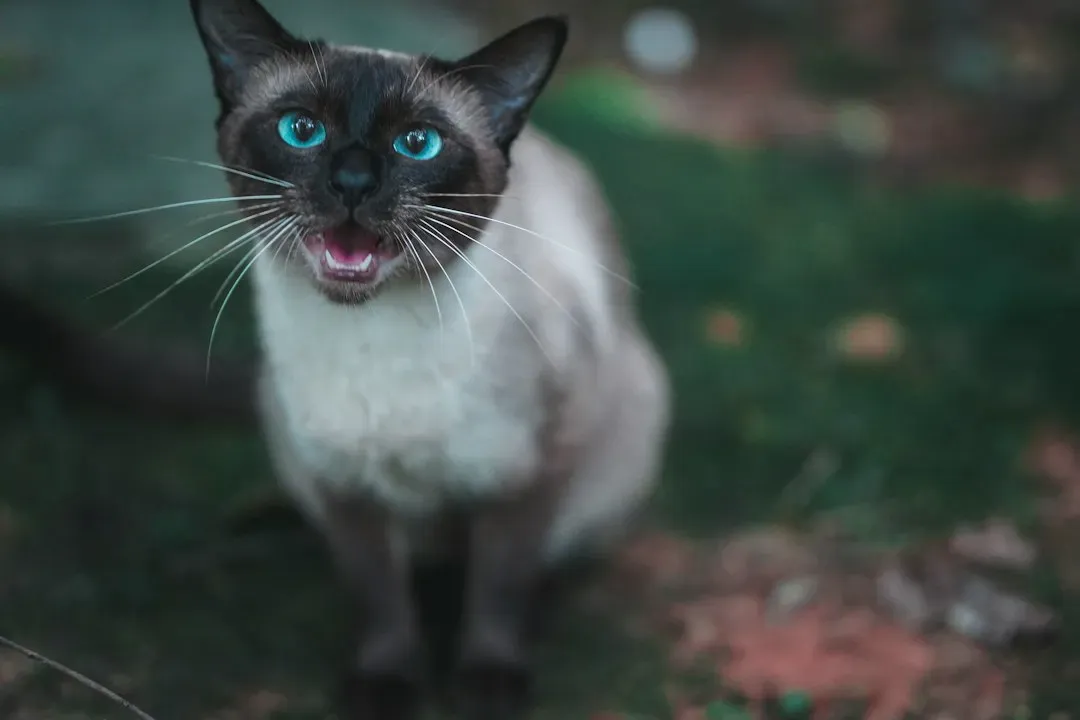
Once you start paying attention, you realize your cat has been having layered, complex conversations with you all along. These breeds just happen to turn the volume up, whether through dramatic vocalization, constant touch, intense eye contact, or creative use of routines and space. You are not just hearing random sounds or seeing cute quirks – you are watching a whole communication system in action, customized to you and your home. The most surprising part is how quickly you adapt. You begin to know the difference between the “feed me” stare and the “come sit with me” flop, and you respond automatically, like you are fluent in a language you never set out to learn. In the end, that is the magic of living with these highly communicative cats: they do not just live in your house, they share a conversation with you every single day – and it only gets richer the more you listen. Now that you see it this way, what is your cat really trying to tell you today?