Most people glance at their cat’s whiskers and see a charming detail, a pair of long, elegant hairs framing a curious face. They might even reach out to touch them without giving the matter a second thought. What few realize is that those delicate strands represent one of the most sophisticated sensory systems in the animal kingdom, quietly doing remarkable work around the clock.
Your cat’s whiskers reveal things about biology, behavior, and even emotion that most owners never stop to consider. Once you understand what’s actually happening beneath the surface, the way you watch your cat move through the world will genuinely change.
1. Whiskers Are Not Ordinary Hair
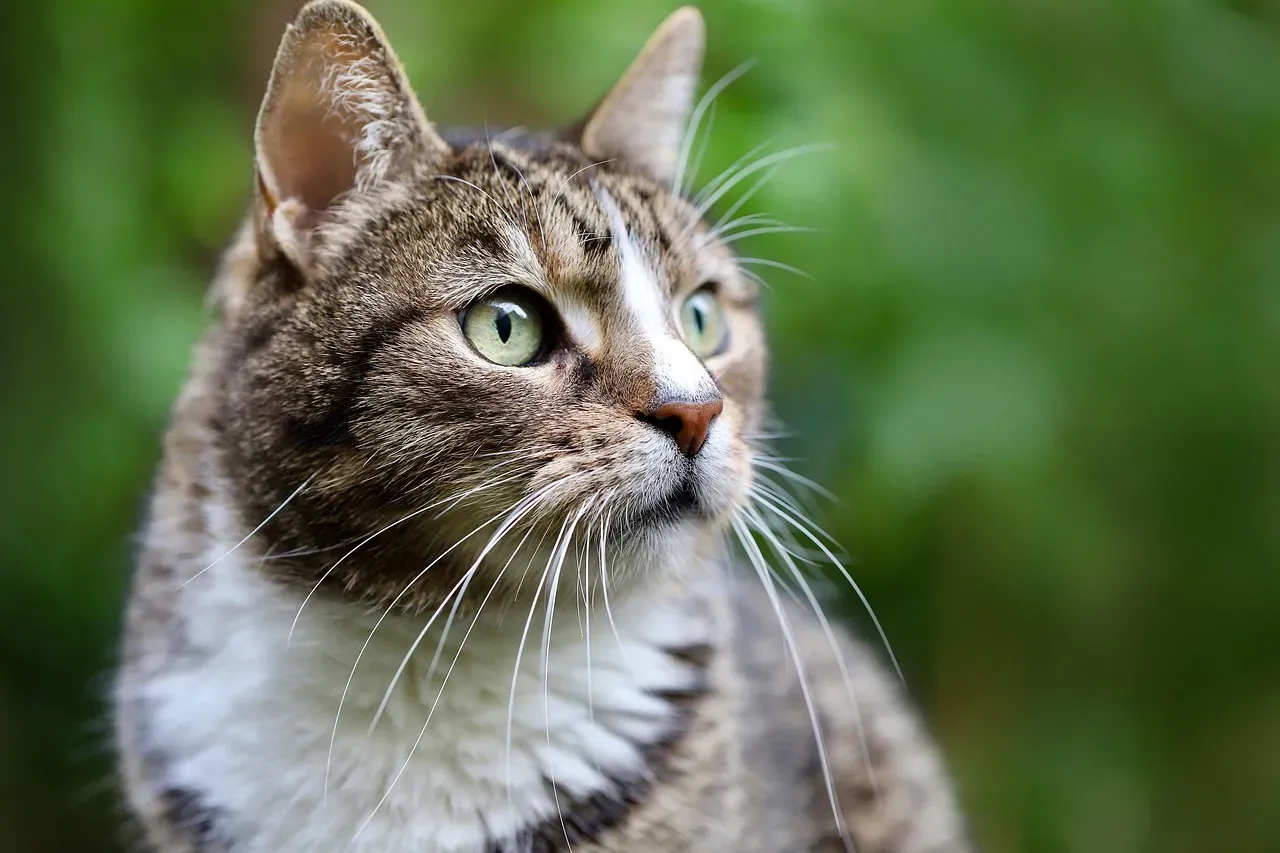
It’s easy to assume whiskers are just longer, thicker versions of regular cat fur. They’re not. While cats are covered in hair, their whiskers are fundamentally different from their regular coat. Whiskers are coarser, thicker, and rooted three times deeper than normal hairs, making them incredibly sturdy and sensitive sensory instruments.
Whiskers consist of a fibrous protein called keratin, just like hair, nails, and even feathers, but they’re much thicker and stiffer than regular hair or fur. Their anatomy shows specialized hairs called vibrissae that embed themselves three times deeper into the skin, with follicles containing an intricate network of nerves and blood vessels that make these structures work as sensory organs rather than just thicker hairs.
2. The Word “Vibrissae” Tells You Everything
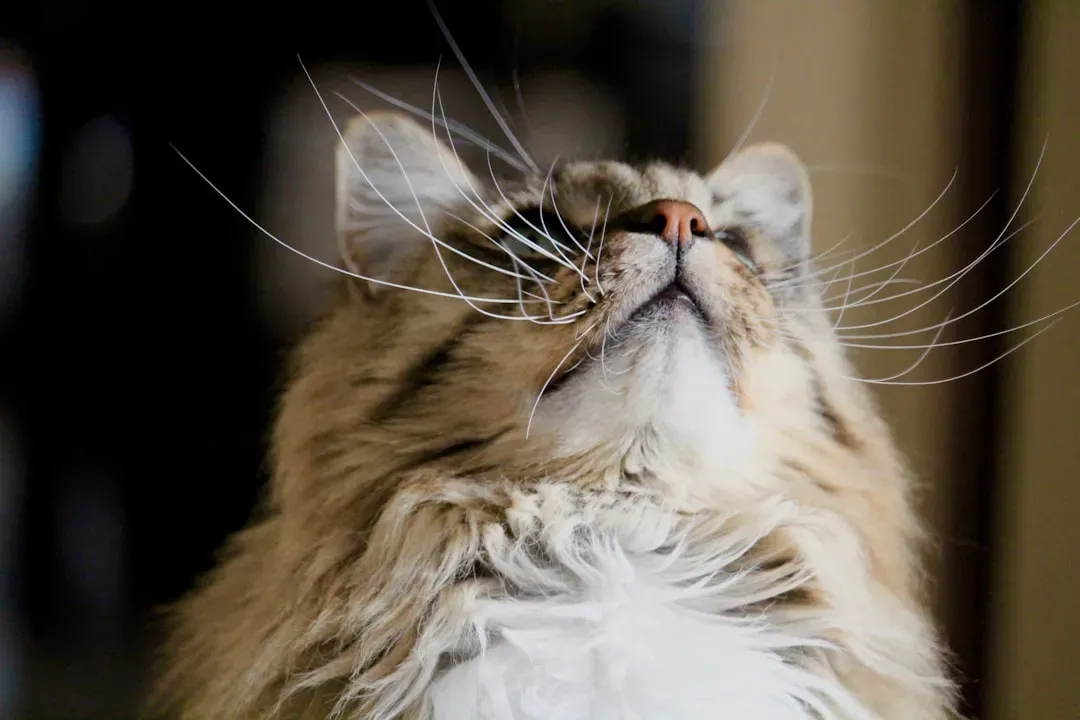
The official title for whiskers is vibrissae, which comes from the Latin “vibrio” and means “to vibrate.” The hair follicle of your cat’s whiskers is loaded with nerves, and the whisker tip features a sensory organ known as a proprioceptor. Together, this makes them incredibly sensitive to vibrations and changes in the environment, so cats use them like an additional sense to understand the world.
At the tip of each whisker is a sensor called a proprioceptor. This detects vibrations, such as changes in air currents, and transmits them back down the shaft of the whisker into the follicle, or hair root. The follicle is connected to more blood vessels and nerve endings than a regular hair follicle, making it very receptive to the vibrations the whisker picks up. That information is then transmitted to the brain, enabling your cat to understand what’s going on.
3. Your Cat’s Brain Dedicates Serious Real Estate to Whisker Processing
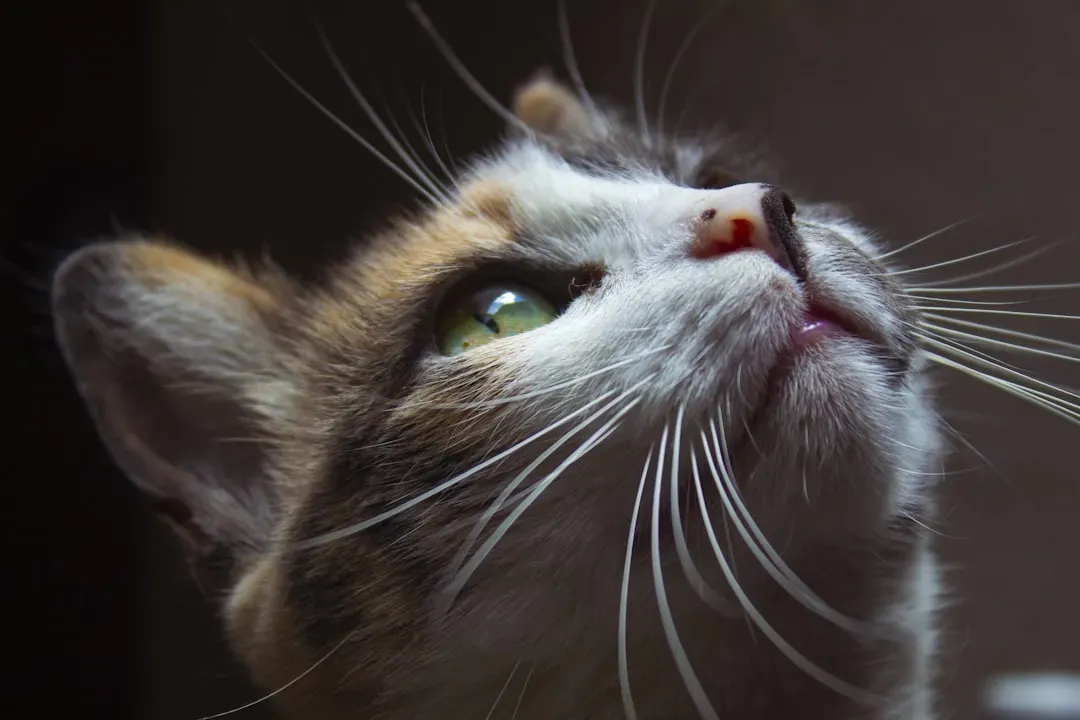
The brain power devoted to whisker input is genuinely striking. A good portion of a cat’s brain is devoted to processing data from touch sensors. Whiskers are reliable touch sensors, and almost 40 percent of the brain’s sensory area aligns with body parts that have whiskers. Each individual whisker can be traced back to a specific spot in the brain, which means that whiskers occupy valuable neurological real estate in a cat’s body.
A cat’s facial whiskers send signals directly to specialized regions of the brain, specifically the somatosensory cortex, which processes tactile input with remarkable speed and precision. This neural pathway is unusually direct, allowing sensory information to influence movement almost immediately. Neuroscientists have mapped how each whisker connects to hundreds of neurons, feeding into barrel-shaped clusters in the cortex that process direction, speed, and pressure with remarkable efficiency.
4. Whiskers Function as a Built-In Measuring Tape
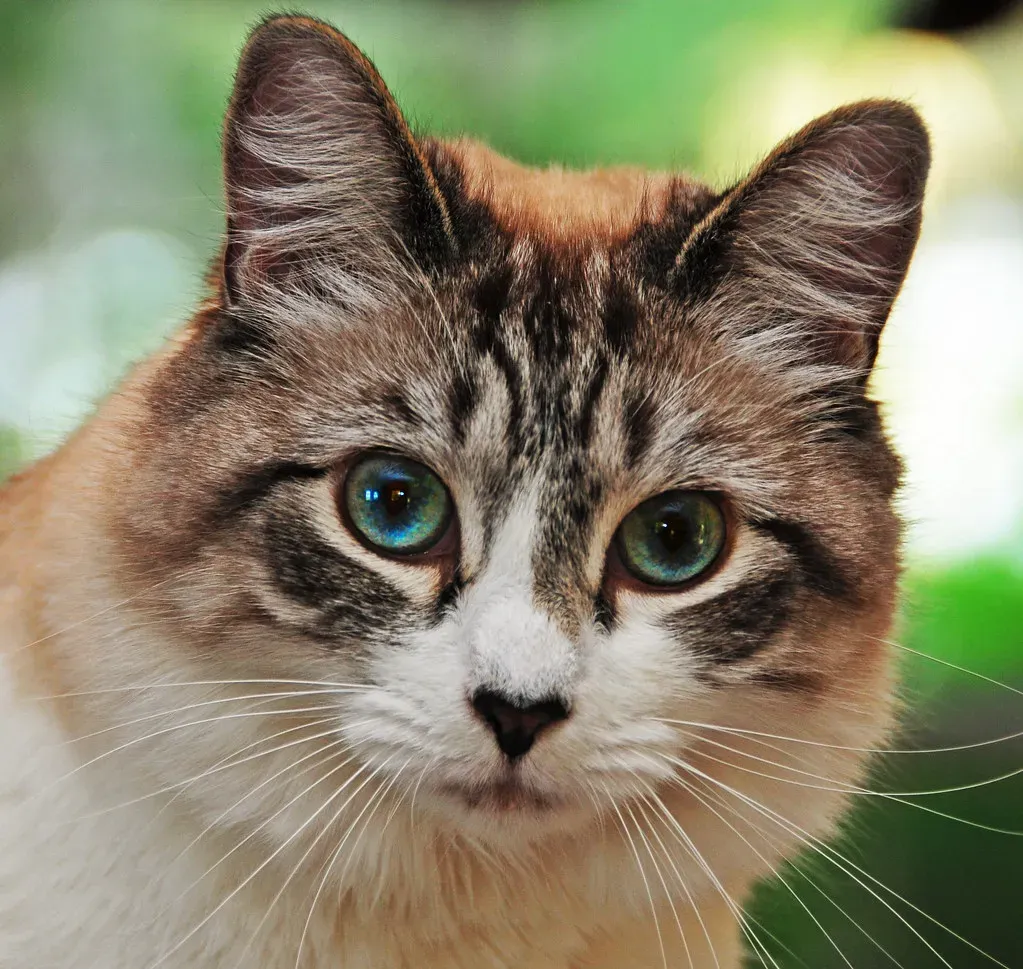
You’ve probably noticed your cat poke its head into a gap before committing its body. That’s not indecision. You may have seen your cat put their head into an opening before the rest of their body. This is because their whiskers work as a built-in ruler. Because whiskers are placed around the width of your cat’s body, it means they are excellent at helping your cat gauge how tight a space is.
The size of a cat’s whiskers isn’t random; they’re usually about the same width as the cat’s body. Their size helps cats judge whether they can fit through tight spaces, like under furniture or through a gap in a fence. If the whiskers touch both sides of a space, it tells the cat they may get stuck. It’s a system so reliable that cats rarely misjudge a tight squeeze.
5. They Help Your Cat “See” in Complete Darkness
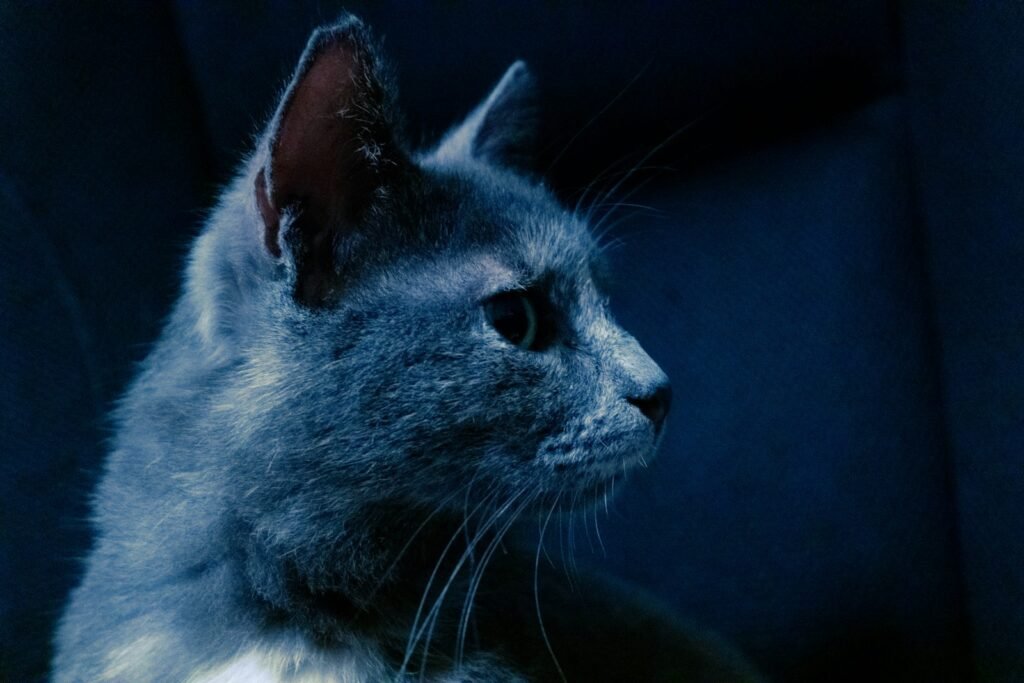
Night vision gets all the credit, but your cat’s whiskers deserve equal recognition for after-dark navigation. If you’ve ever wondered how your cat seamlessly moves around during the night without bumping into anything, it is in part because of their whiskers. The air currents in a room are different depending on where furniture is placed, and their intelligent whiskers pick up on this and tell their brain where things are.
These remarkable tactile hairs can detect the slightest air currents, which helps cats move confidently in total darkness. They avoid obstacles by sensing changes in air flow that bounces off objects, similar to echolocation. A cat’s whiskers can detect movements just one two-thousandth the width of a human hair. This incredible sensitivity lets them detect nearby prey even in poor visibility.
6. Whiskers Compensate for Your Cat’s Near-Sighted Blind Spot
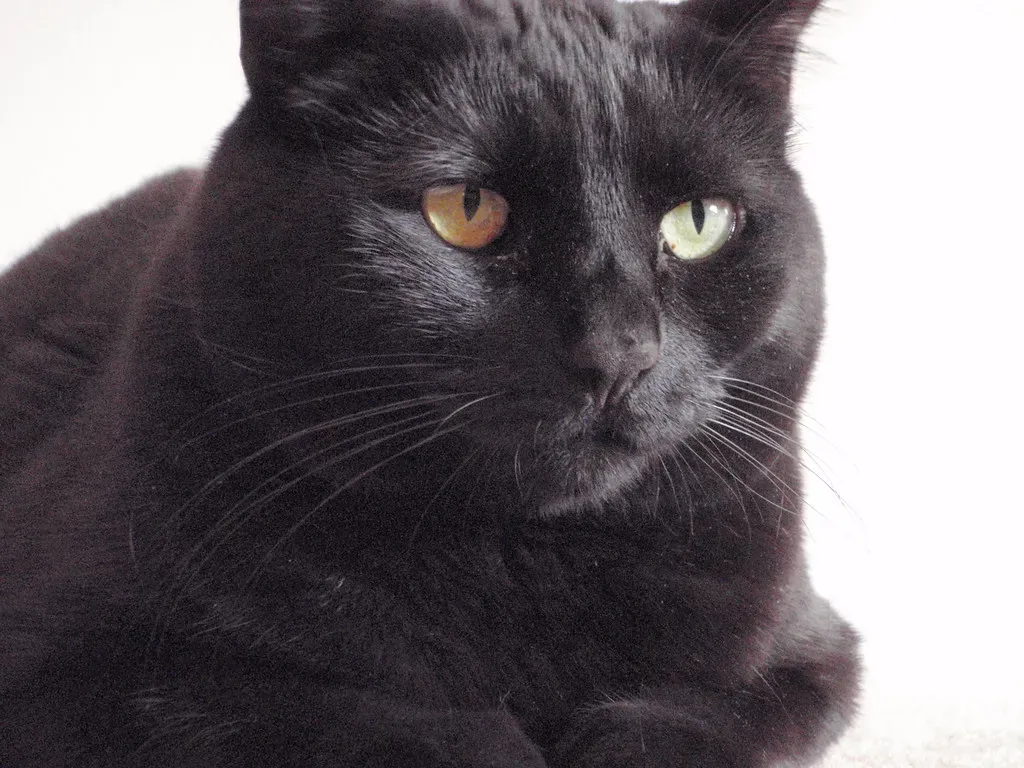
Most people think cats have excellent all-around vision. The truth is more nuanced. It may surprise you to learn that your cat’s close-up vision isn’t very good, and they can’t easily see anything closer than 12 inches in front of them. They use their whiskers to navigate the world straight ahead, as by touching them against an object they can tell where it is, its size, and even the texture.
Whiskers compensate for the trouble cats have focusing on objects close-up. This can be particularly important for hunting. Once a cat pounces on their prey and has it in their paws, their whiskers help them “see” where to deliver the fatal bite. So the next time your cat seems to inspect something nose-first, it’s essentially using its whiskers as a close-range scanner.
7. Your Cat Has Whiskers in More Places Than You Think
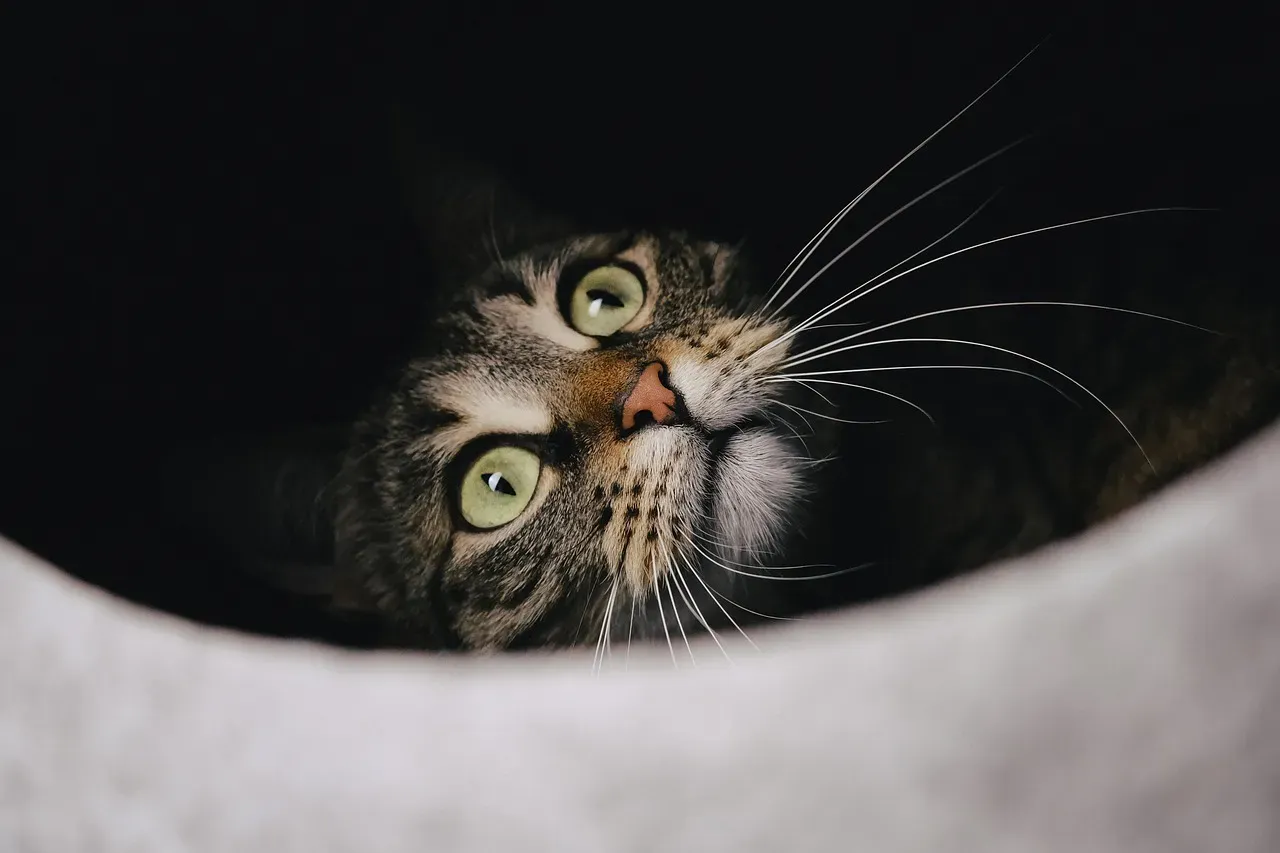
The prominent cheek whiskers are just the most visible part of a much wider system. You probably notice the whiskers around your cat’s nose, but cats also have whiskers on their eyebrows, chin, and even the back of their front legs. The leg whiskers, called carpal vibrissae, help detect movement from prey or obstacles below them, which is especially handy during hunting or climbing.
Beyond the facial whiskers, cats possess supplementary sensory hairs in strategic locations. Above each eye, cats typically have three whiskers that serve as protective sensors for their eyes. The chin area contains two to four shorter whiskers that help detect ground-level obstacles and assist with close-range navigation. When counting all locations, a cat’s total number of individual whiskers typically ranges from 40 to 50.
8. Whisker Position Tells You Exactly How Your Cat Is Feeling
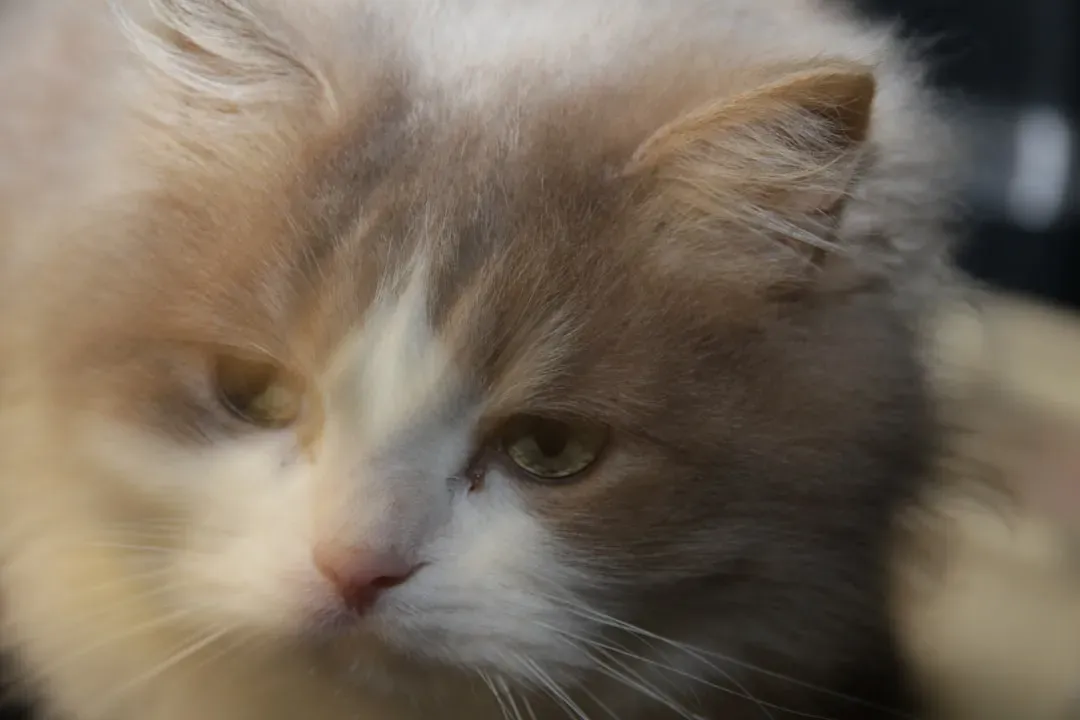
Your cat may not speak, but its whiskers communicate constantly. You can learn a lot about how your cat is feeling simply by watching their whiskers. When a cat is relaxed, their whiskers are loose and out to the side. If they’re alert or curious, the whiskers point forward. When they are scared or angry, the whiskers pull back tightly against the face.
Cat whiskers can also be involved in communicating with other cats and even observant owners. Tiny muscles around the base of the whiskers allow stressed cats to point their whiskers toward potential threats and relax them when they are content. Once you start reading these cues, you’ll notice how much information your cat was offering you all along, without making a sound.
9. Whisker Fatigue Is a Real Condition Worth Taking Seriously
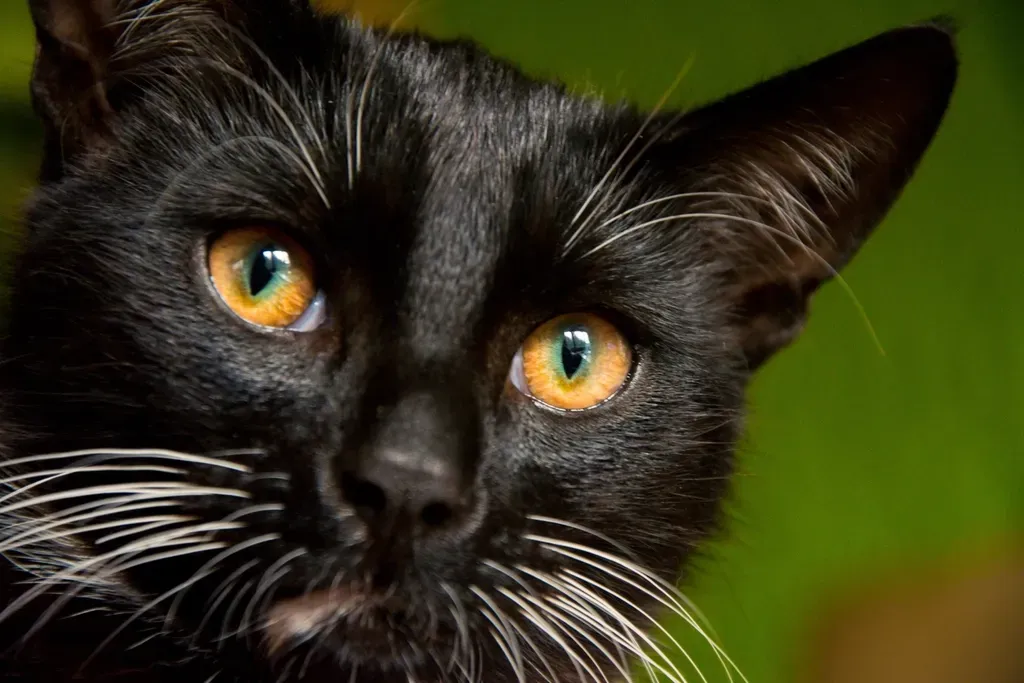
Because whiskers are so sensitive, daily routines can quietly overwhelm them. Whisker fatigue is a relatively newly recognized condition. It occurs when cats’ whiskers are overstimulated, often by frequently touching against the sides of their food or water bowls. Your cat might paw food onto the floor, act hungry but avoid eating from the bowl, or show stress during mealtimes. Each whisker follicle’s connection to 100 to 200 nerve cells causes this condition by transmitting constant sensory information.
The fix is surprisingly simple. Wide, shallow food and water bowls help prevent whisker fatigue. Your cat can eat comfortably when their sensitive whiskers don’t touch the bowl’s sides. Research on whisker fatigue shows mixed results, yet cats prefer whisker-friendly dishes. If your cat seems hesitant to eat despite appearing hungry, the bowl shape is worth reconsidering before assuming something more serious is wrong.
10. You Should Never, Ever Trim Your Cat’s Whiskers
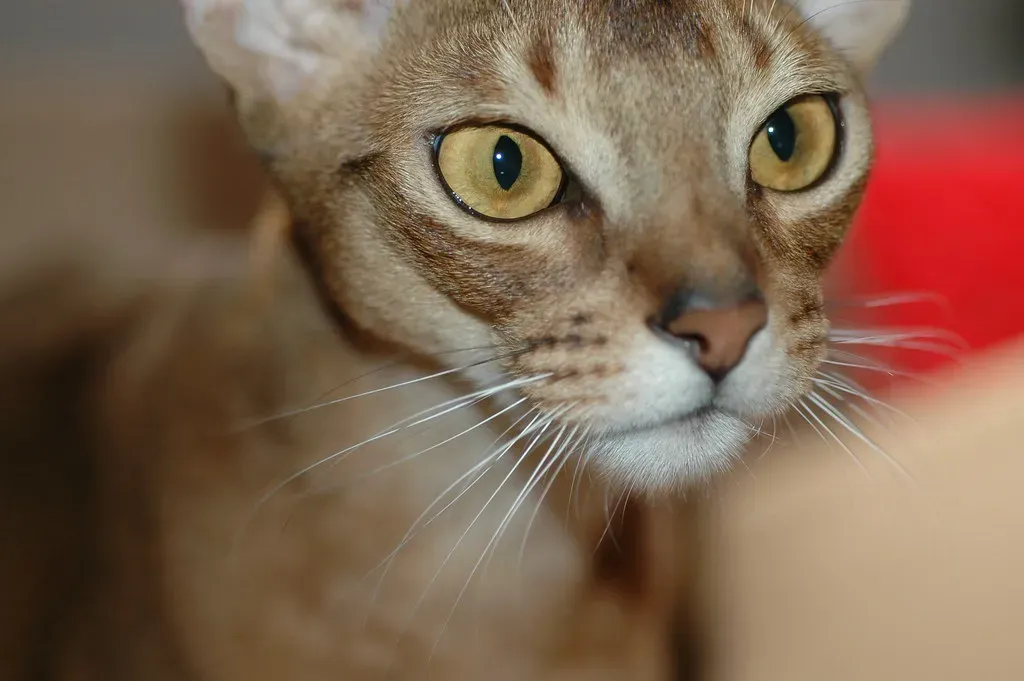
It might seem harmless, or even tidy, to trim whiskers that look overgrown. It isn’t. You should never trim your cat’s whiskers because this disrupts their spatial awareness. The whisker itself has no nerves, so cutting doesn’t cause physical pain, but it substantially impairs your cat’s ability to guide themselves through their environment. Cutting them can leave your cat disoriented, anxious, and unable to navigate properly.
Some countries take whisker protection seriously. In Germany, trimming cat whiskers is considered an amputation under animal protection law and is strictly prohibited. This legal recognition reflects the scientific understanding of whiskers as essential sensory organs rather than cosmetic features. Fortunately, just like fur, whiskers go through a natural cycle of shedding and regrowth, and it’s completely normal to find a lost whisker or two around the house. On average, a cat’s complete set of whiskers is replaced every few months.
Conclusion
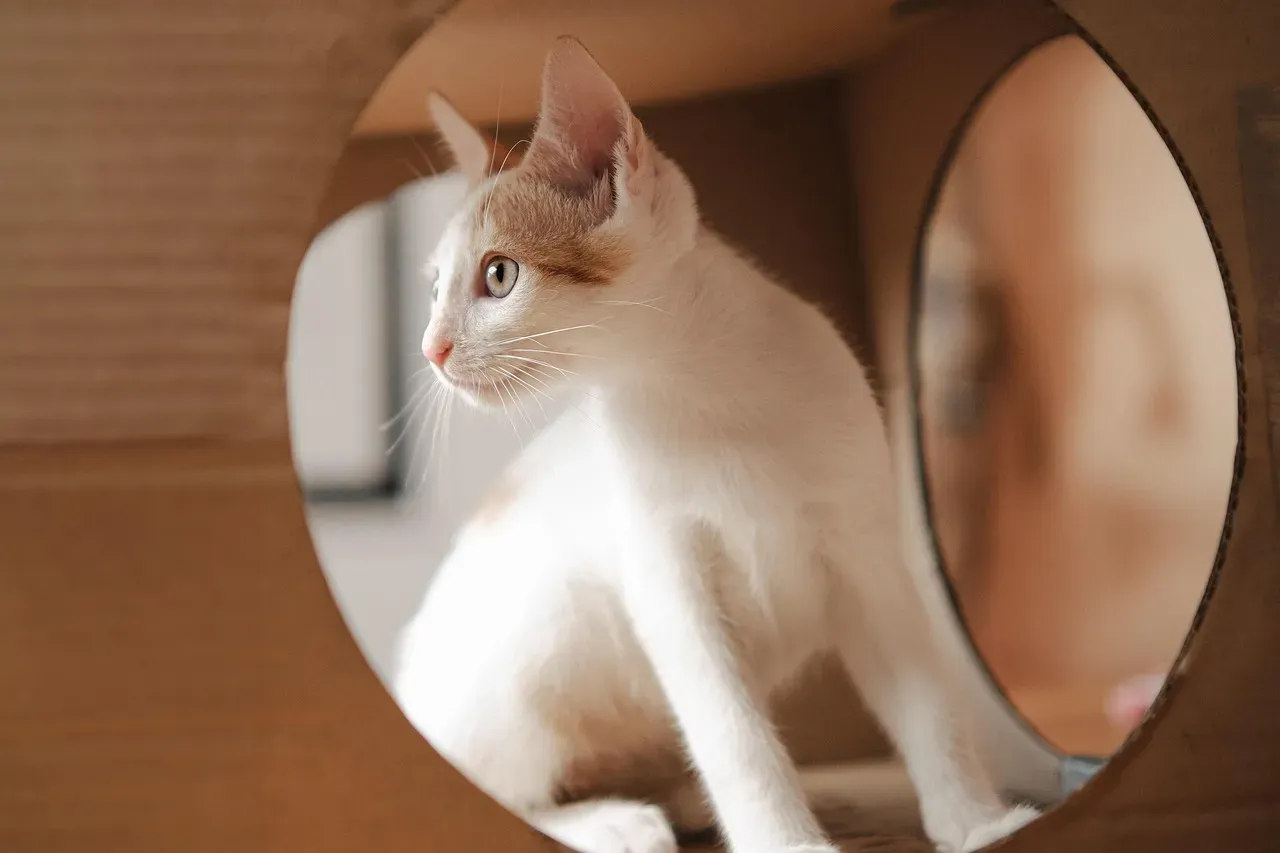
Your cat’s whiskers are not decorative. They are precision instruments, shaped by millions of years of evolution to help cats hunt, navigate, communicate, and stay safe. From the proprioceptors at each tip to the neural pathways wired directly into the brain, every whisker plays a specific, irreplaceable role.
Understanding all of this changes the way you interact with your cat in small but meaningful ways. You might choose a shallower bowl, stop reaching for the whiskers during petting, or simply pause to observe what a particular whisker position is trying to tell you. The information was always there. Now you know how to read it.
Kristina is a young writer from India. An arts graduate and an avid content creator, Kristina is passionate about animals and wildlife. She enjoys exploring topics related to pet care, animal behavior, conservation, and nature, combining thorough research with engaging storytelling.