You know that moment: you walk into a room and something is on the floor that definitely was not there five minutes ago. A plant is tipped over, a glass is shattered, or the toilet paper is now modern art. Your cat is sitting nearby, perfectly calm, looking at you like you’re the irrational one. You already know who did it, but the fun (and mild frustration) is in watching how hard your cat pretends they had absolutely nothing to do with it. Living with a cat means living with mystery, comedy, and the occasional disaster scene. While every cat has its own personality, many of the “I’m innocent” reactions are surprisingly similar across the board. As you read through these, you’ll probably recognize your own furry little actor – and maybe understand a bit more about what’s really going on behind those big, blinking eyes.
1. The Classic “If I Don’t Move, You Can’t Blame Me” Statue Act
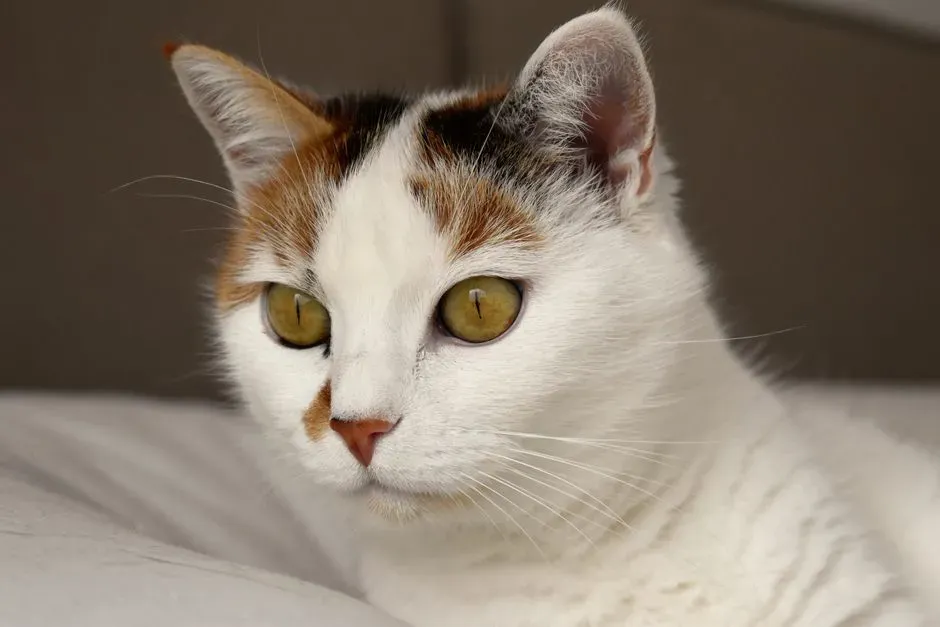
Sometimes your cat’s first tactic is total stillness. You walk into the kitchen, see a broken mug, and your cat is sitting three feet away like a fuzzy garden statue, eyes half-closed, tail completely still. They’re banking on the idea that if they look relaxed enough, you might doubt what you’re seeing. To your cat, freezing might feel like the safest option: no sudden movements that could make them look guilty. You might notice how they avoid making eye contact for just a second, then slowly, calmly, look at you as if to say you’re overreacting. It can be surprisingly persuasive, especially if you didn’t actually see the crime happen. From a behavior point of view, your cat has learned that being still often delays consequences, or at least reduces the emotional storm from you. You’re left staring at a broken object and a calm cat, wondering if you’re losing your mind.
2. The Over-the-Top Innocent Grooming Session
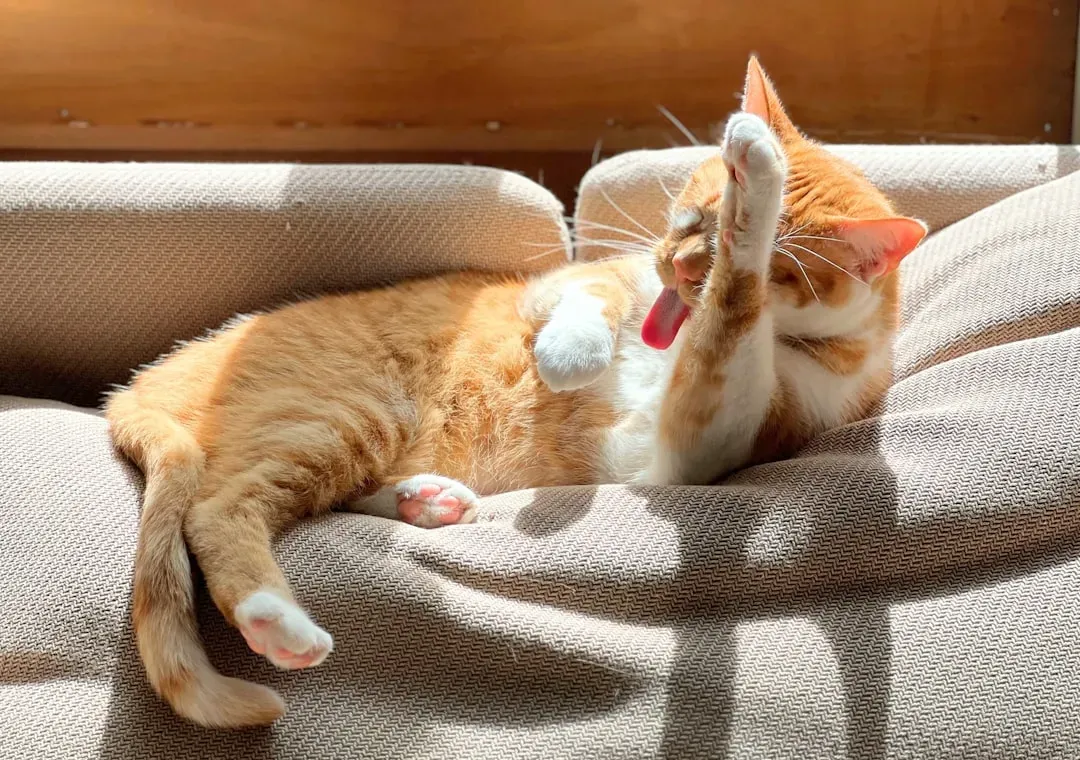
Another favorite performance is the sudden, intense cleaning routine. You hear a crash from the next room, rush over, and your cat is already mid-bath, licking a paw with exaggerated focus. This is not casual grooming; this is “I am so busy being pure and hygienic I couldn’t possibly have been knocking things off shelves” grooming. It’s like walking in on a teenager standing next to an empty cookie jar, brushing their teeth. Grooming is a natural way for cats to self-soothe when they feel stressed or uncertain, so you’re seeing something real underneath the comedy. Your cat may be a little on edge from the noise or your raised voice, and they use licking as a calming mechanism. The side effect, though, is that it looks exactly like they’re trying to appear too classy and composed to ever cause chaos, which makes it impossible not to laugh.
3. The Sudden Fascination with an Imaginary Spot on the Wall
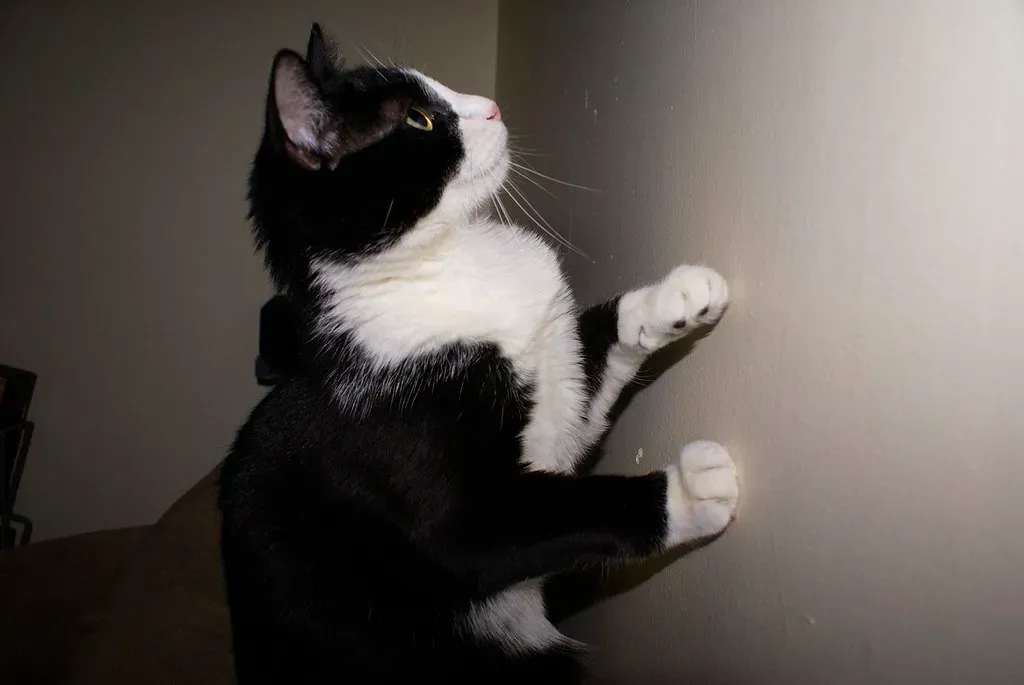
When your cat pretends to notice something incredibly interesting somewhere else, you’re watching an escape artist at work. After the destruction, they might suddenly stare intently at a blank wall, a tiny corner, or a random spot on the floor. They’ll tilt their head, narrow their eyes, maybe even do that little “chitter” sound. The goal is simple: redirect your attention and suggest that whatever just happened has nothing to do with them. You might catch yourself even looking in the same direction, wondering what they see. Cats are naturally curious and often track sounds, shadows, and tiny movements. They also quickly learn what tends to shift your focus. By acting like something unseen is much more important than the disaster at your feet, your cat exploits your own curiosity. It feels ridiculous, but you end up half-investigating their fake distraction while the real culprit sits there pretending to be on some important surveillance mission.
4. The “It Was Like This When I Got Here” Casual Walk-By
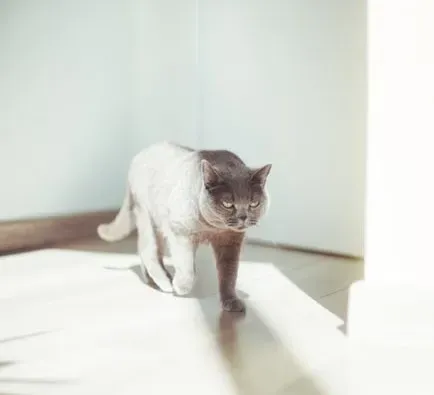
Sometimes your cat goes for pure confidence. You come into the room to find a knocked-over trash can, and your cat just strolls past it slowly, like a stranger walking by a car accident. No rush, no panic, just a calm, casual walk-through, maybe with a slow tail flick and a tiny yawn. The message is clear: you’re supposed to believe they just arrived and are seeing this mess for the very first time. This move feels weirdly human, like when you pretend not to notice something awkward in public. Cats develop this kind of body language naturally through experience; when nothing bad happens after a mess, they learn they can be relaxed around it. The calm walk is their way of signaling that, in their mind, chaos is just part of the environment. To you, it can look like a deliberate act of pretending they’re above such nonsense, which only adds to the comedy.
5. The “Blame the Dog, Please” Strategic Positioning
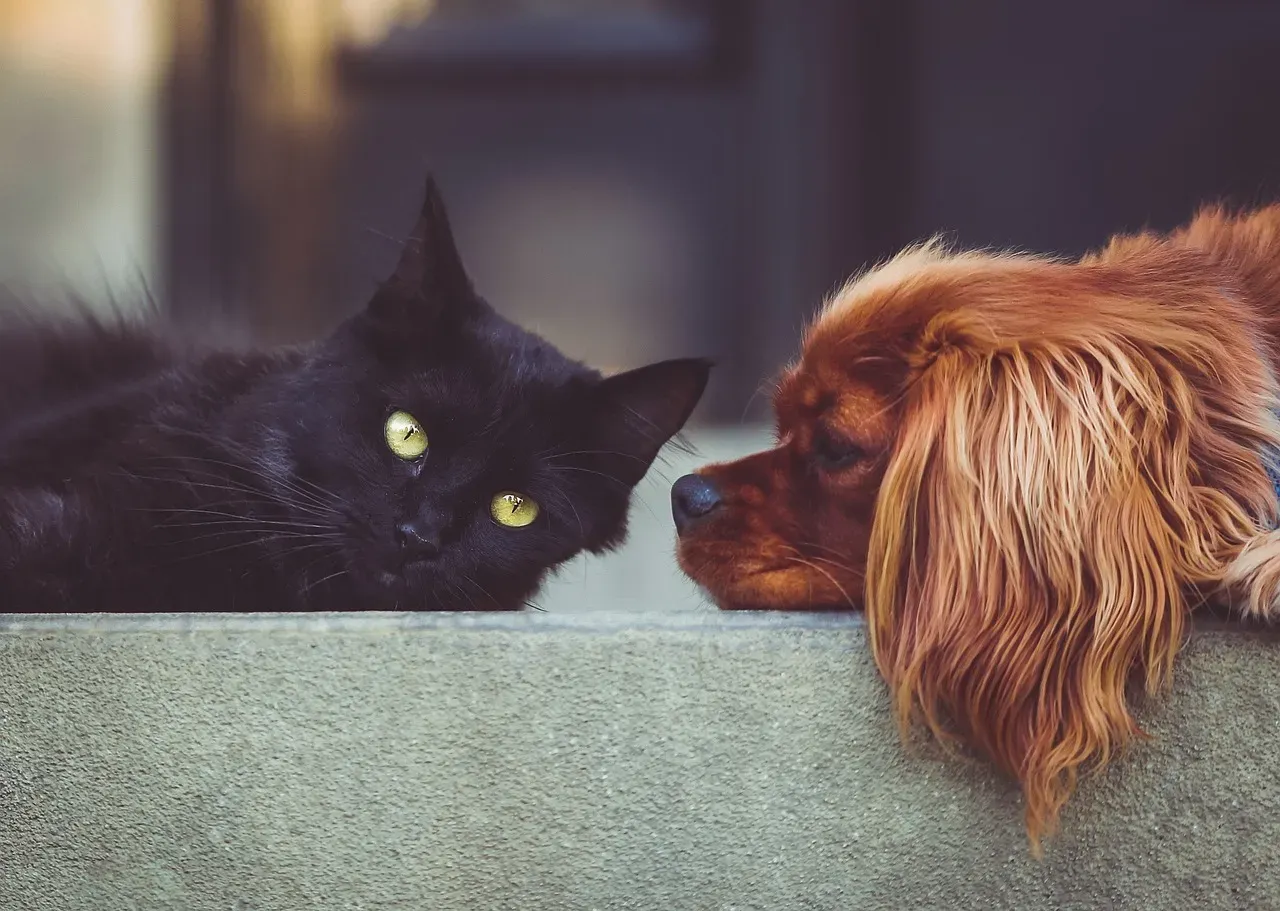
If you live with both a cat and a dog, you’ve probably seen your cat’s inner politician. After something breaks or spills, your cat might position themselves at a safe distance while your dog stands closer to the scene, confused but curious. Your cat will sit there, composed, almost as if they carefully placed the dog in the role of suspect number one. Even without words, they’re pushing the narrative: clearly it was the big, clumsy one. You might notice how your cat looks at the dog, then at you, then back at the mess, as if they’re silently nominating the dog as the likely culprit. Dogs are often noisier and more visibly excited, so it’s easy for them to get framed by default. Your cat has probably learned that you often suspect the dog first, especially for tipped-over trash or scattered food. They just have to sit back, watch the drama, and maintain their air of tiny, refined innocence.
6. The Sudden “I’m Just a Baby” Cuteness Overload
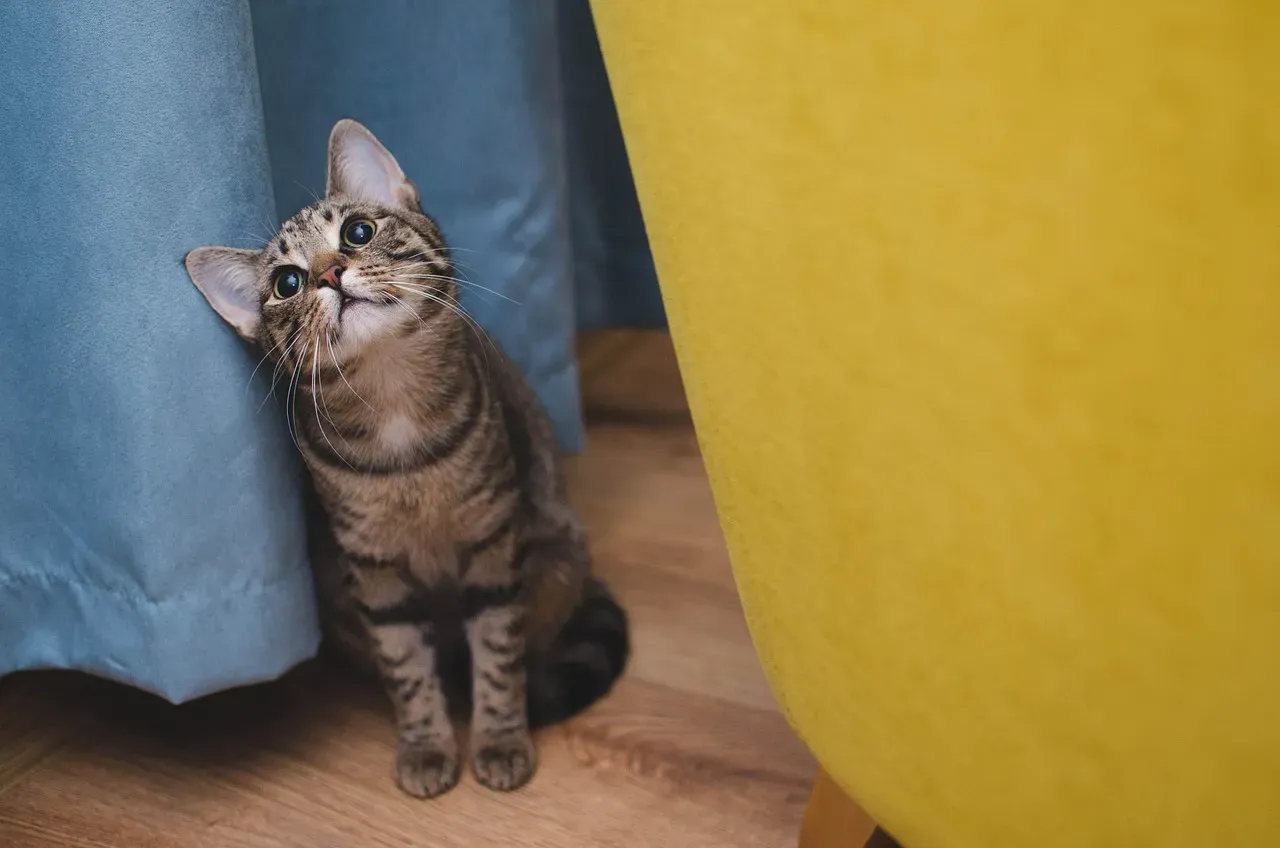
When in doubt, your cat may go full cute mode. Wide eyes, tiny meows, slow blinks, maybe a belly roll if they’re really pulling out all the stops. You come in, see shredded paper everywhere, and before irritation can fully form, your cat looks at you like the most helpless, adorable creature on earth. It is incredibly hard to stay mad when you’re being hit with maximum cuteness at close range. This isn’t random. Over time, your cat has learned which behaviors soften you. That soft trill, the slow blink, or the little head bump against your leg isn’t just affection; it’s also disarming. You’re wired to respond to baby-like features and gentle, appeasing behaviors, and your cat benefits from that instinct. Even though you know logically they probably ripped up that napkin pile, emotionally you feel your frustration deflate as you reassure them instead of scolding.
7. The “I’m Actually Very Busy Right Now” Distraction Routine
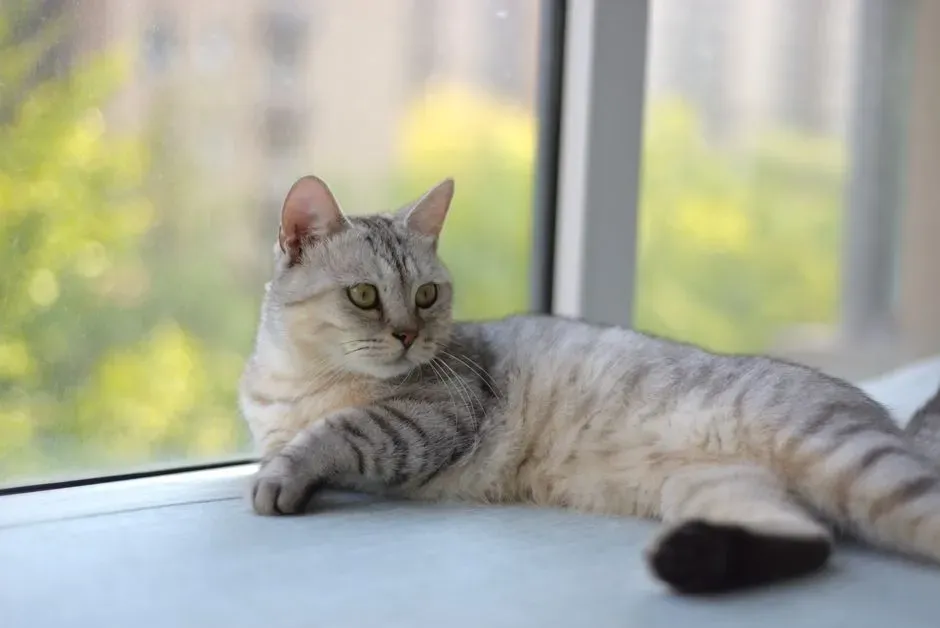
Another hilarious defense is sudden productivity. Right after chaos, your cat might jump into some serious activity: attacking a toy, scratching their post, or chasing an invisible bug down the hallway. They look like they’ve got a packed schedule and no time for silly accusations about a broken plant pot. The busier they seem, the more you start to question whether they were free to wreak havoc in the first place. What you’re seeing is part stress relief, part instinct. After a loud crash or a startling moment, a burst of play or scratching can help your cat burn off nervous energy. From your perspective, it looks like a calculated alibi: how could they be responsible when they’re obviously in the middle of a critical mission involving a random dust bunny? Whether or not they intend it as a cover story, it absolutely works as one.
8. The Bold “Stare Right at You” Denial Look
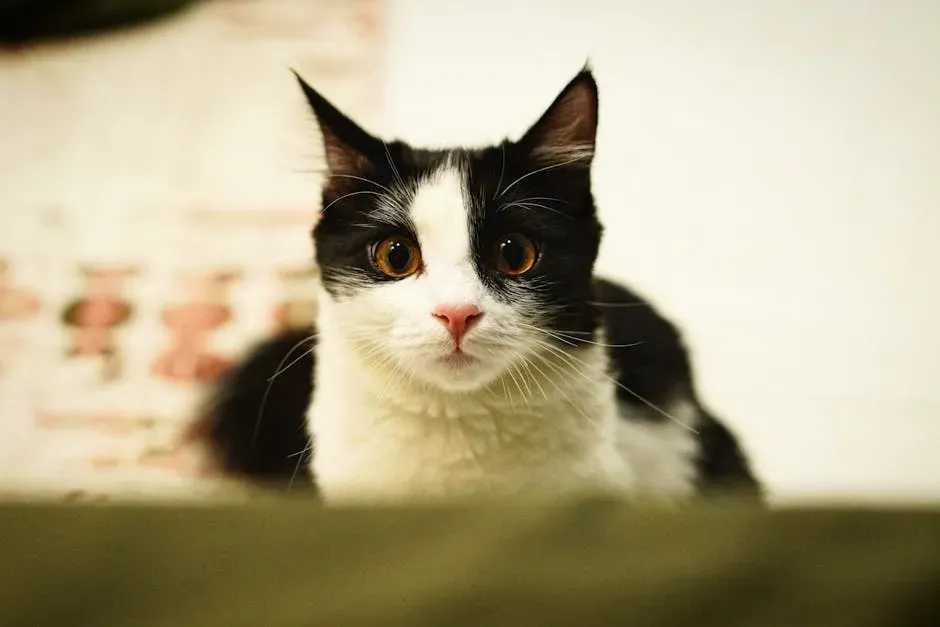
Some cats don’t bother with subtlety at all. Instead, they sit right next to the mess and stare straight at you with a calm, unblinking gaze. No shame, no flinch, just a firm, steady look as if they’re waiting for you to explain why you’ve placed this chaos in their living space. The confidence can almost make you doubt your own timeline of events. That steady eye contact is fascinating because cats don’t always use it the same way humans do. Sometimes it’s curiosity, sometimes a challenge, and sometimes an attempt to read your mood. In this scenario, your cat might be trying to figure out how upset you are and if anything is going to change for them. To you, it feels like a silent denial: if they were guilty, surely they’d look away, right? The fact that they don’t turns into a strangely funny standoff.
9. The Instant Nap “I Slept Through Everything” Defense
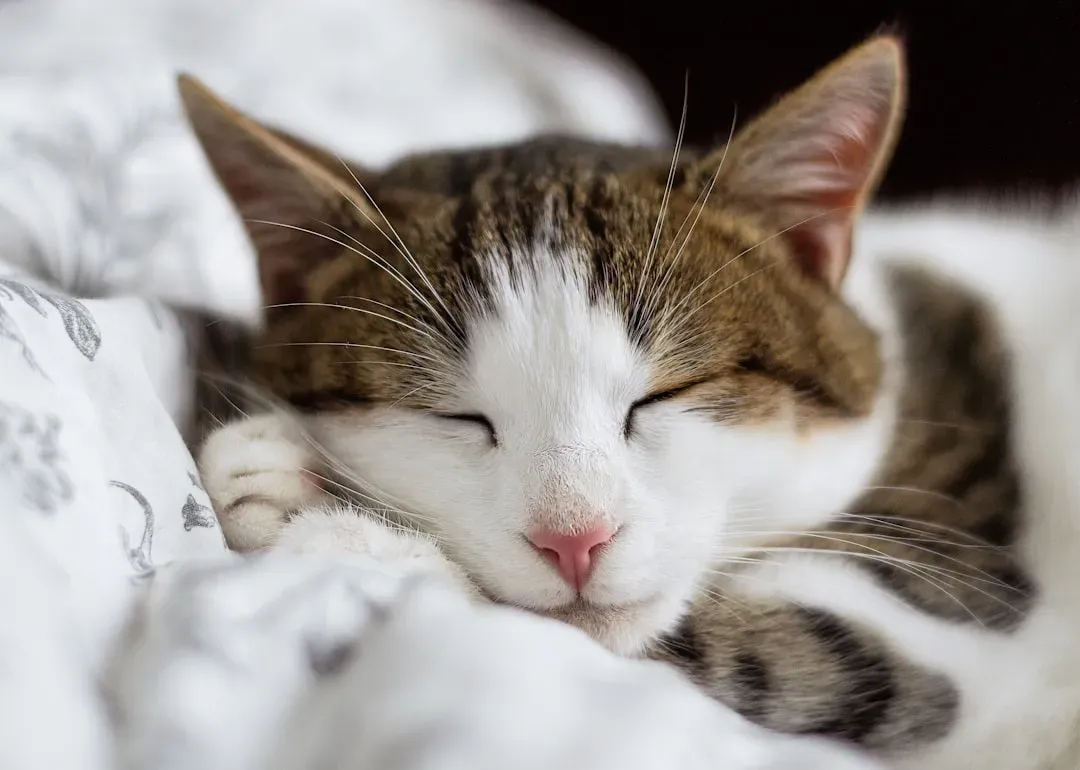
A very popular move is the immediate nap. You hear a noise, arrive on the scene, and your cat is already curled up, eyes closed, breathing slow and deep like they’ve been asleep for hours. Never mind that their fur is still a bit puffed or their tail is wrapped close like they were startled a second ago. They’re committed to the role of innocent sleeper who couldn’t possibly have participated in anything dramatic. Napping is your cat’s default state for much of the day, so this defense has built-in plausibility. When they feel uncertain or uncomfortable, retreating into sleep (or at least pretending to sleep) gives them a sense of safety. You’ll often find your irritation dulling when you see them “resting” so peacefully. It becomes less about the mess in front of you and more about not wanting to disturb them, even though some part of you knows you’ve just walked in on a very convenient nap.
10. The “You Must Be the Problem Here” Reverse-Guilt Move
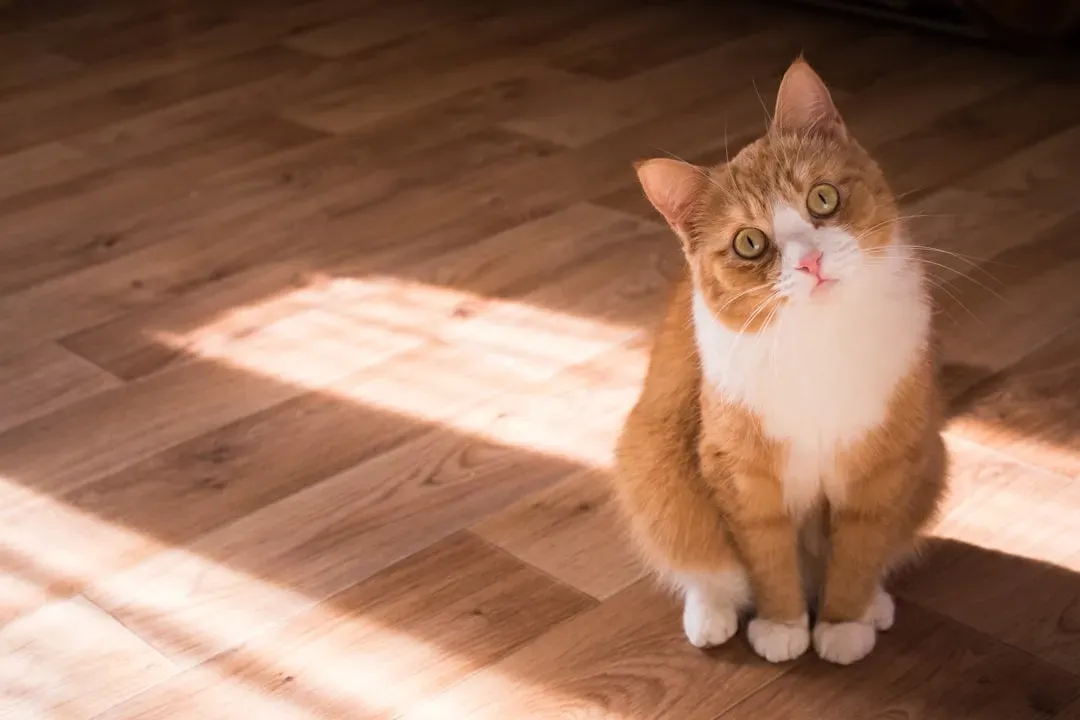
Sometimes your cat flips the script entirely and acts offended that you’re upset. You walk in, voice raised, and instead of looking guilty, your cat flicks their tail, turns away, or even leaves the room with clear annoyance. They might sit with their back half-turned to you, ears slightly tilted, as if your reaction is the real issue. You end up feeling strangely guilty for being mad about your own broken belongings. This reverse-guilt tactic works because you’re emotionally attached to your cat and you hate the feeling that you’ve upset them. Cats are sensitive to tone and body language, and when they sense tension, they might respond with their own version of a sulk. It looks like indignation, and in a way, it is: your cat does not enjoy loud emotions in their territory. Before you know it, you’re apologizing with treats or petting, while the original mess becomes an afterthought.
Conclusion: Laughing Through the Chaos of Cat Life
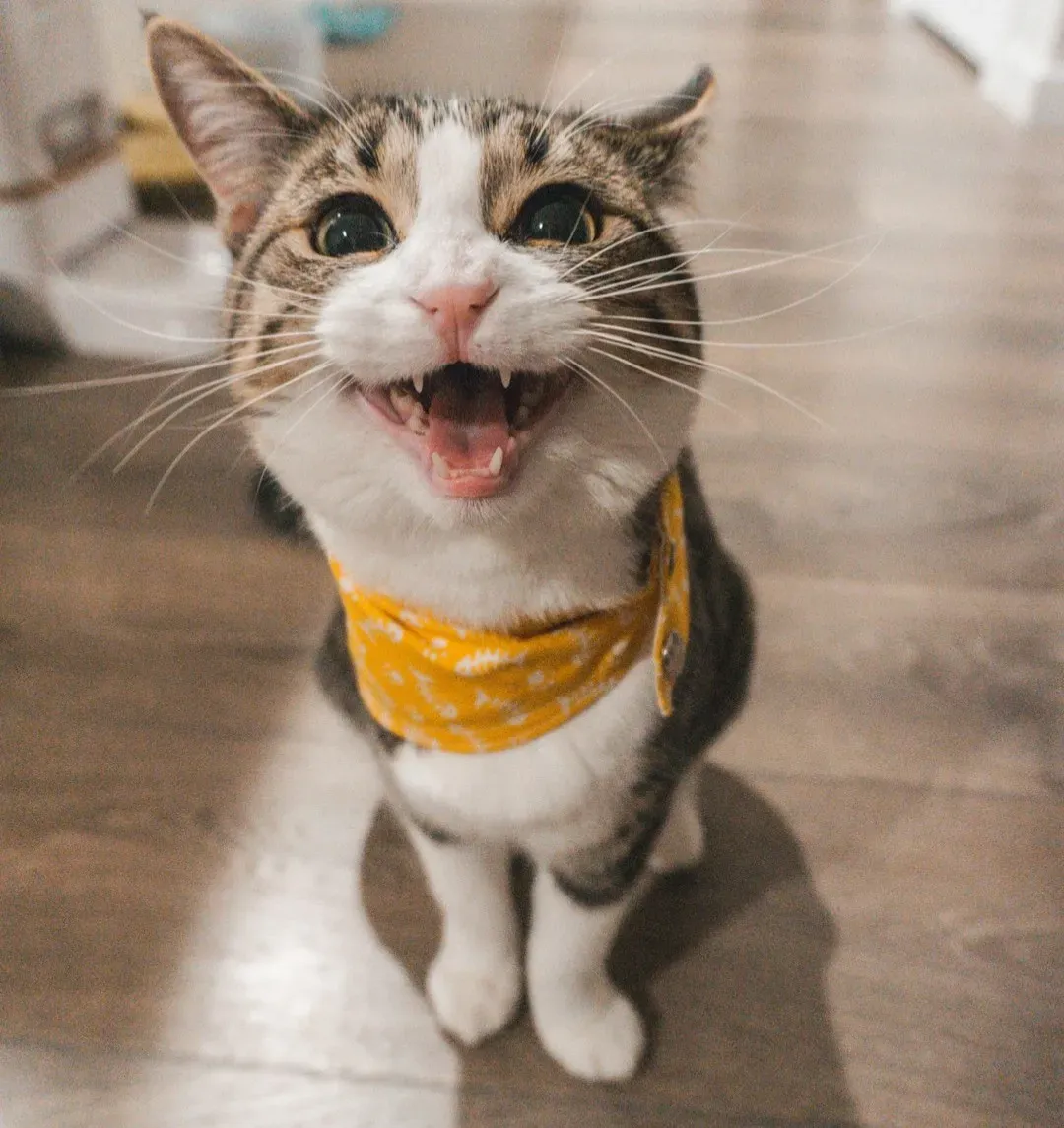
Living with a cat means accepting that your home will occasionally look like a tiny, furry tornado passed through, then sat down and pretended nothing happened. The funny part is how consistent the “I didn’t do it” routines are, even though your cat never read a script. From statue-still poses to over-the-top grooming, these behaviors come from a mix of instinct, learning, and your own reactions over time. When you recognize these patterns, you start taking the messes a little less personally. You see your cat as a small creature trying to navigate a world full of fragile human objects, loud noises, and confusing emotions. The broken things still matter, but so does the bond you’re building through all the accidents and silent standoffs. Next time you walk into a suspicious scene and your cat goes into performance mode, you might find yourself smiling first and cleaning second. Which of their “I’m innocent” routines are you going to catch them using tonight?
Kristina is a young writer from India. An arts graduate and an avid content creator, Kristina is passionate about animals and wildlife. She enjoys exploring topics related to pet care, animal behavior, conservation, and nature, combining thorough research with engaging storytelling.