You probably already feel like your cat is part of your family, but the real question is: does your cat feel the same way about you? For a long time, people assumed cats were too aloof, too independent, or too “wild at heart” to form deep bonds with humans. But over the past few years, researchers have quietly been rewriting that story, and what they’re finding is surprisingly heartwarming.
When you look past the stereotypes and start paying attention to what your cat actually does, a very different picture appears. Your cat may not wag a tail like a dog or jump into your arms on command, but subtle behaviors, body language, and even stress hormones are painting a clear picture: to many cats, you are not just a food machine. You are home. You are a safe base. In a very real sense, you’re family.
Your Cat’s “Secure Base”: Why You Matter More Than You Think
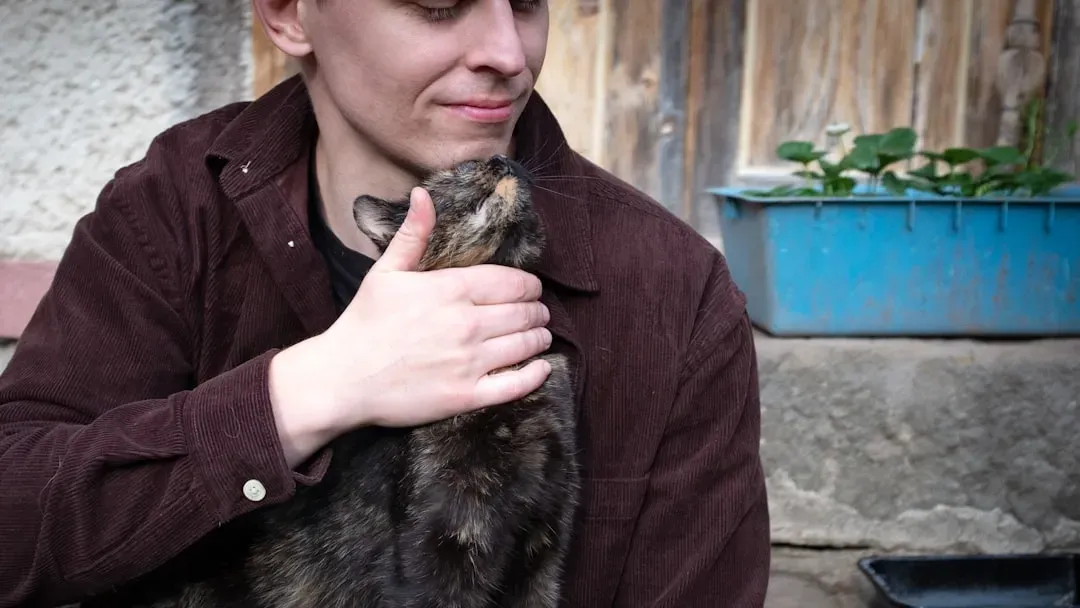
One of the biggest clues that your cat sees you as family is something scientists call a “secure base effect.” In simple terms, that means you function like a safety anchor. When you are around, your cat feels safer to explore, relax, and just be a cat. When you are gone, things can feel a little uncertain, even if they do not show it in dramatic ways.
Researchers studying kittens and adult cats have found that many of them respond to their humans in ways that look surprisingly similar to how human babies respond to their primary caregivers. When you leave a room, your cat may seem calm, but watch how they behave when you return: do they come to greet you, hover nearby, or resume playing more confidently? Those are all classic signs that you are not just a random human. You are their secure base.
Attachment Styles: Your Cat Might Be More Like a Toddler Than You Realize
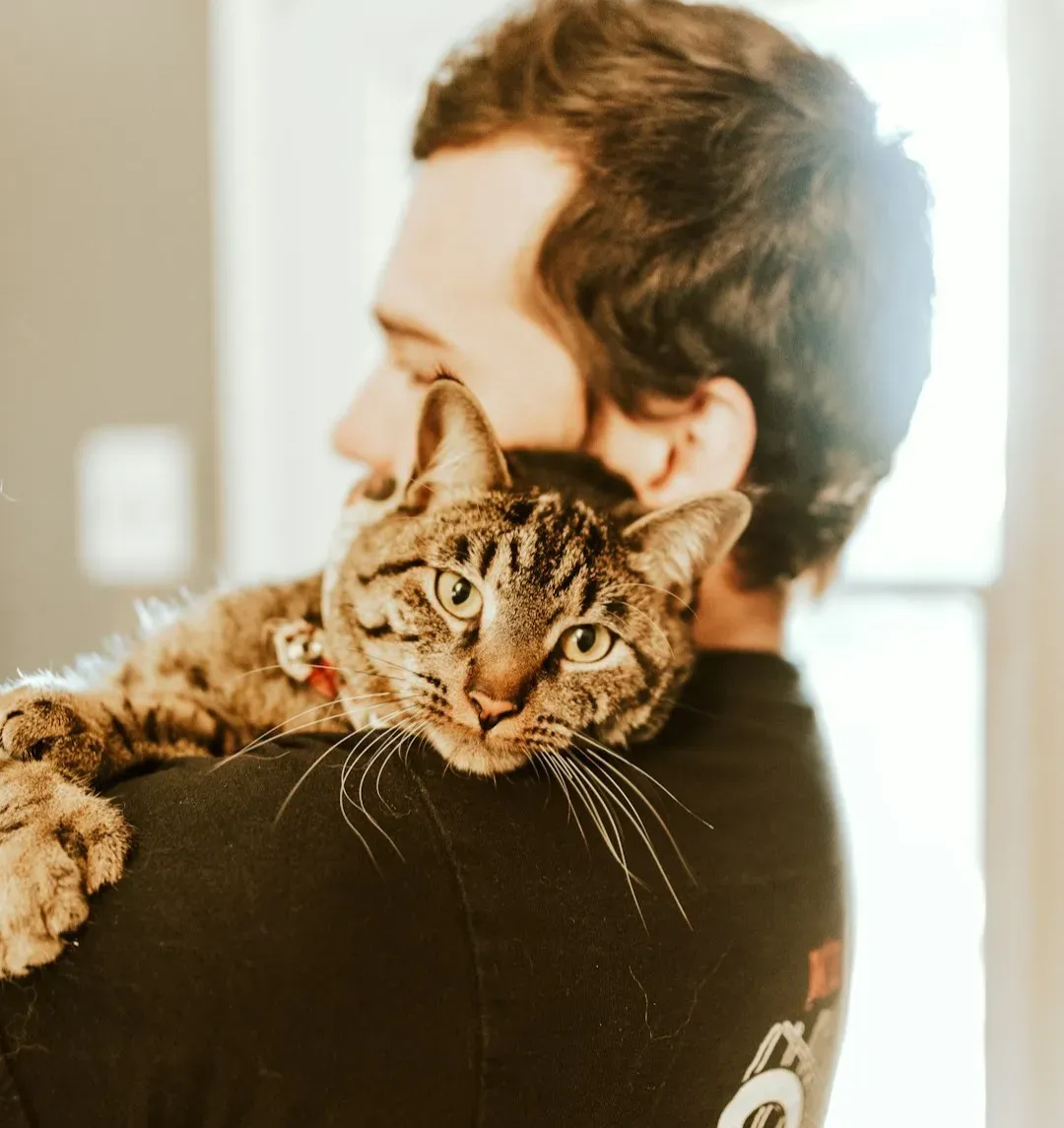
Here is where things get really intriguing: when scientists tested cats in structured “attachment” experiments, they discovered patterns that look a lot like those seen in human children. Some cats show secure attachment, meaning they are comfortable exploring when you are there, mildly affected when you leave, and then calmly reconnect when you return. Others show more anxious or avoidant patterns, where they either cling or seem emotionally distant.
If you think about your own cat, you might start to recognize these patterns. A securely attached cat might greet you, then go back to their favorite window perch. A more anxious cat might follow you from room to room or react strongly when you pick up your keys. These styles are not about “good” or “bad” cats; instead, they suggest that your cat has a real emotional stake in you, the same way a child does with a parent figure.
Familiar Smell, Familiar Heart: How Your Scent Comforts Your Cat
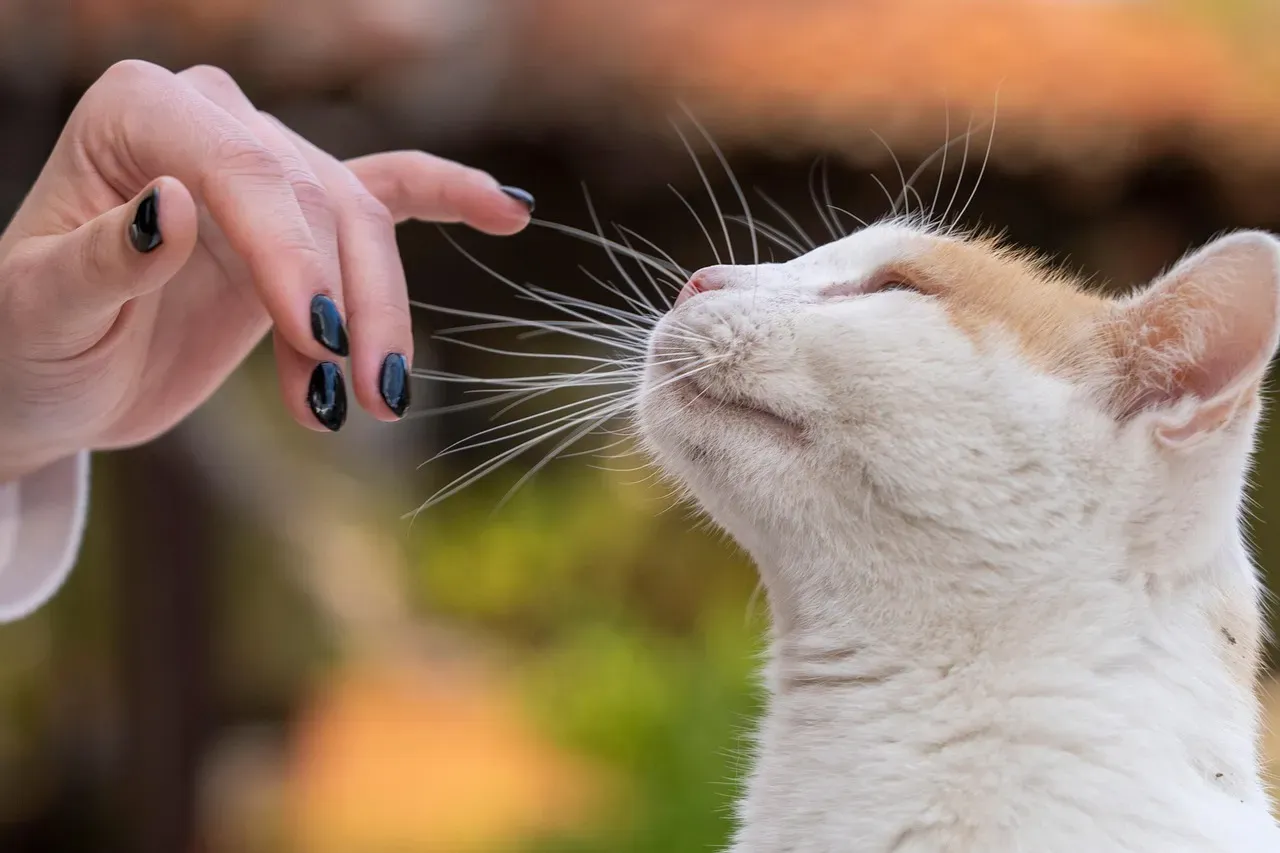
To your cat, your scent is like a warm, familiar blanket. Cats rely heavily on smell to navigate their world, and your personal scent is one of the most powerful signals of safety and familiarity they have. That is a big reason your cat might curl up on your worn t-shirt, sleep in your spot on the bed, or shove their face into your shoes in a way that would be creepy if a human did it.
By rubbing their cheeks on you, head-butting your hands, or twining around your legs, your cat is mixing their scent with yours. It is almost like creating a shared family perfume that marks you both as part of the same social group. In the wild, related cats often share a group scent; in your home, you and your cat are recreating that same feeling of belonging, one gentle head bump at a time.
Slow Blinks and Soft Eyes: The Feline Version of “I Love You”
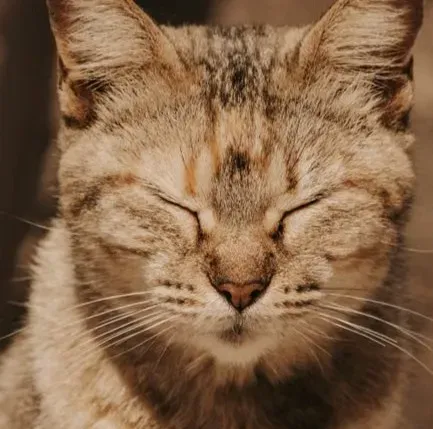
If you have ever caught your cat looking at you with half-closed eyes, then slowly blinking, you have seen one of the sweetest signs of feline affection. In cat language, prolonged eye contact can be threatening, but a slow blink is the opposite. It is a relaxed, vulnerable gesture that says, “I trust you. I am safe with you.” When you return that slow blink, you are basically telling your cat the same thing.
Many cats reserve this soft-eyed, relaxed gaze for the humans they feel close to. Think of it as the feline version of a gentle smile across the room. You might not get dramatic displays of joy like a dog bouncing off the walls, but those quiet slow blinks and softened eyes are often even more intimate. They show that your cat feels secure enough around you to let their guard down.
Following You Around: Clinginess or Quiet Companionship?
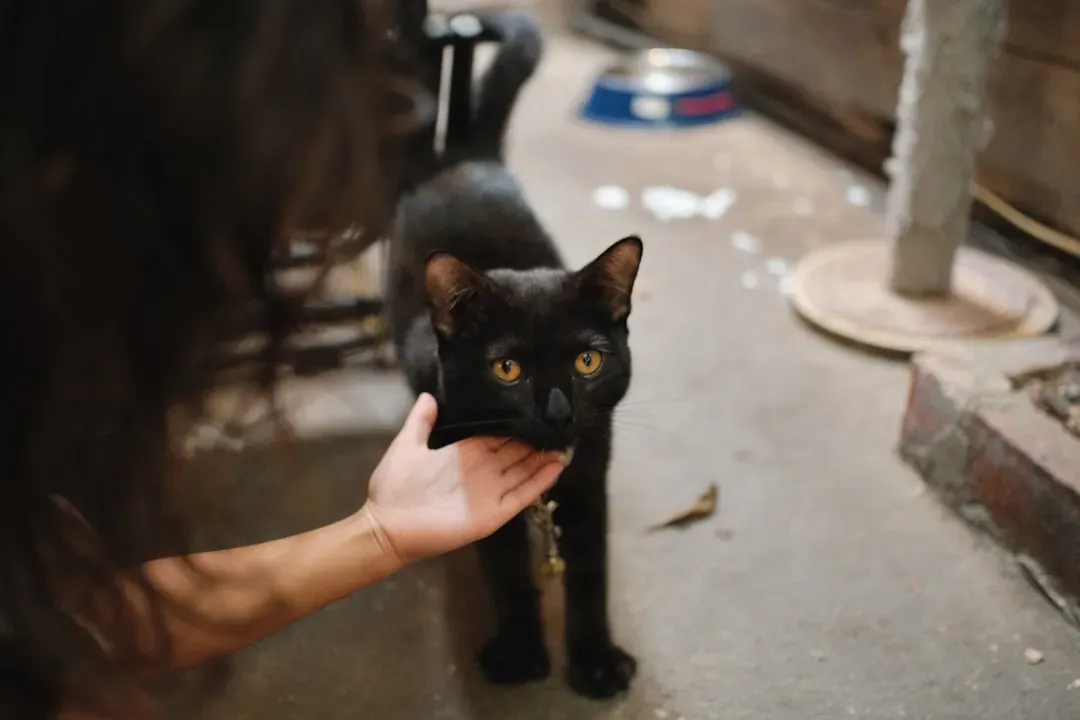
If your cat is your shadow, trailing you to the bathroom, the kitchen, and even waiting outside the shower, you are living with a powerful clue that they see you as part of their core group. In nature, related cats often move loosely together, resting in the same areas and keeping an eye on each other. When your cat chooses to nap near your desk or curl up on the couch where you sit, they are doing a domestic version of that same social closeness.
This does not always mean your cat wants to be in your arms or petted nonstop. Sometimes they just want to be near you, like a friend sitting beside you in comfortable silence. That low-key companionship is often what family feels like: not a constant performance of affection, but a quiet preference to exist in the same space. If you notice your cat regularly choosing to be near you when they have plenty of other options, that is your relationship speaking loud and clear.
Play, Protection, and “Parenting”: How You Shape Your Cat’s World
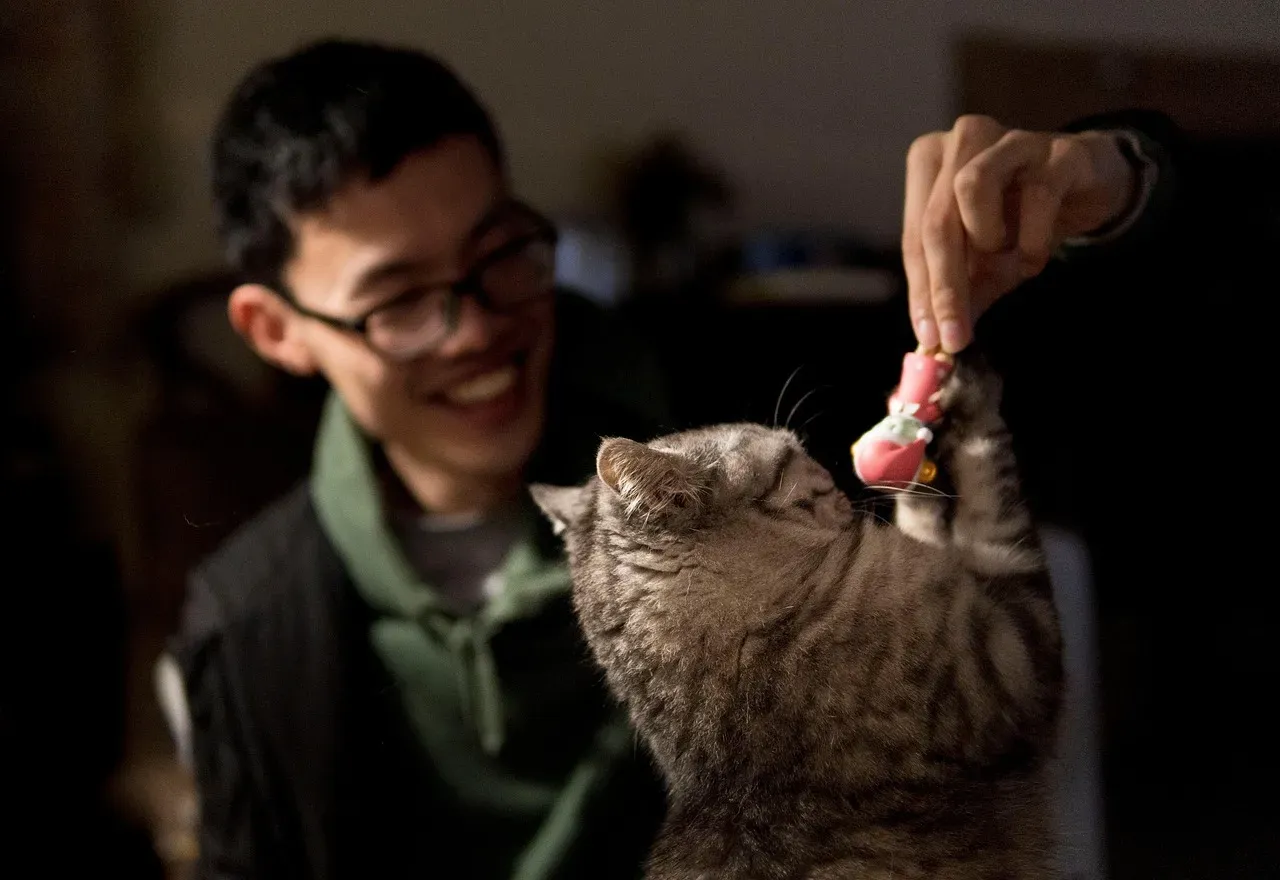
You may not think of yourself as a parent figure to your cat, but from your cat’s point of view, you fill a lot of parental roles. You control access to food, water, and safety. You create the routine, open the doors, decide when lights go off, and choose what toys are in the house. That makes you the main architect of your cat’s tiny universe, and over time, your cat’s trust in you grows out of how consistently you meet those needs.
When you play with your cat, you are not just “tiring them out.” You are bonding. Play taps into their hunting instincts while reminding them that you are the one who brings fun, challenge, and excitement into their life. When you gently protect them from things that scare them, like noisy visitors or chaotic environments, you strengthen that sense that you are their safe person. Over months and years, this steady care adds up to something that looks a lot like a parent-child bond.
Recognizing You: More Than Just a Walking Food Bowl
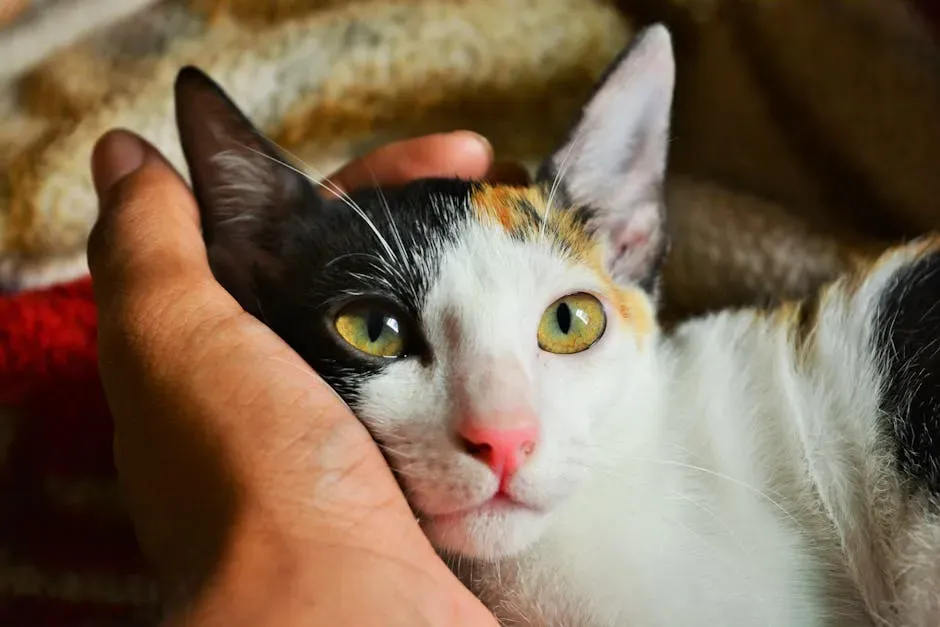
Cats are sometimes accused of only loving whoever feeds them, but the evidence tells a richer story. Your cat can recognize your voice, your footsteps, and your face. Many cats respond differently to their primary person compared to strangers, even if everyone offers treats. You might notice your cat comes more quickly when you call, or seems more relaxed when you hold them compared to someone else.
Think of it like this: you probably like a lot of people, but there are a few who feel like “your people.” For many cats, you are that person. Your presence carries a long history of interactions, smells, sounds, and routines. You are not interchangeable with any other human who happens to open a can. That personal recognition is a huge part of what we mean when we talk about being family.
Stress, Separation, and the Hidden Signs Your Cat Misses You
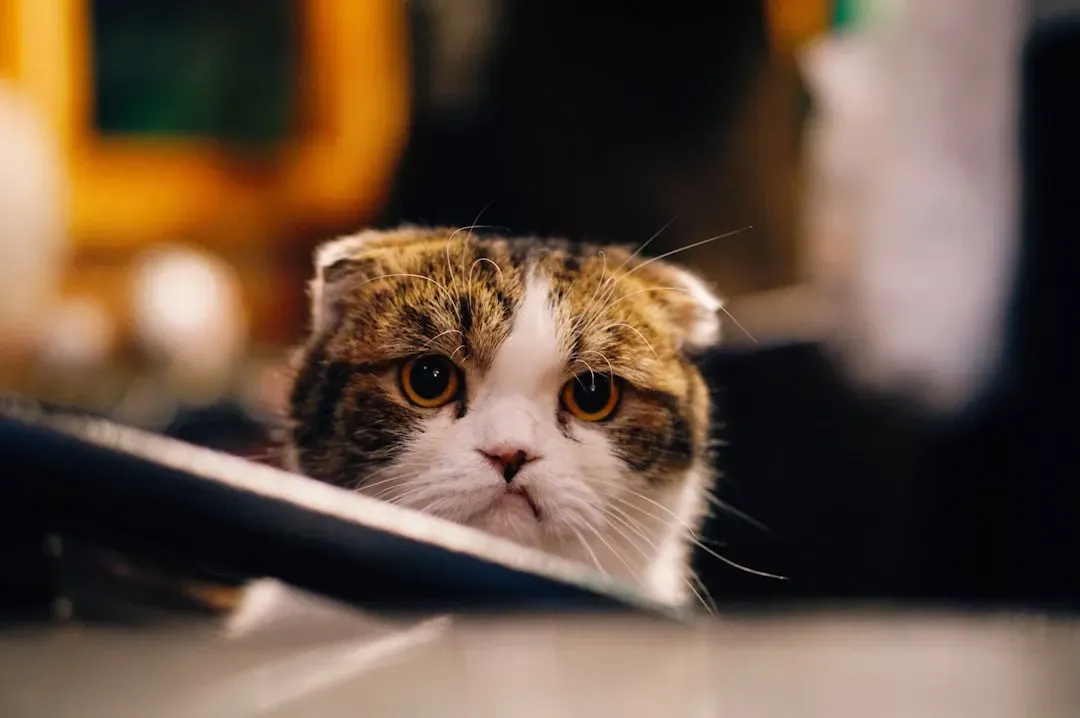
Not all cats show their feelings in obvious ways, but many do respond when you are gone longer than usual. Some might eat less, hide more, or seem restless. Others may greet you more intensely when you come home, weaving around your legs, meowing more, or insisting on extra closeness. Subtle changes like disrupted sleep, extra grooming, or a sudden clinginess can all be signs that your absence matters.
This does not mean every cat experiences full-blown separation anxiety, and you do not need to panic every time you leave the house. What it does mean is that you occupy an emotional space in your cat’s life. Your routine, your smell, and your presence help them feel that their small world is in order. When that anchor shifts, even for a little while, your cat often notices, and their behavior quietly tells you that you are more than just background noise.
How You Can Strengthen the “Family Bond” With Your Cat
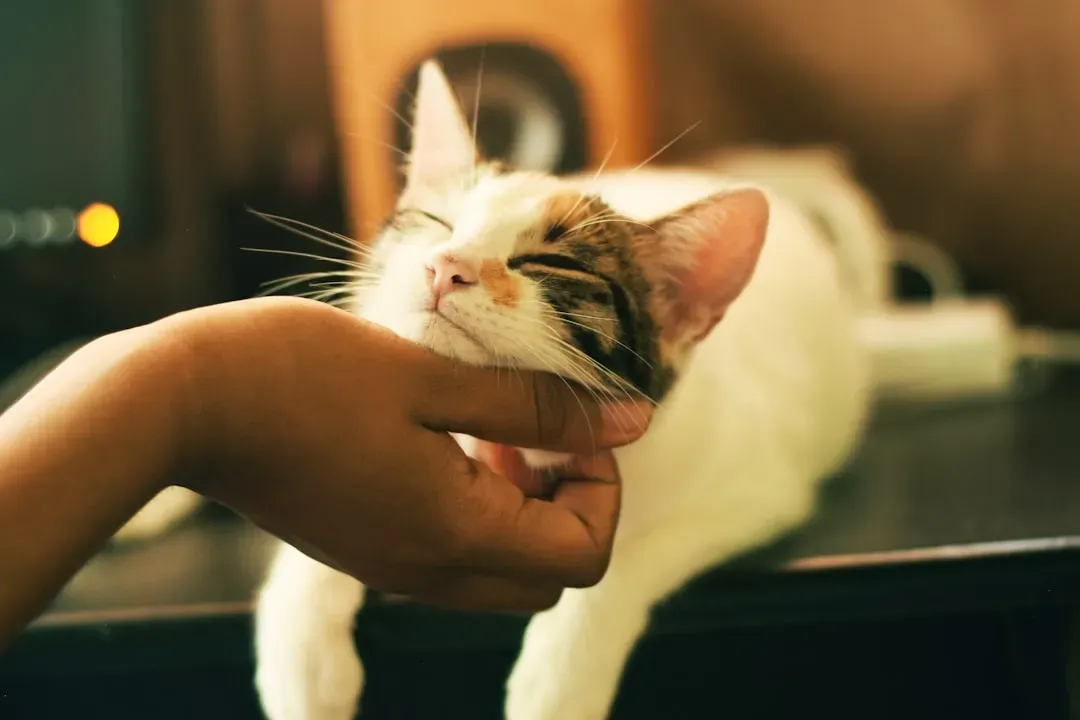
If you want your cat to feel even more like you are family, small, consistent actions matter far more than grand gestures. Keeping a predictable routine for feeding, play, and quiet time helps your cat relax and trust that life is stable. Gentle, respectful touch, like letting your cat choose when and where to be petted, builds a sense of safety and control. Over time, those routines become the backbone of your shared life.
You can also deepen the bond by learning your cat’s personal love language. Maybe your cat prefers interactive play with a feather wand over being held, or maybe they love curling up on your chest at night. When you respond to their preferences instead of forcing your own, you send a powerful message: you see them, you respect them, and you are on their side. That is the kind of thing family does.
Conclusion: To Your Cat, “Family” Looks a Little Different – But It’s Very Real
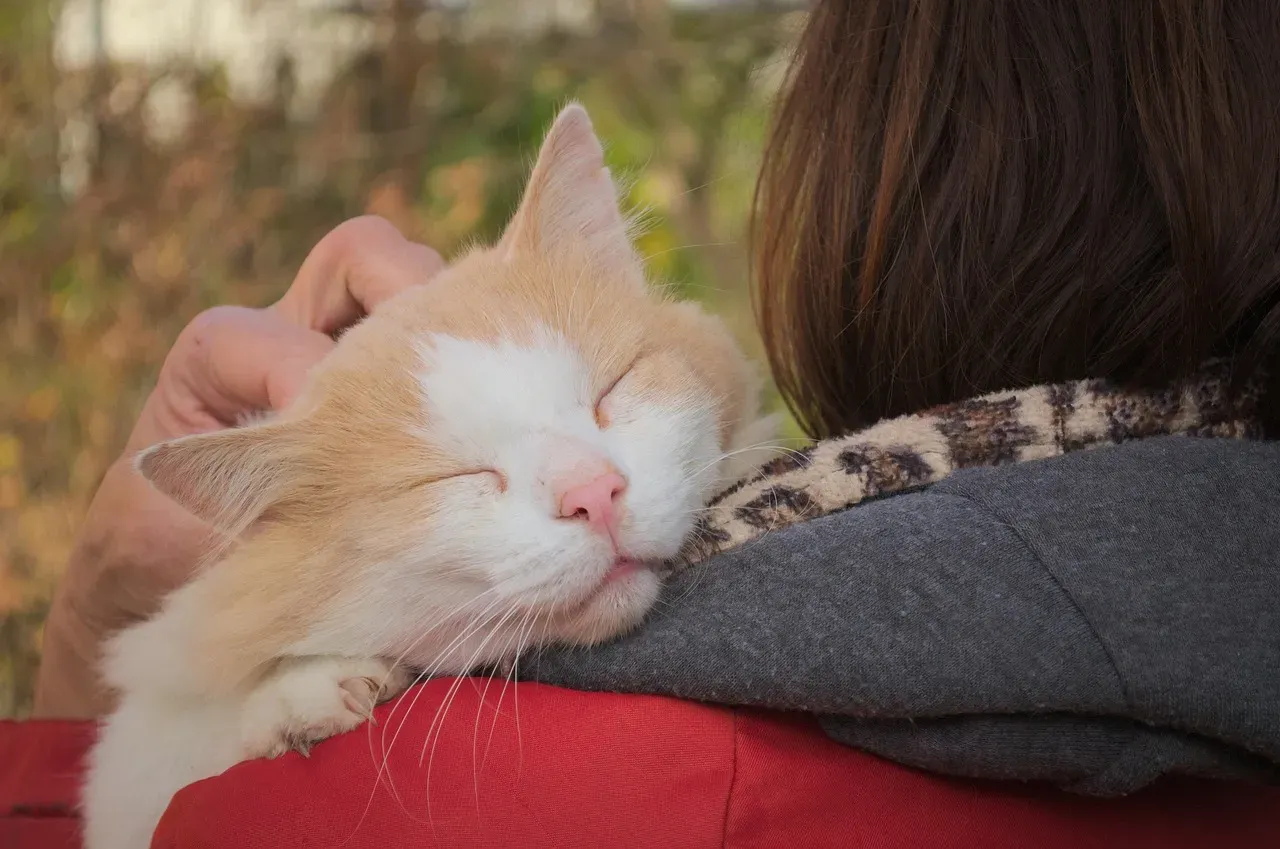
When you step back and look at the evidence, a clear story emerges: your cat is not just sharing your house; they are sharing a relationship with you that looks a lot like family, in their own feline way. They use you as a secure base, rely on your scent for comfort, follow you for companionship, and react to your presence and absence with real emotional shifts. It might be quieter and subtler than what you see with dogs or children, but it is no less meaningful.
So the next time your cat slow-blinks at you from across the room, curls up on your pillow, or pads softly after you down the hallway, you can see those moments for what they are: small, everyday proofs that you matter deeply to this little animal. Maybe your cat does not label you as “mom,” “dad,” or “family,” but through their behavior, they are telling you something close enough. When you look into those calm, trusting eyes, what do you think your cat is calling you in their heart?
Kristina is a young writer from India. An arts graduate and an avid content creator, Kristina is passionate about animals and wildlife. She enjoys exploring topics related to pet care, animal behavior, conservation, and nature, combining thorough research with engaging storytelling.