Most people who share their home with a cat will tell you it just feels better. The morning routine is calmer, the evenings are easier, and somehow a difficult day ends up feeling a little less heavy when there’s a purring creature nearby. That much is obvious to anyone who’s been there.
What’s less obvious is the science behind it. Researchers have spent decades studying the relationship between cats and human health, and what they’ve found goes well beyond warmth and companionship. From your cardiovascular system to your cognitive function, your stress hormones to your children’s immune development, your cat is doing a lot more for you than you probably realize.
Your Heart Literally Benefits From Having a Cat
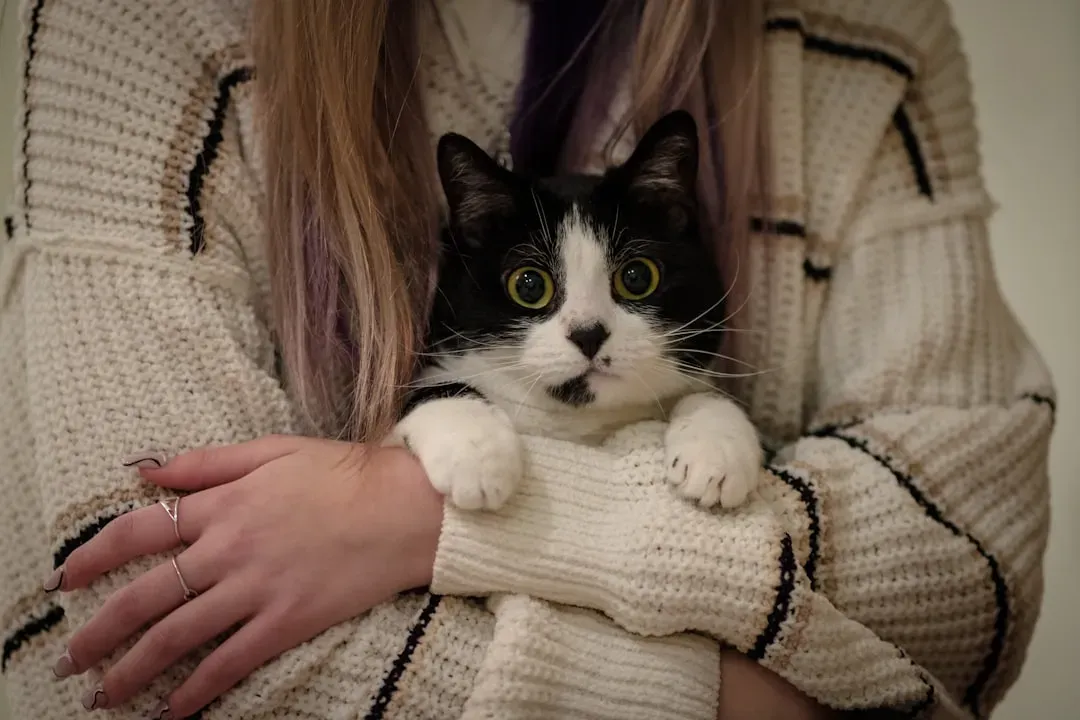
You might not think of your cat as a cardiologist, but the research suggests your heart disagrees. Cat ownership has been linked to a reduced risk of minor health problems, including headaches and hay fever, and petting a cat can decrease blood pressure and heart rate, while cat ownership is also associated with a decreased risk of death due to myocardial infarction or cardiovascular disease.
Cardiovascular reactivity to stress was assessed in 240 couples, half of whom owned a cat or dog. People with pets had significantly lower resting baseline heart rates and blood pressure, significantly smaller increases in heart rate and blood pressure in response to stress, and faster recovery of these parameters to baseline after stress ended. That’s a measurable, physiological difference, not just a feeling.
Your Stress Response Actually Changes Over Time
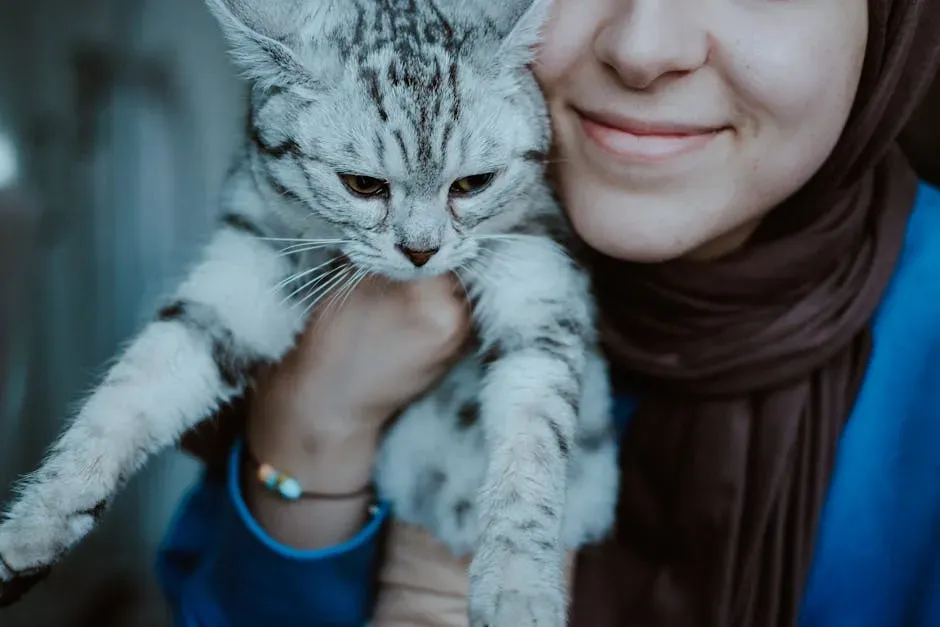
Studies show that spending time with cats can reduce cortisol, the stress hormone, and boost oxytocin, a “feel-good” hormone that helps people relax. What’s interesting is that this isn’t just an immediate reaction to petting your cat. The longer the relationship, the more consistent the effect appears to be.
Petting a cat triggers the release of oxytocin, commonly known as the love hormone, which plays a crucial role in reducing anxiety and fostering feelings of trust and empathy. Studies have shown that cat owners have lower levels of cortisol, the hormone associated with stress. Over months and years, that consistent physiological reset genuinely adds up.
Cat Purring May Carry Real Therapeutic Frequency
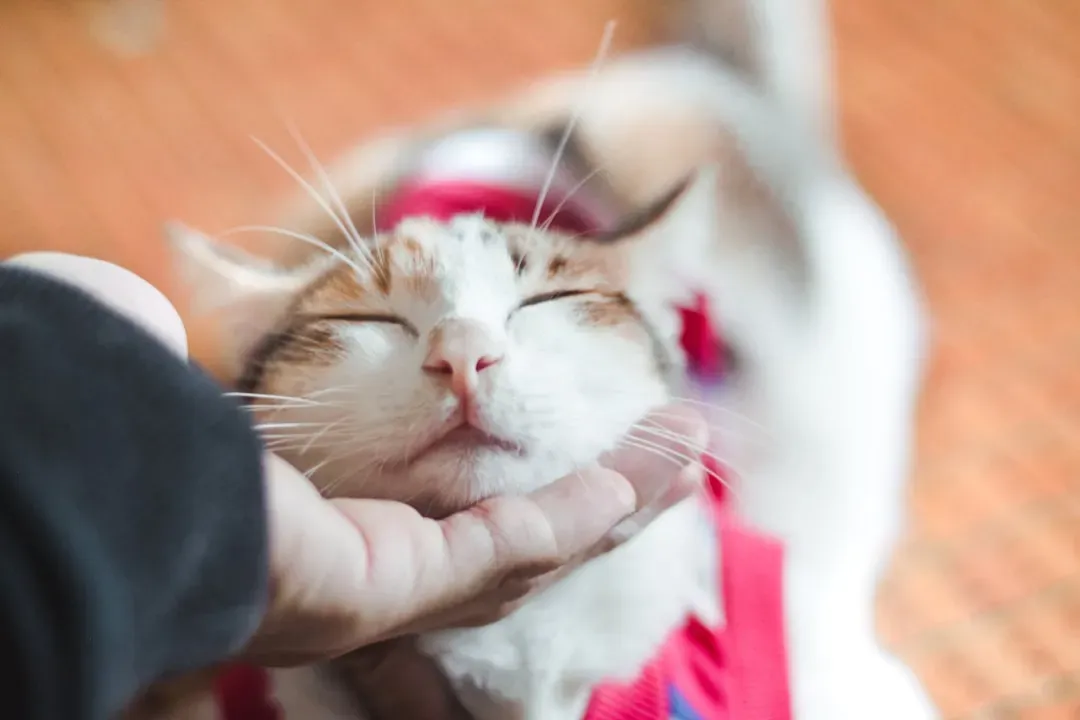
The sound your cat makes when content is more than just pleasant. Studies suggest that the frequency of a cat’s purr, typically between 25 and 150 Hertz, has a relaxing effect on the human nervous system. These are the same frequency ranges used in certain forms of therapeutic vibration treatment.
Research indicates that frequencies in the range of 25 to 50 Hertz can promote bone growth and healing, as these frequencies stimulate the production of osteoblasts, the cells responsible for bone formation. It’s worth noting that much of the evidence here is still preliminary and partly observational, but the intersection of frequency, vibration, and tissue response is a legitimate area of ongoing study. The correlation between cat ownership and improved health is well-documented, even if the purring’s healing properties still require additional scientific validation.
You Sleep Better When Your Cat Is Nearby
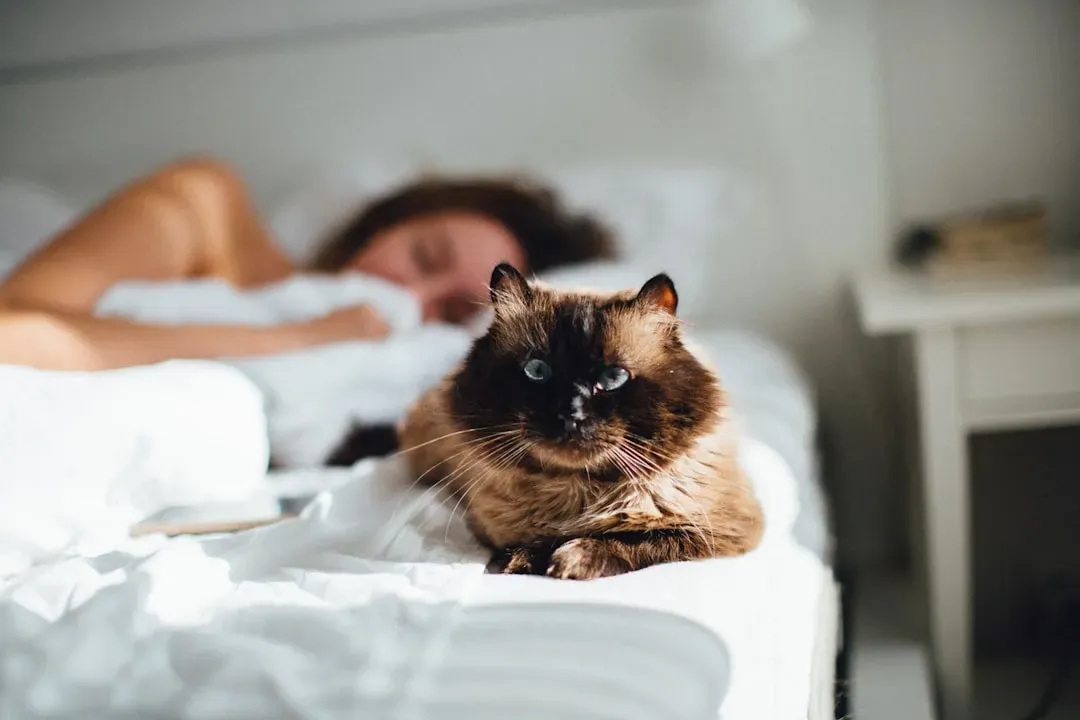
Many cat owners find that sleeping near a purring cat improves their sleep quality. The soft, rhythmic sound acts as a form of white noise, blocking out disruptive sounds and helping the brain enter a state of relaxation. People who suffer from insomnia or frequent nighttime awakenings may experience better sleep when accompanied by a purring feline companion.
The soothing frequency of purring can promote better sleep, and many cat owners report that the presence of their purring pet helps them fall asleep faster and experience more restful sleep. For people dealing with racing thoughts at night, this subtle auditory anchor can make a real difference without requiring any effort at all.
Your Psychological Well-Being Gets a Measurable Boost
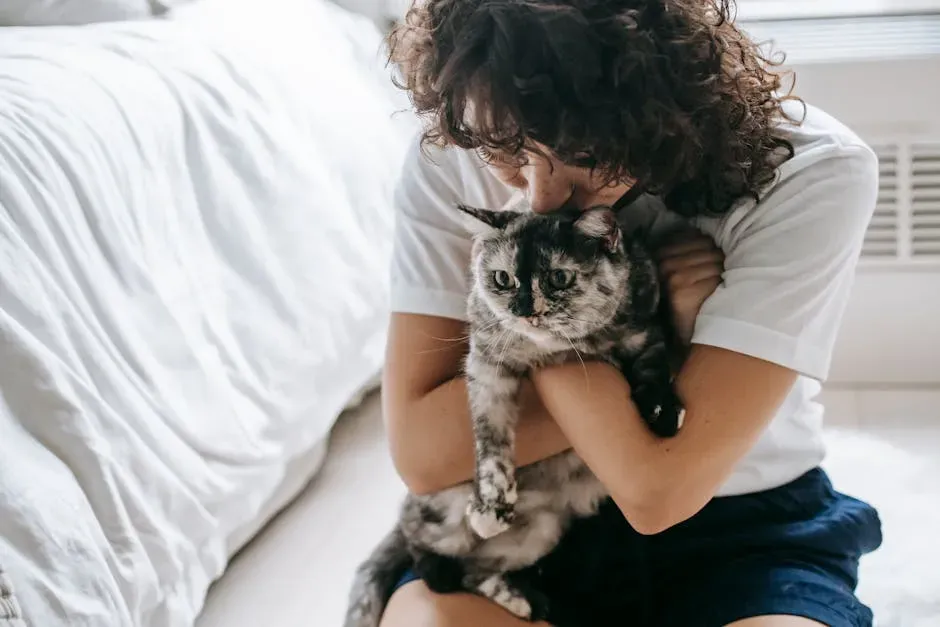
According to one Australian study, cat owners have better psychological health than people without pets. On questionnaires, they claim to feel more happy, more confident, and less nervous, and to sleep, focus, and face problems in their lives better. Those aren’t trivial improvements. Confidence, focus, and resilience are exactly what people spend significant effort trying to build.
Beyond providing emotional support during challenging times, cats play a significant role in promoting psychological well-being. For individuals experiencing stress, anxiety, depression, loneliness, or even autism, the presence of a cat can offer comfort and security. The consistency of that presence matters more than most people give it credit for.
Your Brain Stays Sharper for Longer
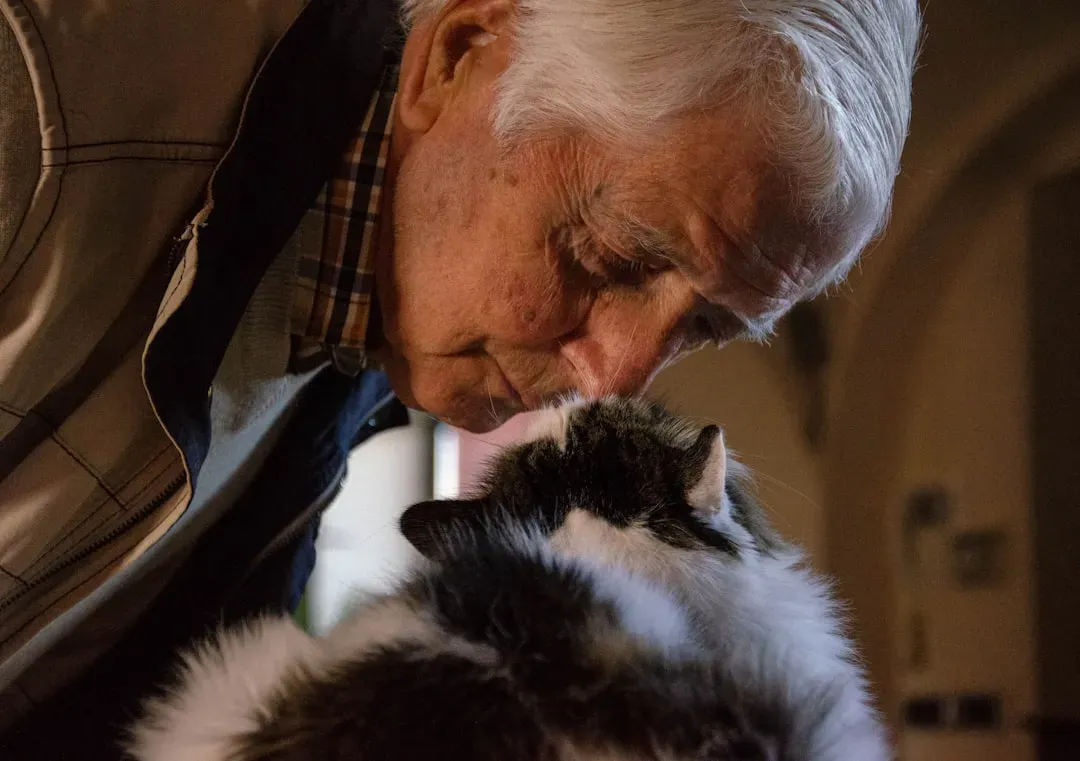
One of the more surprising findings in recent research concerns cognitive aging. Owning a dog or cat might help keep your brain sharp as you age, according to a study published in Scientific Reports in 2025. Researchers examined 18 years of data from 16,582 people aged 50 and older and assessed the link between pet ownership and cognitive decline, as well as any distinctions between people who had dogs, cats, birds, and fish.
Cat owners specifically experienced a slower decline in verbal fluency, the ability to easily and rapidly produce words. Verbal fluency is one of the earlier cognitive functions to show decline with age, so this finding carries real practical weight. Cats have also been associated with positive effects on their owners’ physiological and psychological health, including improved mood and activation of the human prefrontal cortex and inferior frontal gyrus in the brain.
Your Children’s Immune Systems May Develop More Robustly
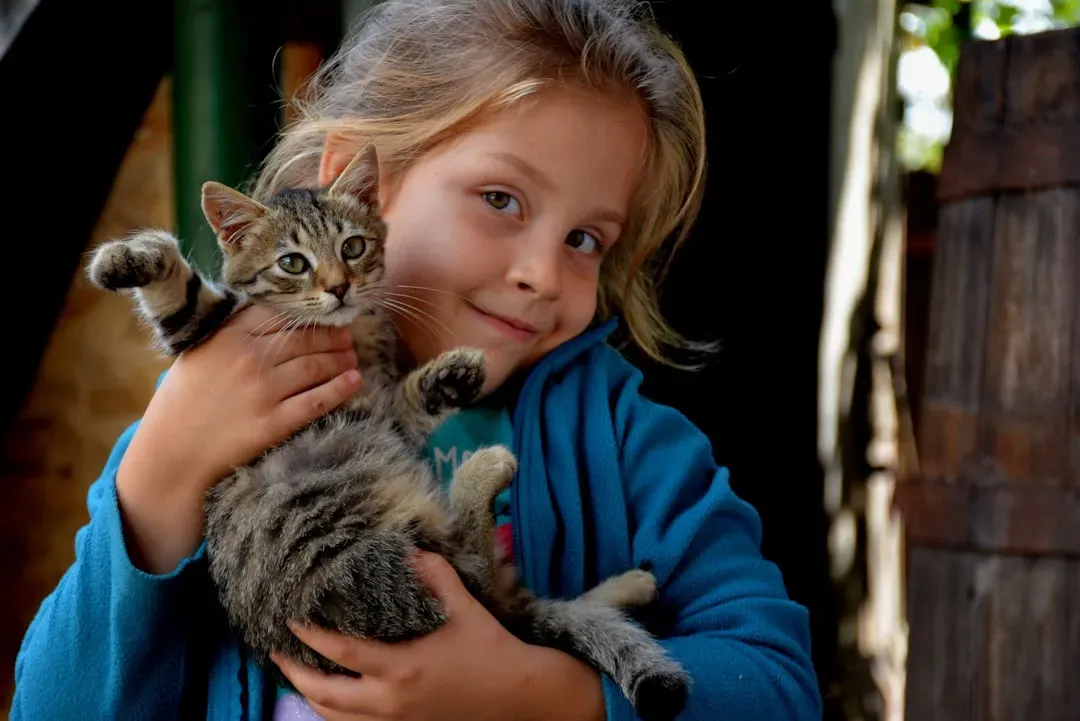
If you have young children at home, your cat could be quietly doing them a substantial long-term favor. Scientific research has demonstrated the positive impact of early exposure to pets on the development of allergies. In a study of lifetime cat exposure and sensitization, teenagers who lived with a cat during the first year of their life had a notably lower risk of cat allergy than their peers, and those with an indoor cat in the first year of life had a decreased risk of being sensitized to cats overall.
The main explanation for the prevention of allergy in children exposed to cats in their first years of life is that early exposure to a sufficient quantity of allergens may train the immune system not to react allergically to those animals. That said, the research falls short of proving definitively that cats can prevent allergies and asthma, and it’s a correlation that may be true but hasn’t been fully proven yet. The evidence is promising but nuanced, and individual genetic factors matter considerably.
Loneliness and Social Isolation Are Actively Countered
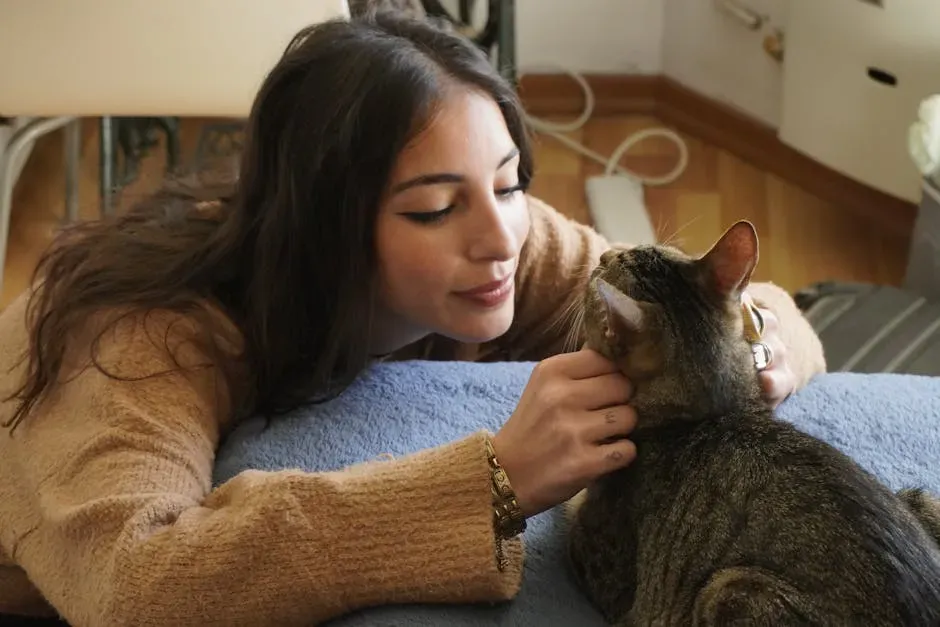
People experiencing loneliness or social isolation are more likely to develop heart disease, dementia, and depression. That makes the social and emotional role your cat plays genuinely medicinal. Cats offer consistent, nonjudgmental presence in a way that complements, rather than replaces, human connection.
Research has found that cat owners are more socially sensitive, trust other people more, and like other people more than people who don’t own pets. This is a less obvious benefit. Your relationship with your cat may actually be shaping how you relate to other people, strengthening rather than substituting for human bonds. For individuals who live alone or struggle with mental health challenges, a cat’s presence can offer consistent comfort, and the predictability of a cat’s purring response reinforces feelings of security and emotional connection.
Children Who Grow Up With Cats Develop Key Life Skills
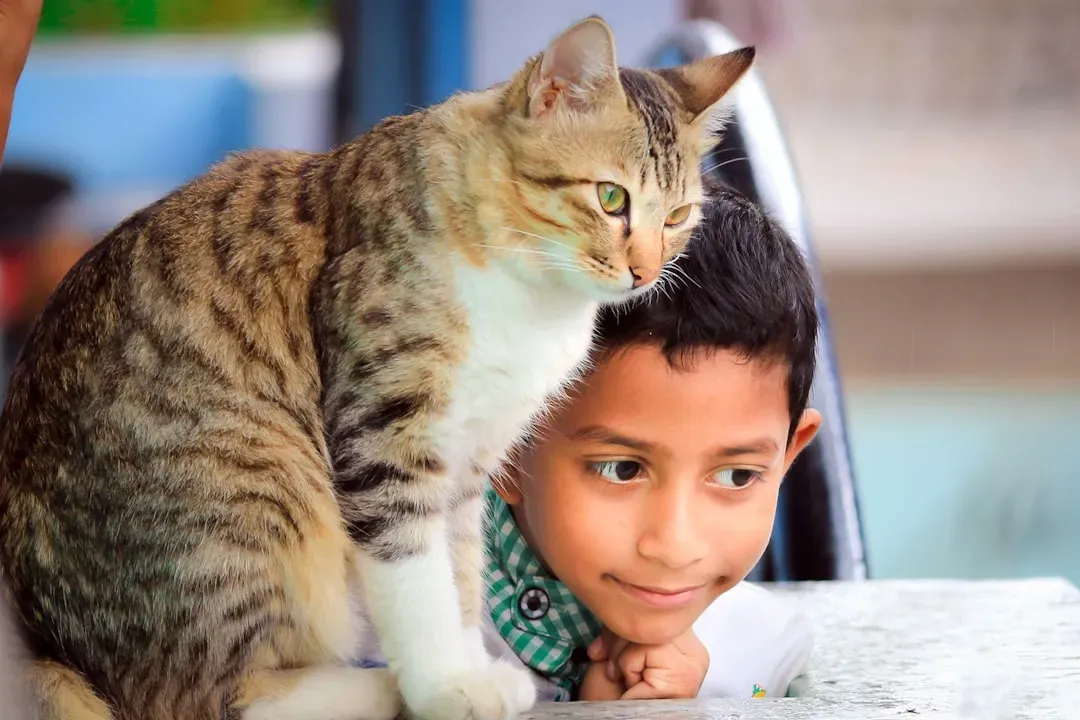
The benefits for children extend beyond immunity. Adopting a cat can be good for your kids: in a survey of more than 2,200 young Scots aged 11 to 15, kids who had a strong bond with their cats had a higher quality of life. The more attached they were, the more they felt fit, energetic, and attentive, and the more they enjoyed their time alone, at leisure, and at school.
A pet offers unconditional support when a child is sad, angry, or upset, and can teach your child to trust the pet, themselves, and build trust in other relationships as well. Compassion is another life skill developed when a child takes care of a pet, as they learn to be kind to others through taking care of their furry friend’s basic needs. These are quietly significant emotional foundations that shape a child’s development in ways that reach far beyond the household.
Your Overall Sense of Happiness and Life Satisfaction Increases
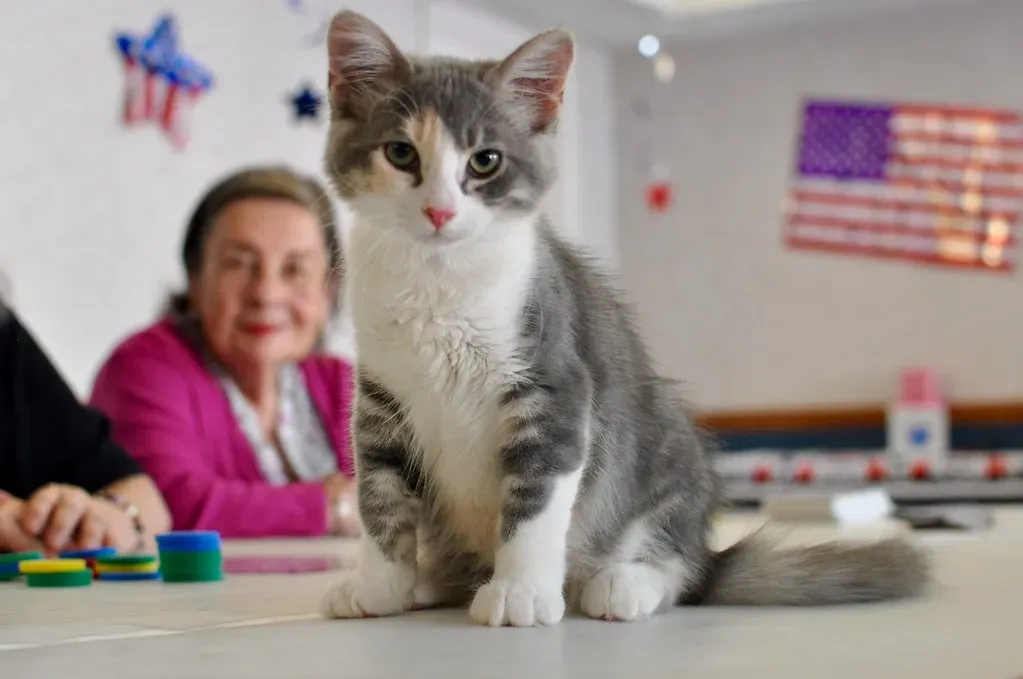
This one might seem obvious, but the scale of it is worth noting. A 2024 study confirmed that people who have a pet, whether a dog or a cat, are generally much happier than those without. Happiness, in real terms, has documented downstream effects on physical health, immune function, and longevity.
In 2025, economists used a large British dataset to assess how much more money pet owners thought they would have to earn to get the same life satisfaction that pets gave them, and the conclusion was up to $90,000 a year. That’s a striking way to quantify something we usually treat as unquantifiable. Elderly people who keep cats have also been observed to have a longer life expectancy than those who do not.
Conclusion
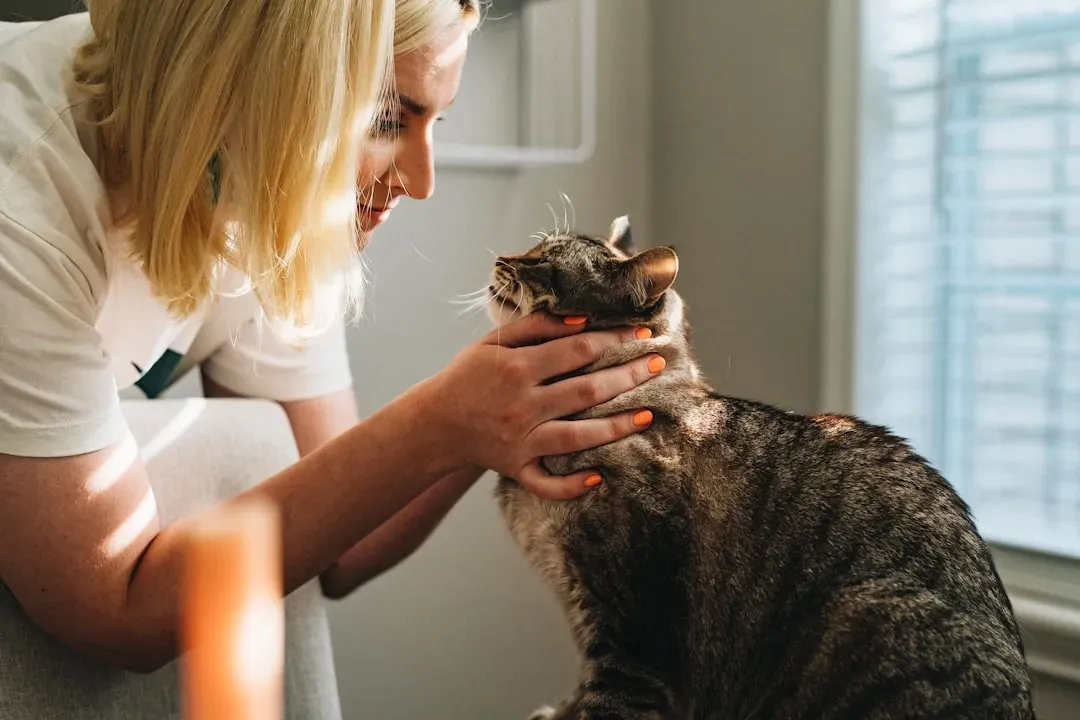
The case for cat ownership has always felt self-evident to the people who live it, but it’s genuinely interesting to see how much of that intuition is supported by data. Reduced cardiovascular risk, lower cortisol, sharper cognitive aging, stronger childhood immune development, better sleep, a quieter nervous system. These are not small things.
None of this means a cat is a substitute for medical care or that every health claim circulating online is equally validated. Some areas, like the direct healing power of purring vibrations, remain more promising than proven. The evidence is often observational, and individual results vary considerably.
Still, the overall picture is coherent. A cat asks relatively little and returns quite a lot. That’s probably the most honest summary of what the science suggests, and it’s one most cat owners would recognize immediately.