Cats have carried more myths on their backs than perhaps any other pet. From ancient superstitions to modern social media caricatures, the image of the cold, emotionally detached feline has proven stubbornly persistent. Yet the more scientists actually study cats, the more that image crumbles.
The research emerging from animal behavior labs in recent years paints a genuinely different picture of cat emotional life. Your cat is not the aloof, indifferent creature popular culture insists it is. If you’ve believed some of these old tales, you’re not alone, but it’s time to set the record straight.
Myth #1: Cats Don’t Bond With Their Humans
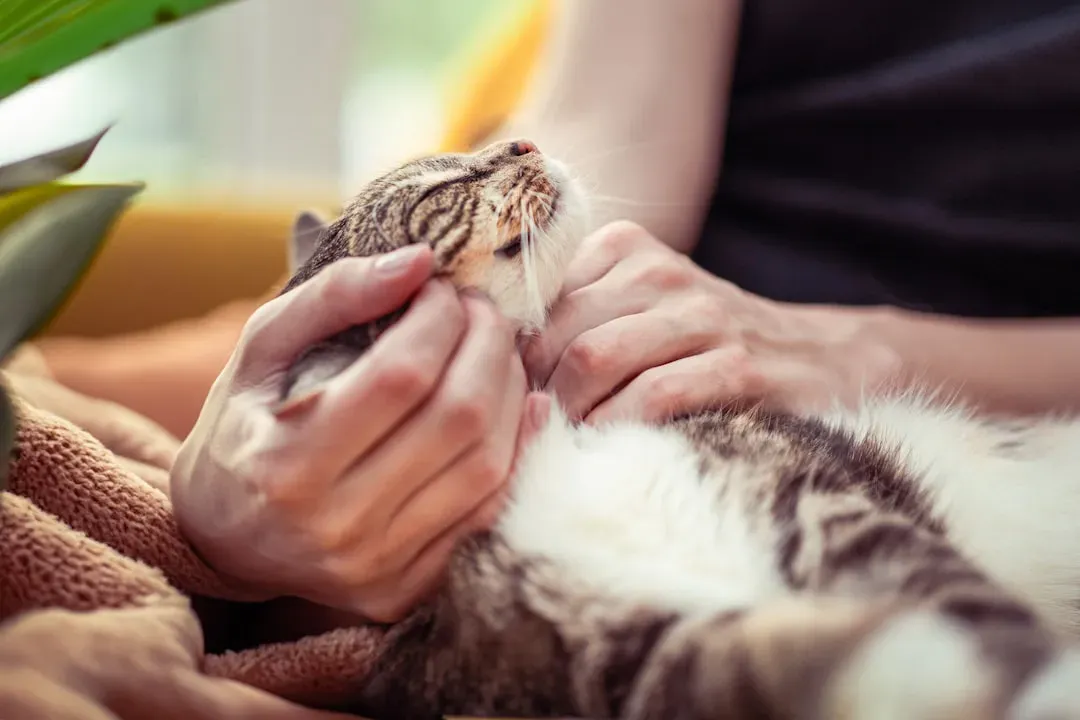
This is probably the most widespread myth of them all, and it’s wrong in a way that matters. Cats may have a reputation for being indifferent and standoffish, but studies show that most cats create strong attachments to their guardians and experience feelings of comfort and safety by being around them. The assumption that cats simply tolerate your presence is not supported by the evidence.
Indicators of attachment relationships between cats and humans, including proximity seeking, separation distress, and reunion behavior, are present in cats, and researchers found that cats show a similar capacity for the formation of secure and insecure attachments toward human caregivers as previously demonstrated in children and dogs. In other words, your cat’s bond with you is structurally similar to the bond a toddler forms with a parent. That’s not a trivial finding.
Myth #2: A Purring Cat Is Always a Happy Cat
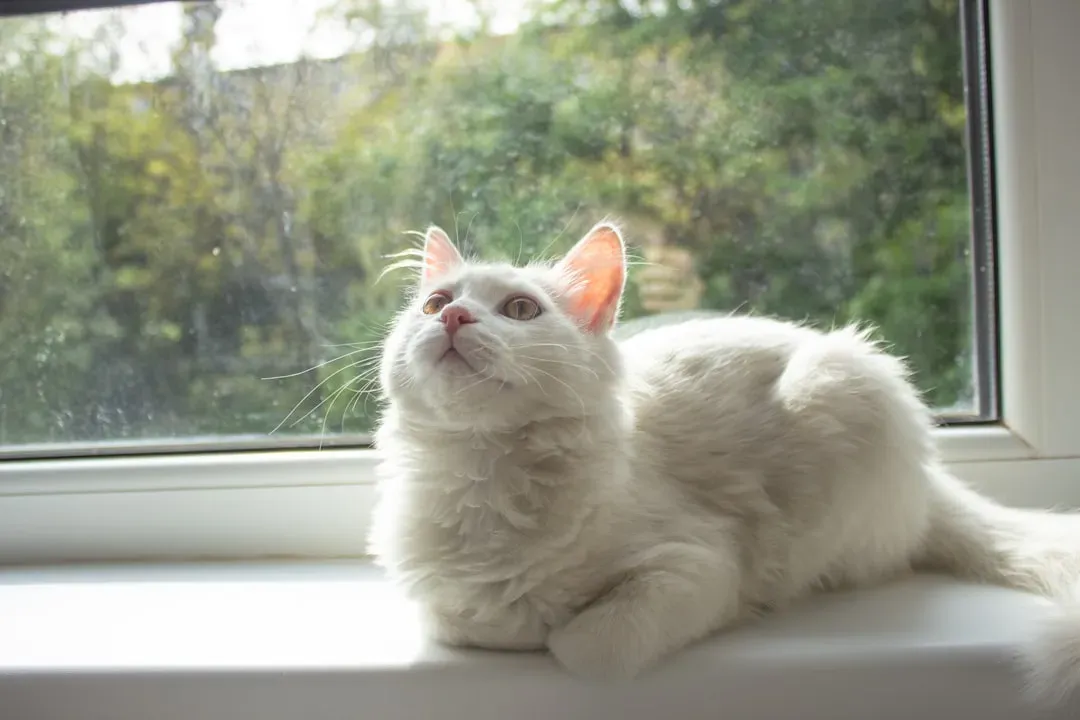
It seems logical. Cat purrs. Cat must be happy. Except the science tells a more layered story. According to the American Animal Hospital Association, purring can express contentment but can also mean a number of other things. In some cases cats purr when they’re stressed, as a way of self-soothing. Cats also purr when they’re in pain for the same reason. The purr is a tool, not simply a report on emotional state.
Purring is often associated with contentment and happiness in cats, but while purring can indicate happiness, cats may also purr in other situations, including when they’re anxious, stressed, or in pain. Cats may purr as a self-soothing mechanism to alleviate stress or discomfort, or as a way to communicate with their human caregivers. If you want to know how your cat actually feels, you’ll need to look beyond the sound and pay attention to body language too.
Myth #3: Cats Are Naturally Solitary Animals
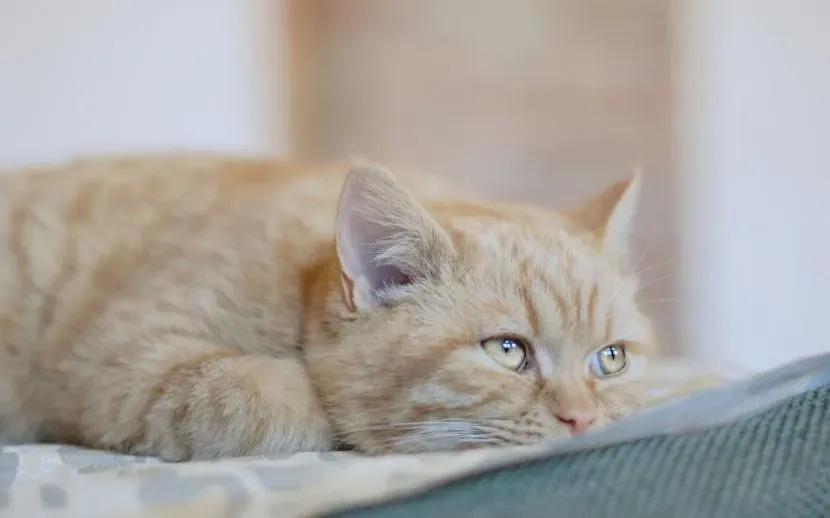
The lone predator image has followed cats for centuries. It’s not particularly accurate for domestic cats. While cats are indeed more independent than dogs, research shows they are not the lone wolves many believe them to be. Studies conducted on feral cat colonies reveal that cats can form complex social structures and establish genuine bonds with both humans and other animals. Indoor cats, too, often exhibit affectionate behavior, seeking companionship and playtime with their human counterparts.
Behavioral studies have shown that cats are facultatively social animals, demonstrating complex social behaviors such as affiliative behaviors, especially in environments that favor interaction, such as shelters, multicat houses, and free-ranging cat colonies, and that cats can form emotional bonds with their guardians and seek their company at specific times. Calling your cat a loner is a bit like calling someone introverted and then concluding they don’t love their family. The two things simply don’t follow from each other.
Myth #4: Cats Have Very Few Facial Expressions
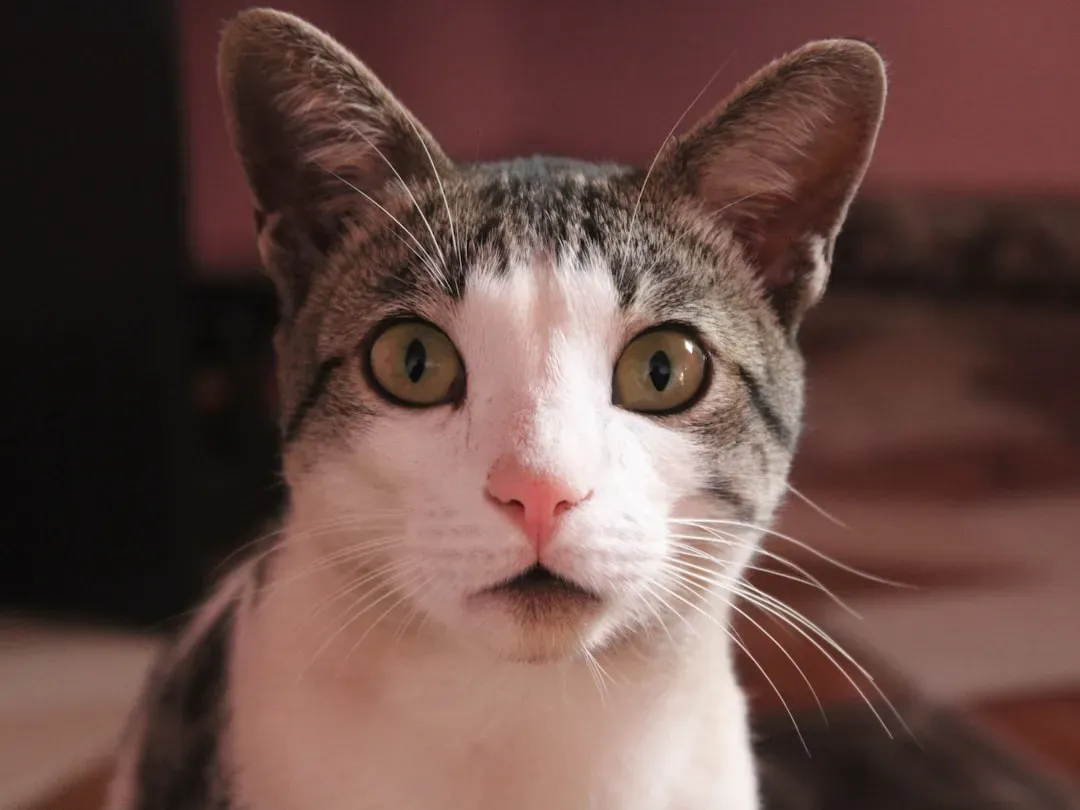
You might think of dogs as the expressive ones and cats as blank-faced observers. Research published in the journal Behavioural Processes demolished that assumption. Researchers tallied 276 different feline facial expressions, used to communicate hostile and friendly intent and everything in between. That number surprised the scientists involved in the study as much as it surprises most cat owners.
The vast majority of the cats’ expressions were either distinctly friendly, accounting for roughly nearly half, or distinctly aggressive, accounting for well over a third, while the remaining portion were so ambiguous that they fell into both categories. The study demonstrated that cat communication is more complex than previously assumed, and researchers suggest that domestication has had a significant impact on the development of facial signaling in cats. Your cat’s face is saying a great deal. You just have to learn to read it.
Myth #5: Cats Don’t Experience Separation Anxiety
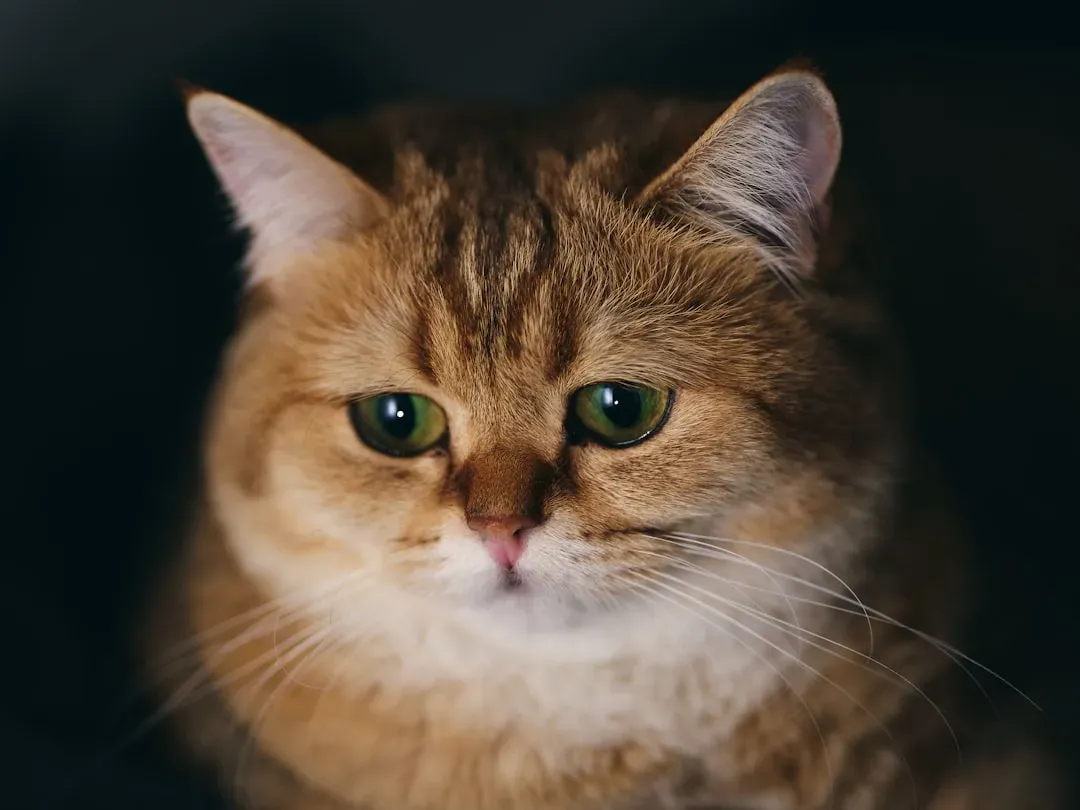
This myth conveniently lets people off the hook for leaving their cats alone for very long stretches. The science disagrees. Cats can experience separation anxiety when their owners are away for extended periods. They may exhibit behaviors such as excessive meowing, destructive scratching, or changes in appetite. These are not random quirks. They are emotional responses to your absence.
Studies have shown that cats are capable of forming deep attachments to their human companions, and they exhibit signs of separation anxiety and can even mimic human emotions. Cat behavioral problems, which are often rooted in anxiety, fear, and social stress, are regularly given as reasons for their abandonment, relinquishment, and euthanasia. Understanding that your cat genuinely misses you isn’t sentimental projection. It’s just accurate.
Myth #6: Cats Show Affection the Same Way Dogs Do, or Not at All
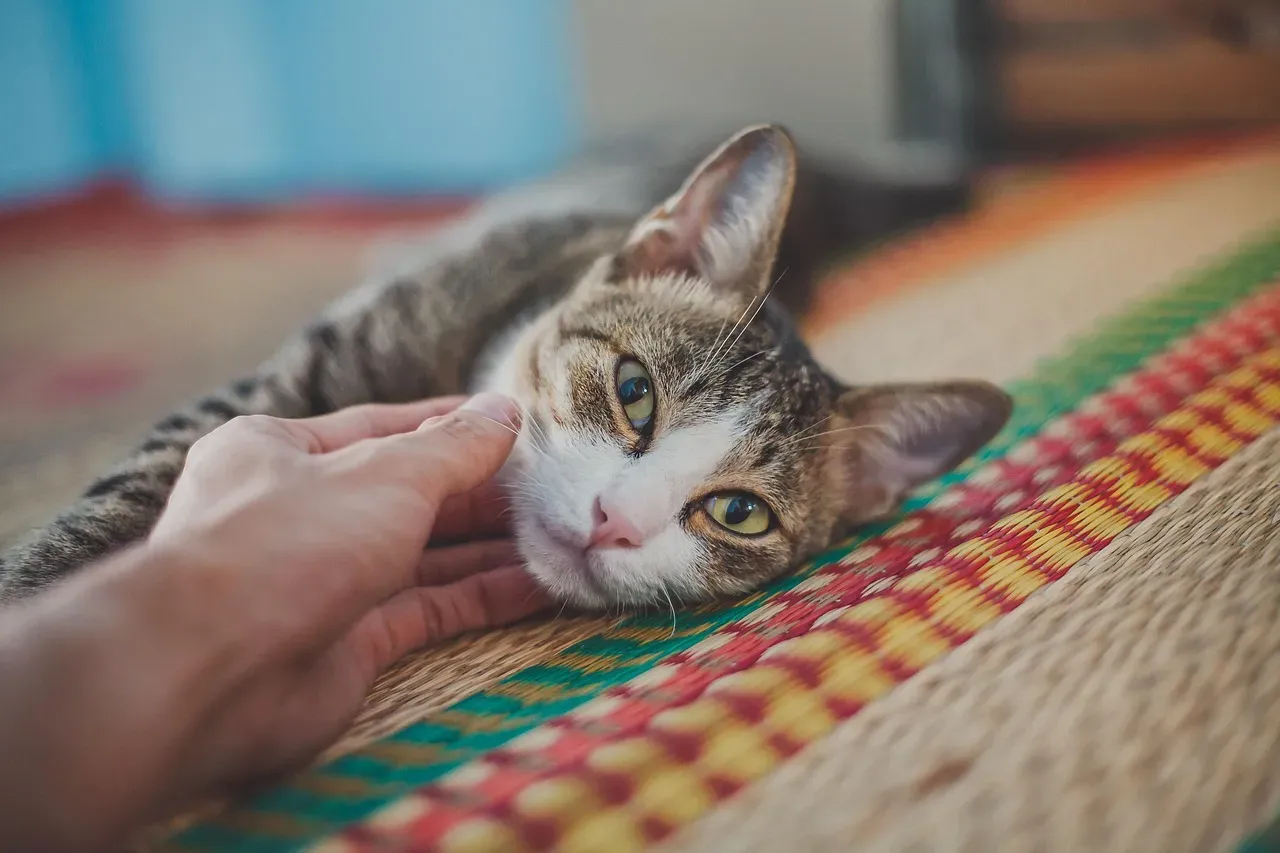
One of the most persistent mistakes people make is judging cats against a dog-behavior template. Cats express affection differently than dogs, often in subtler ways, such as purring, kneading, or gently head-bumping. Research indicates that cats can form strong emotional bonds with their owners, similar to the attachment children have to their caregivers. The affection is real. The style is simply different.
Cats show their love in many ways, like purring, kneading, slow blinking, rubbing up against your legs, and following you from room to room. Each cat is unique, so even if your feline friend isn’t a lap cat, they may show you affection in a different way. A cat that sits in the same room as you, or blinks slowly in your direction, is communicating trust. Don’t dismiss it because it doesn’t look like a dog wagging its tail.
Myth #7: Cats Are Low-Maintenance Pets That Need Little Emotional Care
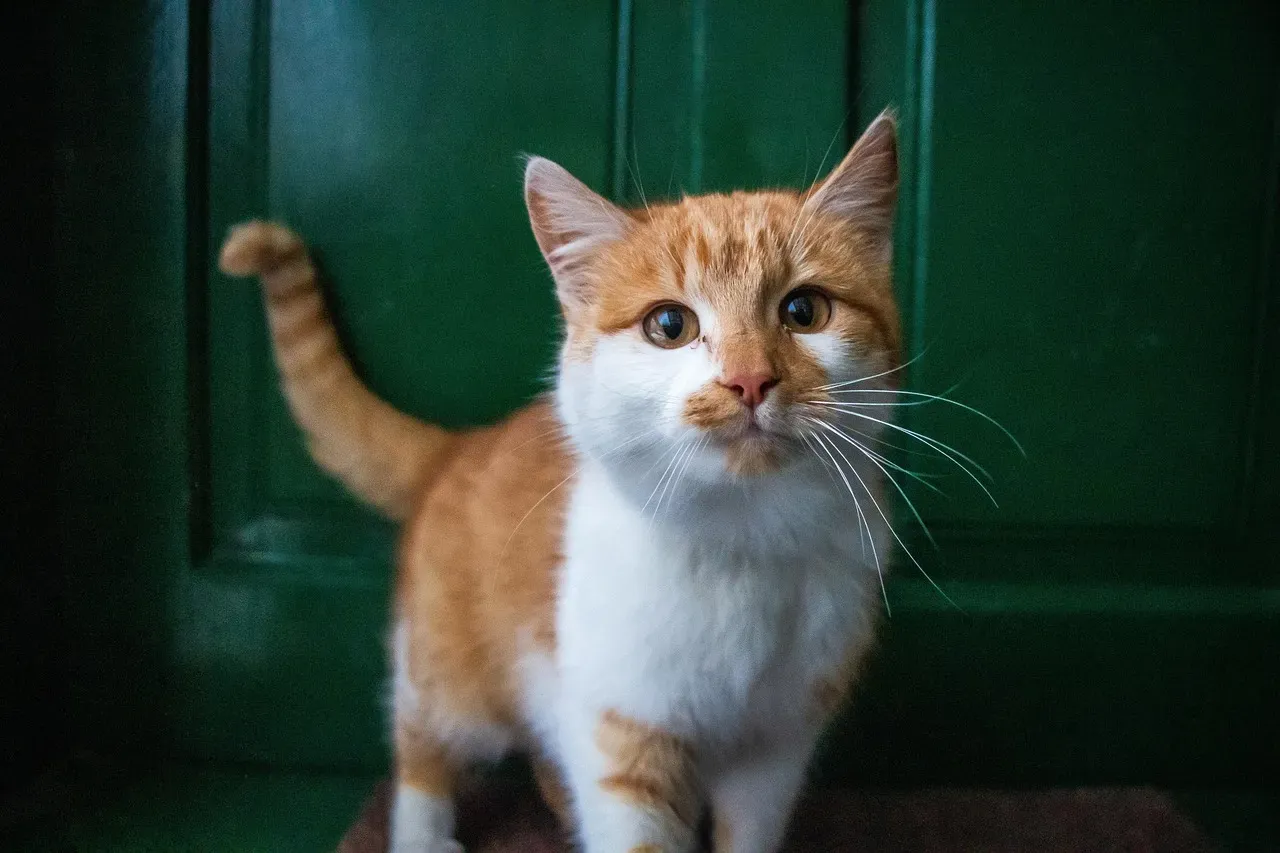
This myth causes genuine harm, because it leads people to under-invest in their cats’ wellbeing. Though cats may appear to require less attention than dogs, being low-maintenance is a common misconception. Cats need daily mental stimulation, interactive play, and veterinary care to thrive. They also benefit from a stable environment and consistent routines. Failure to provide these necessities can result in behavioral problems such as obesity, anxiety, and destructive behavior.
While cats have a reputation for being independent, they need just as much care as dogs do. Regular vet visits, daily exercise and mental enrichment, and plenty of positive attention from their guardians are all essential to a cat’s well-being. Playing, snuggling, and spending time with your cat also increases the bond between you and your furry friend, which is good for your well-being too. Think of a cat’s emotional needs as quieter, not smaller.
Myth #8: Cats Can’t Recognize Their Owner’s Voice or Mood
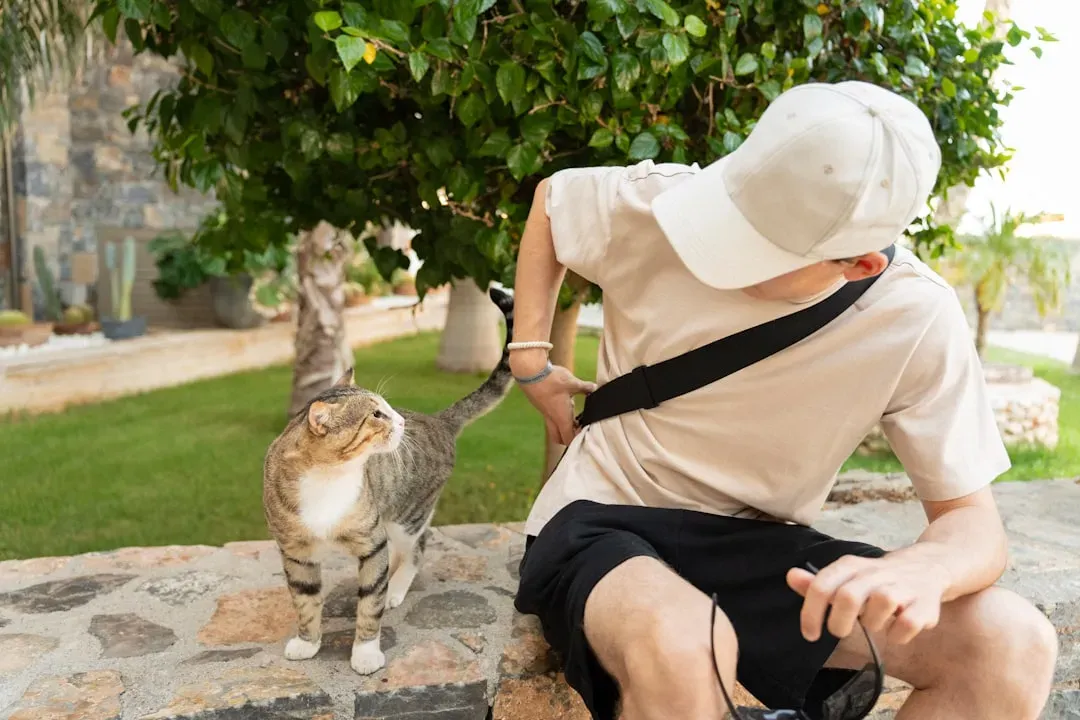
Some people genuinely believe their cat has no idea who they are or what they’re feeling. Research points the other way. Research published in the journal Animal Cognition revealed that cats can distinguish between when a human they care about is talking to them versus another human. They’re paying more attention to you than you probably realize.
One indication of the cat-human bond is a synchronized behavior known as slow blink-matching. If their humans slowly open and close their eyes in a series of blinks, cats will slow-blink back, matching the frequency at which their owners are blinking. That’s not instinct working blindly. That’s a cat reading you and responding deliberately. Scientists are learning that cats are far more intelligent and sophisticated than even their greatest admirers might have believed, and much of this has to do with their unique relationship with humans.
Myth #9: Cats Don’t Need Your Emotional Investment Because They’re “Independent”
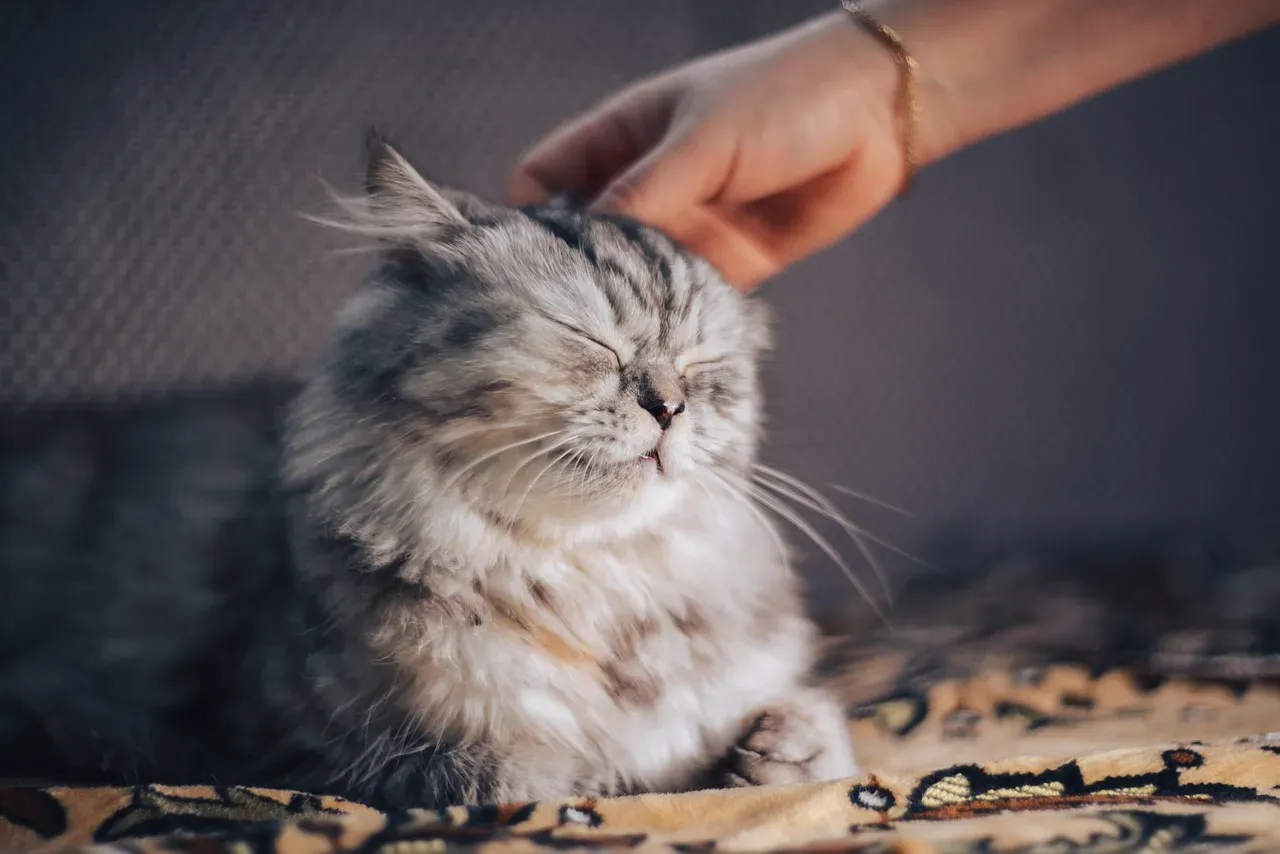
Independence is real in cats, but it’s often used as an excuse to dismiss their emotional lives entirely. People’s expectations of cats and their ability to interpret their behavior are influenced by pervasive myths that often paint cats as low-maintenance, self-sufficient animals, in stark contrast to other popular pets. That framing does cats a genuine disservice, and it can hurt them.
Viewing cats as asocial can harm them, as their caretakers are less likely to provide affection, exercise, hair brushing, toys, and veterinary care. A better understanding of cat behavior, and an appreciation for each cat’s individuality, will benefit cats as well as caretakers. Independence is a trait, not a verdict on how much emotional connection your cat is capable of or deserving of. The two things are entirely separate.
Conclusion: Your Cat Feels More Than You Think
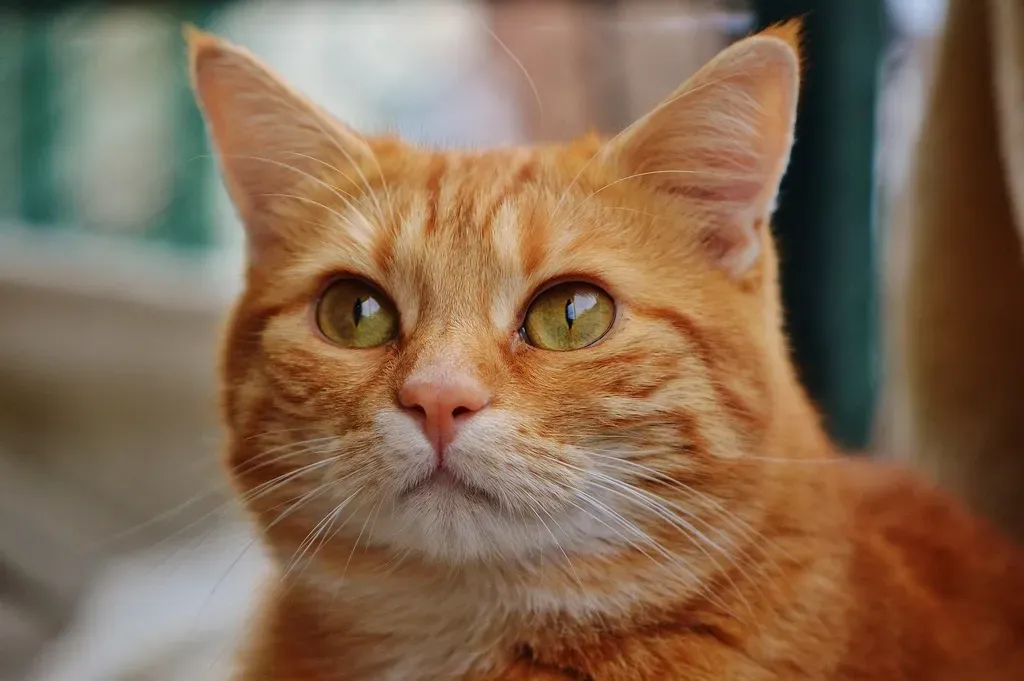
The old tales about cats being cold, emotionally simple, or fundamentally disconnected from their owners are not just inaccurate. They’re outdated. Behavioral science has spent decades slowly, carefully building a case for the emotional richness of feline life, and the evidence is now substantial enough that dismissing it requires real effort.
What changes when you let go of these myths? You start noticing the slow blink your cat offers from across the room. You recognize the purr that sounds slightly off-key and check whether something is wrong. You stop feeling silly for thinking your cat actually missed you, because the research says they probably did.
Cats have adapted alongside humans for thousands of years. It would be strange if that history produced no emotional connection at all. As it turns out, it produced quite a deep one. The myths just got in the way of seeing it clearly.