Ever wonder if your furry friend is actually trying to brighten your day? Those adorable behaviors aren’t just coincidences. Your cat has mastered the art of feline charm, using an arsenal of endearing tactics designed to melt your heart and keep you wrapped around their tiny paws.
From the moment they wake up to their final evening ritual, cats perform a daily symphony of gestures that seem almost calculated to bring joy. These behaviors stem from deep evolutionary roots and social bonding instincts that have been fine-tuned over thousands of years of domestication.
The Slow Blink Love Letters
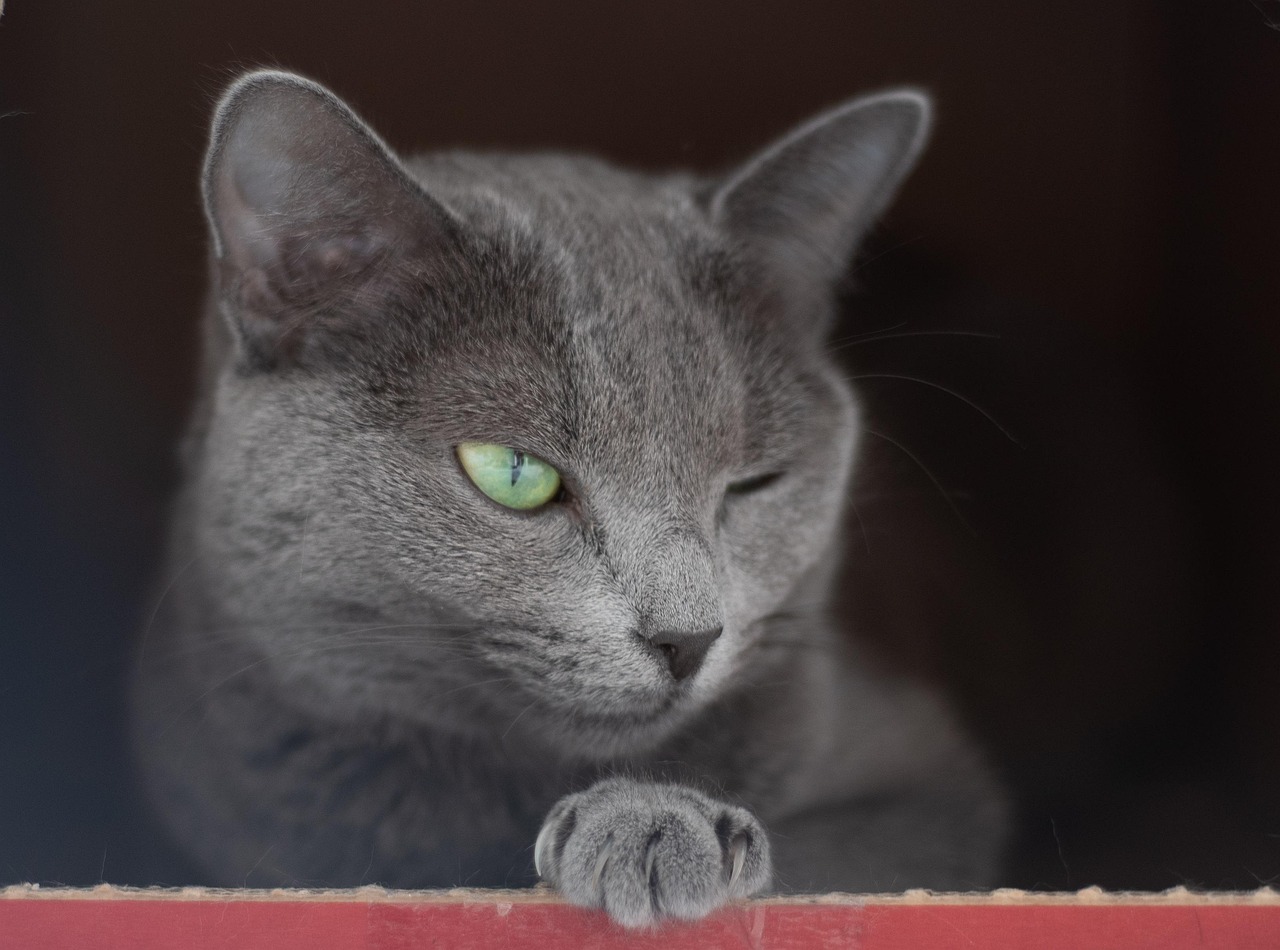
In a study of cats, the cat behavior of several half-blinks followed by a prolonged eye narrowing or eye closure was found to be a positive emotional response, sometimes called a “cat kiss,” this subtle but meaningful gesture is a deliberate behavior that your cat makes to show they’re content and calm being with their loved ones. Cats only make eye contact with people they like and are even known to make ‘eye kisses’! This is when a cat will stare with half closed eyelids and slowly blink, repeatedly.
Think of it as your cat sending you little love notes throughout the day. Behaviorist call this act “kitty kisses.” These slow blinks are your feline’s way of showing affection and telling you that they like and trust you. If you blink slowly back at them, they most likely will continue to blow “kitty kisses” your way. This intimate form of communication creates a special bond between you and your cat, making ordinary moments feel extraordinary.
The Chirping Greeting Committee
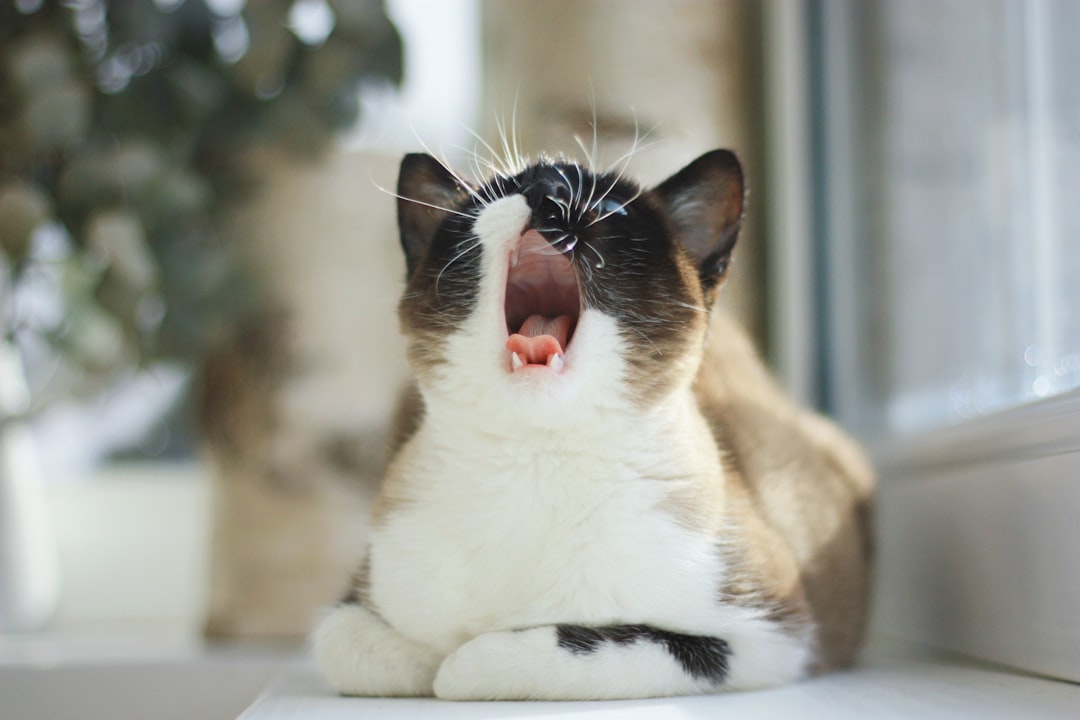
Experts note that chirps are generally used for greeting, attention, and social interaction. A chirp is basically a high-pitched “Hello!” to their person. Chirping is an adorable way a cat lets you know he’s happy. A chirp is usually a very quick, repetitive, “bird-like” sound your kitty makes very quietly.
Your cat’s chirps aren’t random sounds. The sound typically means he’s happy, excited, and focused on a potential hunt. When they see you after a long day, those cheerful chirps are their way of celebrating your return. At times, your cat may even chirp like a bird when they’re sitting at their favorite window, watching birds or squirrels.
The Melodic Trill Symphony
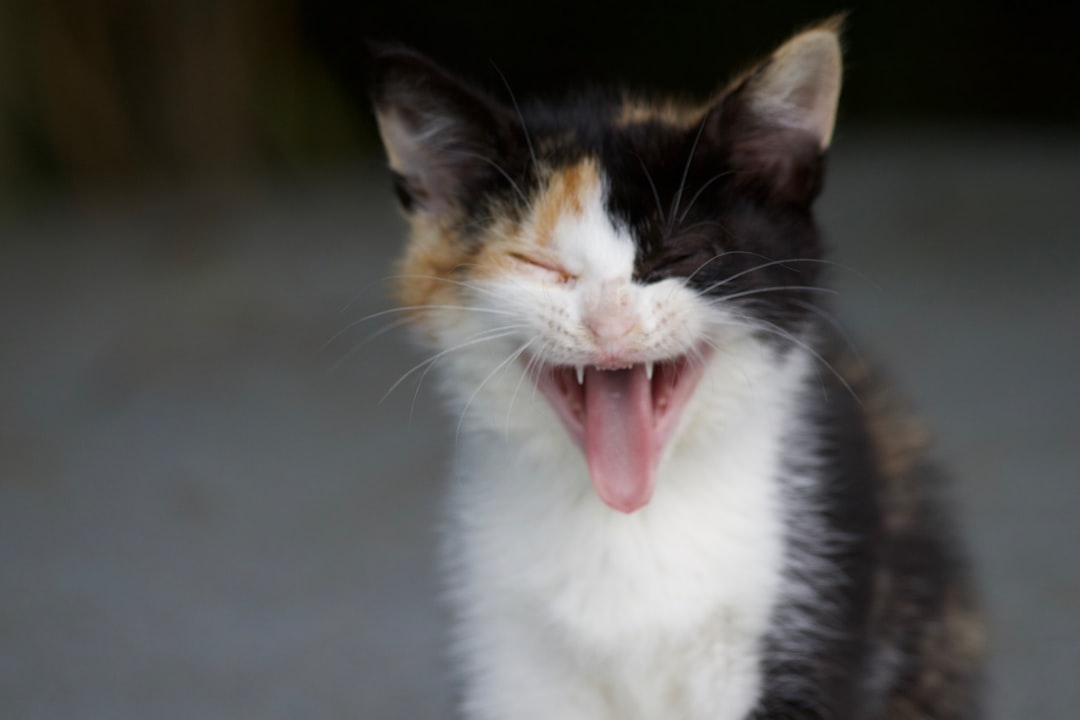
This shows that cat trilling is associated with positive emotions. The above mentioned study with 74 cats found that in pleasant situations, like being offered a favorite snack, cats made specific sounds like trilling, squeaking, purring, and chattering. Trilling is often used by adult cats as an expression of affection and happiness. You may find your cat also uses trilling as a way to indicate they want you to pet them.
A trill is produced with a soft voice and sounds like a purr but with a higher pitch. Cats may trill to greet and thank their human family members for something, such as a snack or a pet. This musical greeting makes even the most mundane encounters feel special. Cats trill when they’re happy or want your attention, so you should feel honored when they do it, according to veterinary experts. Since trilling represents good emotions, you should reinforce that by responding positively.
The Head Bonk Affection Bomb
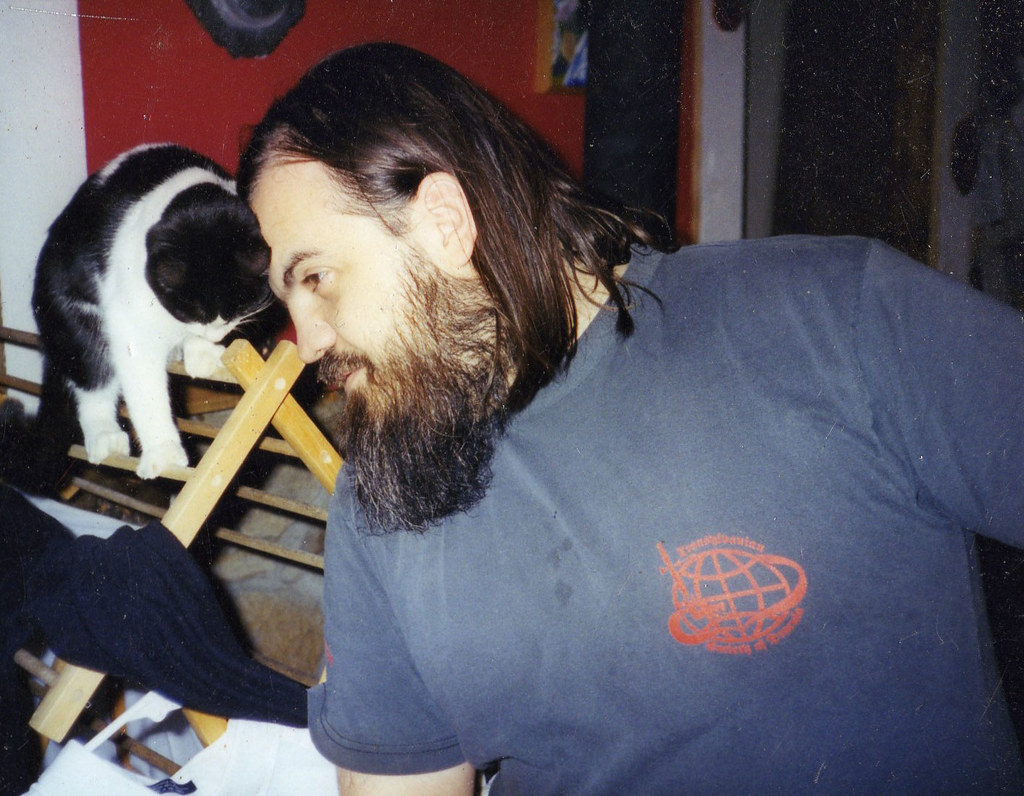
When your cat rubs its head against you or objects in your home, it’s a display of affection and marking territory. Cats have scent glands on their heads, and by head bunting or rubbing, they are leaving their scent as a way of claiming ownership and showing love. One way cats and humans interact is through “head bunting,” in which a cat rubs its head on a human in order to leave its scent to claim territory and create a bond.
Those gentle head bumps are actually declarations of love. Headbutting and cheek rubbing is an effective way for them to do so – and to say ‘I love you!’. Cats have an incredibly sophisticated sense of smell and when they love another creature, attempt to both mark and mingle scents with them. Headbutting and cheek rubbing is an effective way for them to do so – and to say ‘I love you!’. Your cat is essentially telling the world that you belong together.
The Kneading Massage Therapy
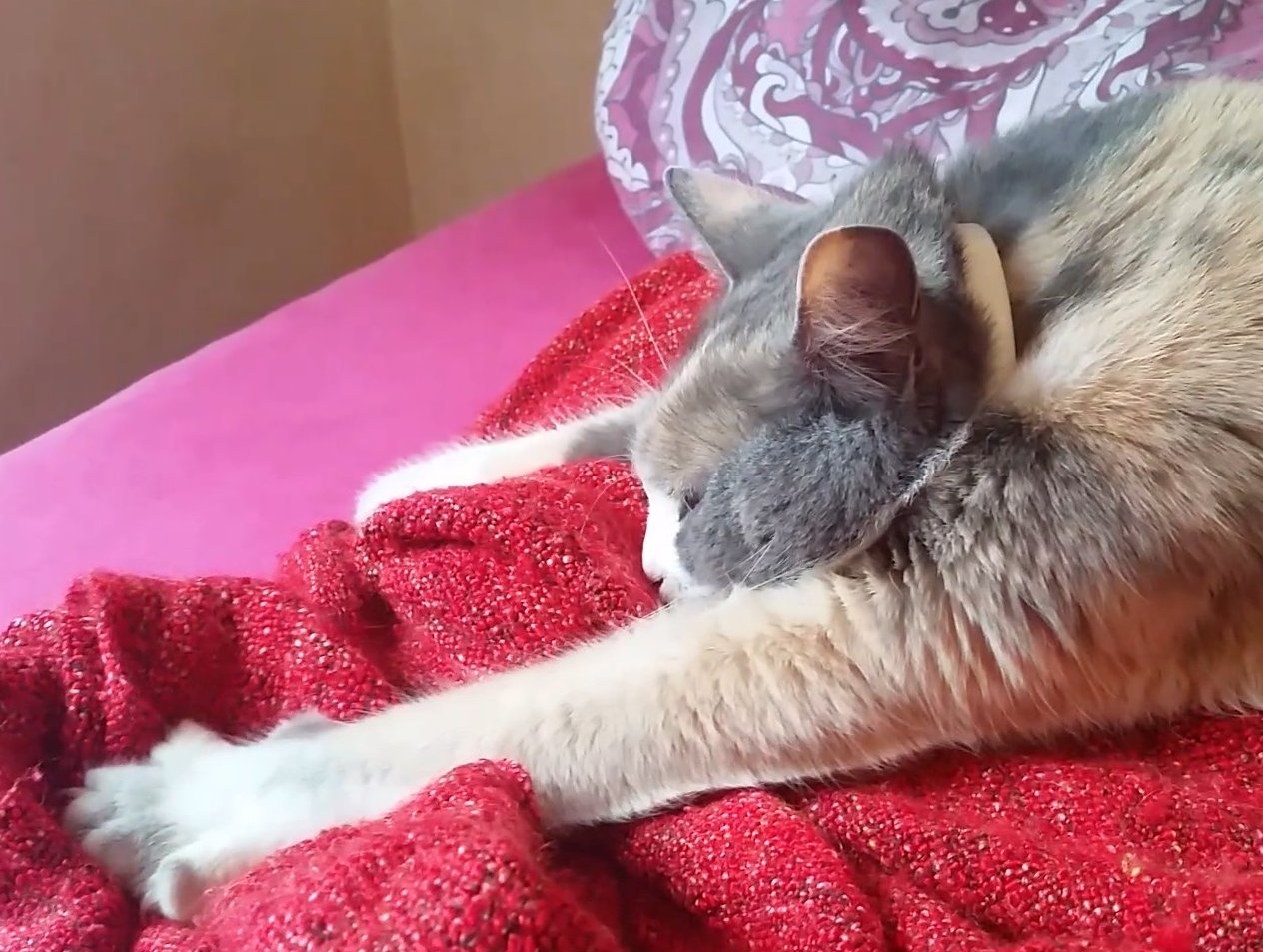
Kneading is a common behavior in cats where they rhythmically push their paws against a soft surface. It signifies contentment, relaxation, and stems from their kittenhood when they stimulated milk flow from their mother’s mammary glands. When your cat presses their paws into you and massages back and forth, it can be an enjoyable feline behavior. Your kitty’s instinct to do this traces back to their earliest days of nursing.
This behavior is essentially your cat’s way of showing ultimate comfort and trust. It can also be a sign of affection and territorial marking through scent glands in their paws. When your cat kneads you like dough, they’re recreating the safe, loving environment of their earliest days. It’s their way of saying you make them feel as secure as their mother once did.
The Gift-Giving Ceremony
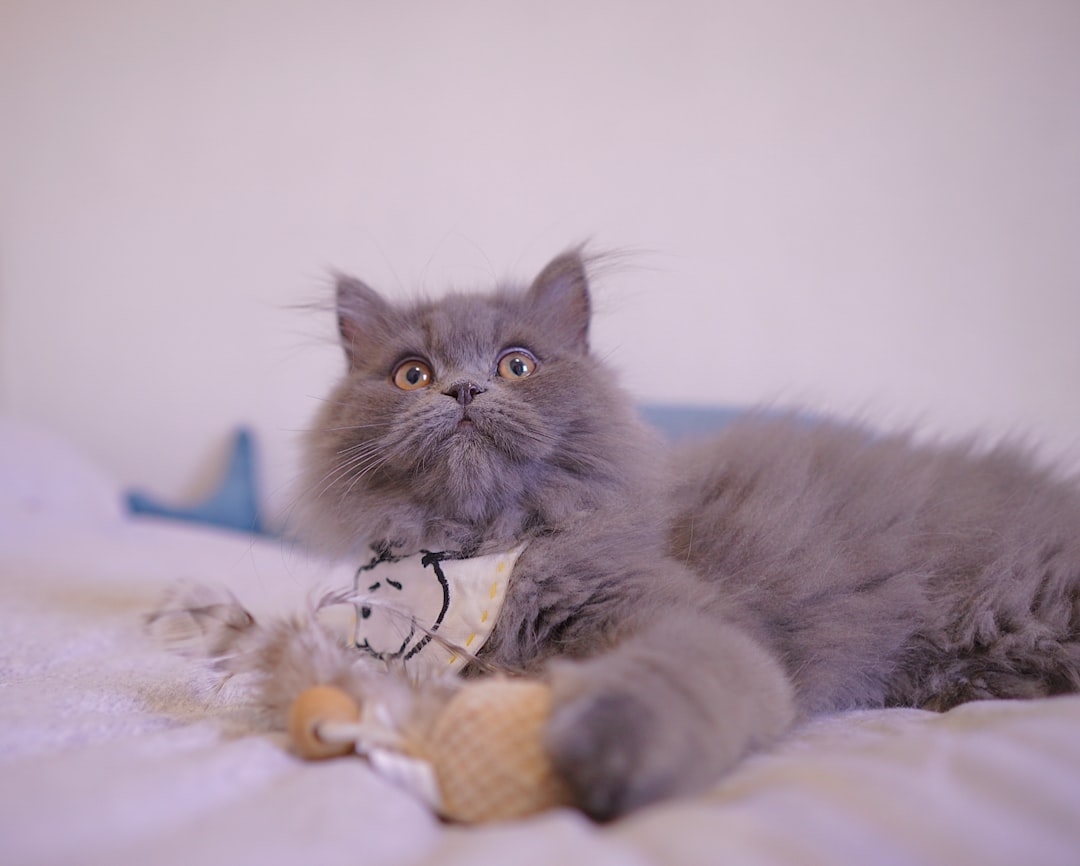
This gift-giving behavior is as instinctual for cats as scratching their scratching posts, grooming their fur, kneading, and other classic feline activities, and it’s actually a positive indicator of how they feel about you. As such, gift-giving might be a kind of attention-seeking and bond-building behavior in cats. In the wild, cats bring gifts to their family members as a way to show their love and appreciation. Similarly, when a domestic cat brings a toy to their owner, it is a way of expressing their affection and gratitude.
Whether it’s a toy mouse or their favorite hair tie, these offerings are precious tokens of affection. Cats play with their littermates and mothers as kittens and remember those times fondly, so bringing you toys is a sign that your cat considers you family. Take it as a compliment! When cats bring gifts, they’re often expressing affection and trust. By sharing their “prey” with you, they’re demonstrating that they consider you part of their family group.
The Upright Tail Flag of Joy

When they approach another familiar cat and greet their keepers after a short absence, they raise their tails upright, presumably as a sign of friendly intentions. Only domesticated cats use this signal and it has been suggested that there was selective pressure for such a signal in the dense temple colonies of ancient Egypt. Happy cat tail signs include an upright tail, which is basically a cat’s way of saying, “Hi! Nice to see you!” A quivering tail pointed up and held high is also usually a declaration of happiness and excitement.
That proud tail standing at attention is like a furry exclamation point of happiness. Held high, may have a slight curl forward – a sign of friendliness. The cat is happy, content, and comfortable. This happy cat behavior is often paired with other actions like rubbing against your legs, enthusiastic head butts, and purring. It’s their version of rolling out the red carpet whenever you appear.
The Belly Display of Ultimate Trust
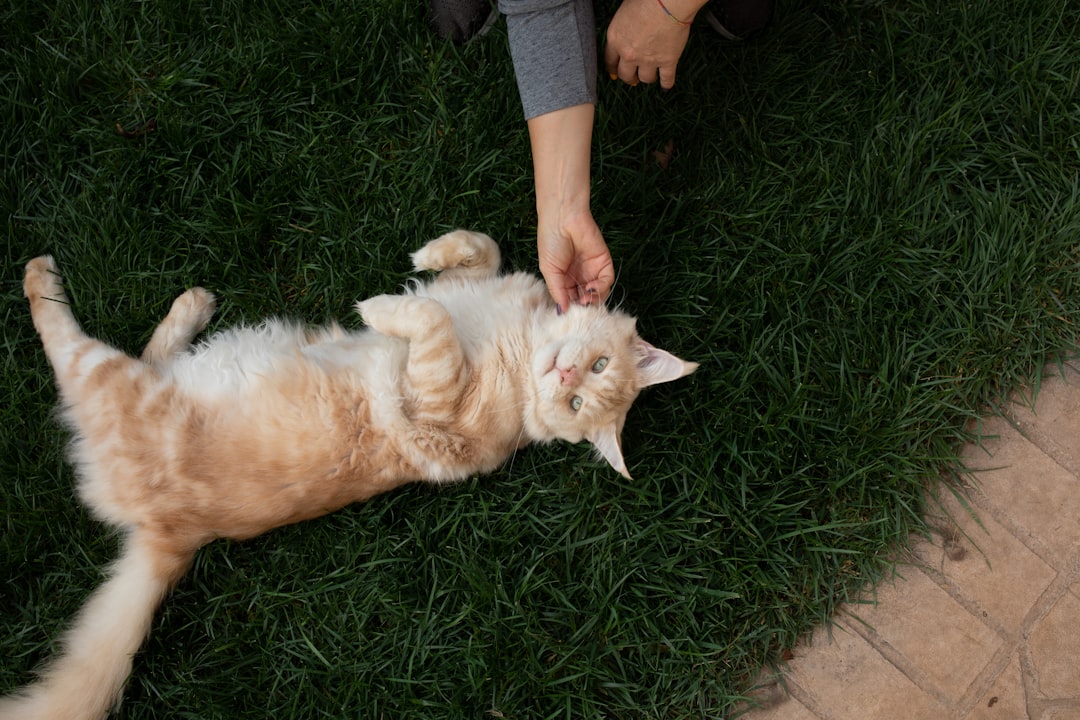
Rolling around on their back leaves them in a vulnerable position, so if fluffy is doing this in front of you – take it as a compliment! They feel safe around you and you have earned their trust. Similarly, if a cat feels comfortable enough to offer up their belly for a rub, this is the ultimate sign of trust and affection.
This vulnerable pose is the highest honor a cat can bestow upon you. A roll on the floor means that they’re trying to engage you in a little play time. It’s a sign of trust, not an invitation to touch, Van de Kieft says. Your cat is essentially saying they trust you completely with their most defenseless position.
The Follow-Me Adventure Invitations
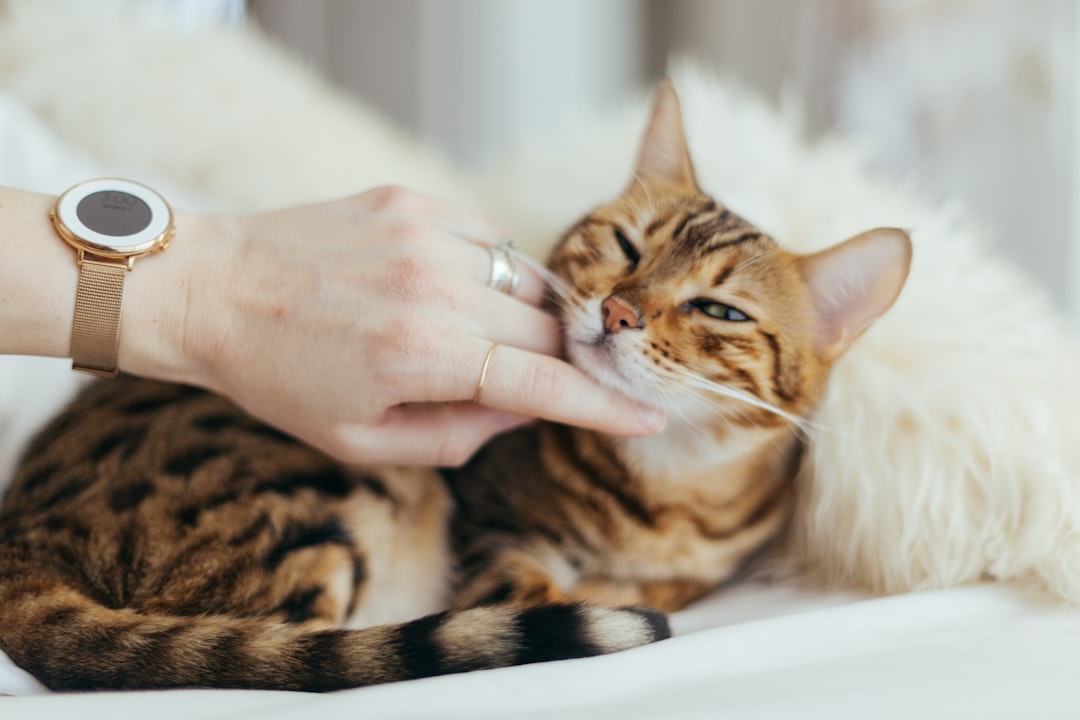
Cats might trill to greet other cats if they’re happy to see them or want to play. Quandt says a common belief is that mother cats trill to get their young to follow them. This instinctual behavior is why your cat may also trill if they want you or another cat to follow it. Bernstein and Friedmann reported that cats preferred certain places on their bodies, particularly the head region, for being stroked, modified their postures to promote access to those preferred regions, and even led their keepers to preferred places in the home for petting episodes.
When your cat looks back at you while walking and vocalizes, they’re inviting you on a journey. Whether it’s to their food bowl, favorite sunny spot, or just to spend time together, these invitations show they want to share their world with you. It’s their way of including you in their daily adventures and routines.
The Perfectly Timed Lap Invasion
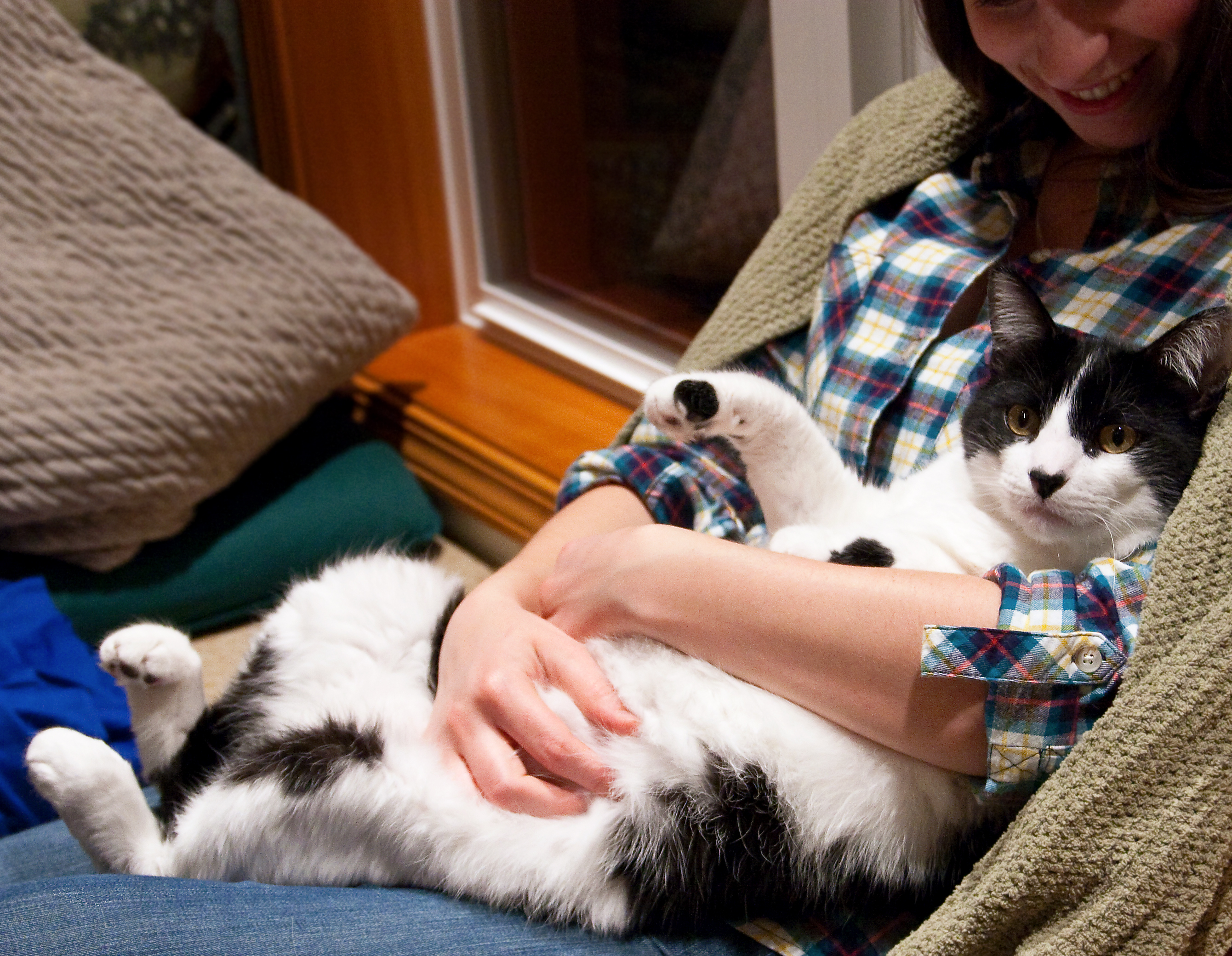
A happy cat may show their affection by sleeping on you, curling up on your lap, licking you, or giving you a head butt. This means that it is the cat that determines how long the interaction lasts. That is the higher the proportion of all successful intents to interact that were due to the cat, the more time spent overall interacting in a relationship.
Your cat has an uncanny ability to know exactly when you need comfort most. They seem to possess an internal radar that guides them to your lap during stressful phone calls, sad movies, or quiet reading sessions. The depressive owner initiates fewer interactions with the cat, but when the cat approaches that person, s/he accepts the intent of the cat to interact, which affects the human’s mood. The cat also changes its behavior in response to depressiveness of the human when close to the person (but not at a distance), vocalizing more frequently with the person and head- and flank-rubbing more often on that person.
These deliberate acts of feline charm prove that cats are far more emotionally intelligent than many people realize. Rieger and Turner discovered that not only the mere presence of a cat in the household, but also interactions with the cat reduce measureable negative moods in the person, e.g., anxiety, depression, and introversion. Each behavior represents a carefully chosen gesture designed to strengthen the bond between you and create moments of pure joy in your daily routine.
What makes this relationship even more special is how your cat learns your preferences and adjusts their behavior accordingly. They’re not just acting on instinct – they’re actively working to make you happy, one purr, chirp, and head bonk at a time. So the next time your cat performs one of these endearing acts, remember they’re genuinely trying to brighten your day.