10 Mind-Blowing Cheetah Facts That Have Nothing to Do With Being the Fastest Land Animal
#1 Cheetahs can't roar, and the reason is anatomical, not behavioral
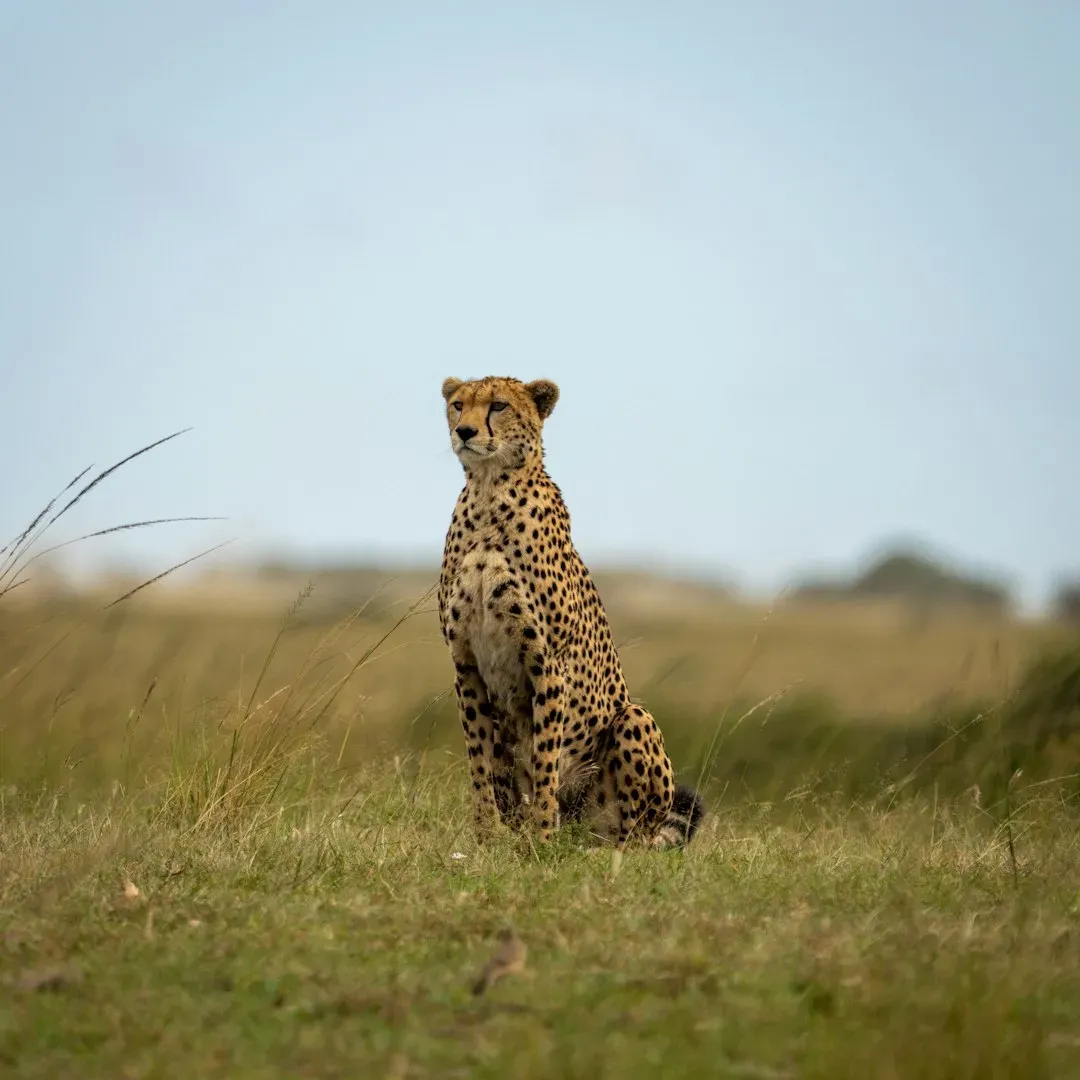
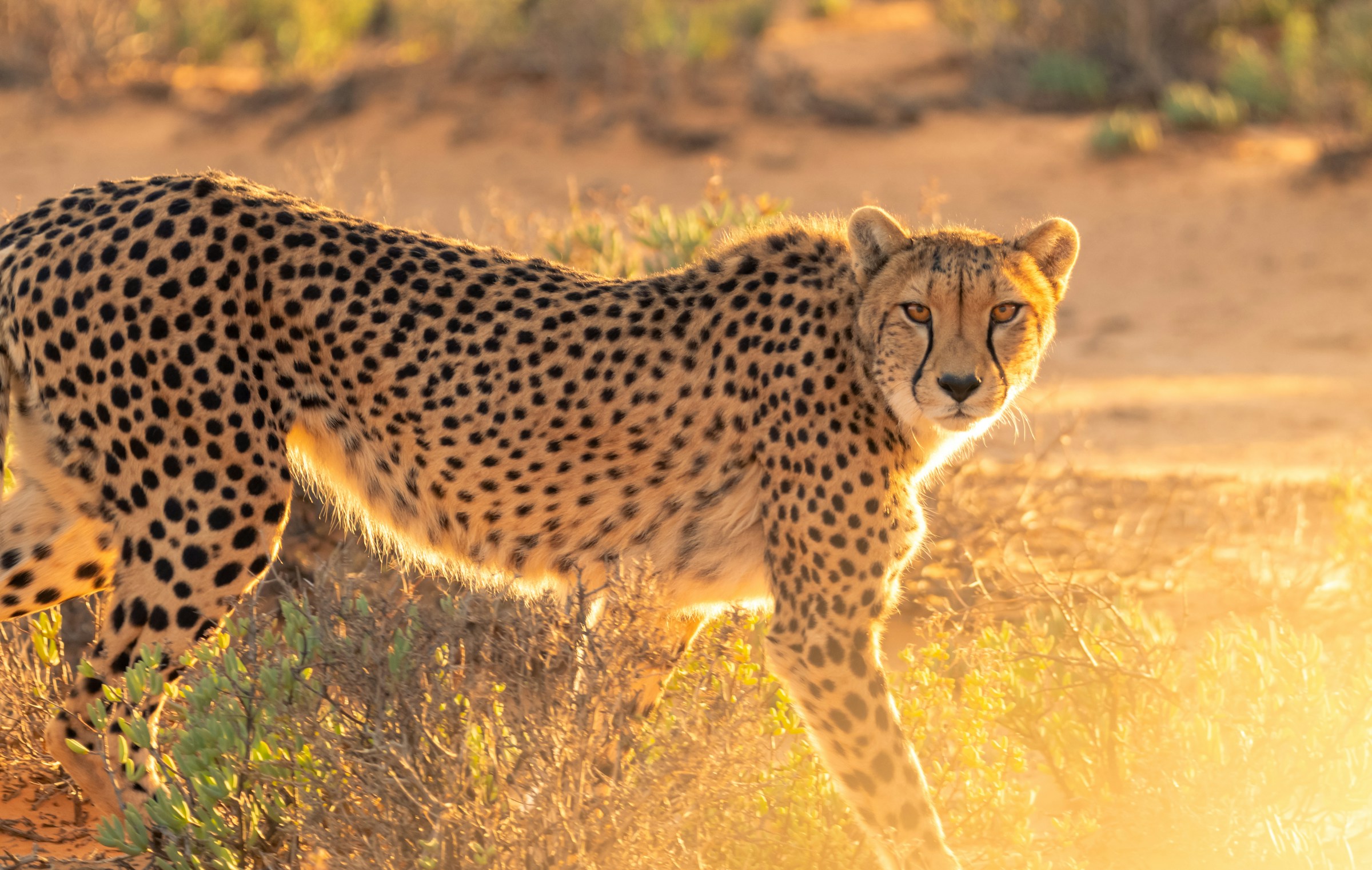
Big cats like lions and leopards produce that bone-rattling roar because of a specialized two-piece hyoid bone structure in their throats. Cheetahs simply don't have it. The cheetah also lacks the necessary genetic ability to roar, since lions and leopards have a two-piece hyoid bone located in their throats that makes the roaring sound possible.
Instead, cheetahs communicate through a range of other sounds, including a distinctive high-pitched chirp that sounds almost bird-like. It's used between mothers and cubs to stay in contact across tall grass, and it's one of the more surprising things to hear coming out of what looks like a fairly serious predator. The chirp has nothing menacing about it. It's practically the opposite of what you'd expect from a big cat's vocal repertoire.
#2 Their claws barely retract, and that changes everything about how they move
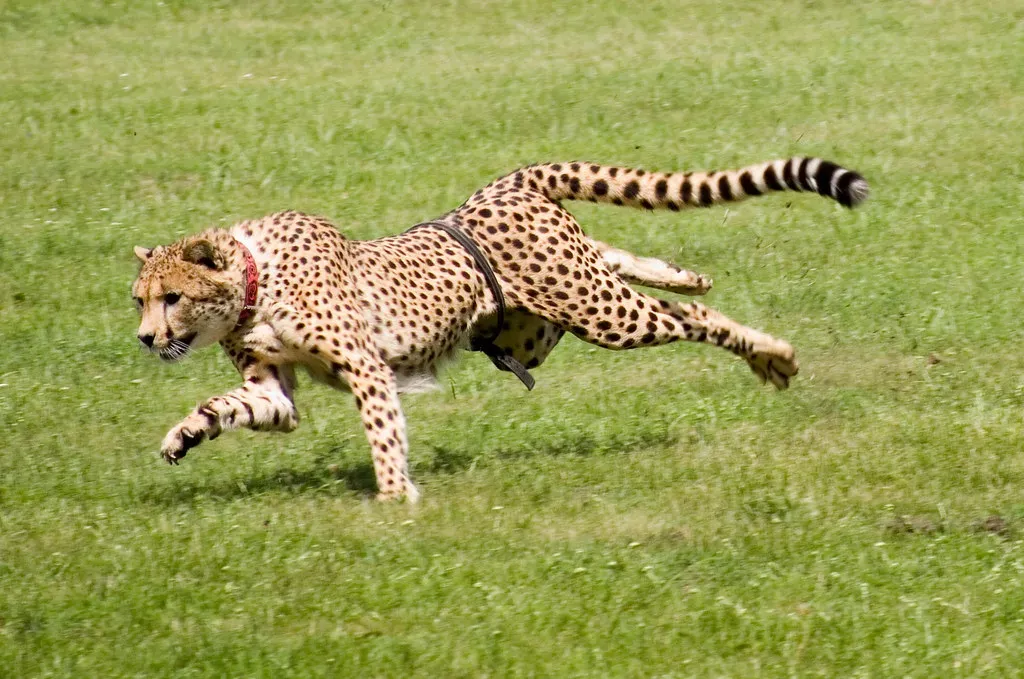
Most cats sheath their claws when not in use. Cheetahs don't, at least not fully. Its claws are always seen partially or fully exposed, a trait that serves as a reminder that the cheetah is not an animal with which you should trifle, much like a samurai who never sheathed his sword.
This isn't just a curiosity, it's a functional trade-off. Cheetah claws are essential for gripping various kinds of terrain, preventing paws from slipping on sandy or slick ground. The downside is real too. A side-effect of the non-retractable claw is a relative incapacity to climb large trees, since the unique angle at which the claws protrude makes the grip needed to climb straight up extremely taxing. So while a leopard can drag a kill up a tree to avoid scavengers, a cheetah is stuck defending its meal on the ground.
#3 Cheetah cubs are born looking like a completely different animal
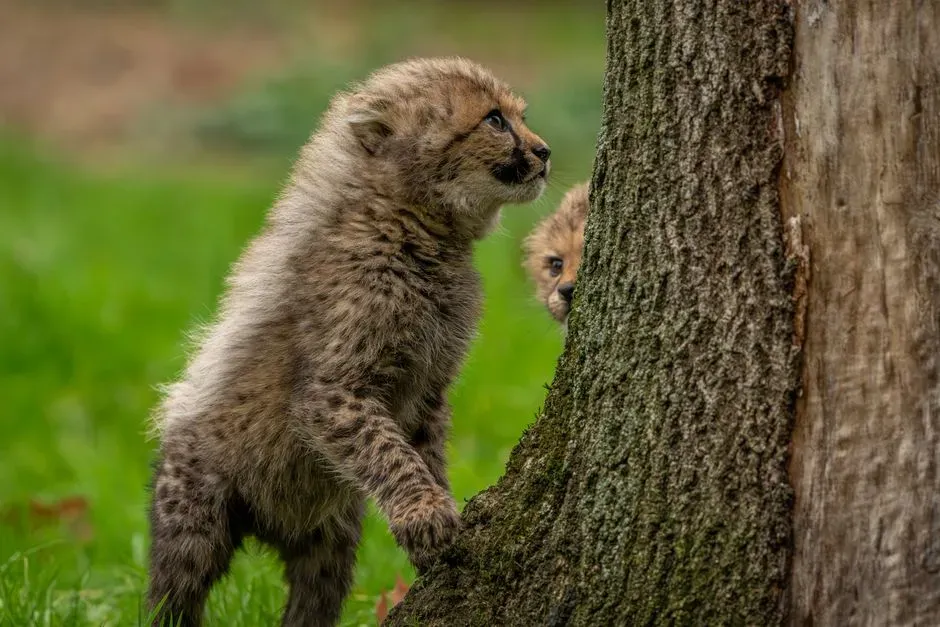
If you saw a cheetah cub without context, you might not guess what it was. For the first few months of life, cubs carry a thick, spiky ridge of silvery-grey fur running down their back and neck. Young cubs are covered with a thick silvery-grey mantle along their backs that provides camouflage by mimicking the appearance of a honey badger, a notoriously aggressive animal, and the mantle is shed by about three months of age.
The logic behind this is genuinely clever. A cheetah cub is a considerably more appetizing choice for predators than a honey badger, which is small enough to be killed by lions and hyenas but is considered a strong candidate for the world's most aggressive animal, so it'd be a smart move to evolve babies that mimicked such a ruthless creature. Researchers call this Batesian mimicry, where a harmless animal borrows the warning signals of a dangerous one. It's not a guaranteed shield, but in a world where most cubs don't survive their first year, any edge counts.
#4 Cheetahs survived an ancient near-extinction that still shapes them today
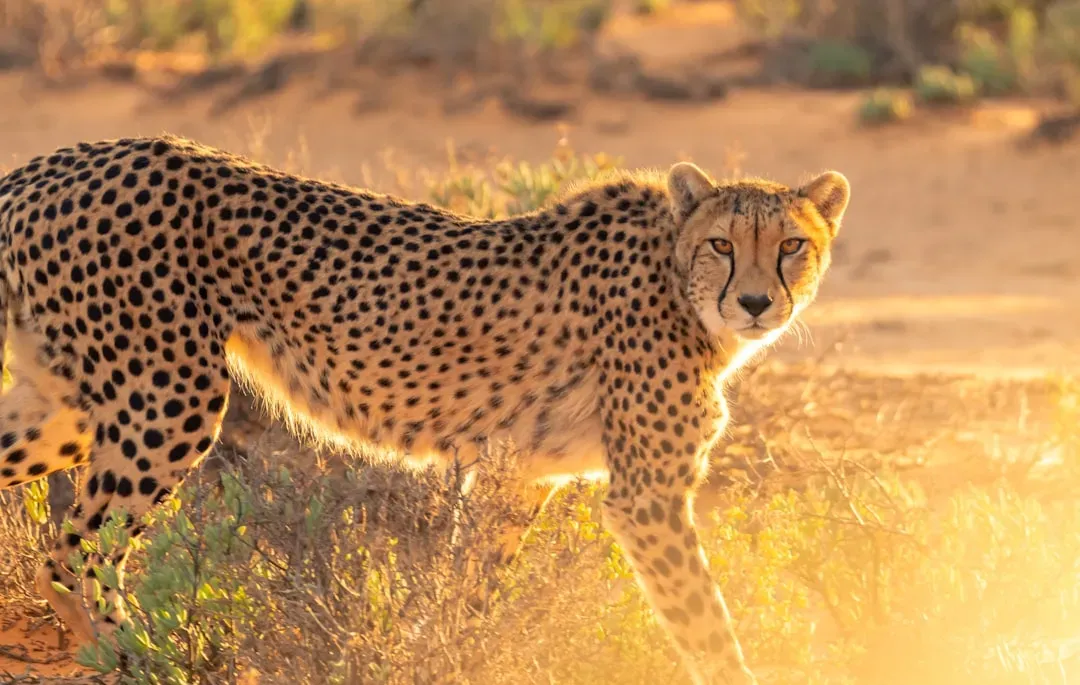
Long before humans were hunting cheetahs, cheetahs were nearly wiped out by nature itself. Demographic estimators point to two ancestral population bottlenecks, one more than 100,000 years ago tied to cheetah migrations out of the Americas into Eurasia and Africa, and a second around 11,000 to 12,500 years ago in Africa coinciding with the late Pleistocene extinction of large mammals.
What survived that crash was a tiny, closely related founder population, and the genetic fingerprints of that event are still visible in every cheetah alive today. Cheetah genomes are on average about 95 percent homozygous, compared to roughly 24 percent in the outbred domestic cat. That's an extraordinary level of genetic sameness for a wild species, and it means every cheetah on the planet is, genetically speaking, far more closely related to every other cheetah than you'd expect for an animal spread across an entire continent.
#5 You can graft skin between two unrelated cheetahs and their bodies won't reject it
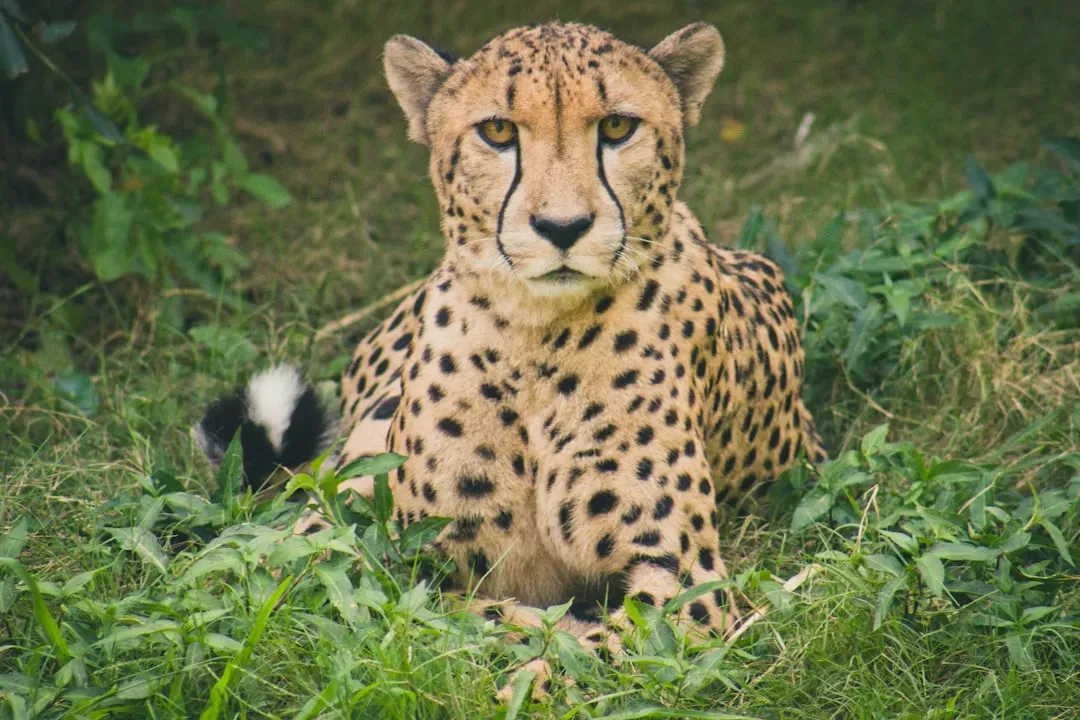
This sounds like something out of a lab experiment gone strange, and in a way, it is exactly that. Scientists discovered decades ago that cheetahs have such minimal genetic variation that their immune systems can't tell the difference between "self" and "unrelated cheetah." Skin graft experiments involve transplanting a piece of skin from one cheetah onto another, and in inbred populations these grafts are easily accepted by individuals unrelated to the donor, which occurs among cheetahs and suggests they have lost significant genetic diversity.
In most mammals, including humans, this kind of transplant would trigger a rejection response almost immediately. MHC class I gene loss and a dramatic reduction in functional diversity of MHC genes explain why cheetahs ablate skin graft rejection among unrelated individuals. It's a striking illustration of just how narrow the species' genetic bottleneck really was, and it has real consequences for disease resistance in the wild.
#6 Male cheetahs form lifelong brotherhoods, but females go it completely alone
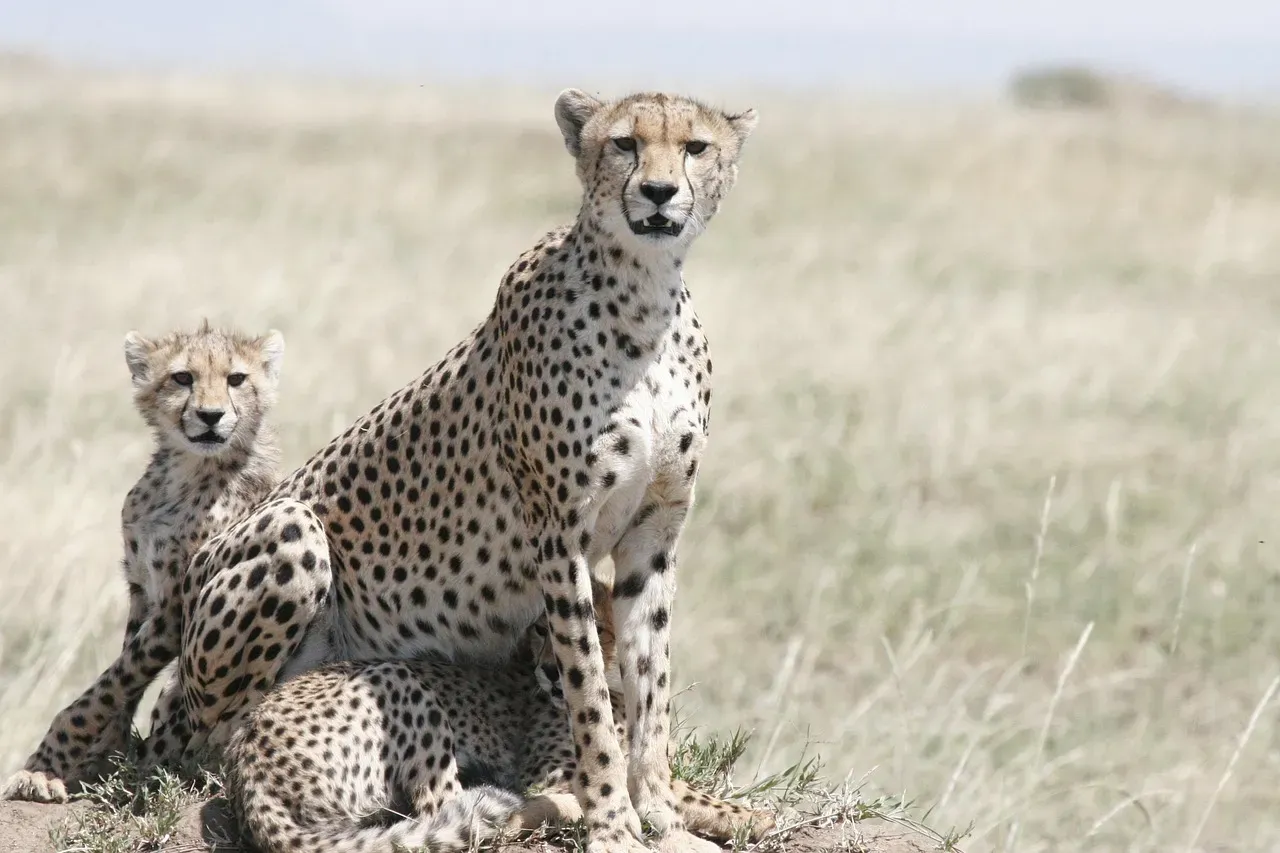
Cheetah society doesn't look like a pride or a pack. It's something stranger and, honestly, more interesting. Free-ranging cheetahs have a social structure mostly different from other felid species, where wild females are solitary and with other cheetahs only briefly during mating or while caring for offspring, while males can live as singletons but often range in permanent, closely bonded groups called coalitions usually made up of two to three animals, sometimes as many as five.
These male groupings aren't casual arrangements. This type of social structure allows males to have greater control over their territory, ensuring a better chance of breeding with females who roam within it, and it also allows cheetahs to hunt much larger prey than they could manage alone. Most coalitions form between brothers from the same litter who simply never split up, which is a rare kind of loyalty in the animal kingdom.
#7 A single litter of cubs can have several different fathers
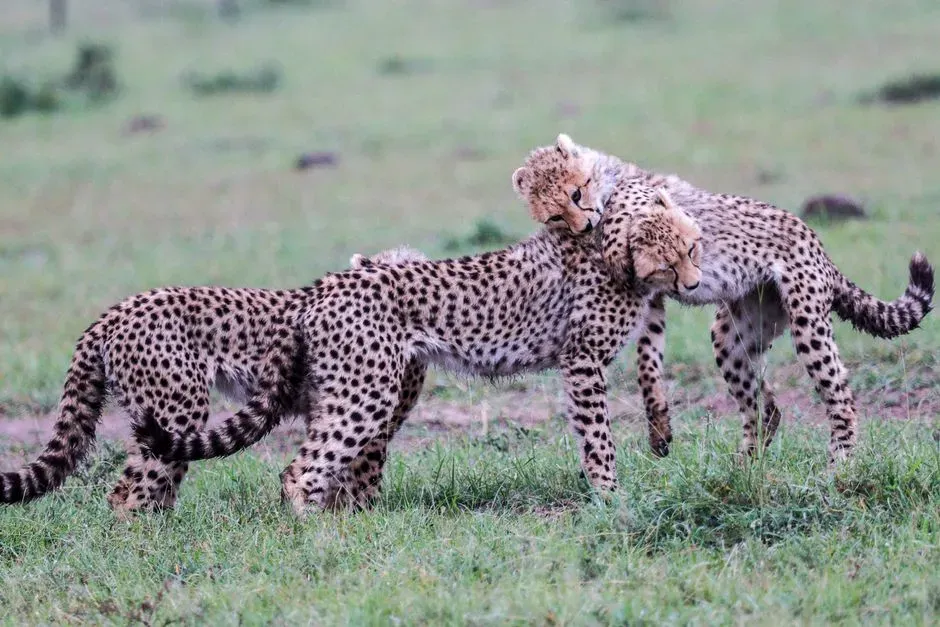
Cheetah mating habits don't follow the tidy, one-partner assumption people often have about wildlife. Females in estrus aren't loyal to a single male, and the genetic evidence backs that up in a fairly dramatic way. While in heat, female cheetahs will mate with two to three males, resulting in cubs that may have different fathers within the same litter.
Field research using genetic sampling confirms this isn't a rare fluke either. Data from a long-term Serengeti study showed a high rate of multiple paternity, with roughly forty-three percent of litters containing more than one cub fathered by more than one male, and evidence suggested females chose to mate with unrelated males within a single cycle. From a survival standpoint, this spreads genetic risk across a population that's already dangerously low on diversity, which may be one small way cheetahs have adapted to their own genetic bottleneck.
#8 Their spots and tail rings are as individual as a human fingerprint
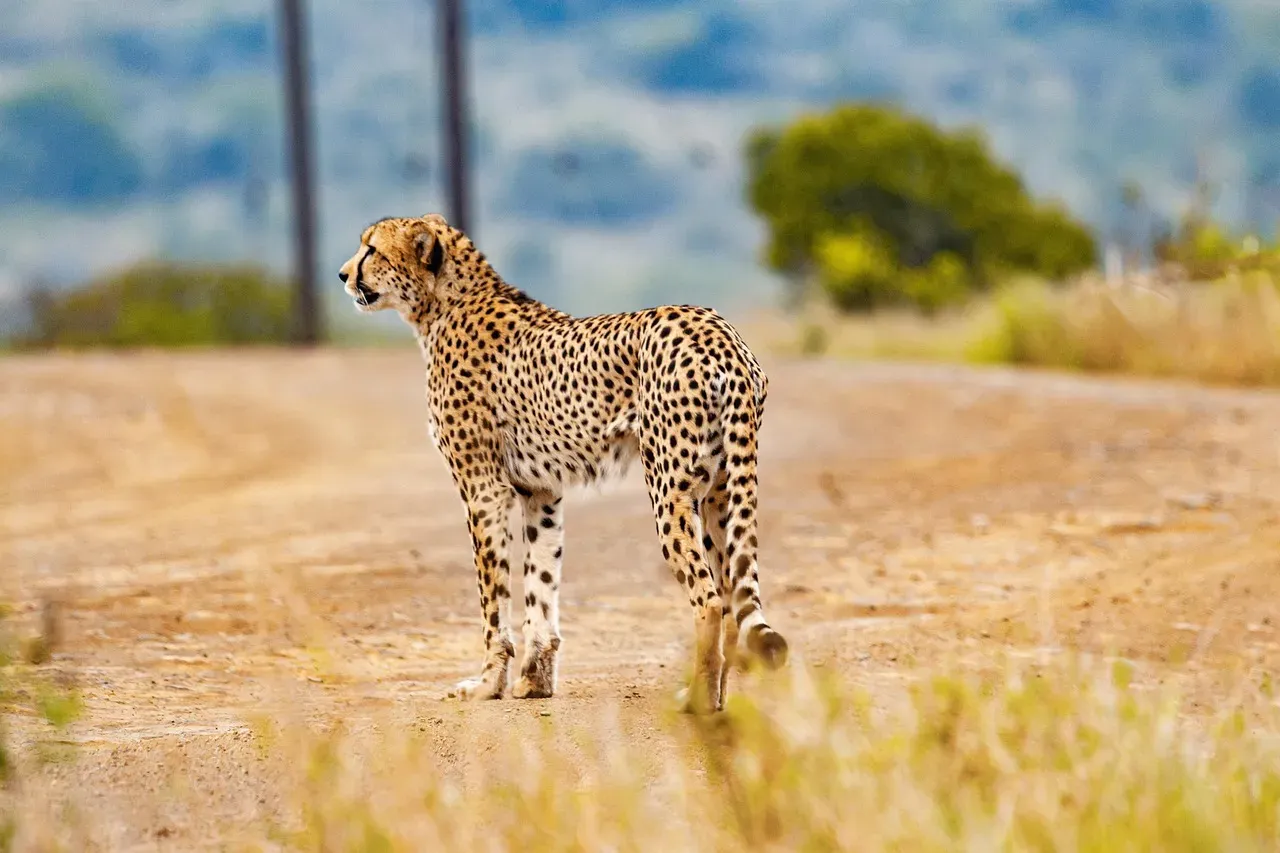
No two cheetahs wear the same coat, and that's not just a poetic way of describing spotted fur. Much like a human fingerprint, a cheetah's spots and the ring pattern of its tail are unique, enabling researchers in the field to identify individuals. This matters enormously for conservation work, where tracking specific animals over years depends on being able to tell them apart without collars or tags.
The pattern itself does double duty beyond identification. Cheetahs' spots may serve as camouflage for both hunting and hiding, offsetting the shadows in the gray-hued grasses they often inhabit and allowing them to blend with their surroundings. Even the cub's smoky mantle plays into this camouflage system before it sheds away, meaning a cheetah's coat is quietly working for it at every life stage, long before speed ever enters the picture.
#9 Females raise cubs completely alone, and mortality in the first weeks is brutal
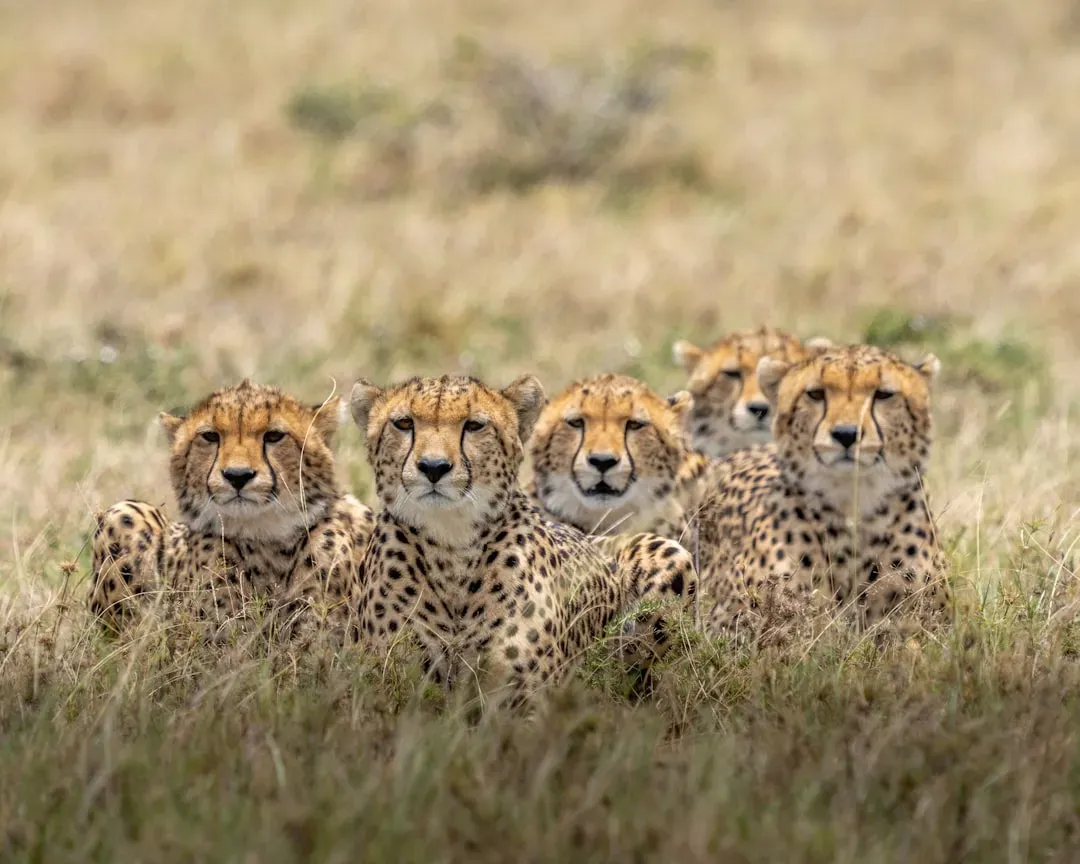
There's no co-parenting in cheetah life. Once cubs are born, the mother is entirely on her own, and the arithmetic of that responsibility is harsh. A day or so after birth, the mother has to leave the cubs to hunt for herself so she can continue to feed and care for them, which is a dangerous time since the cubs are left unprotected, a situation that continues for the first six weeks of their lives.
The survival numbers reflect just how precarious this period is. During these months she cannot move far or fast, and cub mortality is highest, with fewer than one in ten surviving, most losses due to predation by lions, hyenas, or eagles, though injuries also take a toll. It's a sobering reminder that speed, for all its fame, does nothing to protect a cheetah during the most fragile stretch of its life.
#10 Cheetahs belong to their own genus, entirely separate from lions, tigers, and leopards
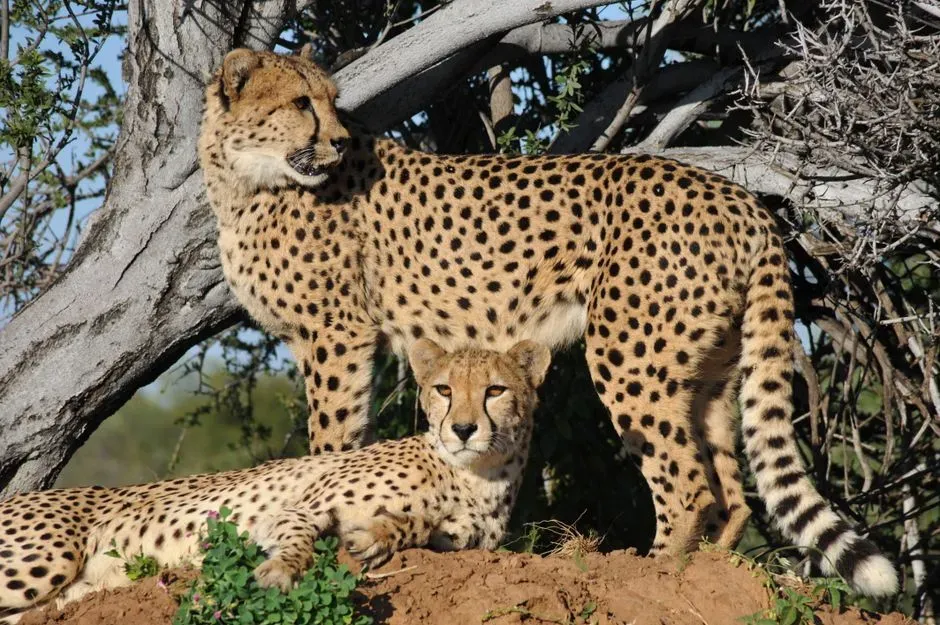
People often lump cheetahs in with the rest of the big cat family as if they're just a leaner, faster leopard. Taxonomically, that's simply wrong. The cheetah is the only member of the genus Acinonyx, while all other large cats, lions, tigers, leopards, and jaguars, belong to the genus Panthera.
Their closest living relatives aren't other big cats at all. The cheetah's evolutionary path diverged millions of years ago, and it shares a common ancestor with pumas and jaguarundis, with these three species forming the Puma lineage that separated from other felids approximately 6.7 million years ago. That single fact rearranges the whole family tree in your head. The cheetah you picture stalking the savanna is, genetically, more closely tied to a puma stalking the Rockies than to any lion.
Final Thoughts
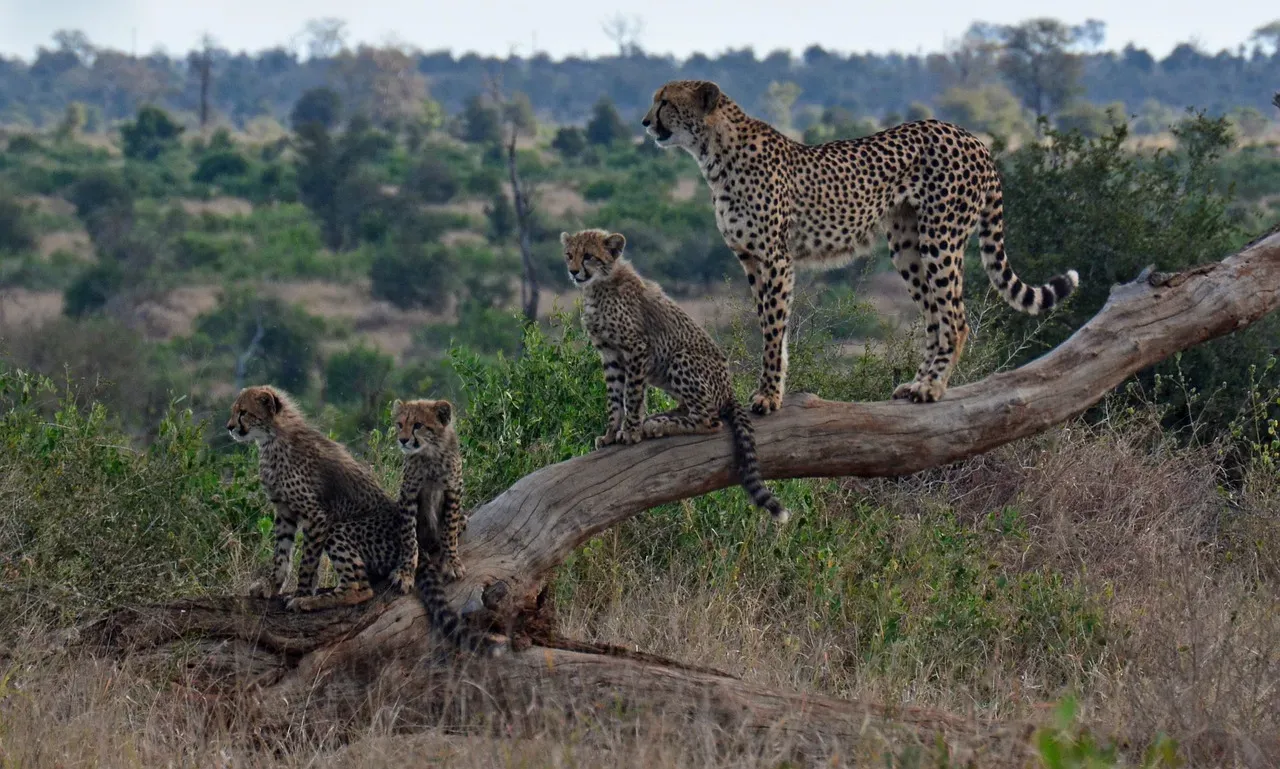
Speed gets all the attention because it's easy to film, easy to measure, and easy to turn into a viral clip. Everything covered here is harder to capture on camera, which is probably why it gets so little airtime, even though it tells a far richer story about how this species actually survives.
If there's one thing worth sitting with, it's how much of the cheetah's story is really about vulnerability rather than power. A genetic bottleneck that still echoes through every individual alive, cubs that survive by pretending to be something else, mothers who raise their young with zero backup. The fastest land animal on Earth is, in a lot of ways, one of the most fragile success stories in the wild, and that tension is far more compelling than any stopwatch reading.