8 Things Senior Cats Often Change About Their Territory as They Age
#1 They shrink their core territory
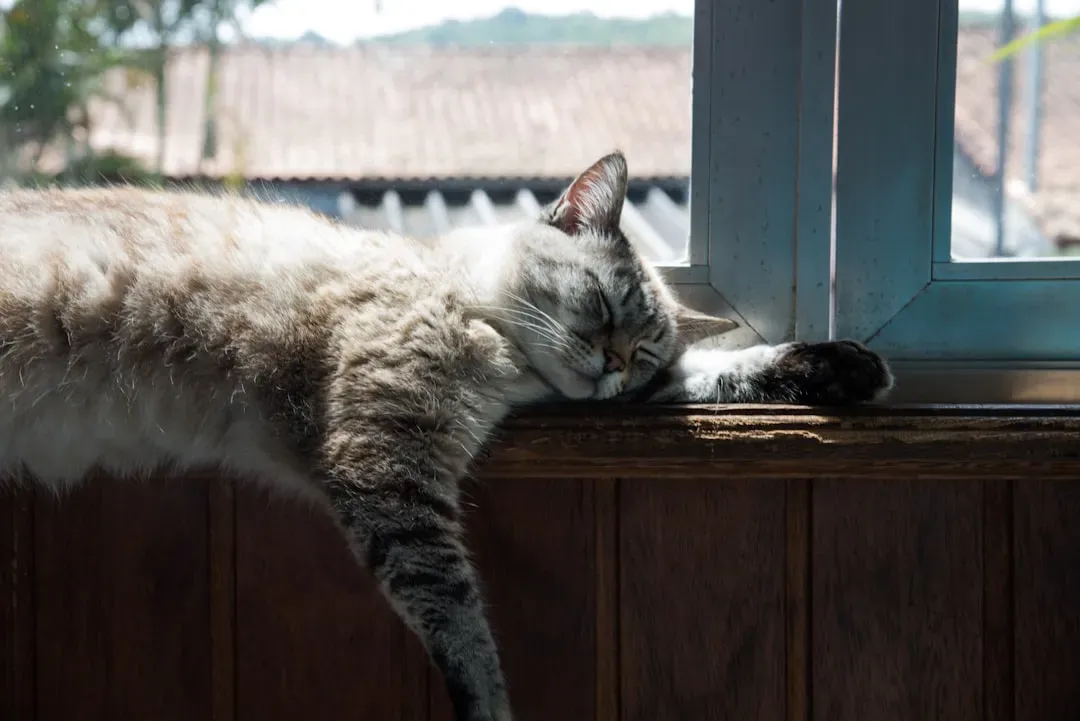
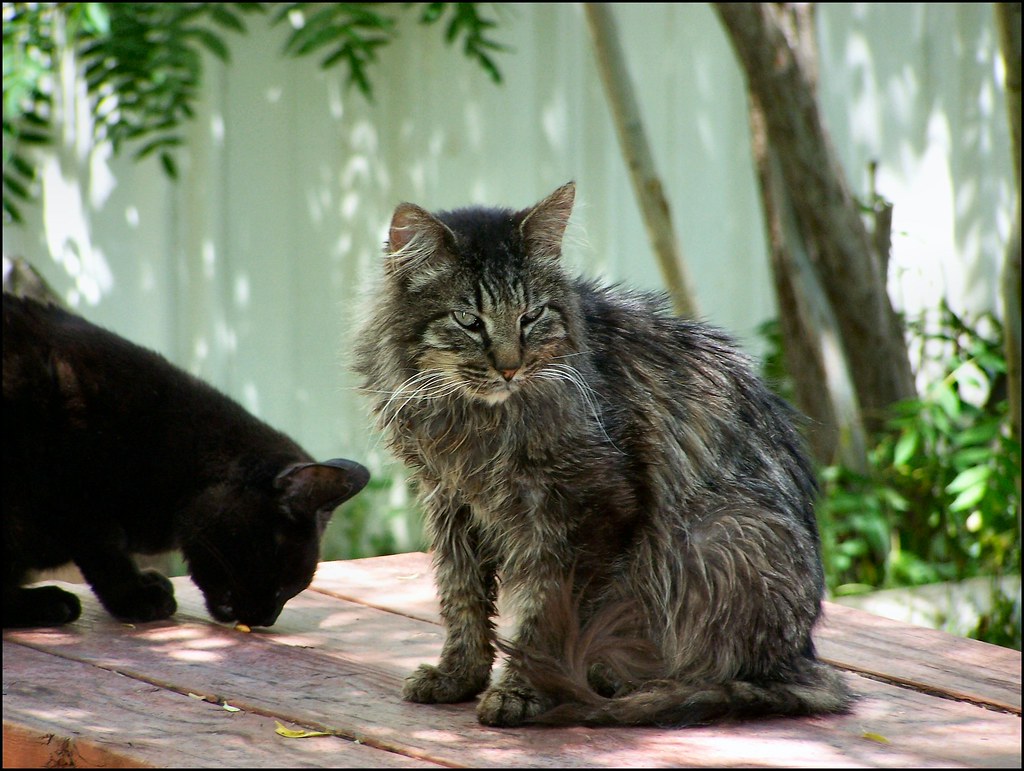
Younger cats often treat an entire home, and sometimes a yard or neighborhood, as their domain. Senior cats tend to narrow that range considerably, often settling into just one or two rooms they consider truly "theirs." This isn't necessarily fear-driven; it's frequently a practical response to reduced energy and joint discomfort that makes patrolling a full territory less appealing.
Veterinary behaviorists note that this contraction is one of the most consistent patterns in aging cats, regardless of breed or previous temperament. A cat that once monitored every doorway might now be content ruling a bedroom or a favorite corner of the living room. Owners sometimes worry this signals depression, but more often it simply reflects a sensible energy budget an older body has to work with.
#2 They abandon high vantage points
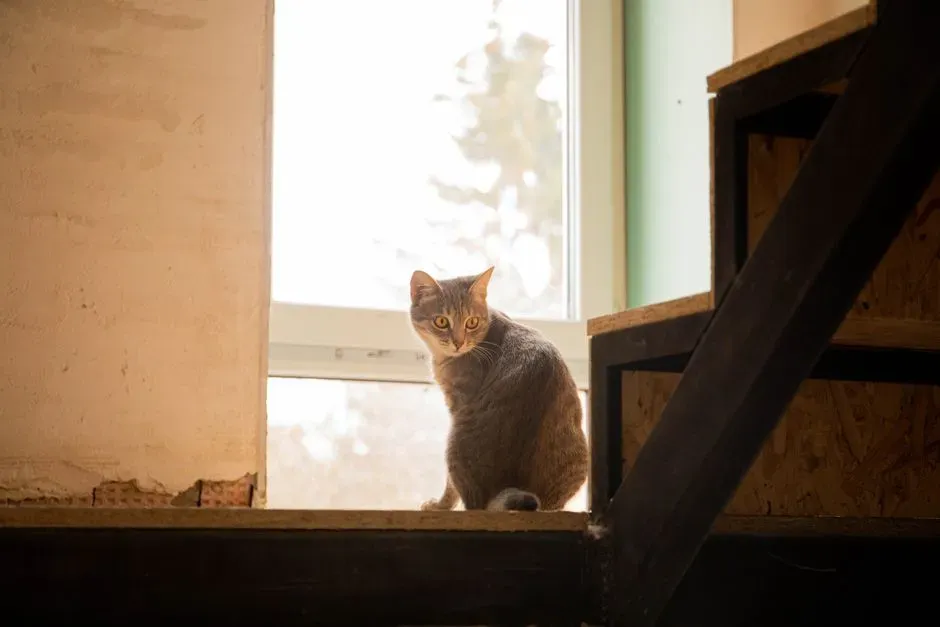
Cats are famously drawn to height because elevated spots offer safety and a commanding view of their surroundings. As arthritis and general joint stiffness set in, though, jumping onto bookshelves, refrigerators, or cat trees becomes less comfortable and sometimes simply impossible. Many senior cats gradually give up these lookout posts, even if they clearly still enjoy watching the world from somewhere.
This shift often shows up before other signs of aging are obvious, making it a useful early clue for attentive owners. A cat suddenly avoiding a favorite windowsill perch might not have lost interest in birds outside; the leap itself may have simply become too painful. Adding ramps or low step platforms can help preserve access to those beloved vantage points without demanding the same physical effort.
#3 They rely more heavily on scent-marked zones
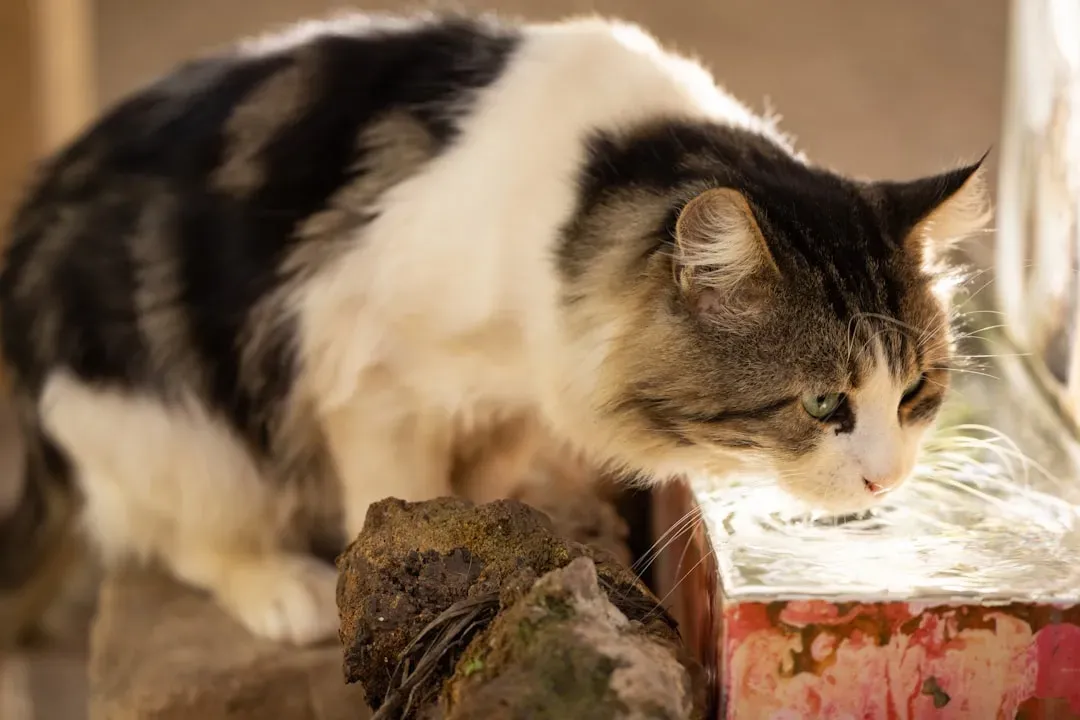
Scent marking through cheek rubbing and scratching has always been part of how cats claim space, but this behavior often intensifies with age. As vision and hearing decline, scent becomes an increasingly important tool for navigating a familiar environment and confirming that an area is safe. Senior cats may rub against furniture corners more frequently or return to the same scratching post with unusual consistency.
This heightened reliance on smell isn't random; it's a compensatory strategy. A cat whose eyesight is fading can still recognize "home" through the invisible map of scent it has built over years. Disrupting these scent trails, through deep cleaning or rearranging furniture, can genuinely disorient an older cat more than it would a younger one.
#4 They defend a smaller area more intensely
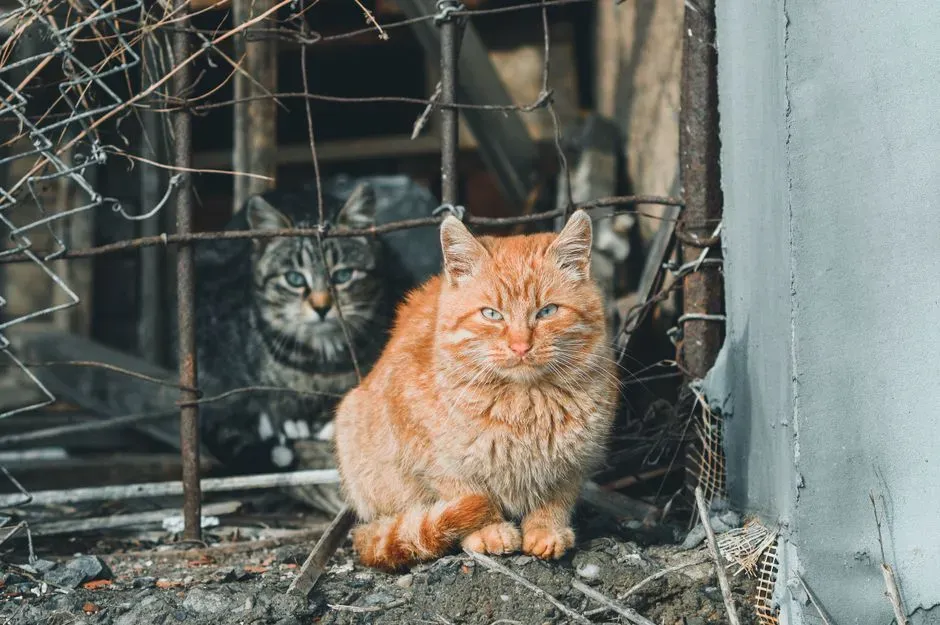
While senior cats generally patrol less ground, they can become surprisingly protective of the smaller space they do claim. This sometimes surprises owners who expect aging to soften a cat's territorial instincts across the board. In multi-cat households, this can lead to new tension, as an older cat guards a favorite chair or feeding spot with more insistence than in earlier years.
The logic here tracks with a broader survival instinct: when a cat has less physical capacity to reclaim territory once lost, holding firmly onto what remains becomes more important. This is why introducing changes near a senior cat's core area, like a new piece of furniture or a younger pet's bed, sometimes triggers more friction than expected. Giving older cats a secure, undisputed zone tends to reduce this kind of stress considerably.
#5 They shift toward warmth-seeking spots
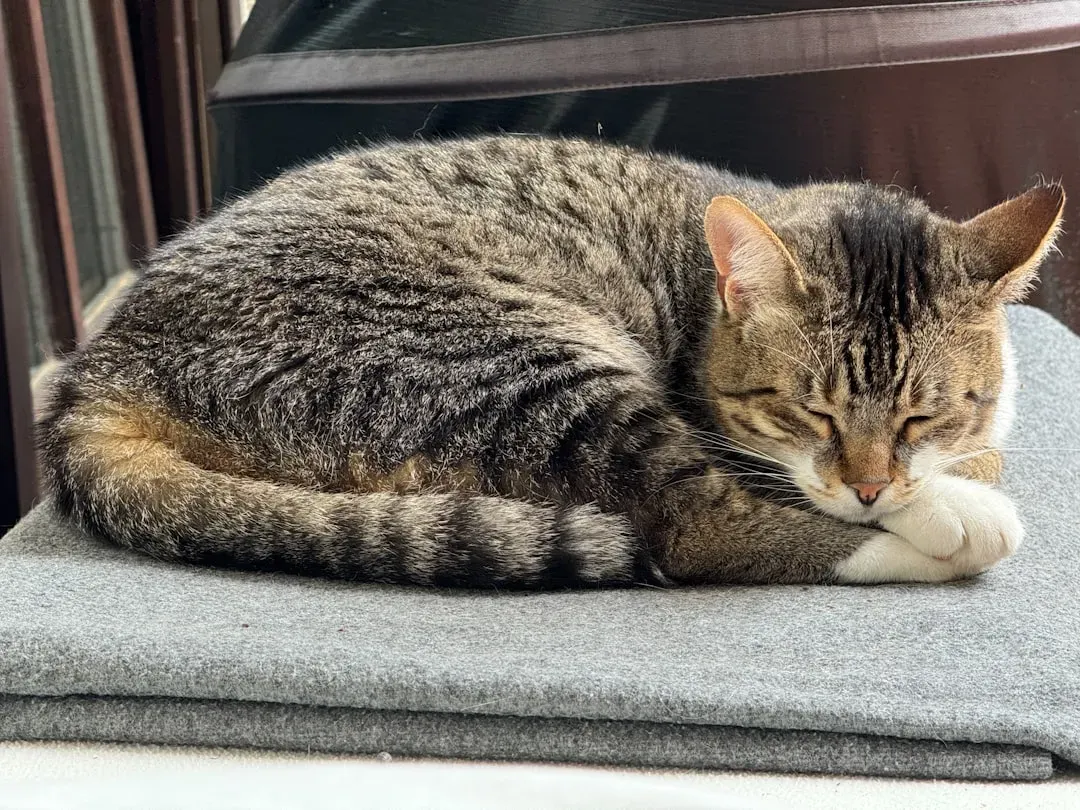
Older cats often develop a stronger preference for warm, cozy locations, and this preference reshapes which parts of the home they consider desirable territory. Heating vents, sunlit patches of floor, and blankets become prime real estate in a way they weren't necessarily before. This isn't just about comfort; reduced circulation and joint stiffness common in aging cats make warmth genuinely therapeutic.
It's common to see a senior cat's favorite spot change with the seasons far more noticeably than it used to. A cat that ignored a heating pad at five years old might claim it as prime territory at fourteen. Owners who notice this shift can support it by offering heated beds or warm resting areas in multiple rooms, effectively expanding the cat's comfortable range without requiring extra mobility.
#6 They reduce nighttime roaming
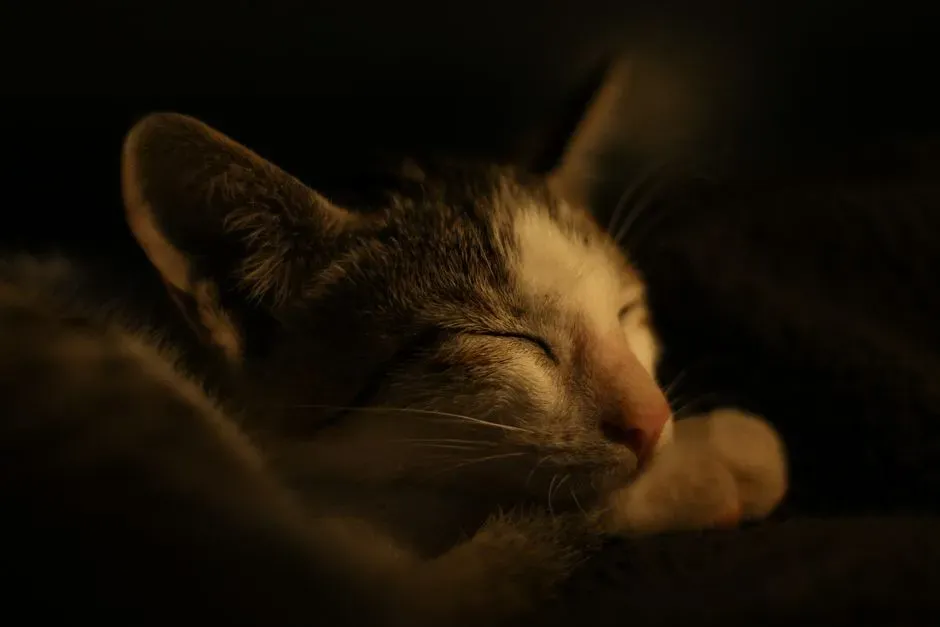
Cats are naturally crepuscular, most active at dawn and dusk, and younger cats often extend this into considerable nighttime wandering through the house. Senior cats frequently pull back from this pattern, staying closer to one resting area throughout the night rather than patrolling multiple rooms. Reduced night vision, which does decline with age, likely plays a role in this more cautious approach to nocturnal movement.
This change can be subtle since it happens while owners are asleep, but it often becomes noticeable through indirect signs. A senior cat might start sleeping in a spot closer to a human bedroom rather than roaming to a distant favorite chair at 2 a.m. Some owners interpret this as increased affection, and while that may be part of it, reduced confidence in navigating a dark house is likely a factor too.
#7 They become more sensitive to territorial disruption
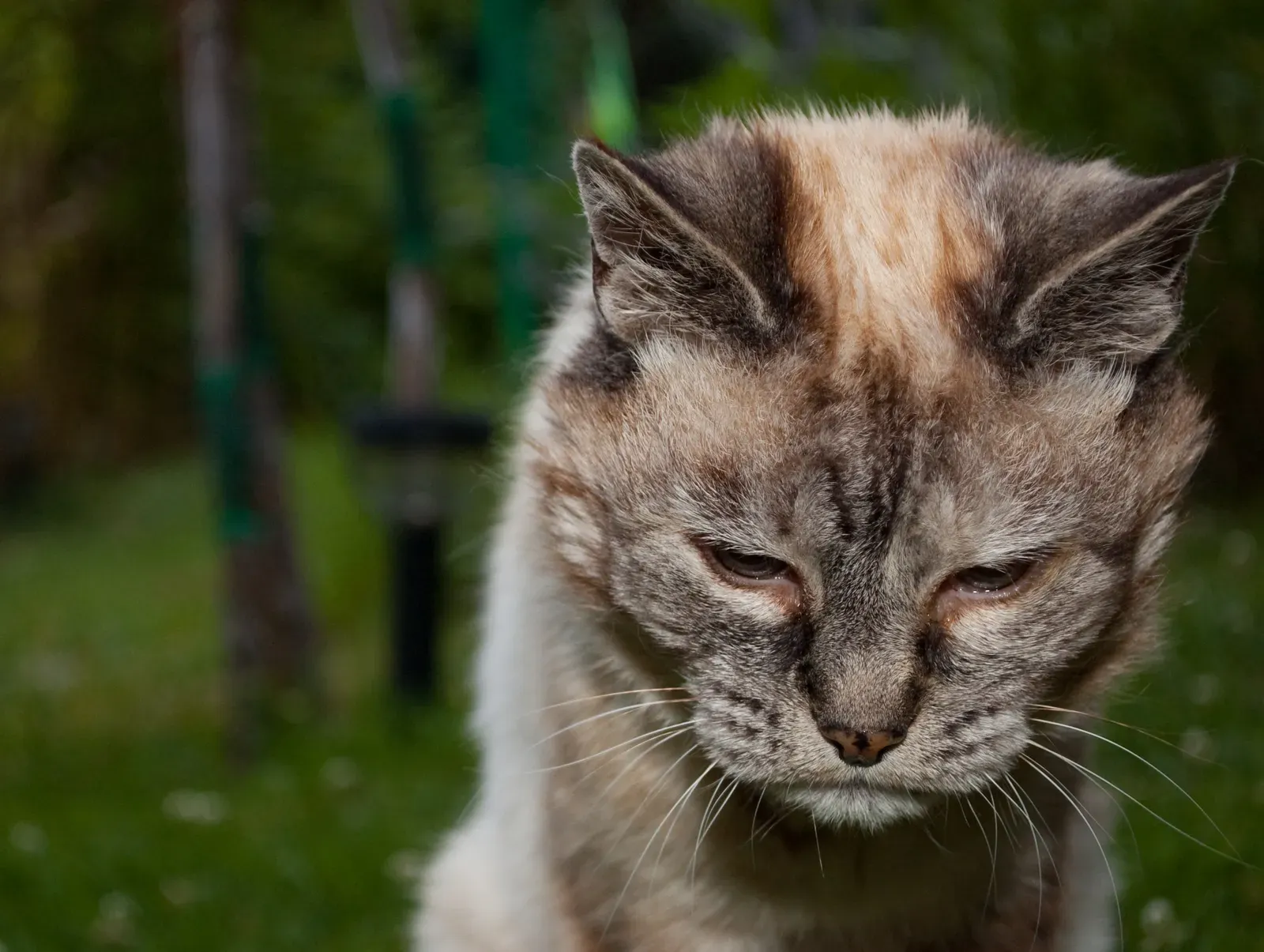
Younger cats often adapt to changes in furniture layout, new pets, or renovation projects with relative ease, but older cats tend to react more strongly to these disruptions. A senior cat's carefully mapped scent trails and familiar routes represent a kind of security that takes longer to rebuild once disturbed. This is why moving a litter box, replacing furniture, or introducing a new animal can trigger more visible stress in an aging cat than it might have years earlier.
Veterinary behavior specialists frequently point to this heightened sensitivity when advising owners preparing for home renovations or moves involving senior cats. Gradual transitions, keeping key resources in familiar spots, and introducing new elements slowly tend to ease the adjustment considerably. It's a reminder that what looks like simple stubbornness is often a legitimate need for environmental stability.
#8 They develop stronger preferences around resource placement
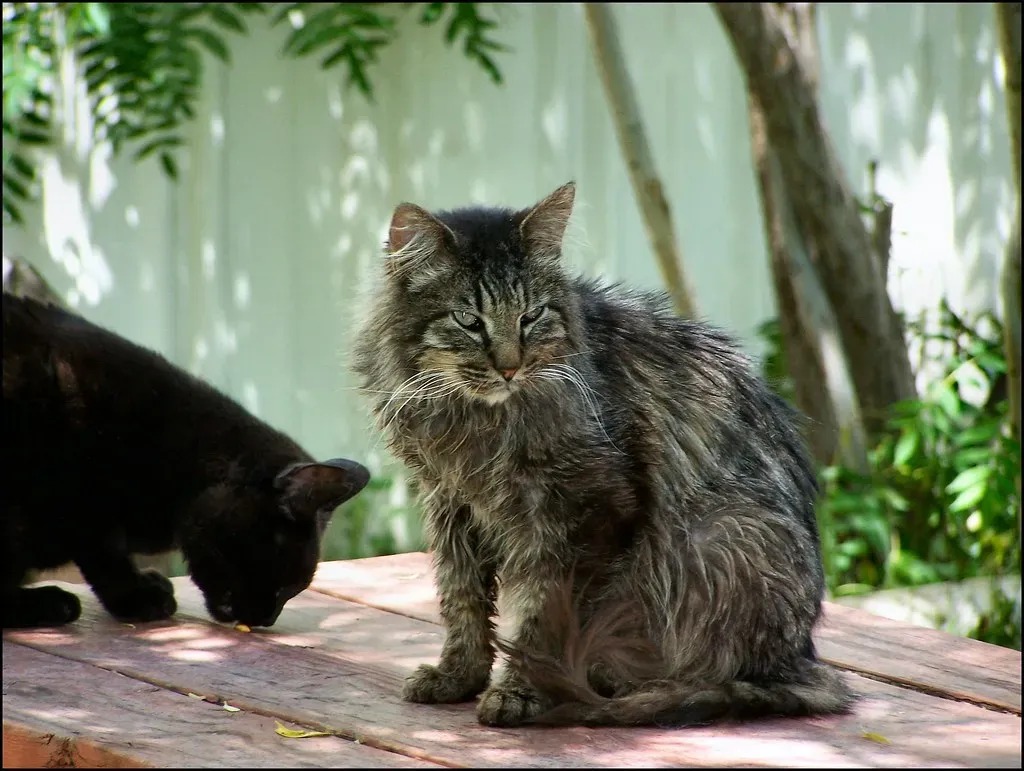
As cats age, the location of food, water, and litter boxes becomes far more central to how they define their usable territory. A senior cat with mobility issues may effectively "shrink" their world to whatever radius includes these essentials without requiring stairs or long walks. This is why many veterinarians recommend placing multiple resource stations on each floor of a home once a cat reaches its senior years.
This isn't merely about convenience; it reflects how deeply intertwined territory and resource access become as physical limitations increase. A litter box that was perfectly fine in the basement for a spry six-year-old can become a genuine obstacle for a sixteen-year-old with arthritic hips. Adjusting the physical map of the home to match a cat's changing needs is one of the most practical ways owners can support their aging companions.
Final thoughts