10 Mind-Blowing Jaguar Facts That Explain Why They're Unlike Any Other Big Cat
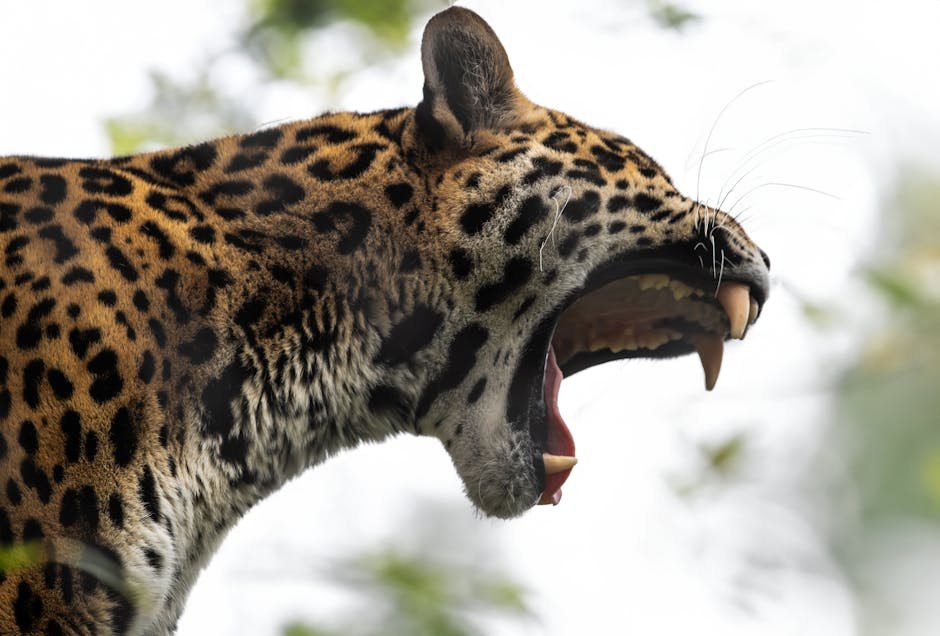
Most people can rattle off a few basics about lions and tigers without much thought. Jaguars, though, tend to get lumped into the same mental folder as leopards, a case of mistaken identity that does this animal a real disservice. The truth is, jaguars operate on a completely different playbook than their Old World cousins, from how they kill to how they move through their world.
Spend a little time with the science behind this cat and a clearer picture emerges: a stocky, water-loving predator that quietly outperforms its bigger relatives in some very specific and surprising ways.
#1. Their bite is the strongest of any big cat, pound for pound
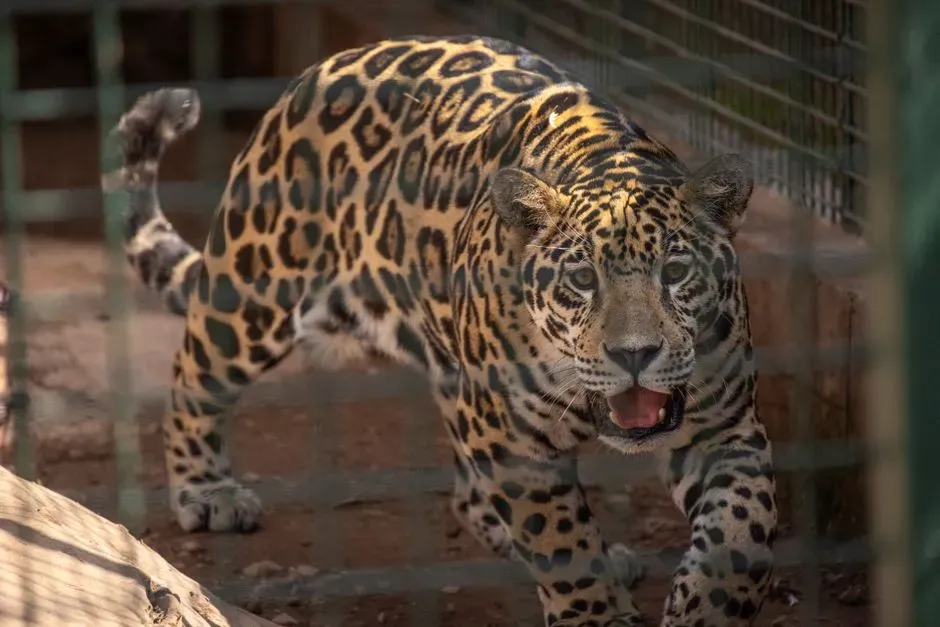
Lions and tigers are heavier and their jaws generate more raw force in absolute terms, but neither one wins the efficiency contest. The jaguar has the strongest bite of any big cat relative to its size. Researchers who compared bite forces across nine cat species found that even though a jaguar's overall bite is weaker than a tiger's, the size difference makes the jaguar's relative strength far greater.
Part of the explanation lies in the skull itself. Their jaws are slightly shorter, which grants them more leverage than other big cats, and their jaw muscles are a bit different in shape. That combination of a compact skull and dense muscle mass turns the jaguar into a small package with an outsized mechanical advantage, something engineers might call good design if it weren't the product of a few million years of evolution instead.
#2. They kill by piercing skulls, not by suffocating prey
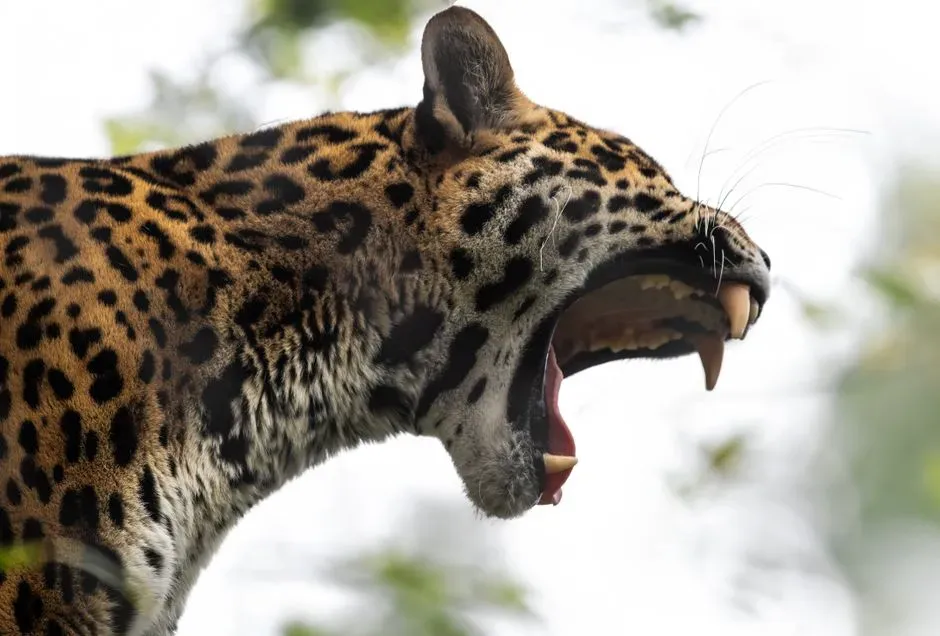
Ask most people how a big cat kills and they will describe a throat clamp that cuts off air, which is exactly how lions and tigers typically operate. Jaguars do something stranger and more direct. Most big cats go for the throat. The jaguar goes straight for the brain.
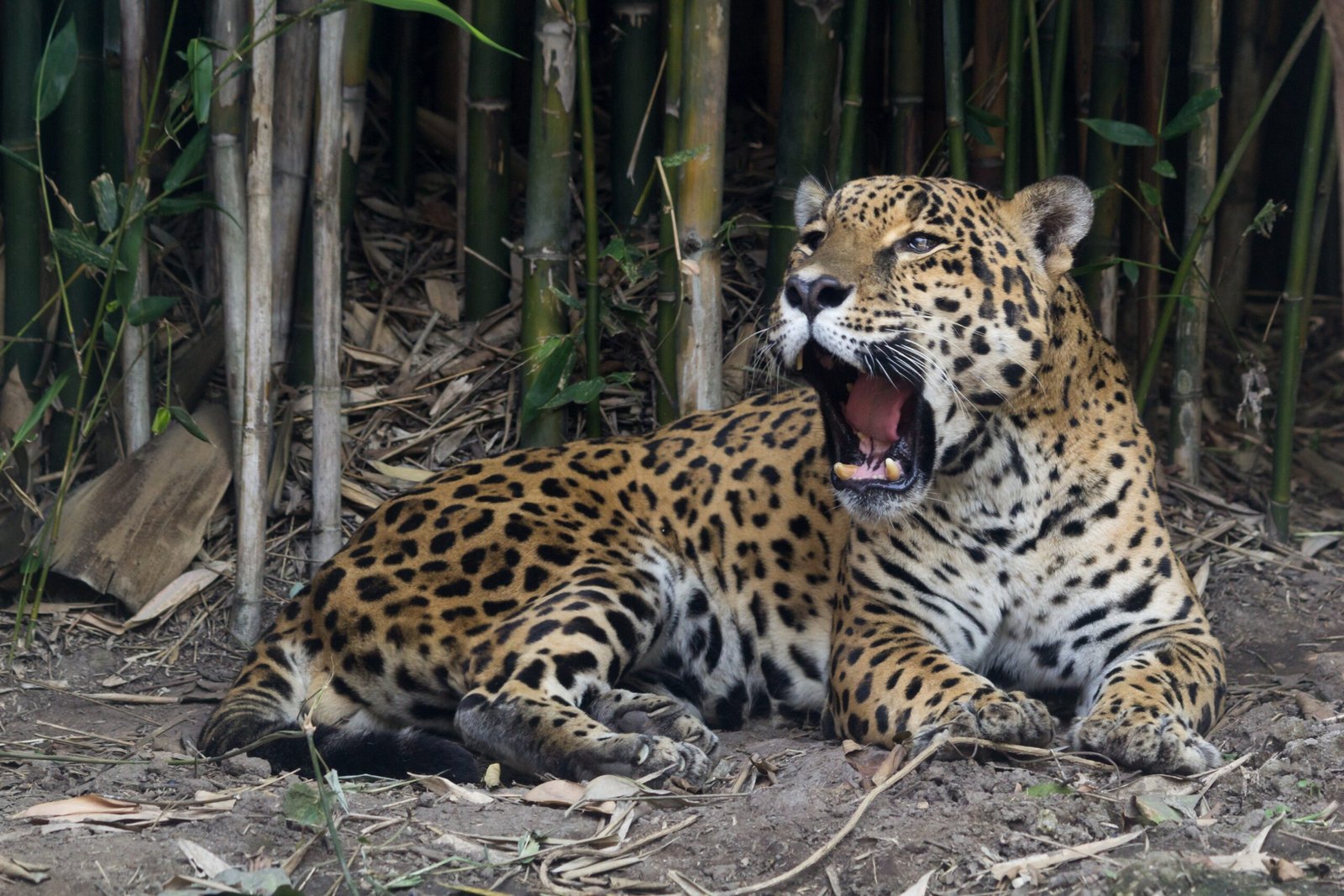
This is not a minor variation on the usual method. The jaguar sometimes uses a killing method unique amongst cats: it pierces directly through the temporal bones of the skull between the ears of prey, especially the capybara, with its canine teeth, piercing the brain. It is a fast, almost surgical approach, and one that likely developed because it works so well against thick-skulled or heavily armored animals that a throat bite simply couldn't handle.
#3. That same bite can crack open a turtle shell
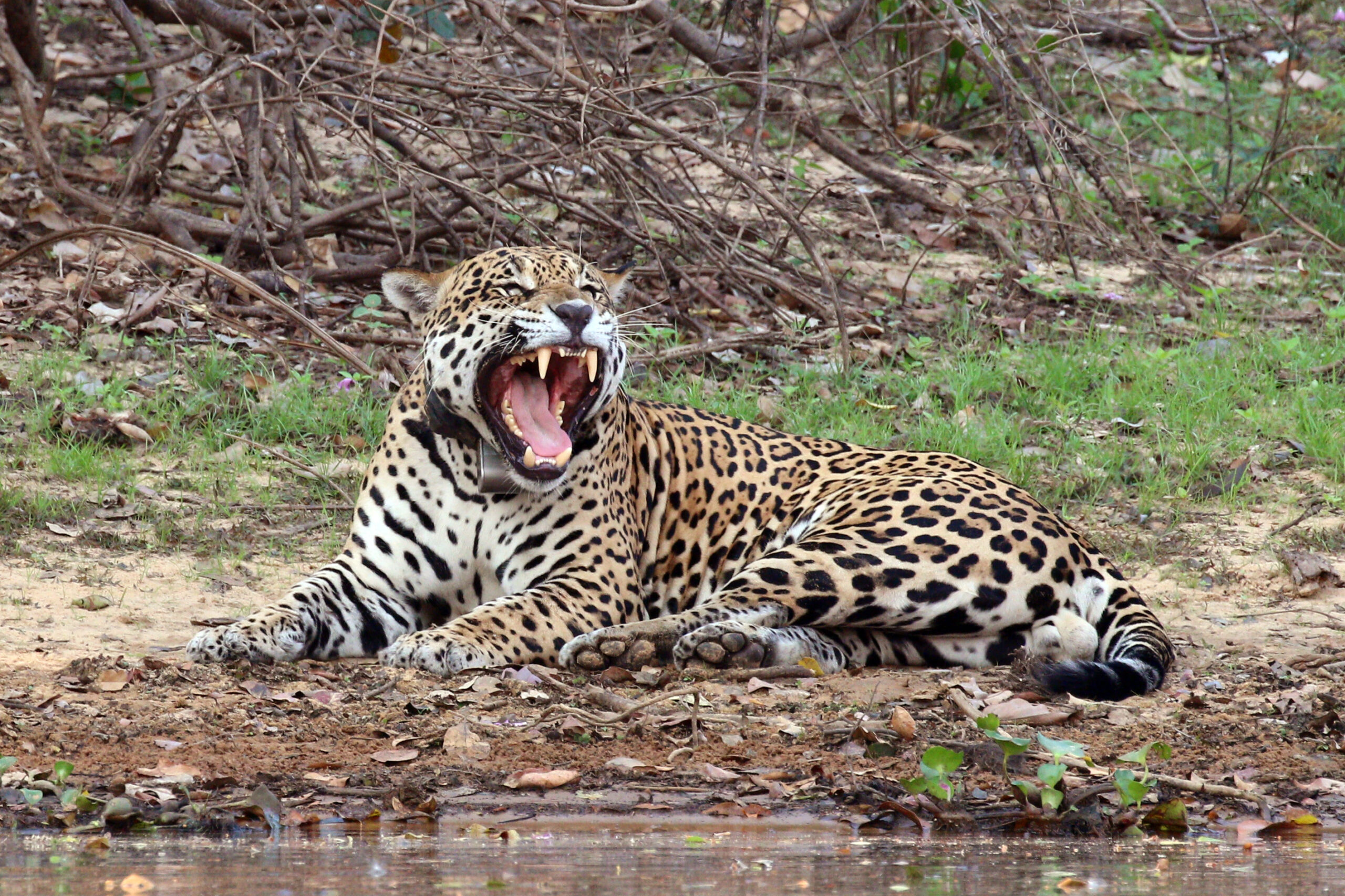
Turtle shells look like the ultimate defense, a mobile fortress that should stop almost any predator cold. Jaguars treat them more like an inconvenience. This powerful bite enables the jaguar to split the hard carapace of freshwater turtles, which form part of its prey.
The same applies to caimans, whose thick hides deter plenty of other predators. Jaguars have adapted to a menu that includes armored reptiles precisely because their jaws can handle what other cats can't even attempt, giving them access to a food source that essentially removes the competition.
#4. They are genuinely excellent swimmers, not just water tolerant
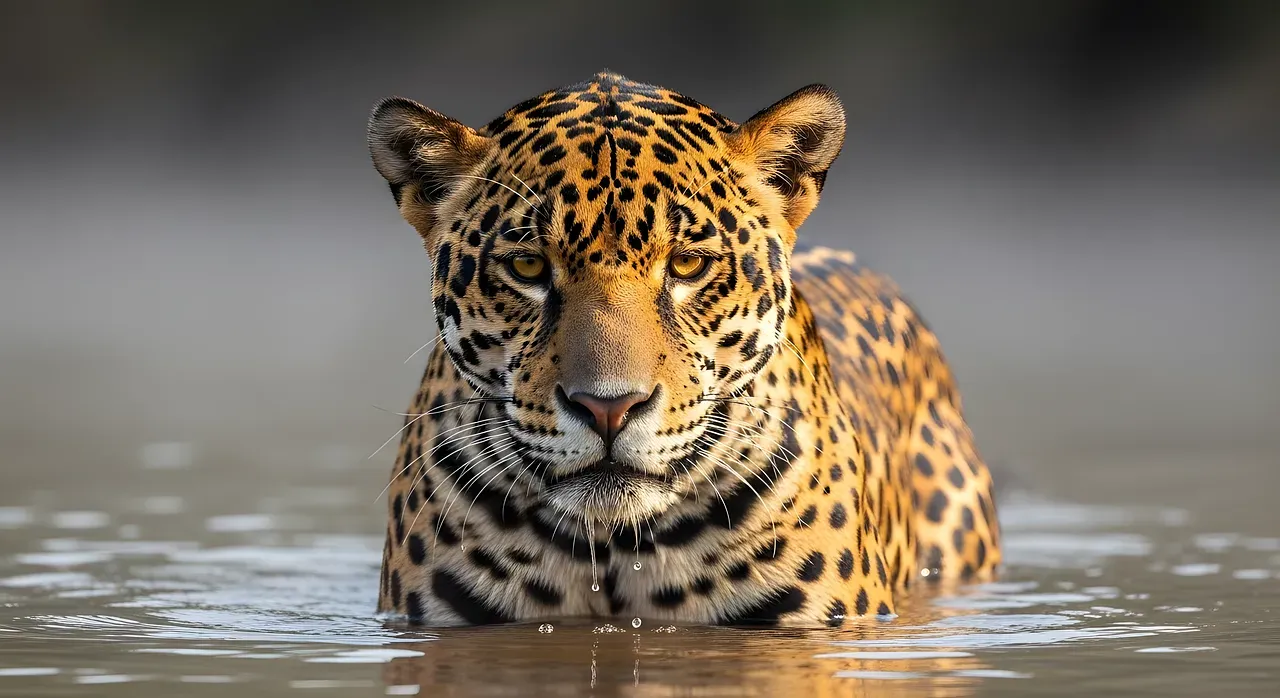
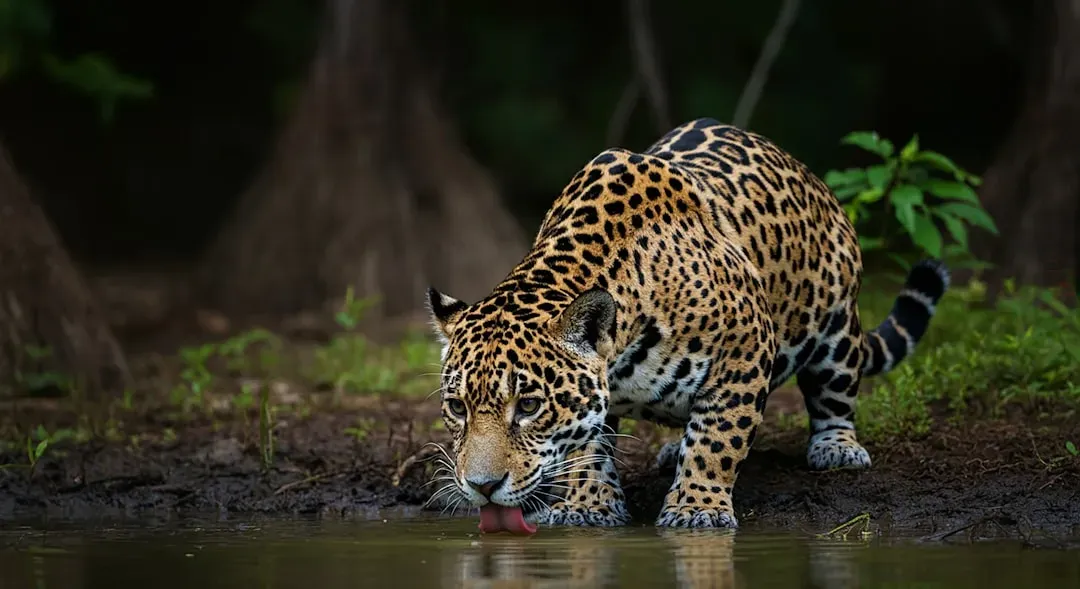
Most cats treat water as something to avoid at all costs. Jaguars flipped that instinct entirely. Despite the widely held belief that cats hate getting wet, jaguars are excellent swimmers and actually prefer habitats with frequent rivers and water bodies.
This isn't a reluctant paddle across a stream when there's no other option. They often hunt prey in and around rivers, and have even been observed diving from river banks directly onto caiman. A jaguar launching itself off a bank onto a reptile is not the image most people carry around of a house cat's wild relative, yet it captures exactly how comfortable this species is in and around water.
#5. Their diet is remarkably broad, covering more than 85 species
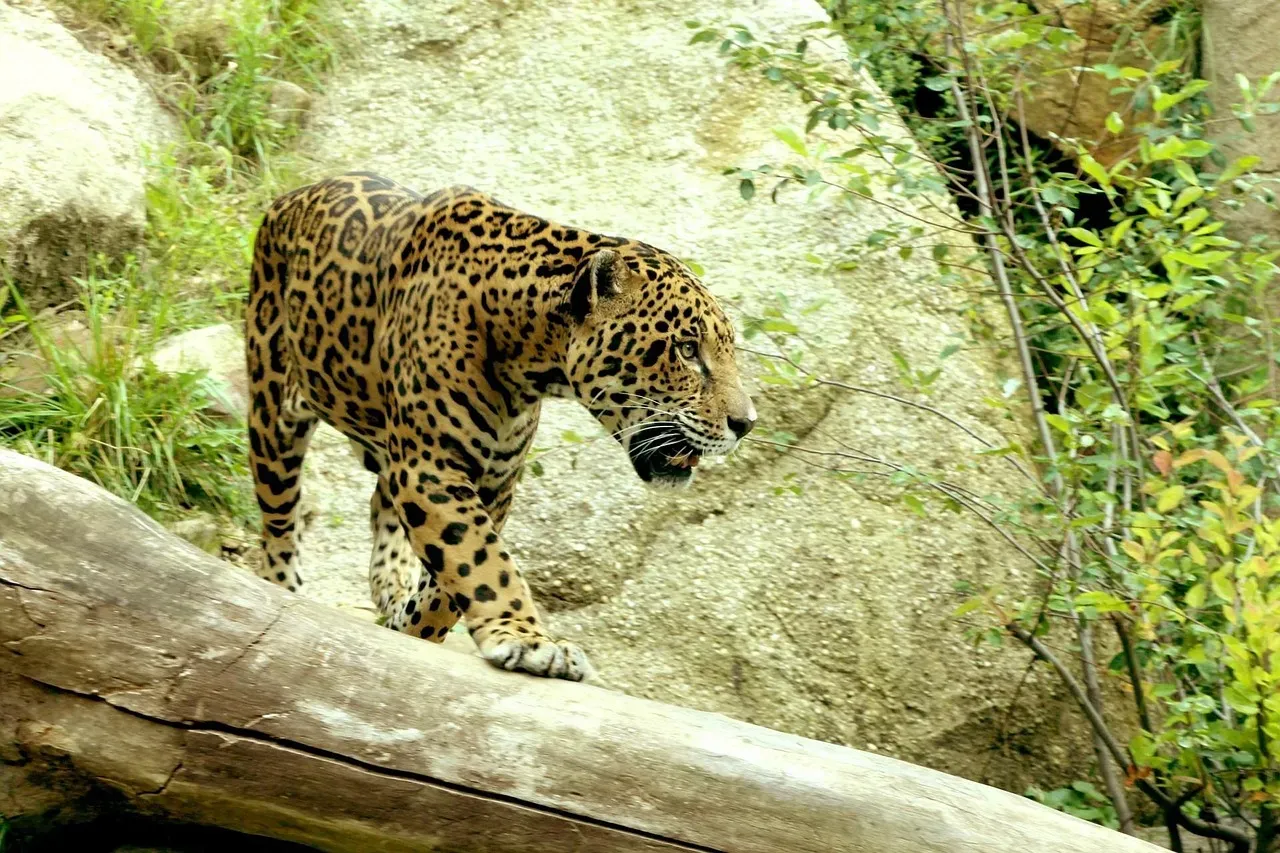
Specialization can be a liability when habitats shift or prey populations crash. Jaguars sidestepped that risk almost entirely. Jaguars are opportunistic apex predators with a diet consisting of over 85 different species, and their favorite prey includes peccaries and capybaras, but they also hunt caiman, tapirs, fish, and even large livestock.
Some populations lean on this flexibility more than others. An extraordinarily broad diet allows jaguars to survive in areas with very limited or unusual prey choices, and one remote population in Brazil's Pantanal wetland is known to rely almost entirely on fish and reptiles. That kind of dietary elasticity is rare among big cats and helps explain how jaguars have managed to persist in such varied landscapes, from dense rainforest to dry scrub.
#6. Black jaguars still carry their spots, just hidden
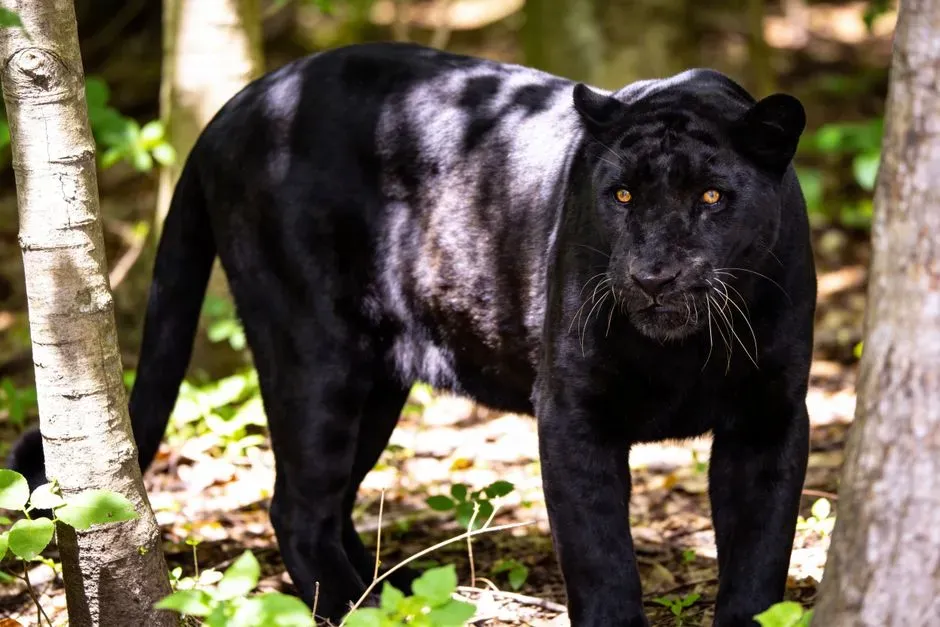
The so called black panther is not a separate species, it is simply a jaguar or leopard expressing a genetic condition called melanism. This dominance does not increase the frequency of black jaguars observed in the wild, and melanism in both jaguars and leopards is thought to be expressed in roughly one in ten individuals of each population.
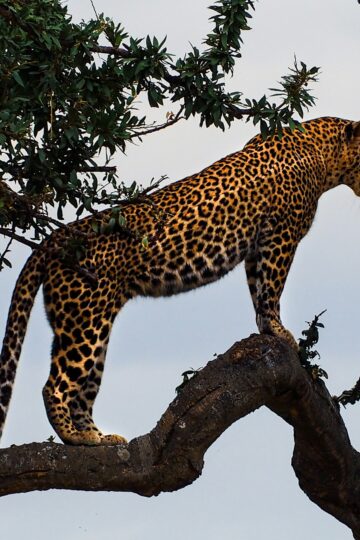
What surprises most people is that the pattern never actually disappears. A leopard or jaguar never really loses its spots, they're simply more difficult to discern underneath their darker coloring. Catch a melanistic jaguar in the right light and those faint ghost rosettes become visible, a quiet reminder that the pattern is still there underneath, just dressed in a darker coat.
#7. They are the largest cat in the Americas and third largest on Earth
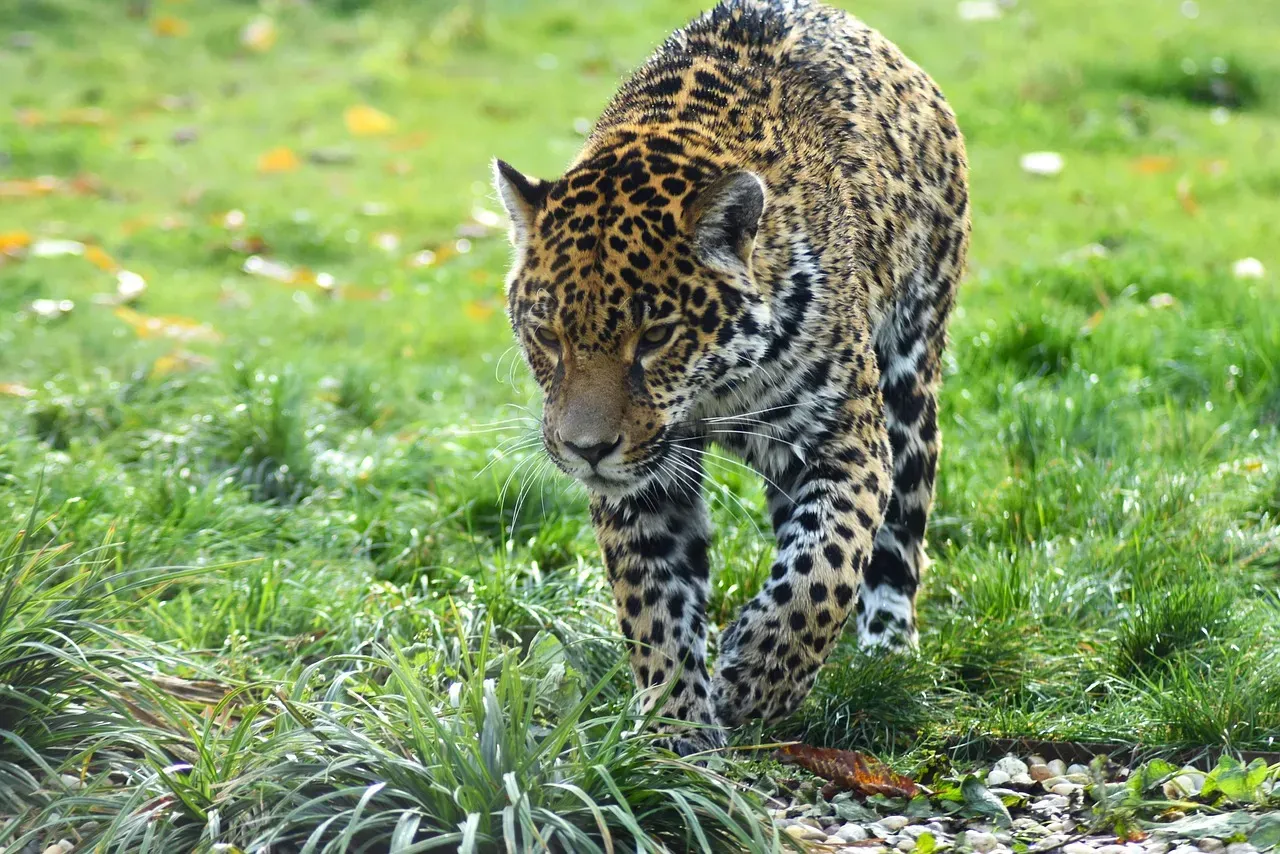
Size comparisons among big cats often confuse people, especially given how muscular and thick set jaguars appear compared to their length. With a body length of up to roughly two meters and weight reaching well over 100 kilograms, it is the largest cat species in the Americas and the third largest in the world.
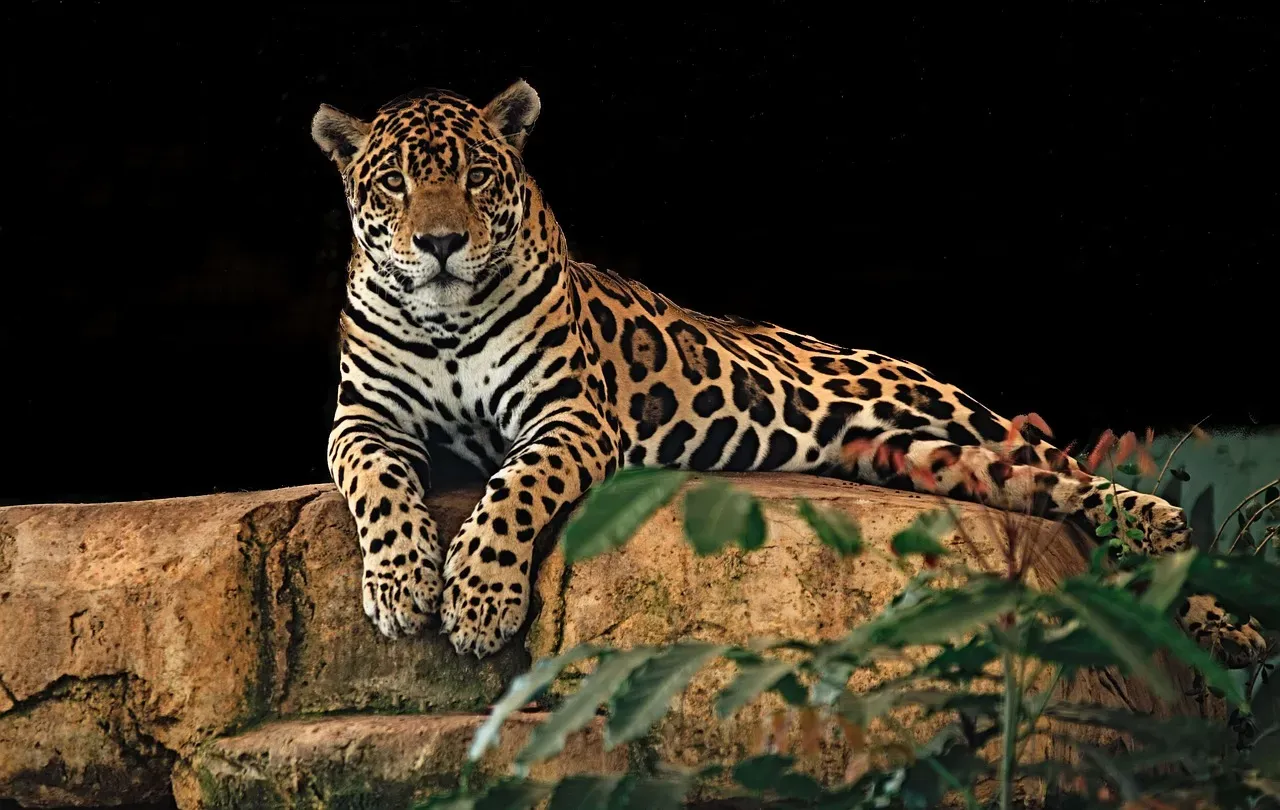
What separates a jaguar visually from a leopard is not just size but build. If you notice dark rosettes and spots on a stunning coat, short legs, and a large round head, then you've spotted a jaguar. That stockier, more compact frame isn't just for looks, it directly supports the jaw mechanics that make the skull-piercing bite possible in the first place.
#8. Their name literally translates to "he who kills with one leap"
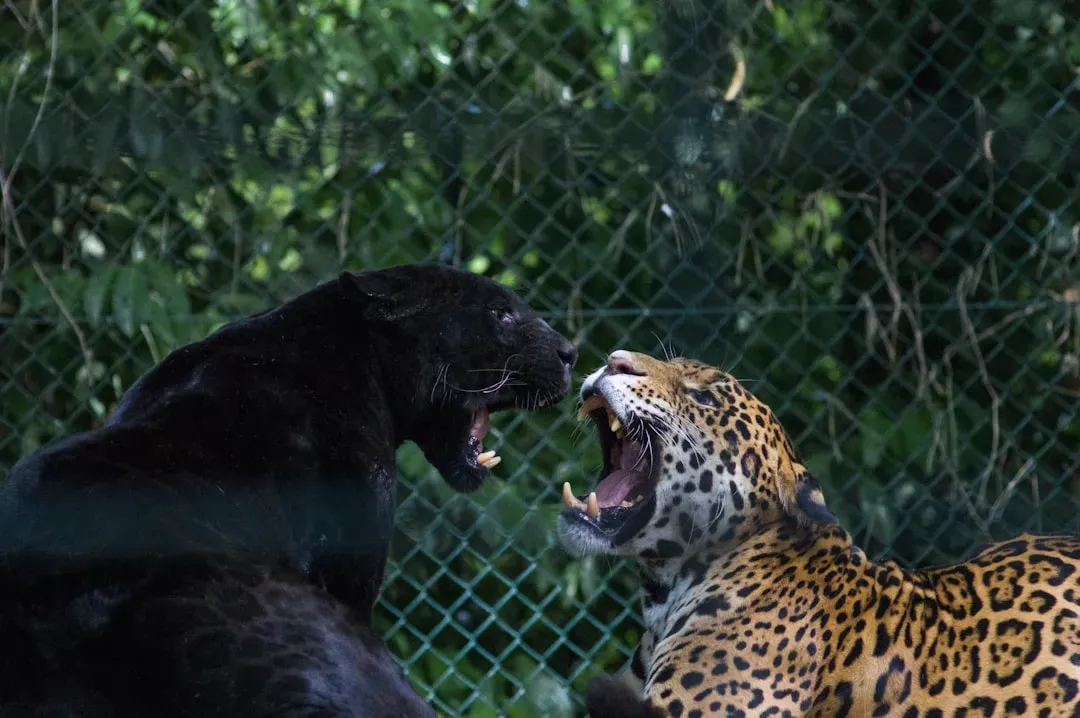
Language sometimes captures an animal's essence better than any biology textbook. The name jaguar originated from the indigenous word "yaguar," which means "he who kills with one leap."
Indigenous cultures across Central and South America clearly understood this predator's hunting style long before modern researchers documented it with cameras and bite force meters. The name reflects the ambush strategy jaguars rely on, a short, explosive burst rather than a long chase, which fits perfectly with how the species has always hunted in dense forest cover where patience and a single decisive strike matter more than speed.
#9. They are almost entirely solitary, unlike lions
Lions get most of the attention for their social prides, but that structure is actually the exception among big cats rather than the rule. Unlike lions, which live in social groups known as prides, jaguars are solitary creatures who prefer to roam and hunt alone, using their keen senses to detect prey in the dense forests or along riverbanks.
This solitary lifestyle shapes nearly everything else about jaguar behavior, from how they mark territory to how far individual cats need to roam. To mark their large territories, they use vocalizations, including roars and grunts, as well as urine marking and tree scrapes. It's a quieter, more private existence than the cooperative hunting seen in lion prides, and it demands a level of self sufficiency that few other cats need to master.
#10. Their numbers are declining even though they remain widespread
It would be easy to assume a species found across so many countries is doing fine, but the reality is more complicated. Jaguars are found in 19 countries from the southwestern United States to northern Argentina, though the species is believed to be extirpated in El Salvador and Uruguay.
The bigger concern lies in the trend line rather than the current map. Jaguars have lost approximately half of their historic range, with a 20 percent decline in a period of just 14 years, and have gone extinct in El Salvador and Uruguay. The species is currently listed as Near Threatened, sitting one category away from Vulnerable, which means the wide geographic spread on paper masks a population under steady pressure from habitat loss and human conflict.
The Takeaway
Jaguars don't get nearly the cultural spotlight that lions and tigers enjoy, and honestly, that always struck me as a bit unfair once you look closely at what this animal actually does. A cat that swims by choice, dives onto caimans, and bites through skulls and turtle shells isn't a lesser version of anything, it's its own category of predator entirely.
What makes the jaguar's story worth paying attention to right now isn't just the biology, it's the timing. A species this specialized and this quietly remarkable is losing ground faster than most people realize, and that combination of fascination and vulnerability is exactly why these facts deserve wider attention rather than a passing mention next to more famous big cats.