Your feline friend deserves a long, healthy life filled with purrs and contentment. Yet many well-meaning cat owners unknowingly make mistakes that could be cutting years off their beloved pet’s lifespan. The average cat lifespan is between 13–17 years. Some lucky felines have been known to live 20 years or more – the world record holder for oldest cat on record, adorably named Creme Puff, lived to be a whopping 38 years old.
Think you’re doing everything right? You might be surprised. Being entire, purebred and with a non-ideal body weight were significantly linked to a decreased lifespan. The harsh reality is that some common pet care practices could be robbing your cat of precious years. Let’s uncover these hidden dangers and transform your cat’s health for the better.
Keeping Your Cat Outdoors or Allowing Free-Roaming

The biggest lifespan thief might shock you. Indoor cats tend to outlive outdoor cats simply because they aren’t exposed to harsh environmental factors and have access to routine preventive care, thanks to their pet parent. The statistics are staggering when you see the actual numbers.
Unfortunately, the lifespan of outdoor cats or cats with lots of outdoor access is on average only about half of that for indoor cats. Outdoor cats face many dangers including… Cars, predators, diseases, and toxic substances turn the great outdoors into a minefield for your feline friend. Outdoor cats tend to live an average of two to five years, sometimes longer. In contrast, indoor cats can live to be 17 years or older.
Even indoor-outdoor cats face significantly higher risks than their strictly indoor counterparts. The solution isn’t locking your cat away from all stimulation. Though some cats will benefit emotionally and behaviorally from supervised outdoor activities such as walking on a leash or exploring outdoor enclosures, most cats can be very happy as indoor-only pets in a properly enriched environment.
Skipping Spaying or Neutering
This mistake creates a double threat to your cat’s longevity. Intact female and male cats had significantly shorter lifespans than their spayed or neutered counterparts. The numbers tell a compelling story about the power of this simple procedure.
Of those who died at ≥ 1 year of age, the median lifespan of intact male cats was approximately 7.5 years while the median lifespan of neutered male cats was around 11.8-14 years. That’s more than double the lifespan for neutered males compared to intact ones.
For female cats, spaying reduces the risk of uterine infections and breast cancer, with approximately 85-95% of feline mammary tumors being malignant. For males, neutering prevents testicular cancer and reduces the risk of prostate problems. The procedure also prevents behavioral issues that lead to dangerous situations. Beyond health, spaying or neutering helps curb behavioral issues like marking and roaming, which can lead to accidents or fights. It also addresses overpopulation by preventing unwanted litter, thereby reducing the number of homeless cats. This simple procedure contributes to your cat’s longer, healthier, and more peaceful life.
Ignoring Weight Management
Your chunky kitty might look adorable, but those extra pounds are silently stealing years from their life. Numerous studies demonstrated that obesity can have detrimental effects on the health and longevity of dogs and cats. The health risks multiply as the weight increases.
The problems to which obese companion animals may be predisposed include orthopedic disease, diabetes mellitus, abnormalities in circulating lipid profiles, cardiorespiratory disease, urinary disorders, reproductive disorders, neoplasia (mammary tumors, transitional cell carcinoma), dermatological diseases, and anesthetic c complications. Obese cats are almost five times as likely to develop lameness as lean cats.
Many overweight cats are unable to groom themselves properly. The result is an increase in skin issues and tangled, matted, and dirty fur. This often results in them having to endure the stress of being transported to be groomed but also the stress and fear from the shave-down process itself. Weight management requires vigilance and consistency throughout your cat’s life.
Providing Poor Quality or Inappropriate Diet
What goes in your cat’s bowl directly impacts how many years you’ll share together. Dry food is filled with plant-based ingredients and carbohydrates, which cats have a tough time digesting. “While many cats seem to do OK on these diets, they can lead to weight gain, digestive problems, and potentially other medical issues over time,” Richter said.
Cats have not adapted to eat a high-carbohydrate diet, and canned cat food is often highly processed and contains preservatives and chemical compounds. Richter said these can lead to health problems in the long term, such as obesity, inflammation and diabetes. The good news is that small changes can make a huge difference.
“The ideal diet for a cat is one that is predominantly meat-based and is minimally processed such as raw, freeze-dried, or lightly cooked,” Dr. Gary Richter – veterinarian and founder of Ultimate Pet Nutrition and the author of Longevity for Cats – told Newsweek. Your cat’s wild ancestors would be horrified by some modern pet food formulations. Choose quality over convenience when possible.
Delaying Veterinary Care
This silent killer operates through neglect rather than action. Waiting to seek veterinary care for a cat can be highly detrimental to its health. Cats are adept at hiding signs of illness as a survival instinct, often showing symptoms only when seriously ill. By the time you notice something’s wrong, precious time may have already been lost.
Delaying veterinary care means that the condition may have progressed by the time symptoms are noticeable, making treatment more challenging and recovery less specific. Early detection of issues, from infections to chronic diseases, significantly improves the chances of successful treatment and can prevent complications. Timely veterinary intervention is crucial for maintaining a cat’s health and well-being, ensuring minor issues don’t escalate into significant health problems.
Adult cats should have a complete veterinary examination at least once a year. Kittens need veterinary visits usually every 3 to 4 weeks until they are about 4 months old. Senior cats (7 years and older) should see their veterinarian twice a year or more frequently because illness is more common in older pets and should be identified sooner to provide proper treatment. Regular checkups are investments in longevity, not just expenses.
Neglecting Dental Care
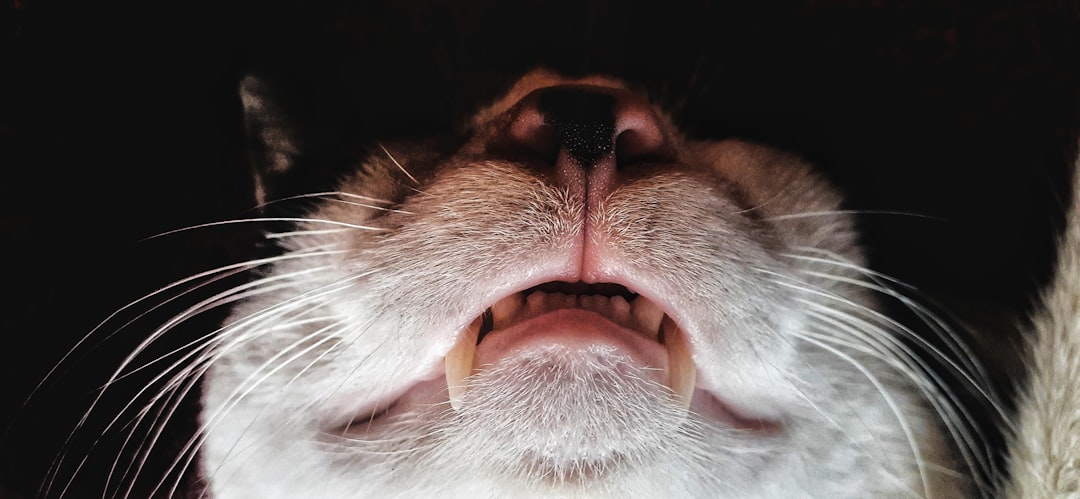
Your cat’s mouth holds secrets that could predict their future health problems. Just like humans, your cat’s oral health is a critical aspect of their overall well-being. Dental disease is common in cats, and if left untreated, it can lead to painful conditions, tooth loss, and even more serious health problems, such as heart or kidney disease. The mouth-body connection is stronger than most people realize.
Cats need dental attention throughout their lives. You can help keep your cat’s teeth and gums in good condition by feeding dry food and following a program of professional dental cleanings performed by your veterinarian. Good dental care reduces the development of plaque which, if untreated, can progress to gingivitis and gum disease. Poor dental health doesn’t just cause bad breath.
Aging cats could have dental disease and the pain caused by this may not stop a cat from eating, but it will prevent the amount that they eat; which contributes to loss in weight. They may begin to lose their teeth if they aren’t properly taken care of, as well as having gum disease. Daily brushing and regular professional cleanings can prevent years of suffering and extend your cat’s healthy years significantly.
Feeding Harmful Foods and Treats

Your good intentions might be poisoning your cat slowly. Felines are drawn to milk and cream due to the high fat content and sweetness, but it’s not good for them. Although kittens are able to digest lactose, they lose this ability over time, meaning most felines are lactose intolerant. “There is no animal in the world that is evolutionarily designed to digest dairy after weaning,” said Richter. “Dairy can lead to digestive upset and inflammation.”
Fish seems natural for cats, but the source matters enormously. Farmed fish are not as nutritious for cats as wild-caught fish due to the diet they are fed. Richter also recommends that owners avoid raw fish, unless it’s part of a commercially prepared raw food diet. “A small piece of raw fish from time to time is fine,” he said. “But I wouldn’t make it part of the cat’s diet due to possible bacterial contamination.”
Ingesting just a small piece of some common ornamental plants such as poinsettias could be enough to make a cat ill, and swallowing a sizable amount could prove fatal. Lilies are especially toxic to cats; they can cause life-threatening kidney failure if ingested even in tiny amounts. Even tiny amounts of wrong foods can trigger life-threatening reactions in sensitive cats.
Inadequate Parasite Prevention
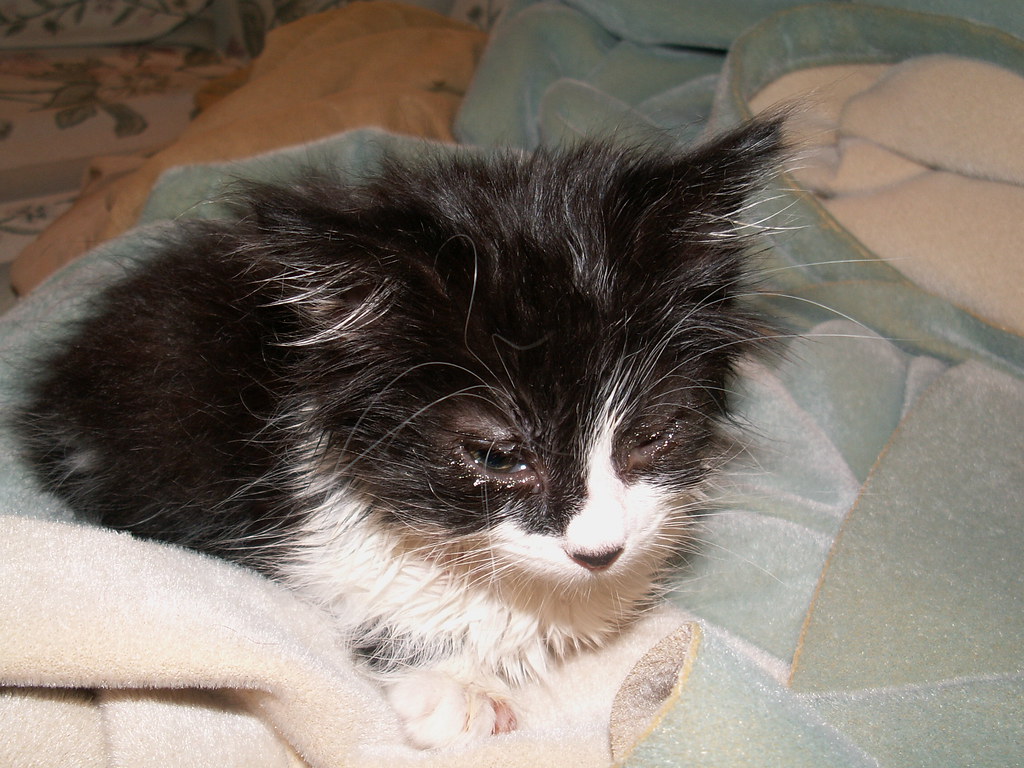
These invisible enemies wage war on your cat’s health every single day. Intestinal worms cause damage to the digestive tract and blood loss. They also interfere with absorption of essential nutrients. The damage accumulates over time, shortening your cat’s lifespan through malnutrition and organ damage.
Fecal samples should be tested several times in kittens, periodically (usually yearly) in all indoor cats, and at least twice a year in outdoor cats, which are especially likely to become infected with parasites. Even indoor cats aren’t safe from all parasites.
Cats can also become infected with heartworms, which are parasites transmitted by mosquitoes. Heartworm disease is common in most of the United States. It is most commonly diagnosed with a blood test and can be prevented by administering monthly medication. Heartworm-associated disease in cats can be quite severe, so prevention is critical. Regular prevention is far less expensive than treating established infections that can damage organs permanently.
Creating a Stressful Environment
Chronic stress doesn’t just make your cat miserable – it literally shortens their life. Cats, especially indoor ones, can easily become bored and sedentary if they don’t have enough mental and physical stimulation. While cats are often portrayed as independent, they require regular interaction, playtime, and enrichment to stay healthy and happy. Boredom creates a cascade of health problems.
Lack of stimulation can lead to behaviour problems such as excessive scratching, aggression, or inappropriate urination. Physical activity is essential for maintaining a healthy weight and preventing obesity. Mental stimulation helps prevent boredom and promotes emotional well-being. The connection between mental health and physical health in cats mirrors what we see in humans.
Multi-cat households need special attention to prevent stress-related health issues. Provide enough resources like food bowls, water stations, litter boxes (ideally one per cat, plus one extra), and sleeping areas to prevent competition and stress. Monitor interactions to ensure they get along, and provide separate spaces if needed. Competition for resources creates chronic stress that weakens immune systems and shortens lives.
Ignoring Environmental Hazards
Your home might be harboring silent killers that threaten your cat’s longevity. Human medications and flea treatments for dogs can be acutely toxic for cats. Remember: never give your cat medications without first consulting your veterinarian. Cats will often gobble up pills they find lying on tables or dropped on the floor, so be vigilant with your medications. What’s safe for you or your dog could be lethal for your cat.
Cats are naturally curious, and while this is part of their charm, it can also put them at risk if their environment is not adequately secured. From toxic plants to household chemicals and even open windows, many common household items and situations can be hazardous to cats. That curiosity that makes cats so endearing also puts them at constant risk.
Cats are known for exploring, and this can lead them to places where they could accidentally injure themselves or ingest harmful substances. Certain plants, such as lilies, can be extremely toxic to cats, even in small amounts. Creating a cat-safe environment requires thinking like a cat and seeing dangers from their perspective. Small changes in your home setup could prevent tragic accidents that cut short your cat’s life.
Conclusion
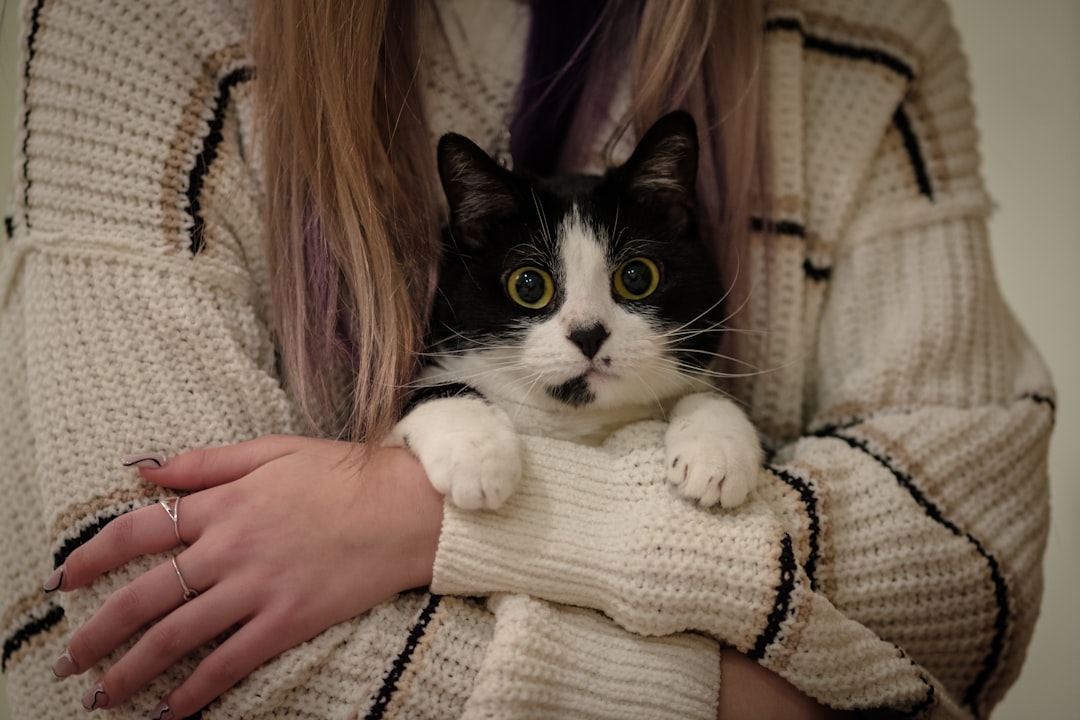
The path to a longer, healthier life for your cat isn’t complicated, but it does require commitment and knowledge. Each mistake we’ve explored represents years that could be stolen from your time together – or precious years that could be preserved through better choices.
Your cat depends entirely on you for their wellbeing. From providing a safe indoor environment to maintaining proper weight, ensuring regular veterinary care, and creating an enriching but secure home, these aren’t just good pet parenting practices – they’re life-extending decisions. The difference between a cat living 5 years versus 17 years often comes down to these fundamental care choices.
What’s your biggest takeaway from this list? Are you ready to make the changes that could give you many more years of purrs, head bumps, and companionship with your feline friend?