10 Quiet Ways Cats Ask Their Favorite Human for Reassurance Without Making a Sound
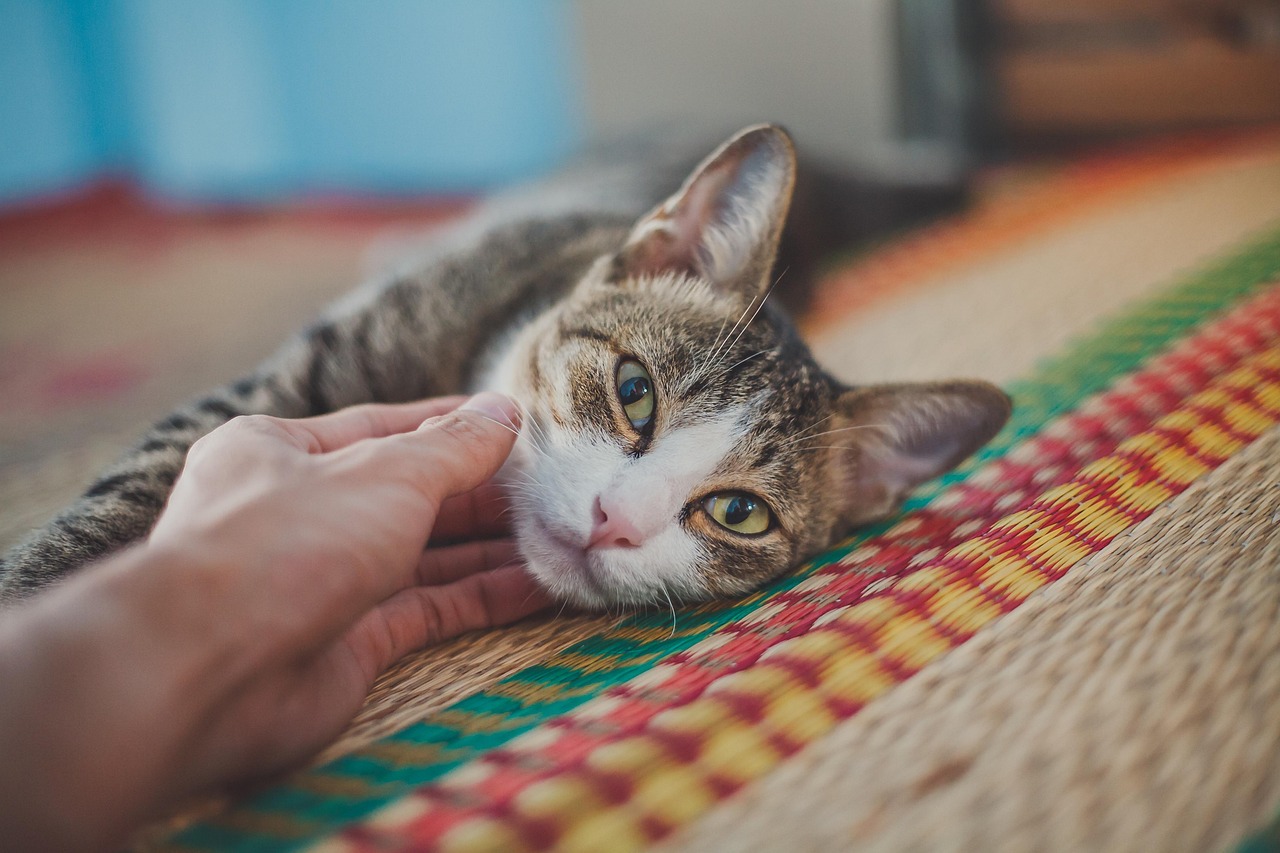
You probably already know your cat talks to you with more than just meows. The real conversations happen in the quiet moments: a glance, a small shift in posture, the way they follow you from room to room. When your cat feels a little unsure, stressed, or just in need of comfort, they often ask you for reassurance in ways so subtle you might miss them if you are not looking.
Once you start noticing these signals, though, it is like learning a secret language. You understand when your cat is saying “stay close,” “I need a little support,” or “please tell me everything is okay.” Here are ten quiet, science-backed, and very relatable ways your cat may be silently checking in with you and asking for emotional backup.
1. The Slow Blink That Says “Do You Feel Safe Too?”
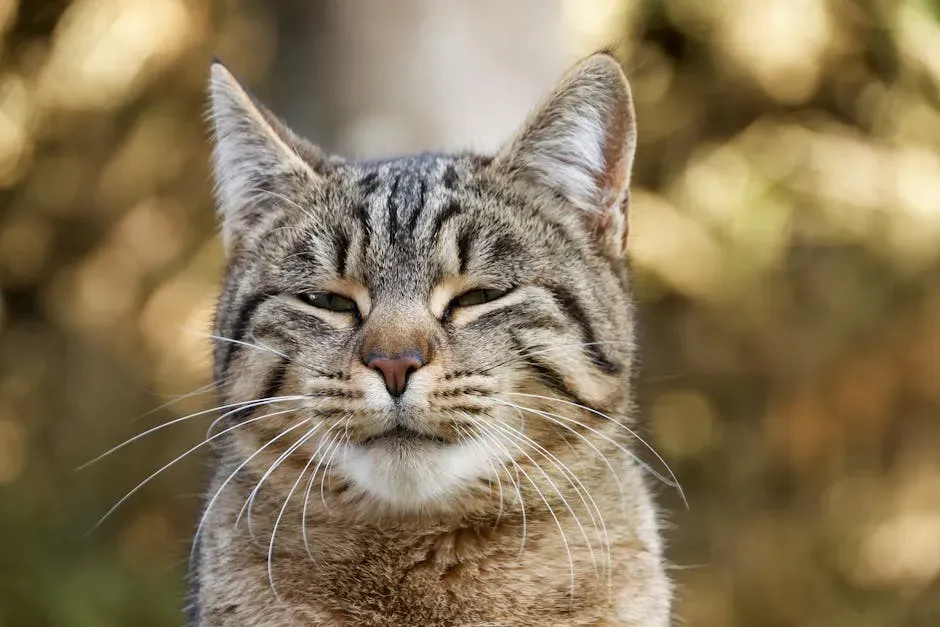
That soft, dreamy slow blink your cat gives you is not just cute; it is basically their version of a calm, trusting smile. When your cat looks at you, narrows their eyes, and slowly closes and opens them, they are signaling that they feel safe and are inviting you to share that calm feeling with them. When your cat does this while things around them feel strange or noisy, they may be quietly asking, “We are okay, right?”
If you slow blink back, you are sending the same friendly, non-threatening message. Over time, your cat may start to use slow blinks more often when they need reassurance, like during storms, after a loud argument in the house, or when you bring something new into their environment. It becomes a quiet, mutual ritual: your cat checks in, you answer, and both of you relax a little more.
2. Shadowing You from Room to Room Without Meowing
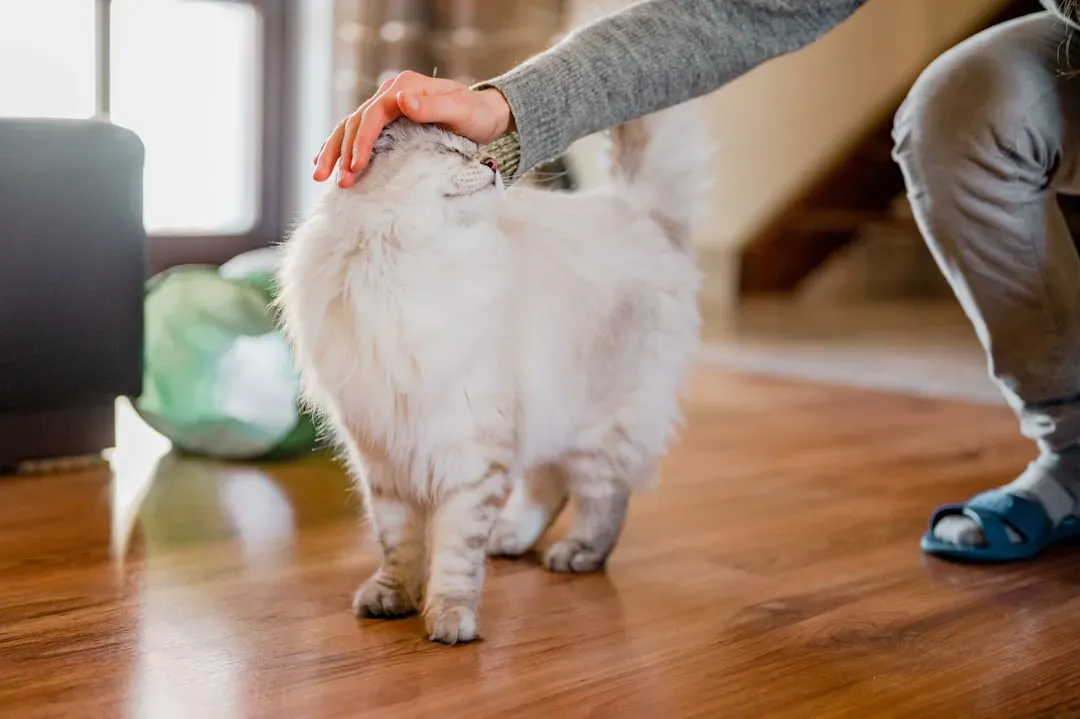
When your cat turns into a silent shadow, calmly following you from bedroom to kitchen to bathroom, they are not just being nosy. That steady, wordless presence is often a way of grounding themselves by staying close to the person they trust most. Your movement becomes their anchor: as long as they know where you are, the world feels less unpredictable.
You might notice this more when something has changed, like a new pet, a rearranged room, or guests in the house. Your cat may not demand attention directly, but their quiet tracking of your steps is a request: “Let me stick close to you until I feel safe again.” Simply talking to them softly, making eye contact, or sometimes just letting them sit nearby while you go about your day can give them the reassurance they are asking for.
3. The Gentle Lean or Light Touch Against Your Leg
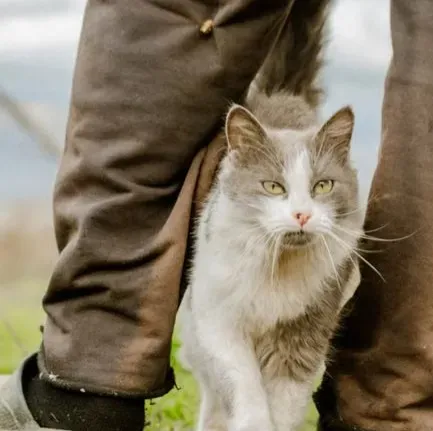
Sometimes your cat will brush their side along your calf or pause and lean their weight ever so slightly against you. It is easy to write this off as “just rubbing,” but that subtle contact is also a comfort check. By placing their body against yours, even for a second, your cat is confirming that you are solid, warm, and there for them.
You may notice this behavior particularly in mildly stressful moments, like when the vacuum has just turned off, a thunderstorm is starting, or someone new is in the house. Your cat may glide by and press, almost like a quiet, wordless hug. If you respond with a calm voice, a slow blink, or a gentle hand down their back, you are answering their unspoken question: yes, you are safe with me.
4. Curling Up Just Close Enough to Touch You
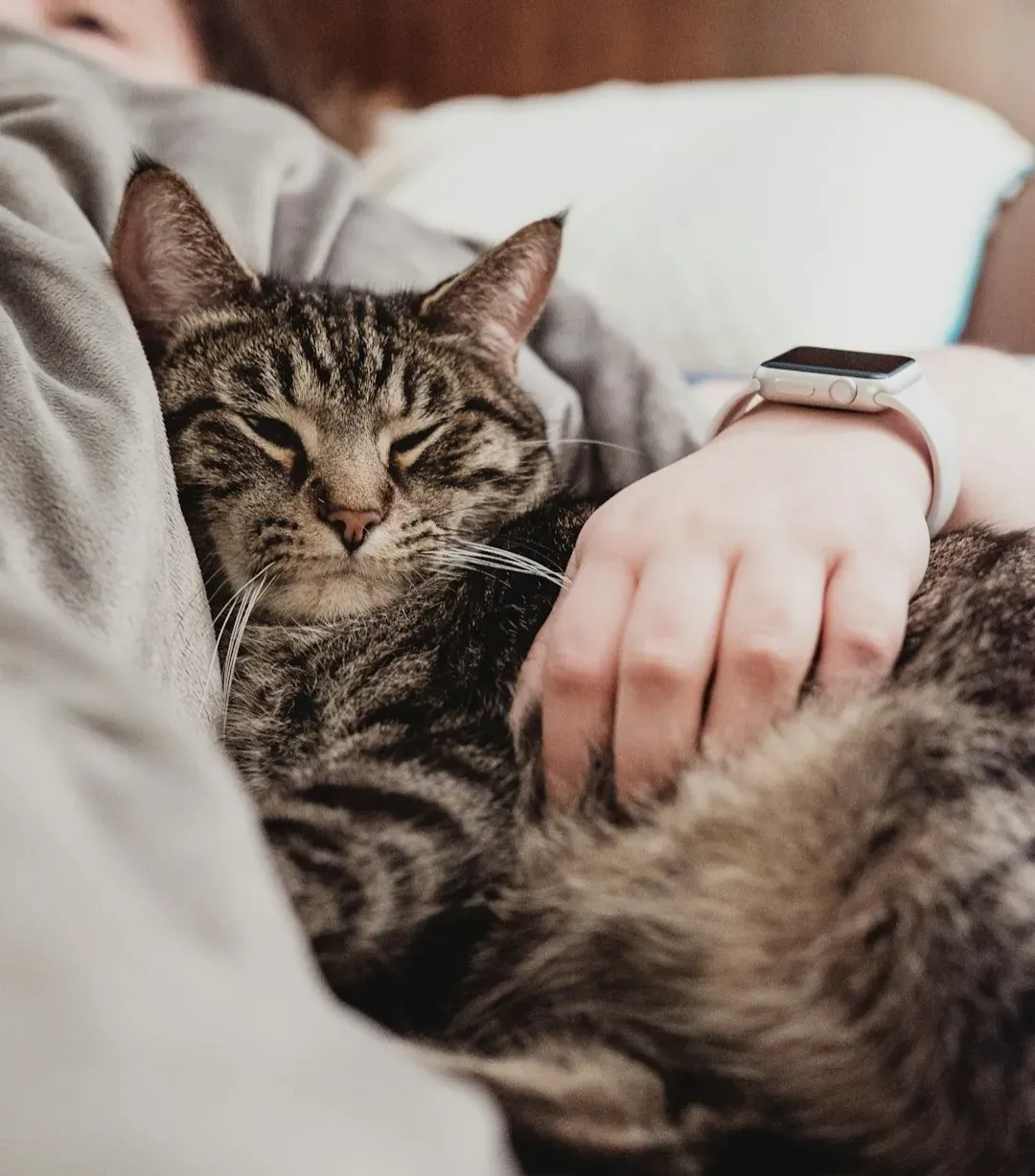
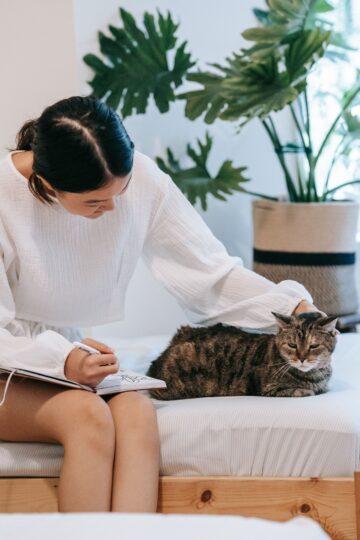
When your cat needs reassurance, they do not always climb directly onto your lap. Instead, they may choose a spot right beside you: pressed against your hip on the couch, sleeping at the foot of your bed so a paw brushes your leg, or settling on the desk with their flank resting against your arm. That “just touching” placement is very intentional.
By keeping part of their body in contact with yours, your cat is using you like a security blanket. They can feel your warmth, your small movements, and even your breathing, which helps them relax. You might think they are just choosing a convenient spot, but in those almost-touching moments, your cat is quietly saying, “I feel better when I can physically confirm you are here.”
5. Showing You Their Belly but Not Quite Asking for Pets
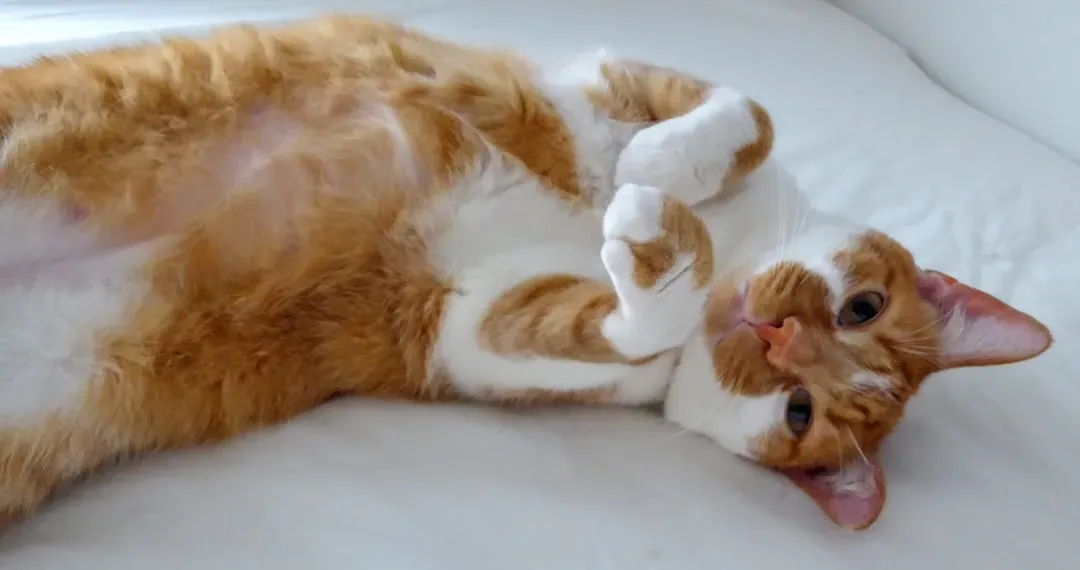
When your cat rolls slightly to the side and exposes part of their belly, especially while keeping an eye on you, they are showing an incredible level of trust. The belly is a vulnerable area for any cat, so revealing it is not just a cute pose; it is a calm, social signal. They are saying, “I feel safe enough around you to relax my guard,” which doubles as a way of asking you to confirm that they are right to trust you.
This does not always mean you should reach in for full-on belly rubs; for many cats, too much contact there can feel overwhelming. What often reassures them most is your respectful response: soft words, a slow blink, maybe a gentle stroke on the chest or side instead. By honoring that trust and not pushing it, you are quietly telling your cat, “You are right to feel safe with me.”
6. Sitting with Their Back to You but Staying Very Close
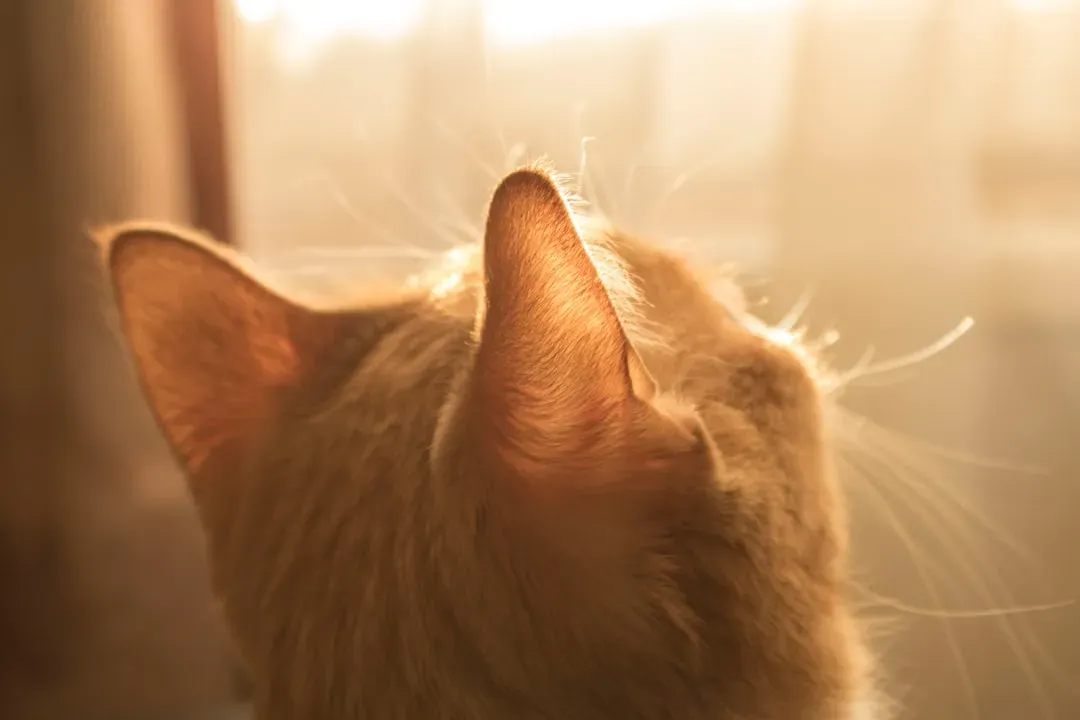
It can feel a little rude at first: your cat comes over, settles right in front of you, and then turns their back as if you are not worth looking at. In cat language, though, this is actually a compliment and a sign of trust. Predators generally do not expose their backs to someone they fear, so when your cat does this, they are silently saying they believe you will watch their blind spot.
When your cat is unsure about sounds or smells in the environment, you may see them park themselves right near you with their back turned, tail neatly wrapped. They are trusting you to notice danger so they do not have to stay hyper-alert alone. In that moment, your calm posture, steady routine, and relaxed voice all tell your cat, “Nothing bad is happening; you can rest.”
7. Bringing You a Toy and Then Just Sitting Nearby
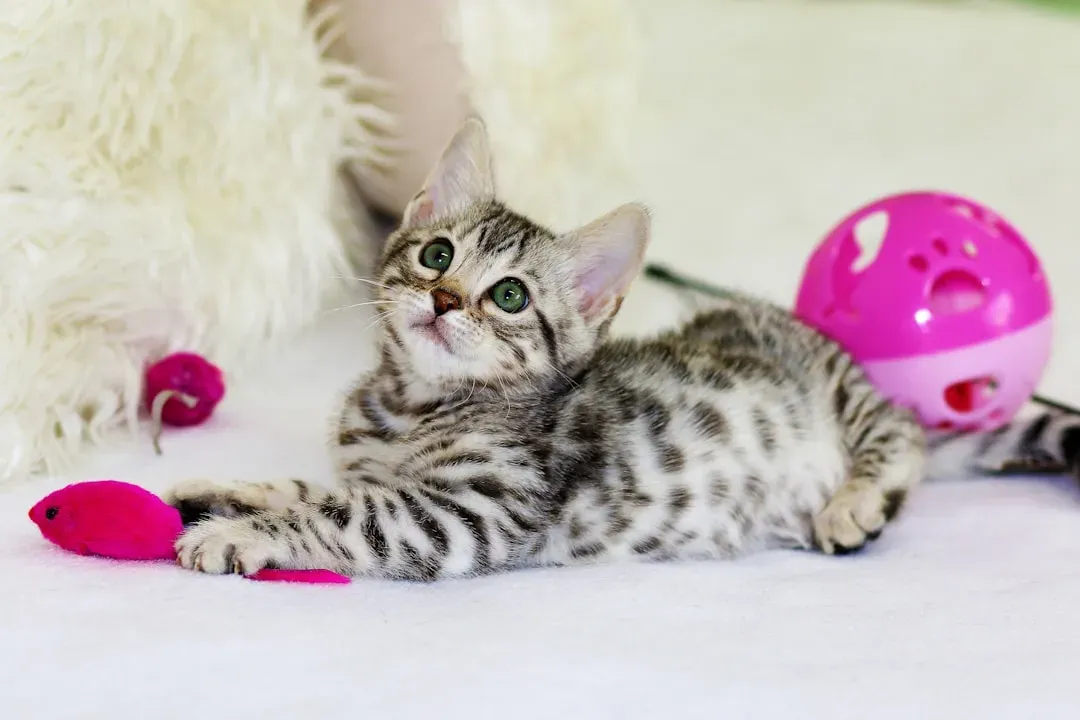
When your cat carries a toy over to you and drops it nearby, you might assume they simply want to play. That is often true, but there is another layer: play is one of the main ways cats cope with stress and build confidence. By involving you, even quietly, your cat may be asking for emotional support as much as entertainment.
Sometimes they do not even push for actual play. They bring the toy, place it within your reach, and then just sit or lie down facing you. It is as if they are saying, “Stay engaged with me. Help me feel normal again.” Answering with a short, gentle play session, or even just a few tosses of the toy, reassures your cat that their social bond with you is steady and reliable.
8. Perching Higher but Keeping You in Their Line of Sight
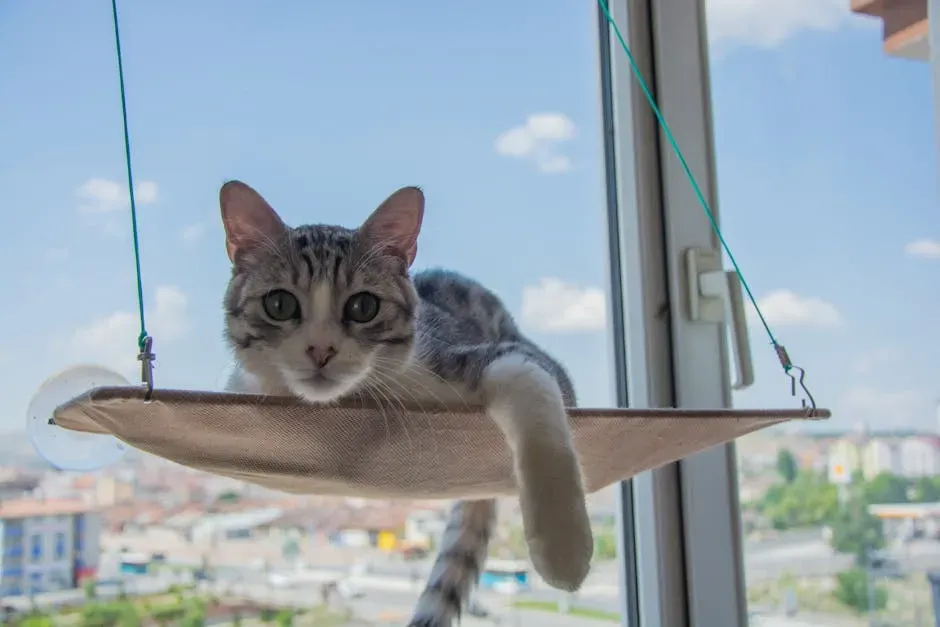
Cats often climb to high spots when they feel uncertain, but where they choose to perch says a lot. If your cat hops up on the back of the couch, a shelf, or a cat tree that gives them a clear view of both the room and you, they are trying to manage their anxiety while still staying emotionally connected to you. That elevated vantage point lets them feel safer, but your presence is still their main point of reference.
You might notice their eyes flick back to you repeatedly, especially if something new is happening, like visitors, moving boxes, or unusual noises. They are silently checking: “Are you reacting? Do you look calm?” If your body language stays relaxed and you occasionally glance up and slow blink at them, you are answering that question in a way that makes their perch feel like a secure lookout, not a hiding place.
9. Grooming Themselves More When They Come Near You
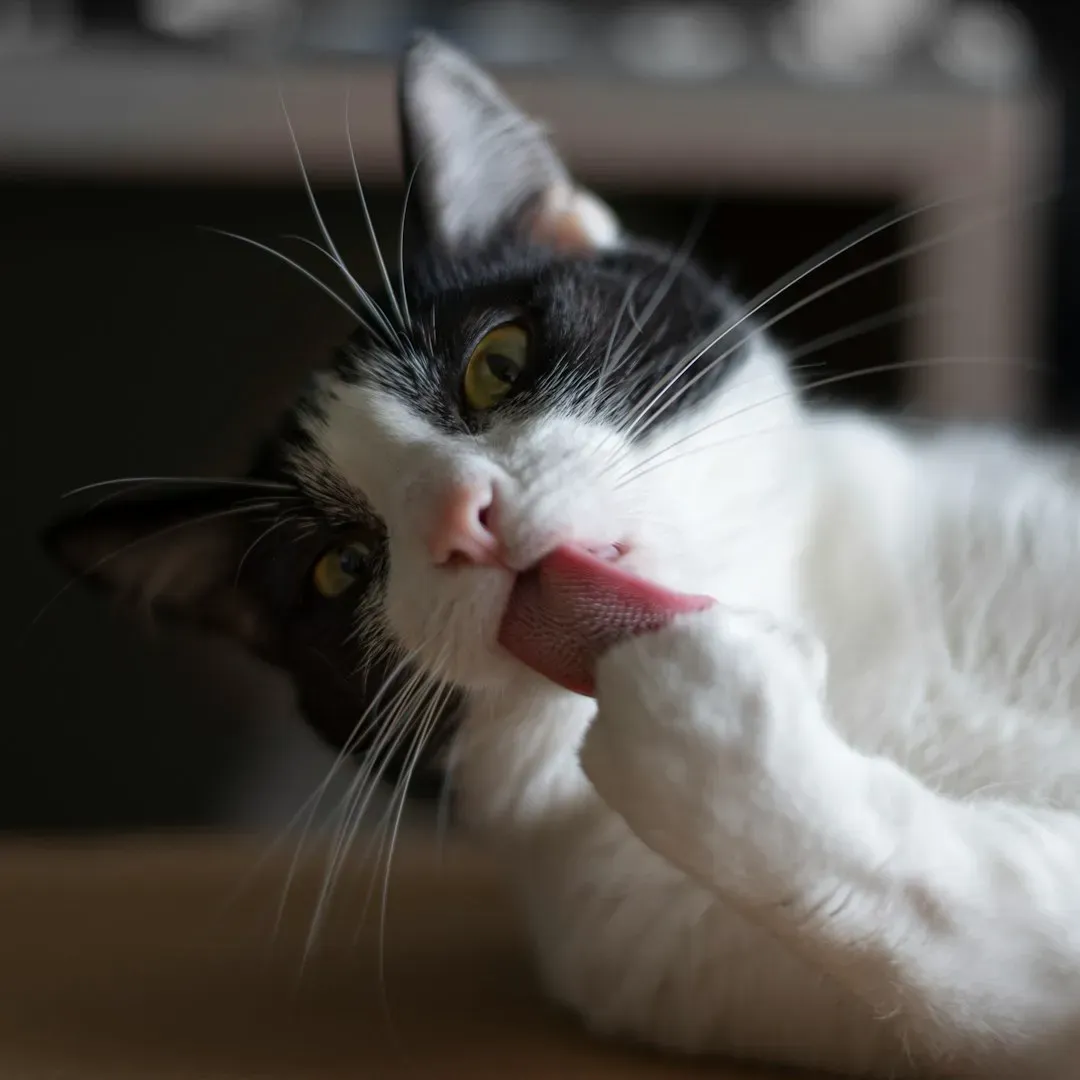
If your cat walks over to you, settles close, and then starts a focused grooming session, it is not always just about cleanliness. Cats use grooming both to calm themselves and to smooth over social tension. By choosing to groom right next to you, they are combining self-soothing with social reassurance: they want to feel better, and they want to do it in the safety of your presence.
Sometimes, you will see a pattern where your cat grooms intensely after a small scare or disruption, then moves closer to you and continues grooming more slowly. That shift from frantic to relaxed, especially if they end by tucking themselves against you or resting a paw on you, is their way of saying, “Being near you helps me come back down.” Letting them do their little routine undisturbed, while you stay calm and available, gives them exactly the reassurance they are seeking.
10. Quietly Staring at You from a Distance Until You Respond
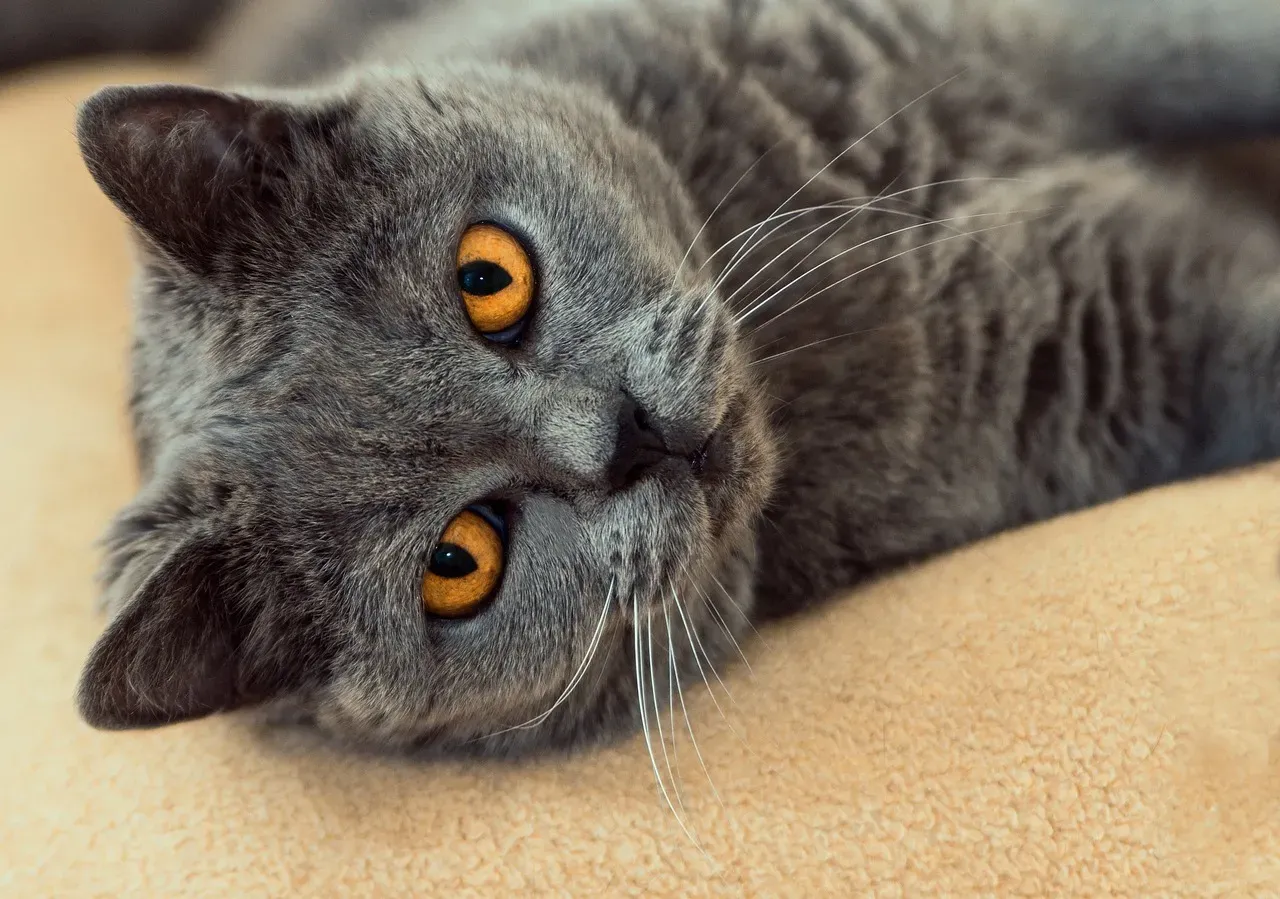
There is that feeling of turning around and realizing your cat has been silently watching you from across the room, eyes wide, body fairly still. It can look intense, but often this is a quiet request for connection and reassurance. They are not meowing or pawing at you; they are giving you a long, questioning look that waits for your reaction.
When you meet their gaze, soften your eyes, and maybe call their name gently or pat the spot beside you, you are answering that silent question: “Are we okay? Are you still my safe person?” Many cats will visibly relax after you acknowledge them, sometimes stretching, blinking, or walking over to you. That tiny exchange - just eye contact and a few soft words - is often all they need to feel centered again.
Conclusion: Learning to Hear the Quietest Questions
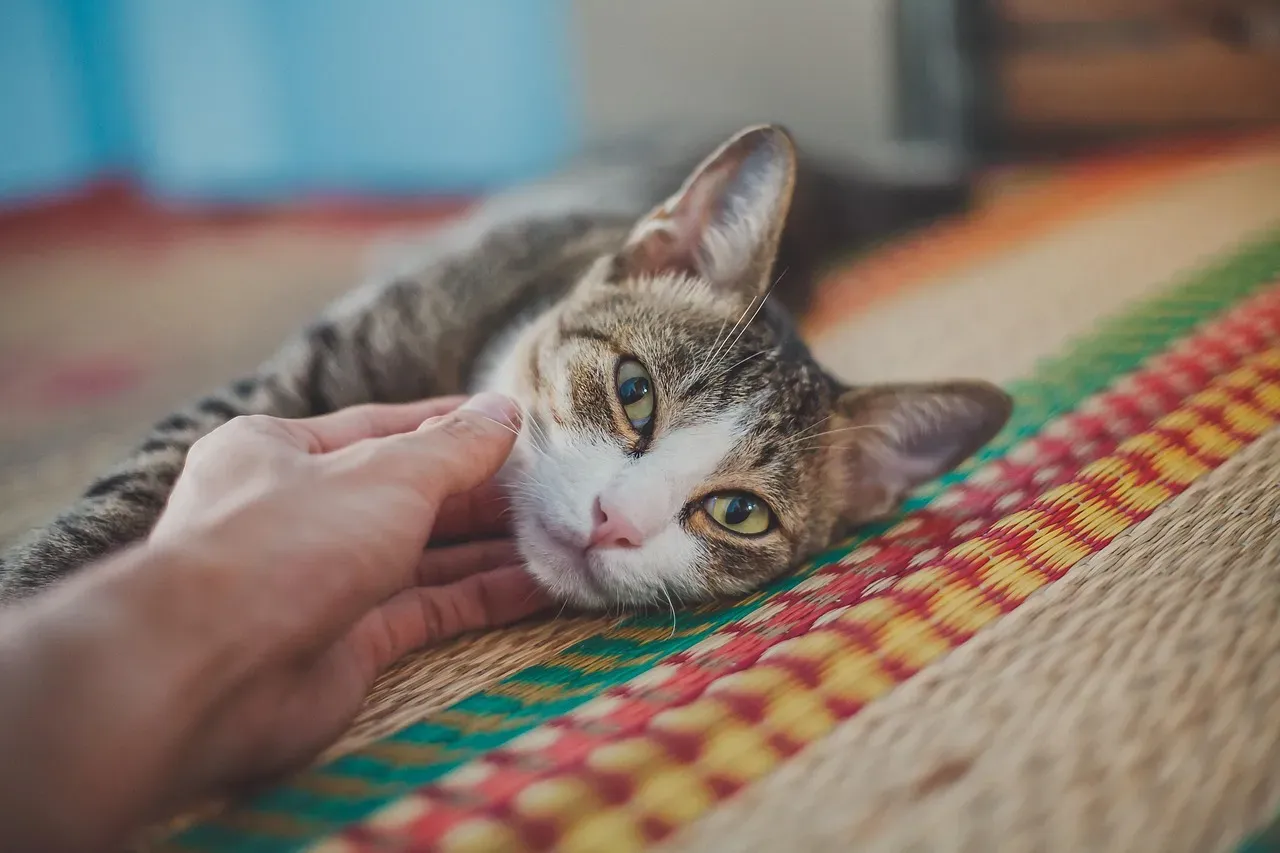
Once you start paying attention to these silent signals, you realize your cat has been talking to you all along. The slow blinks, the careful leaning, the choice to sit just touching you or to follow you between rooms - these are not random quirks. They are gentle questions, repeated in different ways: “Can I trust you? Are we safe? Will you be there for me while I figure this out?”
By noticing and responding to these quiet requests, you turn everyday routines into a steady, reassuring conversation. You do not need grand gestures - just your presence, your calm energy, and a willingness to answer when your cat asks for comfort without a sound. Now that you know what to look for, what silent question do you think your cat has been asking you most often?
- 10 Tiny Ways Cats Show They Trust You That Are Easy to Miss in Everyday Life
- Feline Psychology Says Cats Who Relax More Quickly Around One Person May Be Revealing Who Makes Them Feel Safest
- 12 Signs Your Cat Has Made You Part of Their Daily Routine and Notices When You’re Missing
- 10 Cat Breeds That Are Fascinated With Human Emotions