Why a Cat Sits in a Box and What the Studies Showed
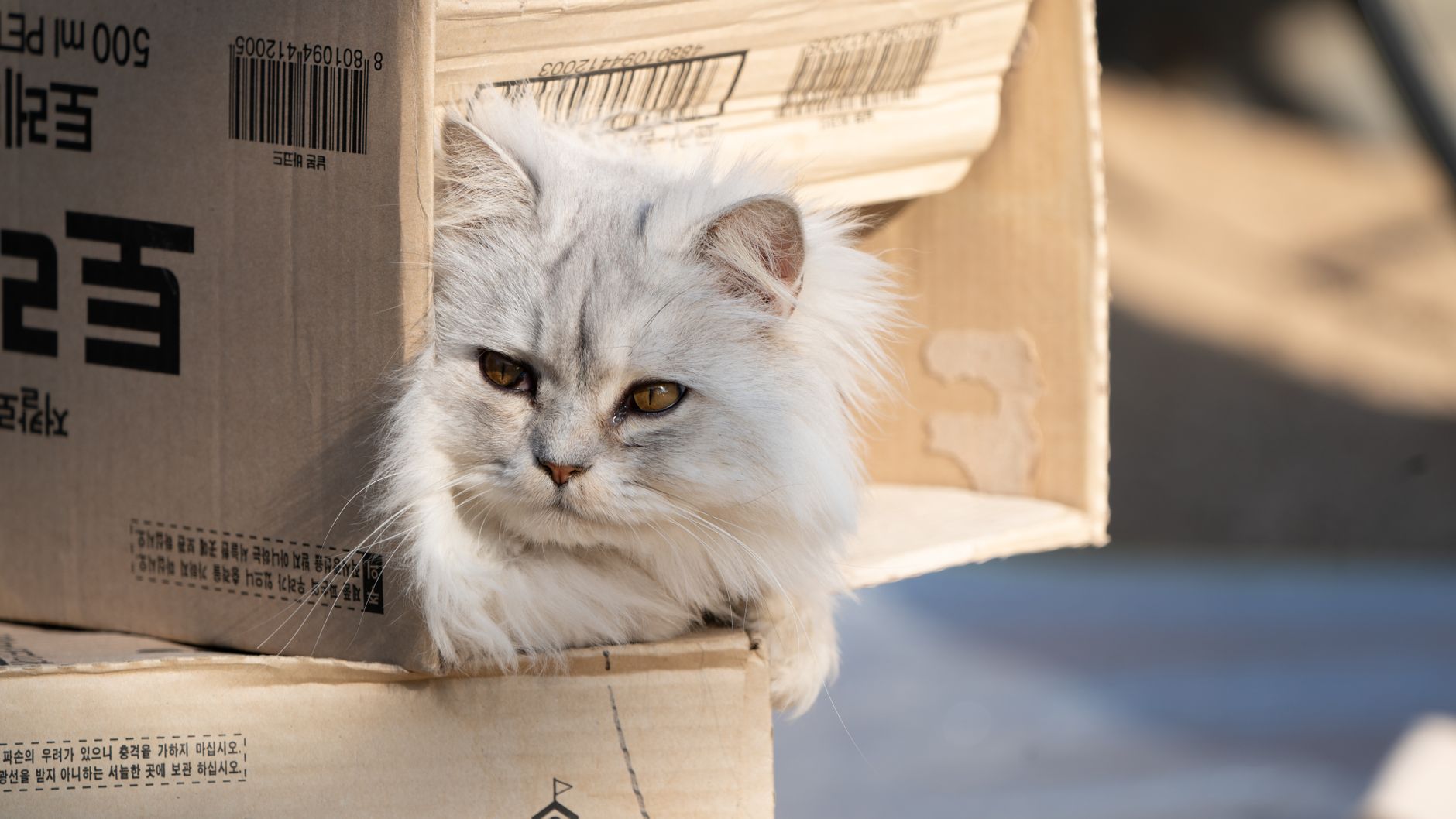
Cats are famous for their peculiar behaviors, but few are as universal as their obsession with boxes. A 2014 study from Utrecht University found that shelter cats given boxes adapted to their new environment significantly faster than those without them.
Researchers have spent years trying to understand this quirky preference, and what they've discovered goes far beyond simple curiosity.
The reasons involve survival instincts, stress reduction, and even thermoregulation. Here's what the data actually says.
#7 — Boxes Provide a Sense of Security From Predators
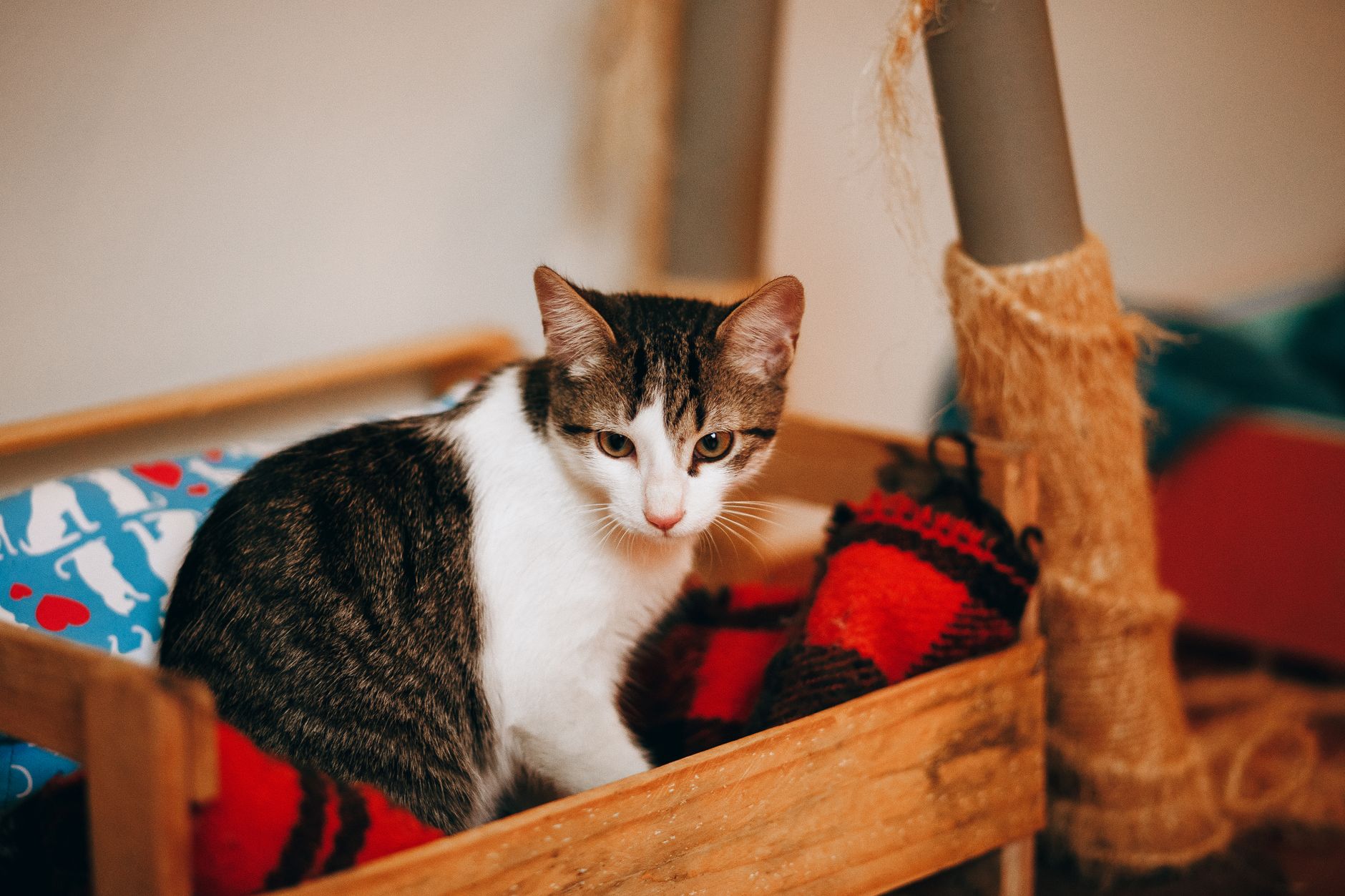
In the wild, cats are both predators and prey, which shapes nearly every behavior they exhibit.
A box creates an enclosed space where a cat can monitor its surroundings while remaining hidden. This vantage point satisfies an ancient instinct to avoid larger predators while waiting to ambush smaller prey.
The walls of a box eliminate blind spots that would otherwise leave a cat vulnerable. This is why cats prefer boxes with one opening rather than those open on multiple sides.
Veterinary behaviorists note that cats are ambush hunters by nature, not endurance chasers. They need spaces where they can rest undetected between hunting opportunities.
Even well-fed domestic cats retain these instincts. The behavior isn't learned; it's hardwired into their survival programming.
But security isn't the only reason cats seek out these tight spaces.
#6 — The Utrecht Study Revealed Measurable Stress Reduction
Dr. Claudia Vinke at Utrecht University conducted one of the most rigorous studies on this behavior in 2014.
Shelter cats were divided into two groups upon arrival. One group received hiding boxes immediately, while the control group had access only to standard shelter amenities.
The results were striking. Cats with boxes showed significantly lower stress levels within just three days of arrival.
The study used a standardized stress assessment scale called the Cat Stress Score. Cats with boxes consistently scored in the lower stress ranges compared to their box-free counterparts.
These cats also became comfortable with human interaction much faster. By day fourteen, the boxed cats were approaching staff voluntarily, while many control-group cats remained withdrawn.
The study concluded that a simple cardboard box is one of the most effective stress-reduction tools in shelter environments.
This research changed protocols at shelters worldwide. Boxes are now standard enrichment items in many facilities.
But stress reduction is only part of the puzzle.
#5 — Cats Have a Much Higher Comfort Temperature Than Humans
Most people don't realize that cats are comfortable at temperatures far warmer than what humans prefer.
The thermoneutral zone for domestic cats ranges from 86 to 97 degrees Fahrenheit. Below that range, cats must expend energy to maintain body temperature.
Humans, by contrast, are comfortable between 68 and 72 degrees. The average home is kept at a temperature where cats are perpetually seeking warmth.
Cardboard is an excellent insulator. A box traps a cat's body heat and creates a microclimate several degrees warmer than the surrounding room.
This is why cats also seek out sunny windowsills, heating vents, and fresh laundry. They're not being cute; they're regulating their body temperature.
The snug fit of a box minimizes the air volume that needs to be warmed. A cat-sized box heats up quickly and maintains that warmth as long as the cat remains inside.
Watch where your cat sits during different seasons. In summer, they'll often abandon boxes for cool tile floors.
But thermal comfort combines with another powerful factor.
#4 — Confined Spaces Reduce Decision Fatigue and Overstimulation
Cats are highly sensitive to environmental stimuli, far more than most owners recognize.
A room that seems quiet to a human contains dozens of sounds, movements, and scent changes that a cat processes continuously. This constant sensory input can be exhausting.
A box dramatically simplifies the environment. The enclosed space limits visual information to a single opening and muffles ambient noise.
Behaviorists call this "environmental compression." It allows a cat's nervous system to downregulate, similar to how humans feel calmer in small, dimly lit spaces.
Multi-cat households show this effect even more clearly. Cats in these environments often compete for box access because the enclosed space provides both physical and psychological relief from social pressure.
Cats in boxes spend more time in deep sleep rather than the light, vigilant dozing they display in open spaces. This indicates genuine relaxation rather than mere rest.
A box isn't just furniture to a cat—it's a reset button for an overstimulated nervous system.
The effect is so pronounced that some veterinary clinics now use boxes as part of fear-free handling protocols. A cat examined inside a familiar box experiences measurably less stress than one placed on an open table.
But there's another layer to this behavior.
#3 — The Snug Fit Triggers a Comfort Response Similar to Swaddling
Cats actively seek out boxes that appear absurdly small for their body size.
This preference isn't accidental. The pressure of the box walls against a cat's body activates touch receptors across their skin, creating a sensation similar to being held or groomed.
In kittens, this pressure mimics the feeling of being surrounded by littermates or held by their mother. The comfort association persists into adulthood.
Human infants respond similarly to swaddling. The gentle pressure provides a sense of containment that reduces anxiety and promotes calmness.
A box that's slightly too small is often more attractive than one with extra room. The tighter fit provides more consistent pressure, which amplifies the calming effect.
This explains why cats will squeeze into boxes, drawers, sinks, and even glass bowls barely large enough to contain them. The compression itself is rewarding.
Watch a cat settle into a tight box. They'll often knead the cardboard and purr, behaviors associated with deep contentment.
Owners sometimes worry the box looks uncomfortable, but the cat's behavior tells a different story.
#2 — Boxes Allow Cats to Observe Without Being Observed
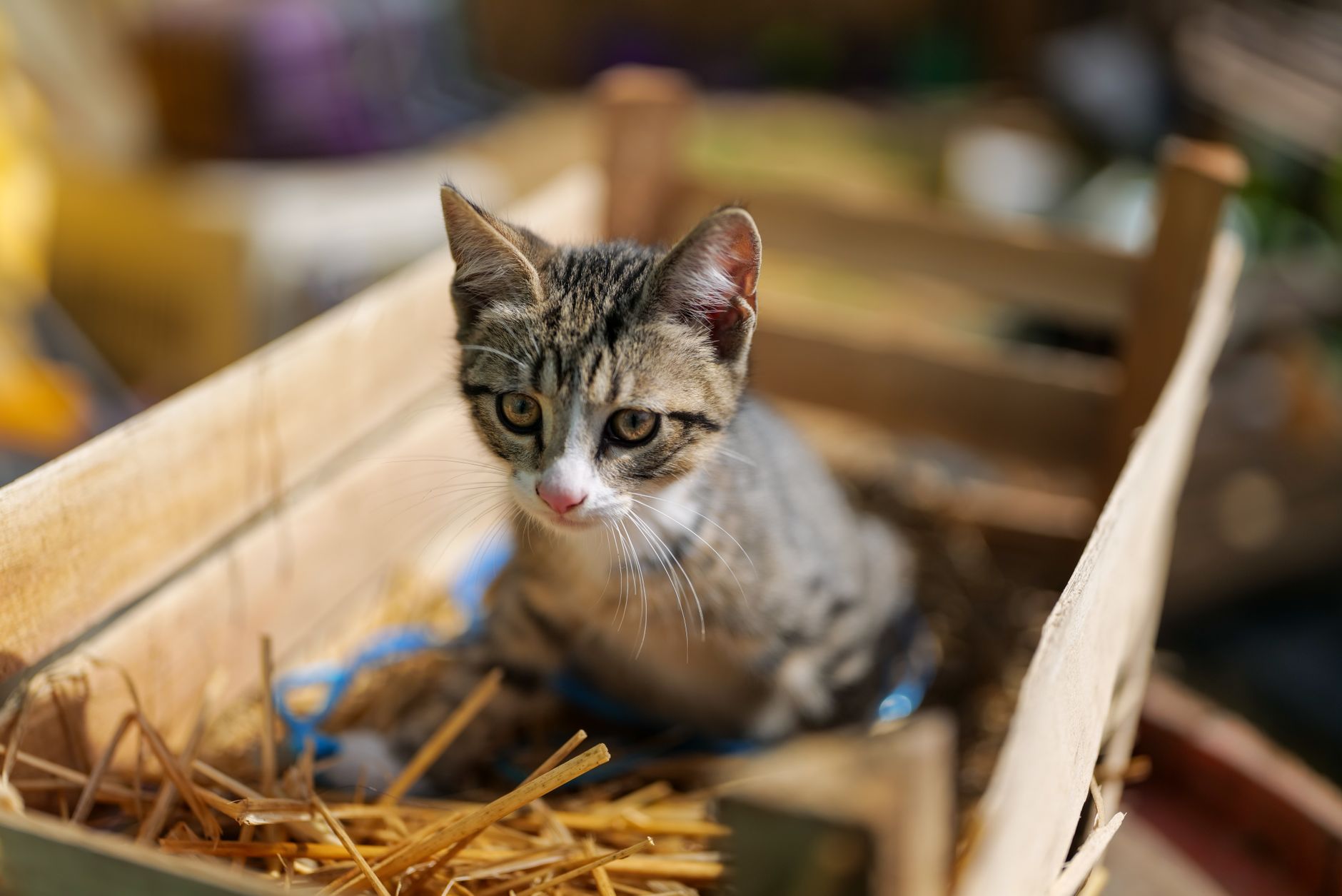
Cats are notorious for wanting to be involved in household activities while maintaining distance.
A box solves this paradox perfectly. A cat inside a box can watch everything happening around them while remaining partially hidden.
This one-way visibility satisfies their need to monitor their territory without the vulnerability of being fully exposed. It's the feline equivalent of watching the world from behind a screen.
Cats are also conflict avoiders by nature. When faced with a stressful situation—a visiting stranger, a loud noise, or an unfamiliar object—a cat's first instinct is to increase distance while maintaining visual contact.
A nearby box provides an immediate retreat that doesn't require leaving the room entirely. This allows the cat to stay engaged with their environment while managing their stress level.
Many cats will remain in a box for extended periods during household disruptions like parties, construction, or arguments. They emerge once the environment returns to normal.
This behavior is adaptive, not antisocial. The cat is managing their stress in real time rather than escalating to defensive behaviors like hissing or hiding under furniture.
Boxes near windows or doorways get used more frequently because they combine observation opportunities with security.
But the single most compelling reason might be the simplest.
#1 — Cardboard Boxes Satisfy Multiple Instincts Simultaneously
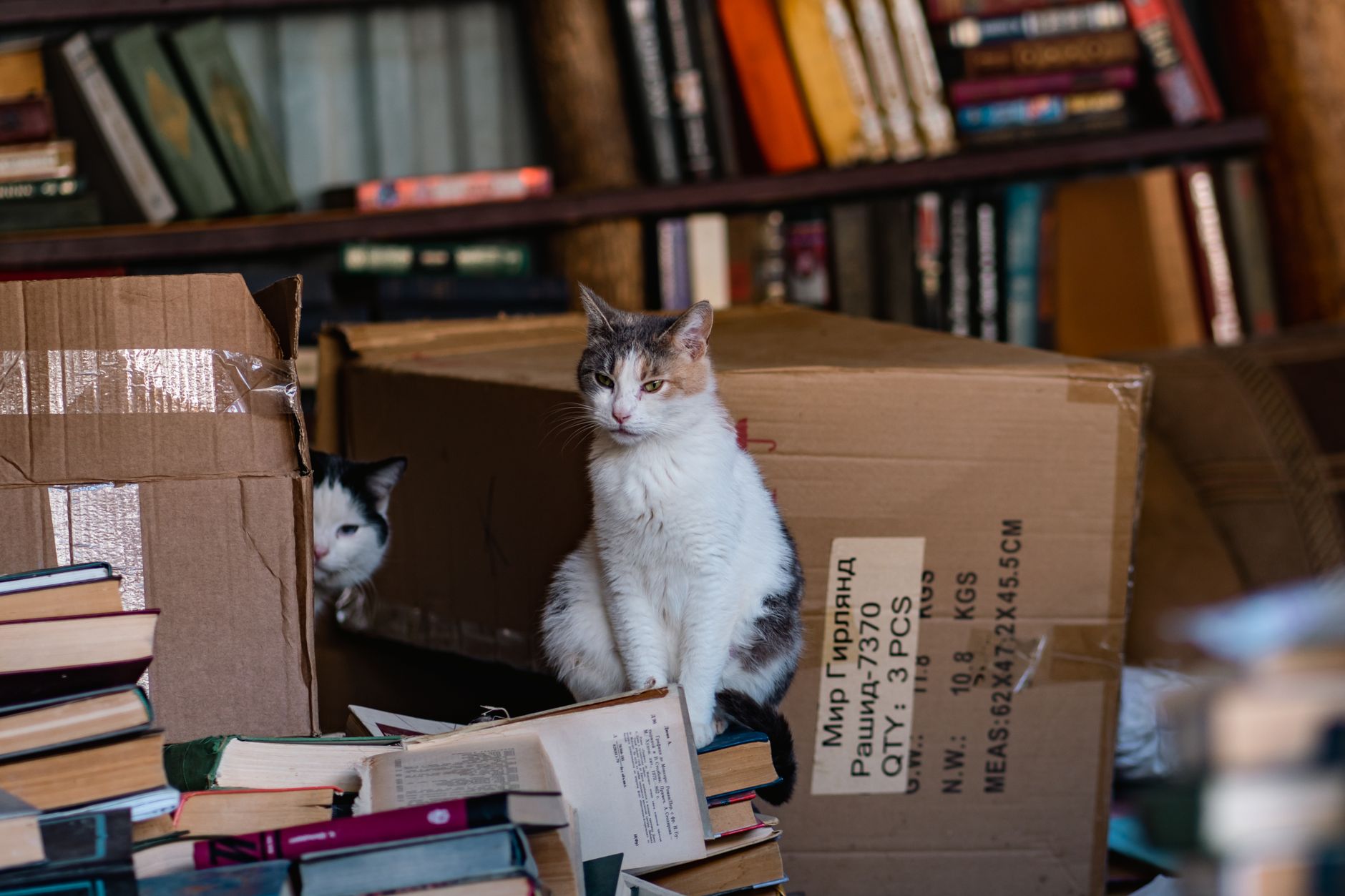
No other common household object delivers as many instinctual rewards as a simple cardboard box.
The texture of cardboard is perfect for scratching, which helps cats maintain their claws and mark territory through scent glands in their paws. The material is destructible enough to be satisfying but durable enough to withstand repeated use.
The enclosed shape provides security, warmth, and a hunting blind all at once. A cat can scratch, hide, ambush, sleep, and observe from a single location.
The neutral scent of new cardboard is another factor. Unlike plastic or fabric, cardboard doesn't carry strong chemical odors that might deter investigation. Within hours, the box smells like the cat, which reinforces ownership.
Boxes are also temporary and disposable, which paradoxically makes them more appealing. Cats are drawn to novelty in their environment, and a new box represents both a toy and a territory expansion.
- The size doesn't need to be perfect—cats will use boxes ranging from shoe-box size to appliance packaging
- Location matters more than most owners realize—boxes placed in high-traffic areas get used more than those in isolated rooms
- Multiple boxes don't compete; cats will rotate between them based on temperature, light, and social factors
The cardboard box combines so many rewarding elements that it effectively hacks a cat's entire behavioral repertoire. It's not one instinct being satisfied but rather a convergence of security, comfort, territory, and play.
This is why the behavior is so universal across breeds, ages, and living situations. The box meets needs that are fundamental to being a cat.
The Bottom Line
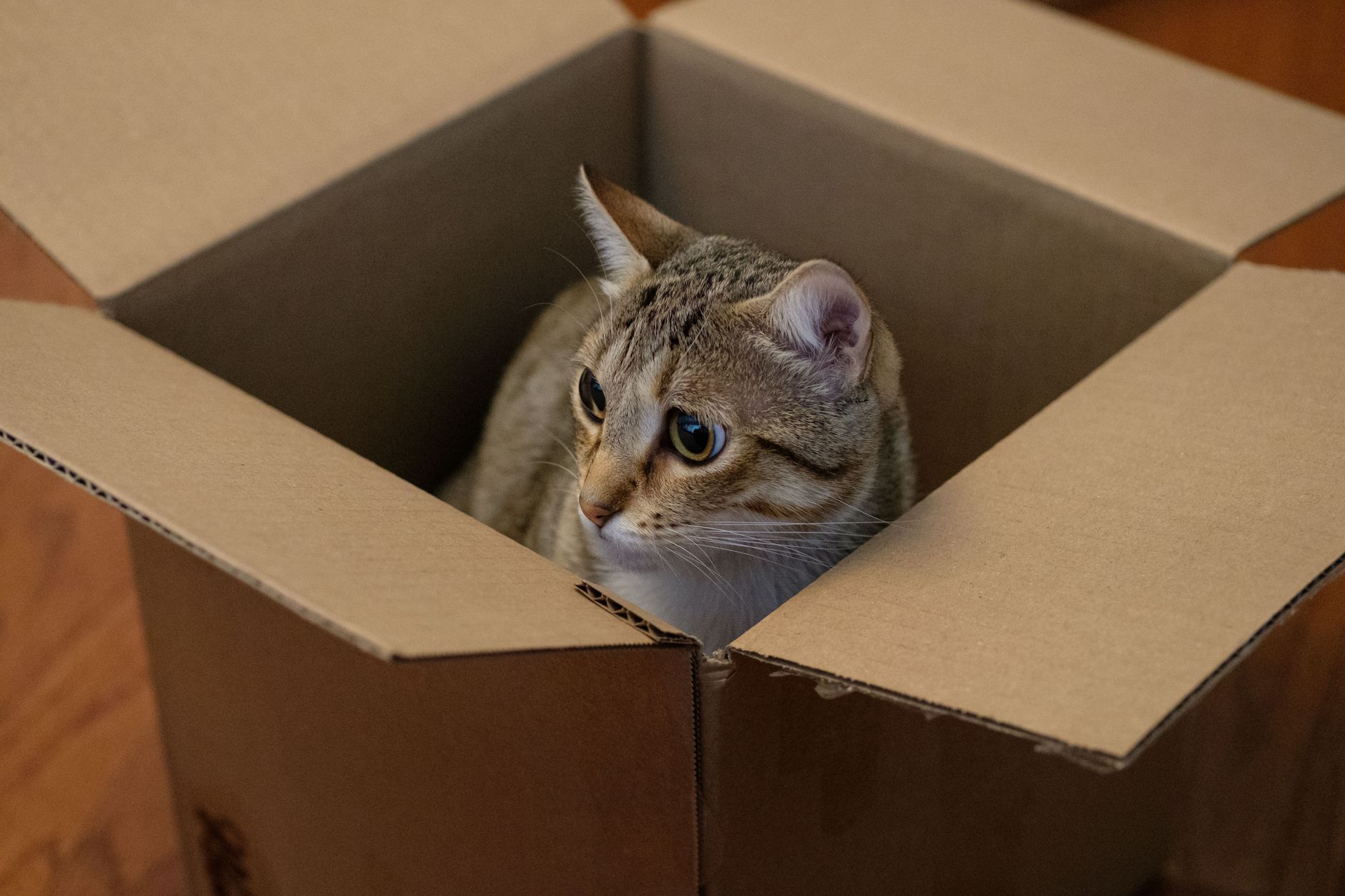
The simple cardboard box turns out to be one of the most enriching objects you can provide for a cat.
Research shows it reduces stress, provides warmth, satisfies scratching instincts, and creates security all at once. The Utrecht study demonstrated measurable improvements in cat welfare with nothing more than a hiding box.
Next time your cat ignores an expensive bed in favor of an Amazon delivery box, remember they're responding to millions of years of evolutionary programming. The box isn't random; it's optimal.
Did we miss one? Drop it in the comments.