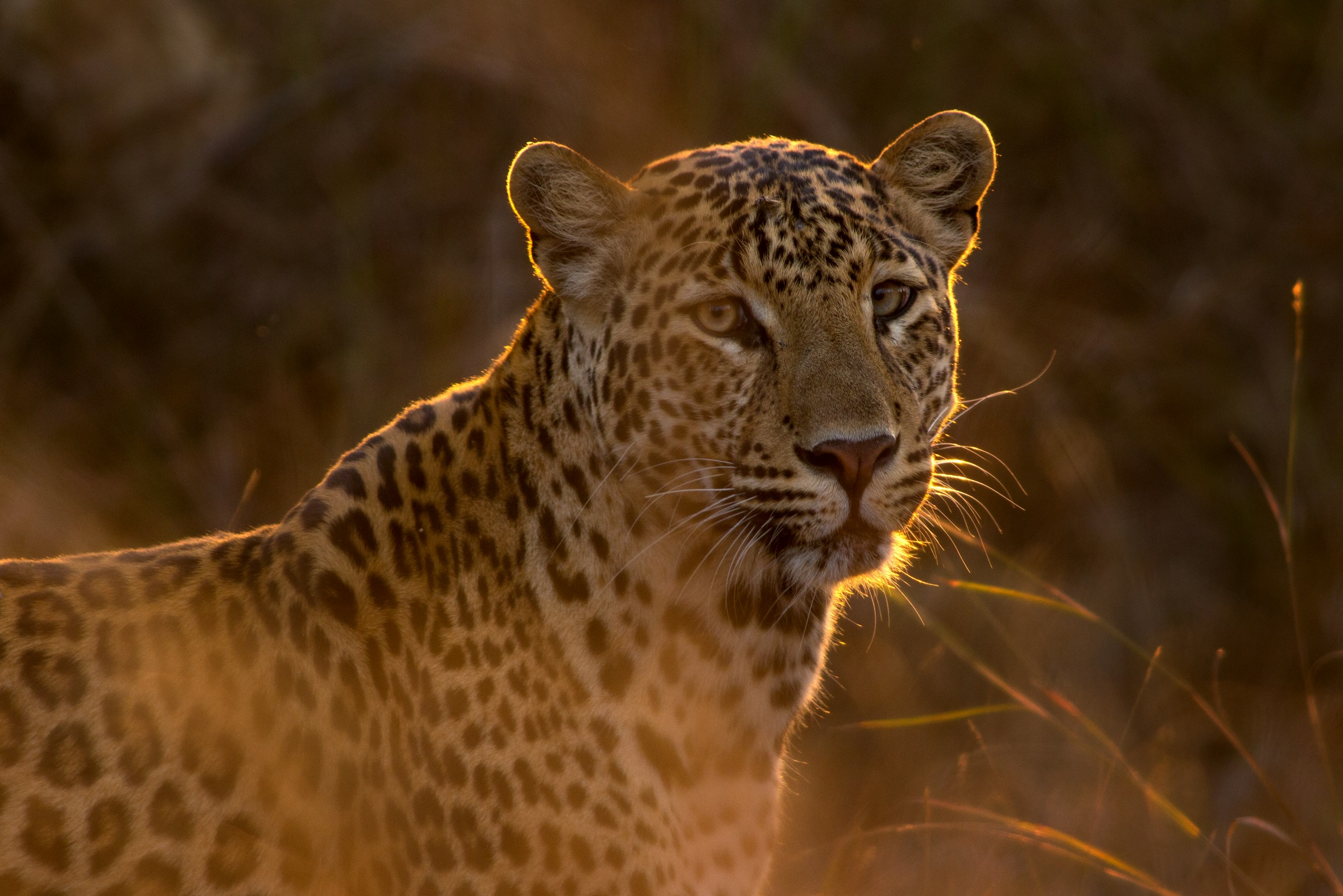
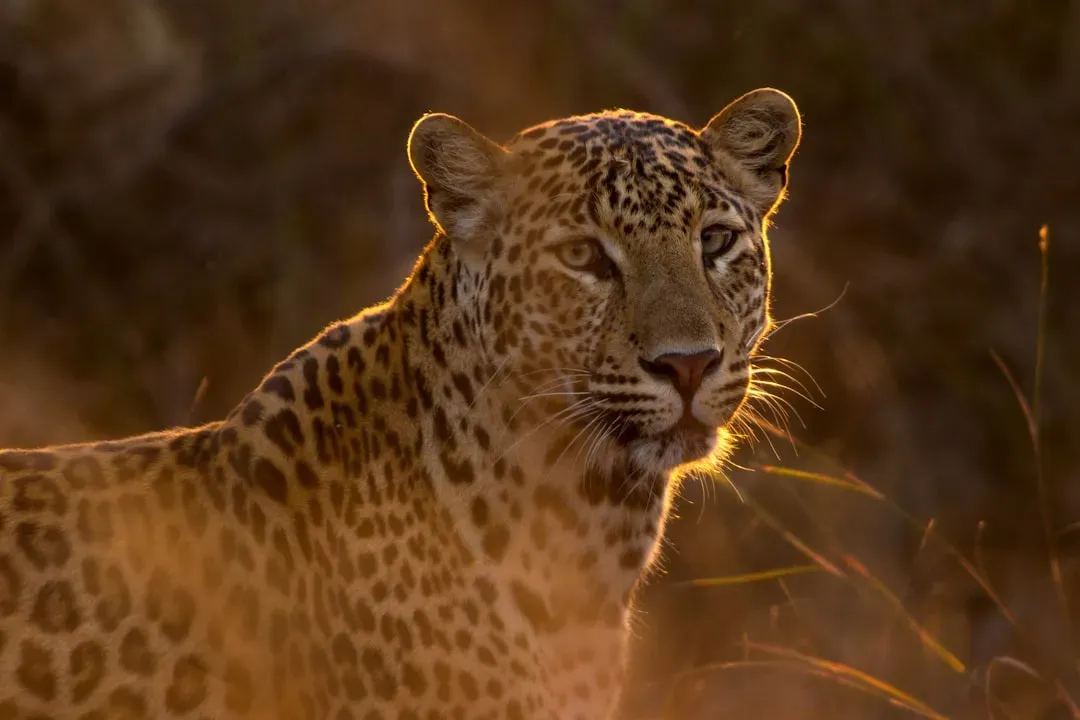
A leopard drags its prize into a tree, breathing hard, muscles still trembling from the effort of hauling something twice its own weight up a trunk. It looks, for a moment, like victory. Yet in the African and Asian bush, a fresh kill rarely stays a private matter for long. Word travels fast among nose and eye and ear, and the leopard's real test often begins only after the chase has ended.
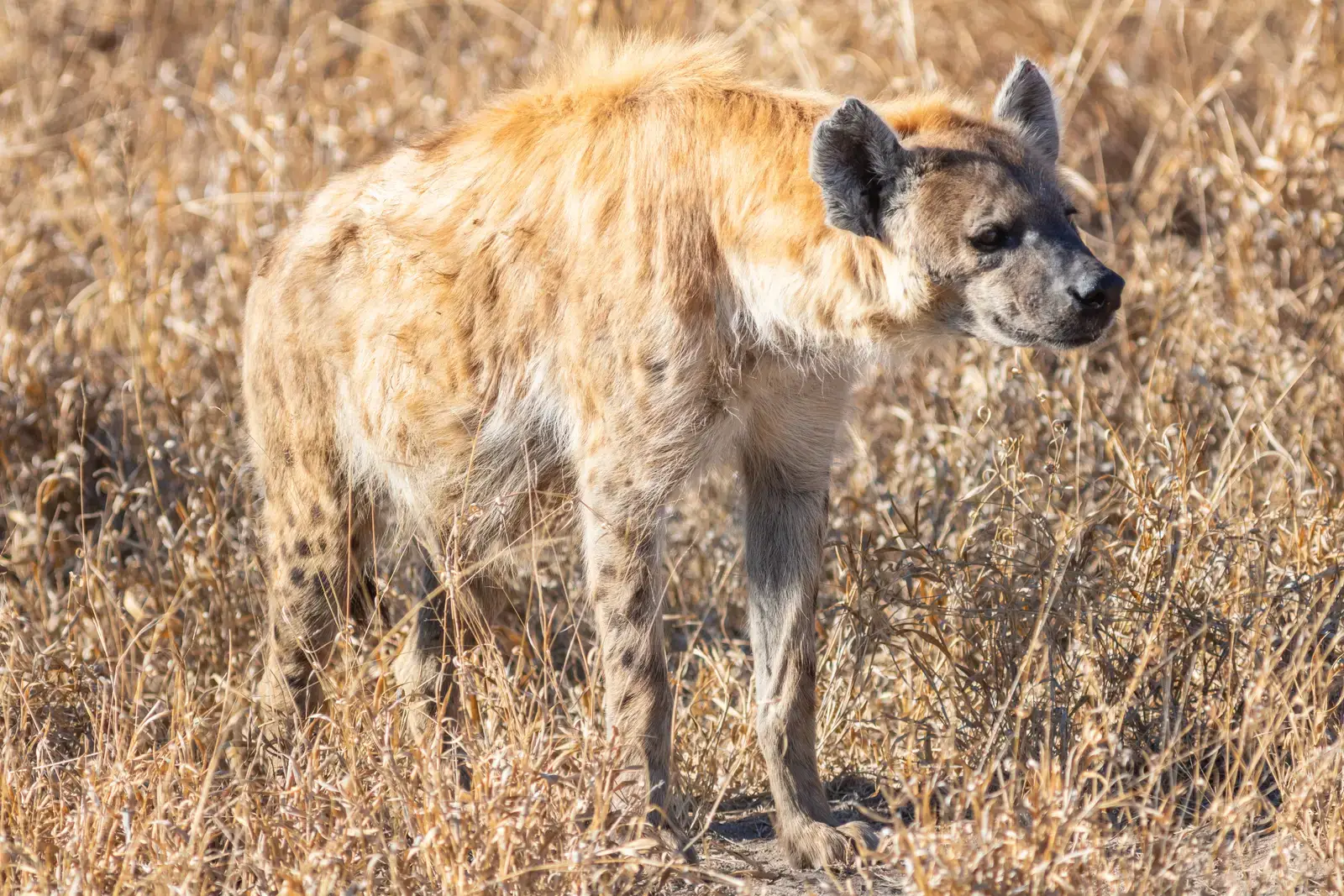
Hyenas are the most persistent thieves a leopard will ever meet, and the numbers back that up. Leopards lose around 20 percent of their kills to kleptoparasitism, and hyenas were responsible for approximately half of the kills stolen in that same study. A single hyena might tag along out of curiosity, but the real danger comes when numbers stack up.
Four hyenas are usually able to drive a leopard away from its prey, though sometimes a pair of them can do it. Their crushing jaws mean there's little point in a leopard trying to stand its ground once the clan arrives. Hyenas use their jaws' powerful strength to eat leftovers and crush bones, and they are well known for driving off leopards from incomplete kills. It's not subtle, and it isn't meant to be.
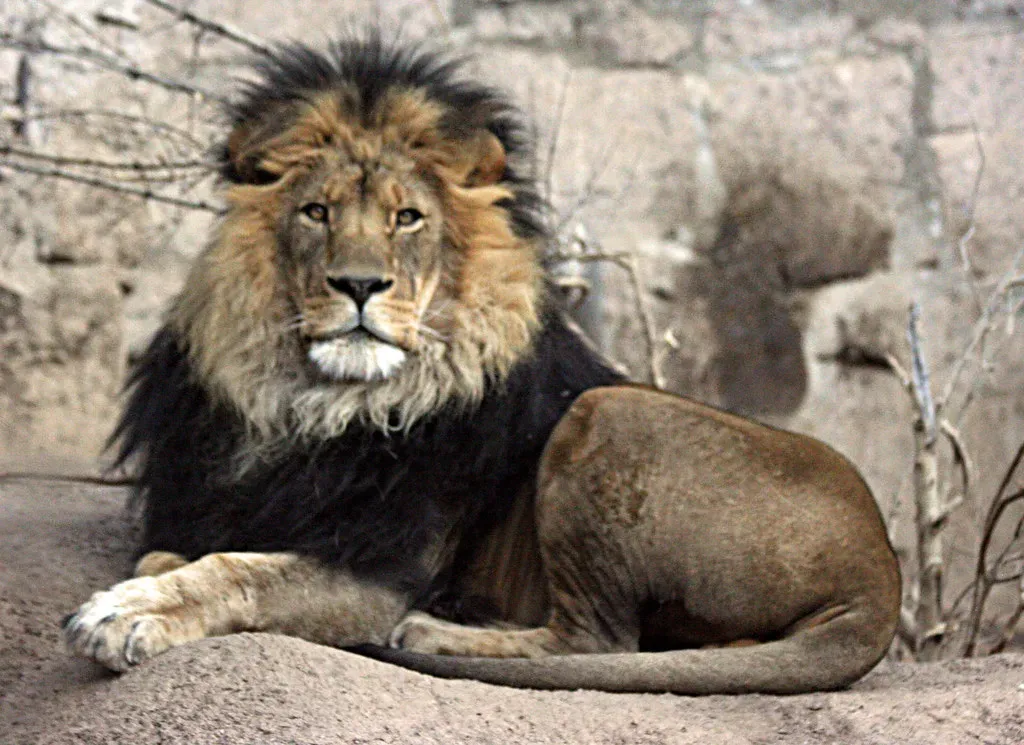
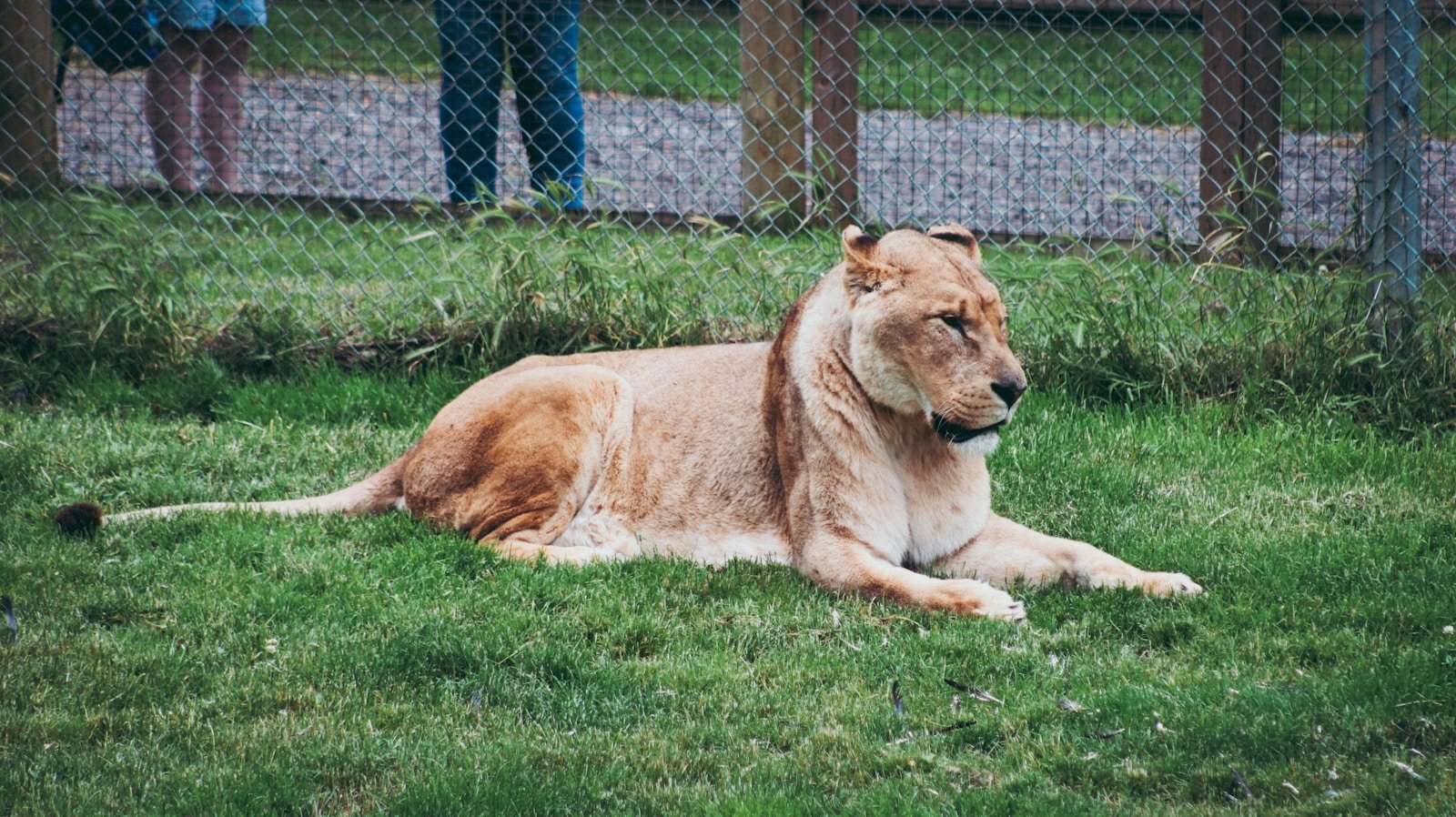
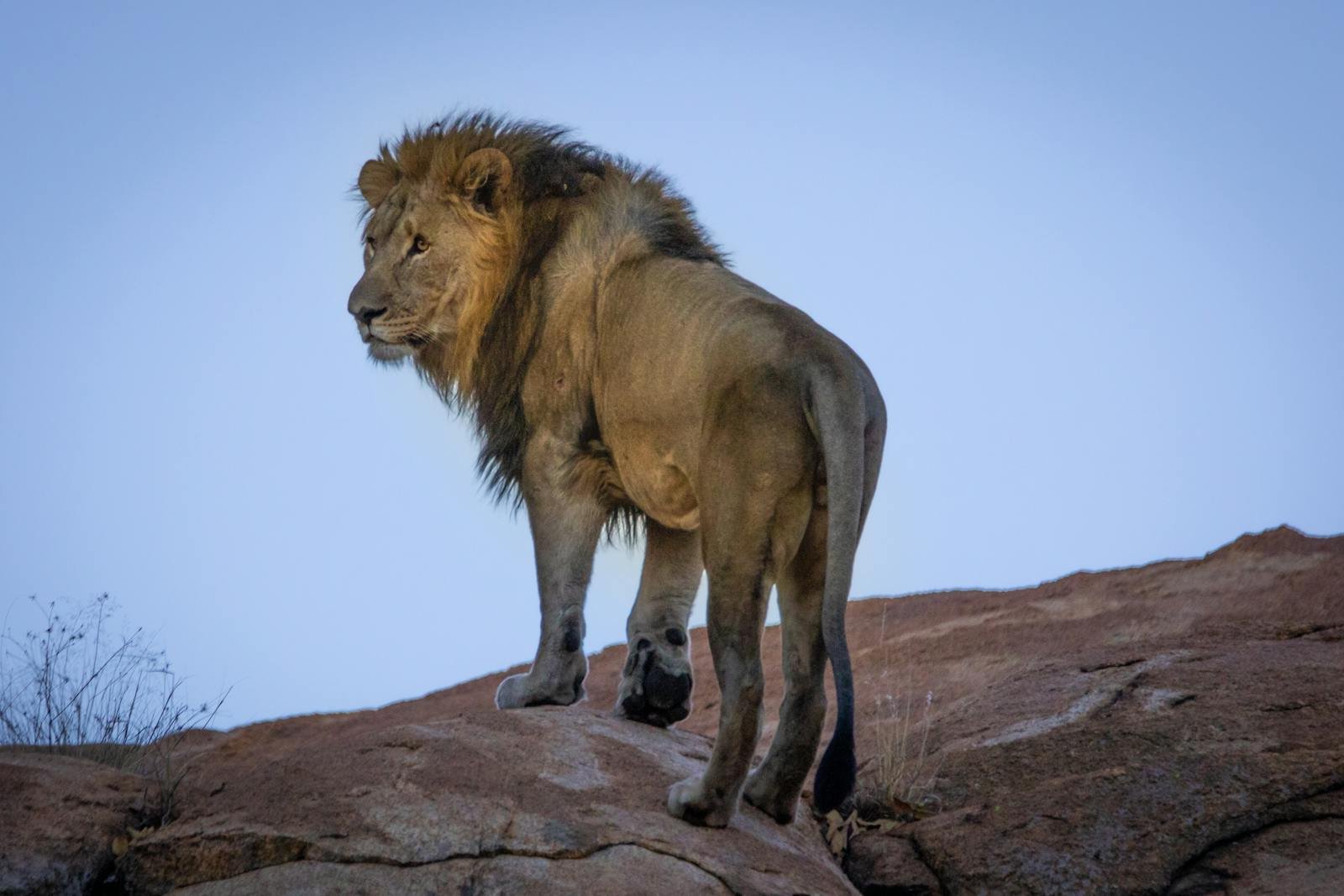
Lions sit at the top of the African food chain, and they know it. The lion generally occupies the dominant position, combining size, strength, and social structure, and hunting cooperatively while defending territory collectively. A leopard caught in the open with a carcass has almost no leverage against a full-grown lion, let alone a pride.
The tree strategy that works so well against hyenas offers only partial protection. Lions can sometimes reach low branches, and hyenas may wait below, so leopards will often abandon a kill if confronted by a lion or a hyena. Even Lions have, on occasion, been observed climbing into trees and stealing the carcass, which tells you how motivated a hungry lion can be. For the leopard, discretion tends to win out over defiance every time a lion shows up.
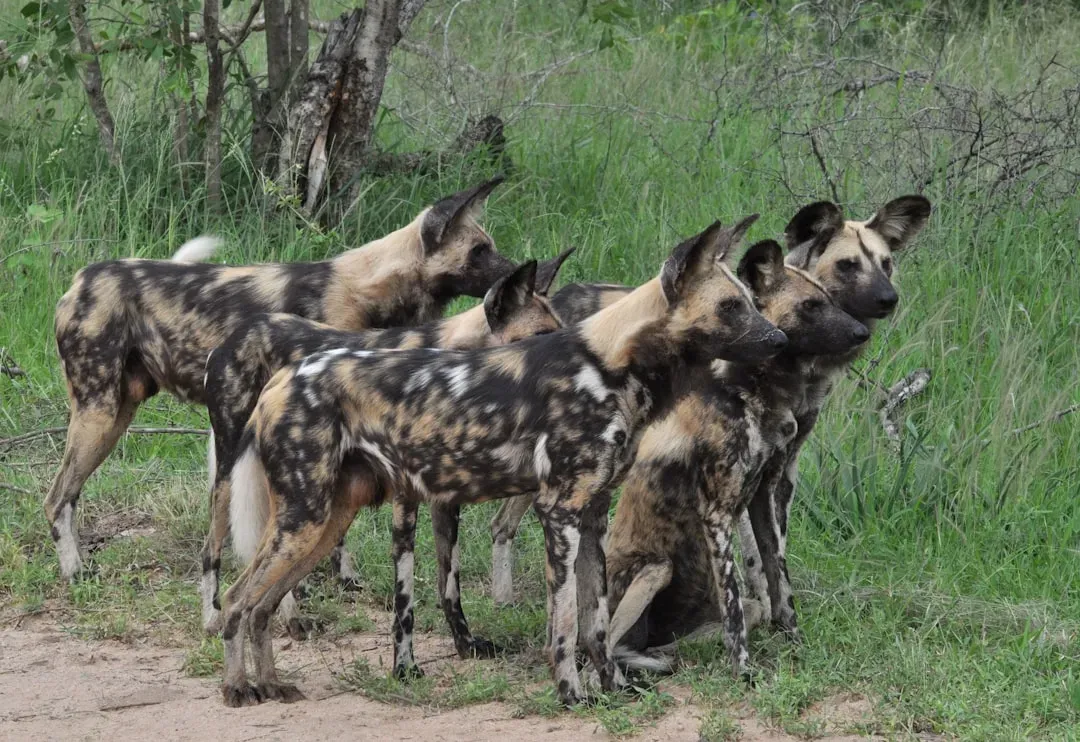
#3 African wild dogs
#3 African wild dogs (Image Credits: Unsplash)
Wild dogs rarely hunt leopard kills for sport, but sheer pack coordination gives them an edge few solitary cats can match. Wild dogs can hunt efficiently in packs, which can easily overwhelm even a single leopard, and leopards are easily chased from freshly killed carcasses. Their advantage isn't raw power so much as numbers moving as one coherent unit.
That cooperative instinct extends beyond hunting into how they defend and reclaim food. Wild dogs are highly cooperative pack hunters with exceptional success rates, and their strength lies in coordination and endurance rather than body mass. A leopard weighing its odds against six or eight wild dogs working together usually decides the meal isn't worth the risk of a serious bite wound.
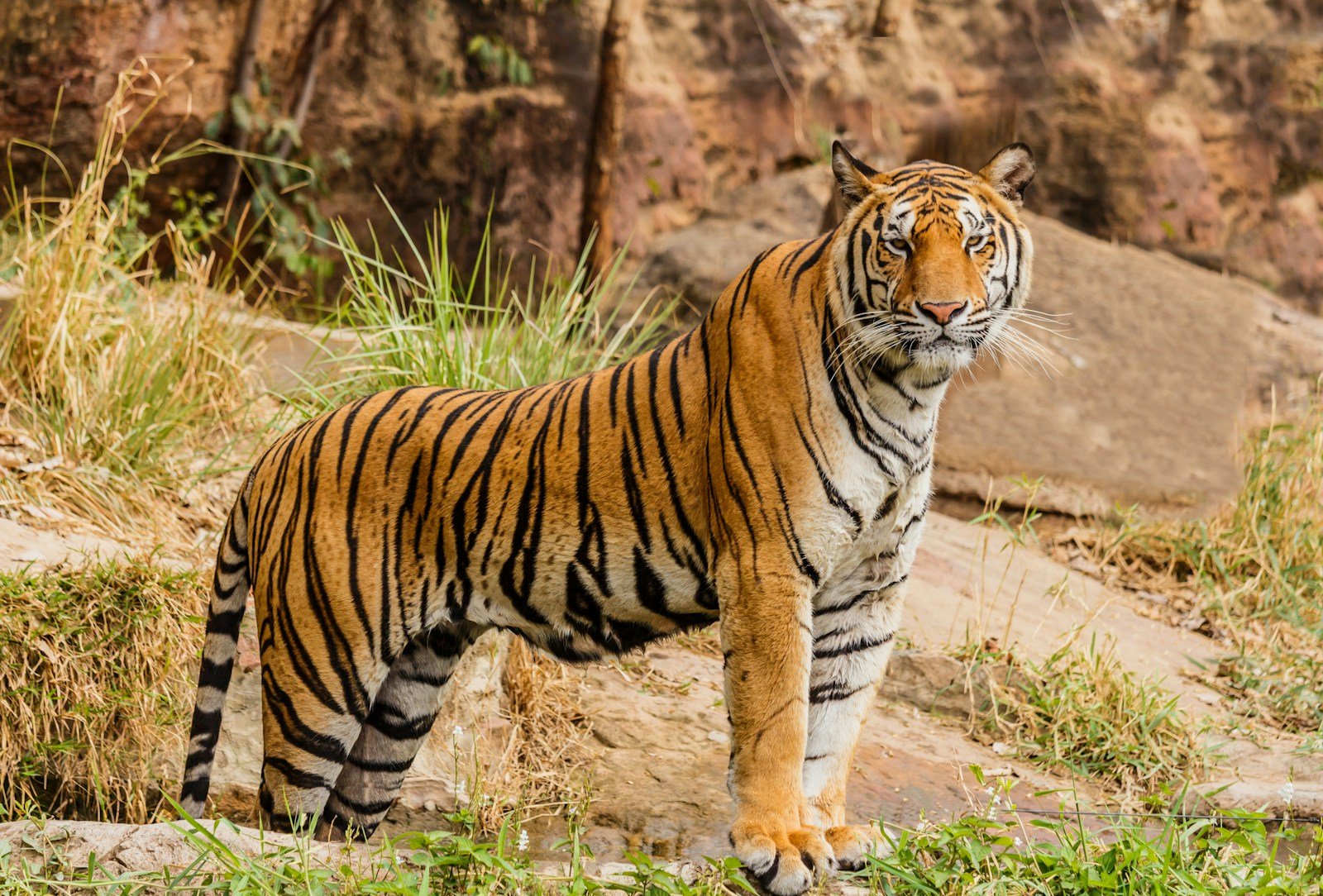
#4 Tigers
#4 Tigers (Image Credits: Unsplash)
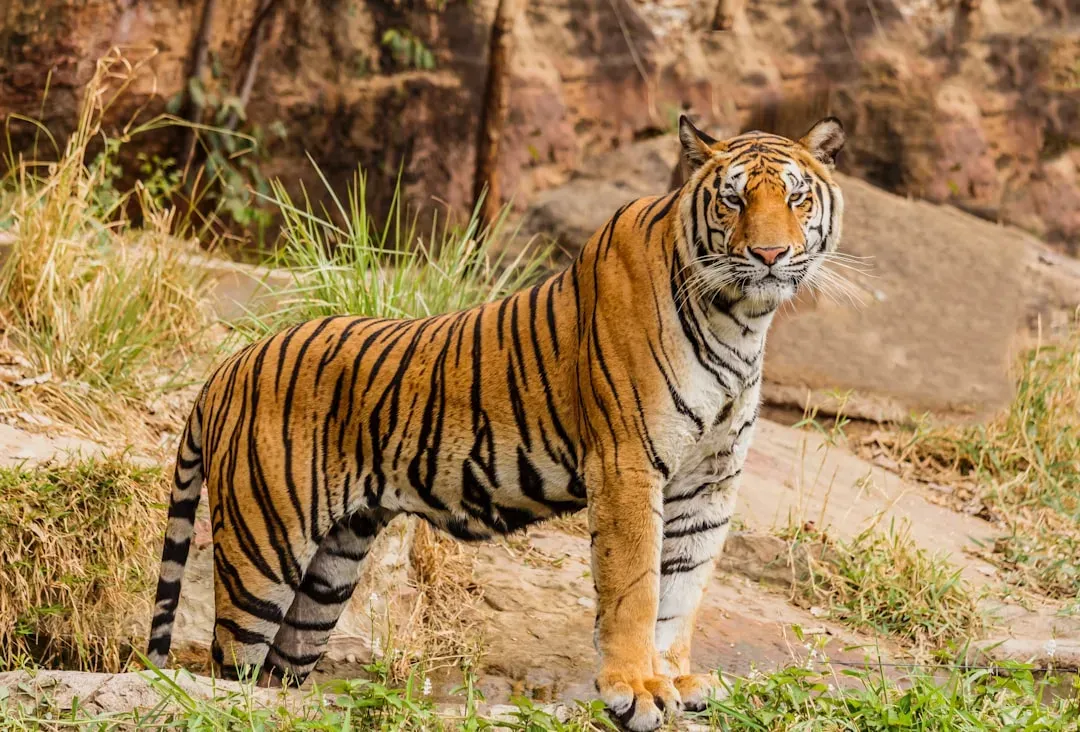
In parts of Asia where leopard and tiger ranges overlap, the size gap alone settles most disputes before they start. In Asia, the tiger assumes the role of an apex predator, growing over 600 lbs, and tigers will readily kill leopards of any age when they encounter them, viewing smaller leopards as competition. A tiger doesn't need to negotiate for a kill; it simply takes what it wants.
Interestingly, direct confrontation over a carcass is less common than you'd expect, mostly because the two cats have learned to avoid each other. Researchers observed and tracked leopards and tigers and determined that they generally don't interact, finding that tigers more often hunted in the long grass while leopards hunted in the forest, and they did not frequent the same areas. Still, when paths do cross near a fresh kill, the leopard's instinct to vanish rather than fight is well documented and, frankly, sensible.
#5 Striped hyenas
#5 Striped hyenas (By Rushikesh Deshmukh DOP, CC BY-SA 4.0)
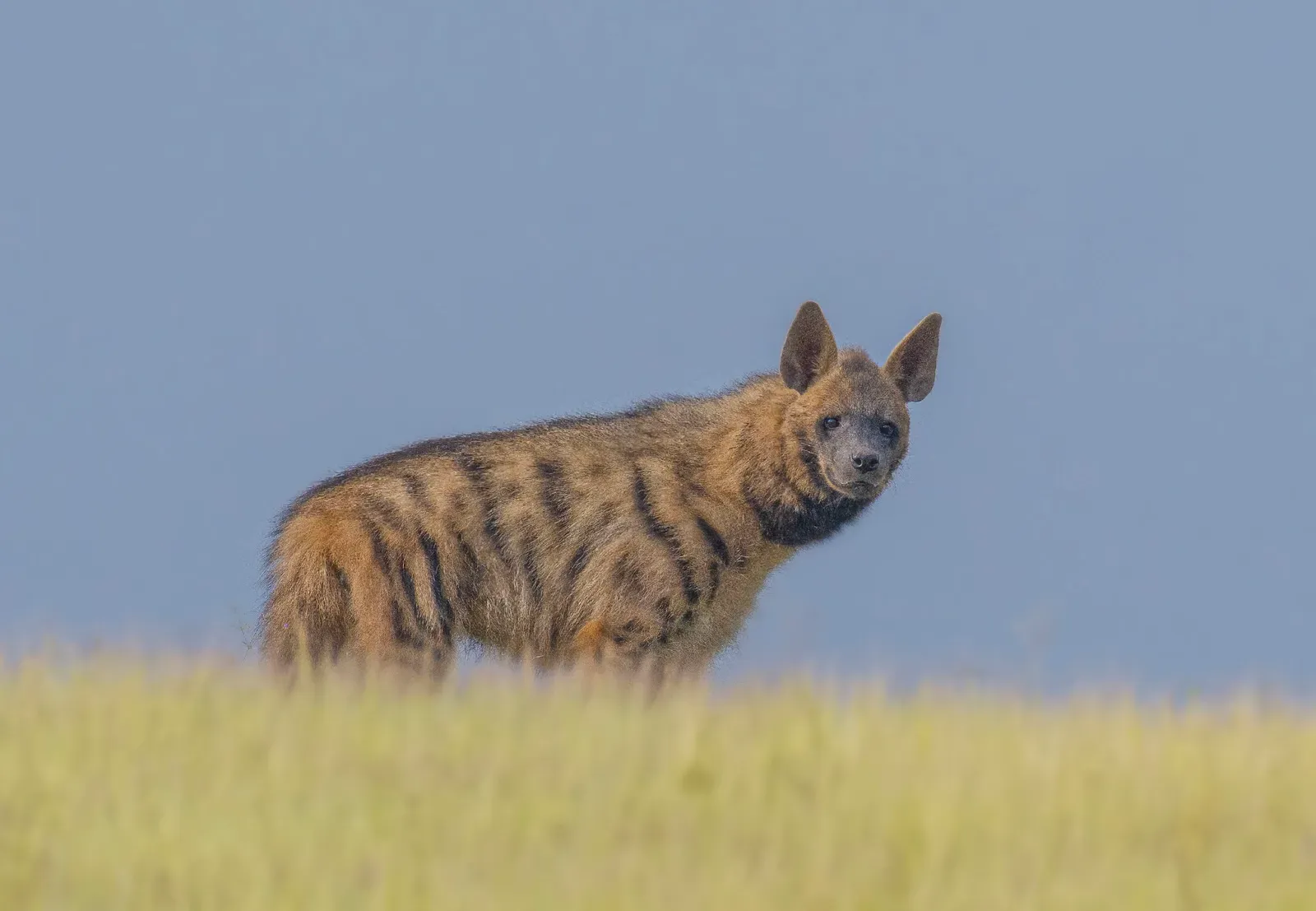
Across parts of the Middle East, India, and Central Asia, it's the striped hyena rather than its spotted cousin that shadows leopard activity. Leopards are solitary, ambush predators that primarily hunt medium-sized ungulates, whereas striped hyenas are predominantly scavengers, though competition between these species arises primarily from their shared reliance on carrion and instances of kleptoparasitism, where hyenas attempt to appropriate kills made by other apex predators, including leopards. The rivalry plays out less through brute confrontation and more through timing and territory.
Both species have adapted their behavior around the other's presence, almost like a slow, ongoing negotiation. Leopards and hyenas influence each other's behavior through avoidance strategies, with leopards frequently hoisting their kills into trees to minimize the risk of scavenging, while hyenas use vocal communication and scent marking to establish dominance over key scavenging sites. It's a quieter contest than the spotted hyena showdowns of East Africa, but no less real for the leopard trying to keep its dinner.
#6 Rival leopards
#6 Rival leopards (Image Credits: Pexels)
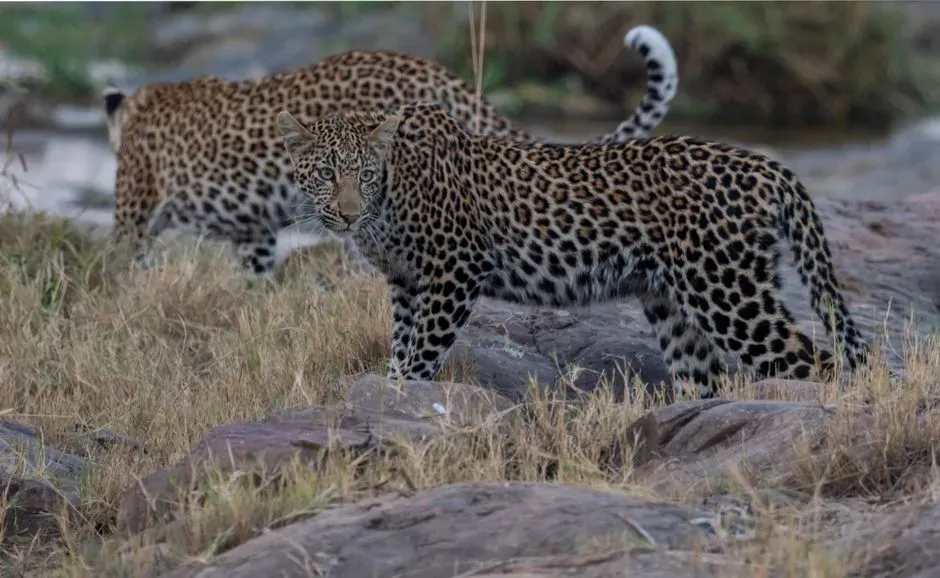
It might seem odd to list a leopard's own kind, but territorial disputes between leopards over a carcass are far from rare. Size and confidence, not just species, decide who eats. A well documented case from a South African reserve involved a larger, more dominant male climbing down from feeding on one kill and then taking over an impala carcass that a female leopard had caught and stashed in a nearby tree, purely on the strength of size and bravado.
These encounters underline a simple truth about leopard society: it isn't really cooperative at all. Home ranges overlap, food is scarce enough to fight over, and a bigger cat with an appetite doesn't need much of an excuse. For the smaller or subordinate leopard, walking away from a hard-won meal is often the only sane option when a heavier rival decides it wants the same thing.
#7 Baboon troops
#7 Baboon troops (Image Credits: Pexels)
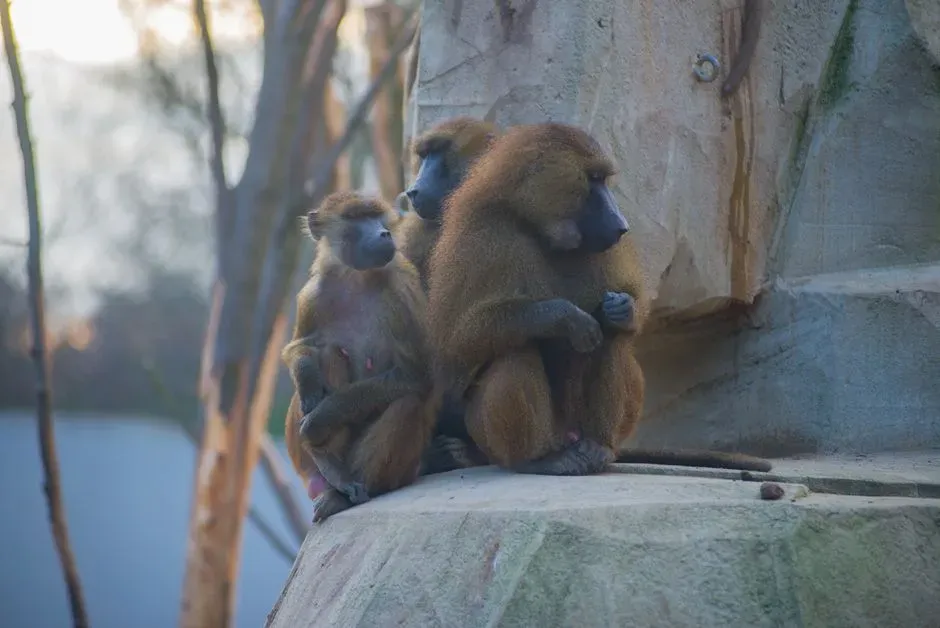
Baboons don't steal carcasses in the conventional sense, but they represent a genuine threat leopards have learned to take seriously, especially around vulnerable young. Baboons form a large part of a leopard's diet and they therefore kill leopard cubs when they come across them, though they do not eat the cubs but do this as part of their survival strategy. That grim retaliation cycle shapes how leopards behave whenever a troop is nearby.
A leopard caught feeding in the open with baboons watching from the trees faces a genuine dilemma, since a troop working together can mob and drive off a solitary cat far more effectively than a single baboon ever could. Leopards often eat their prey in the tree because they are trying to hide it from other predators that are stronger and would steal it, maybe even killing the leopard, since leopards are quite small compared to other predators and try to avoid confrontation with them. Baboons fall squarely into that category of animal a leopard would rather not provoke over a piece of meat.
Final thoughts
Final thoughts (Image Credits: Unsplash)
What strikes me most about all this is how little raw strength actually has to do with it. Leopards are powerful, agile, and armed with genuinely lethal tools, yet they spend an enormous amount of energy simply trying not to be seen. That says something about how survival in these ecosystems really works. It isn't a hierarchy built purely on muscle, but one shaped by numbers, timing, and the willingness to walk away rather than risk everything over a single meal.
If there's a lesson buried in all this animal politics, it's that the leopard's real skill isn't hunting at all. It's knowing exactly when to let go.