What the Cougar Means as a Native American Spirit Animal
#1 A Creature of Many Names and Many Nations
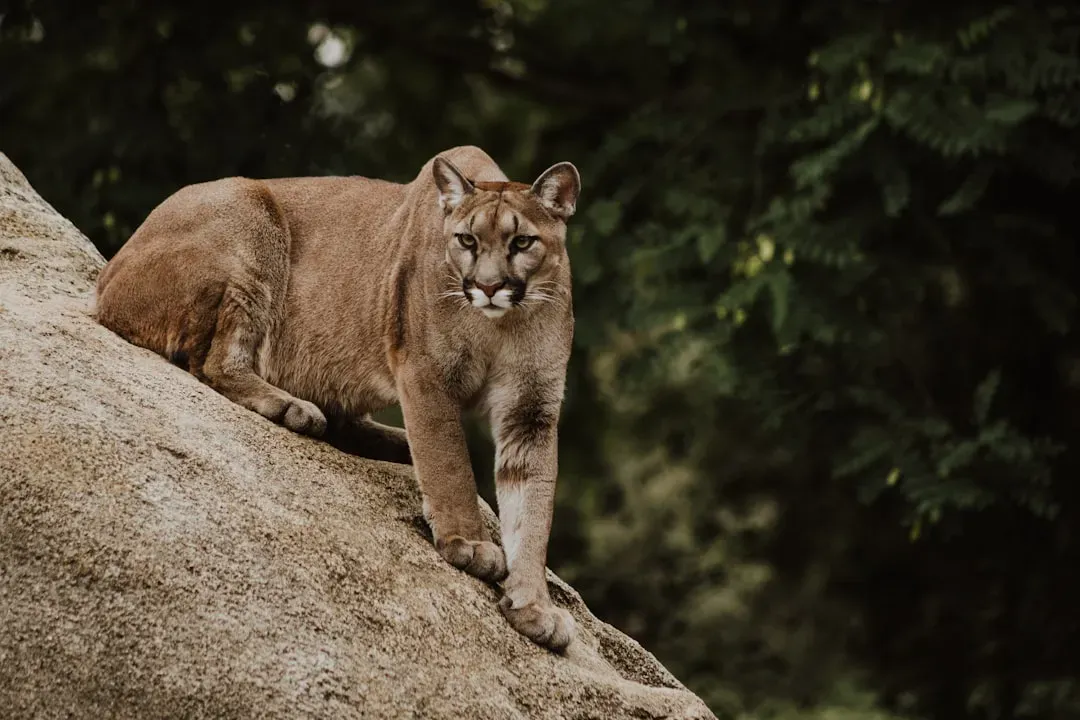
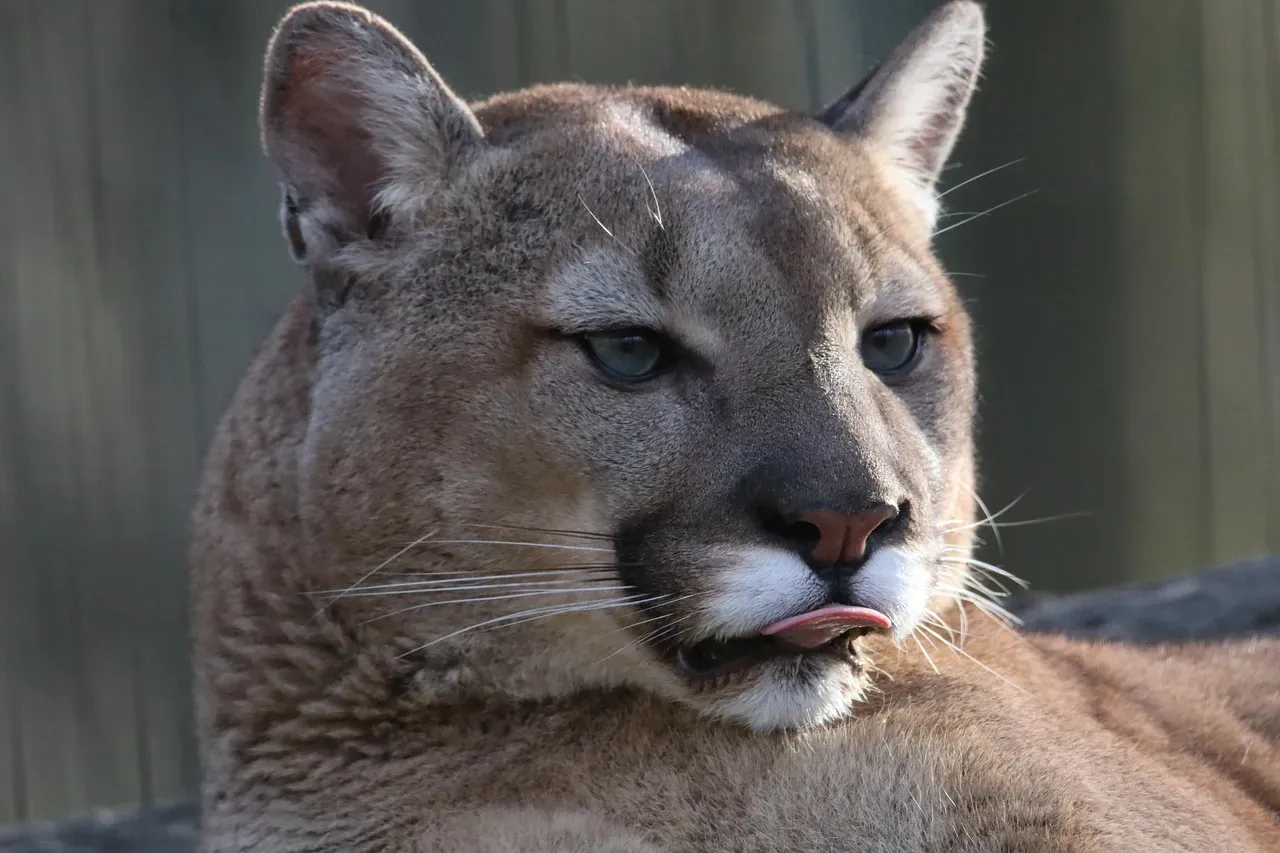
The cougar goes by an unusual number of names, mountain lion, puma, panther, catamount, and painter among them, and that linguistic variety hints at just how widely this animal's range once stretched across the Americas. Because of that range, dozens of distinct Native nations, from the Cherokee in the southeast to the Cheyenne on the plains and the Pueblo peoples of the southwest, each developed their own relationship with the animal.
This matters because there is no single, unified "Native American view" of the cougar, despite how often that phrase gets used casually. A Cherokee story about the cat carries different weight and detail than a Lakota one, even though both nations lived within cougar territory at different points in history. Treating the cougar as one tidy symbol flattens a much richer, more varied set of traditions that deserve to be understood on their own terms.
#2 Power, Leadership, and Quiet Authority
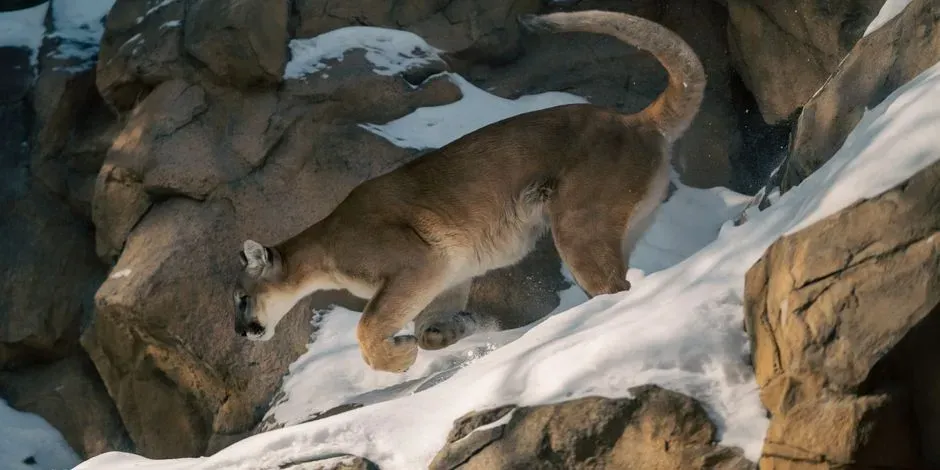
Across several plains and southwestern traditions, the cougar has often been associated with leadership, particularly the kind that doesn't need to shout to be respected. Unlike the wolf, which is frequently tied to pack loyalty and cooperation, the cougar is a solitary hunter, and that solitude gets read symbolically as self-reliance and calm confidence.
This connection to quiet authority shows up in how some communities historically regarded cougar parts, claws, teeth, and hides, as items worthy of a respected hunter or leader rather than ordinary trophies. The animal's patience before a strike, waiting motionless for the right moment, gets held up as a model of restraint rather than aggression. It's less about domination and more about knowing exactly when to act and when to hold still.
#3 The Cougar as Protector and Guardian Spirit
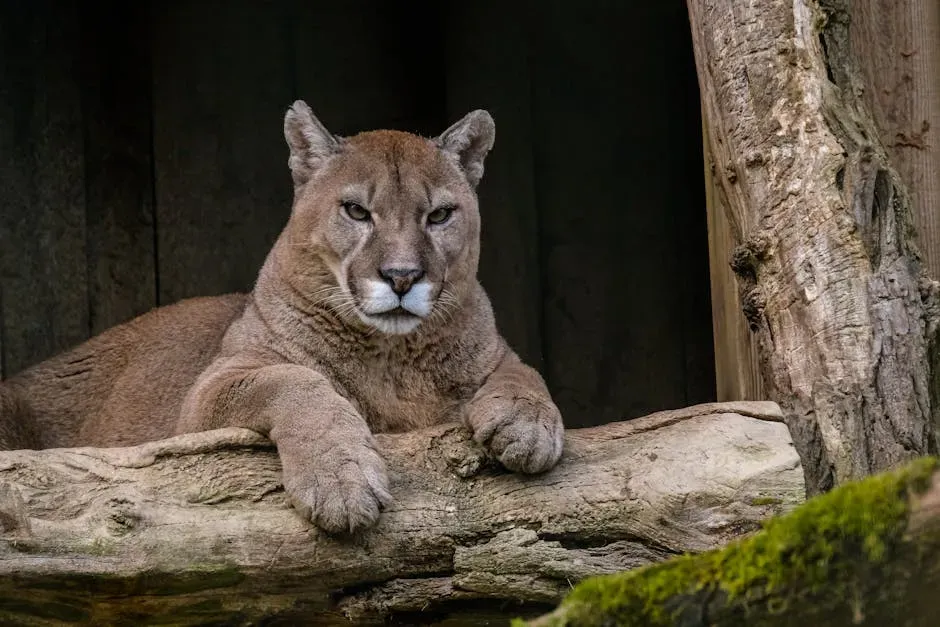
In some southwestern Pueblo traditions, the mountain lion holds a place among guardian figures associated with directions or important thresholds, a role tied to its physical presence as an apex predator that could genuinely deter threats to a community. This wasn't purely symbolic thinking either, since cougars sharing territory with human settlements meant their behavior had real, practical consequences for safety and hunting success.
Stone effigies and carved fetishes representing the mountain lion appear in Zuni and other Pueblo traditions, often linked to hunting and protection. These objects weren't decorative in the way a modern figurine might be; they were treated as vessels carrying some portion of the animal's protective power. The idea of asking an apex predator for protection makes a certain intuitive sense once you consider that the same qualities making the cougar dangerous, sharp senses, silent movement, decisive action, are exactly what you'd want on your side.
#4 Stealth, Patience, and the Art of Waiting
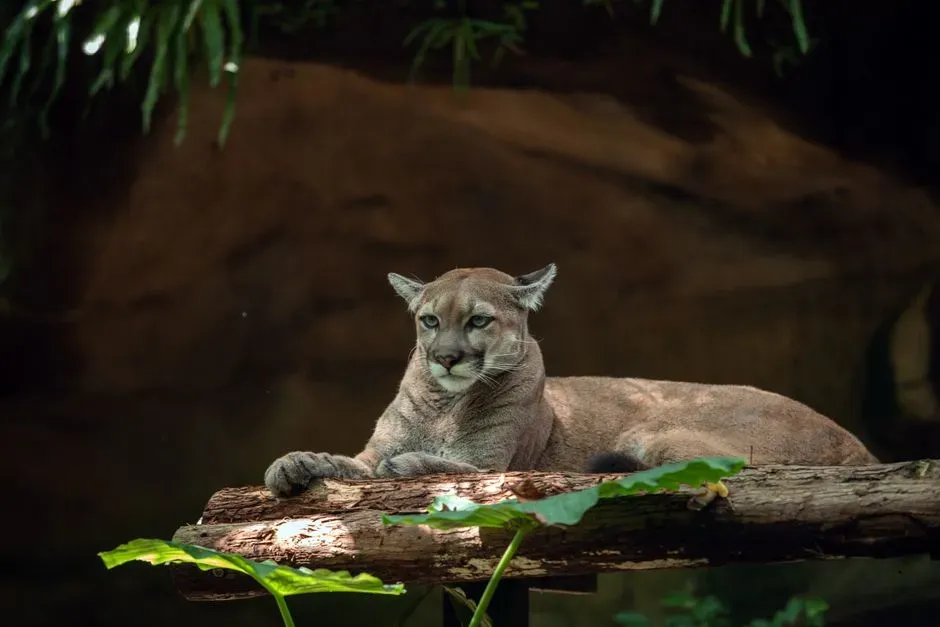
Cougars are ambush predators, not endurance hunters, which means their entire survival strategy hinges on patience rather than speed or brute force. This behavioral reality translates directly into the symbolic weight many Native traditions place on the animal, framing it as a teacher of timing rather than raw power.
Where the wolf might symbolize communal effort and the eagle vision from above, the cougar's teaching leans toward the discipline of stillness. Some oral traditions use the cougar to caution against acting too quickly or too aggressively, suggesting instead that real strength often looks like waiting, watching, and choosing the right moment. It's a lesson that resonates well outside hunting contexts too, applying just as easily to conflict, negotiation, or personal restraint.
#5 Cougar Stories and Their Role in Oral Tradition
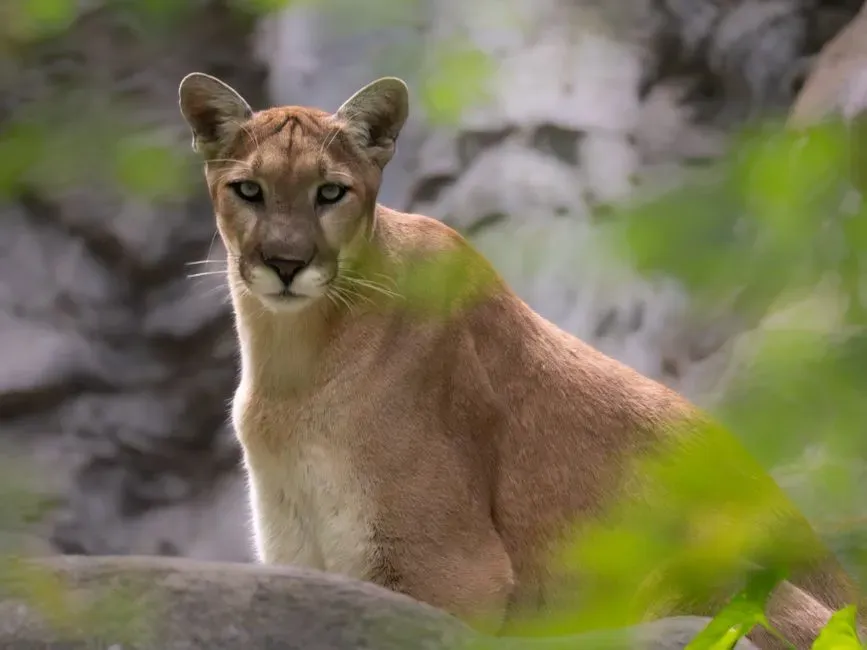
Storytelling has always been the primary vehicle for passing down beliefs about animals like the cougar, and these stories vary enormously depending on the nation telling them. Some frame the cougar as a trickster figure capable of outsmarting other animals, while others cast it in more solemn roles tied to creation or moral instruction.
What ties many of these narratives together isn't a shared plot but a shared respect for the animal's intelligence and unpredictability. Cougars in these stories rarely behave in simple, one-dimensional ways; they can be dangerous and generous, threatening and protective, sometimes within the same tale. That complexity mirrors how these communities actually experienced the animal in daily life, as a genuine physical threat and a source of real ecological and spiritual significance.
#6 The Cougar's Continued Relevance in Modern Native Identity
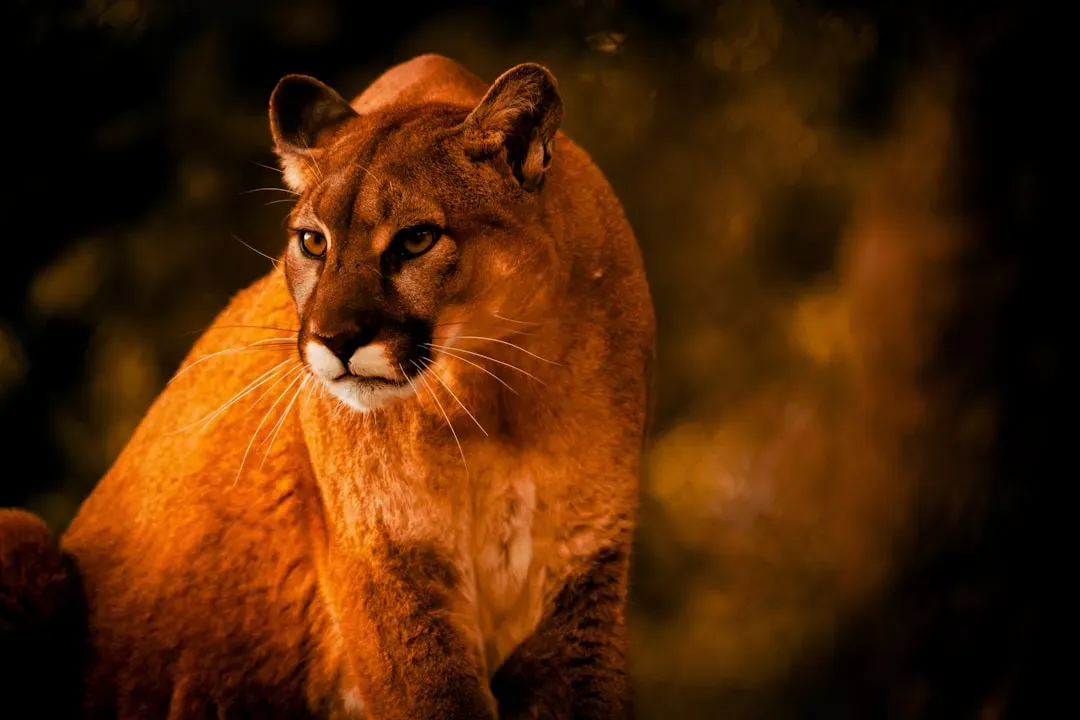
Cougar symbolism hasn't disappeared into history books, it remains active in contemporary Native art, clan names, and cultural revitalization efforts happening right now in 2026. Tribal nations with historical cougar associations continue incorporating the animal into ceremonial practice, storytelling programs for younger generations, and public art meant to reconnect communities with traditional knowledge.
This continuity matters because it pushes back against the assumption that Native spiritual traditions are frozen relics rather than living systems. Wildlife conservation efforts focused on cougar populations, particularly in states like California and Florida where habitat loss threatens the species, sometimes intersect directly with tribal advocacy, since protecting the animal physically also protects a piece of cultural heritage. The cougar's symbolic relevance, in other words, is tangled up with its literal survival, and both are still being actively negotiated today.
Final Thoughts