10 Reasons Your Cat Waits by the Door Before You Even Arrive
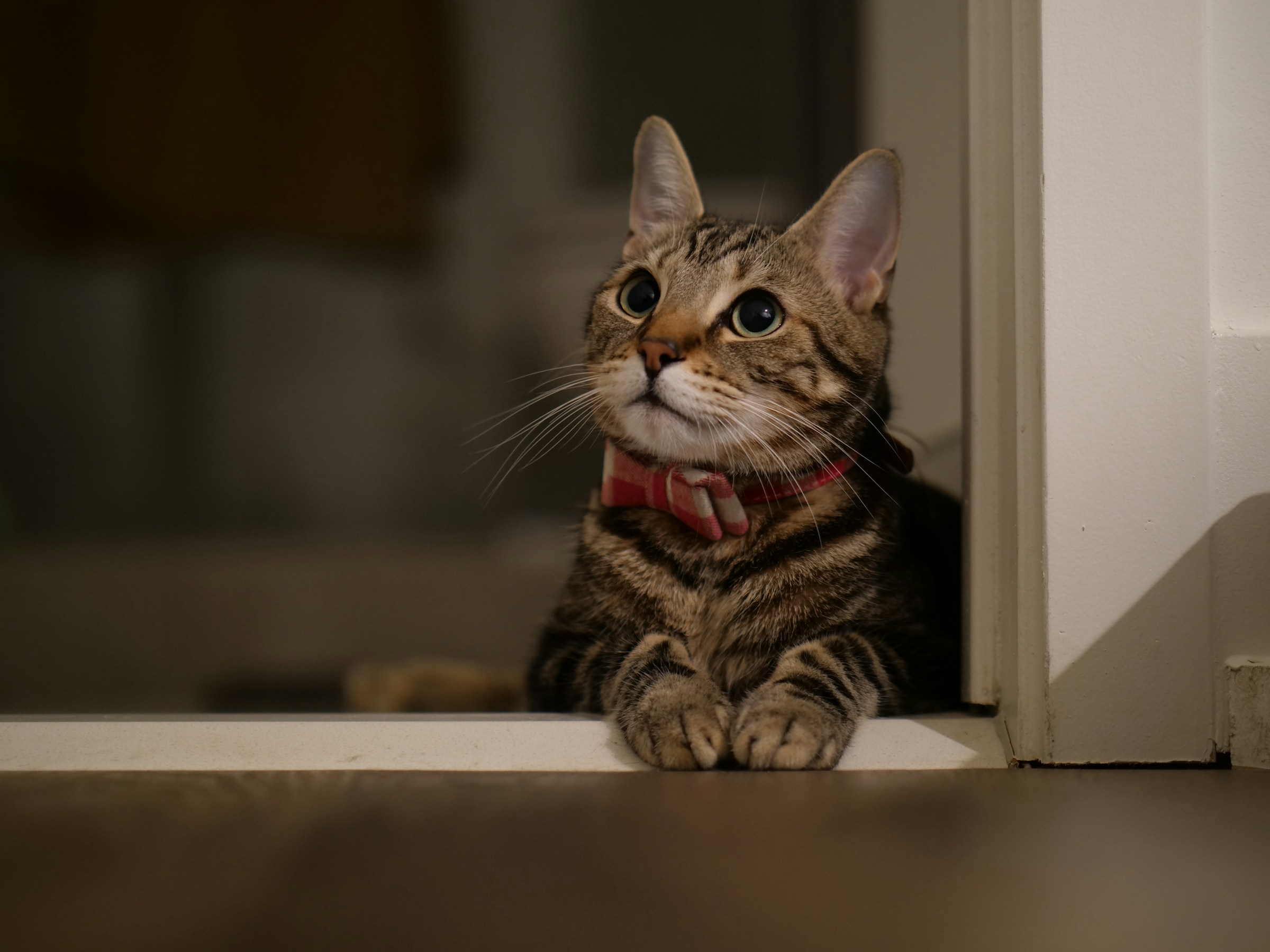
You pull into the driveway, and before your key even touches the lock, there they are - sitting perfectly still, staring at the door like they've been rehearsing this moment for the last ten minutes. It's easy to shrug it off as coincidence, or chalk it up to some vague "cat sixth sense." But according to feline behaviorists, what's actually happening is closer to a quiet surveillance operation than a lucky guess.
Your cat isn't psychic. It's running hearing sharper than a security microphone, a memorized scent profile of you specifically, and an internal clock that's scarily accurate. None of it is magic - all of it is measurable, and most owners have no idea it's even happening. Here are the ten real reasons your cat always seems to know, starting with the one sense that makes human ears look almost broken by comparison.
#1 - Their Hearing Range Makes Human Ears Look Broken
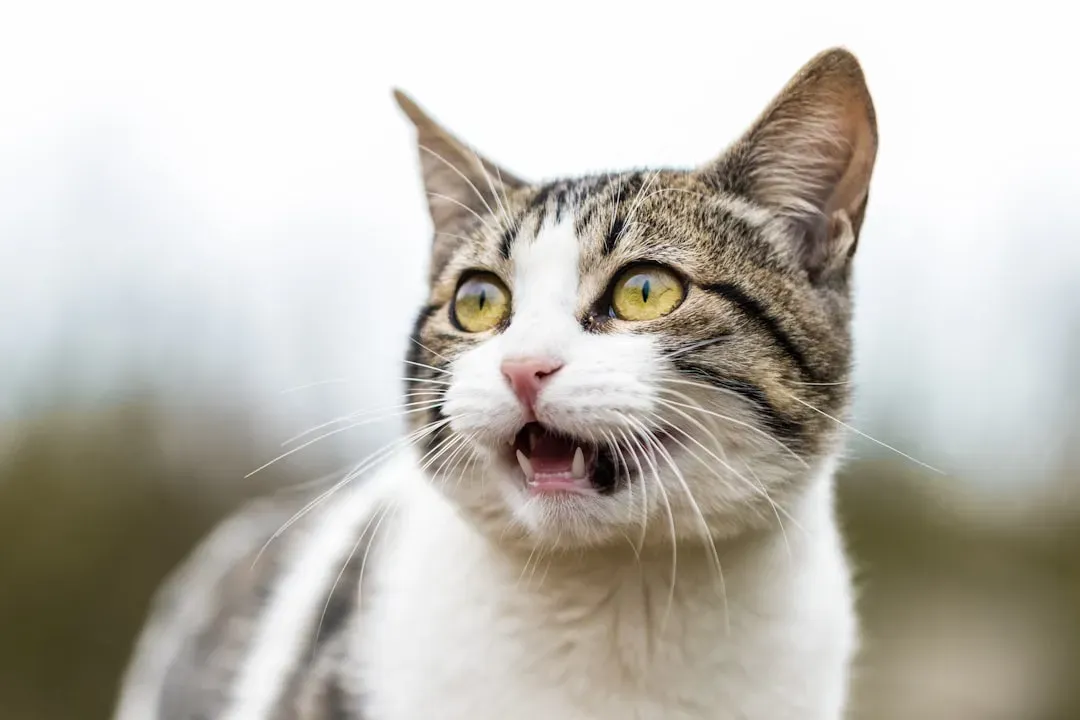
Cats aren't guessing when they perch by the door - they're listening to frequencies you can't even register. Cats hear across roughly 45 Hz to 64 kHz, a noticeably wider range than dogs (67 Hz to 45 kHz) and far beyond humans, who top out around 23 kHz. That gap matters more than people realize, because the specific pitch of your car engine, your keys, or even your walking rhythm registers to a cat long before any human bystander would notice a thing.
The distance factor is just as wild. Cats can detect sounds from roughly four to five times farther away than humans can, and they can pinpoint the origin of a noise with startling accuracy - sometimes within a few inches from as far as three feet away. That precision isn't decorative. It's a leftover hunting adaptation, quietly repurposed for tracking you instead of prey.
Quick Compare
- Humans: hearing tops out around 23 kHz
- Dogs: hear roughly 67 Hz to 45 kHz
- Cats: hear roughly 45 Hz to 64 kHz - the widest range of the three
Most people don't realize their cat's ears are essentially satellite dishes, independently rotating to triangulate a sound's exact source. Multiple tiny ear muscles allow this fine-tuned aim, letting your cat tell "your car in the driveway" apart from "the neighbor's nearly identical car in the driveway" as two completely different signals. That distinction is what makes the next behavior possible at all.
#2 - They've Built a Sound Library of "You" Specifically
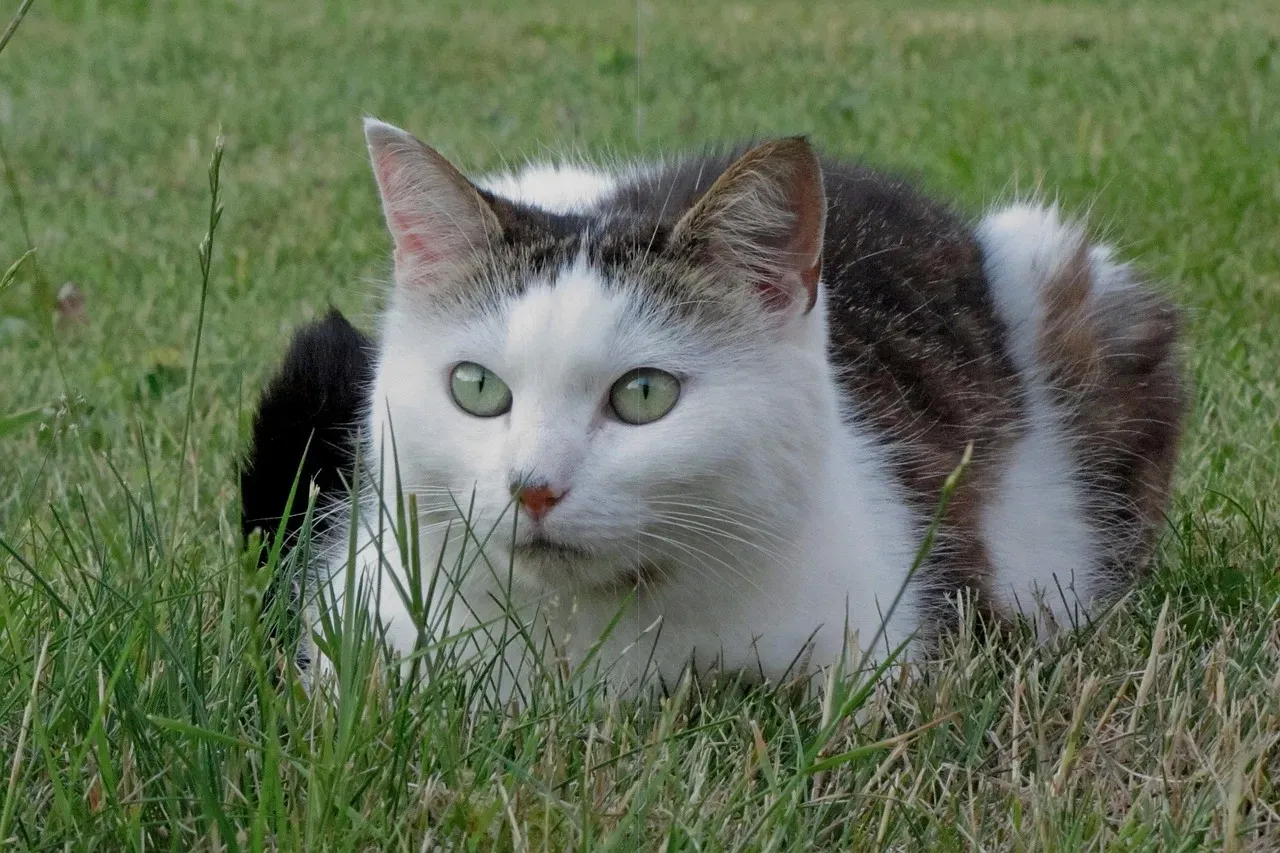
It's not just that cats hear well - it's that they've quietly memorized your personal acoustic signature over months or years. Cat behavior experts explain that cats learn the sounds of us coming home, our specific car in the driveway, or our footsteps on the stairs, and over time those sounds become a reliable predictor of arrival.
This is a learned skill, not something a kitten is born knowing. A cat in a brand-new home has zero idea what "owner's car" even sounds like. But weeks of repetition quietly build a mental sound file - engine pitch, door creak, footstep cadence - until the association fires automatically, almost like muscle memory.
That's why cats in multi-person households sometimes perk up for exactly one person's return while ignoring everyone else's nearly identical footsteps. The cat has quite literally trained itself to recognize a single human's approach pattern, filtering out the rest of the household entirely. Owners tend to call this "personality." It's actually precision learning.
#3 - Your Scent Arrives Before You Do
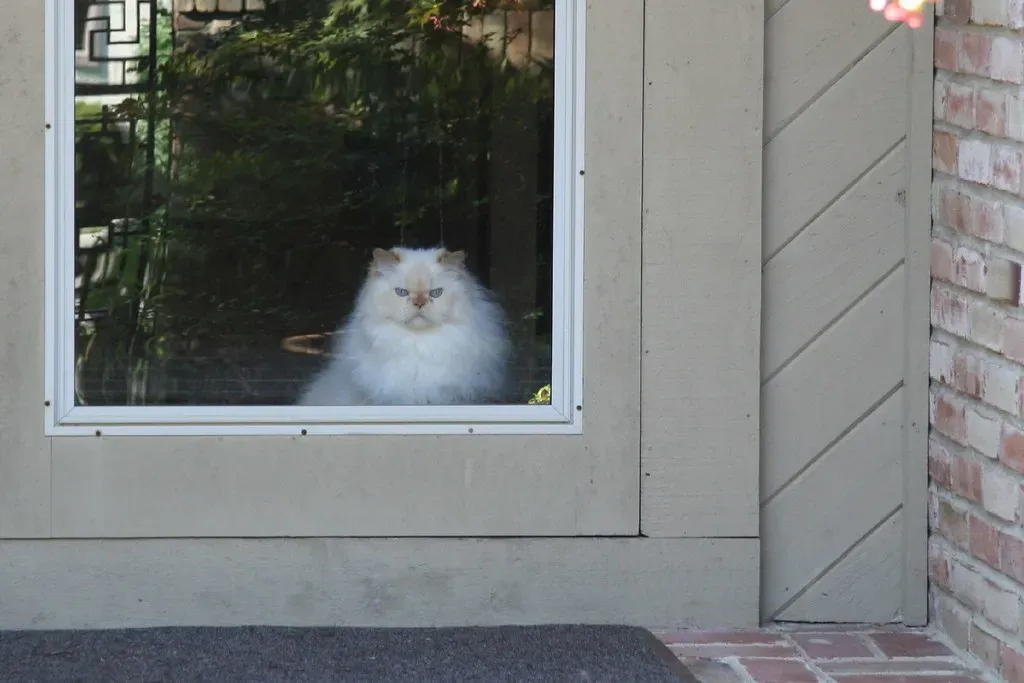
Hearing isn't the only early-warning system running - scent plays a surprisingly large role too. Cats form strong associations with their owner's individual scent, and research suggests they can recognize that scent on clothing and other belongings, showing a clear preference for it over a stranger's.
Here's the part most owners miss: when you leave, your lingering scent lingers behind as comfort, and as you approach home, your advancing scent can act as an early warning your cat picks up before you're anywhere near the door. In apartment buildings or homes with strong airflow through hallways and vents, that scent trail can travel further than most people assume.
This is one of the more debated claims among behaviorists - some argue scent detection at real distance is overstated compared to sound. But even the skeptics agree that once you're inside a shared hallway or stairwell, scent becomes a powerful secondary confirmation, stacking on top of whatever your cat already heard seconds earlier.
#4 - Cats Run on an Internal Clock, Not Just Instinct
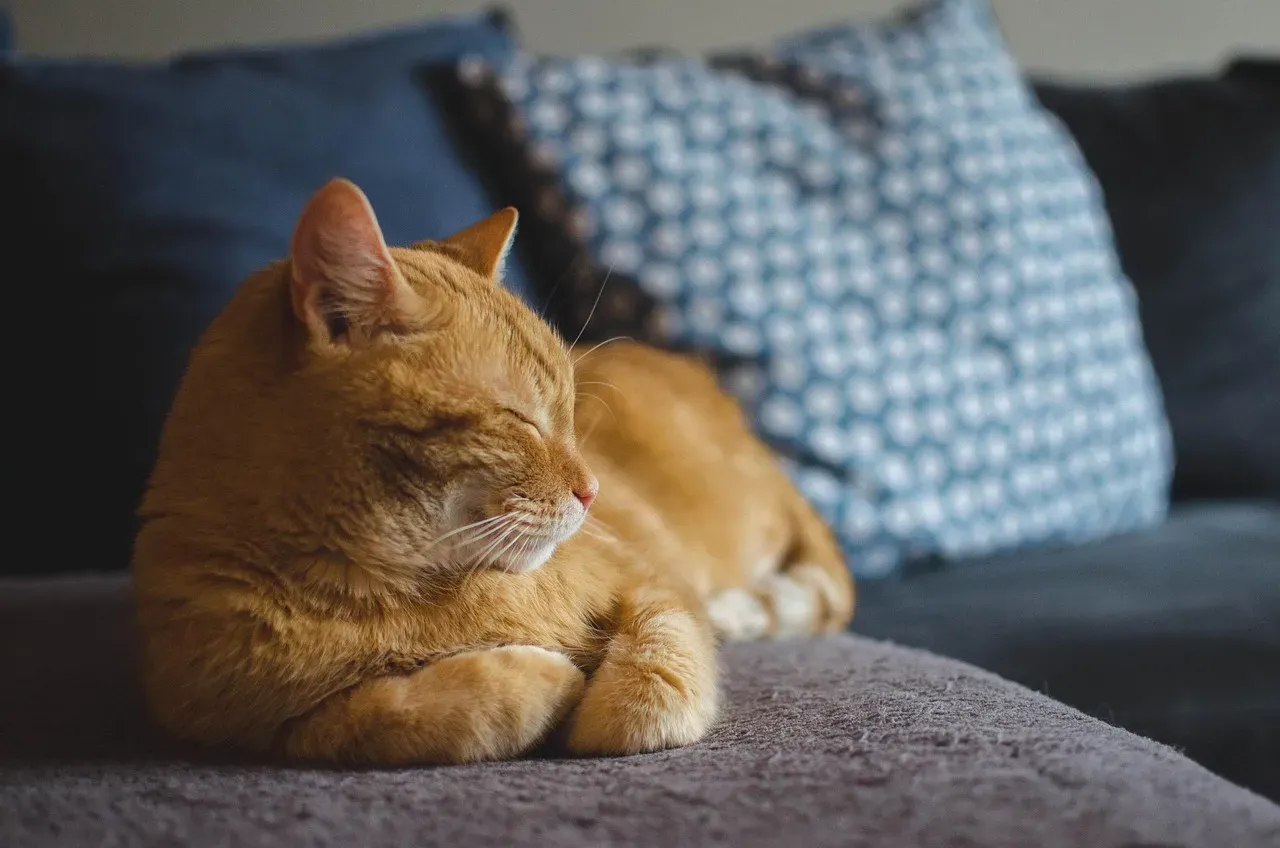
Your cat isn't only reacting to noise - it's running a prediction model built from time itself. Cats have an internal circadian rhythm that helps them anticipate daily events, and combined with learned associations, that internal timing lets a cat predict when certain things will happen, even with zero outside cues.
This explains a phenomenon plenty of owners find genuinely eerie: the cat showing up at the door minutes before any car, footstep, or scent could physically reach it. The cat isn't psychic - it's running an internal countdown built from months of repeated data.
Vets increasingly point to this as proof that cats process time far more precisely than the old "cats only live in the moment" stereotype suggests. A consistent 6 p.m. homecoming, repeated for months on end, effectively becomes hardwired into feline behavior - no sound required at all.
#5 - Repetition Turns the Waiting Into a Reflex
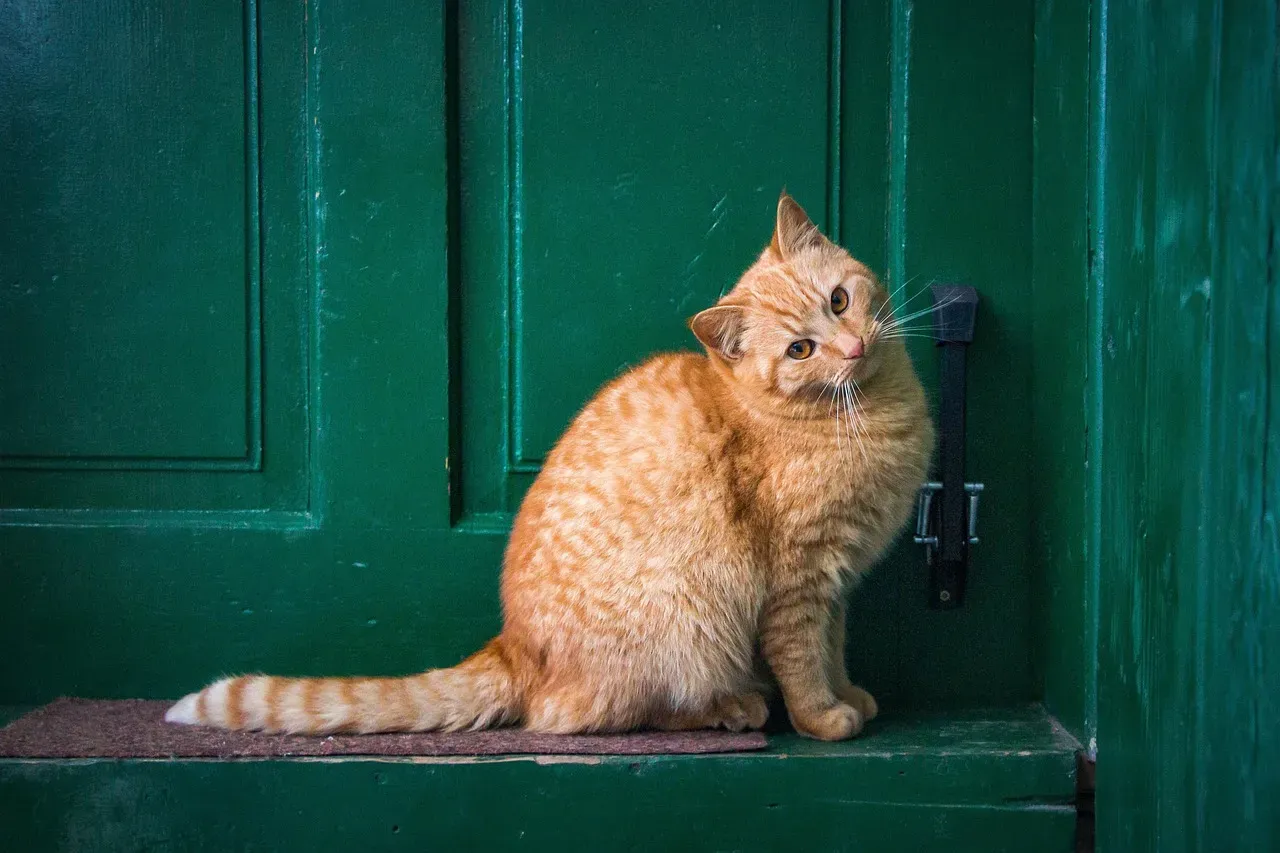
Once a routine locks in, the waiting itself becomes almost involuntary. Repetition shapes a huge amount of cat behavior, and if you consistently leave and return at the same times, your cat learns to anticipate those exact windows. Over time, sitting by the door stops being a decision and becomes a conditioned response - not so different from how a dog learns that the sound of a leash means a walk is coming.
This is classical conditioning in its purest form - the same mechanism behind Pavlov's dogs, just wearing a fur coat and looking a little more unbothered about it. Every successful "prediction" strengthens the pathway, making the behavior more automatic and less deliberate with each repetition.
That's a slightly uncomfortable truth for owners who want to believe their cat is waiting purely out of love - a lot of it is reinforced habit, not a fresh emotional decision every single day. Though as the next point proves, the emotional layer is very real too.
#6 - It's Also a Real Bond, Not Just Mechanical Habit
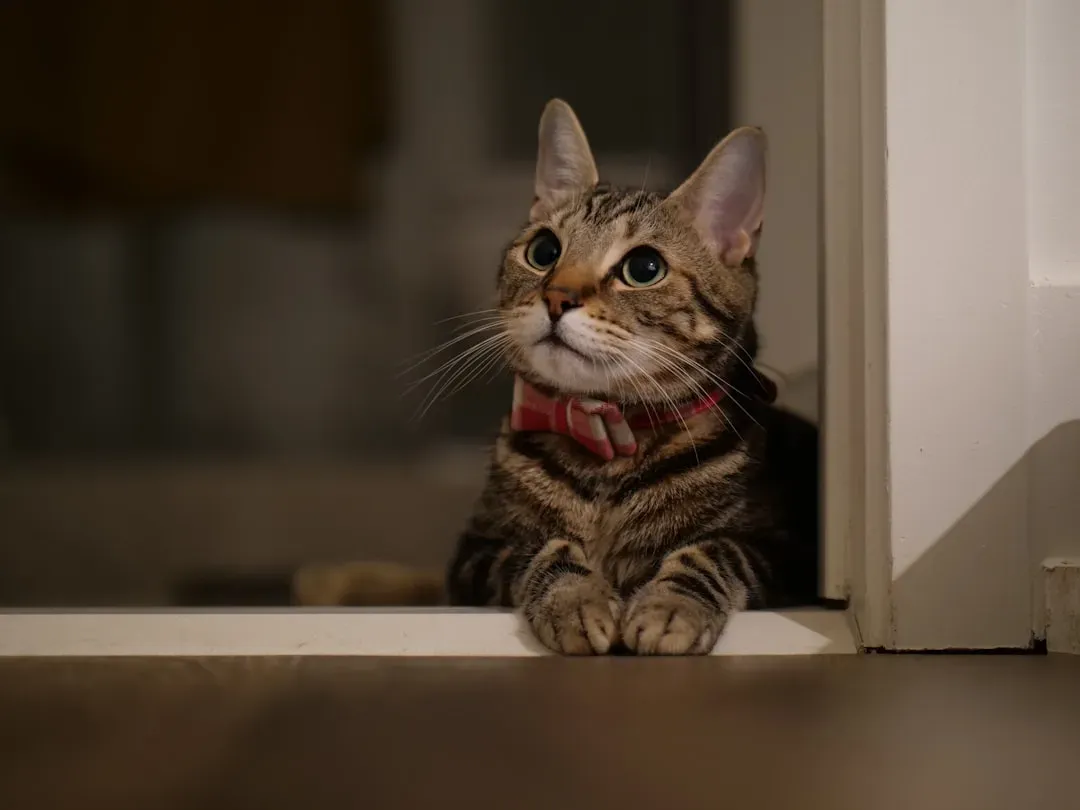
Despite all the mechanical explanations, dismissing this as pure conditioning misses half the story. A cat will often sit and wait at a door because they're genuinely waiting for someone - cats and their humans form real bonds, they just express them in far more understated ways than dogs do.
That bond isn't spread evenly across a household either. Even in a busy home full of people, a cat may attach itself to one family member above all the others, and their devotion to that chosen human can be surprisingly touching. If the favorite person isn't home, the cat may sit calmly at the door, patiently waiting for exactly them.
Why It Stands Out
- Attachment often centers on one chosen person, not the whole household
- Waiting can happen even when that person's return time is unpredictable
- The behavior looks understated compared to dogs, but reflects the same underlying loyalty
This is where the "cats are cold and independent" stereotype completely falls apart. A cat that consistently waits for one specific person while ignoring the rest of the household is showing preferential attachment - a behavior far closer to what dog owners describe than most cat people expect.
#7 - Sometimes It's Anxiety, Not Affection
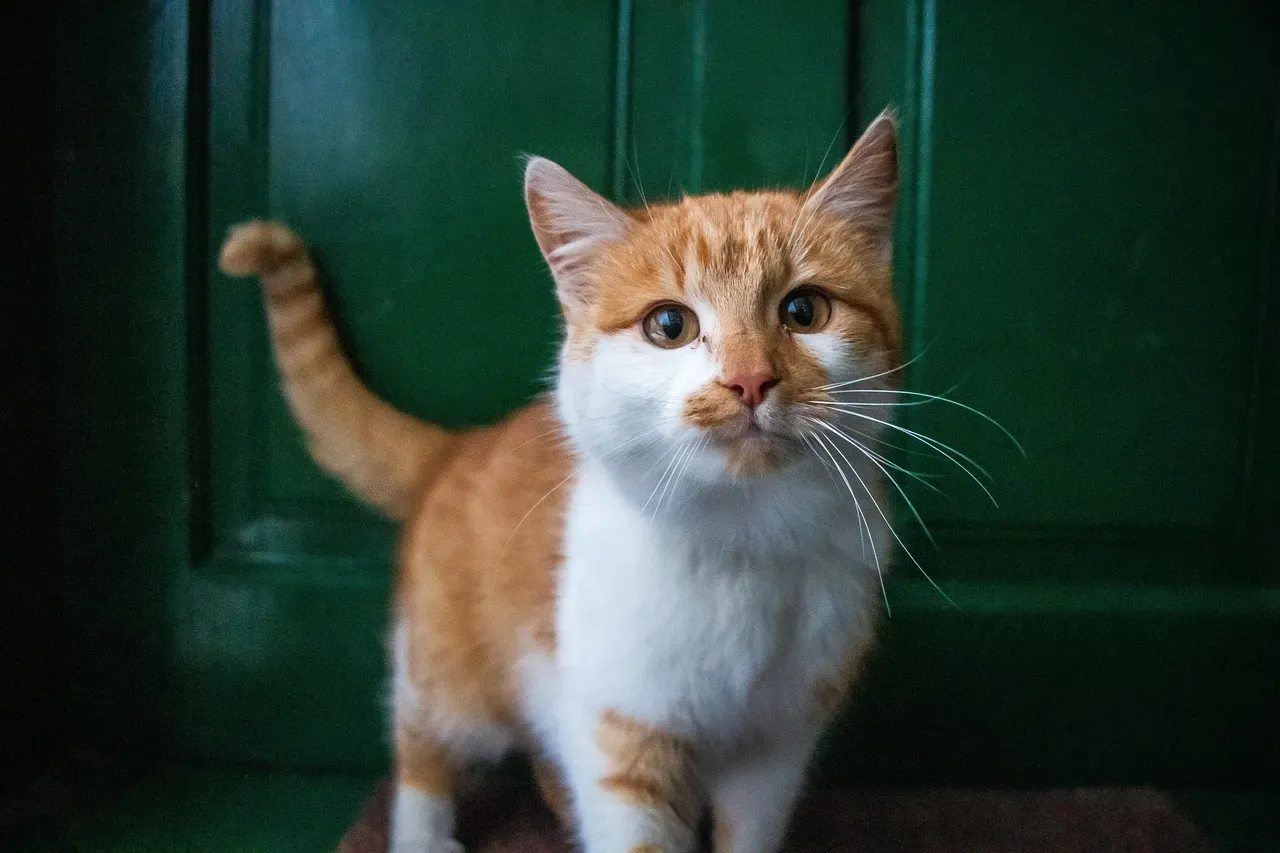
Here's the part rarely mentioned in the cute viral clips: door-waiting isn't always a warm, fuzzy story. Sometimes a cat sits by the door for reasons that are a lot less sweet and a little more concerning - the behavior can be fear-driven, and when it is, it's genuinely distressing for the animal, no matter how harmless it looks from the couch.
Common triggers include being startled by another pet, sudden loud noises elsewhere in the house, or general separation anxiety that ramps up right around the time you'd normally leave. In these cases, the door isn't a "welcome mat" spot. It's an escape-route position.
Worth Knowing
- A startled reaction to another household pet can trigger door-guarding behavior
- Sudden loud noises elsewhere in the home may push a cat toward the exit
- Separation anxiety tends to intensify right around your usual departure time
- Anxious waiting is positioned near an exit, not necessarily a greeting spot
This is a controversial idea worth sitting with: not every door-waiting cat is a devoted little greeter. Some are stressed animals positioning themselves near an exit out of pure insecurity - and treating every instance as "aww, they missed me" can quietly mask a welfare issue that actually deserves attention.
#8 - The Door Is Their Guard Post, Not Just a Welcome Mat
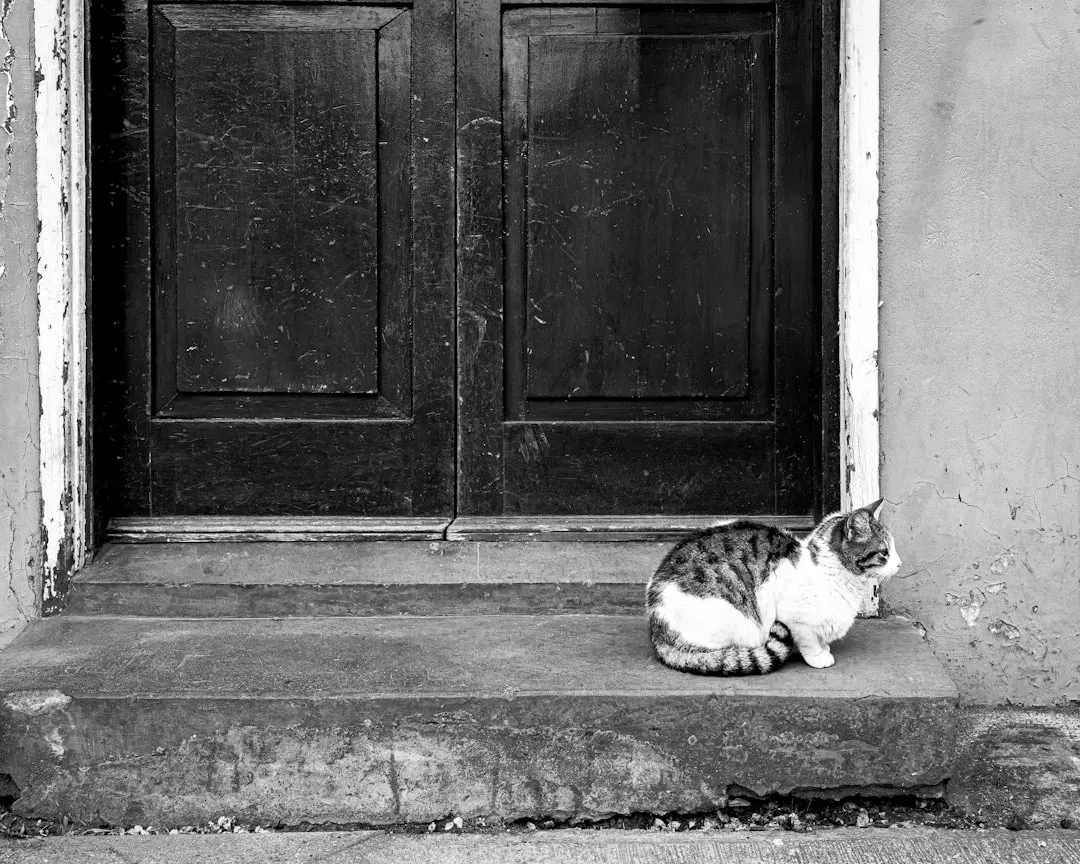
Cats are territorial animals first, cuddly companions second - and the door reflects that hierarchy more than owners like to admit. Door-waiting is tied directly to a cat's instincts as a hunter and territory-holder, someone who treats the entrance as the single point worth protecting most.
This slightly reframes the "greeting" narrative. Rather than purely waiting to say hello, some cats are monitoring the primary access point of their territory, treating the front door as the most important checkpoint in the entire home. Anyone entering - human, guest, or otherwise - gets logged and assessed on arrival.
This territorial framing explains why some cats react almost identically to a returning owner and an unexpected knock at the door - both trigger the same "who's entering my space" alertness, just with a different emotional tone layered on top depending on who it turns out to be.
#9 - Your Arrival Has Quietly Become a Dinner Bell
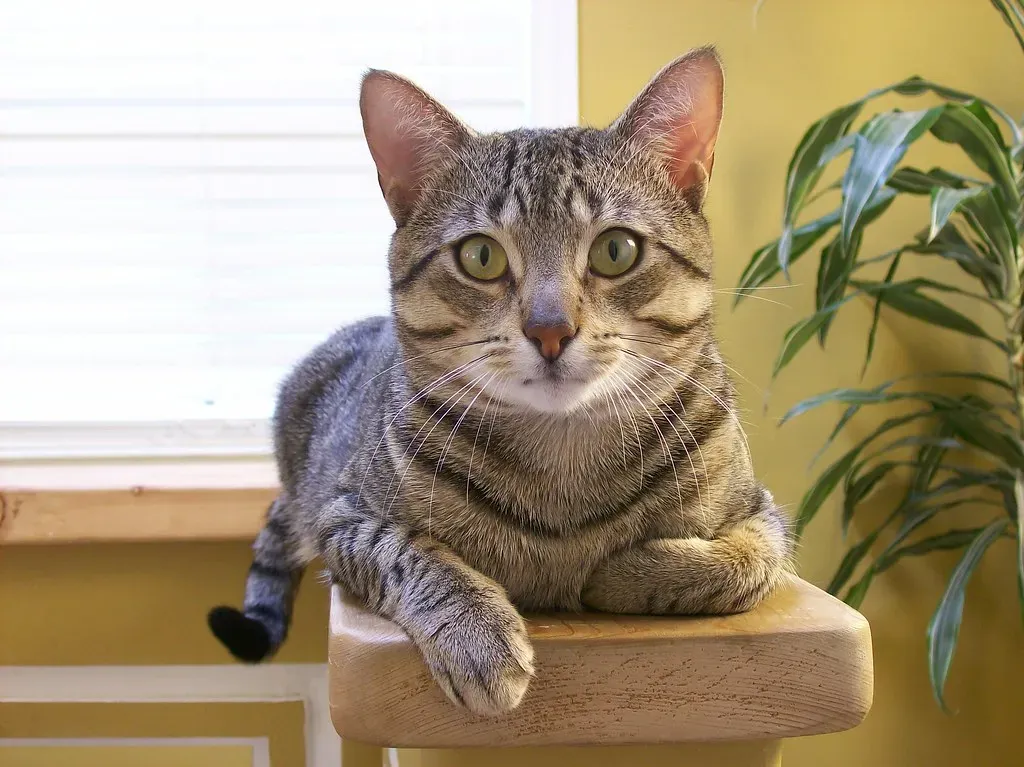
Food is one of the strongest behavioral reinforcers in any animal, and cats are no exception. Cats track time well enough to figure out when you consistently arrive, which is also why your cat somehow always seems to know it's near dinnertime - because cats absolutely learn our schedules, especially when there's food waiting at the end of them.
When your arrival home reliably precedes feeding time, those two events fuse together in your cat's mind. The door isn't just "human returns" anymore - it's "human returns, which means food is imminent." That dual incentive makes the waiting behavior noticeably stronger than sound or scent could ever produce alone.
Fast Facts
- Arrival and feeding time can become linked into a single predictive cue
- Scheduled feeders tend to show more intense door-waiting than free-fed cats
- Hunger stacks on top of companionship, doubling the motivation to wait
This is exactly why cats on strict feeding schedules tend to show more intense door-waiting than cats fed on-demand throughout the day. The anticipation gets doubly reinforced, stacking plain hunger on top of simple companionship.
#10 - It's Never Just One Reason - It's All of Them at Once
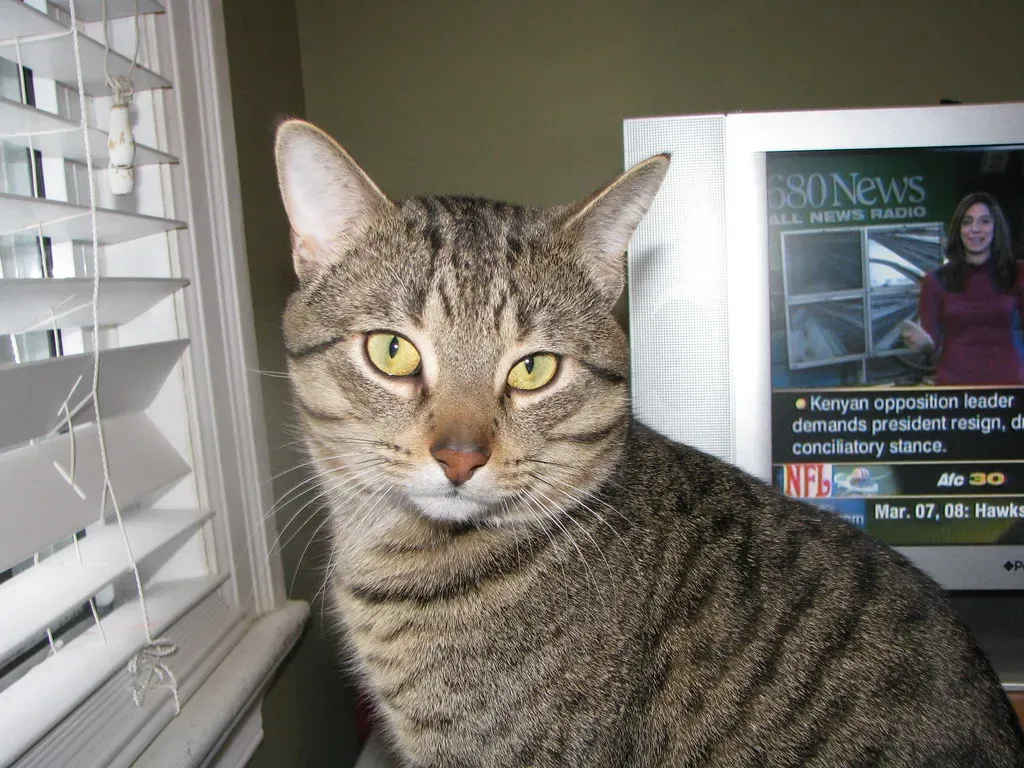
After all this, the most honest answer experts give is refreshingly unglamorous: there's no single tidy explanation. Cats waiting at the door isn't coincidence, and it isn't just one instinct working alone - it's routine prediction, sound memory, and relational bonding, all firing together.
Behavior consultants studying this admit the evidence is still fairly thin compared to more heavily researched cat behaviors. Plenty of owners report their cat is reliably waiting by the door when they get home, but it's by no means universal, and formal research on the exact mechanism is still catching up to the anecdotes.
That's an important reality check for anyone hoping for one clean answer. Your cat is likely running hearing, scent, timing, habit, food-anticipation, and territorial instinct all at once - and which factor dominates depends entirely on that individual cat's personality, environment, and daily schedule.
The Bottom Line
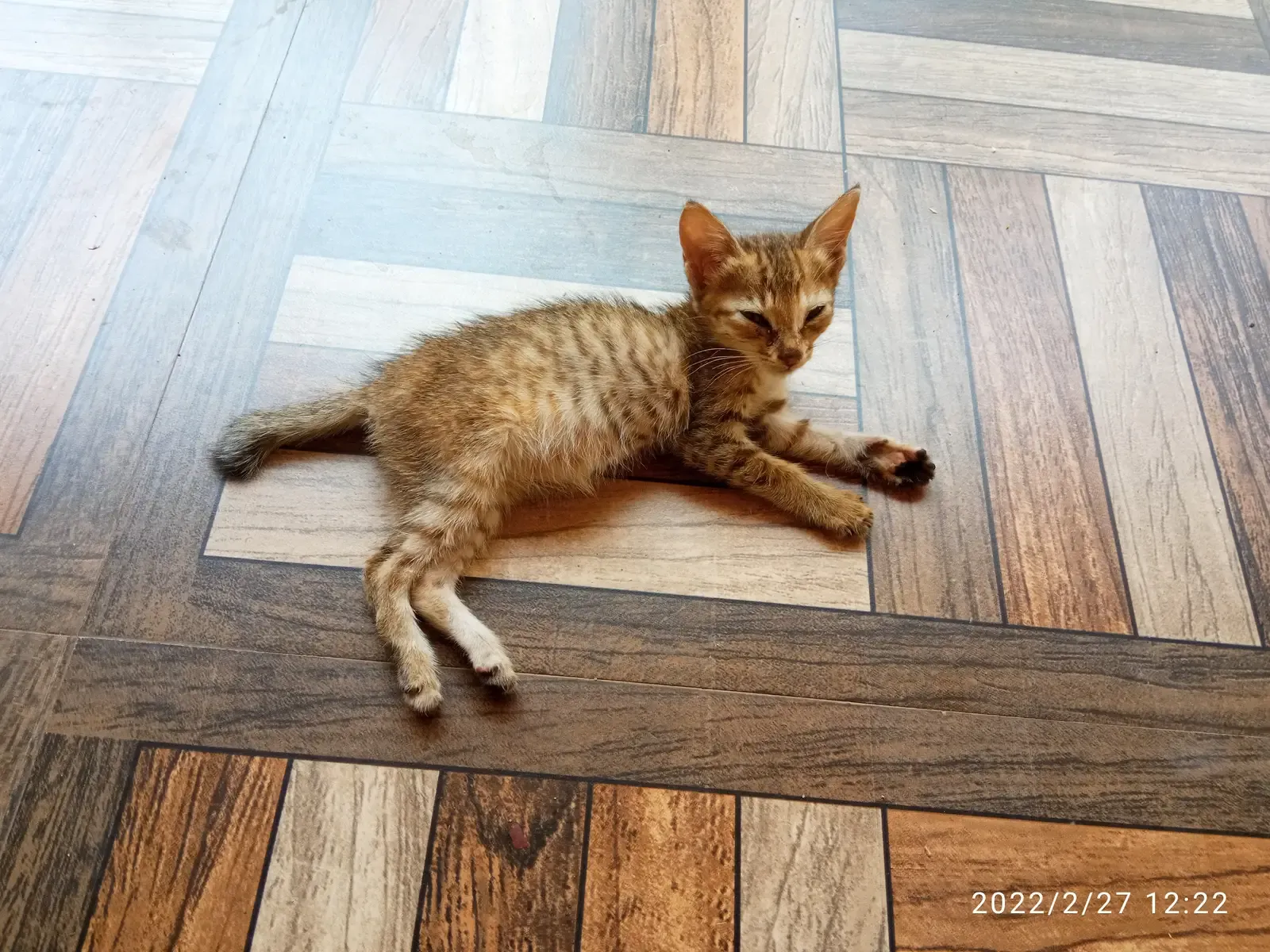
Cats aren't secretly psychic, and they're not just "coincidentally" near the door either. The real explanation is layered: exceptional hearing that outpaces both humans and dogs, precise scent recognition, a genuine internal clock, deeply reinforced habit, and in some cases, anxiety or territorial instinct standing in for affection entirely. Food timing just tightens the whole system further.
If you ask me, that's actually more impressive than the "cats just love you" explanation people default to. A dog waiting by the door is simple devotion. A cat waiting by the door is a small, quietly running prediction engine - hearing, memory, scent, and habit all stacked together - that happens to look, from the outside, exactly like love. Maybe that's because, for your cat, it partly is.