You think you know your cat. That soft purr, the slow blink, the way they curl up in your lap at the end of a long day. Everything seems just fine until you realize something’s off. Maybe they’ve been giving you the cold shoulder. Perhaps they’re acting strangely around their food bowl, or worse, ignoring you altogether.
Here’s the thing though. Most people assume cats communicate their feelings through meowing, hissing, or those adorable trills they make when they want attention. That’s partly true, honestly. Yet there’s an entire hidden language happening right under your nose that you’re probably missing. Cats rely heavily on scent communication through chemical signals called pheromones. While vocalizations like meowing and body language are important components of communication, scents, particularly pheromones, play a major role in the communication between felines.
Domestic cats can smell about 14 times better than humans, and they use this superpower constantly to send invisible messages. When your cat is upset with you, they’re not just showing it through their body. They’re chemically marking their territory and broadcasting their displeasure in ways your human nose can’t detect. So let’s dive in and uncover the ten telltale signs your feline friend is genuinely .
The Tail Tells All
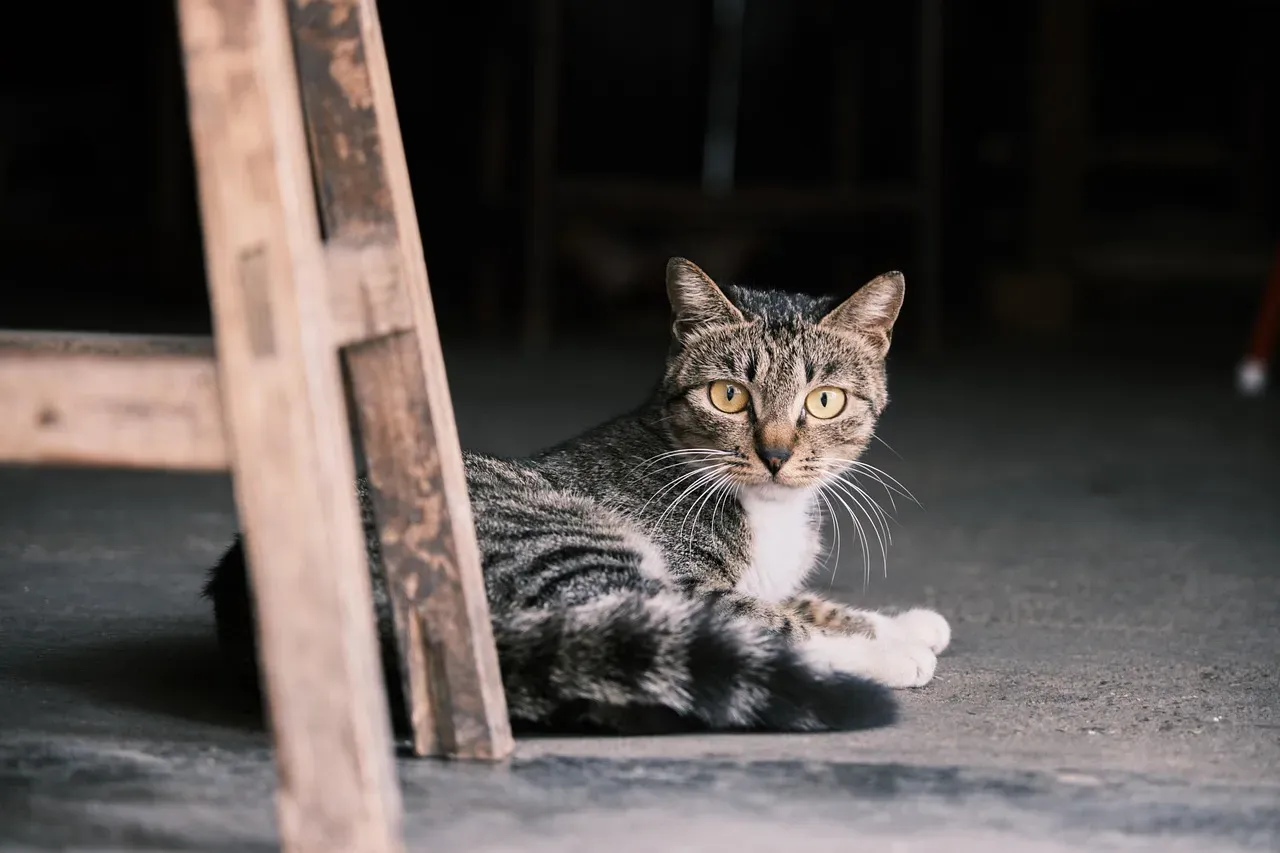
One of the first subtle signs that is when you see her tail placed low, swishing quickly back and forth, from side to side. Whenever you see the tail twitch, stop whatever it is you’re doing that is upsetting her, give her some space, and back off for a while until she calms down. Think about it like this: the tail is basically your cat’s emotional barometer.
When your cat thrashes their tail or is thumping it on the ground, they are irritated, annoyed, or angry. This tells you that something is bothering your cat. I know it sounds dramatic, but your cat literally can’t hide their feelings when their tail starts going wild. Pay close attention because this is often the earliest warning you’ll get before things escalate.
Those Ears Aren’t Just for Hearing

Ears flattened back against the head and slightly sticking out – “like airplane wings” – are a sure indicator your cat is upset. I’ve heard people call this “airplane ears,” and it’s such a fitting description. When you see your cat’s ears flatten to the sides or pin back completely against their head, that’s your cue to back away.
Airplane ears, where the ears are flattened to the side, are a clear indicator that your cat is feeling irritable, angry, or frightened. This position is often a defensive posture, signaling that your cat is not in the mood for interaction. Sometimes it happens so quickly you might miss it. One moment they’re fine, the next their ears are plastered down. Context matters here, so always combine this signal with other body language clues.
The Cold Shoulder Treatment
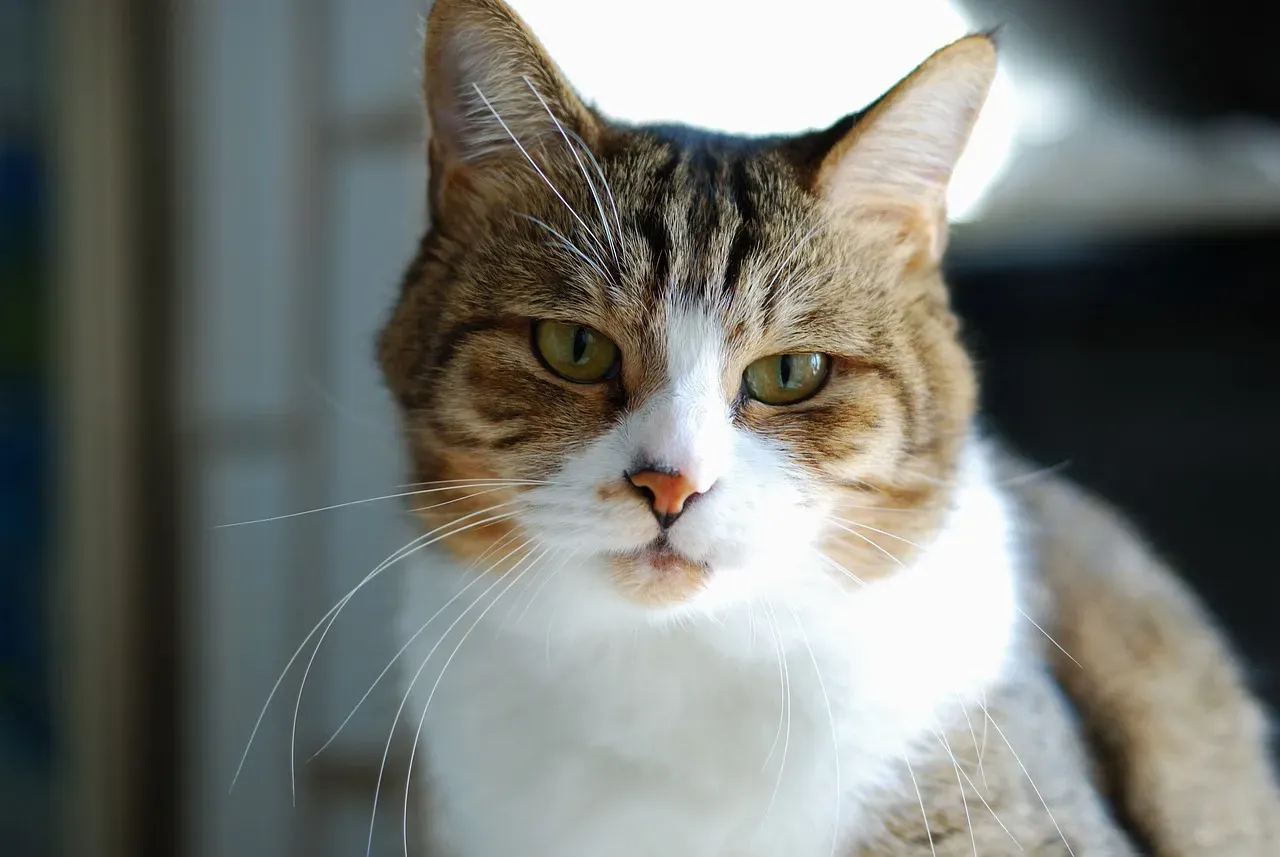
It can be hard to tell if your cat is keeping her distance because she’s upset, or if she’s staying away because, well, she’s a cat and cats are weirdos. But if your furry friend actively avoids you when she’s normally playful or keeps away for longer than usual, it can be a sign she’s mad, scared, or anxious. Let’s be real: cats are naturally independent creatures, but they also crave connection on their terms.
When your usually affectionate kitty suddenly acts like you don’t exist, something’s wrong. Angry cats will keep their distance when they get confused by, say, a sudden loud voice, quick movements, or even an unfamiliar smell on your jacket. Maybe you came home smelling like another cat, or you raised your voice during a stressful phone call. Cats pick up on these things and will withdraw to protect themselves emotionally.
Growls, Hisses, and Other Unpleasant Sounds
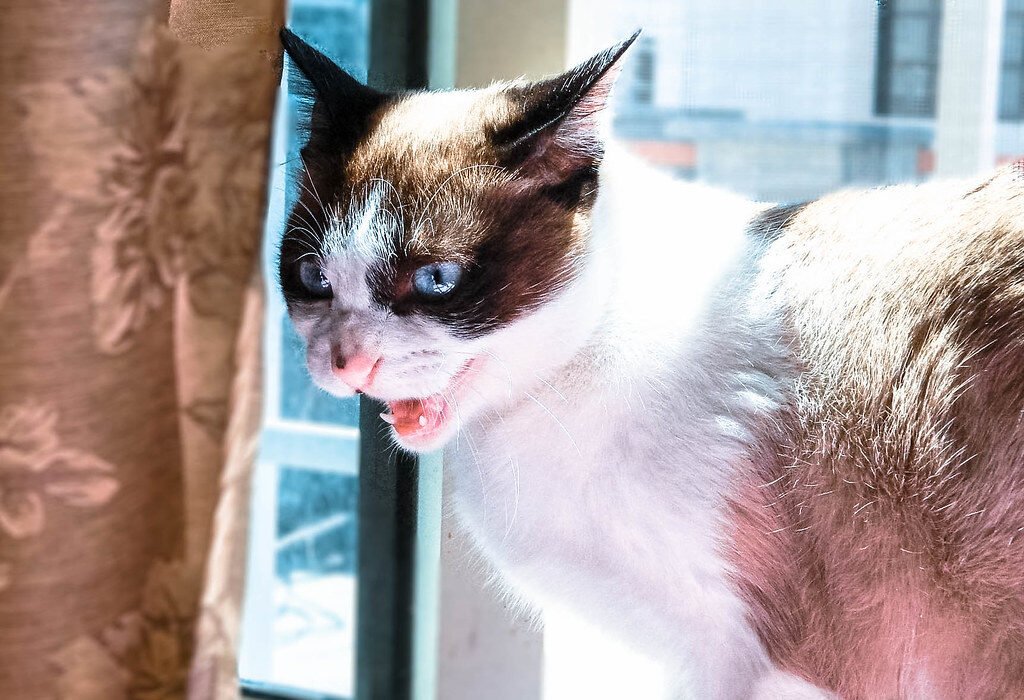
Angry cats can make a wide variety of noises that signal their displeasure, including a throaty growl. Most people associate growling with dogs, but cats absolutely do it too when they’re upset. It’s one of those sounds that makes the hair on your arms stand up because it’s so primal and direct.
Growling, hissing or spitting indicates a cat who is annoyed, frightened, angry or defensive. When you hear these vocalizations, your cat is essentially putting up a verbal “Do Not Disturb” sign. Don’t try to comfort them or pick them up. Just give them space and let them calm down naturally. Forcing interaction at this point will only make things worse.
Inappropriate Elimination
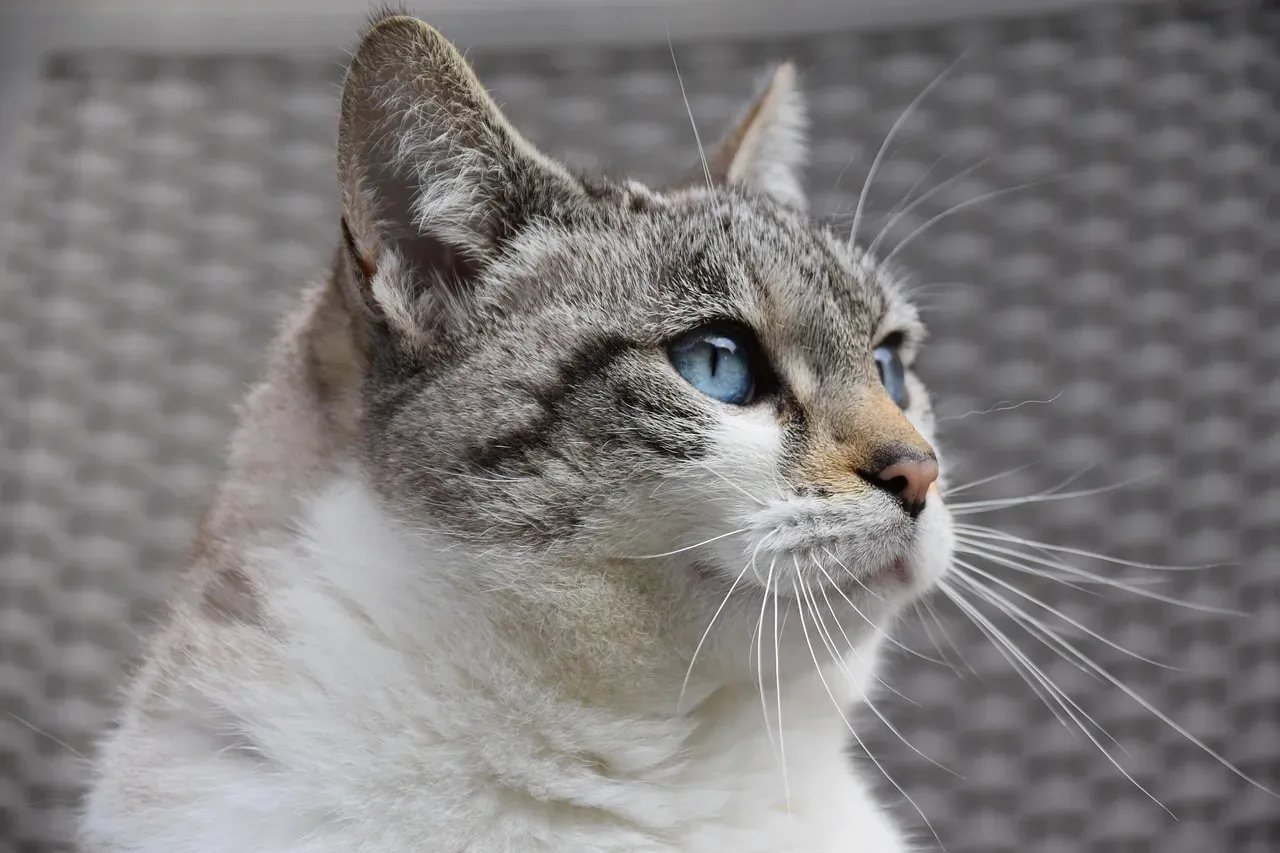
Your cat hasn’t had an accident since he was a kitten, and now all of a sudden he’s peeing all over the house? It’s a sure sign he’s distressed. An angry cat most often urinates on soft surfaces like piles of laundry, sofas, or yes, your bed. This one really gets under people’s skin, I know. It feels personal when your cat pees on your belongings.
Here’s what’s actually happening though. Even though it may appear she’s an angry cat taking out her frustrations on you, in reality, she is using her own scent as a way to cope with her anxiety. Cats spread pheromones through their urine as a coping mechanism when they’re stressed. It’s not revenge. It’s communication through scent that you’re unfortunately able to smell this time.
The Puffed-Up Terror Look

If your cat assumes the quintessential Halloween-cat posture with a puffed tail and arched back, then they are startled or frightened by a sudden, severe threat. Your cat’s hair stands on end (piloerection) so they can appear to be larger. This dramatic display isn’t just for show.
When cats feel threatened or extremely angry, their bodies go into full defense mode. They may try to make themselves look as large and as intimidating as possible by arching their back and letting their fur stand up (an involuntary reaction to fear called piloerection). It’s honestly fascinating from a biological perspective, even though it means your cat is seriously unhappy. If you see this, something has genuinely frightened or enraged them.
Dilated Pupils That Aren’t About the Light
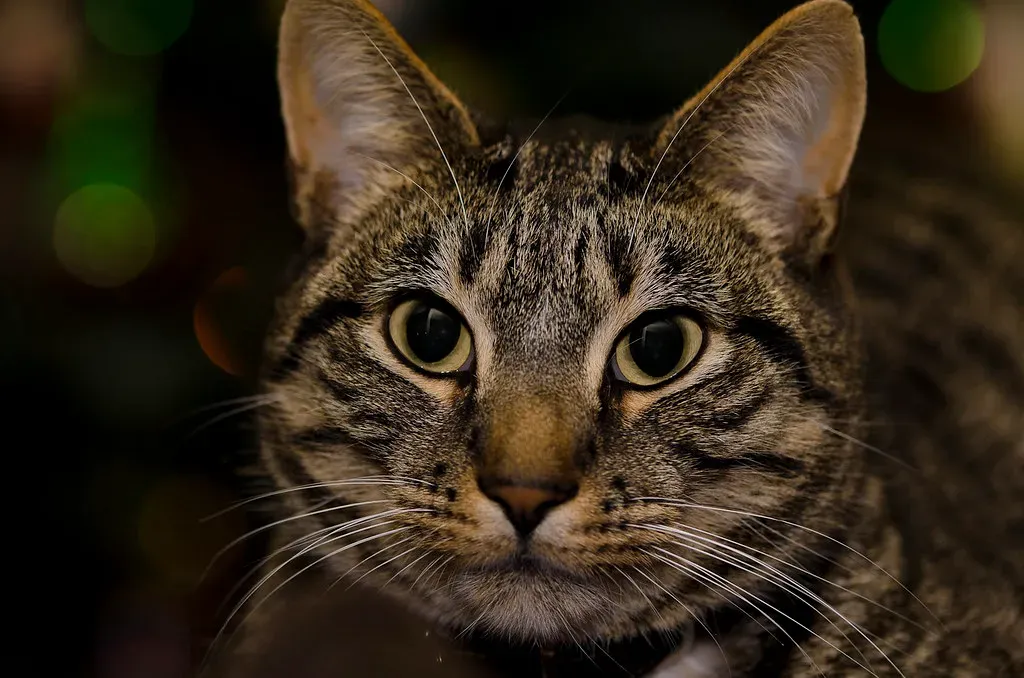
An angry cat’s eyes can look big and their pupils often look dilated. Sure, pupil size changes with lighting conditions, but when your cat’s pupils are fully blown out like dinner plates in normal lighting, that’s an emotional response. Dilated pupils can also indicate fear, excitement, or anger. Consider the context to decide.
I think this is one of the trickier signs to read because dilated pupils can mean so many things. Your cat might be overstimulated, preparing to pounce during play, or genuinely upset. Look at the whole picture: are their ears back? Is their tail lashing? Are they crouched low? All these clues together will help you figure out if those big eyes mean anger or something else entirely.
Excessive Vocalization
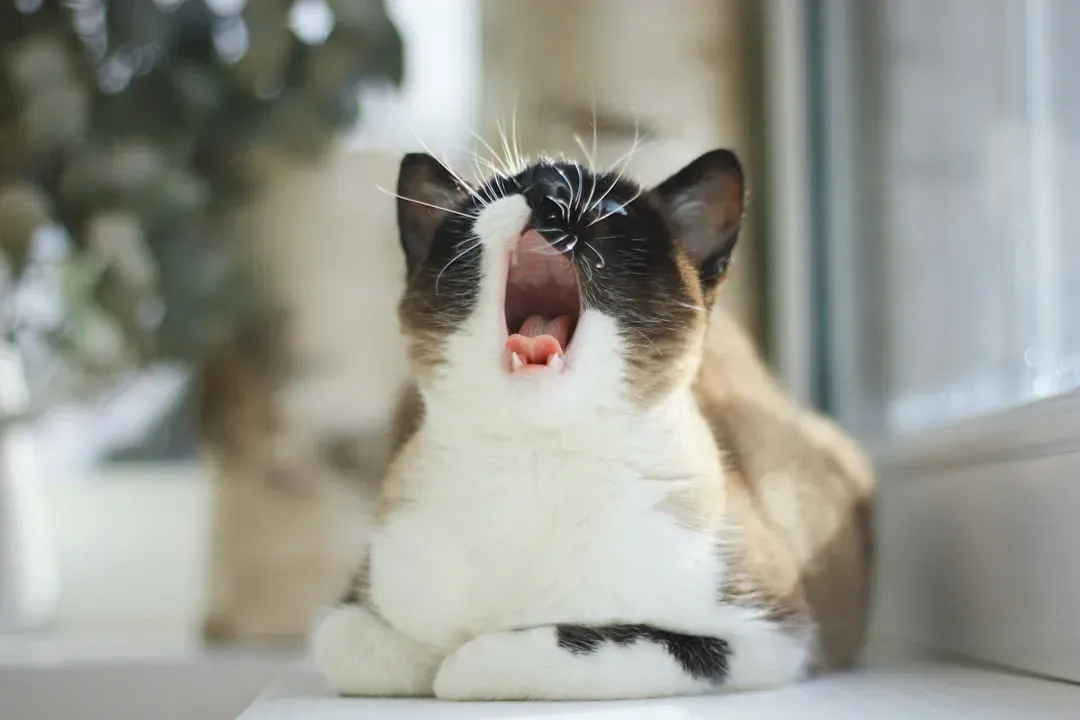
Excessive vocalization is usually a sign of frustration. Whether it’s a meow or a loud purr, it could be that your cat has decided they want to be fed, or they want to go outside but the cat flap is locked. If your cat is vocalizing more than usual, they are probably trying to tell you something – you just have to figure out what that is. Cats aren’t naturally chatty animals, so when yours suddenly won’t stop meowing, yowling, or making noise, pay attention.
It’s hard to say for sure what they’re upset about without investigating. Maybe their litter box is dirty. Maybe they heard another cat outside and feel territorial. Perhaps you changed their feeding schedule and they’re legitimately annoyed about it. The key is recognizing that this increased vocalization means something is bothering them.
The Mysterious Scent Marking
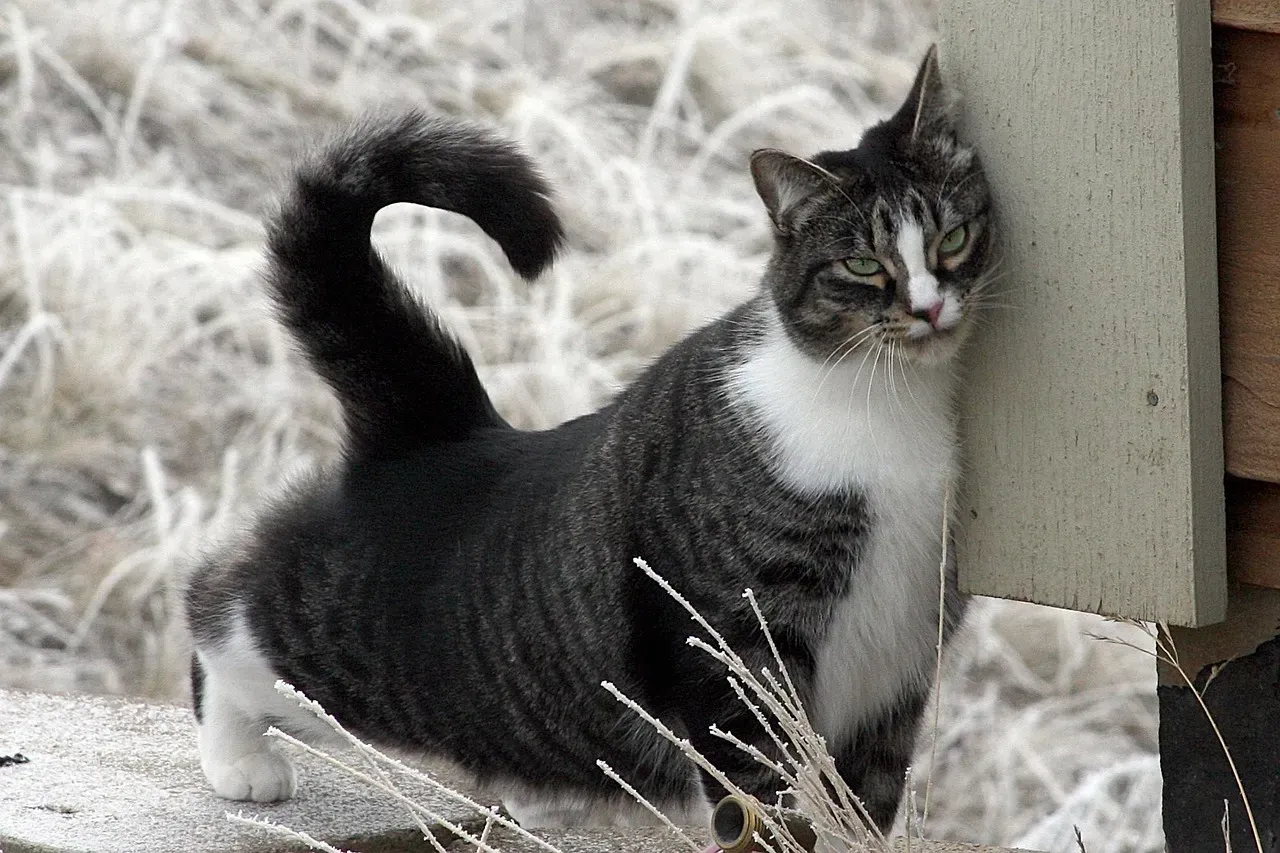
This is where that hidden chemical communication comes in. Pheromones are released when your cat rubs its face and body on you, other pets, or objects; scratches or claws at items; and by urine spraying. When your cat is upset, they’ll often increase their scent marking behavior as a way to reclaim their territory or express their emotional state.
Feline facial pheromone F3 is a chemical commonly released through object rubbing. It is thought to be important in a cat’s ability to orient itself within its environment and know where it is in relation to its surroundings. If your cat suddenly starts rubbing obsessively on furniture, scratching more than usual, or spraying, they’re broadcasting their emotional distress through scent. You might not smell it, but they’re essentially rewriting the chemical landscape of your home.
Aggressive Swatting or Biting

There’s nothing more infuriating than an angry cat that looks you straight in the eye, extends her claw, and then swipes at your new leather couch. Rather than aggression or anger, this is more likely due to your cat marking her territory. Sometimes what looks like pure aggression is actually territorial behavior mixed with frustration.
That said, when cats lash out and actually make contact with claws or teeth, they’re expressing serious displeasure. An all-out attack toward people isn’t terribly common and, when it happens, may actually be a redirected aggression. Your cat cannot address the real reason for their angst (that darn squirrel trespassing in their yard!), so instead they nail a human hand that tries to pet when kitty is upset. Understanding this doesn’t make it hurt less, but it does help you realize your cat isn’t being malicious. They’re just overwhelmed.
Conclusion
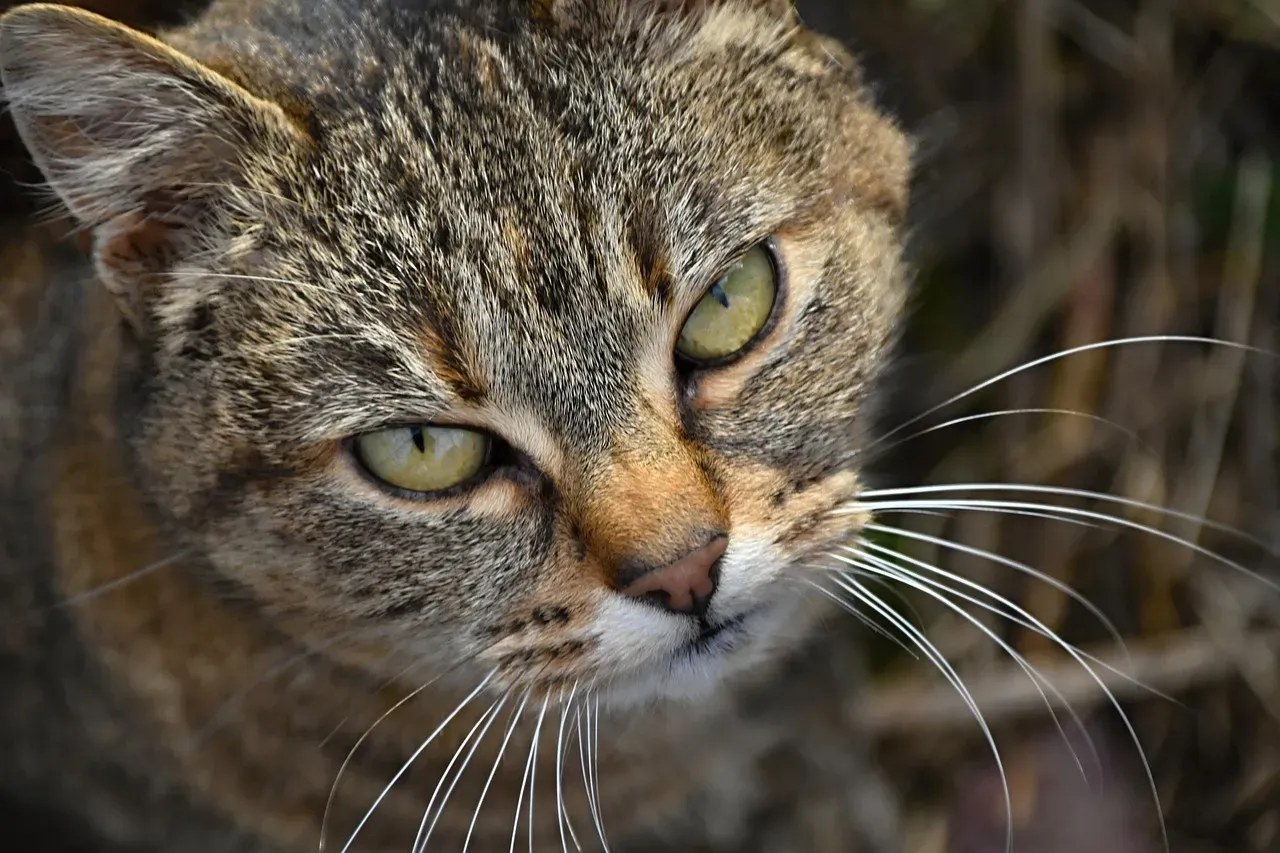
Your cat’s anger isn’t about being vindictive or spiteful. They’re trying desperately to communicate with you using every tool in their arsenal: body language, vocalizations, and especially those invisible chemical messages through pheromones that we humans can barely comprehend. Chemical communication is essential for solitary cats which establish large home ranges and do not commonly encounter conspecifics face-to-face. These signals provide a scent history of the spatial movements, behavior, health and sexual status of conspecifics.
The truth is, cats are complex little beings with strong opinions and sensitive emotional systems. When you learn to recognize these ten signs, you’re not just avoiding scratches and messy accidents. You’re building a deeper bond based on respect and understanding. So next time your cat gives you that icy stare or flicks their tail dismissively, remember: they’re speaking to you in a language far older and more sophisticated than words. What will you do to respond?