10 Signs Your Cat Misses You More Than You Think
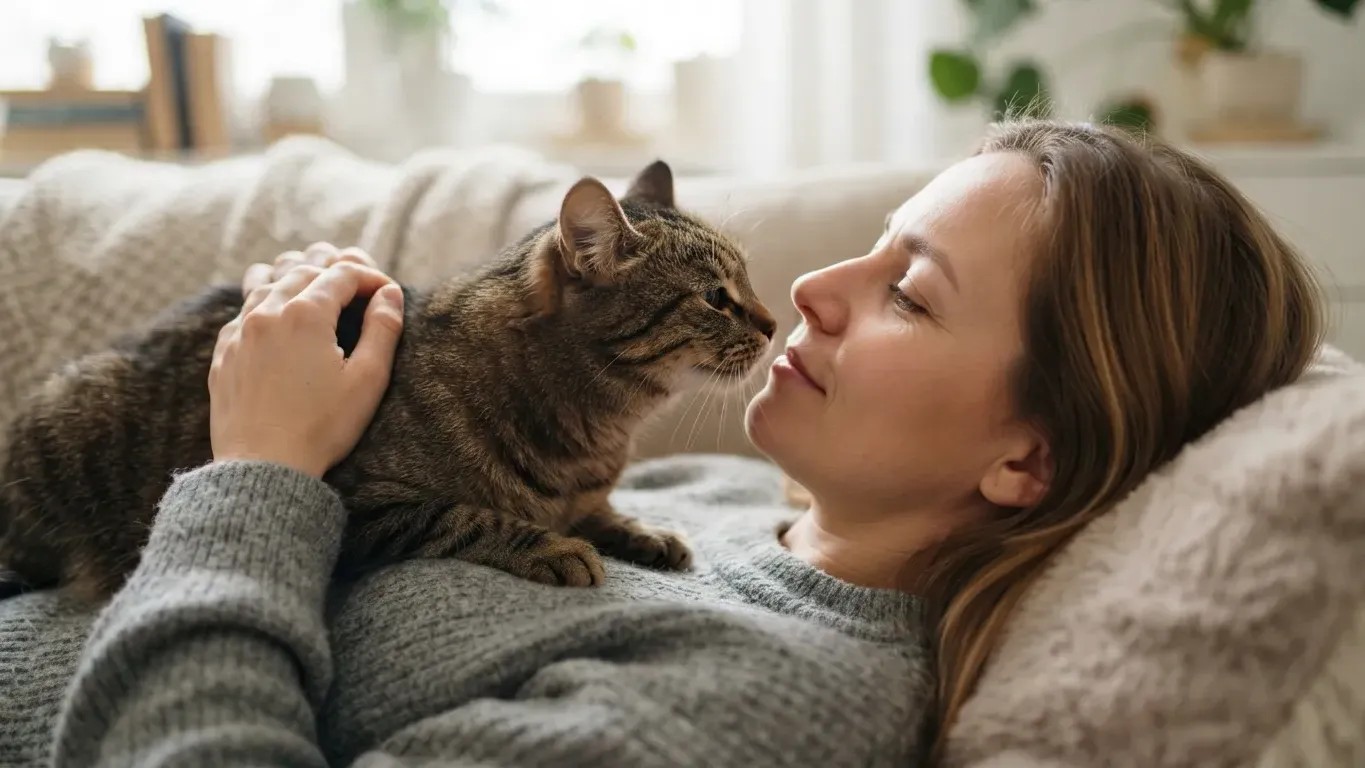
#1 They greet you at the door, even if they pretend it's a coincidence
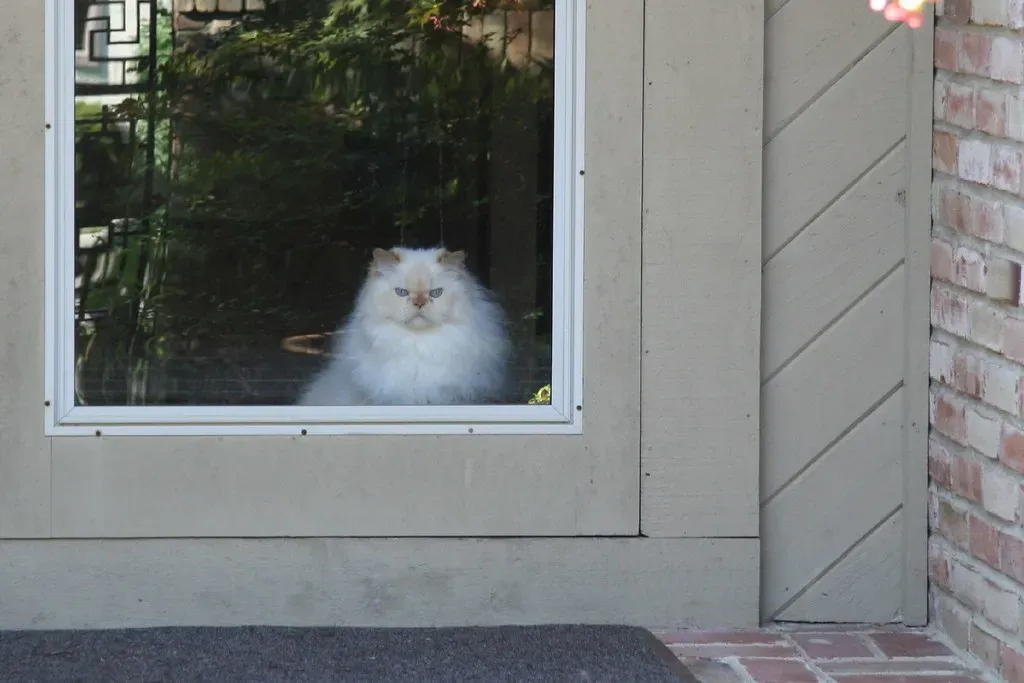
If your cat happens to be sitting near the entryway every single time you come home, that's not a coincidence. Cats develop a strong internal sense of routine, and many learn to anticipate the sound of your car, your keys, or even your footsteps on the stairs. A 2021 study on cat-human attachment published in Current Biology found that cats form secure and insecure bonds with their caregivers similar to how human infants bond with parents, which helps explain why so many cats position themselves near the door before you arrive.
What makes this behavior especially telling is the effort involved. Cats are not naturally inclined to expend energy without a reason, so choosing to wait by an entrance rather than nap on a warm windowsill says something. Even if your cat plays it cool once you're inside, glancing away or grooming itself, the timing of that doorway appearance is rarely accidental.
#2 They follow you from room to room like a small, silent shadow
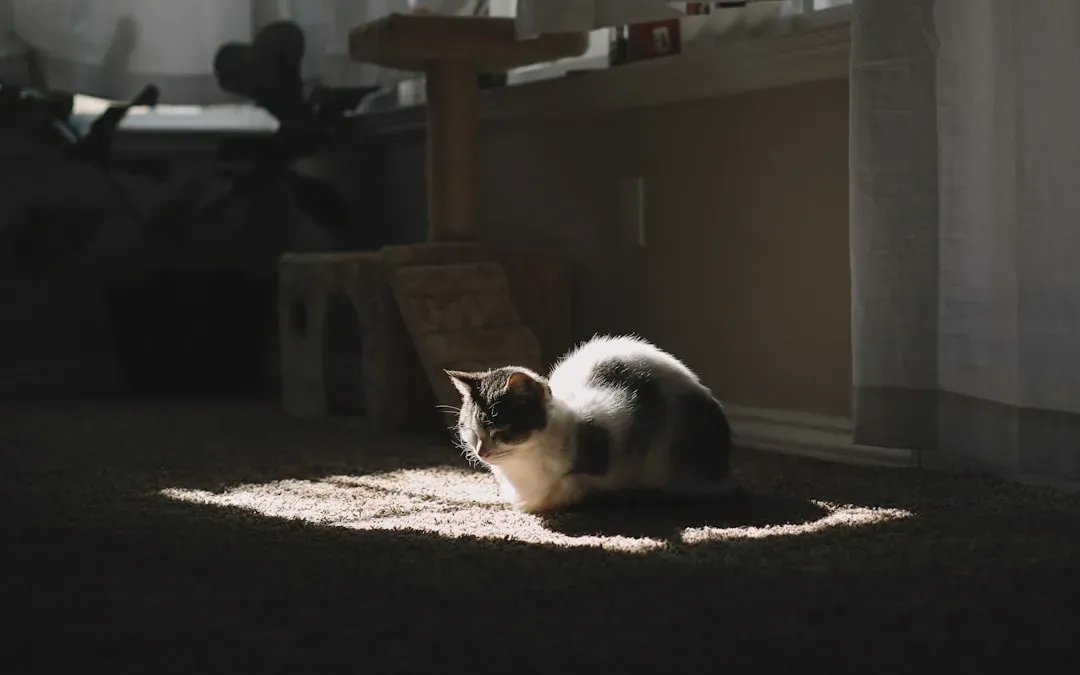
Some cats seem to treat their humans as a personal GPS coordinate, trailing behind through the kitchen, the bathroom, and back to the couch without any obvious reason. This isn't about food or attention-seeking every time. Often it's simply about proximity, because cats that feel closely bonded to a person want to stay near that source of comfort and predictability.
This shadowing behavior tends to intensify after any period of separation, such as a weekend trip or even a long day at work. If your cat suddenly becomes your constant companion the evening after you've been gone, it's a reasonable sign that your absence registered more than you assumed. Cats are creatures of routine, and disruptions to that routine, including your absence, can heighten their desire to reestablish closeness.
#3 They knead you or your belongings like a kitten again
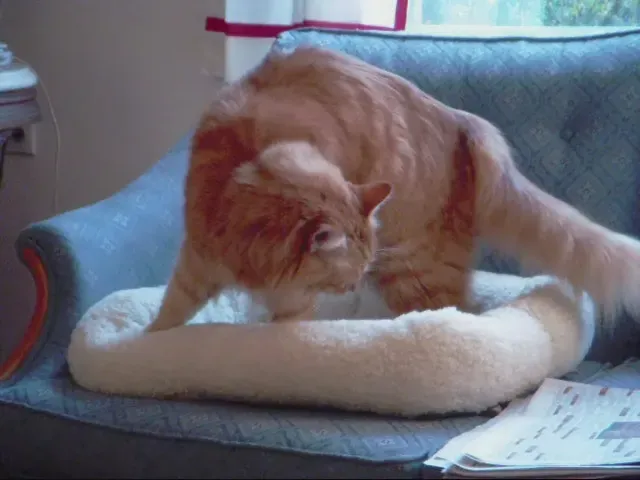
Kneading, that rhythmic pushing motion with front paws, traces back to kittenhood, when nursing kittens knead their mother to stimulate milk flow. When adult cats knead a person, blanket, or piece of clothing that smells like their owner, they're often tapping into that same comfort-seeking instinct. It's a behavior tied to feelings of safety and contentment, not something cats do toward objects or people they feel indifferent about.
Interestingly, some cats knead more intensely on days following extended alone time, almost as if they're reestablishing a sense of security. If you notice your cat kneading a sweater you just took off or the blanket on your side of the bed, that item likely carries your scent, and your cat is drawn to it because it represents you even in your absence.
#4 They sleep in the exact spot where you last sat
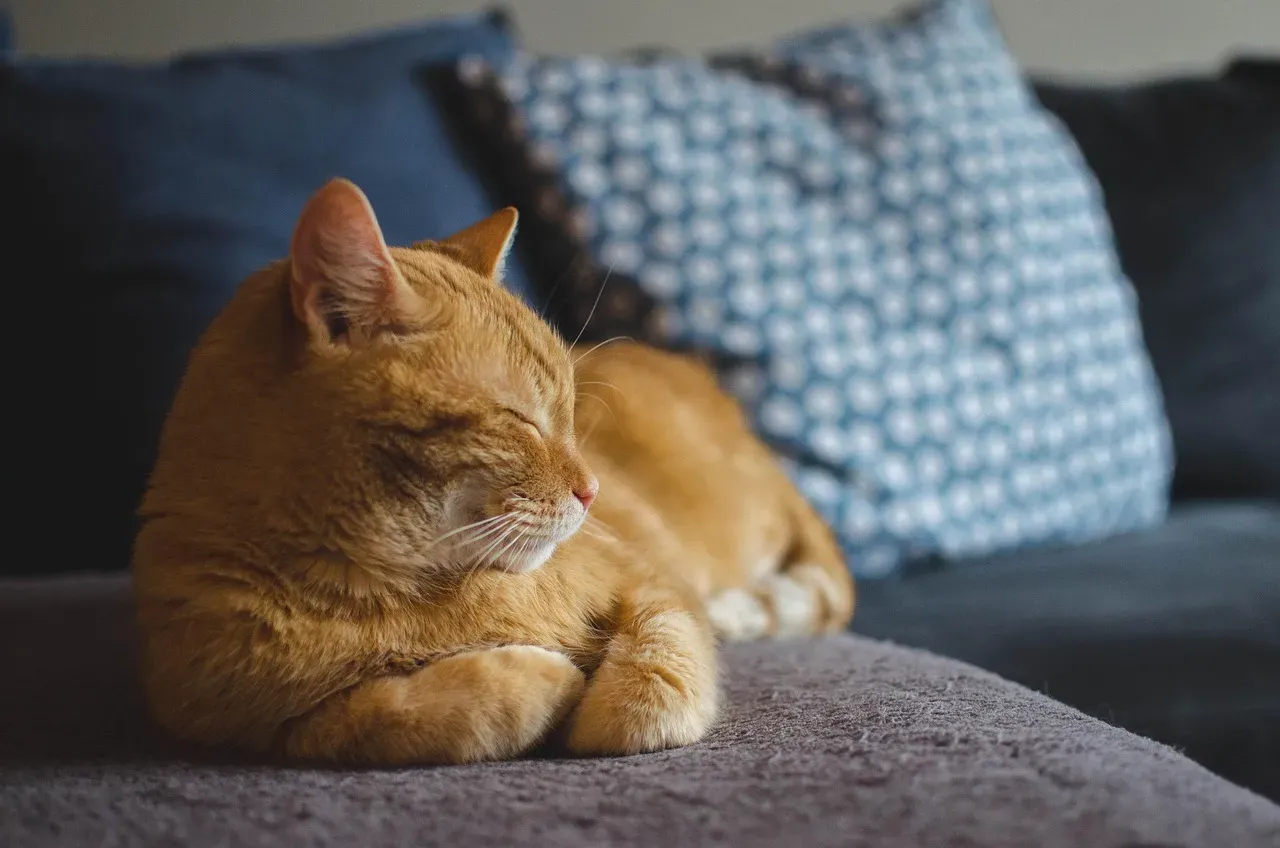
Cats have an extraordinary sense of smell, and scent plays a major role in how they navigate their emotional world. When a cat curls up in the dent left on the couch cushion or the specific spot on the bed where you were sitting an hour earlier, they're often seeking out your lingering scent rather than choosing the location for warmth or comfort alone.
This preference becomes more noticeable when owners are away from home for extended stretches. Cats have been observed gravitating toward items of unwashed clothing or unmade beds that still carry a familiar scent, using them almost as a substitute for the person's actual presence. It's a quiet, understated form of longing that's easy to overlook unless you know what to look for.
#5 They vocalize more when you've been away
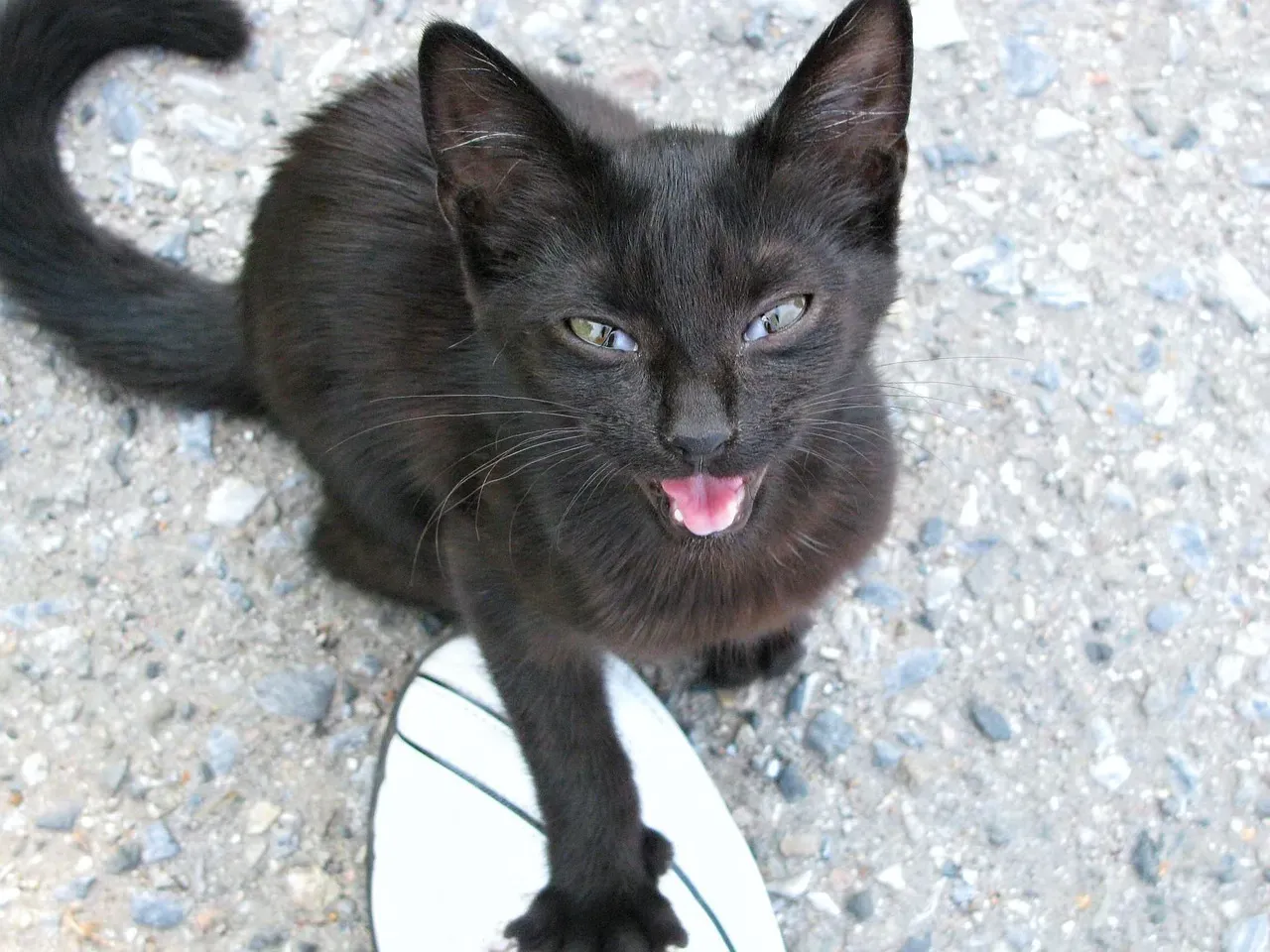
Cats rarely meow at other cats. Meowing is largely a behavior reserved for communicating with humans, which researchers believe developed specifically because cats learned it gets our attention. If your cat greets you with an unusually long string of meows, chirps, or trills after you've been gone longer than usual, that vocal outburst is likely a direct response to your absence.
Some cats develop specific "missed you" vocalizations that differ from their everyday sounds, a slightly more urgent or drawn-out tone compared to a casual request for food. Owners who pay close attention over time often start to recognize these patterns, noting that the intensity of the greeting seems to correlate with how long they were away. It's one of the more direct, if easily dismissed, signals of feline attachment.
#6 They act a little standoffish before warming up again
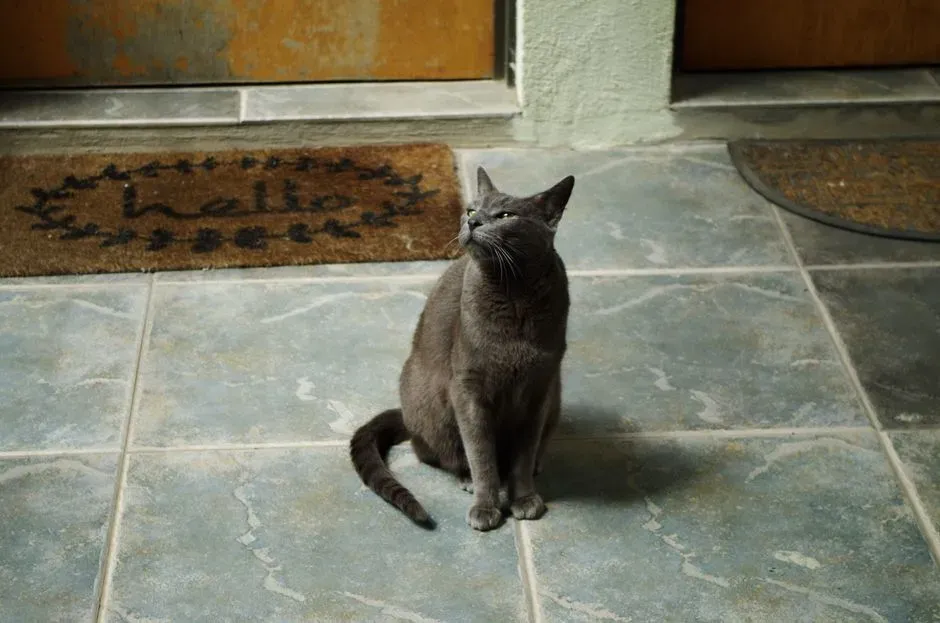
This one confuses a lot of cat owners, but a brief cold shoulder after you return home can actually be a sign of how much your cat missed you. Some behaviorists compare this to a mild protest response, similar to patterns seen in other animals that form attachments, where a period of aloofness follows separation before affection resumes. It's not spite. It's more likely a brief adjustment period as your cat processes the shift back to your presence.
Give it a little time, and most cats who exhibit this behavior will circle back with head bumps, purring, or a spot on your lap within an hour or two. The initial distance isn't rejection, it's closer to how some people need a moment to reset before diving into conversation after time apart. Reading past that first few minutes often reveals the warmth underneath.
#7 They bring you "gifts," even indoor ones
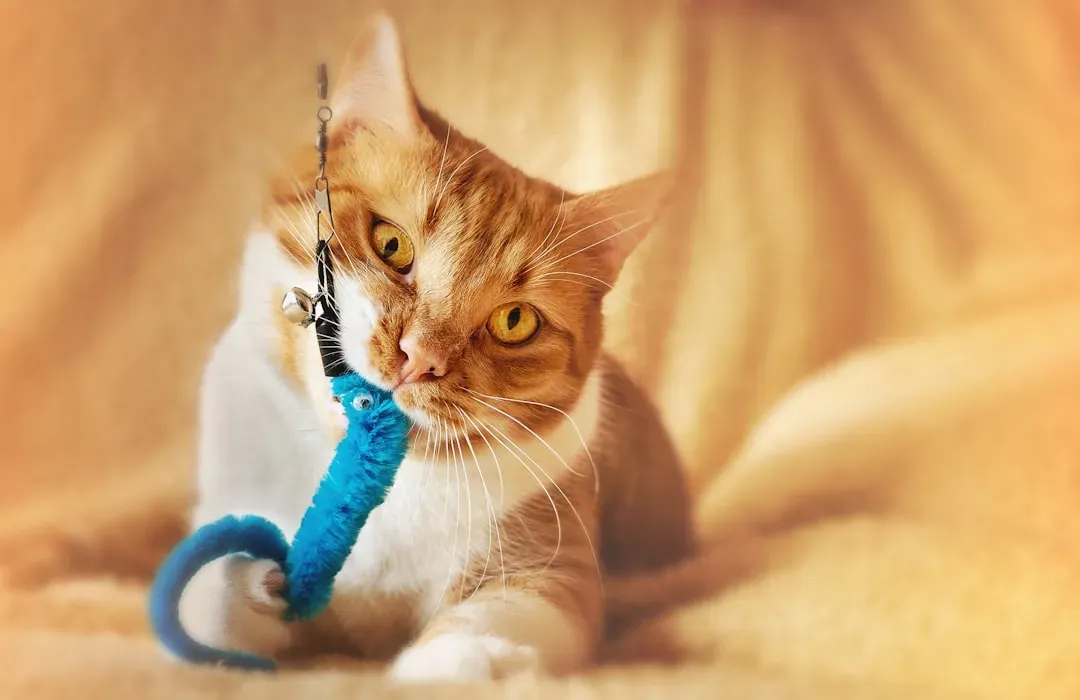
The stereotype of cats leaving dead mice on doorsteps has some truth to it, but indoor cats without hunting access often adapt the behavior into something more symbolic. Toys dropped by your pillow, bottle caps deposited near your shoes, or a favorite stuffed mouse left on your keyboard can all be modern, apartment-friendly versions of this instinct. Bringing prey, real or pretend, back to a trusted companion is rooted in cats' natural social and provisioning behaviors observed in feral cat colonies, where cats share resources with those they consider part of their group.
This gift-giving tends to happen more frequently around reunions rather than during ordinary days, which suggests an emotional trigger tied to your return. It's a cat's way of including you in something they consider valuable, even if the item itself is just a crumpled receipt. The gesture matters more than the object.
#8 Their tail gives away more than their face does
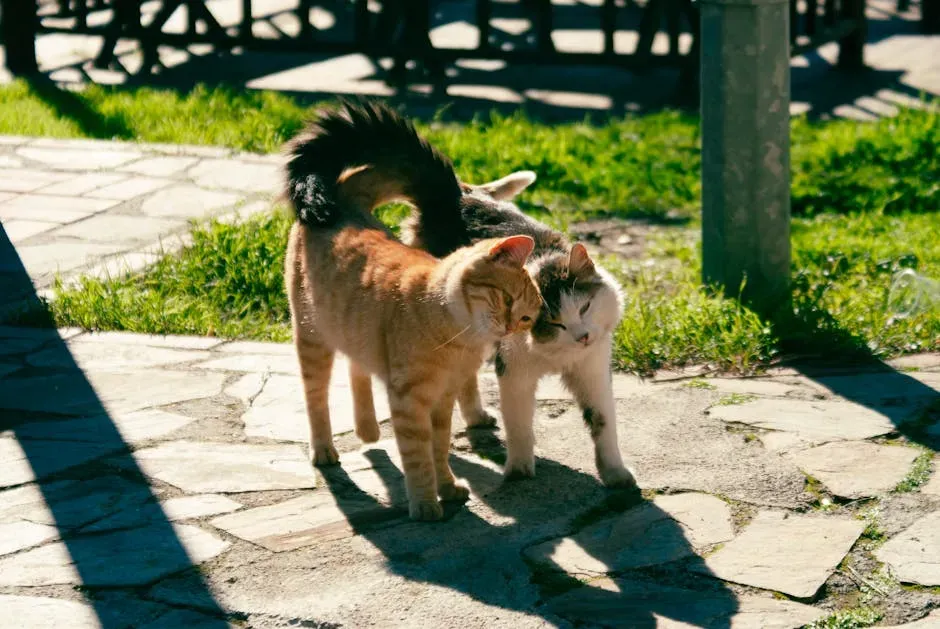
Cats are notoriously difficult to read facially compared to dogs, but their tails are surprisingly expressive. A tail held high with a slight curl at the tip, especially when approaching you, is widely recognized among behaviorists as a friendly, affiliative signal. This posture is often reserved specifically for trusted humans or other cats within the same social group.
Watch for this tail position specifically during reunions, whether after a workday or a longer trip. A relaxed, upright tail combined with slow blinking or a soft chirrup is about as close as a cat gets to an enthusiastic hello. It's subtle body language, but once you learn to spot it, it becomes obvious how much emotional weight it carries.
#9 They seek out your scent through your clothes or belongings
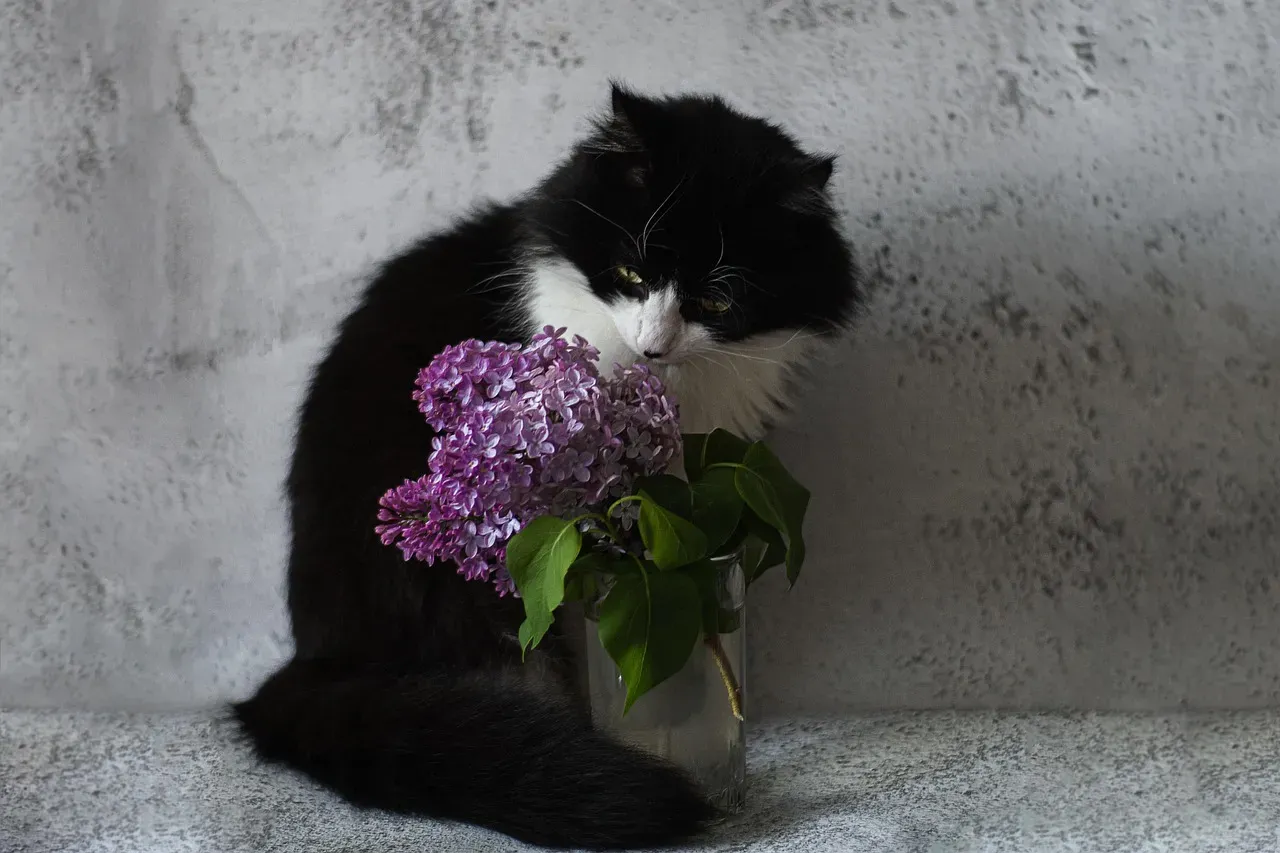
Beyond sitting on your favorite chair, some cats take scent-seeking further by burrowing into laundry baskets, sleeping on unworn shoes, or repeatedly returning to a specific bag or jacket. This is closely tied to how cats process comfort and familiarity, relying heavily on scent memory to navigate their environment and relationships. Your particular scent profile, made up of everything from soap to skin oils, becomes a kind of anchor for your cat when you're not physically present.
This behavior often intensifies noticeably during longer absences, such as vacations, compared to a typical eight-hour workday. Owners who travel frequently sometimes report their cats gravitating toward suitcases or worn clothing left behind, a pattern that lines up with research showing cats use scent cues to maintain a sense of connection to their attachment figures even when those figures are out of sight.
#10 They calm down noticeably once you're back
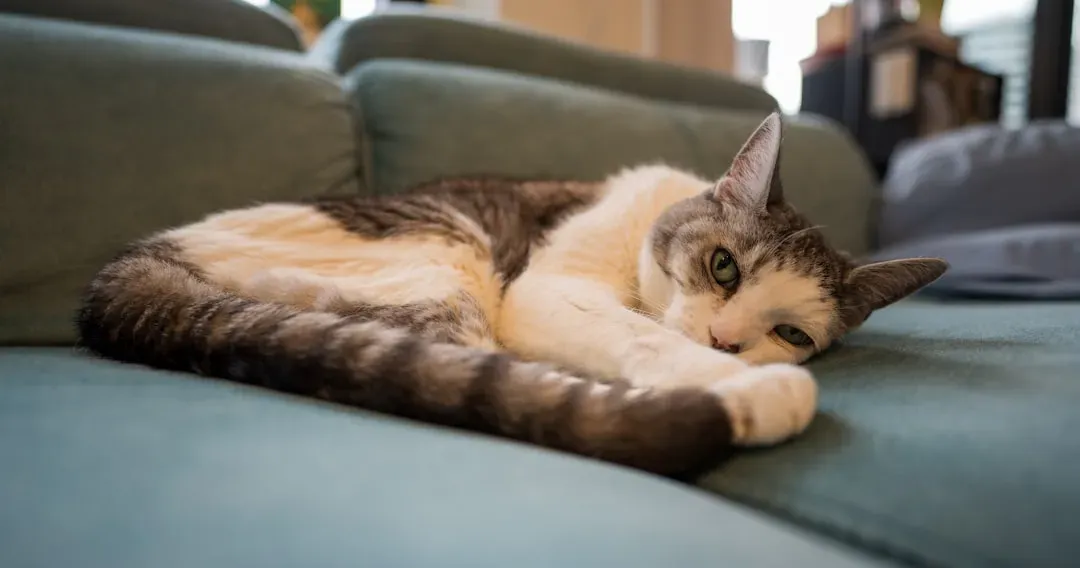
Subtle shifts in behavior after you return home, slower breathing, more relaxed body posture, a drop in restless pacing, can indicate that your absence created a low level of stress that your presence resolves. This lines up with findings from attachment research suggesting cats regulate their stress responses partly based on proximity to their trusted human. It's not dramatic or obvious, but it's measurable if you know your cat's typical baseline behavior.
Some owners notice their cats eat more readily, groom more calmly, or settle into sleep faster once the household is back to normal. These aren't just coincidences tied to routine. They reflect a genuine physiological and emotional shift that happens when a cat's primary attachment figure is back in the environment, offering a sense of security that was temporarily missing.
What This Really Means for Cat Owners
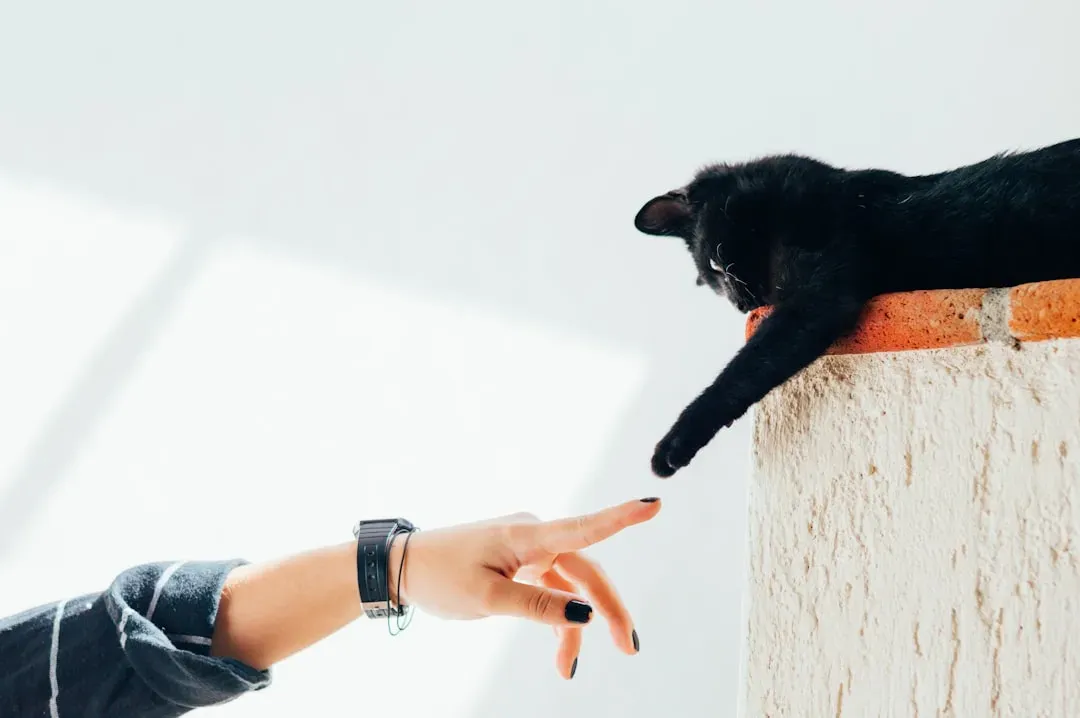
The evidence is fairly clear at this point: cats are not the emotionally detached creatures pop culture has made them out to be. They form real attachments, they notice absences, and they express longing in ways that are just quieter and more nuanced than a dog's enthusiastic greeting. If anything, the subtlety of feline affection makes it more meaningful once you learn to recognize it, because your cat isn't performing for attention. It's showing you something genuine.
My honest take is that cats get an unfair reputation simply because their love language doesn't match human expectations. A cat sleeping on your worn t-shirt or greeting you with an unusual meow is communicating just as clearly as a dog with a wagging tail, we just haven't been trained to listen as closely. Paying attention to these small signals doesn't just deepen your understanding of your cat, it deepens the relationship itself. And honestly, once you start noticing them, you'll never see your "indifferent" cat the same way again.