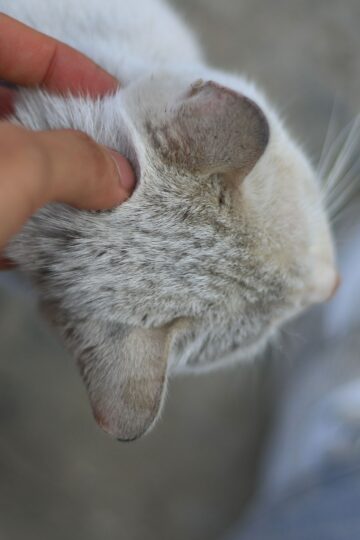
8 Ways Older Cats Show They've Never Stopped Loving You
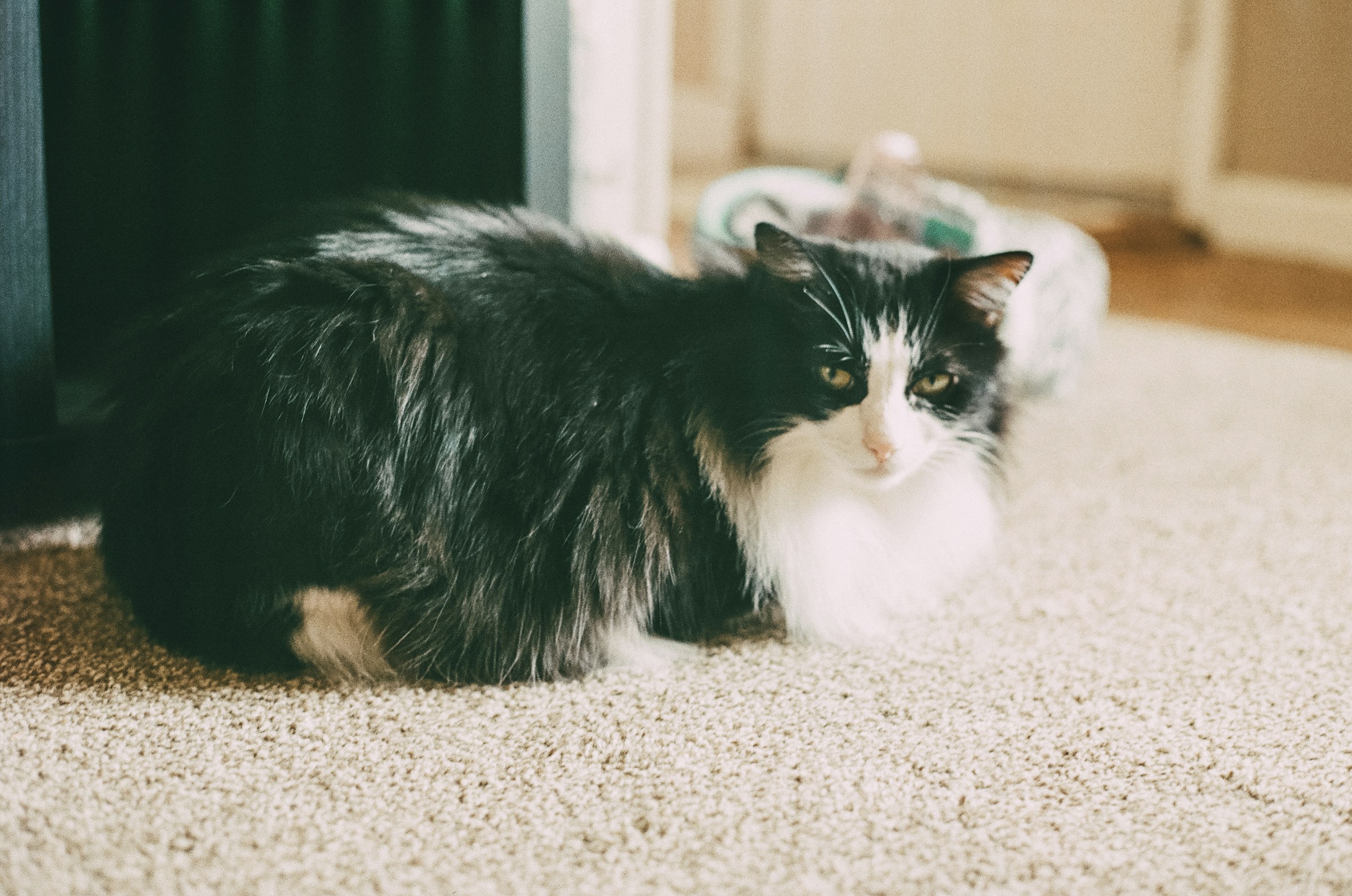
#1 Slow blinking becomes a regular ritual
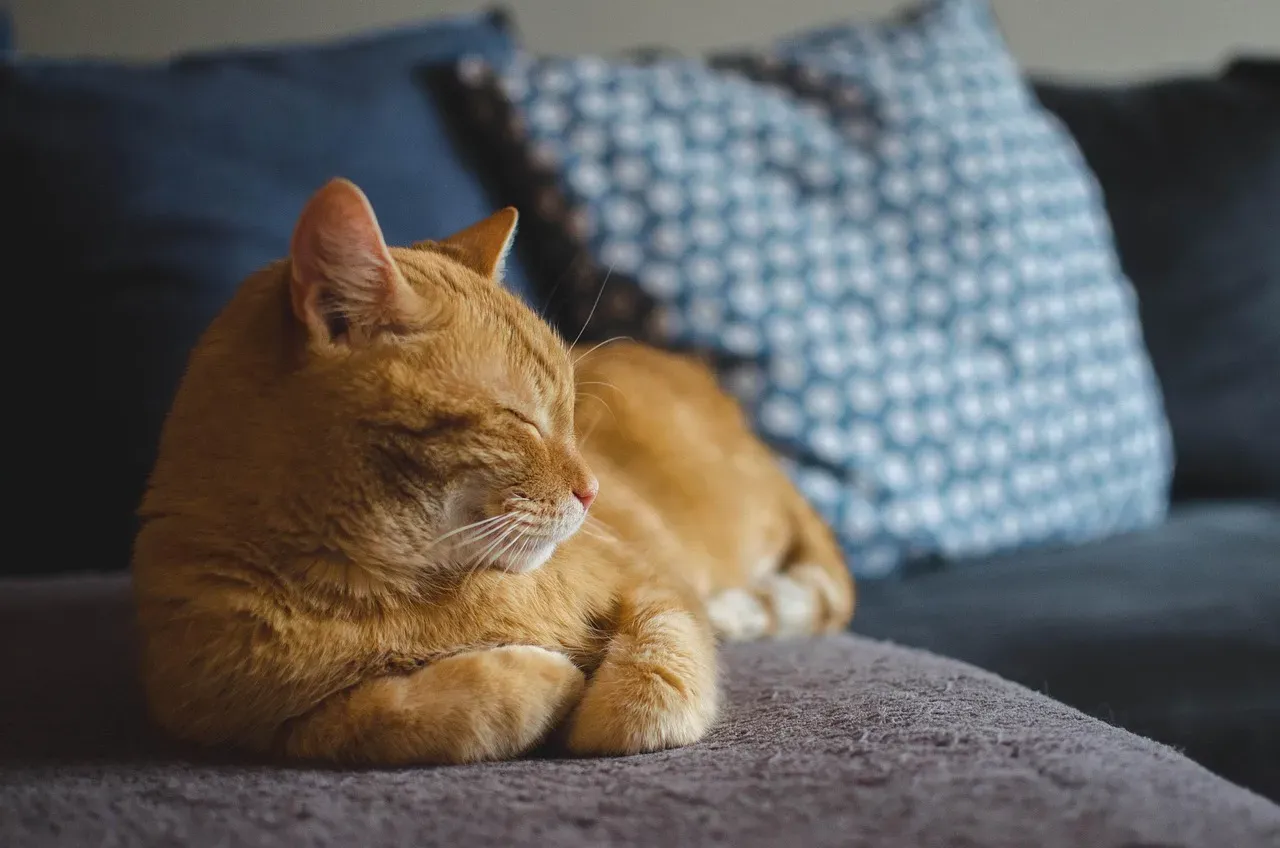
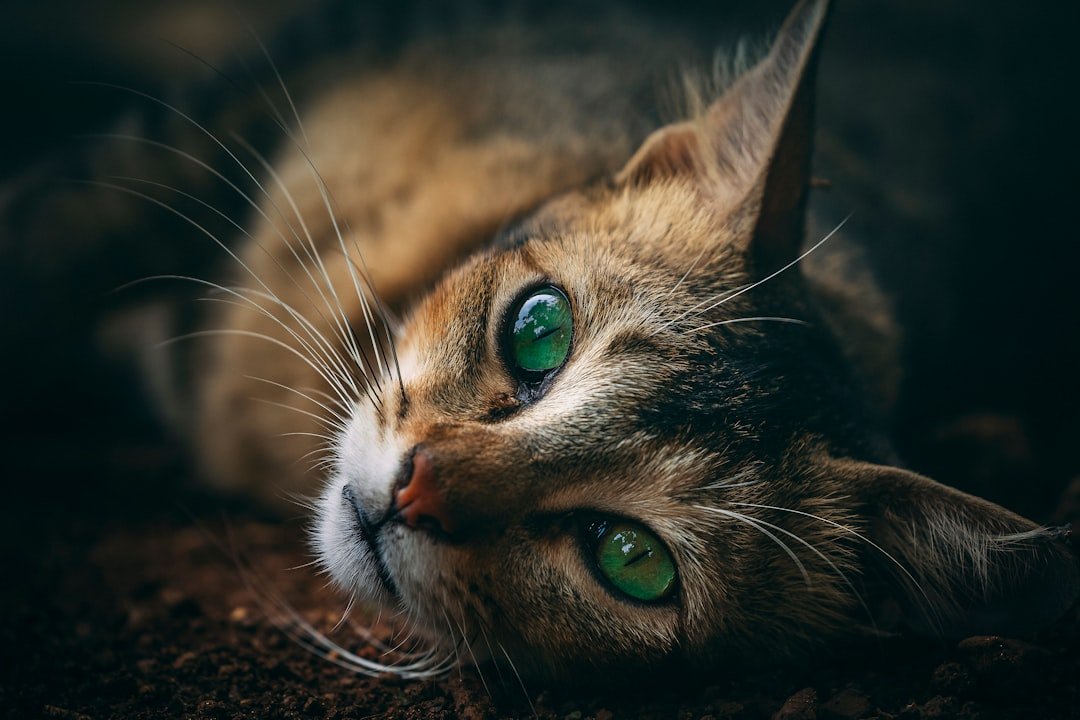
Cats of all ages use slow blinks to communicate calm trust, but older cats tend to lean into this gesture more consistently once they've settled into a household routine. Researchers studying feline facial expressions have found that slow blinking functions almost like a smile, a way of signaling to a person that there's no threat and no urgency, just contentment. In senior cats, this behavior often becomes a dependable part of the daily rhythm, happening during quiet moments on the couch or right before a nap.
What makes this particularly meaningful in older cats is the consistency. A kitten might slow blink occasionally amid a flurry of other activity, but a senior cat often makes it a deliberate, repeated exchange, almost like checking in. If an aging cat locks eyes and blinks slowly at you multiple times a day, it's not a fluke of tired eyelids. It's a settled, ongoing form of communication that says the bond is still very much active.
#2 Following you from room to room without much fuss
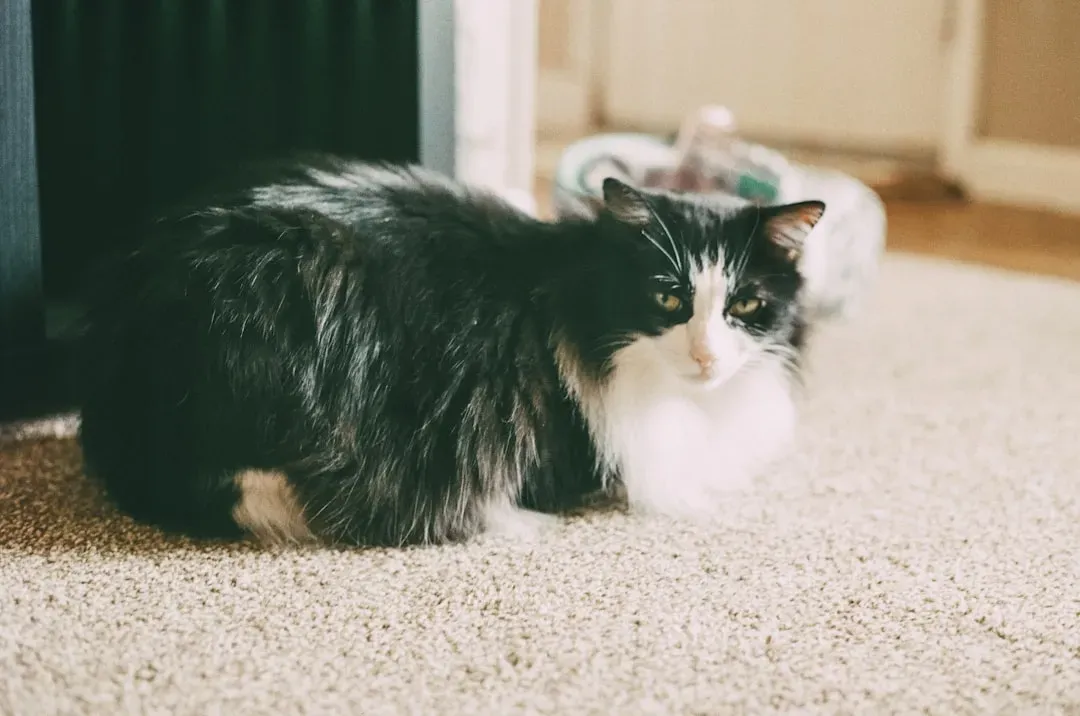
Older cats often become quieter shadows around the house, padding along after their favorite person without the dramatic meowing or figure-eight leg weaving that younger cats sometimes display. This isn't a lack of interest. It's a more efficient, low-energy way of staying close, conserving movement while still choosing proximity over solitude.
Senior cats also tend to be more selective about who they follow, which makes the behavior feel more significant when it happens. A cat that's lived in a home for a decade or more has usually figured out exactly whose company it prefers, and trailing that person from the kitchen to the bedroom is a quiet vote of confidence. It's less about needing supervision and more about wanting to remain within reach of comfort.
#3 Choosing to nap near you instead of alone
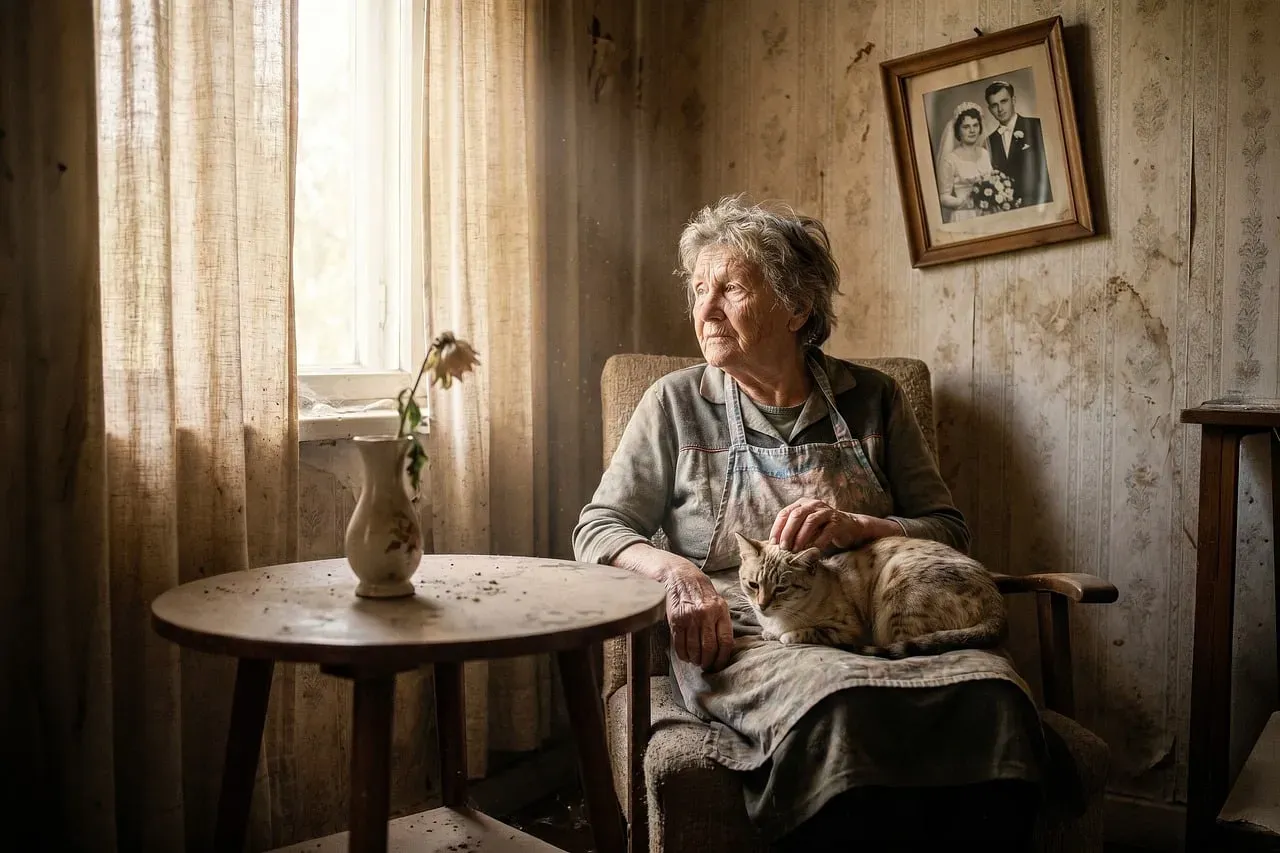
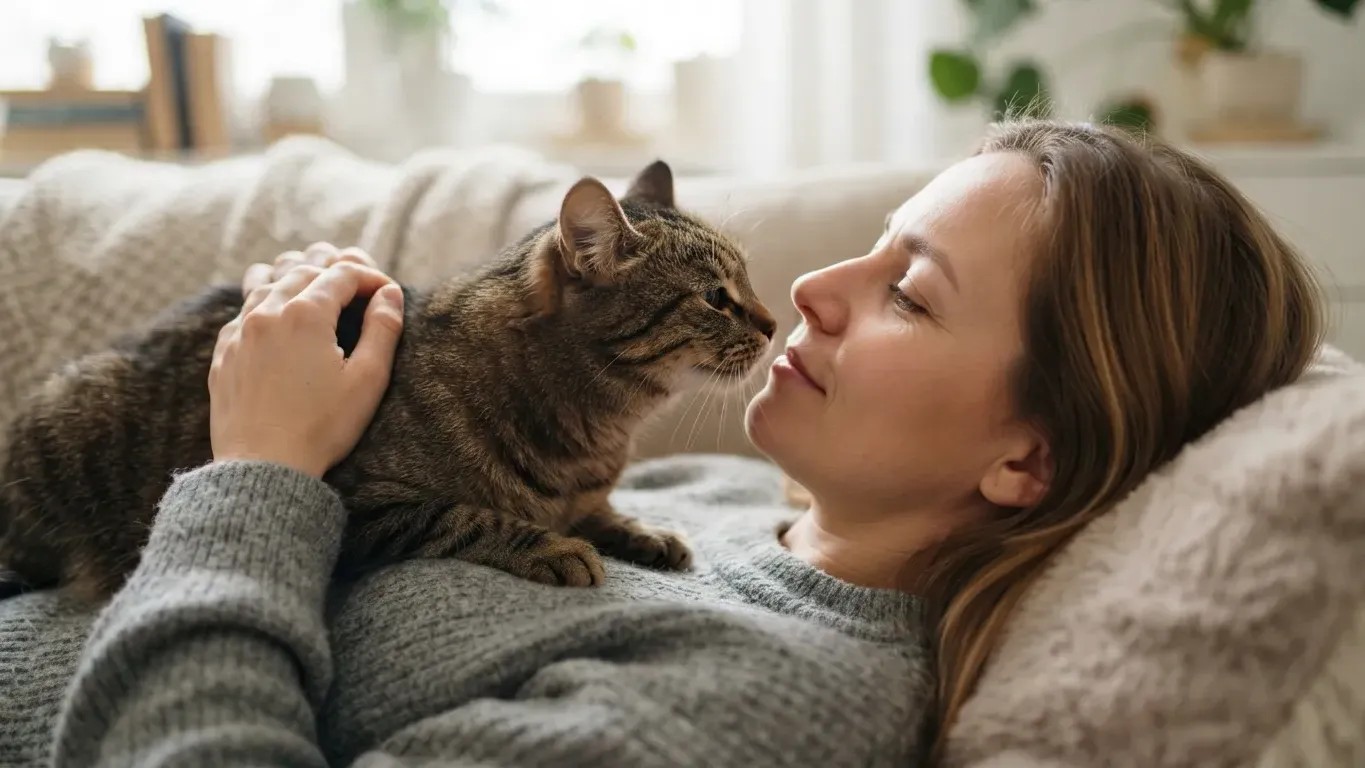
Cats are naturally drawn to warm, secure spots for sleeping, and as they age, many start prioritizing proximity to their favorite humans over other cozy alternatives in the house. A senior cat curling up on a nearby cushion, at the foot of the bed, or draped across a lap during a movie is making a clear choice among many available napping spots. That decision reflects comfort and trust built over years rather than a passing whim.
This behavior can also intensify with age because older cats often sleep more overall, sometimes resting for the majority of the day. When a cat consistently picks a person's presence as the backdrop for that extra sleep, it suggests the relationship remains a source of security. The nap itself might look unremarkable, but the location says quite a bit about where that cat feels safest.
#4 Softer, more frequent vocalizations aimed directly at you
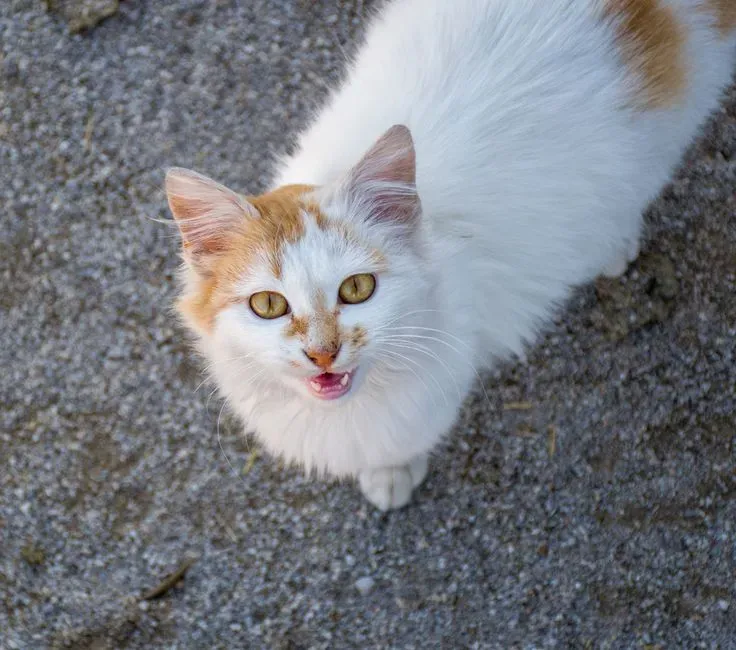
Many cat owners notice their aging feline becoming more talkative, offering soft chirps, trills, or short meows specifically when a person walks into the room. Veterinary behaviorists note that this kind of vocalization is typically directed at humans rather than other cats, since adult cats largely reserve meowing for communicating with people rather than each other. In older cats, this can become more frequent as they seek connection or simply enjoy the interaction that follows.
It's worth noting that increased vocalization in senior cats can sometimes signal health issues like hyperthyroidism or cognitive changes, so it's not something to dismiss outright if it becomes excessive or distressed sounding. Still, in cats that seem otherwise comfortable and content, those little chirps and trills aimed at a favorite person are generally read as a form of greeting or bid for attention rooted in affection, not anxiety.
#5 Gentle head bunting and cheek rubbing
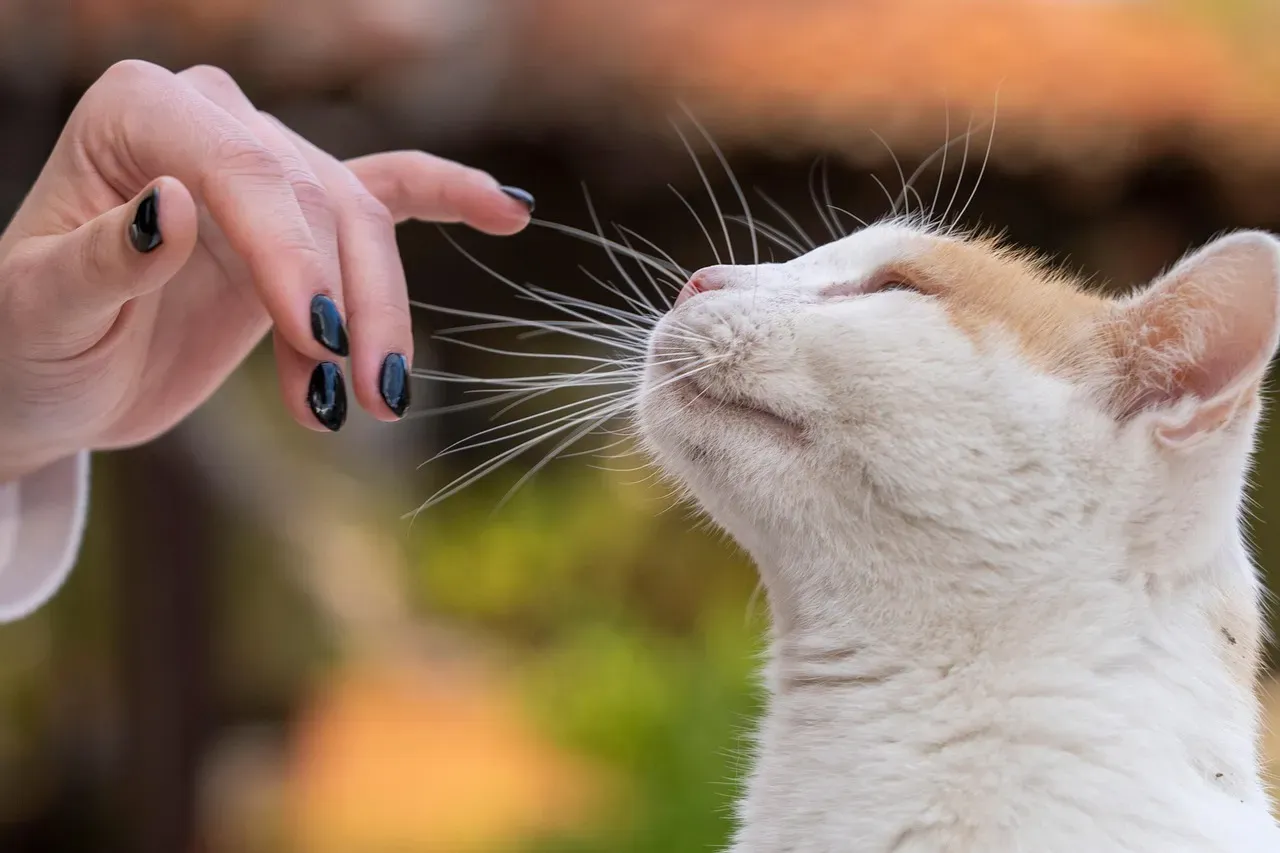
Head bunting, where a cat presses its forehead or cheek against a person, is rooted in scent marking behavior tied to glands located around the face. Cats use this to deposit their own scent and create a shared, familiar smell between themselves and the people or objects they consider part of their territory and social group. Older cats often continue this behavior well into their senior years, sometimes with even more deliberate, unhurried motions than they used to have.
This gesture carries a layer of trust that's easy to overlook. A cat wouldn't press its face against someone it viewed as a threat or a stranger, so a senior cat that regularly bunts against an owner's hand or leg is reaffirming an established bond rather than forming a new one. The slower, calmer pace at which older cats often perform this behavior can make it feel more intentional, almost like a quiet reassurance rather than a quick, distracted gesture.
#6 Kneading with paws, even without claws extended
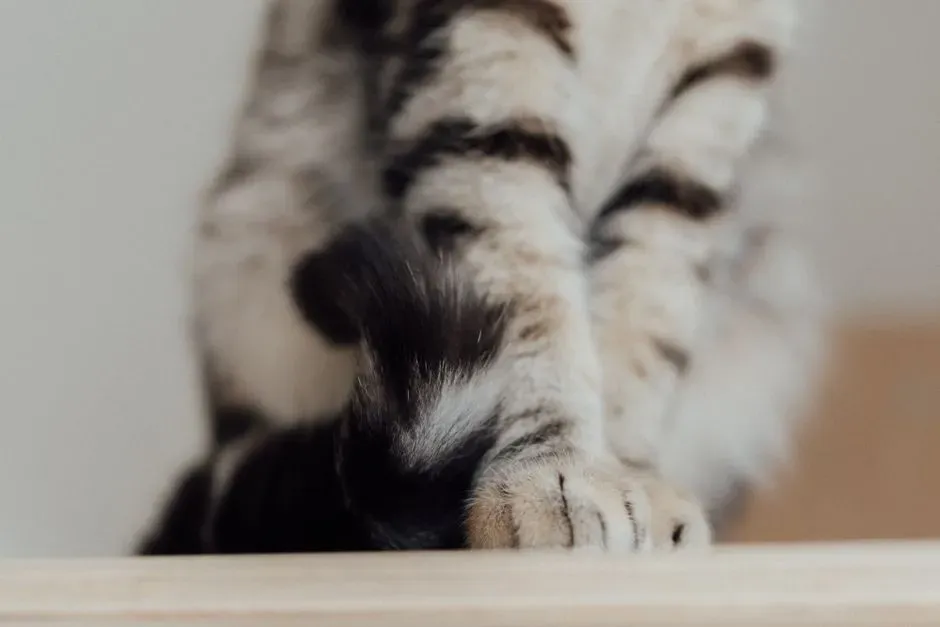
Kneading, sometimes called making biscuits, traces back to kittenhood nursing behavior, when kittens instinctively push against their mother to stimulate milk flow. Many cats retain this behavior into adulthood and old age, often kneading blankets, laps, or soft surfaces when they feel relaxed and secure. In senior cats, this can become a comforting, almost meditative habit that shows up during moments of closeness with a trusted person.
Some older cats knead more gently than they did when younger, perhaps due to softer claws or slower reflexes, but the emotional undercurrent remains the same. It's a self-soothing behavior tied to feelings of safety, and choosing to do it on or near a specific person suggests that individual represents comfort in the cat's mind. Watching an aging cat settle into a slow, rhythmic knead on a favorite blanket or lap is a small but telling sign that the emotional wiring from kittenhood never fully disappeared.
#7 Seeking out physical touch more deliberately
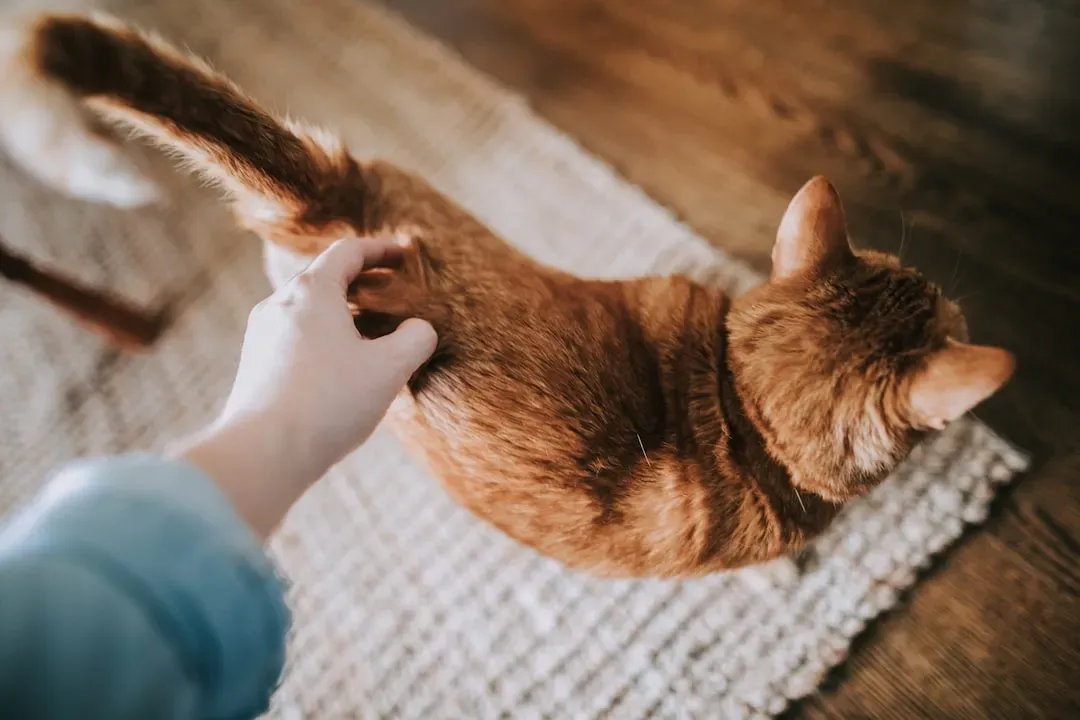
While some cats become less tolerant of handling as they age due to joint pain or sensitivity, many others actually seek out more physical contact, leaning into strokes or positioning themselves for petting in ways they didn't bother with when younger. This shift can partly reflect changing needs, since gentle touch may soothe minor aches or simply feel comforting as energy levels decline. For a cat that once preferred quick pets and independence, a newfound willingness to linger under a hand is a notable change.
This deliberate seeking out of touch also reflects a kind of relaxed confidence that builds over a long relationship. Younger cats can be more guarded, testing boundaries and reading body language cautiously. An older cat that has spent years alongside the same person often skips that caution altogether, walking straight up for contact because the outcome is predictable and welcome. That predictability, built over time, is really just another word for trust.
#8 Staying close during vulnerable moments like grooming or resting
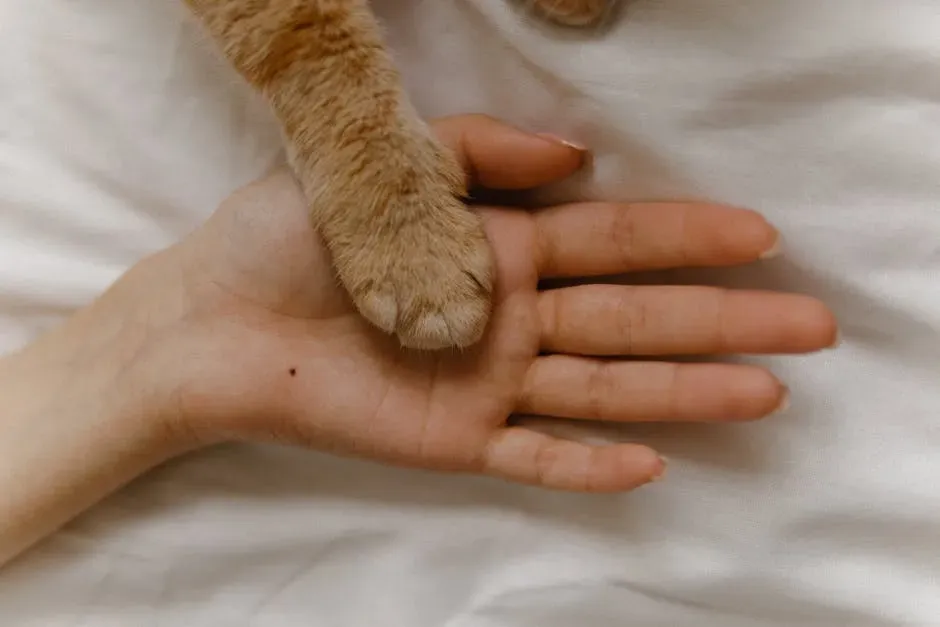
Cats are hardwired to be cautious during vulnerable states, since in the wild, sleeping or grooming leaves them exposed to predators. When an older cat chooses to groom itself, doze off, or fully relax in close proximity to a person, it's making a statement about how safe that environment feels. This kind of relaxed vulnerability tends to deepen with age rather than fade, especially in homes where the human-animal bond has been consistent over the years.
Senior cats in particular may show this by falling into a deep sleep on a person's chest or lap, something a more alert younger cat might avoid doing as freely. It reflects an accumulated sense of security that doesn't develop overnight. When a cat that has lived through multiple seasons of life with someone still chooses that person's presence during its most exposed moments, it's a strong, lasting signal of trust and affection.
Final Thoughts